Ski Resorts
Solitude Mountain Resort Review: A Low-Key Experts' Haven in Big Cottonwood Canyon
A close look at Solitude Mountain Resort, from its excellent dry snow and demanding hike-to terrain to its limited beginner slopes, slow fixed-grip lifts, and paid parking.
Introduction
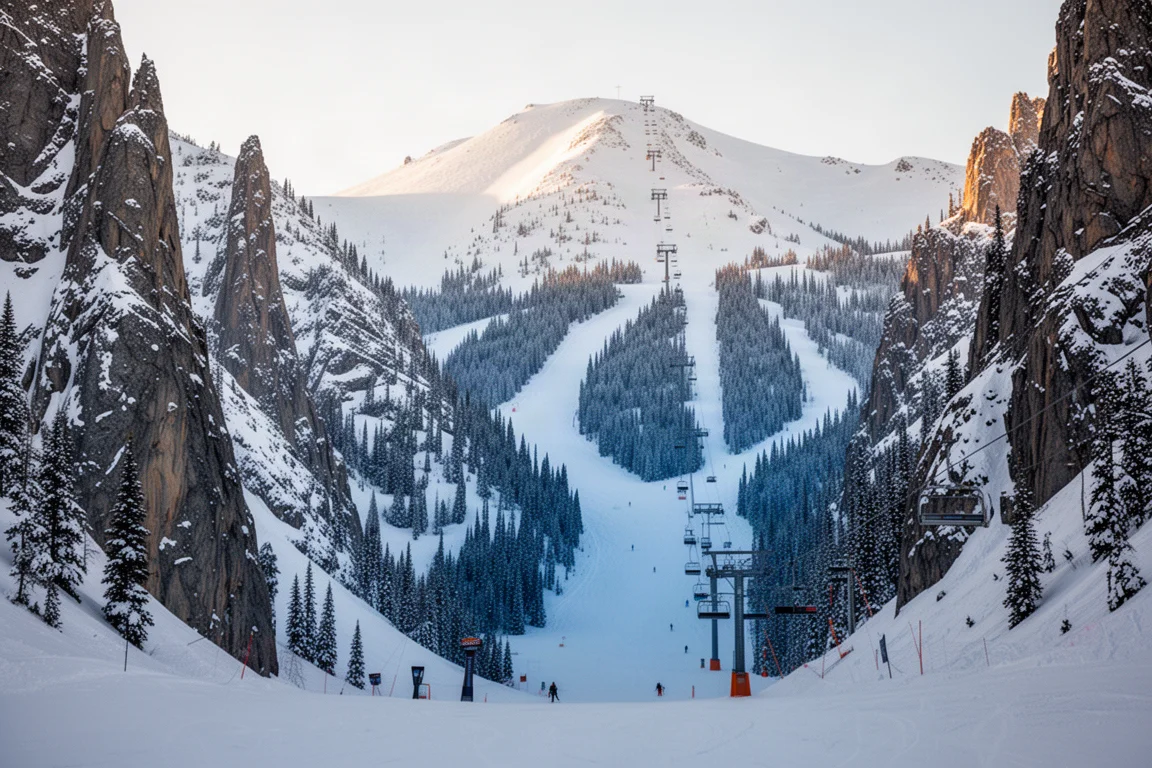
Solitude sits in Utah’s Big Cottonwood Canyon, a short drive from Salt Lake City and one range over from the Alta and Snowbird pair. The resort has been running since the 1950s, and for decades larger, better known destinations overshadowed it. Unlimited access on the Ikon Pass changed that, pushing Solitude onto the destination stage whether the mountain was built for it or not.
The resort does a lot of things well. The real question is whether it delivers the complete experience you would expect from a Rockies getaway, or whether it works best as one part of a wider Utah trip.
Who Solitude Is For
Solitude reads like a family resort at first glance, but that is not the most accurate way to view it. The mountain is better understood as a low-key experts’ haven. Advanced and expert skiers are the ones who will feel immediately at home, and locals who value a non-commercial feel will get the most out of a season there.
Beginners are the group most likely to be disappointed. Green terrain is very limited, with only a few short trails near the main base.
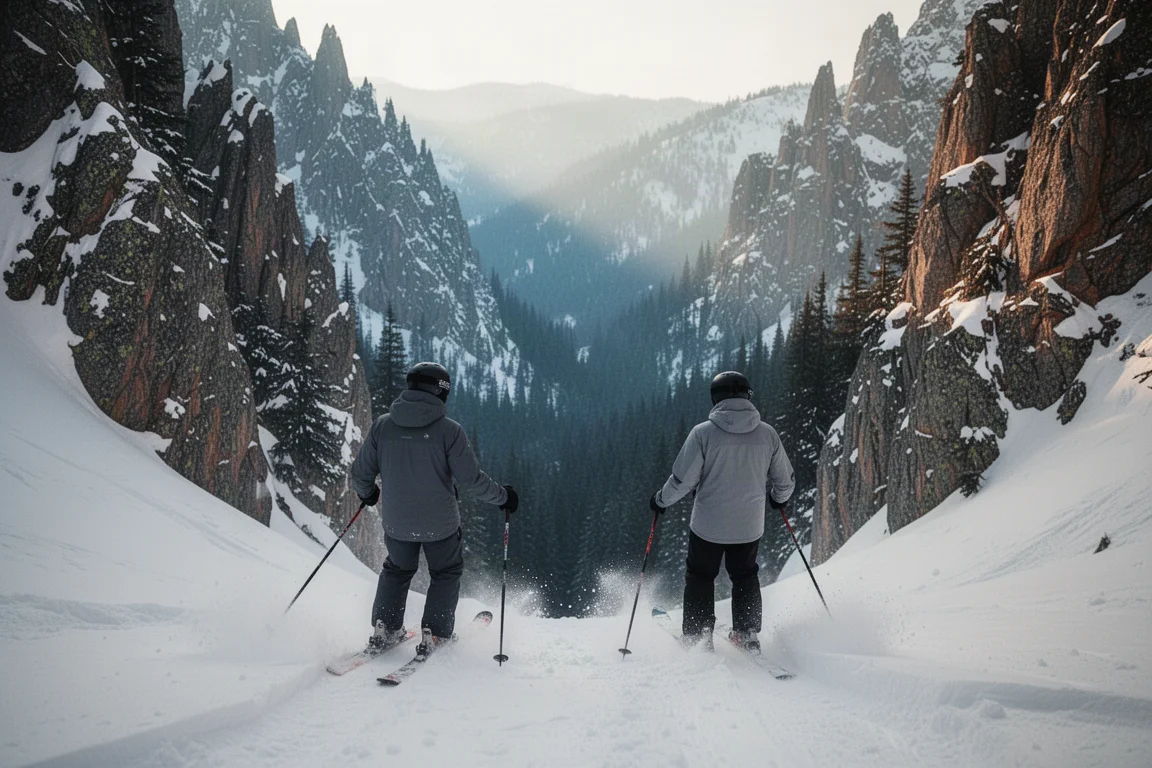
Ikon Pass holders are another natural fit. Solitude is the only mountain in Utah that offers unlimited access on the Ikon Pass, and that access has drawn noticeably more traffic over the past couple of years. Intermediates can enjoy the resort, but they should go in knowing that the blue grading is inconsistent and that the best groomed intermediate runs cluster around a small number of lifts.
Main Strengths: Snow Quality and Season Reliability
Snow is the headline. Like its Cottonwoods neighbors, Solitude gets hammered each season, and its totals rank among the best in North America, even if they fall just short of what Alta, Snowbird, and Brighton receive. Accumulation is about as light and dry as it gets, which keeps turns effortless even on powder days.
Reliability matters almost as much as volume. Thanks to generous accumulation and early season snowmaking, most of the resort stays open dependably through the season. The exception is the hike-to expert terrain, which takes far longer to fill in and opens inconsistently from year to year.
Main Strengths: Expert Terrain and Hike-To Zones
Expert visitors will find a wide variety of slopes, even if the footprint is smaller than most competitors. Long, consistently steep pitches are the norm, and runs mix traditional below-treeline trails with lightly gladed bowls. Difficult woods are scattered across the mountain, and a few black runs off the Eagle lift are groomed, though most stay ungroomed and demand serious endurance.
Double black terrain makes up roughly a quarter of the resort. Expect uncovered rocks, cliffs, tree stumps, and narrow chutes. The most extreme lines require hiking: the shorter Evergreen and Cathedral hikes lead to tight gullies and mandatory cliffs, while Fantasy Ridge is the marquee objective, a 30 to 45 minute climb up a narrow mountain spine with very little room for error.
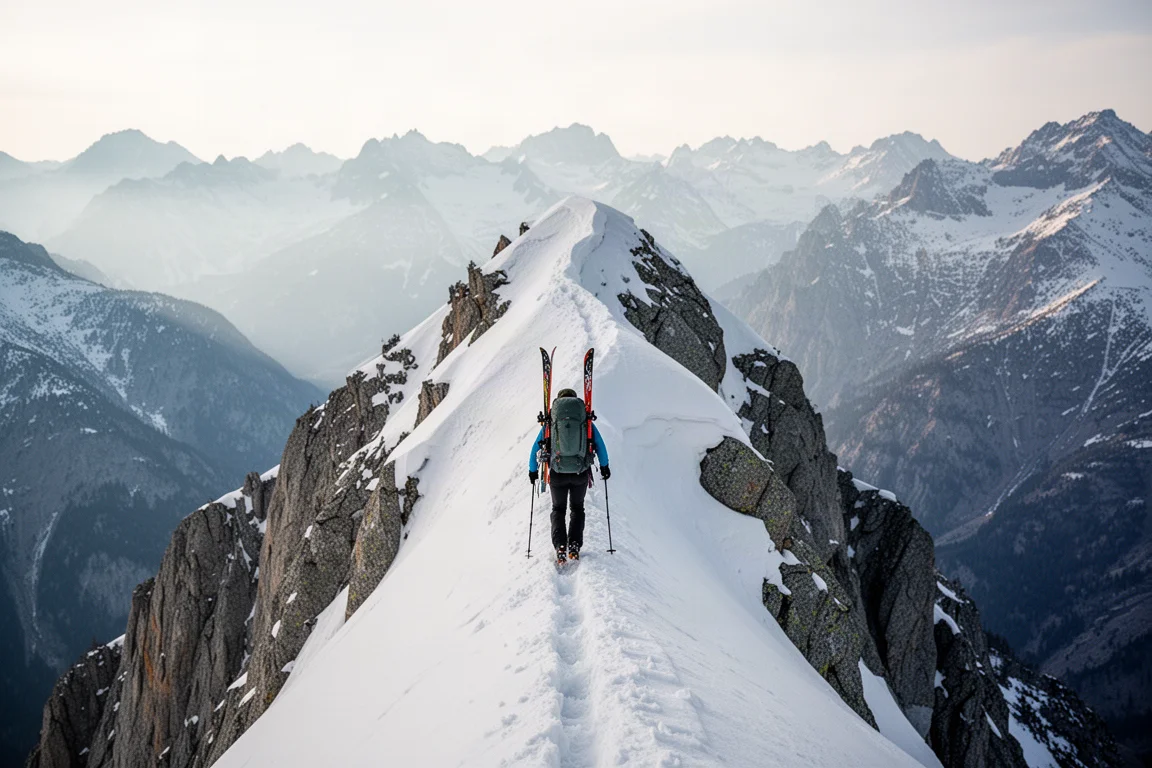
Those hike-to areas are also the last to open. Fantasy Ridge typically takes the longest, so travelers chasing this terrain should plan a trip for February or later.
Main Strengths: Mountain Character and Scenery
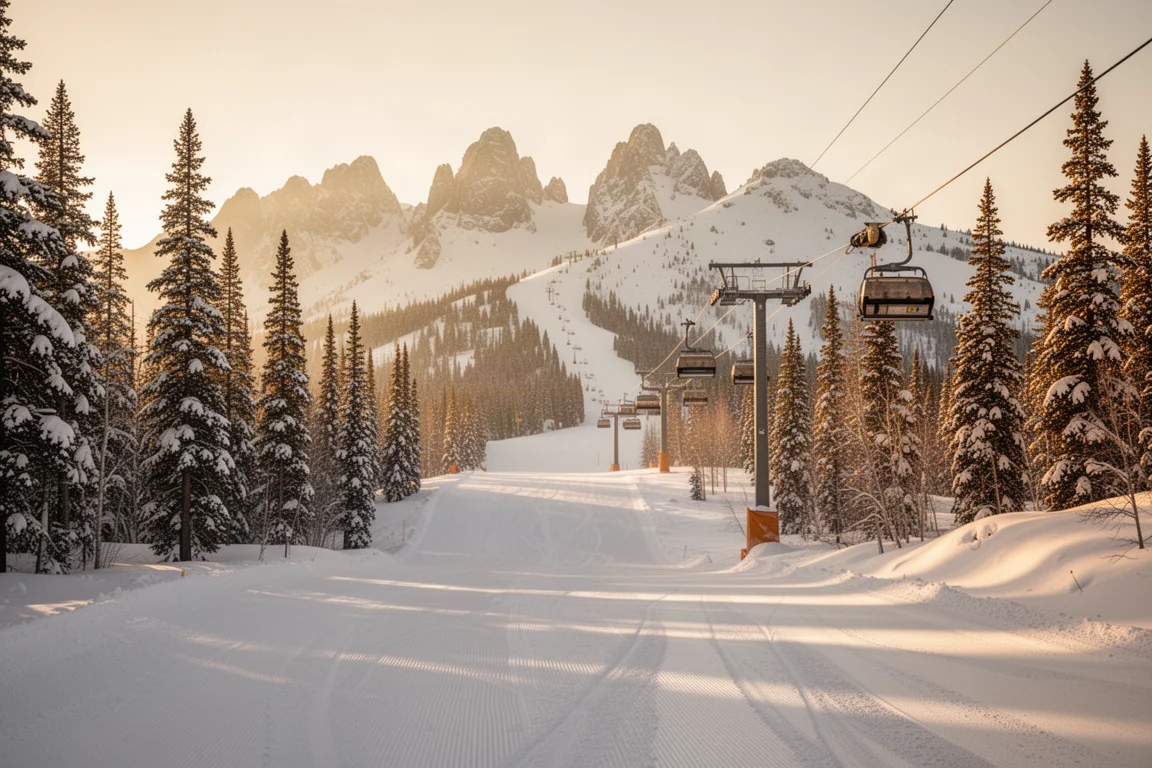
Elevation tops out at just over 10,000 feet, which keeps Solitude competitive with other Rockies mountains. The resort does not offer the expansive, wide-open vistas some destinations are known for, but parts of it are genuinely striking. Lower mountain areas feel fairly typical, while the upper mountain and Honeycomb Canyon are lined with dramatic canyons split by jagged peaks.
Very little of the mountain is built up, which gives it a natural, local feel. If avoiding a commercial atmosphere matters to you, Solitude delivers on that front.
Things to Consider: Lifts, Navigation, and Crowd Flow
Much of the footprint is served by high-speed lifts, and typical visitors will spend most of the day on them. Two notable exceptions are the intermediate-focused Sunrise pod and the mid-mountain Powderhorn pod, both of which still run on slow fixed-grip lifts and are overdue for replacement.
Lift placement is the bigger issue. The network is not set up well for lapping advanced and expert terrain. Honeycomb Canyon accounts for a third of the resort, but reaching it means riding all the way down to the Honeycomb Return lift near the base, even if you entered from the summit. Getting back to where you started can take up to three lifts.
The other choke point is the Summit Express, which provides the only lift access to upper mountain terrain covering more than half the resort. It was upgraded from a double to a high-speed quad a few years ago, and the lower base terminal now allows direct access from the Apex Express, removing the old three-lift approach to the top. Even so, capacity still lags behind demand for the terrain it serves.
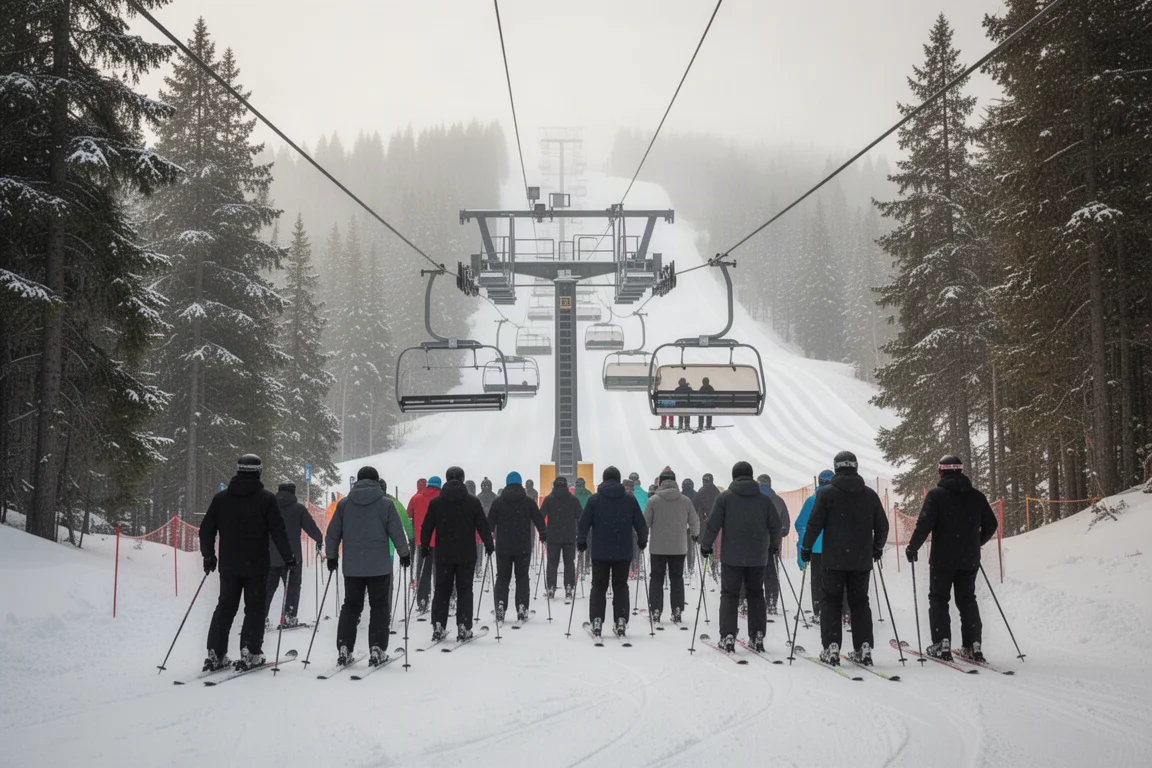
Navigation is better than those logistics suggest. The resort’s tall, narrow layout makes it hard to get truly lost, and signage helps, although base areas take a little figuring out and trail markers at some run entrances could be clearer. With the exception of Honeycomb Canyon, most visitors should find the mountain easy enough to move around.
Things to Consider: Facilities, Parking, and Getting Around
Solitude’s roots as a local mountain rather than a destination resort show up when you stop for a break. Base facilities are nice, with indoor and outdoor seating, and the Roundhouse Lodge is a convenient stop while lapping the Moonbeam and Eagle lifts. Mid and upper mountain areas, however, have no lodges at all, including no bathrooms, so guests in those zones have to detour to the base. The resort is small enough that the detour is never truly painful, but it is a real limitation.
Size is worth weighing carefully. Solitude covers 1,200 skiable acres within 1,260 acres from boundary to boundary, making it considerably smaller than most Utah destination resorts and closer in scale to some large East Coast mountains. It offers a longer vertical drop than neighboring Brighton, but much of that difference comes at the expense of beginner and intermediate terrain.
Intermediate skiers have options, though they require some navigation. Blue runs appear across more areas, but actual difficulty varies a lot. Only some lower mountain blues are consistently groomed, while others hide steep ungroomed sections that ski more like black runs. The high-speed Apex and Eagle lifts serve most of the best intermediate groomers, and Apex is also where the only real intermediate trees are found. The Sunrise area is the other solid intermediate zone, but a slow fixed-grip lift makes it a less appealing place to spend time.
Then there is parking. Solitude requires all guests to pay for parking and is one of the only resorts in North America to mandate paid parking every day. Driving guests should expect that cost on arrival.
Buying Advice: Tickets, Passes, and Timing
Window lift ticket prices undercut competing Utah destinations, which makes Solitude an appealing add-on for a wider trip. That advantage narrows for advance purchases, where the gap against Alta and Snowbird effectively disappears, so it pays to compare before committing.
Two access options shape the decision. Unlimited Ikon Pass access is the simplest route for frequent visitors, and the SolBright ticket or an Ikon Pass lets you ski Solitude and Brighton on the same day. Together the two areas are similar in size to some smaller destination mountains, which makes splitting days between them a sensible plan for multi-day trips.
Timing matters most for expert terrain. Since the hike-to zones fill in late, February and later is the safer window for anyone planning around Fantasy Ridge or the other extreme lines.
For most travelers, the smartest approach is to treat Solitude as one piece of a broader Utah ski trip rather than a standalone destination. It rewards the right group generously, and it pairs naturally with the rest of the Cottonwoods.
Conclusion
Solitude earns a mountain score of 69, which places it sixth among Utah destinations. That ranking reflects what the resort is: outstanding snow, genuinely demanding terrain, and a distinctive upper mountain, balanced against a modest footprint, thin beginner and intermediate offerings, and lift logistics that struggle under crowds.
If excellent snow quality, a striking upper mountain, and unique advanced and expert terrain are what you want, Solitude is worth a serious look. If you need a large resort with strong beginner and intermediate options and smooth lift logistics, it is easier to justify spending your days elsewhere in Utah.
Product link
View more details for Solitude Mountain Resort
This product is mentioned in the review. Check the specifications, options, and compatibility before buying.
View more details for Solitude Mountain ResortFurther reading
Related Reviews

Ski Resorts
Alyeska Resort Review: Alaska's Largest Ski Resort, Worth the Journey?
A deep look at Alyeska Resort: heavy snowfall, expert terrain, an Icon Pass connection, and the trade-offs of a near-sea-level mountain in the Last Frontier.

Ski Resorts
Bear Valley Ski Resort Review: Northern California's Quiet Sierra Alternative to Tahoe
A lesser-known Sierra resort with over 1,300 skiable acres, surprisingly strong expert terrain, and crowd levels Tahoe can only dream of. Here is what to know before you go.

Ski Resorts
Colorado Ski Resorts Ranked: The Best Destination Mountains for Overall Experience
A ranked guide to Colorado's destination ski resorts, covering terrain, snow, logistics, crowds, and cost so you can pick the right mountain for your trip.