Camping Tents
Snugpak Ionosphere and Scorpion 3 Price Check: Where Value Stands Now
Two Snugpak shelters now carry premium US pricing on inexpensive polyester, and the Jack Wolfskin Gossamer 2 remains the better-built low-profile alternative.
Introduction
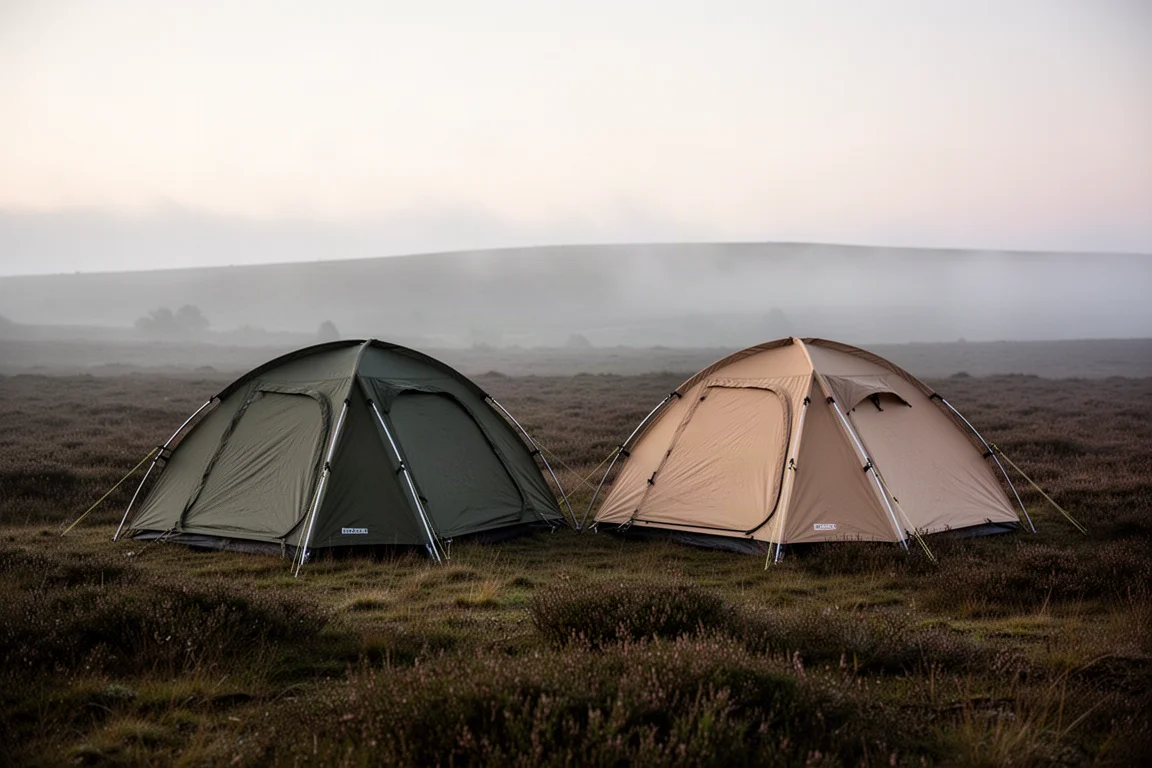
The Snugpak Ionosphere earned its following the slow way: a small, low-profile solo tent that disappeared into the landscape, packed down neatly and cost somewhere between $120 and $160 depending on the color you chose. Green was the original finish, and the tan version usually asked a little more.
That value equation no longer holds. The US suggested retail price now sits at $300, and the rest of the range has moved in the same direction. This guide looks at what the Ionosphere still does well, why the Scorpion 3 now asks $600, and why the Jack Wolfskin Gossamer 2 remains the more sensible low-profile alternative for many campers.
Why Snugpak Pricing Changed the Conversation
Snugpak is a British company formed around 1976. It makes tents, sleeping bags and sleeping pads, and it has also produced backpacks, rain jackets and rain pants. Its products follow a tactical style and rely on inexpensive materials rather than high-end technical fabrics. That approach worked while the prices stayed low.
For years the Ionosphere sold for roughly $120 to $160 in the United States. Today the US suggested retail price is around $300, and the same tent is reported to cost over $400 in some other markets. Buyers in the UK can reportedly still find it for around 180.
There is a second oddity worth noting. The product is now listed on the US site as the Ionosphere IX, with no explanation offered. Dimensions and weights are identical to earlier versions, so the change appears to be a rename rather than a redesign.
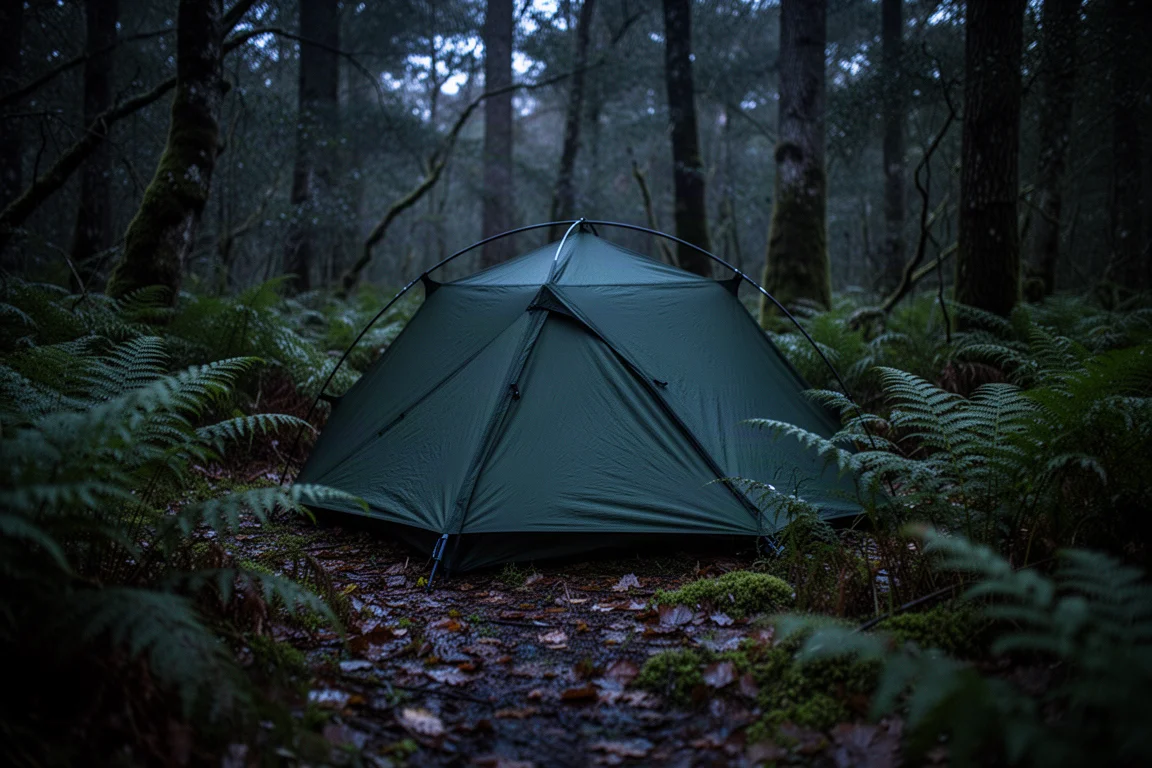
The practical takeaway is straightforward: the shelter has barely changed, while the asking price has roughly doubled. That shifts every comparison a buyer might make against other solo tents.
Snugpak Ionosphere: A Low-Profile Solo Shelter
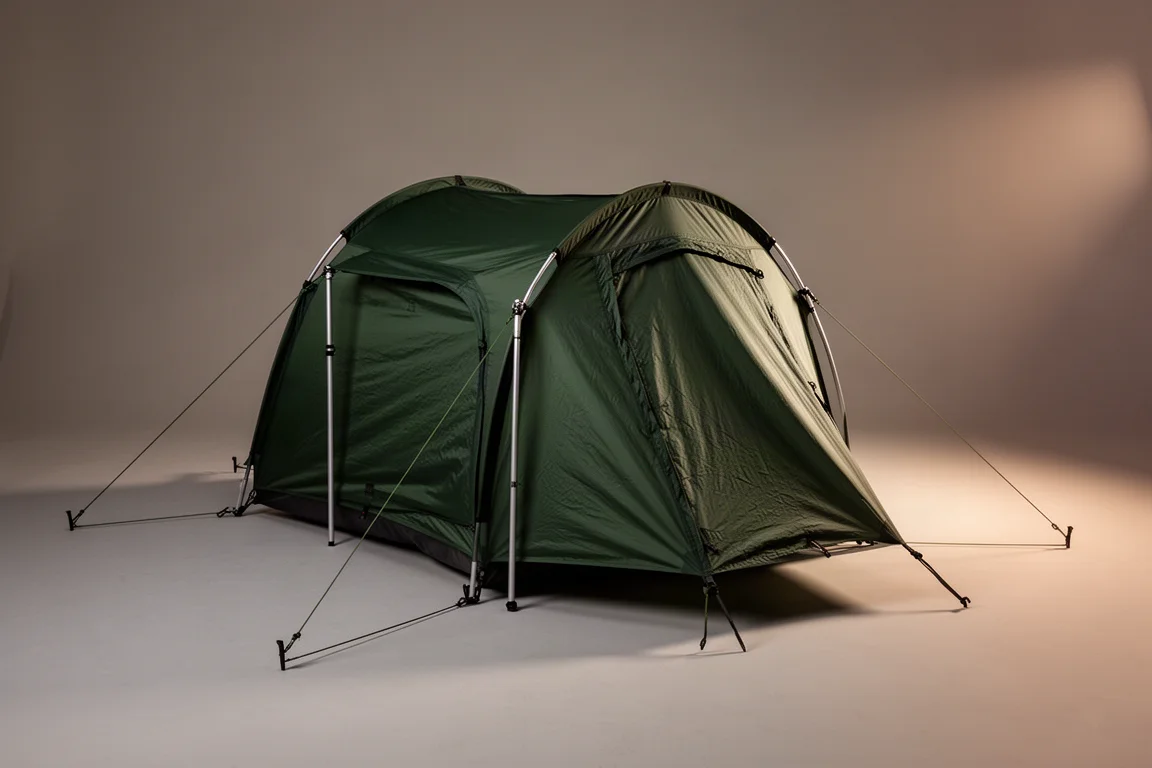
What the Ionosphere does well has not changed. It is a one-person tent with a very low profile, which makes it a strong candidate for stealth camping and for pitches where you would rather stay out of sight. The fly is 210T polyester, the poles are aluminium, and the complete package weighs around 3.5 lb.
Performance is adequate for three-season use. It copes with rain reasonably well. It can be used in cold weather, but it was not designed for it, and it is not a snow shelter: the top will collapse under a snow load.
Where the Ionosphere Falls Short
The central problem is the gap between price and materials. A 210T polyester fly is an inexpensive fabric, the type commonly used on low-cost tents and tarps, and comparable shelters, including larger ones, sell for well under $100 with the same construction. At $300 the Ionosphere competes with nylon-based tents that are lighter, stronger and generally better finished, often with YKK zippers and more refined hardware.
Durability reports are the second concern. In recent years there have been repeated accounts of failures across the range, including broken poles on the Ionosphere and problems with sleeping bags and sleeping pads. A Snugpak four-season tent was also reported to have collapsed during a snow event.
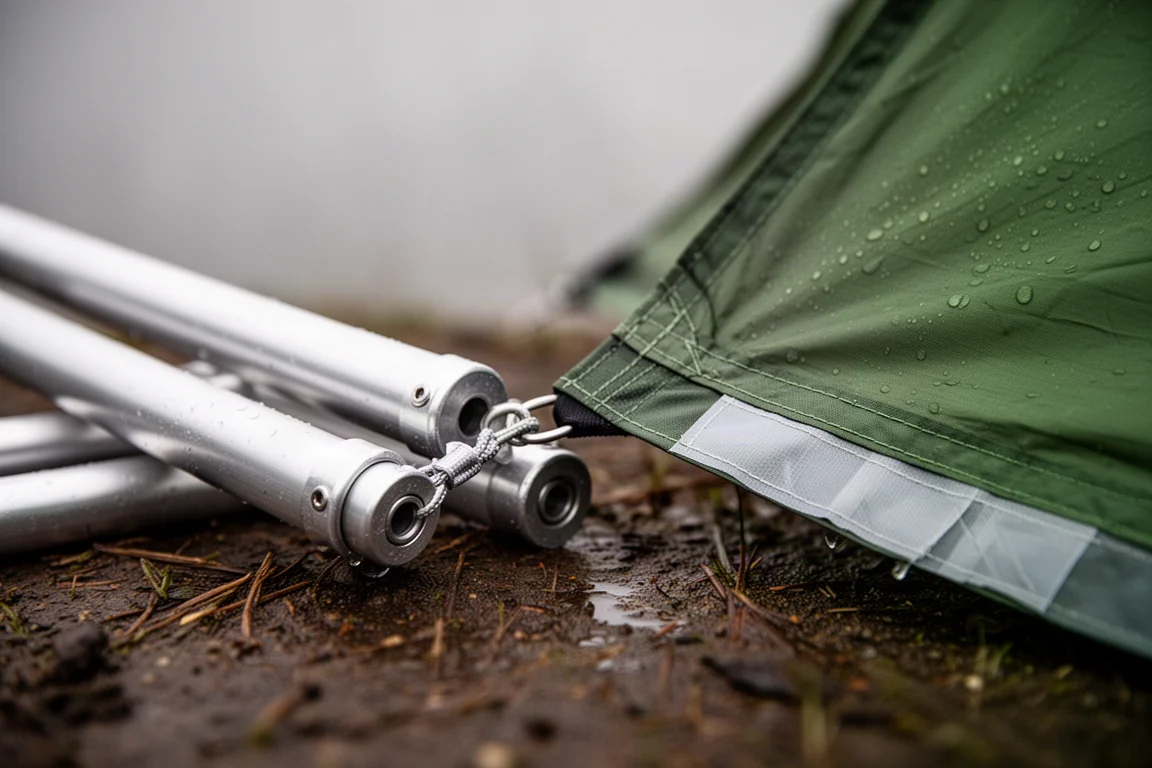
None of this means the design is poor. It means the price no longer reflects what arrives in the box, and that a careful inspection before use is worth the effort.
Snugpak Scorpion 3: A Four-Season Tent at a Flagship Price
The Scorpion 3 tells the same story with a larger number attached. Its suggested retail price used to be $400, but it was widely available for around $260. It now sells for $600.
The increase matters because the tent is built from a simple, inexpensive polyester that was never intended for the most extreme conditions. That was acceptable at the old price. The Scorpion 3 filled a useful niche as a budget-friendly four-season option that could handle cold, wind and a wide range of winter storms as long as conditions stayed reasonable. At $600 it competes with shelters in an entirely different class, including well-kept used tents from premium European makers that can cost less.
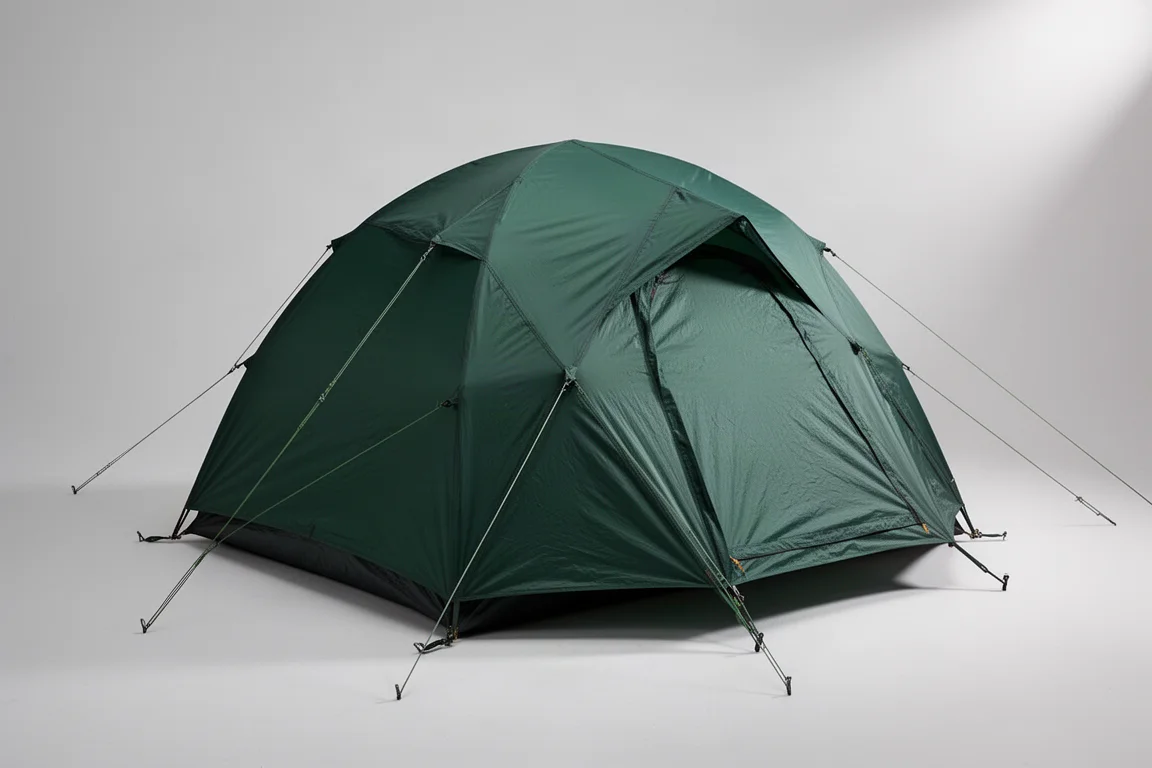
The Jack Wolfskin Gossamer 2: A Better-Built Alternative
If the low-profile layout is what appeals to you, the closest sensible alternative comes from Jack Wolfskin. The Gossamer is offered in a one-person and a two-person version, and it looks very much like the Snugpak shelter, but the build quality is noticeably better and the pricing is described as fair.
Availability is the catch. The Gossamer 2 sold out in the United States and restocking has been slow, so finding one often means importing or watching the secondary market with some patience.
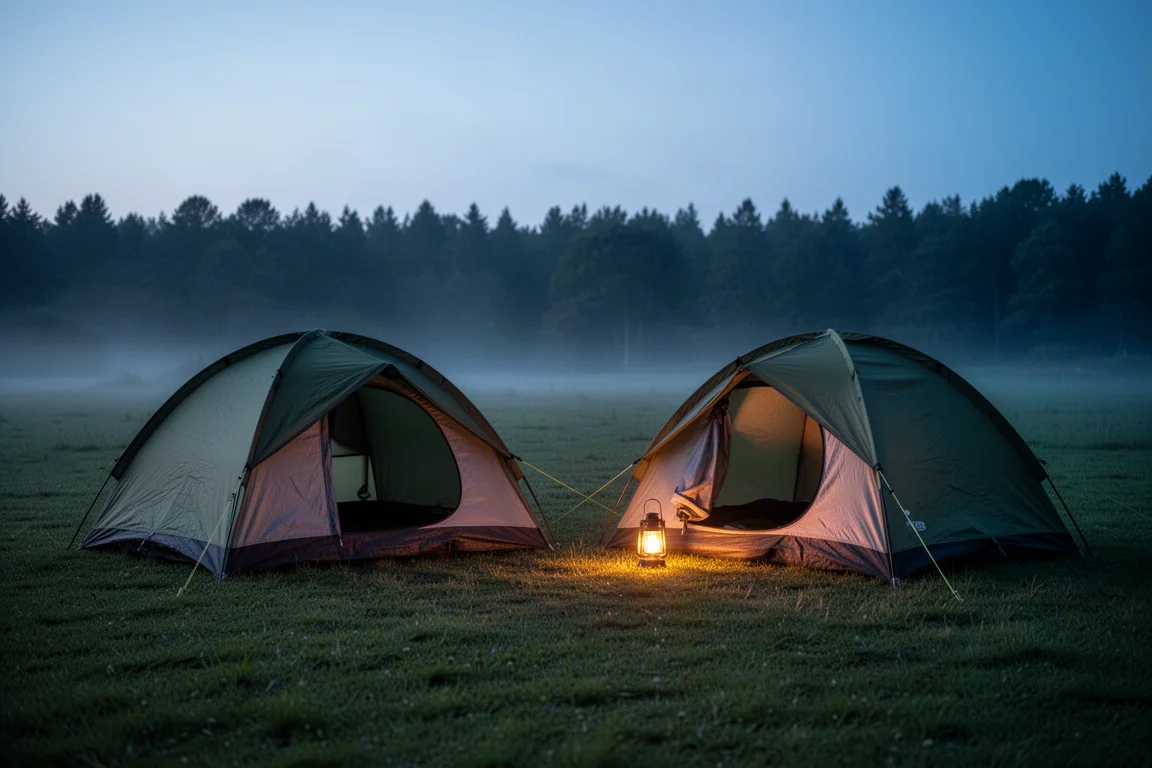
For campers who want a small, unobtrusive shelter without paying a premium for a budget fabric, it is the more sensible target.
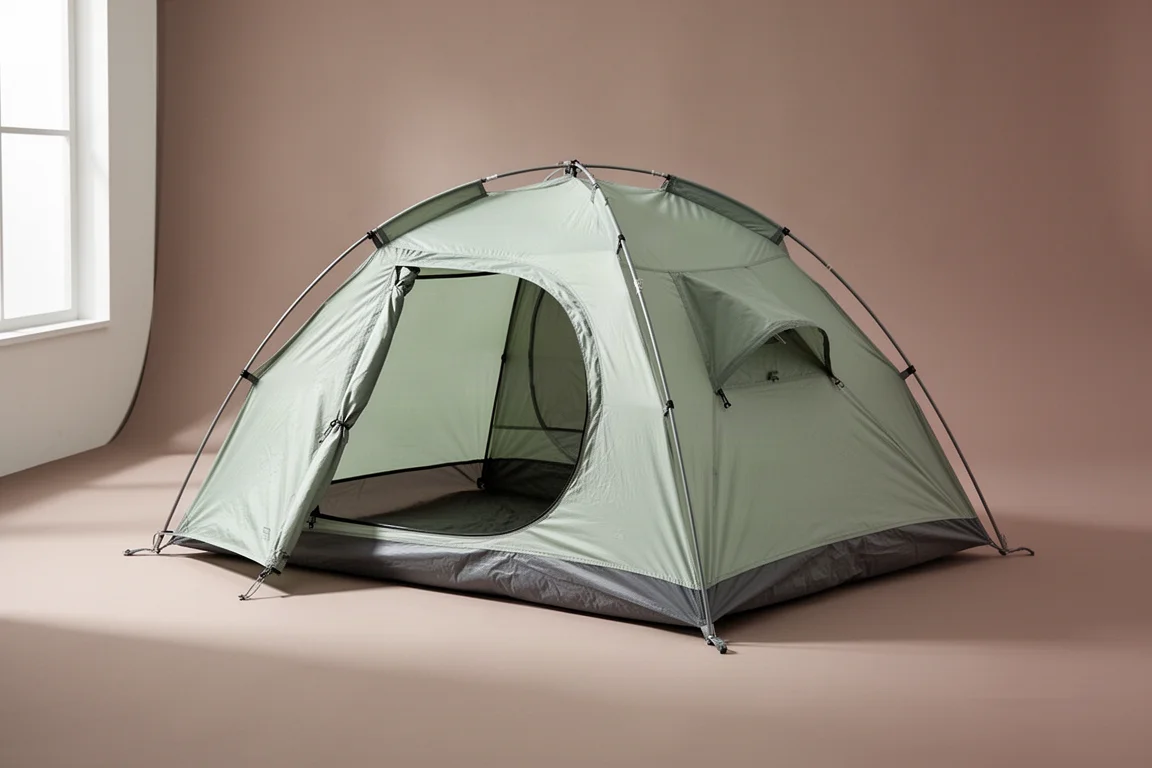
What to Look For in a Comparable Shelter
When comparing low-profile shelters, read the specification rather than the brand name. A nylon or ripstop nylon fly is generally stronger and lighter than a generic polyester of the same weight class, and quality hardware and YKK zippers are reasonable signals of a better-built tent. Aluminium poles are a genuine plus, and they are one of the few components on the Ionosphere that justify part of its cost.
It is also worth treating marketing claims with some caution. Snugpak describes itself as a world leader in lightweight and technical products. By the numbers, little in the range is genuinely light, and the fabrics are not technical in the abrasion-resistant sense of the term, where stiff, sturdy materials are built to survive contact with rock.
Cheap copies are not a shortcut either. A low-cost imitation of the Ionosphere exists from another brand, and its build quality was poor: loose threads, uneven stitching and messy seam tape throughout. It is not a substitute for a properly finished shelter.
Buying Advice: Testing Before You Trust It in the Field
If you decide to buy, buy with a plan for verifying the gear at home. Pitch the tent in the garden, check the stitching and seam tape, inspect the pole joints, and run a rain test before it ever goes into the field. If you buy a sleeping pad, inflate it and confirm it holds air overnight. The point is to find problems while returns are still simple.
It is also worth checking availability before committing. Several dealer links on the US site point to retailers that no longer stock the range, which makes it harder to compare prices or find support after purchase.
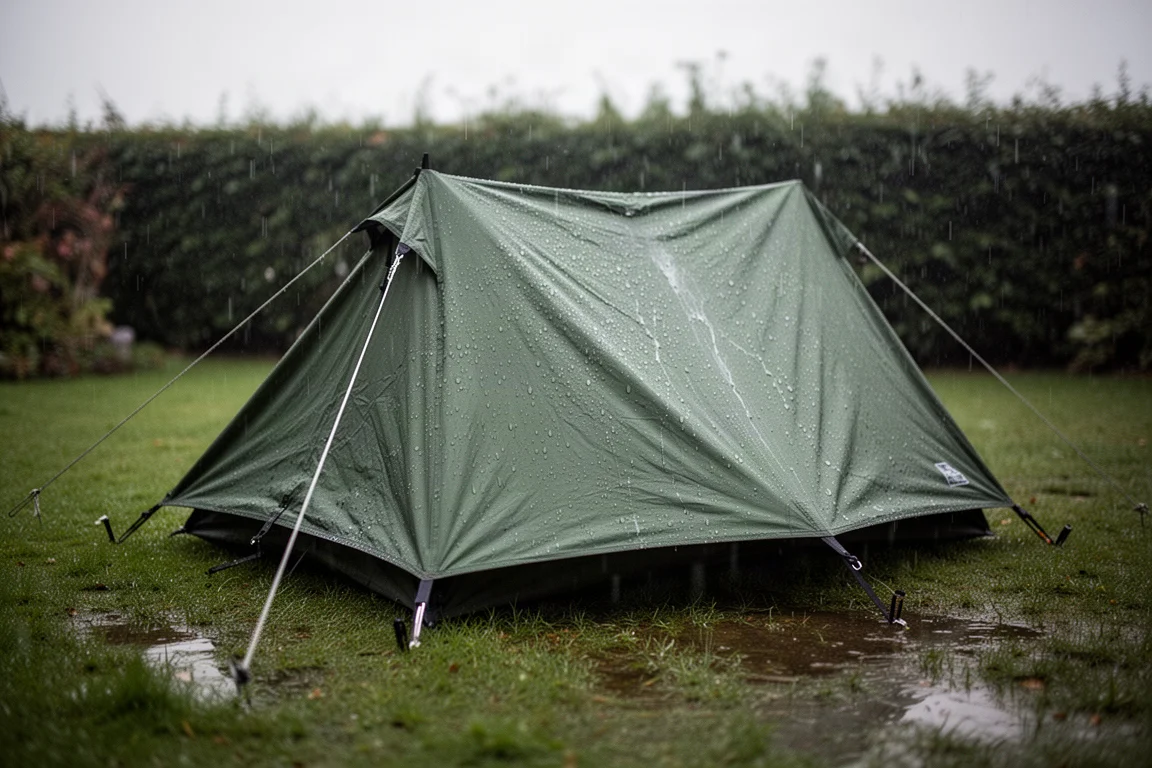
For most campers, the more reliable path is a nylon-based shelter from a maker with a consistent quality record, or a well-kept used tent from a premium brand if the budget allows.
Conclusion
The Ionosphere remains a likeable design: low, manageable at around 3.5 lb for a solo shelter, and well suited to quiet three-season trips. The problem is not the tent itself. It is the $300 price tag attached to a 210T polyester shelter, and the quality record that has accumulated around the range in recent years.
The Scorpion 3 has the same issue at a larger scale. A tent that once made sense as an affordable four-season option at around $260 now asks $600, which puts it against far stronger competition.
For buyers who want this style of shelter, the Jack Wolfskin Gossamer 2 is the better-balanced choice, provided you can find one. If it is out of reach, a nylon-based tent from a maker with a steadier quality record is the safer purchase. Snugpak products are not impossible to like, but at current US pricing they are difficult to justify.
Further reading
Related Reviews
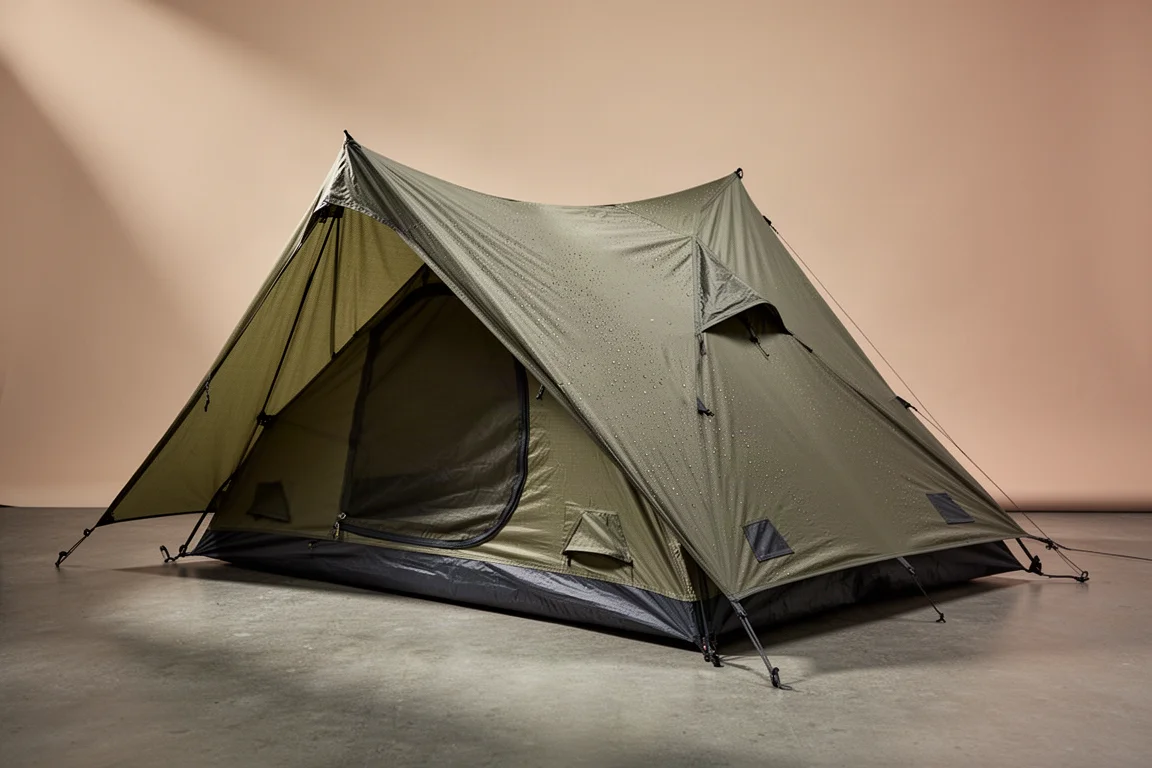
Camping Tents
3F UL Gear Taiji Two-Person Tent Review: Field Waterproofing Results and Buying Advice
The Taiji pairs an attached fly with a removable inner, but sustained rain exposed untaped vent seams that need sealing before this shelter can be trusted.
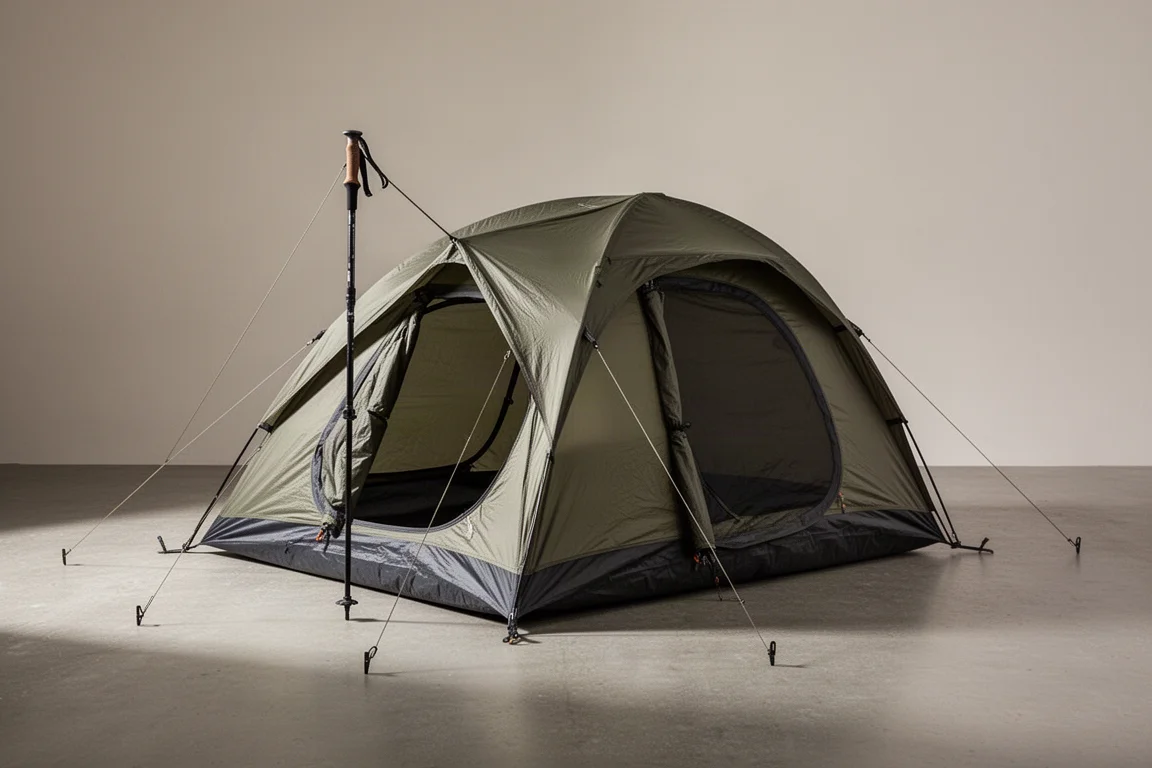
Camping Tents
3FUL Gear Lanshan 2 Pro 4-Season Review: A Sub-$200 Single-Wall Trekking Pole Tent
An early look at the 3FUL Gear Lanshan 2 Pro 4-Season, covering its straightforward pitch, generous interior space, and the condensation and seam-sealing questions that come with any single-wall shelter.
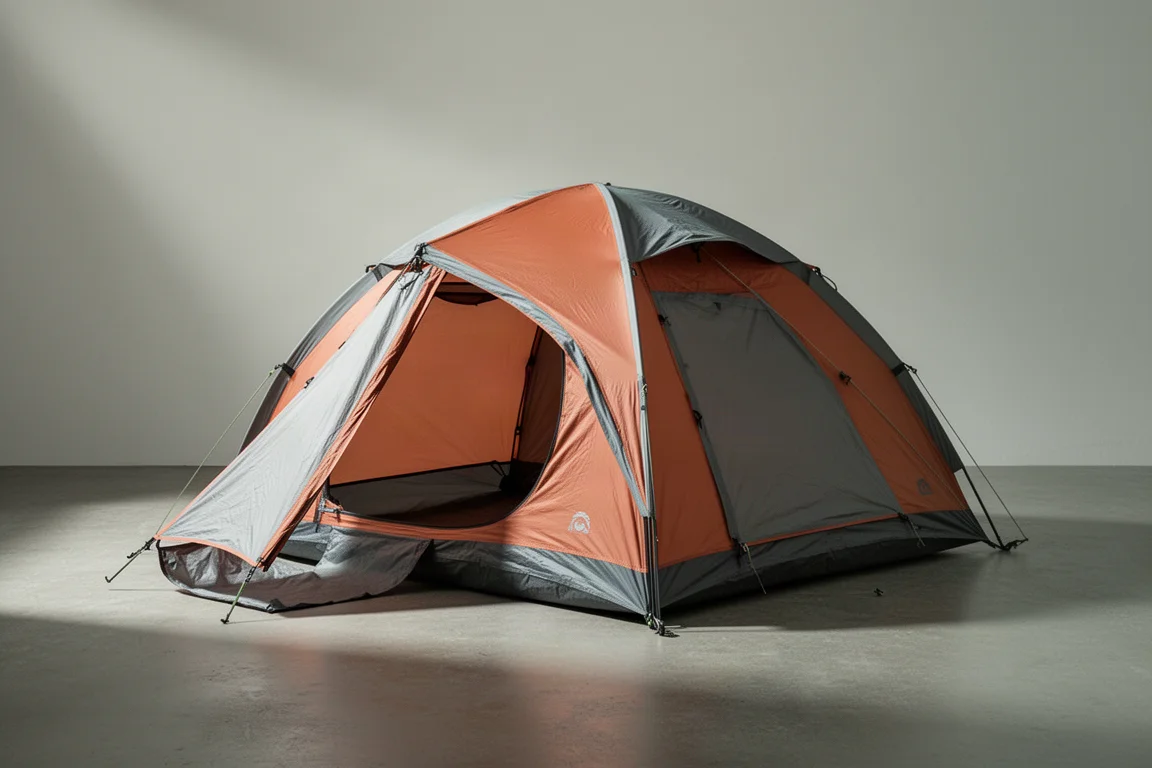
Camping Tents
Alps Mountaineering Lynx 1-Person Tent Review: Big Value in a Small Budget Tent
A close look at the Alps Mountaineering Lynx 1-Person Tent, covering real interior dimensions, materials, setup time, ventilation limits, and who should buy it.