Camping Tents
Snugpak Ionosphere vs Winterial Bivvy Tent: Two One-Person Shelters Compared
A direct comparison of two low-profile one-person bivvy tents with closely matched materials, different entry designs, and very different prices.
Introduction
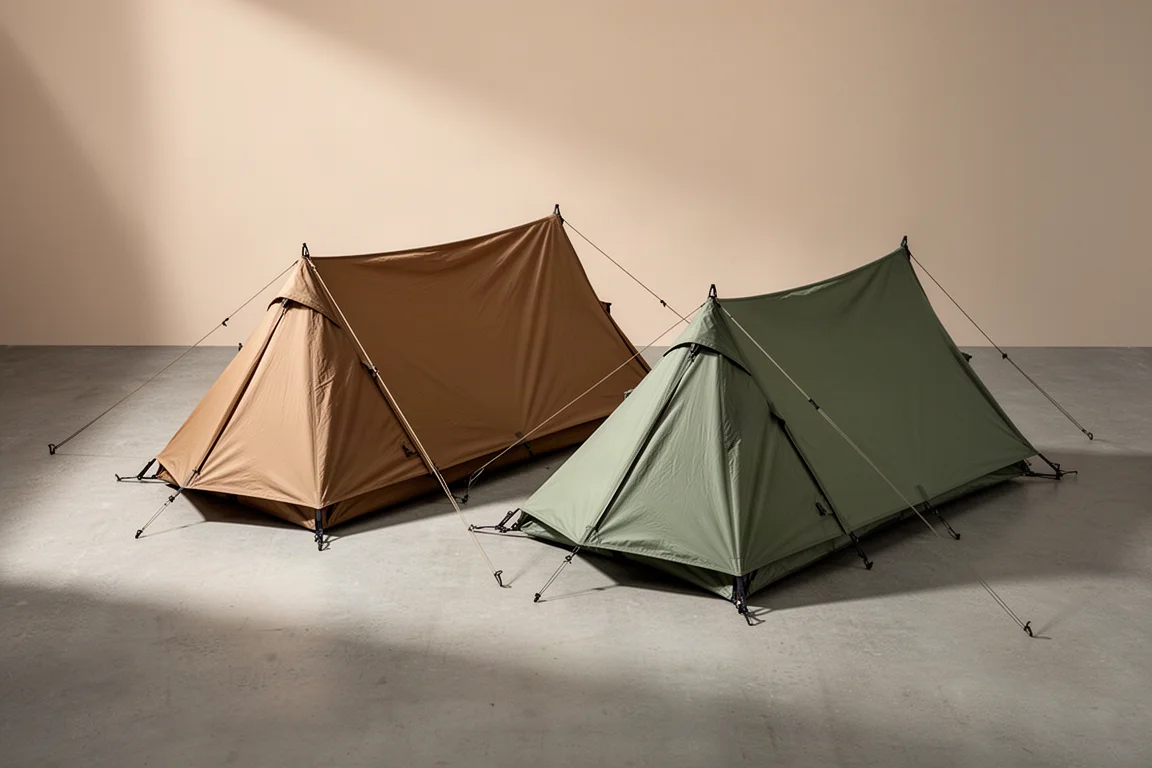
Two low-profile one-person bivvy tents, the Snugpak Ionosphere and the Winterial bivvy tent, look remarkably alike on paper and even more alike in person. Both are small, low-slung shelters aimed at solo campers who want a compact footprint and a simple pitch. The Ionosphere was a popular choice for years because it paired a tactical look with a modest price. That price has since climbed substantially in the United States, and the Winterial bivvy tent has emerged as a close alternative.
This comparison works through packed size, entry design, interior space, materials, weather protection, and price so you can decide which one earns a place in your pack.
What Matters in a One-Person Bivvy Tent
A bivvy-style tent is a series of compromises, and it helps to know which ones you can live with. The first is entry. A door positioned high on the body forces you to climb in from above, while a side door lets you sit down and swing your legs in. The second is interior length, which matters more than width for most sleepers. The third is the pitch, specifically how the poles attach and how the fly is secured. The fourth is fabric and its hydrostatic head rating, which describes water resistance. Finally there is price, and that is where these two tents diverge most sharply.
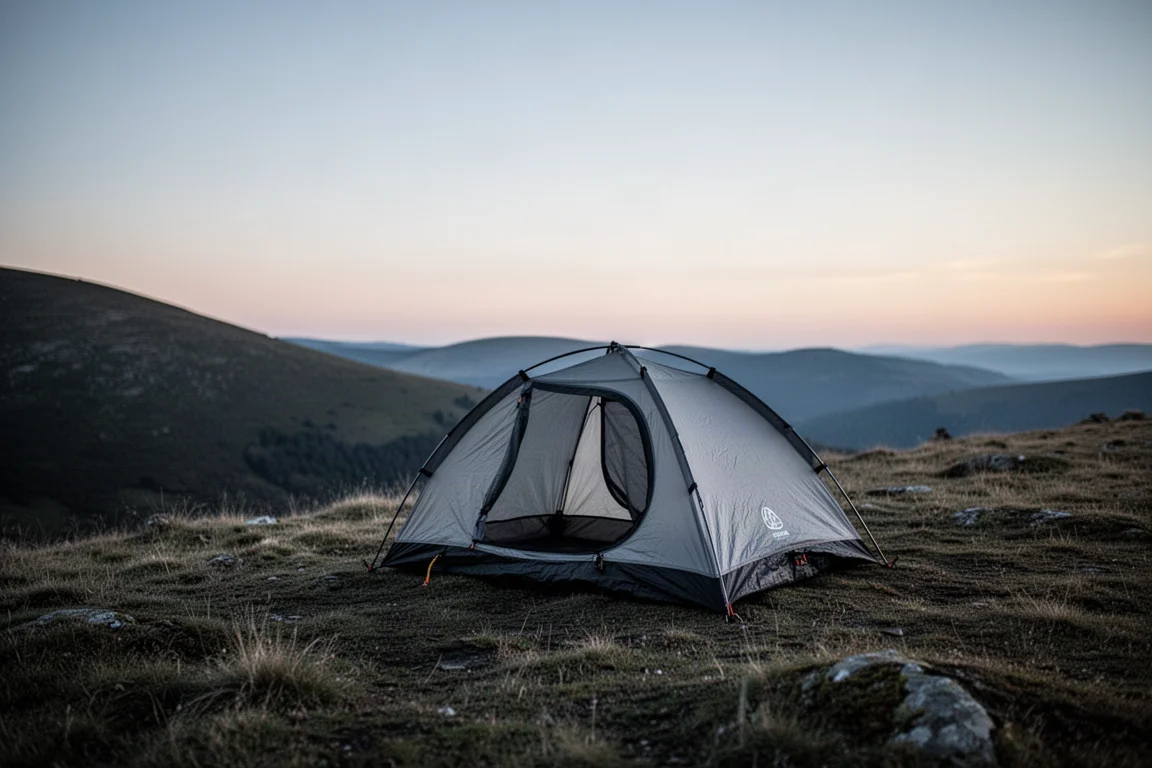
Packed size deserves a mention as well. Both tents ship in stuff sacks of almost identical dimensions, so neither is meaningfully easier to carry than the other.
Snugpak Ionosphere: The Established Tactical Bivvy
The Ionosphere has the longer history and the more distinctive look. It is available in a coyote brown tan and an olive green, and with the fly fitted it reads as a serious, low-profile shelter. The pole structure uses grommets at the sides and sleeves that run across the body, and the door sits at the top of the tent rather than on the side. That top entry takes getting used to and is noticeably less convenient than a side door.
Inside, the Ionosphere provides two pockets placed around the middle of the body, and there is no hook at the center peak. The interior finish is the weakest part of the package. Loose threads are visible in several places and the construction does not look especially tidy. The tent uses a 190T floor and a 210T fly, both rated to a 5,000 mm hydrostatic head, and it weighs 3.3 pounds. Measured realistically rather than at the widest points, it is the longer of the two shelters, running roughly 10 inches longer than the Winterial while being about 3 inches narrower.
Where the Ionosphere pulls ahead is storm protection. It offers a large number of stakeout and guyline points, far more than the Winterial, which gives it an edge when the weather turns. That edge is real, though modest rather than dramatic. The retail price is the sticking point: $300 in the United States for a one-person polyester tent.
Winterial Bivvy Tent: The Value Alternative
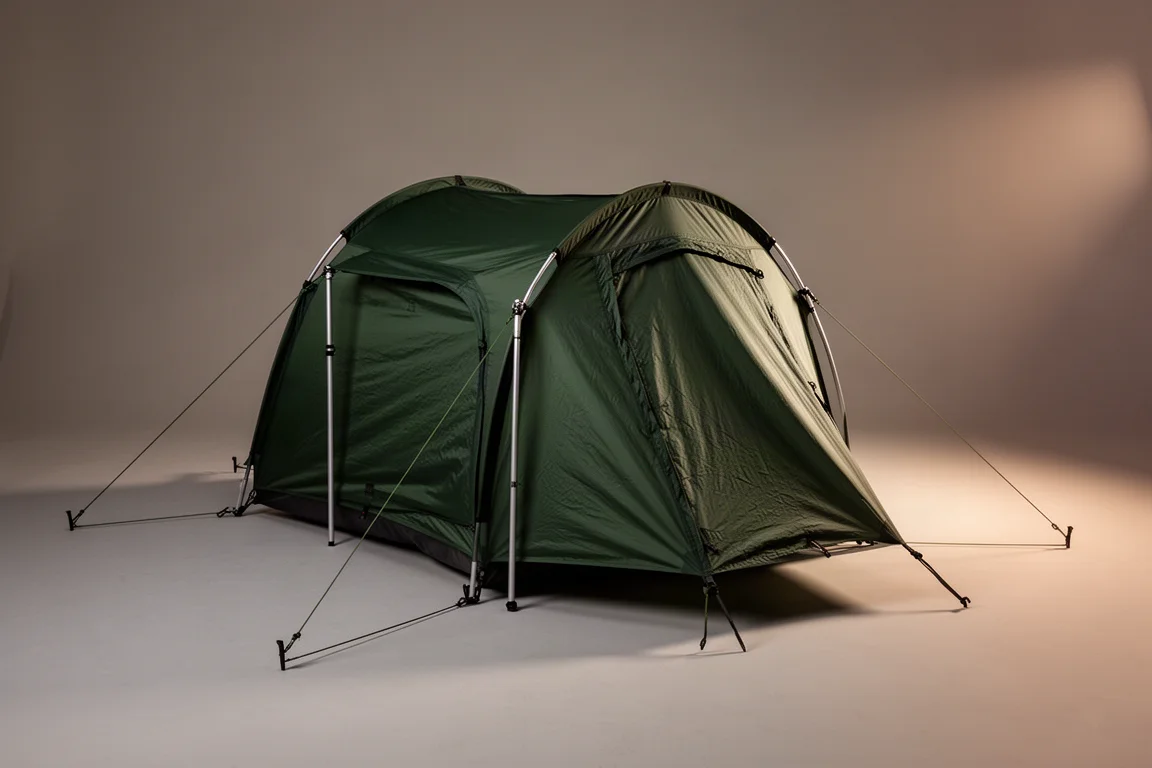
The Winterial bivvy tent follows the same formula with a different set of priorities. Its door is on the side, and getting in and out is clearly easier than climbing through the top of the Ionosphere. Poles attach with clips on the interior instead of sleeves, which is quicker to handle, and buckles at some of the corners make fitting the fly a little faster. The interior is also cleaner, with very few loose threads compared with the Snugpak.
Storage is similar on both tents. Each stuff sack measures about 21 inches long and 5 inches wide, and the compression straps on both do not accomplish much. The Winterial uses a roll-top closure where the Ionosphere uses a different closure style.
Inside, the Winterial has two pockets, one near the top and one in the middle, plus a hook at the center peak that the Ionosphere lacks. It is roughly 10 inches shorter than the Snugpak but about 3 inches wider. Colors are green and orange, and the green is a polarizing shade that will not appeal to everyone.
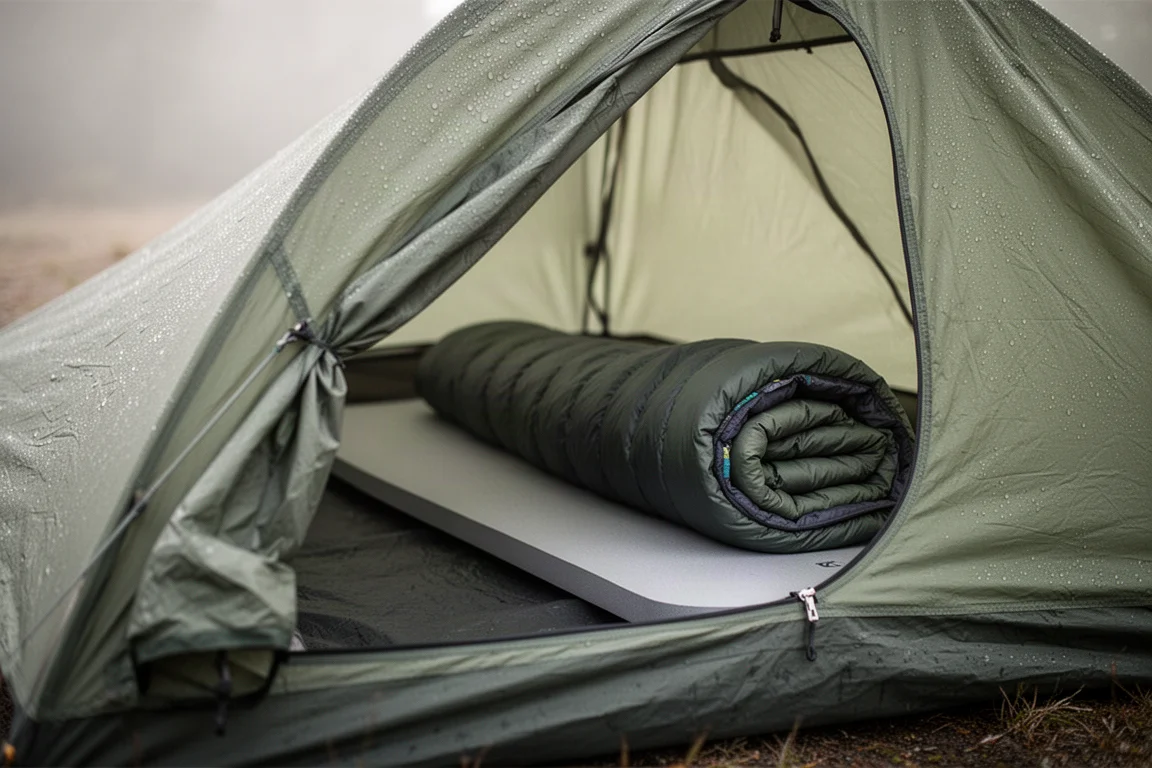
On specification the two are close. The Winterial uses a 190T polyester that the company does not break down by panel, and it carries the same 5,000 mm hydrostatic head rating. It weighs 3.4 pounds. The headline difference is price: $90.
Interior Layout and Living Space
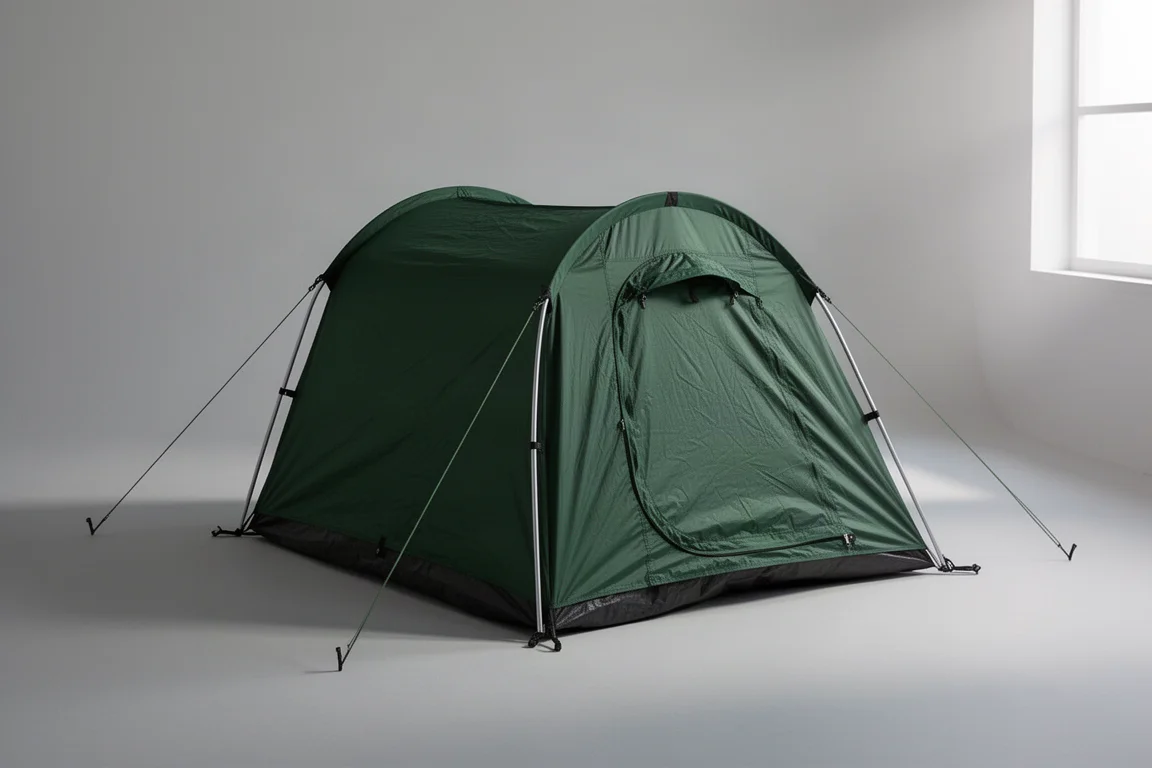
Company measurements for tents are usually taken at the widest points, which is not how anyone actually lies inside one. Measured at realistic sleeping positions, the Snugpak is meaningfully longer while the Winterial is wider. For most people, length is the dimension that decides whether a shelter feels cramped, so the Ionosphere holds the advantage here even though it is the narrower tent. Both offer a similar amount of usable interior in practice, and both are firmly one-person shelters.
Setup, Materials, and Weather Protection
Pitching the fly is straightforward on both tents. The Winterial gets a slight nod because its corner buckles speed up the process. The Snugpak counters with a much denser set of stakeout and guyline points, which is what makes it the more stormworthy of the two. In a serious thunderstorm that difference would likely show up, though only by a small margin.
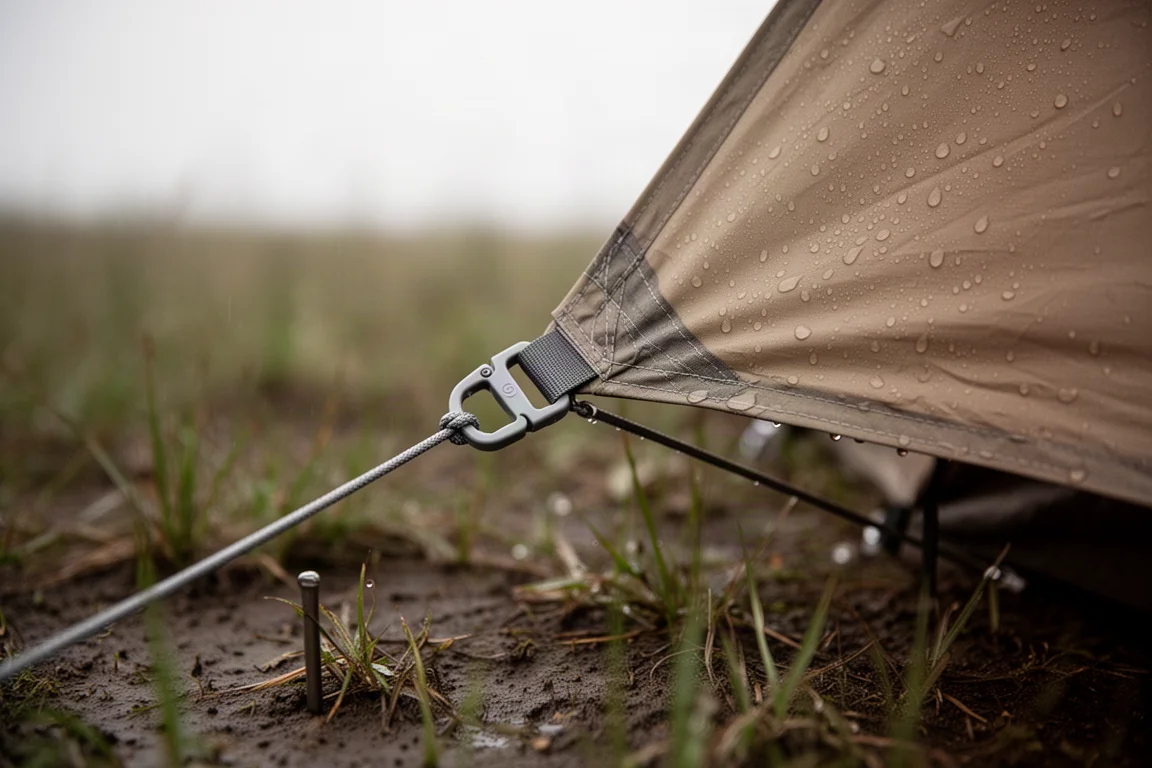
Materials are closely matched. Both tents use unbranded zippers, both are rated to a 5,000 mm hydrostatic head, and the fabrics are inexpensive polyester on both sides. The Winterial’s waterproofing has not yet been confirmed through field testing, so that rating remains a manufacturer claim rather than a verified result. Weight is effectively identical at 3.3 pounds for the Snugpak and 3.4 pounds for the Winterial.
Price and Value: Where These Two Diverge
This is the heart of the comparison. At $300, the Snugpak Ionosphere is priced far above what its size and materials justify. That budget would buy a larger two-person tent, or a lighter shelter, or one built from stronger and more waterproof materials. If the Ionosphere’s appearance appeals strongly, $150 is a defensible ceiling, and anything above that is difficult to argue for. At $90, the Winterial bivvy tent makes immediate sense, given that its materials are broadly equivalent to the Snugpak’s.
Buying Advice
Choose the Winterial bivvy tent if you want the same basic formula at a fraction of the cost and you value easier entry, quicker pole handling, and a tidier interior. Choose the Snugpak Ionosphere only if the tactical look and the extra guyline points matter enough to justify a much higher price, and only at a discount.
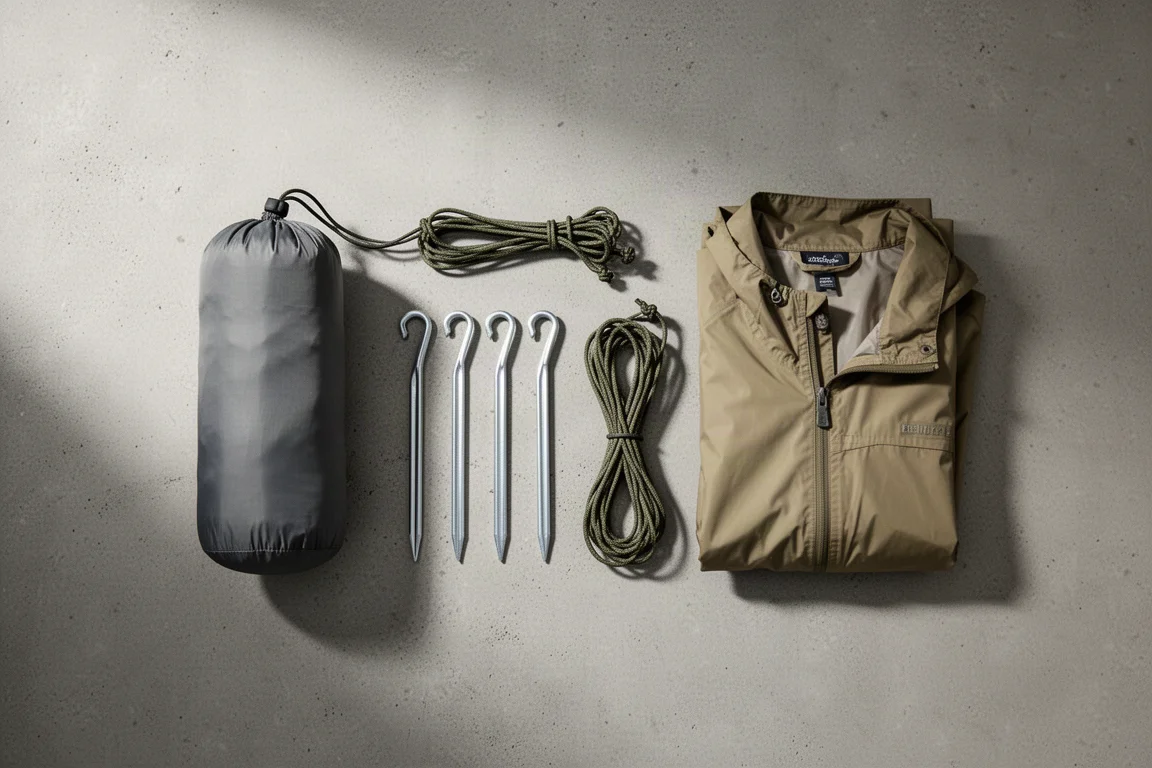
Either way, be honest about how you will use the tent. Both are small one-person shelters with inexpensive fabrics, and neither is a substitute for a roomier backpacking tent when interior comfort matters more than pack size.
Conclusion
These two tents are close enough in design, dimensions, materials, and weight that they function as near equivalents in the field. The practical difference is price. The Winterial bivvy tent delivers the same general experience for $90, while the Snugpak Ionosphere asks $300 for a similar package with a better colorway, more guyline points, and a less refined interior. For most solo campers, the value sits clearly with the Winterial.
Further reading
Related Reviews
Camping Tents
3F UL Gear Taiji Two-Person Tent Review: Field Waterproofing Results and Buying Advice
The Taiji pairs an attached fly with a removable inner, but sustained rain exposed untaped vent seams that need sealing before this shelter can be trusted.
Camping Tents
3FUL Gear Lanshan 2 Pro 4-Season Review: A Sub-$200 Single-Wall Trekking Pole Tent
An early look at the 3FUL Gear Lanshan 2 Pro 4-Season, covering its straightforward pitch, generous interior space, and the condensation and seam-sealing questions that come with any single-wall shelter.
Camping Tents
Alps Mountaineering Lynx 1-Person Tent Review: Big Value in a Small Budget Tent
A close look at the Alps Mountaineering Lynx 1-Person Tent, covering real interior dimensions, materials, setup time, ventilation limits, and who should buy it.