Tents
Snugpak Ionosphere Review: A Low-Profile Tunnel Tent, Then and Now
A close look at the current Snugpak Ionosphere, compared against a well-used original, covering build quality, design changes, weight, price, and what to check before buying.
Introduction
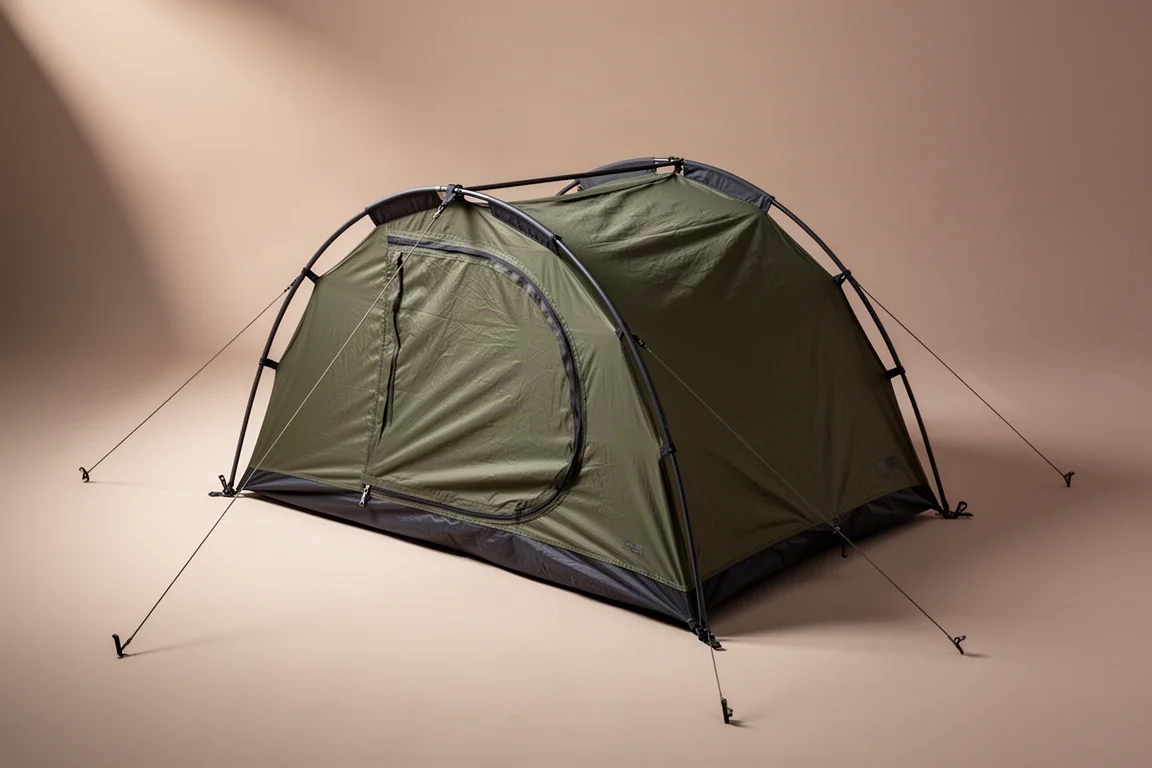
The Snugpak Ionosphere is a low-profile tunnel tent built for compact, low-visibility camping. It needs two poles and it is not freestanding, so it has to be staked out to hold its shape. That formula has barely changed over the years: the version available now follows the same blueprint as the original, with the same materials, the same packed and pitched dimensions, and the same waterproof rating.
An Ionosphere bought back in 2013 has been used heavily and has held up extremely well across many seasons and many rainstorms. That makes it a useful reference point. Setting the current tent beside that older one shows exactly what has changed and what has not.
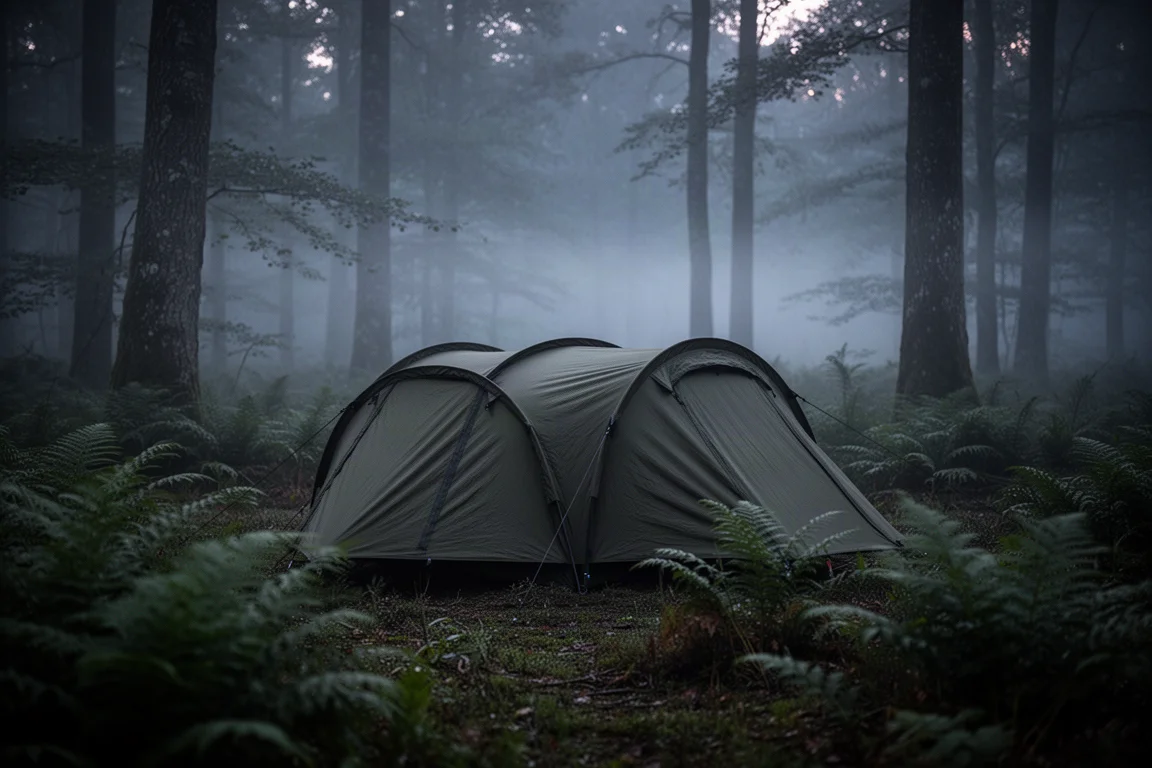
The newer tent used for this comparison is the current version, purchased in early 2022. It is worth stating up front that the brand’s reputation suffered in earlier years after a run of reported quality-control problems, including defective sleeping mats, tarps with poor seam tape, and products that tore apart. That history is exactly why this inspection looks so closely at stitching, seam tape, and hardware rather than taking the spec sheet at face value.
Who This Tent Is For
This is a shelter for backpackers and campers who want something low profile, reasonably light, and not too expensive. At 3.65 pounds for the current version, it sits in a workable range for overnight trips and multi-day hikes where pack weight matters but ultralight pricing is not the goal.
The low, elongated tunnel shape suits stealth camping and pitches that stay out of the wind. The trade-off is that it is not freestanding. It requires two poles and a full set of stakes, so it depends on ground where stakes will hold. Rocky platforms, hard-packed ground, or frozen terrain make setup noticeably harder.
Main Strengths
The headline finding is that the overall design has not changed. Everything about the current tent matches the older model in the ways that matter: the same materials, the same dimensions when pitched and when packed, and the same waterproof rating.
Build quality on the current version looks good. The body and the fly came through inspection intact, with no issues beyond a handful of loose threads. The seam tape on the body looks clean and consistent.
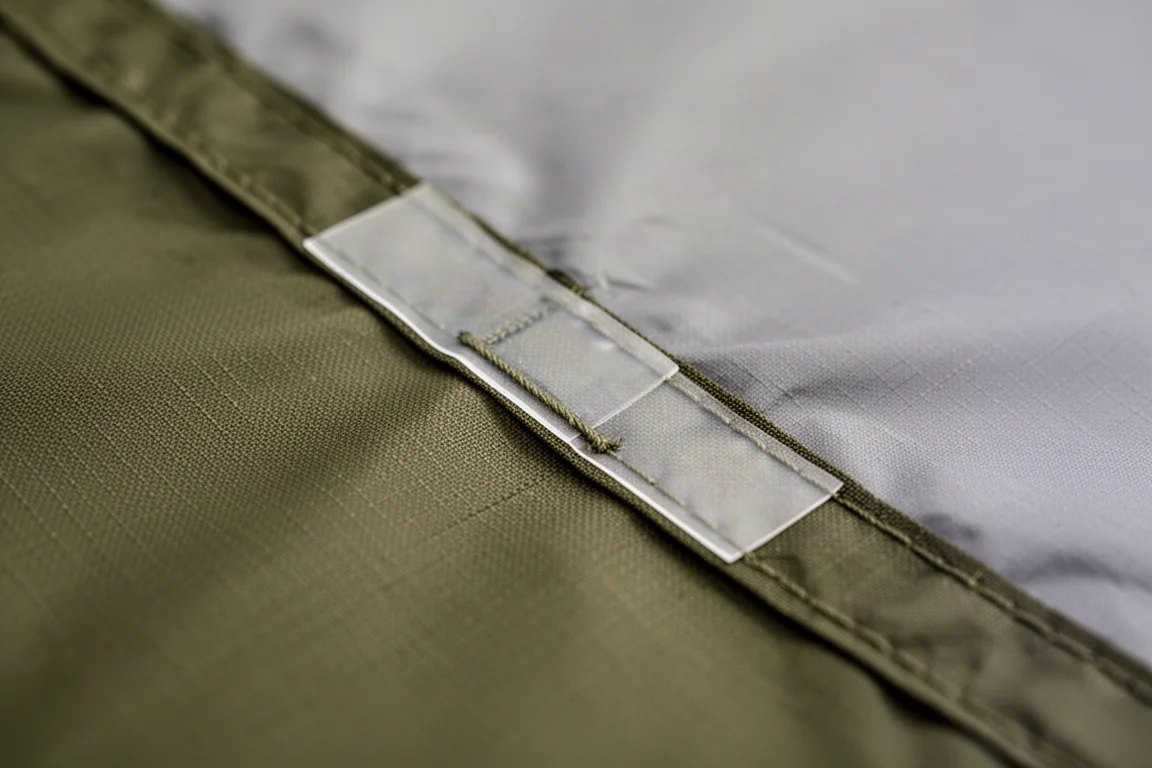
There are two changes worth noting, and both look like improvements. The Velcro pull straps on the fly have been redesigned and feel more sturdy and more robust than the older hardware. The seam tape on the fly is also a different material now, and it appears more substantial than what the original used.
Weight is close between the two versions. The current tent comes in at 3.65 pounds against 3.56 pounds for the 2013 model, a small increase that falls within normal variation.
Build Quality and Design Changes
Looking over the current tent inside and out, the finish holds up well. A few loose threads appear on the inside of the body, and there are two long threads near the door. The older tent has loose threads of its own, so this is normal for tent construction rather than a sign of a problem. One or two loose threads are to be expected on any shelter of this type.
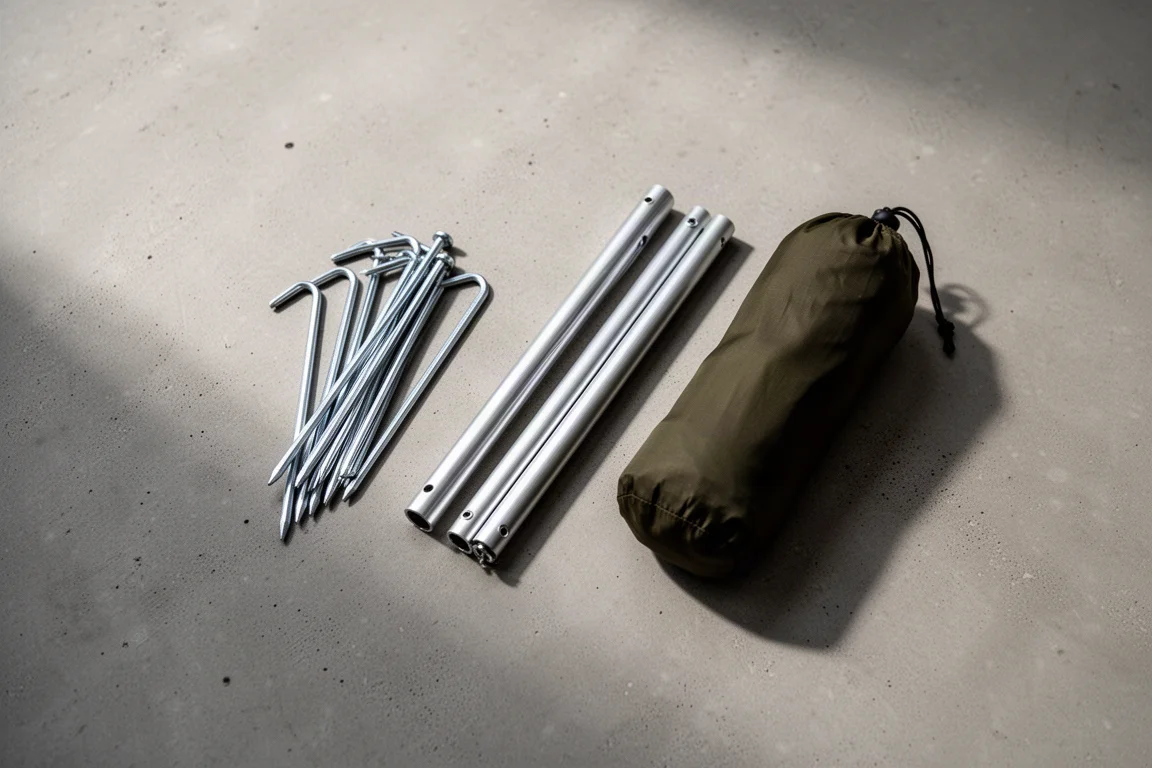
The stakes are the clearest physical difference. The stakes supplied with the current version are slightly smaller than the ones that came with the older tent. The change is small but noticeable, and it is the kind of detail that may matter on softer ground.
The seam tape on the body looked good during inspection, and comparing it against the older tent confirmed that the two are consistent in that area. Overall, the small changes found here look unlikely to affect how the tent performs in use.
Things to Consider Before Buying
The most important consideration is not the tent itself but the brand’s track record. The problems reported in earlier years were serious enough that a cautious approach still makes sense. If you decide to buy, inspect the tent thoroughly as soon as it arrives, checking the stitching, the seam tape, the poles, and the stakes before your first trip. Buying from a source with a generous return policy adds a useful safety net in case something is wrong.
Setup requirements deserve a hard look as well. The Ionosphere is not freestanding, so it has to be staked out, and that limits where it can be pitched. The slightly smaller stakes on the current version are worth noting if you often camp on soft or loose ground.
Waterproof performance was not part of this inspection, so the rainworthiness of the current version remains an open question here. The two versions share the same waterproof rating on paper, and the older tent has come through many storms without a single problem, which is a reasonable sign but not a substitute for testing.
Price and Value
The retail price of the Ionosphere is $230. That number has moved around in practice: the 2013 tent was bought for $140, and the current version was recently bought for $180. At the lower end of that range, the value proposition looks strong for a low-profile tunnel tent that has already proven itself over a decade of use.
Buying Advice
For anyone looking for a low-profile tunnel tent for stealth camping, something that is not too heavy, not too expensive, and designed to keep you dry, the Ionosphere fits the brief. The current version keeps the same design, the same materials, and the same dimensions as the model that has already proven itself over many seasons.

The sensible approach is to treat the purchase as a considered one. Buy from a retailer with a solid return policy, set the tent up as soon as it arrives, and go over the stitching, seam tape, and hardware carefully. If everything checks out, the current Ionosphere looks like a well-made shelter at a fair price.
Conclusion
The current Snugpak Ionosphere came through a detailed inspection with no significant issues. The design is unchanged, the body and fly are intact, the fly’s Velcro straps and seam tape appear to have been improved, and the weight is nearly identical to the original. A few loose threads are the only imperfections found, and those are normal for tent construction.
The 2013 Ionosphere has held up beautifully through heavy use and repeated rainstorms, and the newer version looks consistent with that standard. For campers who want a compact, low-profile tunnel tent and are willing to inspect it carefully on arrival, this one deserves a place on the shortlist.
Product link
View more details for Snugpak Ionosphere
This product is mentioned in the review. Check the specifications, options, and compatibility before buying.
View more details for Snugpak IonosphereFurther reading
Related Reviews
Tents
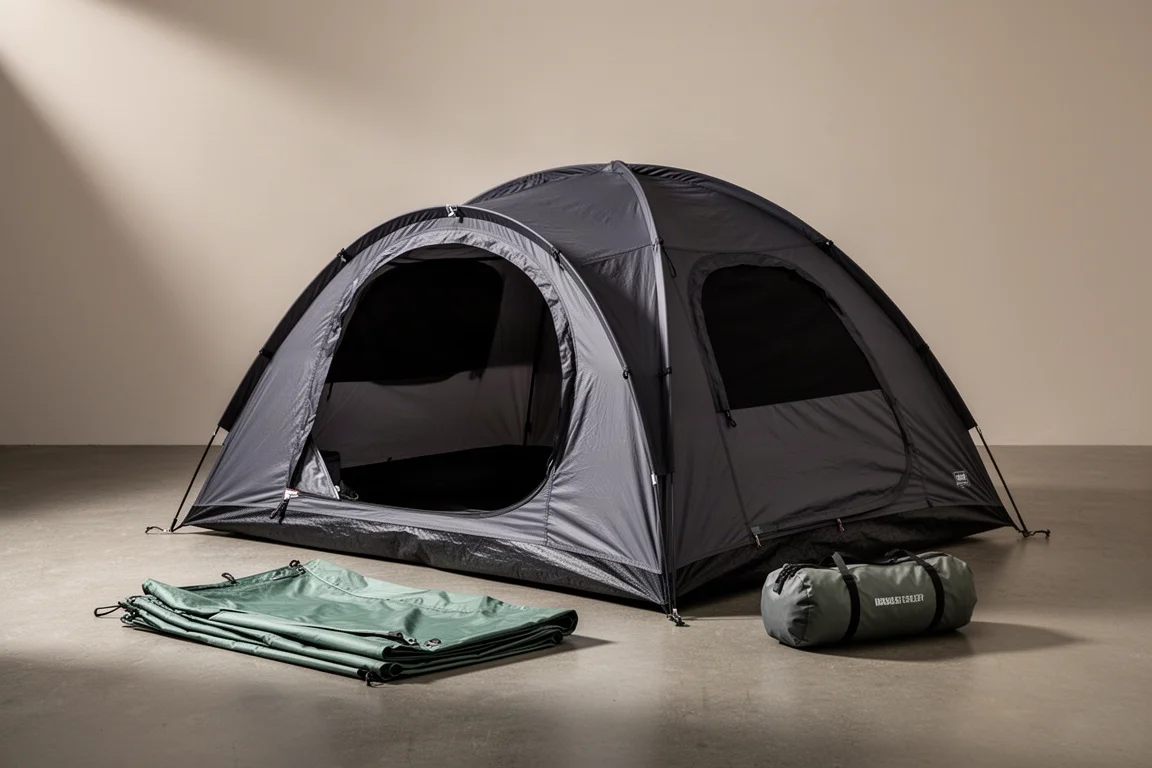
Black Dog Instant Setup 5 to 8 Person Tent Review: Fast Pitch, Serious Weather Problems
A quick-pitching Black Dog tent that goes up in seconds, but wet-weather testing revealed seam leaks, an overstated capacity claim, and awkward doors.
Tents
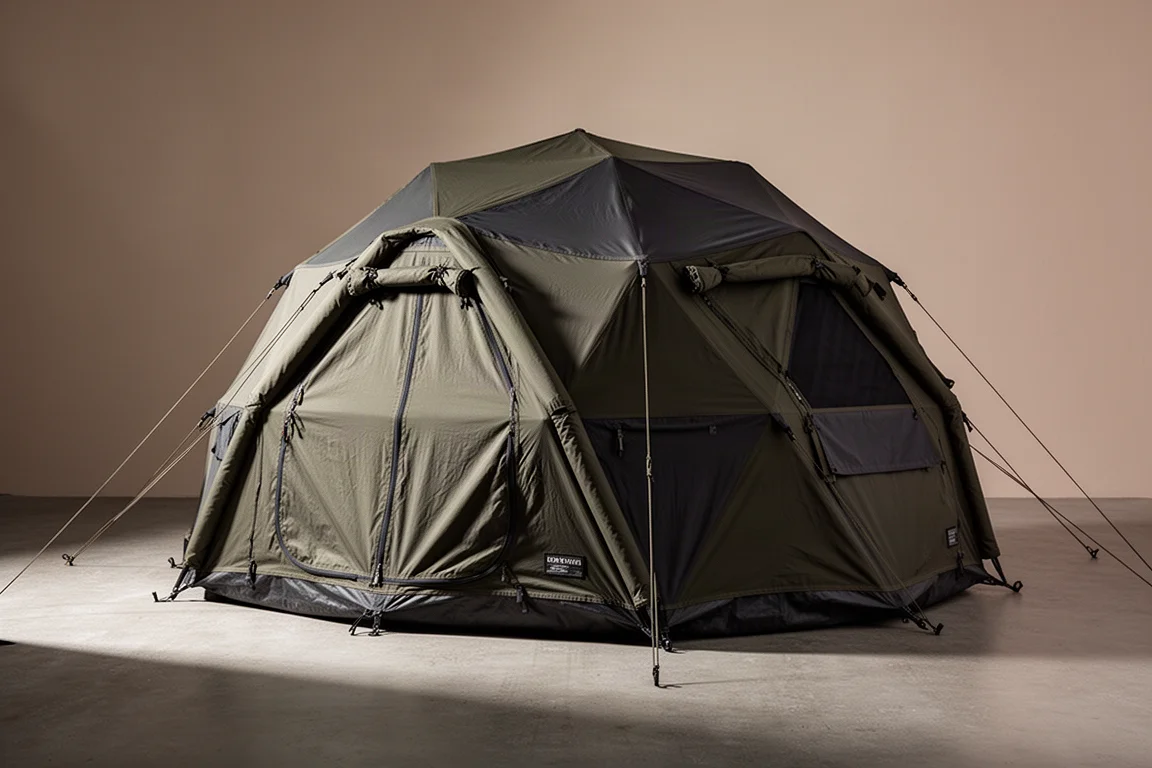
Lightfighter Dragoon Review: An Eight-Person Four-Season Military Shelter
The Lightfighter Dragoon is a 57-pound, eight-person expedition tent built for extreme weather. Here is what its materials, size, and setup demands mean for real buyers.
Tents
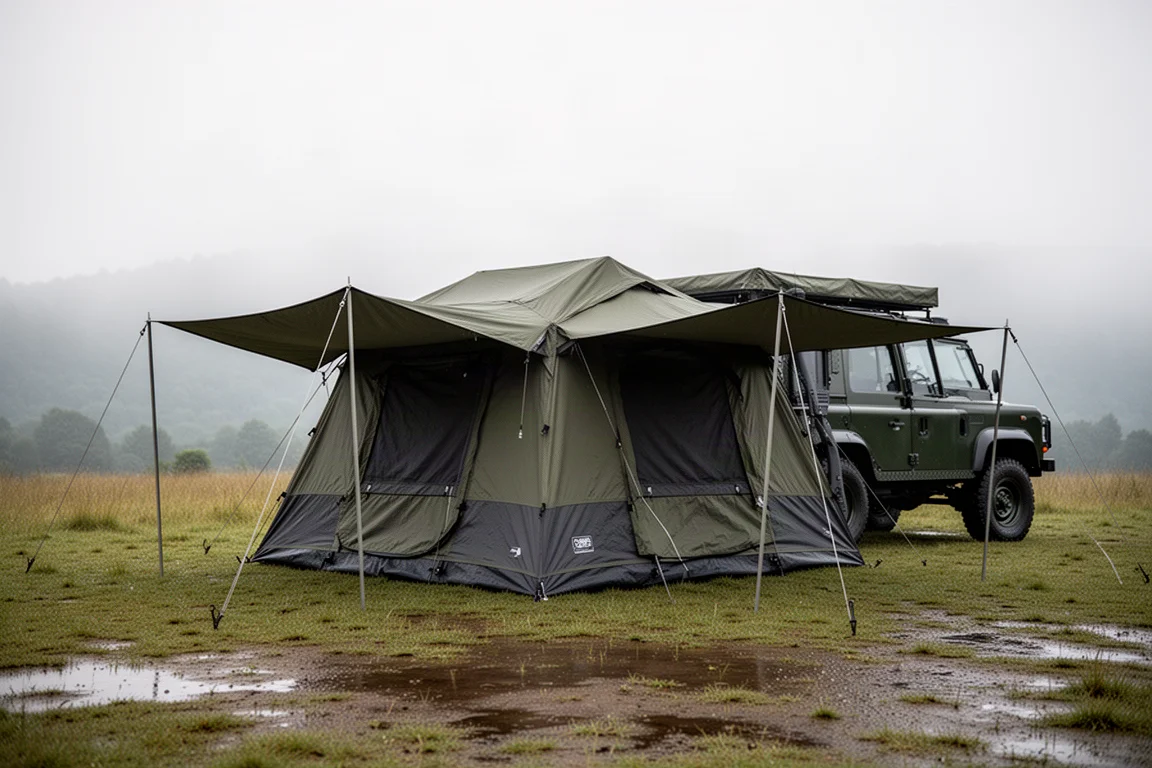
Lone Rider Motorcycle Tent Review: A Big Shelter That Stays Dry
A double-wall motorcycle tent with two large awnings, two entry points, and enough interior height to stand up, plus the pack size trade-off to weigh first.