Snowboard Pants
Snowboard Pants Under $175: What Holds Up and What Does Not
A practical roundup of ten snowboard pants under $175, with notes on waterproofing, seams, zippers, and long-term value.
Introduction
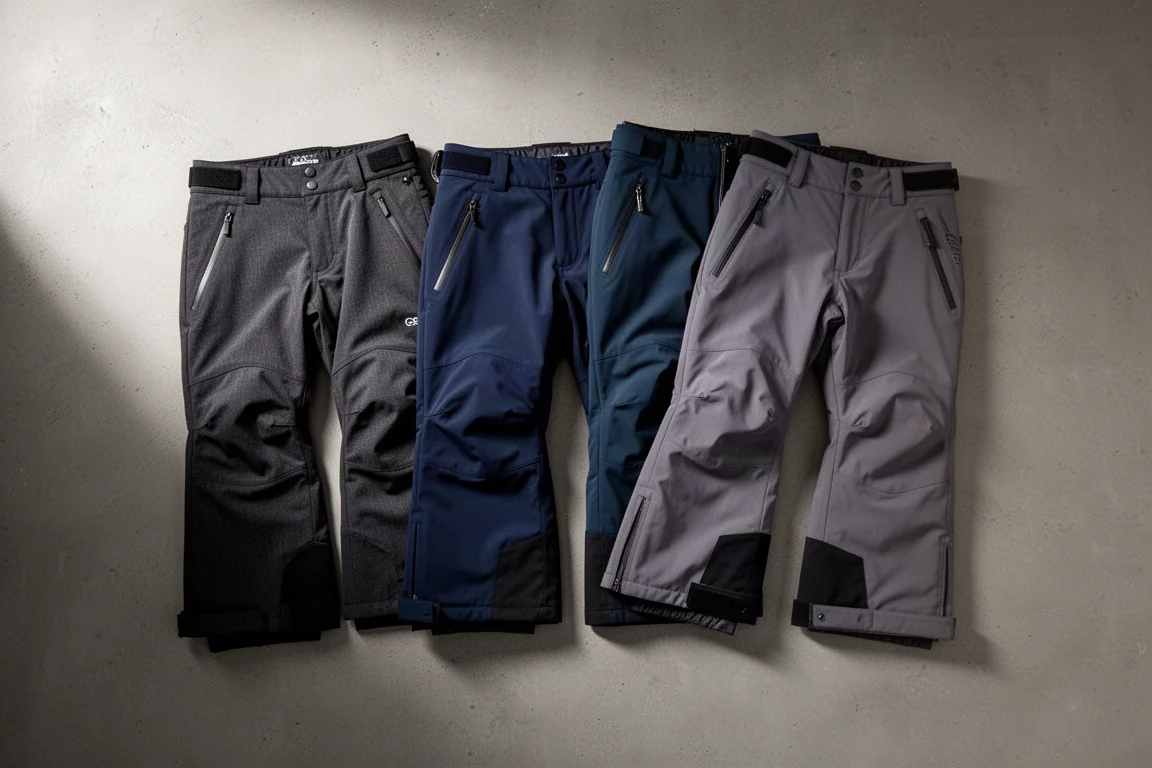
Snowboard pants can look similar on a rack, but the details that matter, seam construction, zipper quality, abrasion resistance, and real-world waterproofing, vary widely. This roundup covers ten pairs priced under $175, from established snowboard brands to low-cost direct-to-consumer labels and Amazon house brands. Each pair was assessed with practical checks: seam construction, zipper strength, a coarse sandpaper abrasion test, and a water test on a cut pant leg.
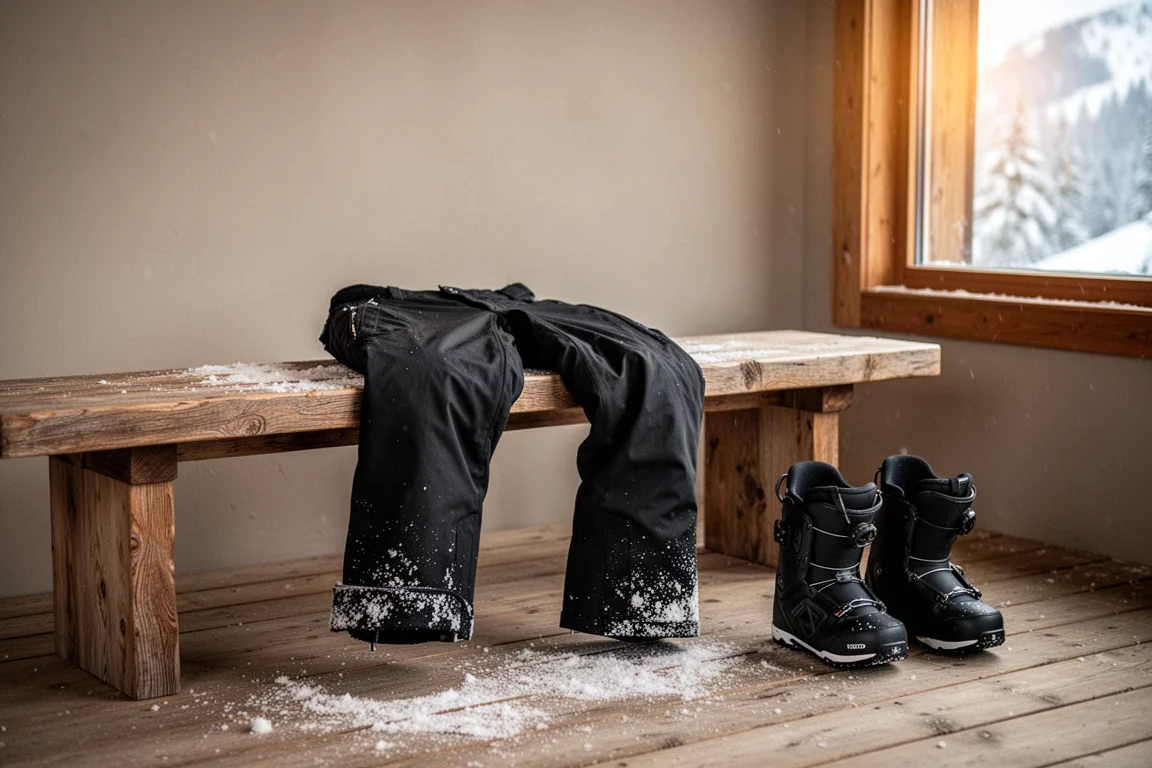
The goal is not to crown a single winner for every rider. It is to show where the money goes, which pants are built to last, and which ones are best avoided if you plan to ride more than a few days a season. Prices noted here reflect what the pants sold for at the time of testing.
What We Looked For
We focused on the parts that fail first. Seams were inspected for double stitching, reinforcement, and seam tape. Zippers were checked for smooth operation and brand quality. Fabric was scrubbed with coarse sandpaper to gauge abrasion resistance. A water test measured how quickly moisture passed through the material. We also noted insulation, waist adjustment, boot gaiters, and cuff expansion.
686 Standard Pant: A Solid Baseline
The 686 Standard Pant is a 5K/5K entry-level shell with a simple brief: get a new rider on the mountain without cutting every corner. It uses YKK zippers, double-stitched seams, and reinforced stitching throughout the inside. The material feels thick, with a good DWR coating, and the rear pocket has a Velcro closure that resisted pulling. In the sandpaper test it showed noticeable wear but did not rip. In the water test it stayed completely dry.
DC Division Pant: Strong Mid-Level Construction
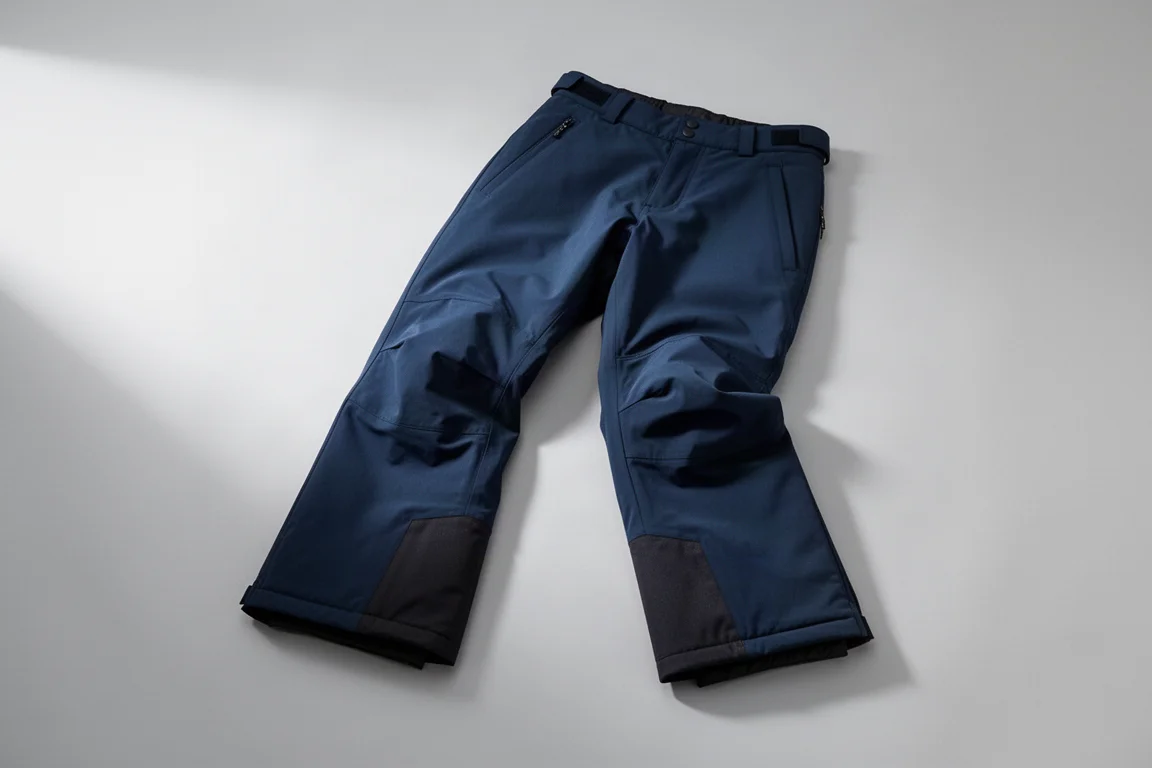
The DC Division Pant is rated 15K/15K, putting it a step above basic entry-level shells for waterproofing and breathability. The zippers are solid, the seams are double-stitched with some taping, and the pocket seams use aggressive stitching plus seam glue. Inside, the pant has multiple material layers, mesh for breathability, a soft knee area, and nylon. A drawstring in the pocket lets you pull the pant leg up, and the waist uses cinches rather than a basic elastic belt. The water test left it bone dry, with water pooling and sliding off the DWR coating.
Columbia Bugaboo II Pant: Recognizable Brand, Mixed Details
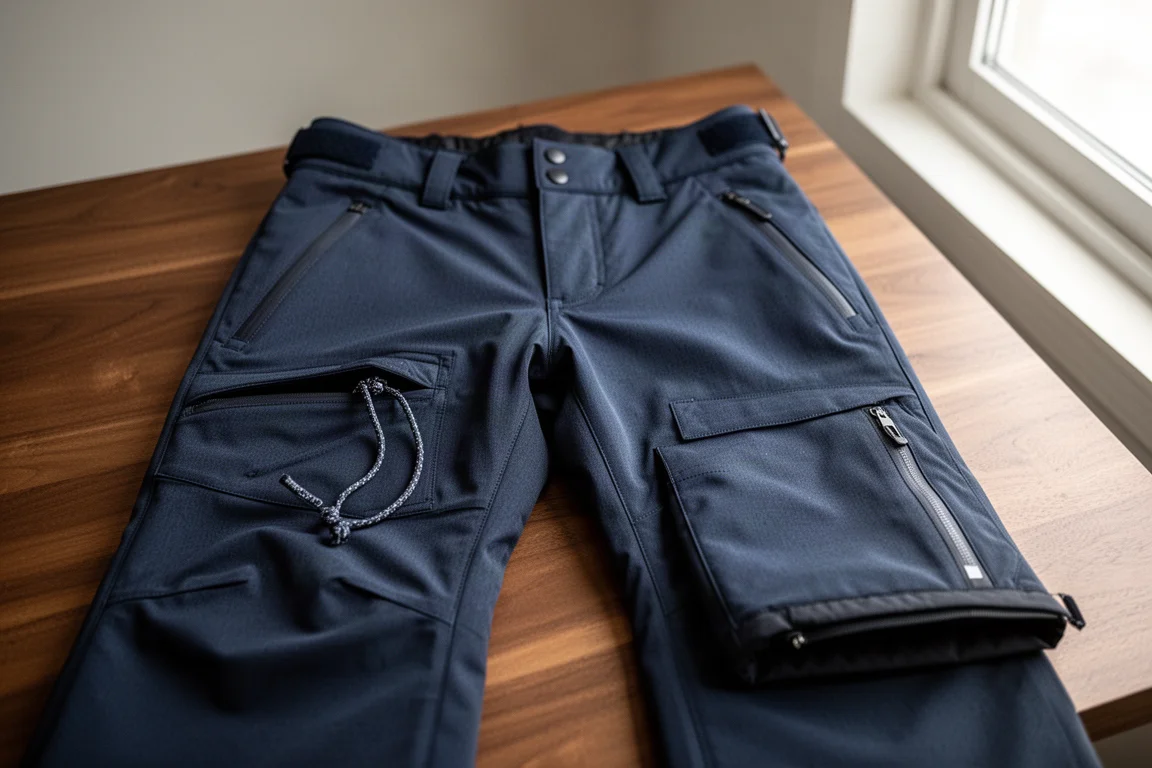
The Columbia Bugaboo II Pant uses the brand’s Omni-Tech fabric rather than a published millimeter rating. It has solid YKK zippers and thick, reinforced seams with seam tape on every seam. The material is among the thickest in this group, though the sandpaper test roughed it up more than most. One seam pulled apart quickly, but the excess material was folded and taped. The waistband has elastic belts but no foam insulation, and the liner combines soft felt and nylon. The boot gaiter is sewn into the liner, with no neoprene and no clips, and the cuff opens with two snaps but no storm flap. In the water test, water pooled on top without seeping through. The cut is unusual, but the weather protection works.
Hard Land Pant: Budget Pricing, Surprising Water Resistance
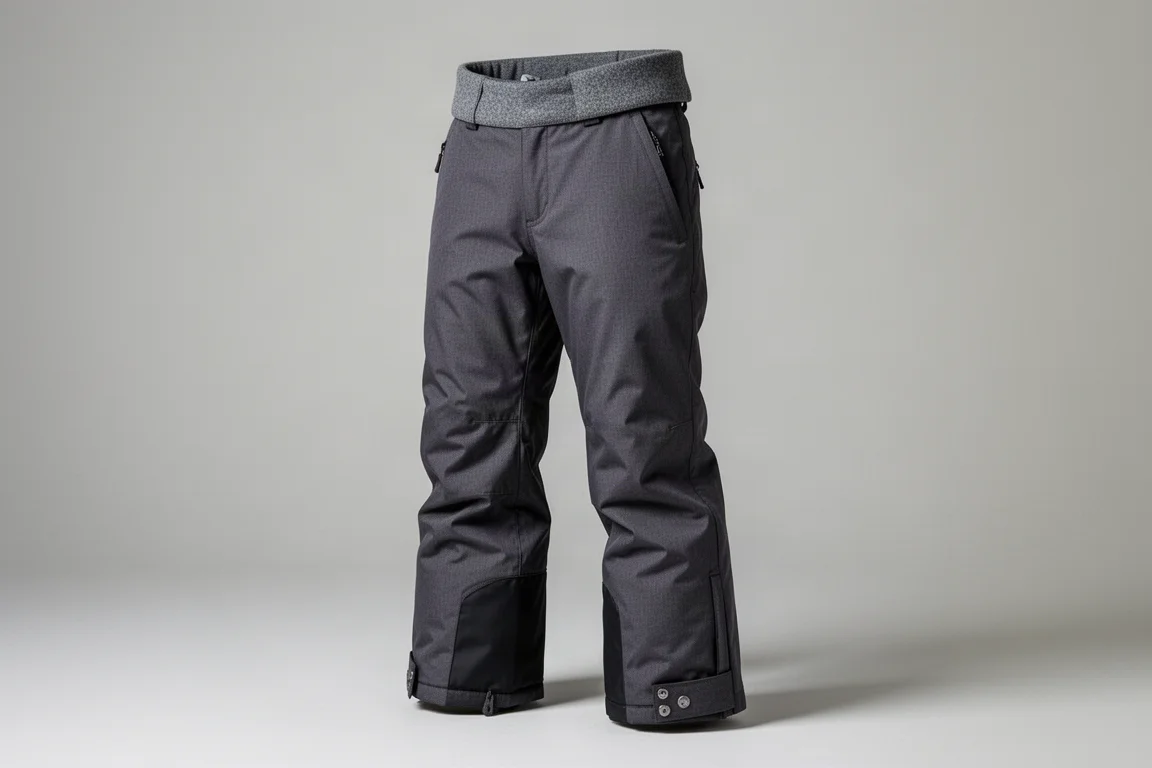
The Hard Land Pant is rated 10K/5K and uses a partially plant-based fabric that is also used by Dope Snow. The tag listed a retail price around $350, but it sold for about $80. It has beefier YKK zippers, a cargo pocket with a reinforced flap, and a Velcro attachment with elastic for an internal belt. Much of the pant uses single stitching, and the boot gaiter is basic, with four strands of rubber and a clip but nothing exceptional. In the abrasion test it held up better than expected, with only a small tear. In the water test it had zero seepage.
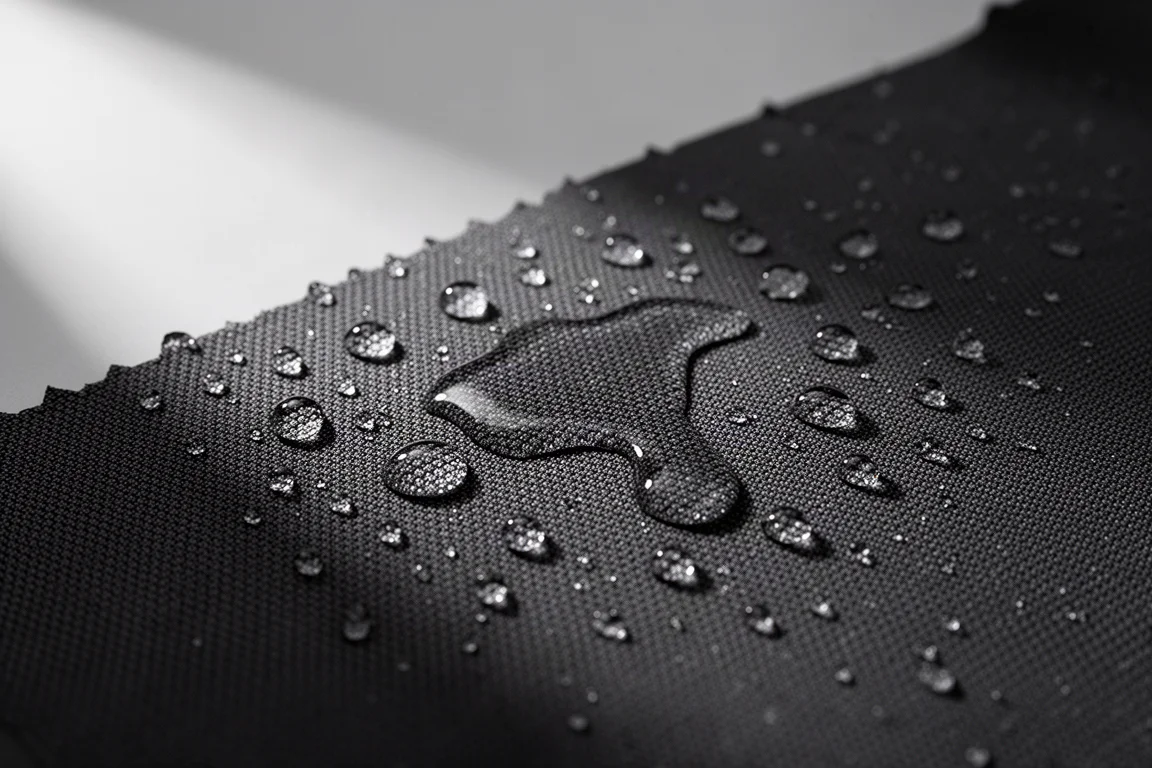
The catch is the fit. The cut is unusual, and other features are not especially refined. Still, for a low price, the weather protection performed well above what the construction suggested.
Chamonix Mountainverse Pants: Lightweight but Fragile
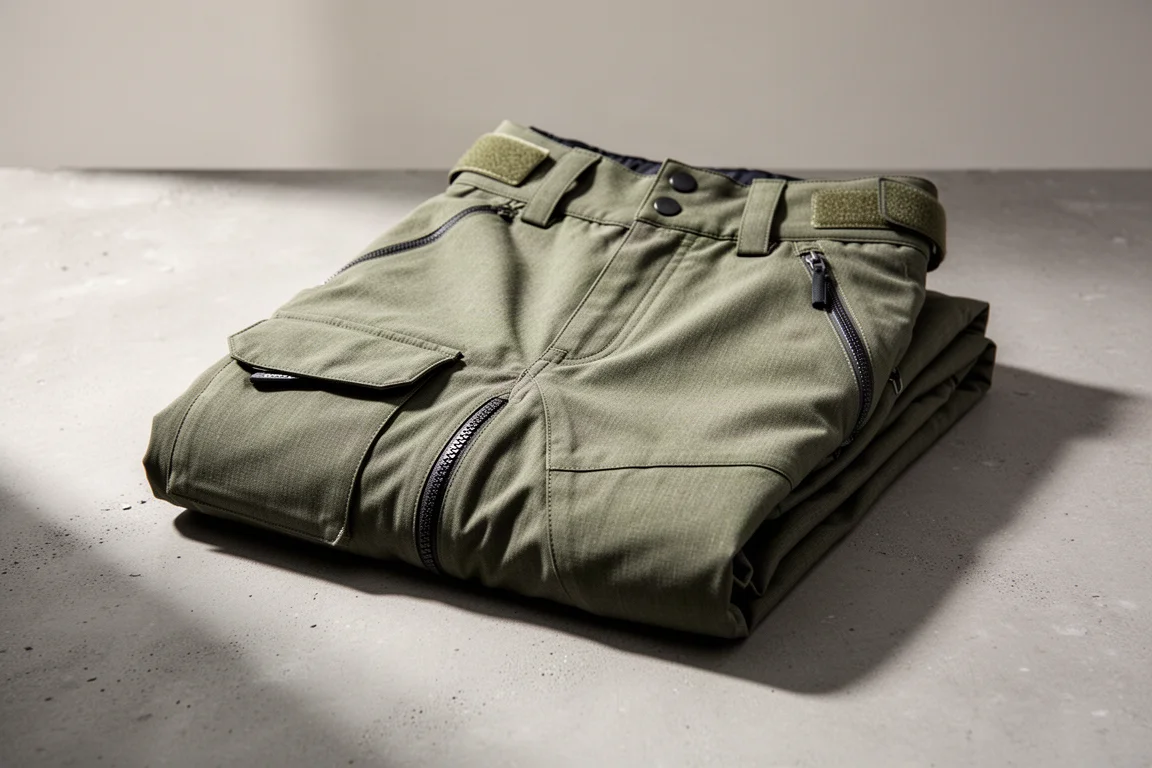
The Chamonix Mountainverse Pants are rated 10K and feel light and somewhat chintzy at first touch. They use YKK zippers and double-stitched seams, with seam tape on the main seams. The waistband has a Velcro pull cinch with some elasticity, and the pants are uninsulated. Knee vents add airflow, but the liner is free-floating and not attached at the seams, so it can bunch. The pocket seams are thick but easy to open with a seam ripper, and the material itself is weak. The boot gaiter is sewn into the liner and uses a basic clip and elastic. In the water test, a tiny damp spot appeared, though it would likely dry on a chairlift ride.
Yuki Threads Snow Pants: Track Pant Style, Thin Material
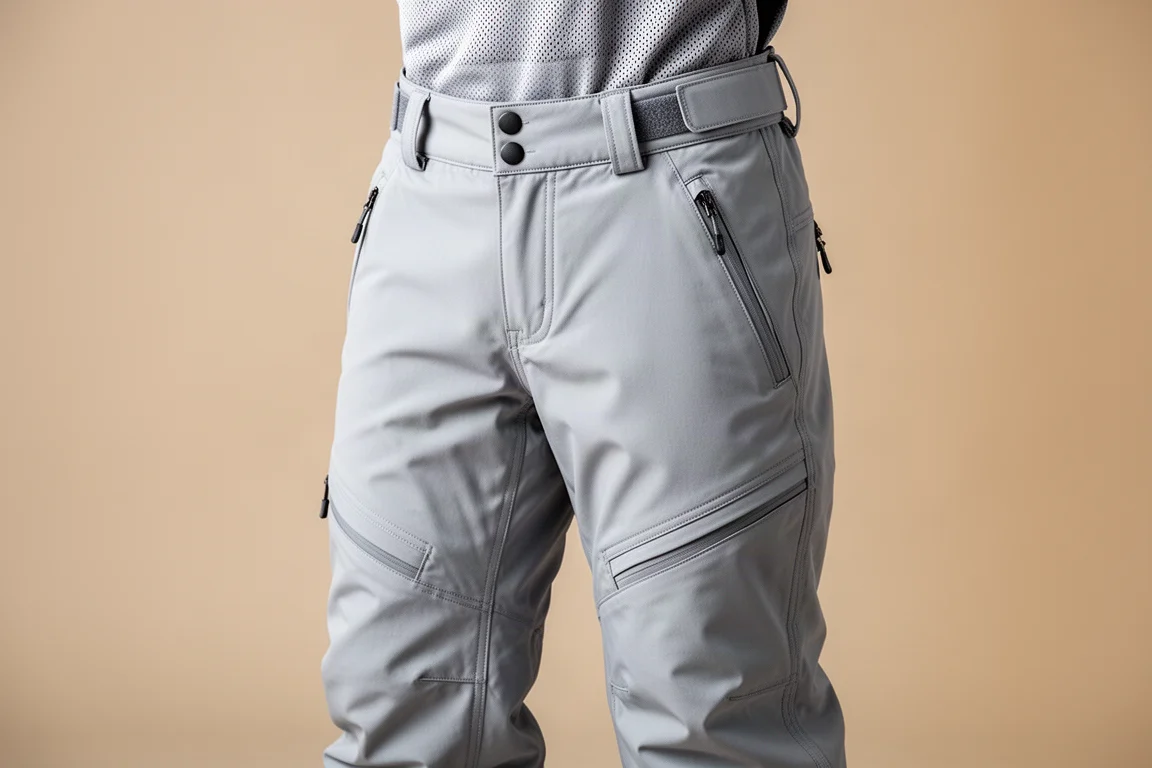
The Yuki Threads Snow Pants come from an Australian brand and sell for around $89 in US dollars, roughly $149 AUD. They have a track pant style, with elastic at the cuff and a drawstring waist rather than a belt. The YKK zippers are taped, which is a nicer detail, and the rear Velcro pocket flap is well reinforced. However, the fabric is very thin. The sandpaper test ripped through easily, and the material shredded rather than resisting abrasion. The seams use normal stitching, with a tape seam and a 3M-style DWR coating. The boot gaiter is basic, with a cheap seam and nylon upper. In the water test a tiny spot appeared, but it did not seep through. These are inexpensive pants with clear limits.
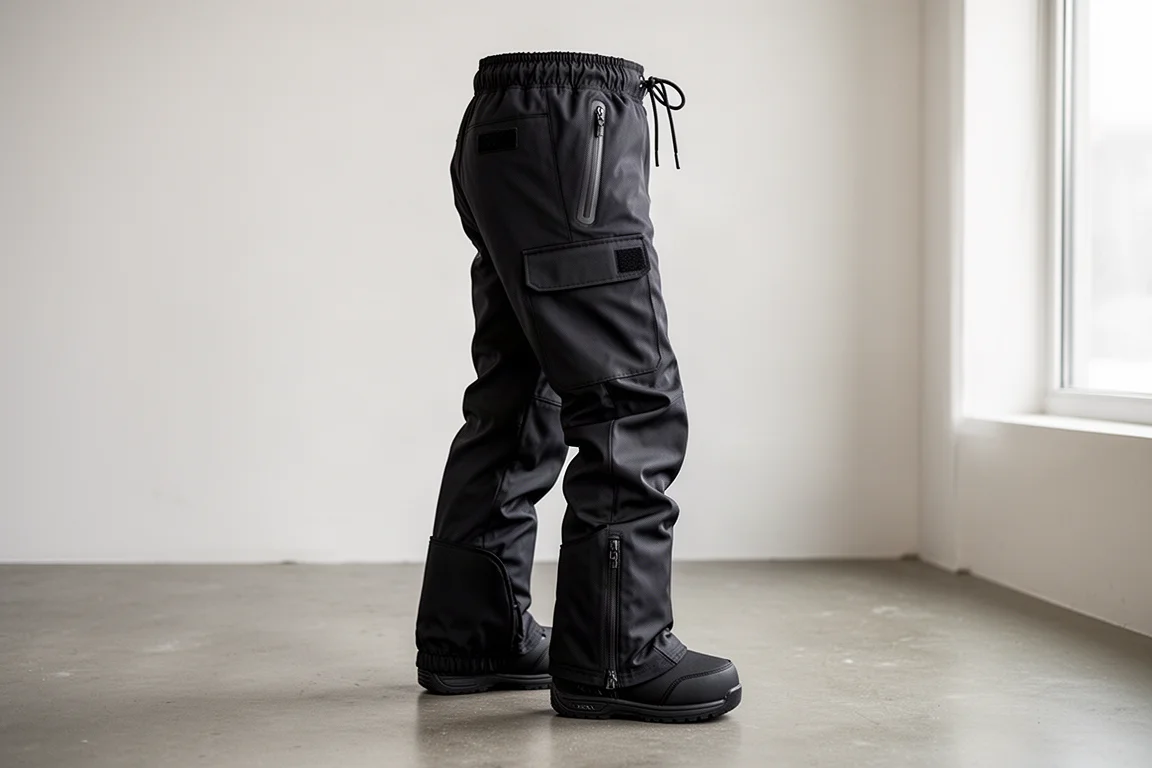
TSLA Snow Pants: Ripstop Fabric, Weak Weather Protection
The TSLA Snow Pants have no published waterproofing or breathability rating. They use a ripstop fabric that performed surprisingly well against coarse sandpaper, with the weave resisting the abrasion test. The zipper is a third-party unit, and the seams are sewn better than expected, with double stitching at stress points and a cross seam to keep insulation from bunching. But the insulation is cheap polyfill, and the pockets use single stitching. The boot gaiter is extremely thin, almost see-through, and would likely leak if snow got between the pant and the boot. In the water test, a large wet spot formed quickly. The ripstop fabric is durable, but the weather protection is not.
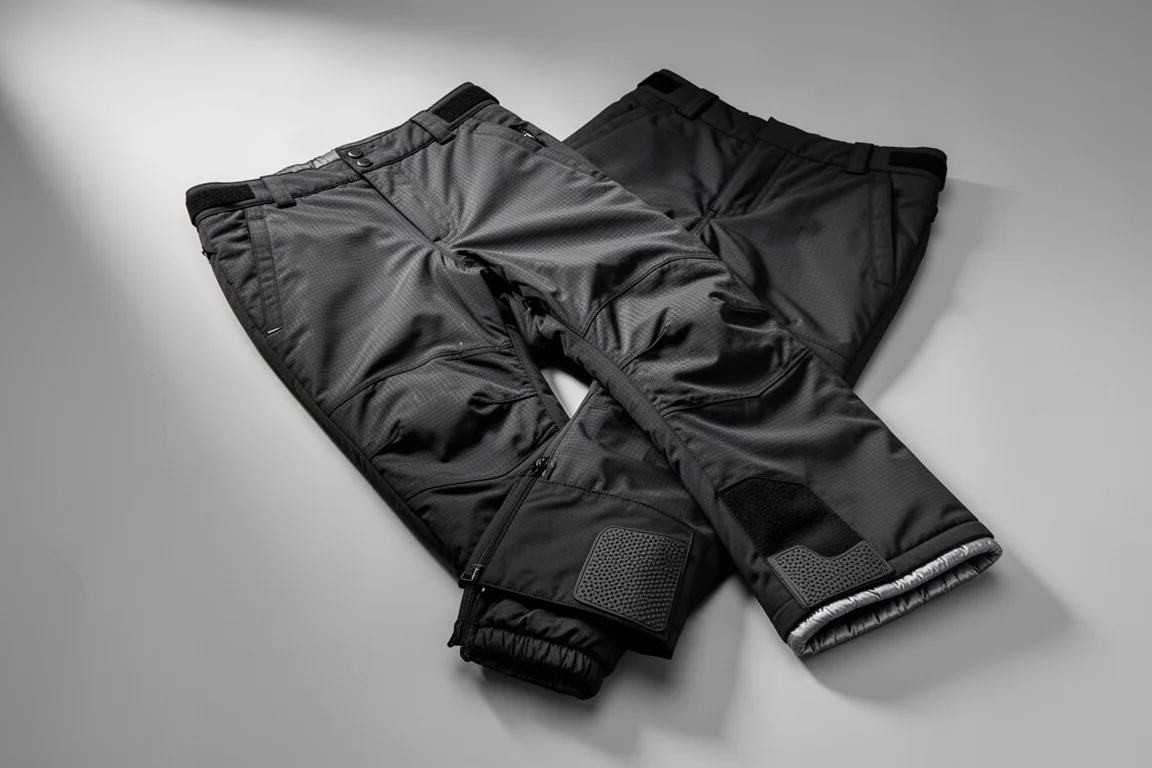
Dope Iconic Snow Pant: Expensive for What You Get
The Dope Iconic Snow Pant is rated 15K/15K and was the most expensive pair in this test at $159. Dope and Montec share ownership and rely heavily on direct-to-consumer marketing. The pant uses single-stitch seams in many places, and the zippers are unbranded units made for the brand. The rear pocket flaps have no actual pocket behind them, which wastes material and adds seams. The waterproofing appears to be a film or sticker applied to the fabric rather than an impregnated treatment, with excess material used to tape seams. That can keep water out at first, but moisture can sit on the top layer and cause the adhesive to separate over time. The waist has a pointless shoelace drawstring plus Velcro closures and real elastic. The boot gaiter is tiny, with only two strands of rubber. In the water test the top layer was wet while the under layer stayed dry, which matches the sticker-like construction.
The construction has a few smart touches, such as single-stitch seams that hold the liner and insulation together, but the overall package does not justify the price compared with established brands.
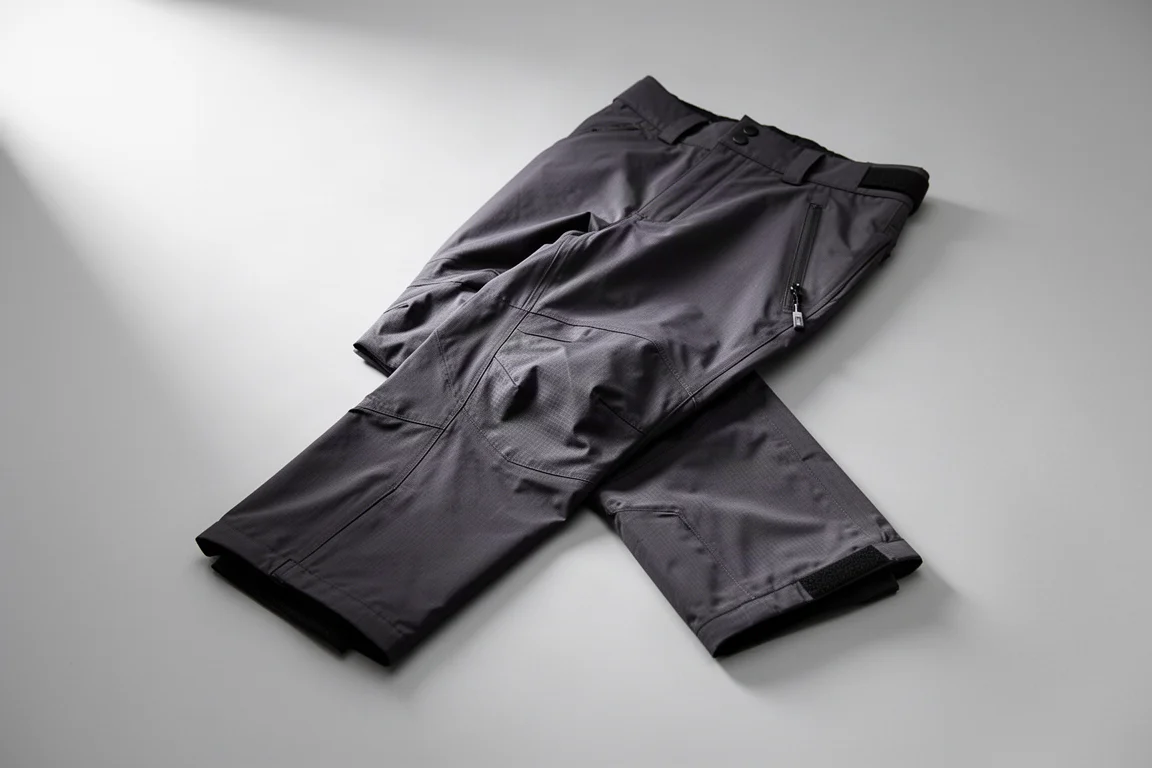
Amazon Essentials Ski and Snowboard Pants: Cheap Knockoff, Limited Durability
The Amazon Essentials Ski and Snowboard Pants sold for about $50 and feel extremely cheap. They use a YKK zipper that held up, but the front pocket cover was obliterated with minimal pulling, and a belt loop ripped easily. The sandpaper test created crease lines and removed fabric without tearing through, but the material is thin enough to see a finger through it. The waistband has elastic and polyfill, and the insulation is stitched only along the internal seam, which can allow separation. The pocket zipper end uses a glued hard epoxy that seems more durable than expected. The boot gaiter has a tighter seam and a clip, with four strands of rubber. In the water test the fabric became damp, with moisture seeping in and spreading out. It dried quickly, but early seepage suggests long-term failure.
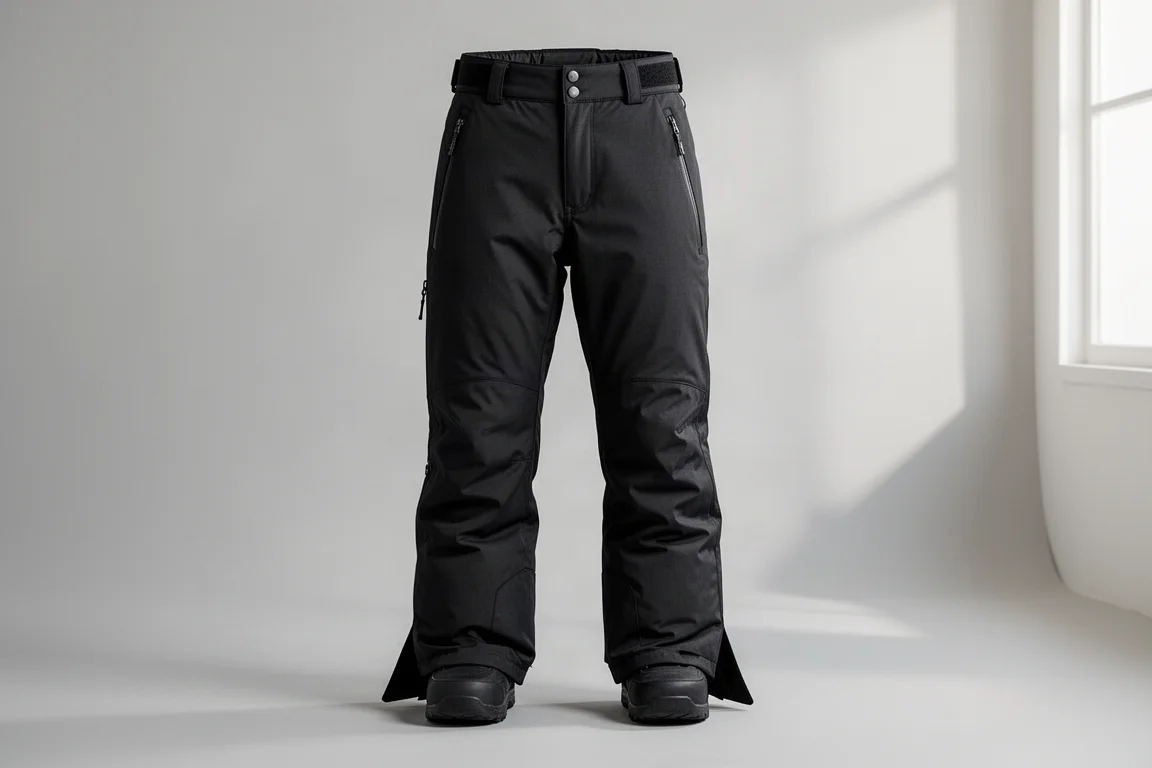
Woolfold Snow Pants: The Cheapest Construction in the Test
The Woolfold Snow Pants are sold on Amazon and marketed for skiing and snowboarding with claims of waterproofing, windproofing, breathability, and warmth, but no ratings are published. The fabric feels cheap and the insulation feels like tissue paper. The YKK zipper is very small, though it held during testing. A side cargo pocket is functional and reinforced enough not to rip. The sandpaper test punched a hole and the fabric continued to tear wider, showing how thin the material is. The seam ripped quickly with a seam ripper, and the thread quality is very low. There is a little seam tape, and the side seam is critically taped despite using single stitching. The waist has elastic and a small insulation overlap but is not insulated. The boot gaiter is basic, with some elastic at the cuff and no loops. In the water test the fabric became damp but did not seep through during the short test window.
Overall Buying Advice
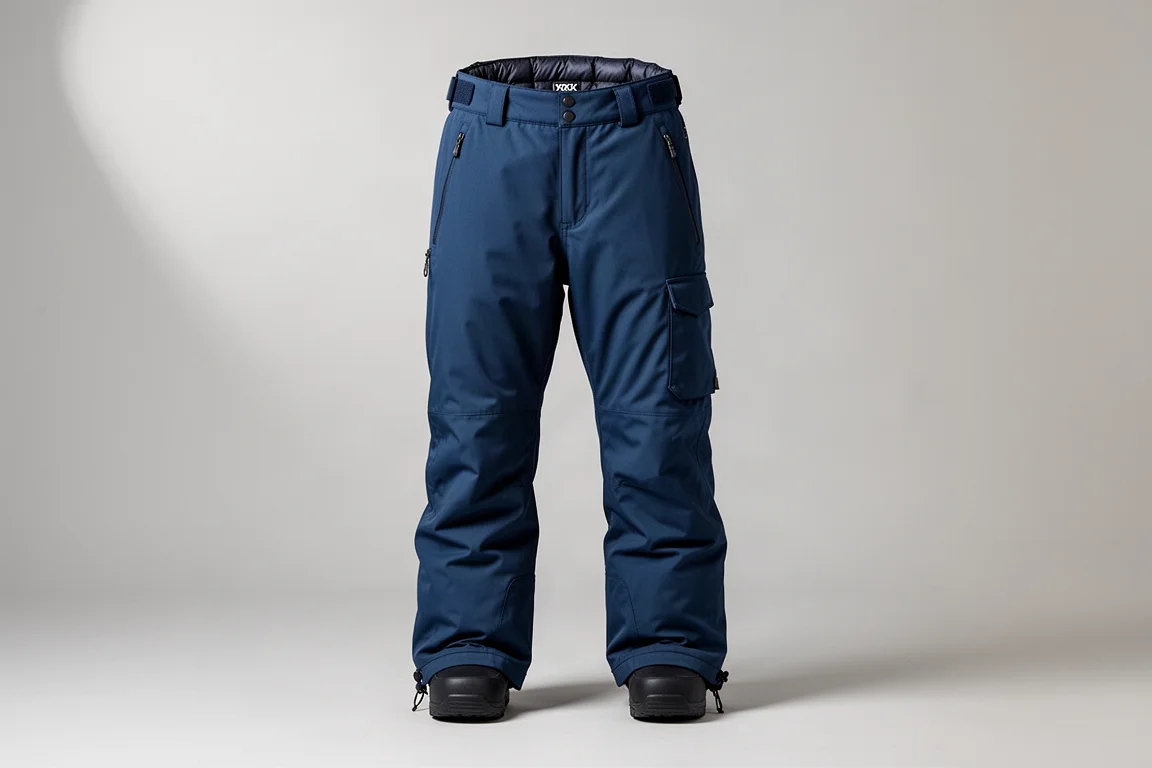
The strongest performers in this group were the 686 Standard Pant and the DC Division Pant. Both use solid seam construction, reliable zippers, and weather protection that held up in testing. The Columbia Bugaboo II Pant also stayed dry and uses thick seams and seam tape, though the cut and some details are less refined. If you want a dependable pair for a full season, those are the safer choices.
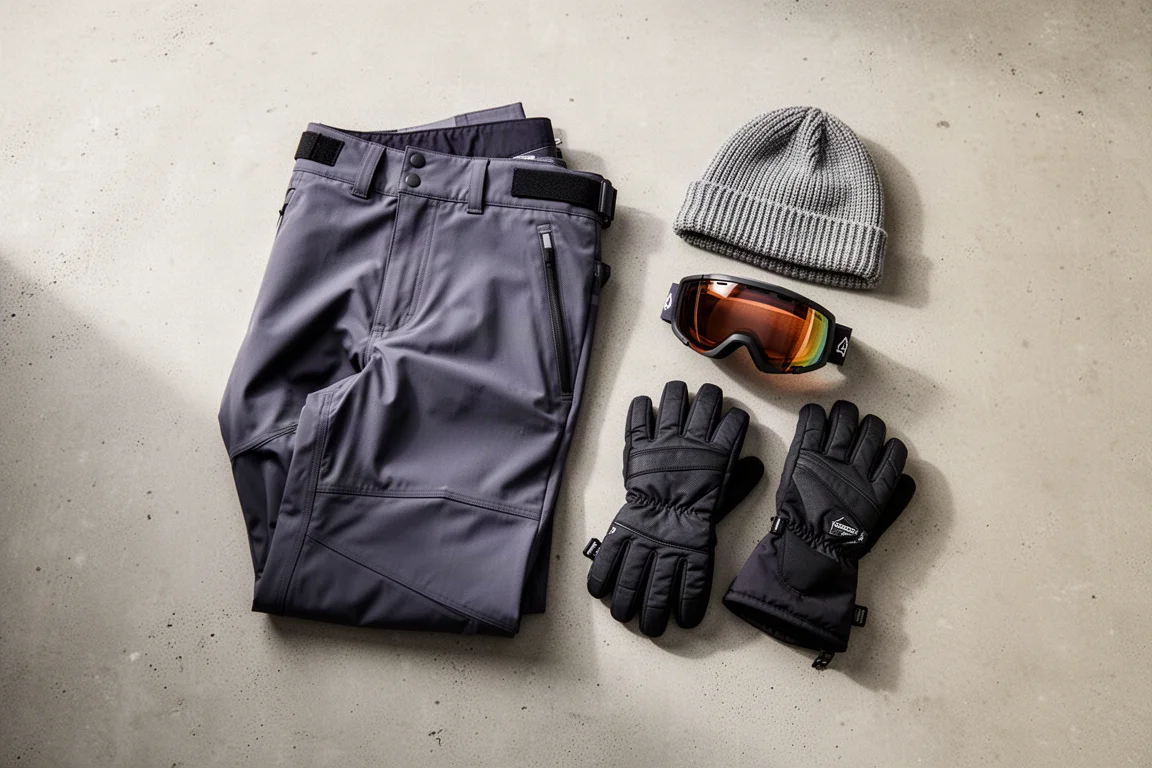
The direct-to-consumer and no-name options were more mixed. Some, like the Hard Land Pant, stayed dry despite questionable construction. Others, like the Dope Iconic Snow Pant, use waterproofing methods that may not last. The Amazon Essentials and Woolfold pants are inexpensive, but the materials and stitching suggest they are best for very occasional use, not for regular riding. The TSLA pants have durable ripstop fabric but weak weather protection. The Yuki Threads and Chamonix pants are thin and fragile, though they may work for light use. Buying from an established snowboard brand is usually the better long-term value.
Conclusion
Price alone does not tell you whether snowboard pants will last. Seam construction, zipper quality, fabric thickness, and waterproofing method matter more than a low price or a high claimed rating. The 686 Standard Pant and DC Division Pant delivered the most confidence in this test, while several cheaper options cut corners in ways that could leave you wet or replacing them sooner. If you ride regularly, spending a little more on proven construction is the practical choice. If you only need pants for a short trip, some budget options can work, but expect trade-offs.
Further reading
Related Reviews
Snowboard Pants
686 Standard Snowboard Pant Review: A Dependable Entry-Level Baseline
A close look at the 686 Standard Snowboard Pant, an entry-level 5K shell with double-stitched seams, YKK zippers, and a $99 price tag, plus the trade-offs worth knowing before you buy.
Backpacking Gear
Building a 10 lb Base Weight: An Ultralight Backpacking Gear List
A practical walkthrough of the ultralight pieces behind a 10 lb base weight, from a 765 g pack and a roomy one-person tent to a full camp chair and a dependable water filter.
Road Bikes
10 New Road Bikes Worth Watching: Aero, Titanium, Steel and Endurance Standouts
A practical roundup of 10 new road bikes, from aero flagships chasing single-watt gains to titanium, steel and endurance platforms built for real roads.