Snowboard Pants
686 Standard Snowboard Pant Review: A Dependable Entry-Level Baseline
A close look at the 686 Standard Snowboard Pant, an entry-level 5K shell with double-stitched seams, YKK zippers, and a $99 price tag, plus the trade-offs worth knowing before you buy.
Introduction
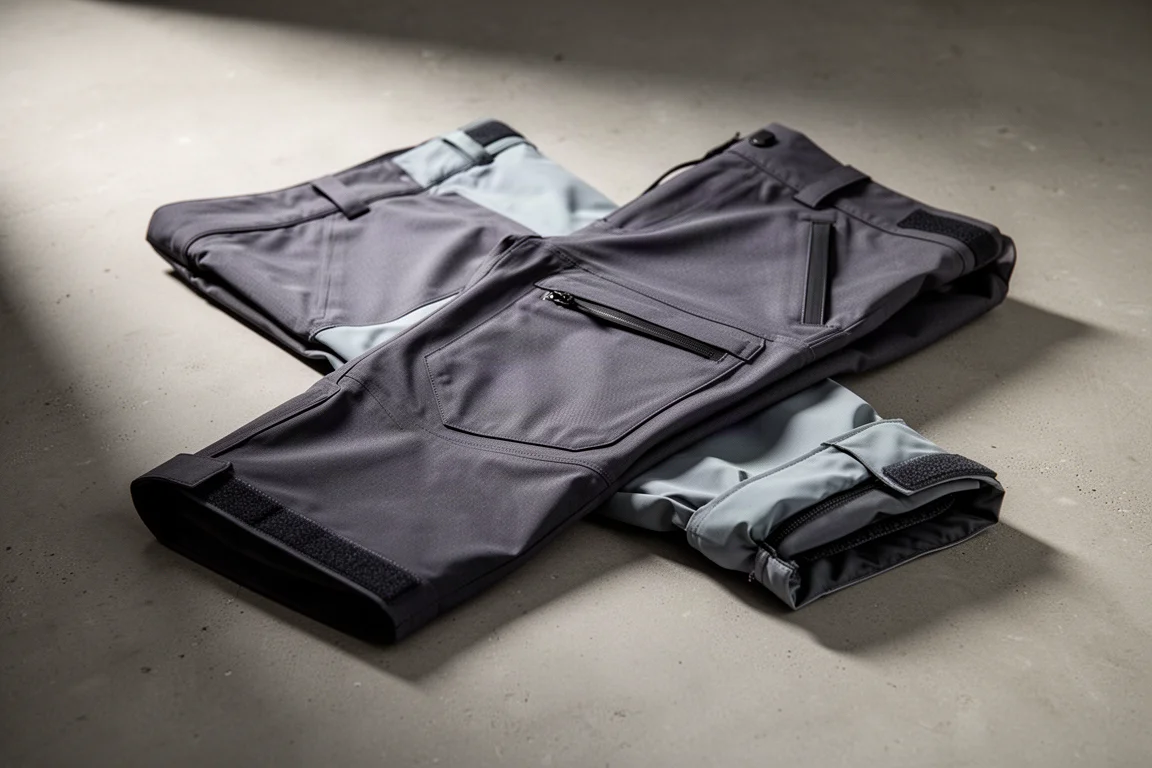
Entry-level snowboard outerwear tends to force a choice. Either the pant looks the part and falls apart after a season, or it is genuinely well made and priced well beyond what a first setup should cost. The 686 Standard Snowboard Pant sits in that middle ground. It is a 5K-rated shell positioned as a first pair of riding pants, and 686 has been building outerwear since 1992, so the brand is not new to the category.
This review focuses on how the Standard Pant is actually put together: the seam construction, the pocket and zipper hardware, the waistband, and the boot interface. It also covers how the fabric behaves under abrasion and in wet conditions, and where the compromises show up at this price.
Who This Product Is For
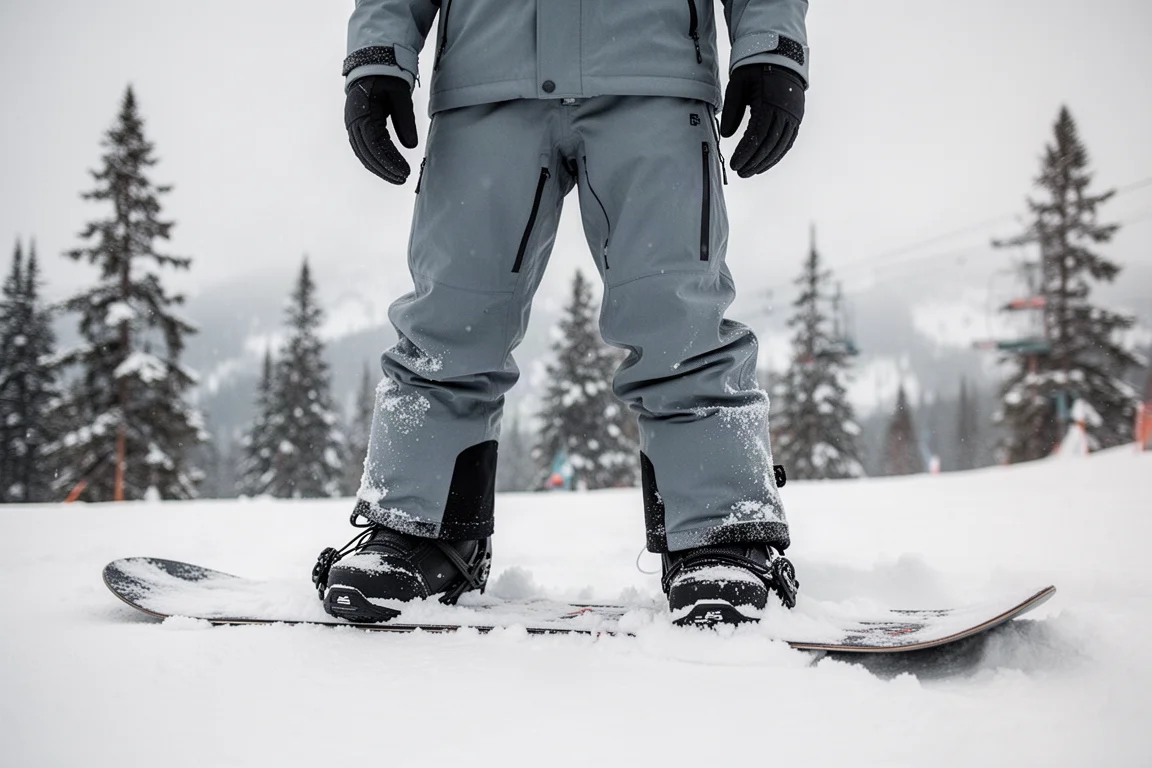
The Standard Pant is an entry-level option, and that framing matters. It is aimed at riders who need a dependable shell for their first seasons rather than a technical layer for expedition conditions. It is also the kind of pant that works well as a gift, because it covers the fundamentals properly without asking for a premium spend.
It makes the most sense for:
- First-time and occasional snowboarders who want one reliable pair to start with
- Riders looking for a spare or backup pant for cold, dry resort days
- Anyone who values simple, visibly reinforced construction over a long feature list
It is a less natural fit if you ride primarily in heavy, wet snow, spend long days in deep powder, or want a waistband you can cinch down and tune on the fly.
Main Strengths
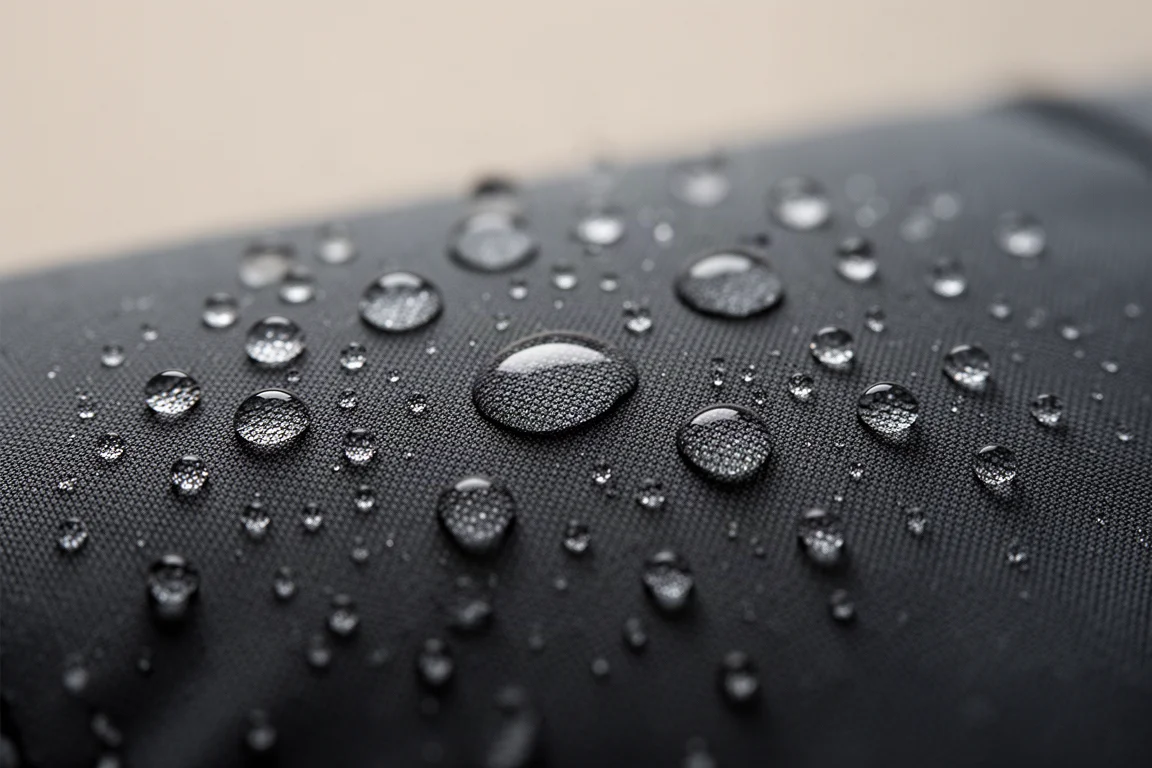
The first thing that stands out is the fabric itself. It feels thick and substantial in the hand, with a durable water repellent coating that reads as properly applied rather than a token finish. That weight is a good sign for a pant at this price, since thin shells are usually where entry-level outerwear gives up first.
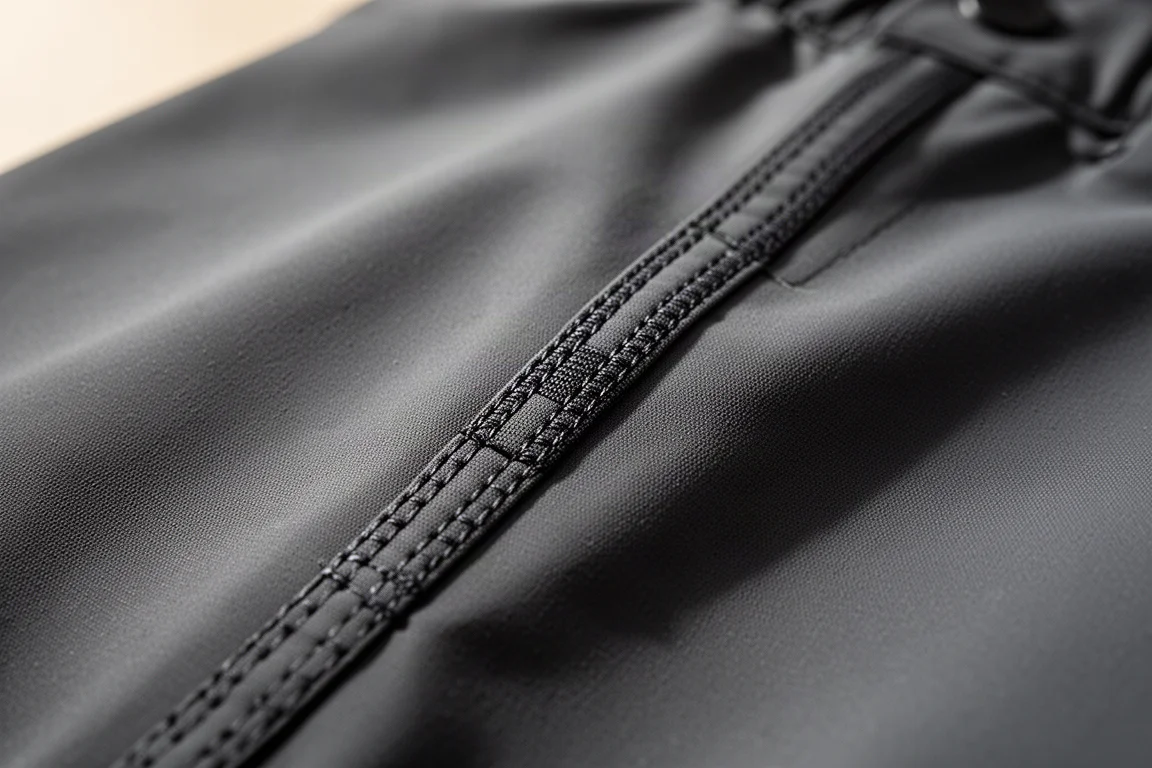
Construction is the other clear strength. Seams are double stitched throughout, and when you look inside the pant, they are stitched again, so the reinforcement runs through the whole garment rather than sitting only on the visible outer face. The hem gets additional reinforcement around the bottom, which is the area that takes the most abuse from boots, bindings, and lift ramps.
The waistband liner is a thin layer with no insulation, but it is soft against the skin, which helps on days when you are wearing a base layer only. At the ankle, the integrated gaiter is on the longer side and includes a clip plus a small cover piece for when the clip is not in use. Four strands of rubber run around the cuff for grip over the boot.
Build Quality, Seams, and Hardware
The stitching is where this pant justifies its place as a baseline. When the seams were stressed, they resisted noticeably longer than expected, and the material under the needle felt dense rather than papery. That combination of thick fabric and repeated stitching is exactly what you want from a snowboard pant that will be sat on, kneeled in, and dragged across chairlift seats.
The hardware is more modest. The zippers come from YKK, which is the right call at this price, but the pocket zipper is sealed with stitching alone. There is no epoxy and no metal end clamp holding the seal, which is a normal trade-off on a $99 pant rather than a defect.
Pockets follow the same minimal logic. There are no flaps over the openings, and the rear pocket relies on a velcro closure. Abrasion testing on that pocket left visible surface wear and would likely thin the DWR coating over time, but the fabric did not tear. The pocket lining is nylon, which slides easily and holds up better than a soft mesh would.
The waistband has no insulation and no cinch, so it is a thin layer of material with no way to tighten it down. The cuff uses snaps with a storm flap. The cutaway is not especially generous, so it will not swallow a bulky boot cuff, but it works as intended.
Waterproofing and Weather Protection
The 5K rating is the clearest signal of where this pant sits. It is entry-level weather protection, and it is honest about that. For dry resort days, cold temperatures, and the occasional wet snow, it is a reasonable match. For sustained heavy rain or long days in soaking powder, a higher rating will serve you better.
In wet conditions, the Standard Pant came through completely dry. That result lines up with the rest of what the pant shows: 686 has been making outerwear for around three decades, and the sealing, coating, and seam work reflect that experience. The DWR finish is the part most likely to need attention over time, particularly around the rear pocket where abrasion is highest, but the underlying fabric is not the weak point.
Things to Consider Before Buying
A few compromises are worth going in with your eyes open.
- No waist cinch and no waist insulation. If you like a dialed-in fit or run cold around the midsection, this is a limitation.
- Pocket zippers are stitched rather than epoxy sealed or metal clamped. Fine at this price, but it is the simplest part of the construction.
- No pocket flaps. The rear velcro closure works, though abrasion will wear the finish faster there than elsewhere.
- The 5K rating is entry-level. It is not built for prolonged wet weather or deep, damp snow.
- The cuff cutaway is modest. It clears a standard boot cuff, but it is not the most generous opening on the market.
None of these are failures. They are the natural shape of a pant built to hit a low price without cutting the structural work.
Buying Advice
At around $99, the 686 Standard Snowboard Pant does what a baseline pant should do: it protects you, it holds together, and it does not pretend to be something more technical than it is. The money goes into the parts you cannot easily replace later, which is the fabric weight and the double-stitched seam construction, rather than into pocket flaps and sealing details that add cost.
If you are buying your first snowboard pant, need a dependable spare for cold resort days, or you are choosing a gift for someone starting out, this is a straightforward recommendation. The pant kept its rider dry, resisted abrasion without tearing, and showed no obvious structural weakness at the seams.
If your riding involves a lot of wet, heavy snow, or you want a waistband you can adjust on the hill, it is worth stepping up to a higher waterproof rating and a more feature-rich cut. For everyone else, this is a sound place to start, and it leaves budget for boots, a jacket, and a helmet.
Conclusion
The 686 Standard Snowboard Pant is not a technical shell, and it does not try to be. What it offers is solid material, reinforced double stitching, YKK zippers, a working boot gaiter, and a $99 price that keeps a first setup affordable. The trade-offs, including the entry-level 5K rating, the stitched pocket sealing, and the missing waist cinch, are consistent with the price rather than surprising for it. As a first pair or a reliable backup, it earns its place as a sensible baseline.
Product link
View more details for 686 Standard Snowboard Pant
This product is mentioned in the review. Check the specifications, options, and compatibility before buying.
View more details for 686 Standard Snowboard PantFurther reading
Related Reviews
Snowboard Pants
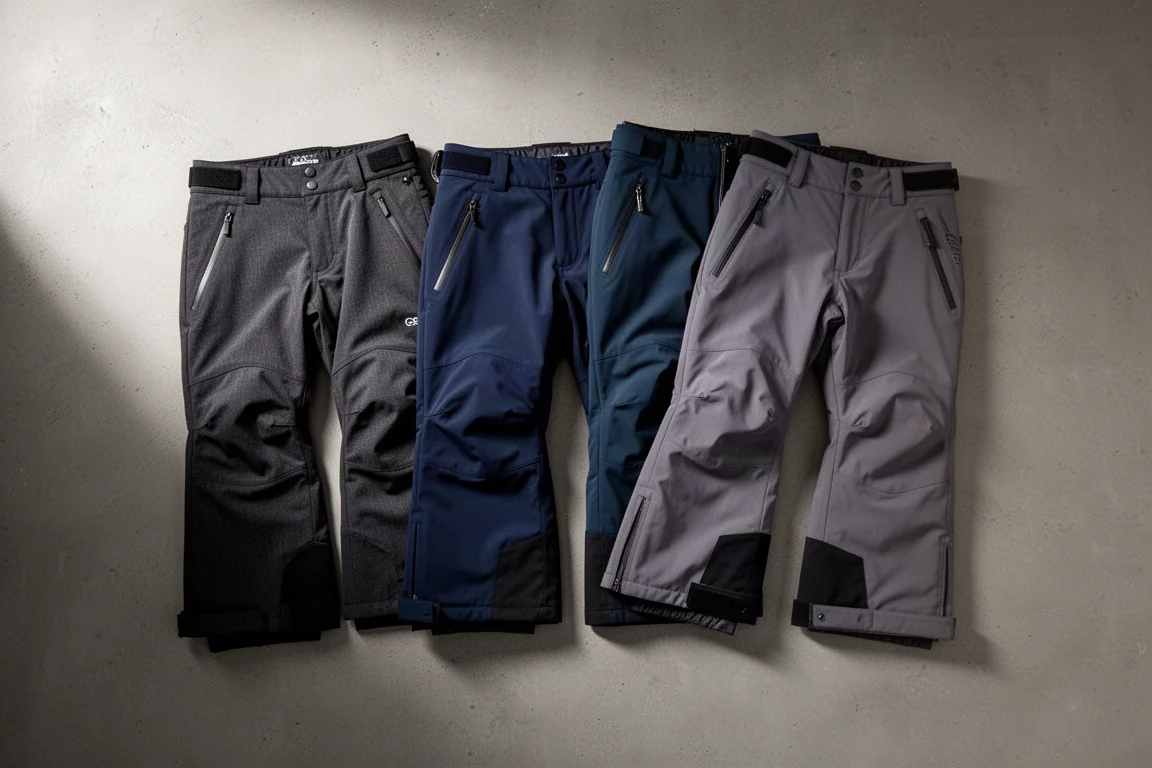
Snowboard Pants Under $175: What Holds Up and What Does Not
A practical roundup of ten snowboard pants under $175, with notes on waterproofing, seams, zippers, and long-term value.
Snowboard Outerwear
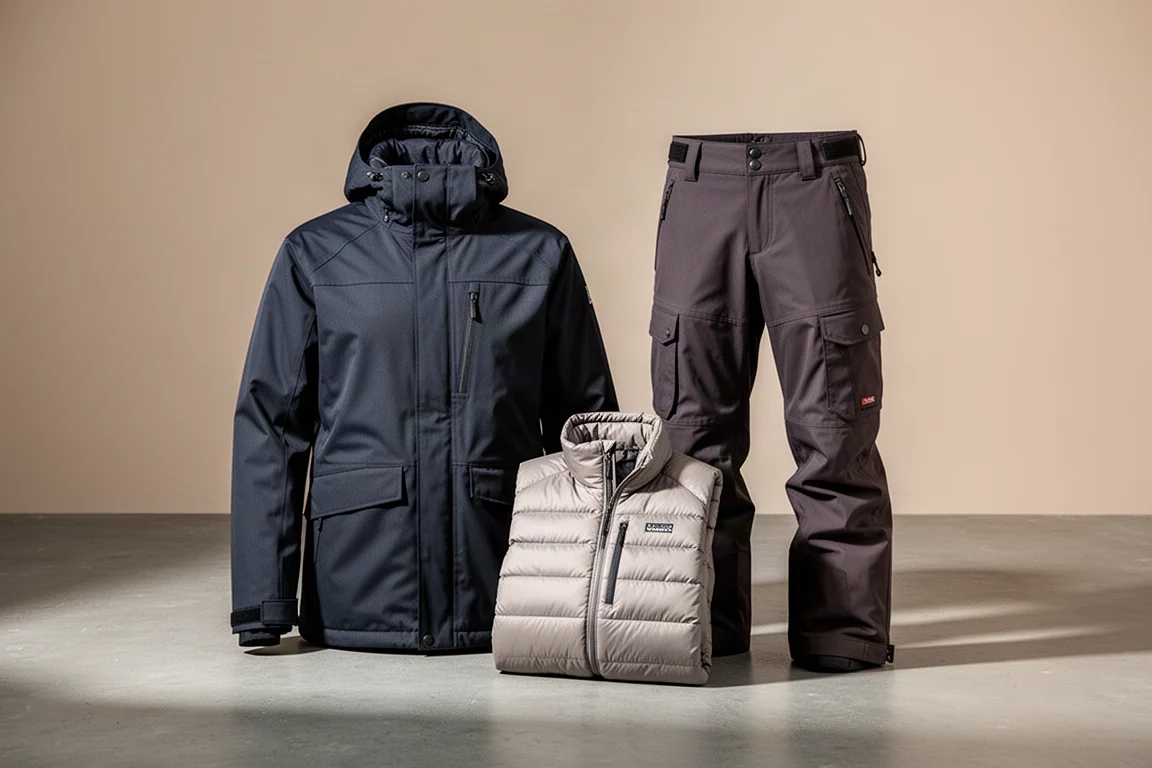
686 Snowboard Outerwear Breakdown: Good, Better, Best for 2026
A practical look at 686's outerwear line across three tiers, from the Smarty 3-in-1 kit to the Thermagraph series and the budget hoodie combo.
Snowboarding Gear
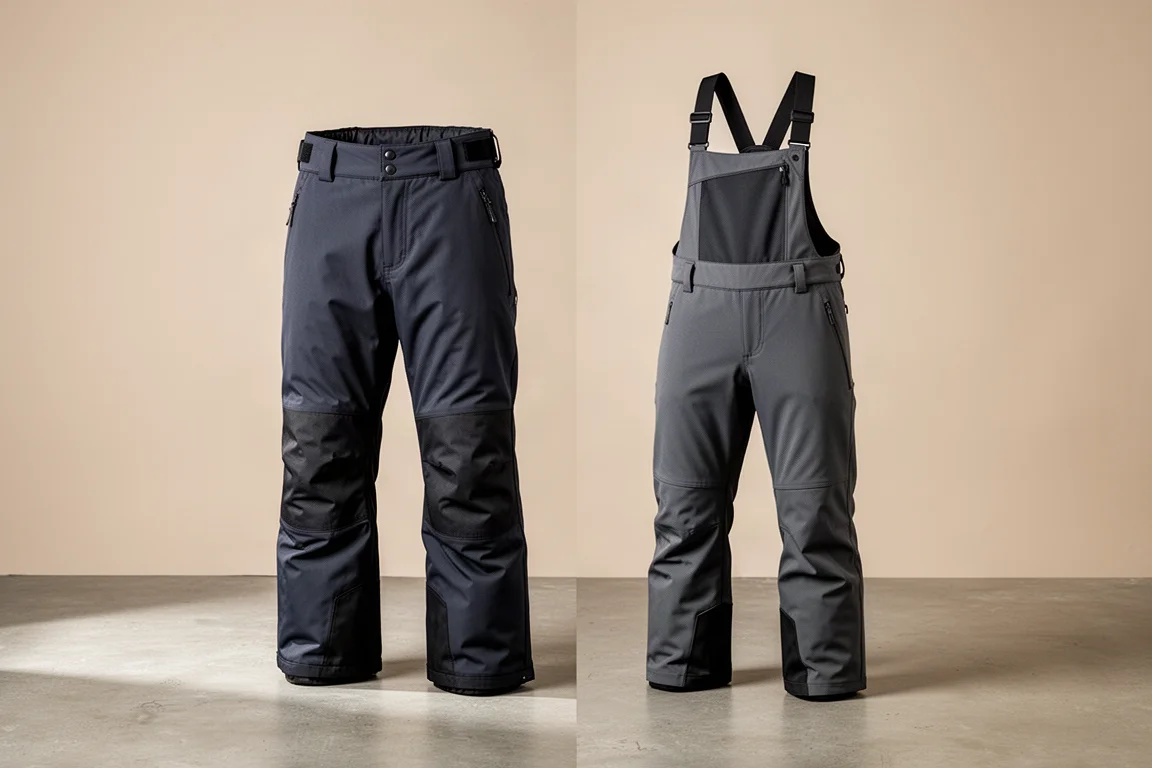
686 Smarty Pants vs 686 Dispatch Bib: Traditional Pants or Bib Pants?
A head-to-head look at two 686 snow pants, weighing warmth, comfort, durability, and breathability to help you pick the right style for your riding.