Camping Tents
Snow Peak Vault Review: A Spacious Japanese Tunnel Tent for Foul Weather
A practical look at the Snow Peak Vault, a large tunnel tent that trades standing height for covered space, airflow, and dependable storm protection.
Introduction
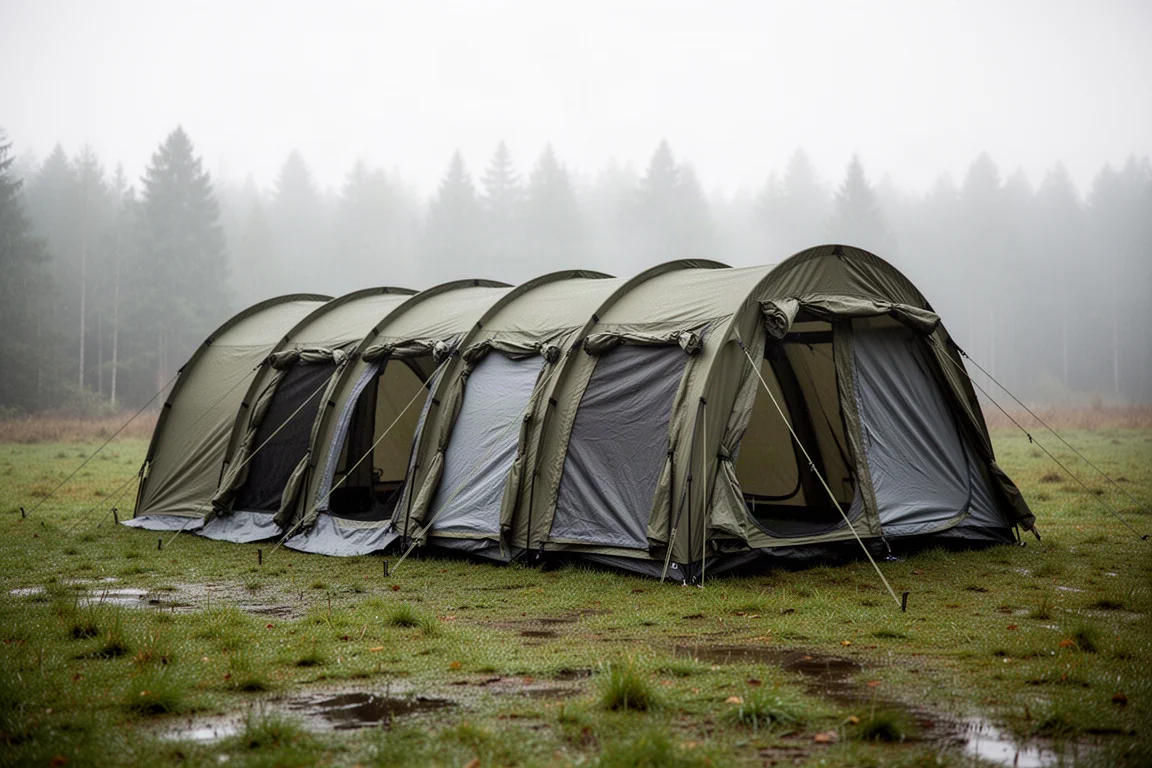
Some tents are built around a fast pitch. Others are built around a single, stubborn idea: give the camper as much covered space as possible and keep it dry when the weather turns. The Snow Peak Vault sits firmly in the second camp. It is a Japanese tunnel tent with an unusually long, wide footprint, and its whole design reads as a response to rain, wind, and long hours spent sheltering at camp.
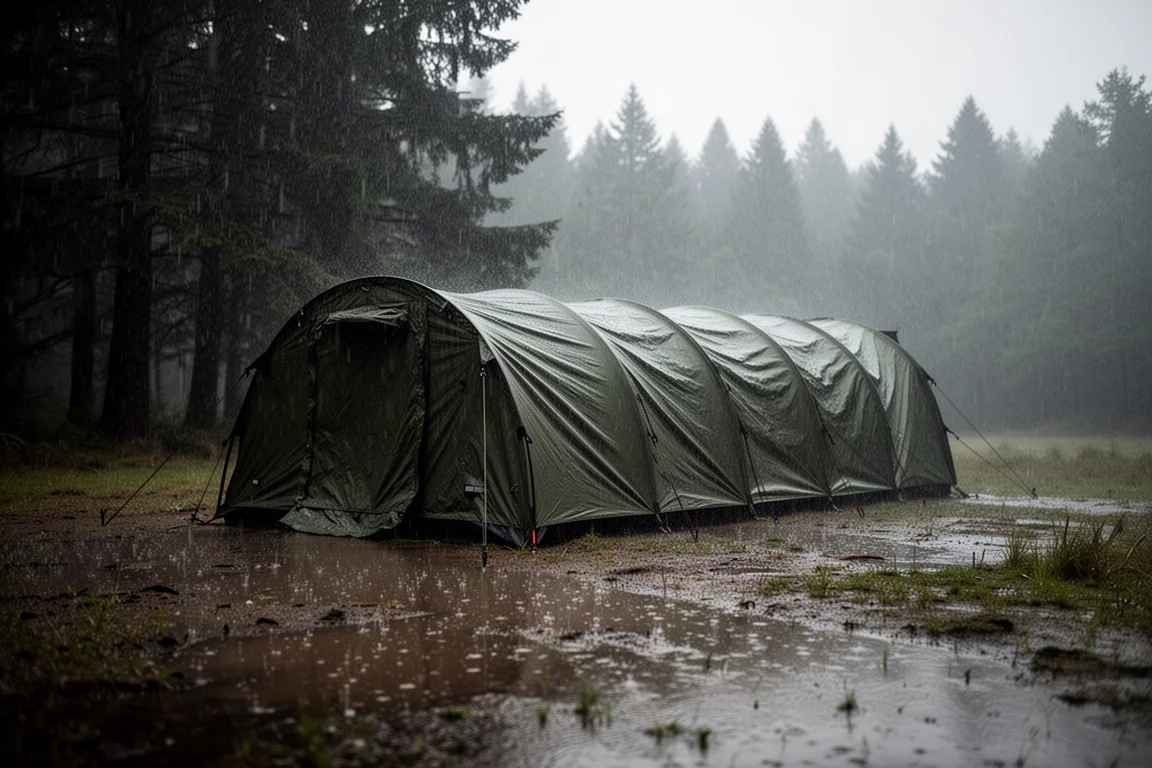
It earned its keep during an overnight trip that included a severe thunderstorm, torrential rain, near-constant thunder and lightning, and flash flooding in the surrounding area. The ground outside flooded. The inside of the tent stayed dry. That is exactly the test this shelter was built for, and it also makes the compromises in the design easy to see.
Who This Tent Is For
The Vault is best understood as a four-season shelter. Its inner tent is covered in fabric with very little mesh, which points toward cold-weather camping where wind and drafts matter more than breathability. Anyone shopping primarily for a summer tent should look closely at that inner construction before committing.
It is also a tent for campers who value floor area over standing height. The Vault is remarkably long and wide, but it is not tall enough to stand up inside. If you want a shelter you can walk into and move around in upright, this is not that tent. If you want a very large protected footprint for gear, seating, and cooking under cover, the trade starts to make sense.
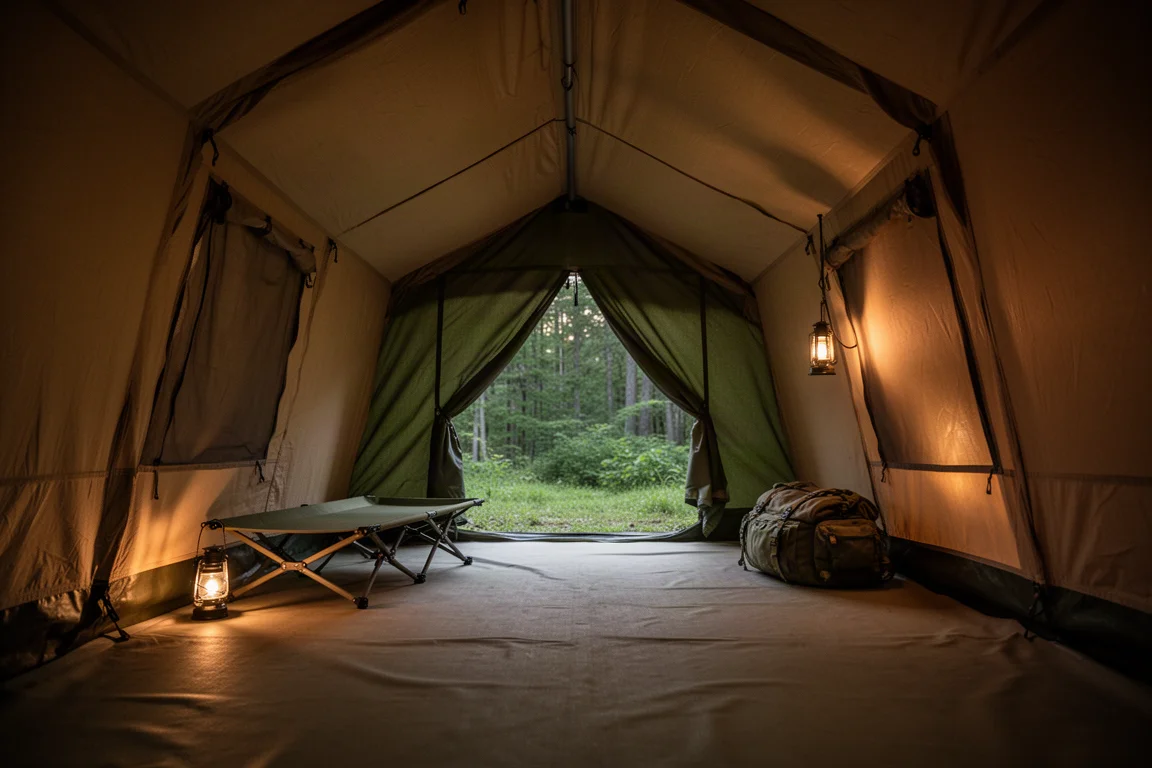
The removable inner is part of the appeal. Take it out and the shell becomes a very large open canopy that can be pitched and used much like a tarp, which is a practical option in warm, humid weather when you want rain protection and airflow without a sealed sleeping compartment.
Main Strengths
Weather Protection and Ventilation
The headline strength is how much weather the Vault absorbs. Through hours of heavy rain, continuous thunder and lightning, and flash flooding nearby, the interior stayed dry. The shelter held its shape, shed water, and never became the thing you had to worry about.
The second strength is airflow. With multiple doors open, the tunnel shape moves a surprising amount of air through the interior, and a breeze can be felt moving across the floor. In hot, humid conditions, that combination of full rain protection and strong cross-ventilation is genuinely useful, because it lets you keep the weather out without turning the inside into a sauna.
Size is the third advantage. The footprint is large enough to treat the Vault as a covered living area rather than simply a place to sleep, and that changes how a wet camping trip feels. You are not confined to a sleeping mat when the rain settles in for the evening.
At roughly $360, or just under $400, that amount of covered space is the real argument for the tent.
Things To Consider Before Buying
Warm-Weather Comfort and Headroom
The fabric-heavy inner that makes the Vault a strong cold-weather shelter works against it in summer. With very little mesh, heat builds inside, and in hot, humid conditions the interior can feel stifling unless you open it up and keep air moving. Plan on supplemental airflow, or use the shell on its own.
Headroom is the other trade-off. You cannot stand upright inside the Vault. It is a tent you sit, kneel, and crawl in, which is perfectly workable for a living and sleeping space but worth knowing before you buy.
Scale cuts both ways at the campsite as well. A shelter this long and wide needs more ground space, more room in the vehicle, and a little more patience to pitch than a compact backpacking tent. That is a fair trade for the covered area, but it is still a trade.
Buying Advice
What to Check Before You Order
Match the Vault to the conditions you actually camp in. If your trips involve cold nights, wind, and sustained rain, and you want a large dry area to sit out the worst of it, this tent is a strong fit. If most of your camping happens in hot, still weather and you want a breezy summer tent, the fabric inner will work against you.
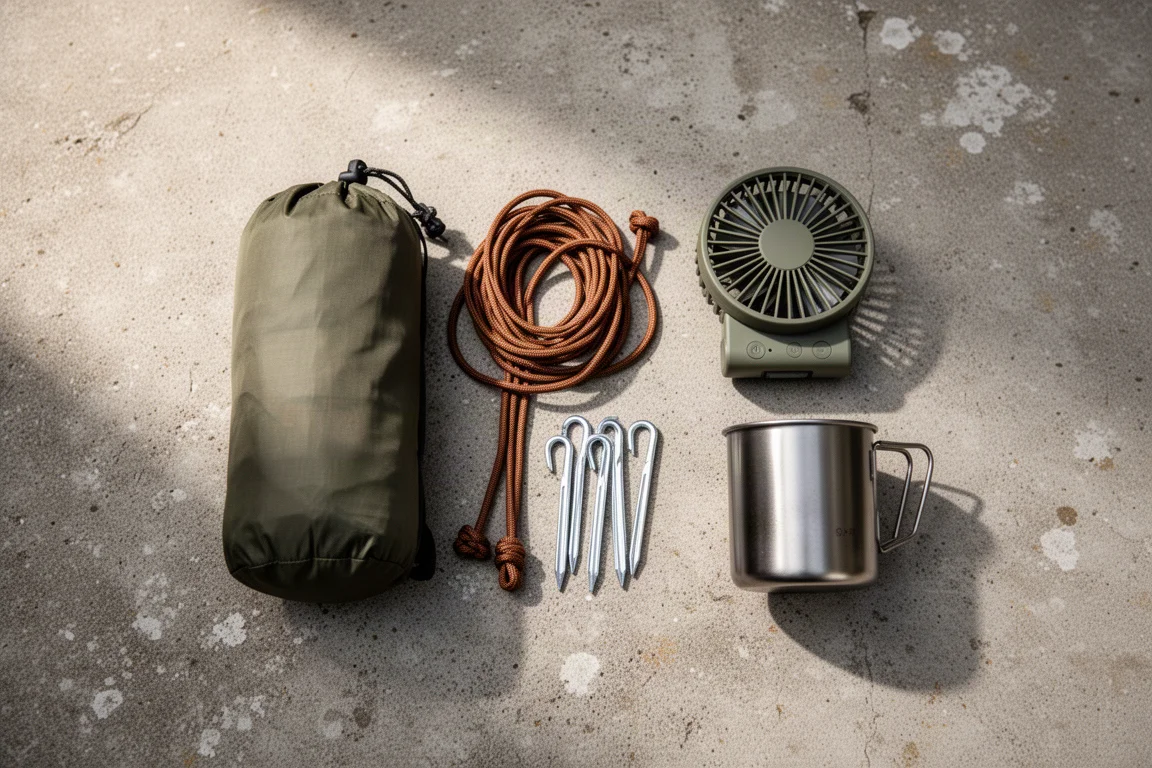
Before ordering, decide whether you want the full double-wall setup or the shell alone. The inner adds warmth and a sealed sleeping space. Removing it turns the Vault into a big open canopy, which is how it performs best in humid heat.
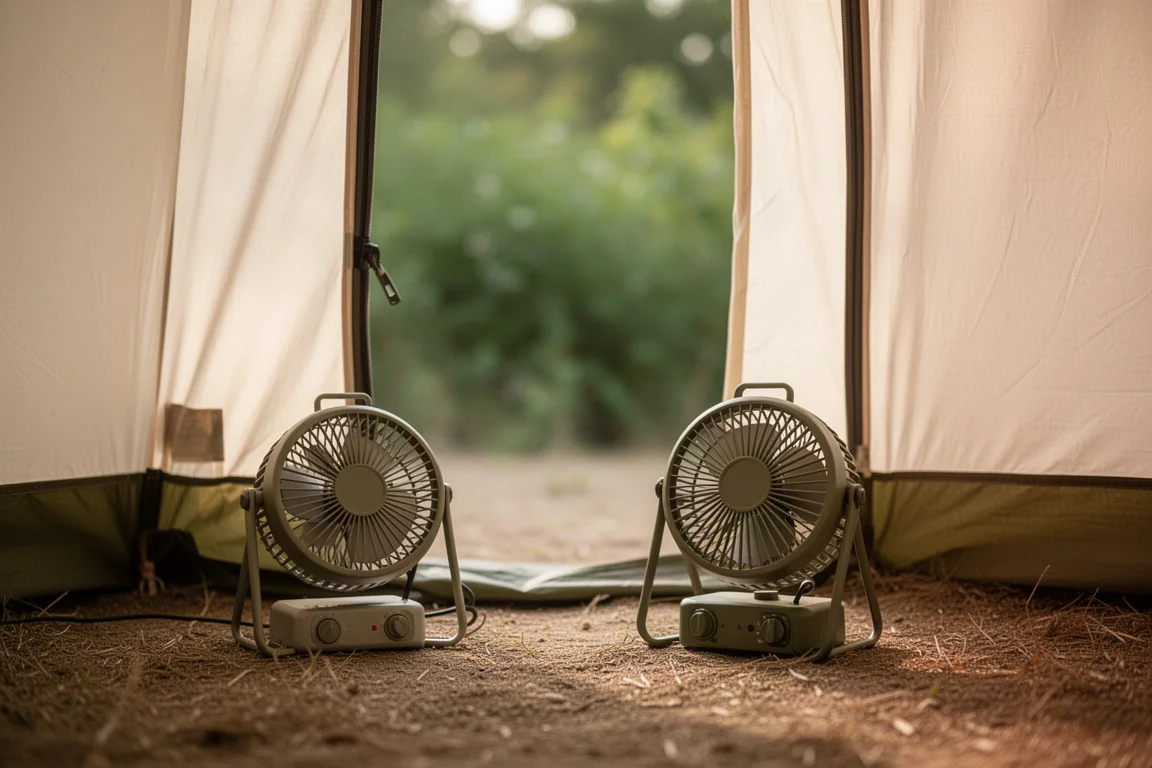
It also helps to treat airflow as part of the kit rather than an afterthought. A small battery fan running off a power bank makes a measurable difference in warm, muggy conditions, and it costs far less than the tent itself.
Conclusion
The Snow Peak Vault is a specialist, and it is honest about what it is. It gives you an enormous amount of covered floor space, it stands up to genuinely severe weather, and it moves air well once you open it up. In exchange, you give up standing height and summer-friendly ventilation.
For campers who spend real time in cold, wet conditions and want a dry base to come back to, that is a sensible set of priorities at a price that stays under $400. For anyone chasing a light, airy summer tent, the Vault is the wrong tool, and it is better to know that before you order than after the first hot night.
Product link
View more details for Snow Peak Vault
This product is mentioned in the review. Check the specifications, options, and compatibility before buying.
View more details for Snow Peak VaultFurther reading
Related Reviews
Camping Tents
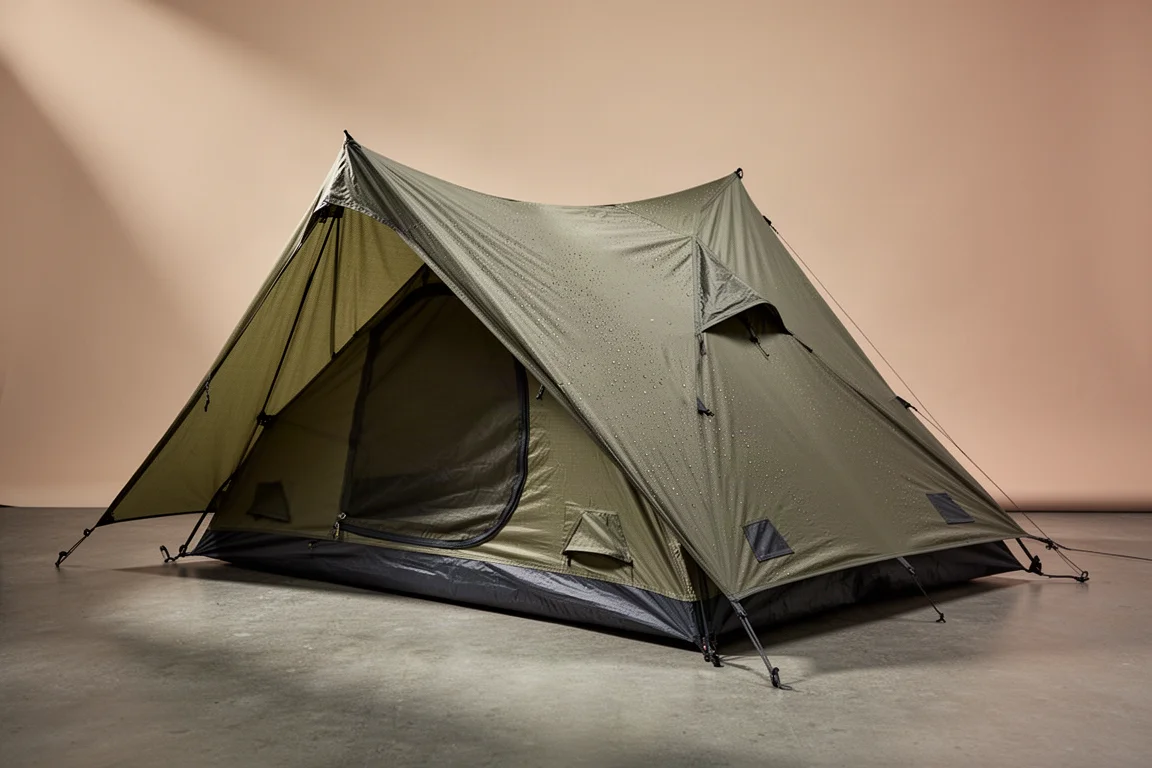
3F UL Gear Taiji Two-Person Tent Review: Field Waterproofing Results and Buying Advice
The Taiji pairs an attached fly with a removable inner, but sustained rain exposed untaped vent seams that need sealing before this shelter can be trusted.
Camping Tents
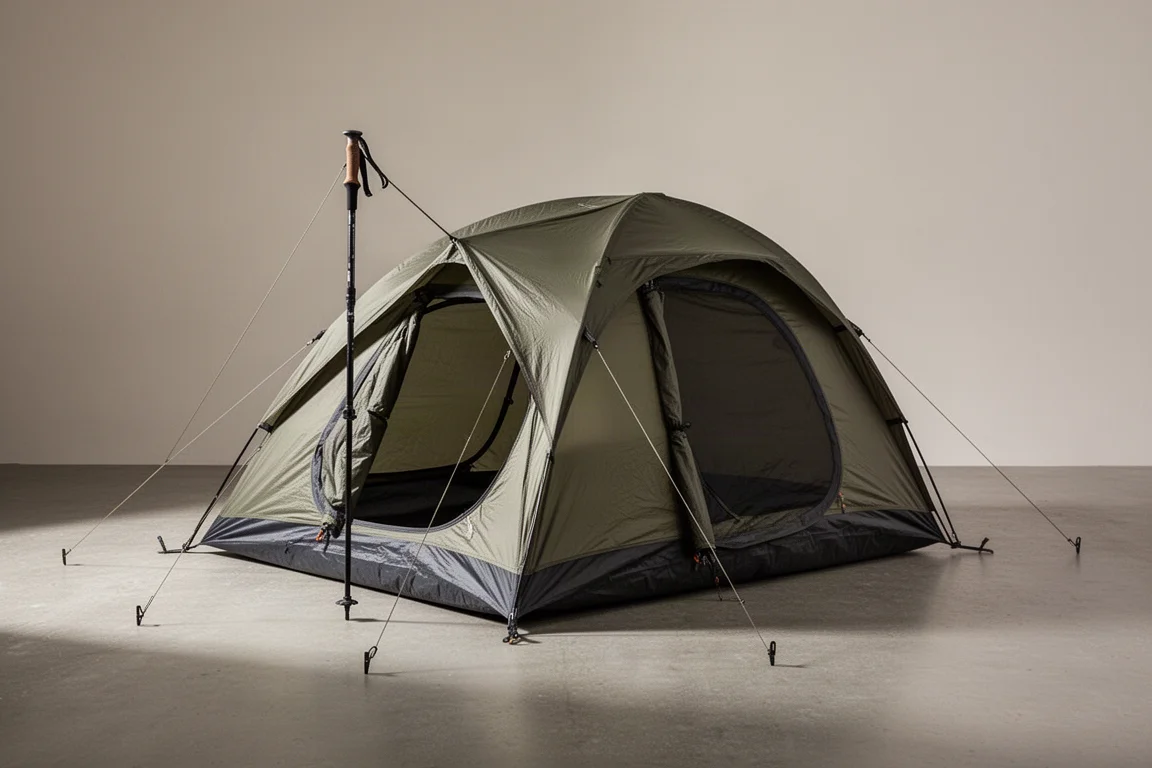
3FUL Gear Lanshan 2 Pro 4-Season Review: A Sub-$200 Single-Wall Trekking Pole Tent
An early look at the 3FUL Gear Lanshan 2 Pro 4-Season, covering its straightforward pitch, generous interior space, and the condensation and seam-sealing questions that come with any single-wall shelter.
Camping Tents
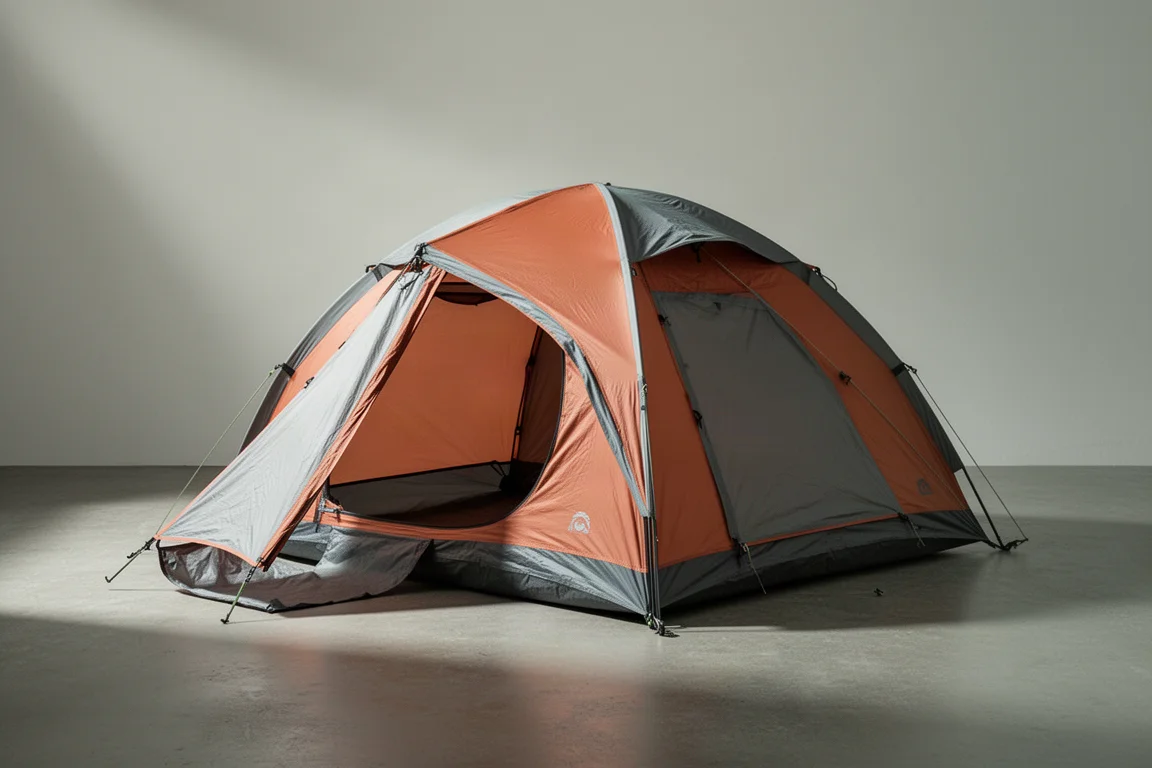
Alps Mountaineering Lynx 1-Person Tent Review: Big Value in a Small Budget Tent
A close look at the Alps Mountaineering Lynx 1-Person Tent, covering real interior dimensions, materials, setup time, ventilation limits, and who should buy it.