Camping Tents
Snow Peak Hexa Ease 1 Tent Review: A Two-Part Tarp Shelter Built for Stormy Weather
A close look at the Snow Peak Hexa Ease 1, a tarp-and-inner shelter with a huge protected footprint, room for two, and a pitch that demands patience.
Introduction
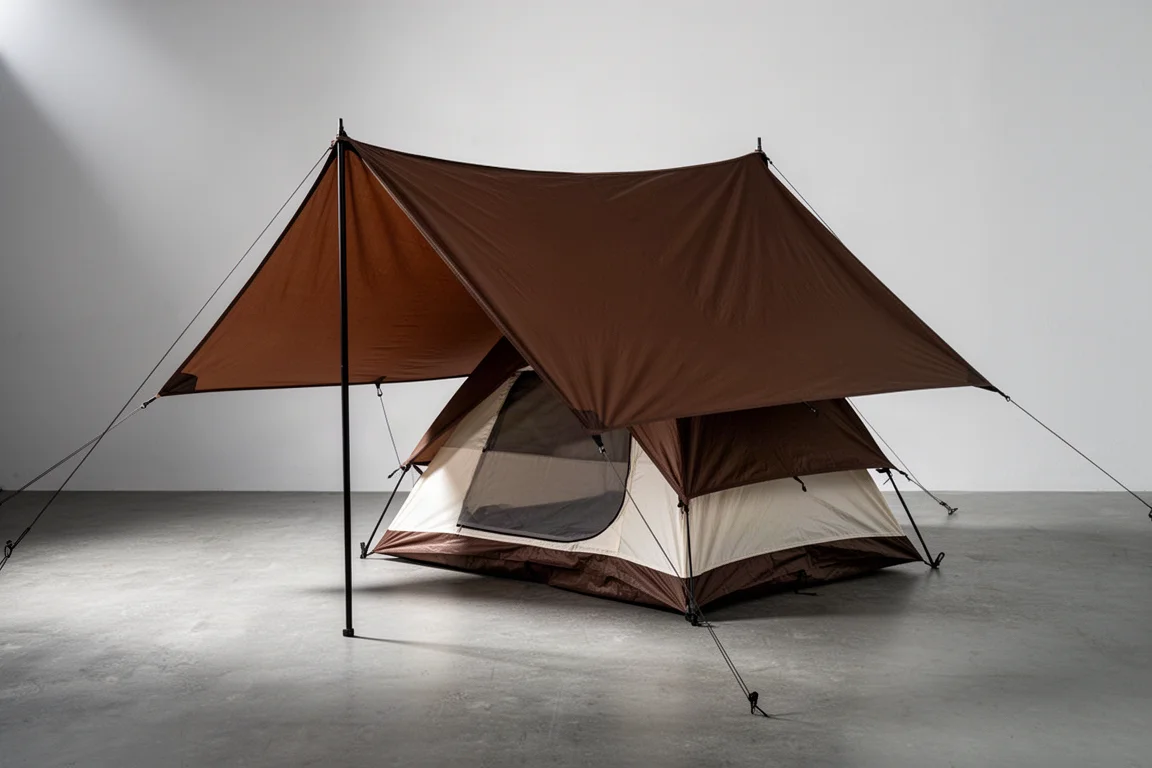
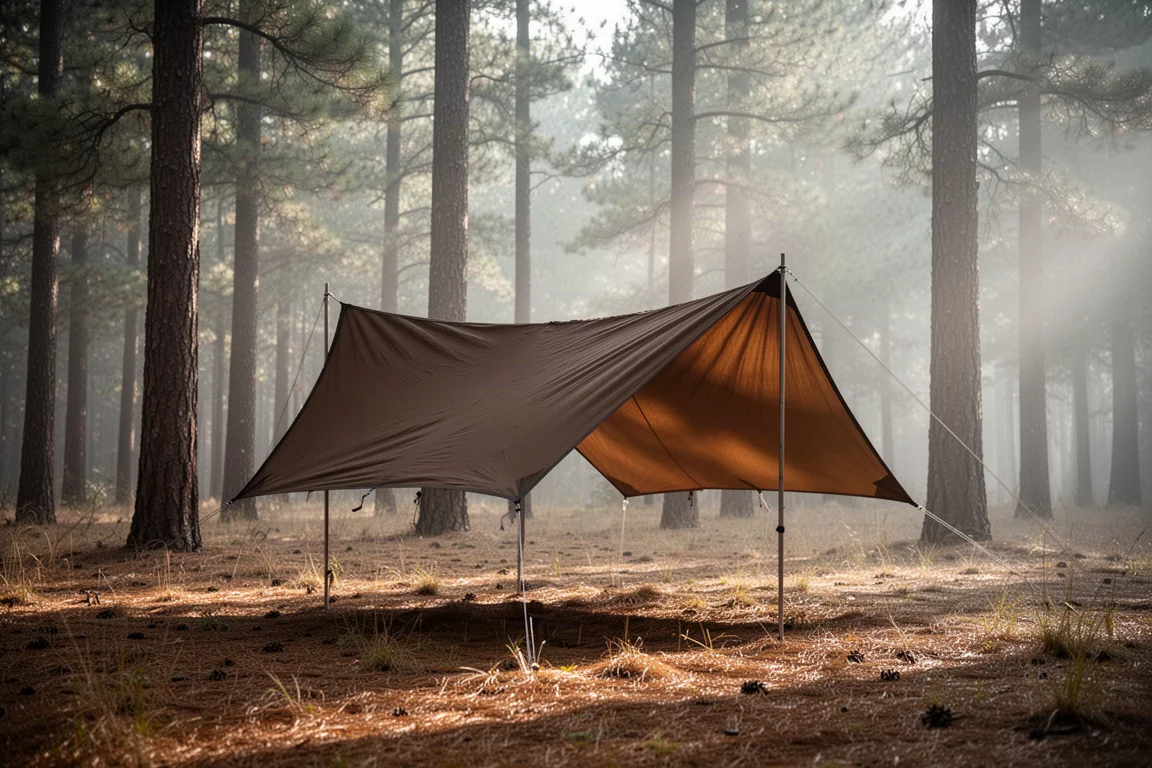
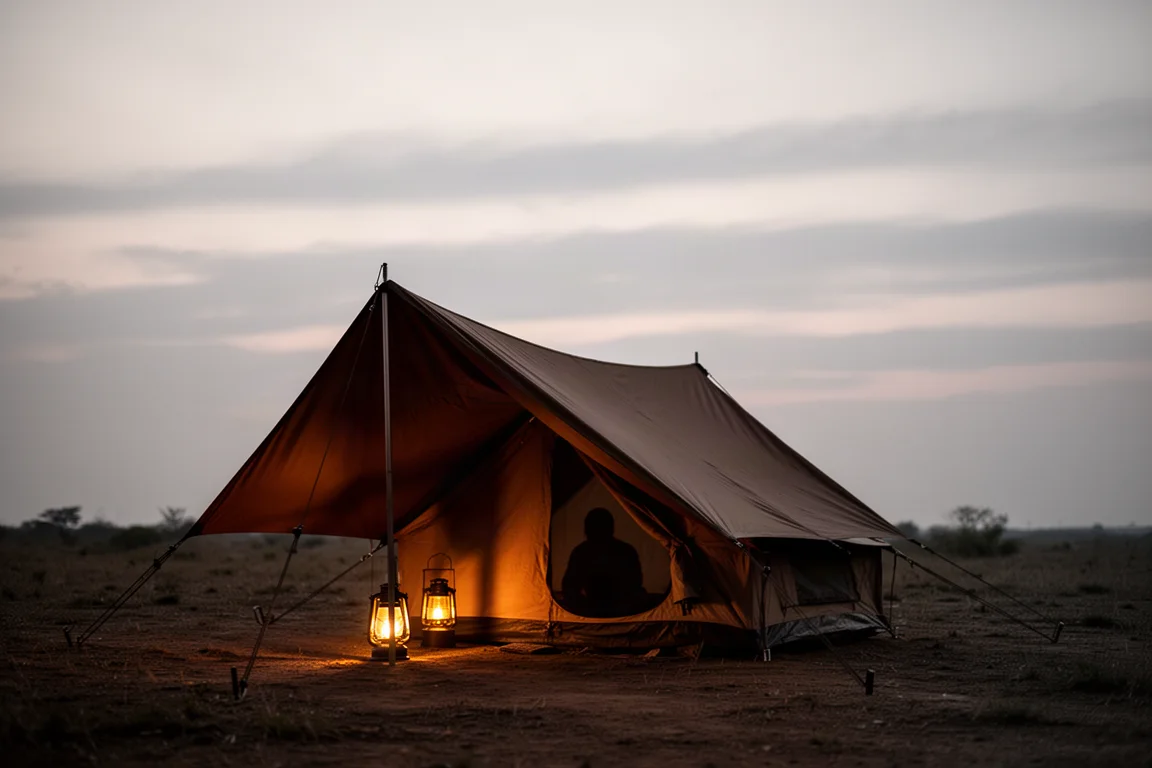
Snow Peak’s Hexa Ease 1 is a two part shelter rather than a conventional tent. A large polyester tarp pitches over two poles, and an inner tent attaches to that frame beneath the canopy. The tarp can be used on its own as a sun and rain shelter, or paired with the inner for a fully enclosed sleeping space.
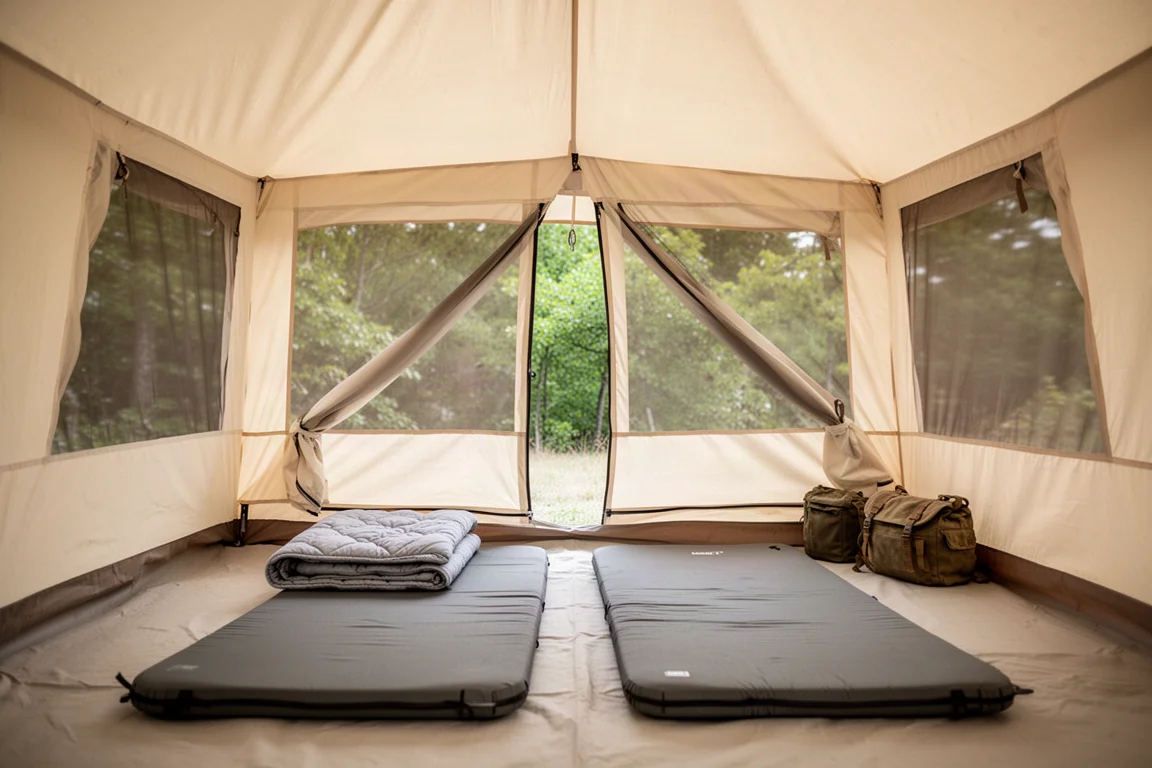
The name suggests a solo shelter, but the inner is generously sized. There is room for two sleeping pads, a dog, and gear without the space feeling tight. That combination of a broad protected footprint and a genuinely livable sleeping area is what separates this design from most three season tents on the market.
The trade-offs are just as distinctive. Getting a good pitch takes patience, and at $460 the price sits high for a shelter built primarily from polyester. This review covers the design, the weather performance, the setup process, and the cost so you can judge whether it matches the way you camp.
Who This Tent Is For
The Hexa Ease 1 suits campers who drive to a site and want a spacious, weather-resistant base for a weekend. At 11.4 lb it is not a backpacking shelter, but for car camping it stores down to a manageable 24.6 by 8.1 by 8.1 inches, which is compact for a shelter of this footprint.
It also suits campers who value flexibility. The tarp alone creates a shaded communal area for cooking or sitting out a passing shower, while the inner provides a sealed sleeping space when conditions turn. Two people fit comfortably, and taller users are covered too: the interior offers a comfortable length of about 6 ft 7 in, a maximum width of 54 in, and 43 in of headroom at the highest point.
Design and Living Space
The tarp is the headline. It measures 16 ft 11 in long by 11 ft 3 in wide, with a peak height of 6 ft 11 in, so there is enough headroom to stand beneath it while you move around camp. The colourway is listed as Ivory, with a brown tarp over a white and ivory inner.
The inner is larger than the model name implies. One wall runs straight while the opposite side pulls out to a point, which opens up floor area for two sleeping pads plus gear. The bathtub floor rises only about 3 in around the edges, keeping the interior open and easy to move around in. A single mesh pocket handles small items, and a fabric loop on the front strap lets you hang a lantern or small light.
Entry is handled from both ends. The front door uses an inverted T arrangement with one vertical and two horizontal zippers. At the rear, a mesh door with a horizontal and a vertical zipper gives a second way in, and a roll-down fabric panel can be zipped closed behind it.
Materials are specified clearly: the tarp is a 210 denier polyester Oxford with a PU coating, the inner is a 68 denier polyester taffeta, and the floor is a 210 denier polyester Oxford. Seams are taped on both the inner and the fly.
Weather Protection and Ventilation
The two layer arrangement is what makes this shelter storm-worthy. The tarp carries a 3,000 mm waterproof rating, and the inner floor is rated to an 18,800 mm hydrostatic head. In sustained bad weather, including knockdown thunderstorms, the shelter has stayed dry with no leaking.
Fabric rather than mesh is used on the top of the inner and on one of the rear doors, specifically to block wind-driven rain that can push in under a tarp during a storm. Because the front and rear can both be sealed up, you can close the shelter down completely when the weather is at its worst. When conditions improve, opening the rear panels introduces a large amount of airflow through the whole system.
Ventilation inside the inner is excellent, helped by plenty of mesh and by tarp walls high enough to keep air moving. The fabric panels do make the interior slightly warmer than a typical summer three season tent, which is a fair trade for the extra weather protection. Wind direction matters when you pitch: set the rear toward the wind so you can open it for airflow and close it down quickly if blowing rain arrives.
Setup, Weight, and Portability
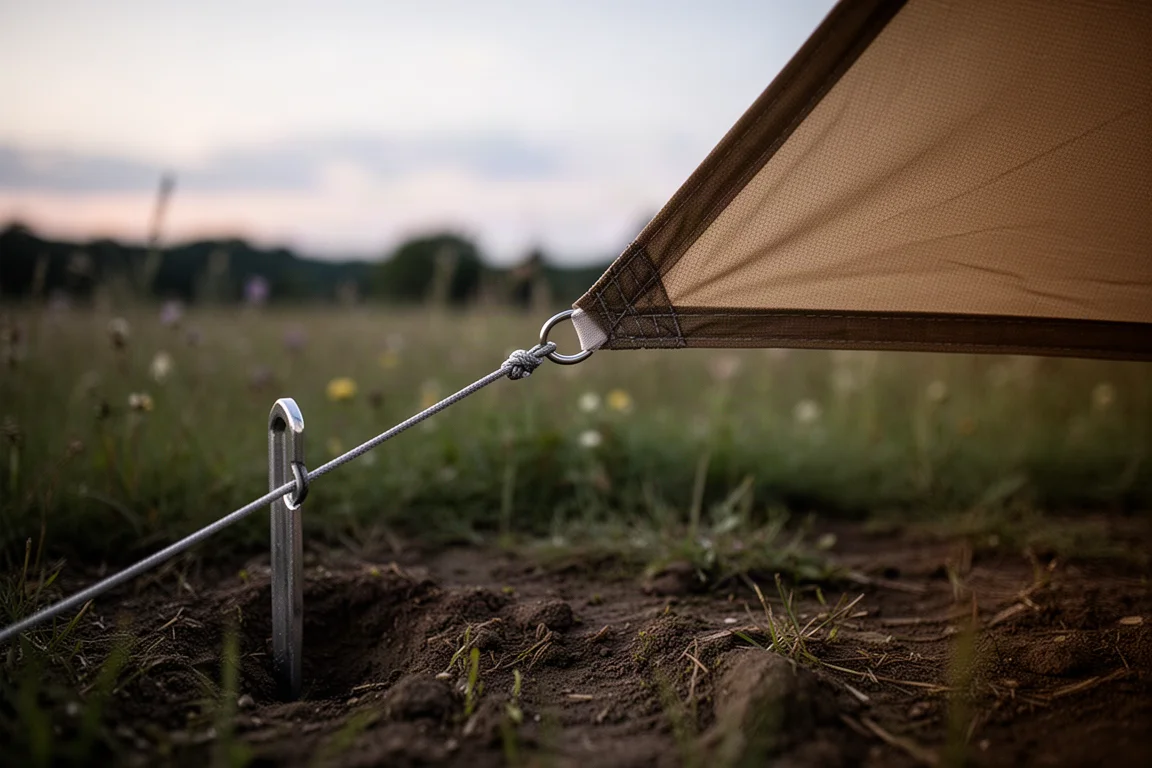
Pitching is the part that asks the most of you. The shelter uses two poles, one at the front and one at the back, and attaching the front pole to the tarp and staking it out is the most labour-intensive step. Once that is done, the rest comes together more easily: the inner attaches to the rear pole and to a long adjustable strap at the front, then stakes out without fuss.
Expect the process to take 20 to 30 minutes if you want the best possible pitch. It is not a shelter you will have standing in ten minutes, and some owners find that small modifications help achieve a taut setup. Weight is 11.4 lb and the packed size is modest for the coverage you get, which is impressive given the heavy denier polyester used in the tarp.
The upside of the effort is a structure that shrugs off wind and rain once it is up. The inner sits well back under the high peak, so you are protected from both sides, and the main exposure is moisture arriving through the front opening, something you can manage simply by thinking about which way you orient the shelter.
Things to Consider Before Buying
The setup process is the first thing to weigh. This is a shelter that rewards planning and patience, and it will not suit anyone who wants to throw a tent up in a few minutes at the end of a long drive.
Price is the second consideration. At $460, the materials are polyester rather than the premium fabrics some buyers expect at that figure, and there is a perception that part of the cost reflects the brand’s standing rather than the raw materials alone. Small finishing details back that up: a few loose threads on the inner fabric have been noted, though they are superficial and do not affect performance.
Finally, this is not a backpacking tent. It is a large car camping shelter, and it should be judged as one. If you need something to carry on your back over distance, look elsewhere.
Buying Advice
If you camp from a vehicle, want a huge sheltered area for cooking and sitting, and value a sleeping space that can be sealed tight or opened up wide, the Hexa Ease 1 delivers something few other shelters do. The design is genuinely different: a giant tarp, a large inner, and a system that blocks sun, wind, and rain with equal ease.
The case for buying rests on how much you value that flexibility. Campers who pitch in exposed spots or in changeable mountain weather will get the most from it, because the sealed inner and openable rear panels give you real control over airflow and protection. Campers who mostly want a quick, light shelter will find the pitch time and the price harder to justify.
Set against those costs, the long-term record is reassuring. This is a shelter that has held up through years of trips and severe summer storms without leaking or failing, and its unusual layout remains a genuine point of difference. If the setup time and the price do not put you off, it is a rewarding shelter to own.
Conclusion
The Snow Peak Hexa Ease 1 is a fantastic tent with a lot going for it and very few drawbacks. The interior is far roomier than the name suggests, the tarp provides serious weather protection, and ventilation is excellent when you want it. The two real compromises are the involved setup and the $460 price tag. For car campers who want a distinctive, storm-ready base with space to spare, those trade-offs are worth understanding before you commit.
Product link
View more details for Snow Peak Hexa Ease 1 Tent
This product is mentioned in the review. Check the specifications, options, and compatibility before buying.
View more details for Snow Peak Hexa Ease 1 TentFurther reading
Related Reviews
Camping Tents
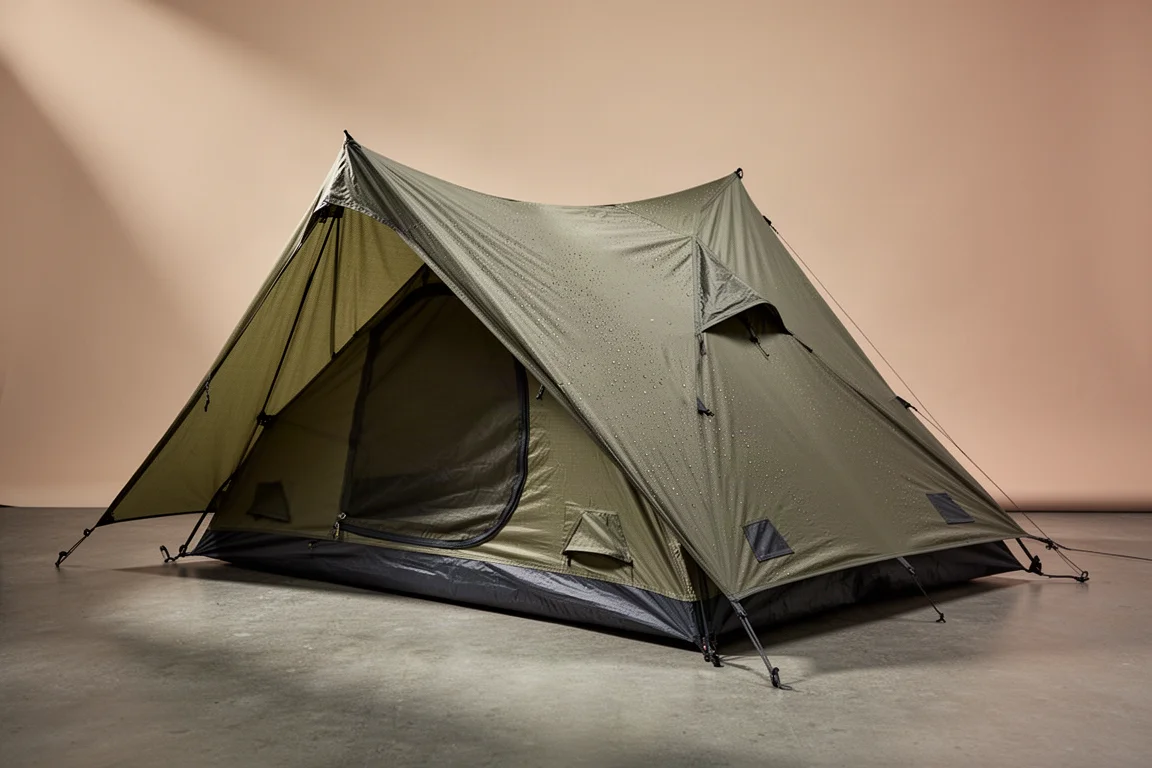
3F UL Gear Taiji Two-Person Tent Review: Field Waterproofing Results and Buying Advice
The Taiji pairs an attached fly with a removable inner, but sustained rain exposed untaped vent seams that need sealing before this shelter can be trusted.
Camping Tents
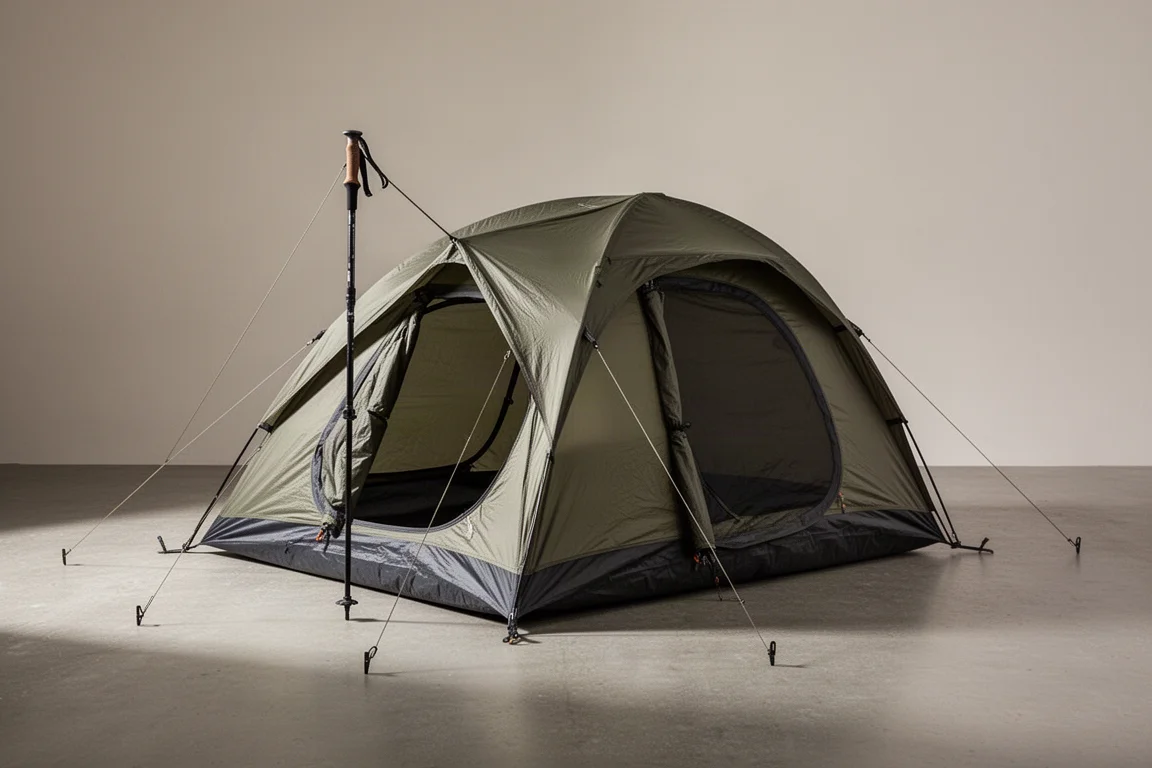
3FUL Gear Lanshan 2 Pro 4-Season Review: A Sub-$200 Single-Wall Trekking Pole Tent
An early look at the 3FUL Gear Lanshan 2 Pro 4-Season, covering its straightforward pitch, generous interior space, and the condensation and seam-sealing questions that come with any single-wall shelter.
Camping Tents
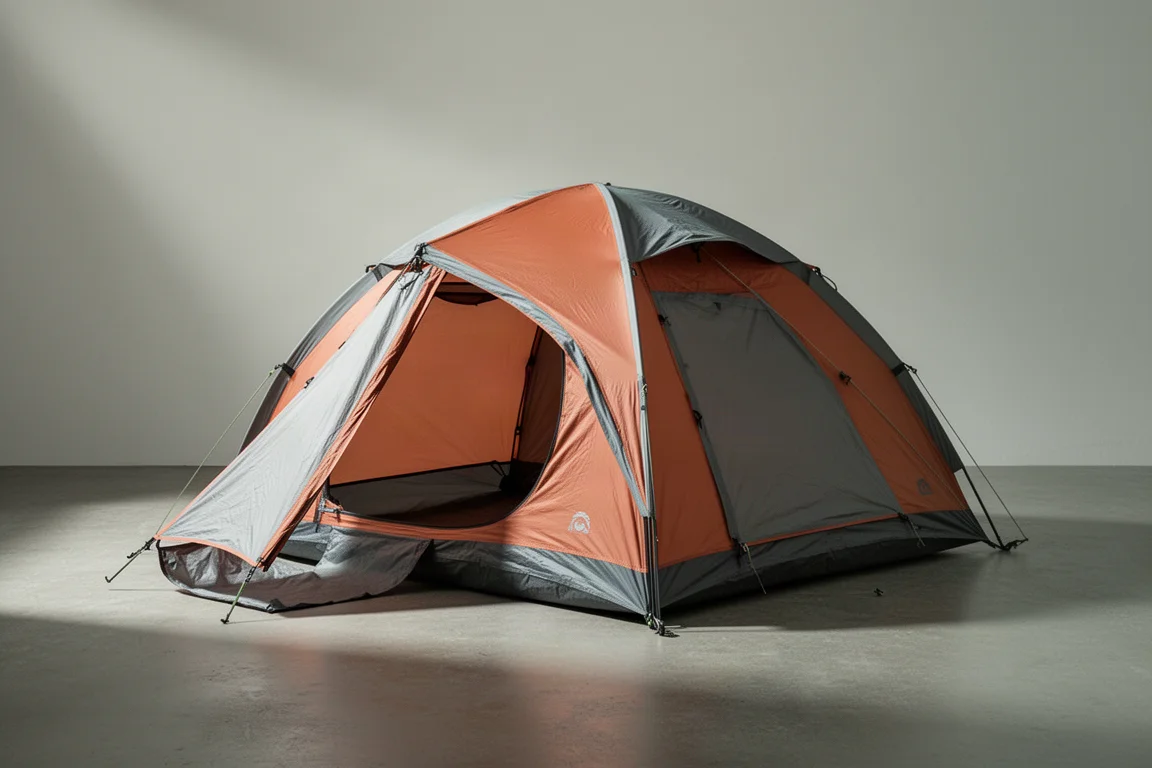
Alps Mountaineering Lynx 1-Person Tent Review: Big Value in a Small Budget Tent
A close look at the Alps Mountaineering Lynx 1-Person Tent, covering real interior dimensions, materials, setup time, ventilation limits, and who should buy it.