Camping Tents
Snow Peak Hexa E1 Review: A Two-Part Tarp and Inner Shelter That Rethinks Camp
A detailed look at the Snow Peak Hexa E1, a tarp-and-inner camping shelter with a huge covered footprint, strong storm performance, and a pitching process that asks for patience.
Introduction
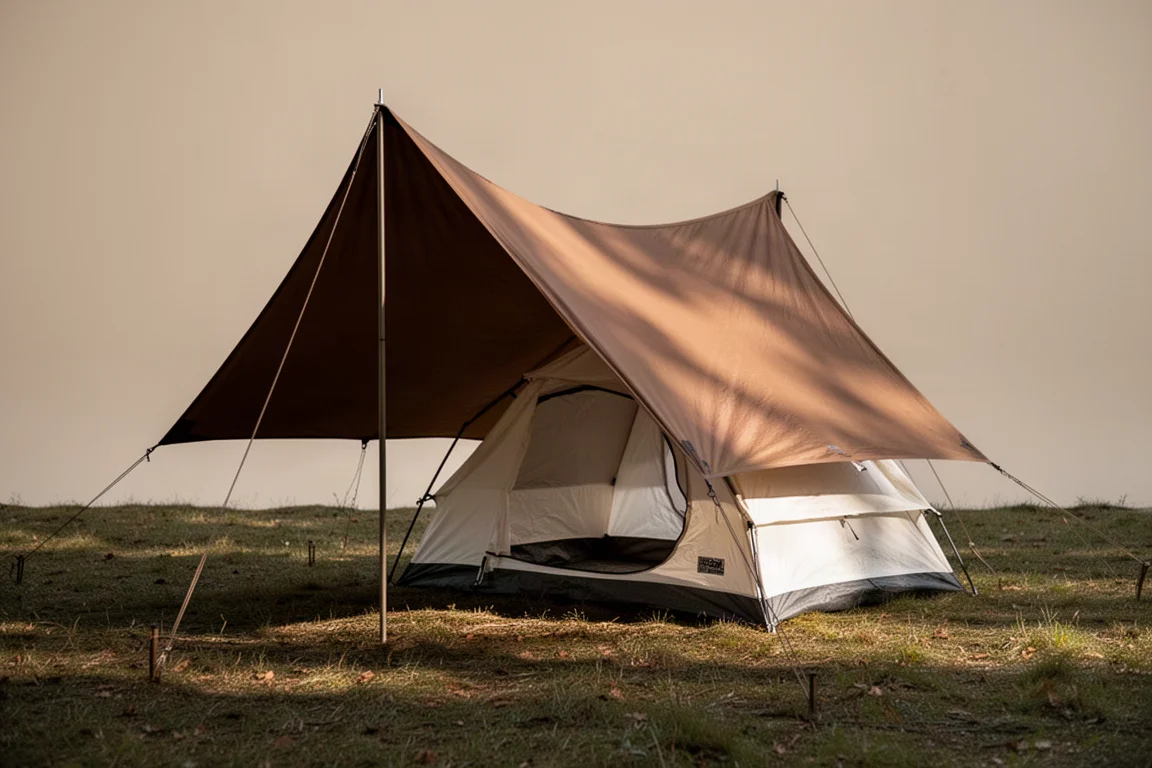
The Snow Peak Hexa E1 is not a conventional tent. It is a two-part shelter: a large tarp forms the outer shell, and a separate inner tent attaches beneath it. You can pitch the tarp on its own for shade and weather cover, or pair it with the inner for a fully enclosed sleeping space.
That layered approach is what makes this shelter stand apart. The tarp measures 16 ft 11 in long and 11 ft 3 in wide, and the peak reaches 6 ft 11 in, so there is enough height to stand beneath it. The inner sits well back under the tarp, which leaves a generous covered area in front that works as a protected porch.
Two poles, one at the front and one at the back, lift the tarp off the ground and support the inner at the rear.
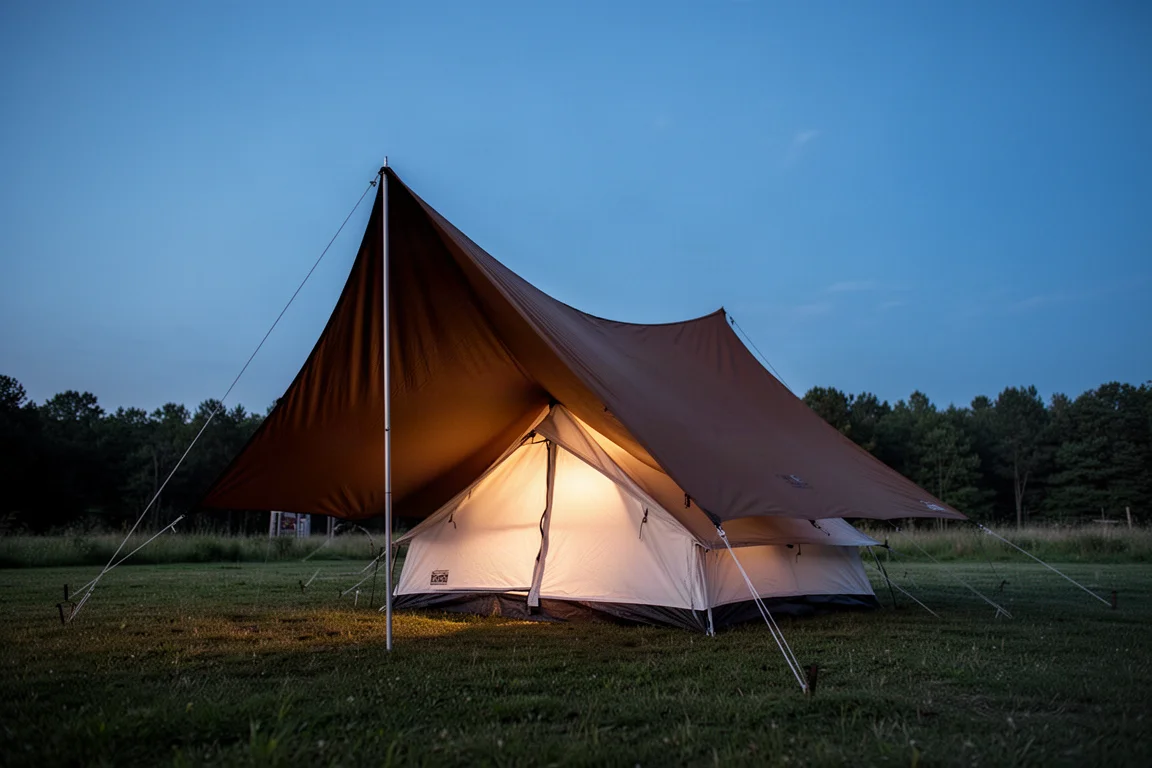
At $460 and 11.4 lb packed, this is a car camping shelter rather than something you would carry on a long hike. The payoff is space, storm protection, and a layout that behaves quite differently from a standard dome tent.
Who this product is for
Two people fit comfortably inside the inner, even though the model name suggests a single occupant. The floor accommodates two sleeping pads with room left over for a dog or a duffel of gear. Maximum comfort length is 6 ft 7 in, the interior is 54 in wide at its widest, and headroom inside the inner reaches 43 in at the highest point.
This suits campers who drive to a site and want a large living space with a sheltered area outside the sleeping quarters. It also suits anyone who camps in changeable weather and values being able to open or seal the shelter as conditions shift. Entry is available from the front and from the back, and a bathtub floor rises about 3 in around the perimeter to contain minor moisture.
It is not aimed at backpackers. The packed size of 24.6 in by 8.1 in by 8.1 in and the 11.4 lb weight are reasonable for a large car camping shelter, but they are not ultralight.
Main strengths
Storm worthiness comes first. The tarp is fully waterproof, with a 3,000 mm rating on its 210 denier polyester Oxford fabric and a PU coating. The inner floor uses a 210 polyester Oxford with an 18,800 mm hydrostatic head rating, and the inner body is made from 68 denier polyester taffeta. Seams on both the inner and the fly are taped. Through sustained thunderstorms the shelter has held up without leaking.
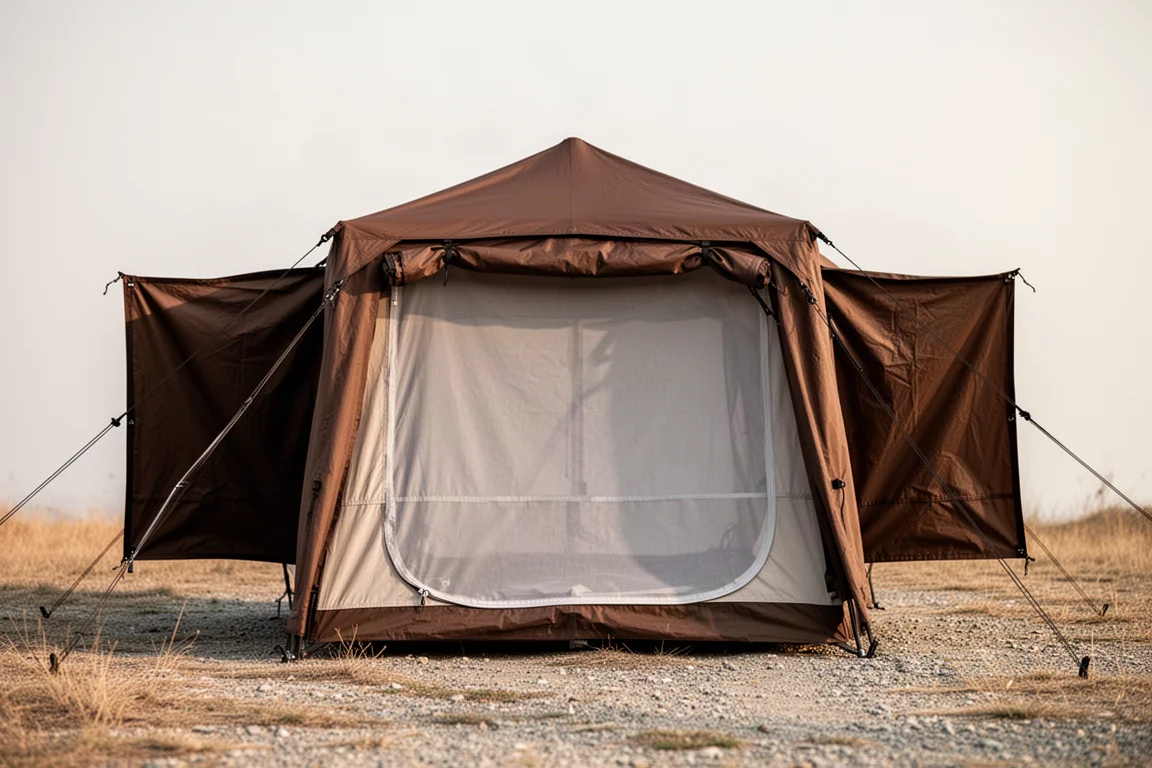
Ventilation is excellent. The back of the shelter opens fully, with both panels swinging open when a guy line supports the top. That turns the rear into a large vent rather than a sealed wall. The inner is mostly mesh, with fabric on the top and parts of the sides to keep driven rain outside. Because the rear can be opened for airflow and closed when weather turns, the shelter adapts instead of forcing a single configuration.
Weather sealing options add flexibility. The front door of the inner is solid mesh, and a panel on the inside can be unrolled and zipped shut to block wind and moisture. The two rear doors use different materials, one mesh and one fabric, so you can decide how much exposure the back allows. The inner connects to the rear pole and to an adjustable strap at the front, and a fabric hang loop near the top is handy for a lantern or a small light.
Things to consider before buying
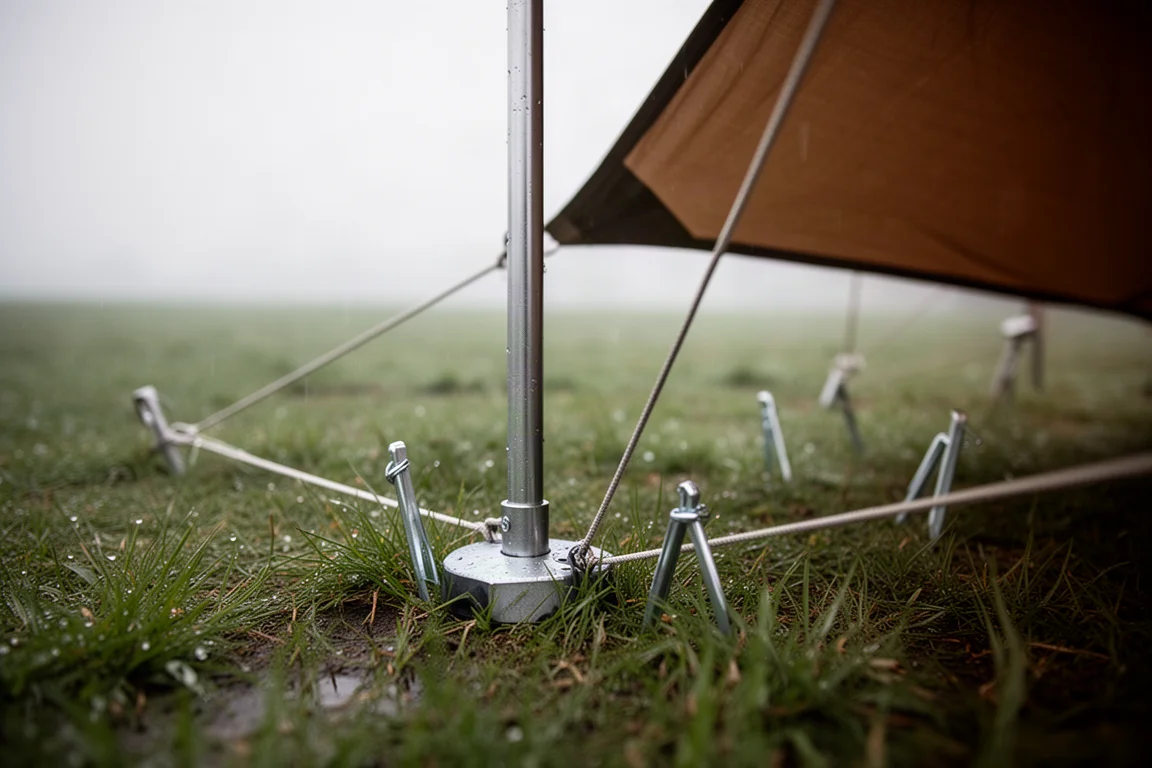
Pitching takes real effort. Attaching the front pole to the tarp and staking it out is the most demanding part, and getting a good pitch can call for some modifications. A careful setup runs 20 to 30 minutes rather than 10, though once the front is set the rest goes smoothly.
Cost relative to materials deserves a mention. The shelter is built primarily from polyester, and $460 is a lot for that material mix. Part of what you pay for is the Snow Peak name, which carries considerably more weight in Japan than it does in the United States.
Minor finish issues show up too. Some loose threads appear on the inner fabric. They are superficial and do not affect how the shelter performs, but at this price they are worth knowing about in advance.
Expect a slightly warmer inner. Because parts of the inner use fabric rather than mesh, it runs a little warmer than a typical three-season summer tent. Airflow stays strong, but the shelter is not the coolest option on hot, still nights.
Buying advice
Think about how you actually camp. If you drive to sites, want a large covered area to sit under, and camp through wind and rain, the Hexa E1 earns its place. Being able to open the rear for airflow and seal it when weather moves in is genuinely useful, and the tarp can be pitched alone as a day shelter.
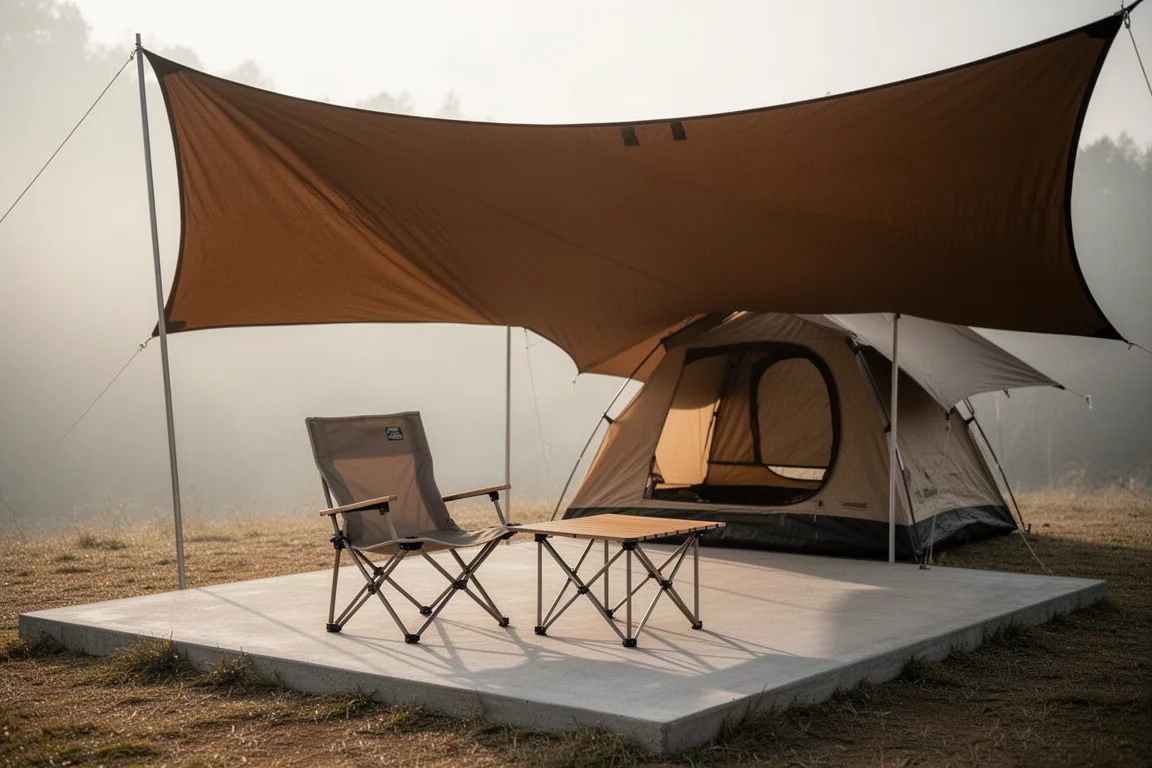
Wind direction matters more here than with a conventional tent. Because the shelter is open at the front, you have to decide whether you want the breeze for cooling or want to block it against blowing rain. Setting the back toward the wind gives you both options, since you can open it for airflow and close it if conditions worsen.
If you want a shelter you can pitch in ten minutes or carry on your back, look elsewhere. Setup time and weight place this firmly in the car camping category. And if the price feels steep for a polyester build, that is a fair reading of the materials, though the storm performance and the unusual layout are where the money goes. Note that the shelter is a three-season design, with an Ivory colorway on the inner and a brown tarp.
Conclusion
The Snow Peak Hexa E1 is a fantastic shelter with a great deal going for it and very few drawbacks. The biggest trade-offs come down to two things: a complicated setup process and a price that sits high for the materials used. For campers who value space, weather protection, and a layout unlike anything else on the market, those trade-offs are easy to weigh against what the shelter delivers.
Product link
View more details for Snow Peak Hexa E1
This product is mentioned in the review. Check the specifications, options, and compatibility before buying.
View more details for Snow Peak Hexa E1Further reading
Related Reviews
Camping Tents
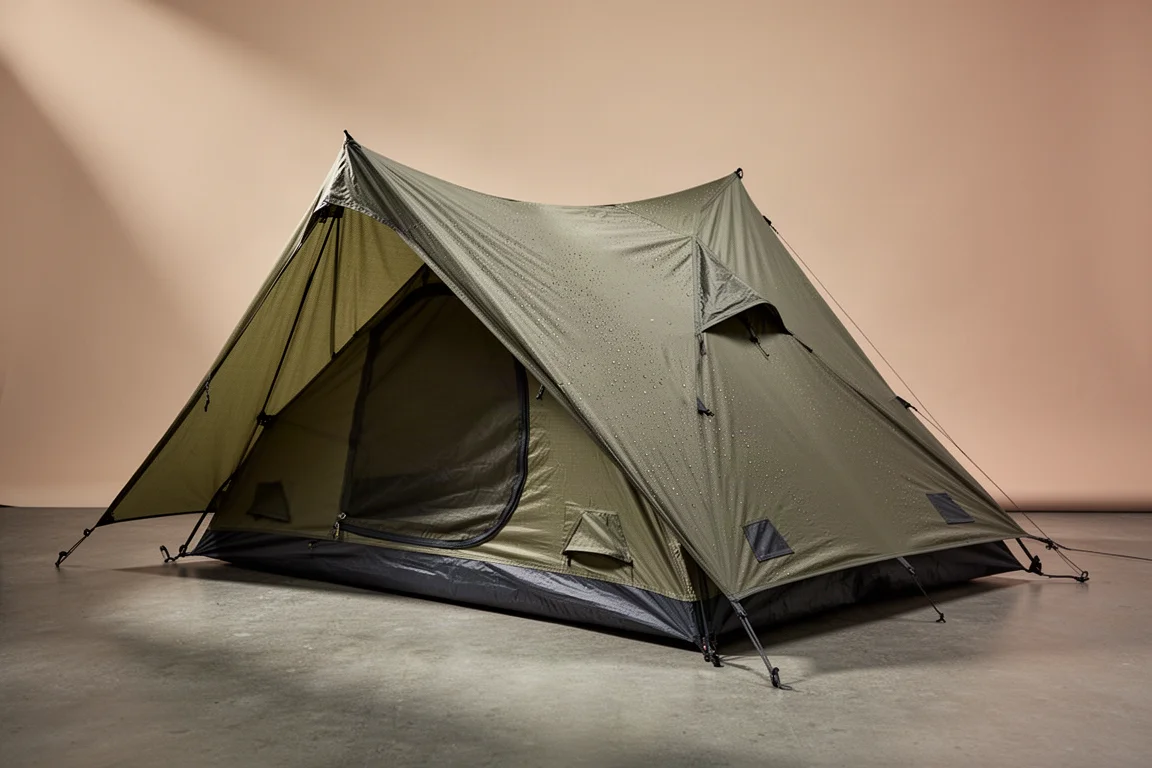
3F UL Gear Taiji Two-Person Tent Review: Field Waterproofing Results and Buying Advice
The Taiji pairs an attached fly with a removable inner, but sustained rain exposed untaped vent seams that need sealing before this shelter can be trusted.
Camping Tents
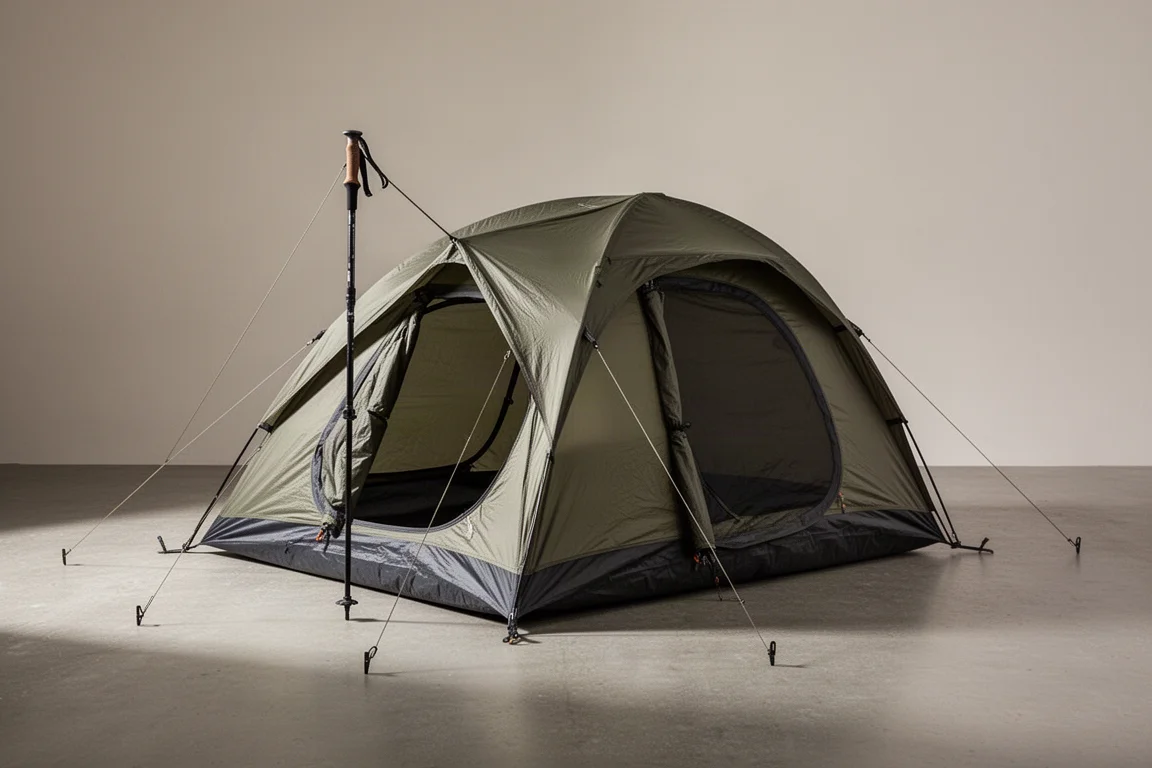
3FUL Gear Lanshan 2 Pro 4-Season Review: A Sub-$200 Single-Wall Trekking Pole Tent
An early look at the 3FUL Gear Lanshan 2 Pro 4-Season, covering its straightforward pitch, generous interior space, and the condensation and seam-sealing questions that come with any single-wall shelter.
Camping Tents
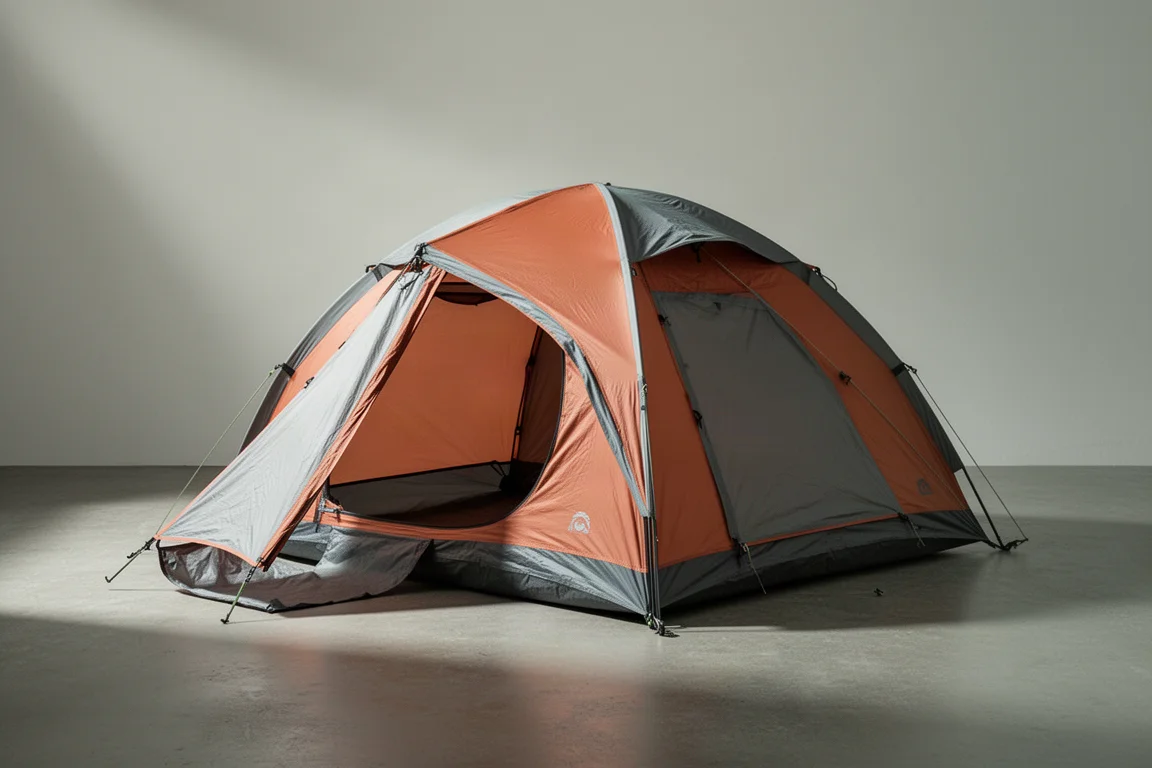
Alps Mountaineering Lynx 1-Person Tent Review: Big Value in a Small Budget Tent
A close look at the Alps Mountaineering Lynx 1-Person Tent, covering real interior dimensions, materials, setup time, ventilation limits, and who should buy it.