Desktop DACs
SMSL SU-X vs Denafrips Ares 12th vs Geshelli Labs Daisy: Three Desktop DACs Compared
A three-way comparison of the SMSL SU-X, Denafrips Ares 12th, and Geshelli Labs Daisy, covering connectivity, sound character, and which converter suits which system.
Introduction
Desktop digital-to-analog converters reshaped what budget-minded listeners could expect from digital playback. SMSL and Topping built much of their reputation on affordable converters costing somewhere between $100 and $150, and in some cases as little as $80, while still delivering a clear improvement over a computer’s built-in output.
Moving in the other direction is harder. A brand with an established premium line can reach down into budget territory more easily than a brand known for inexpensive gear can reach up. That tension sits at the centre of the SMSL SU-X, a $1,000 converter from a company most listeners associate with affordable components.
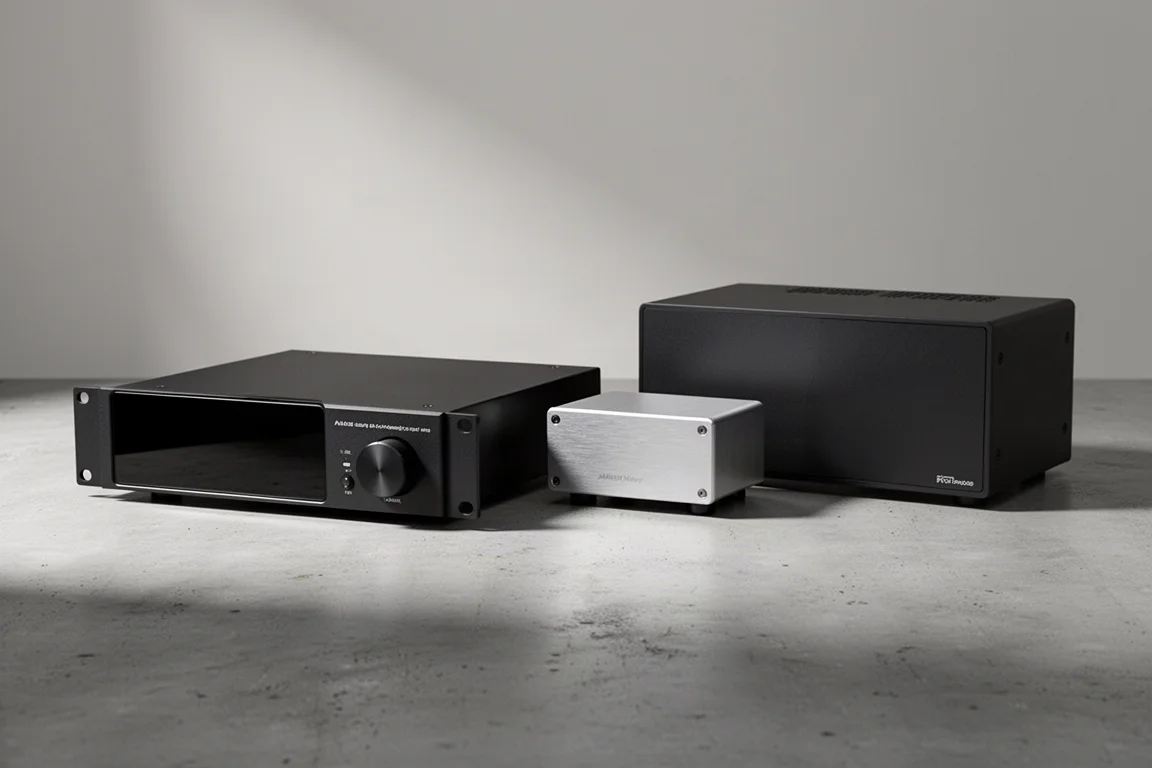
This comparison covers three desktop DACs that take up similar shelf space but sound markedly different from one another: the SMSL SU-X at $1,000, the Denafrips Ares 12th, and the Geshelli Labs Daisy at $1,300. Hearing all three on the same system makes one point difficult to argue with. A converter’s voicing is not a minor detail, and the gap between these units is easy to hear.
Each converter approaches the same job differently, and the right choice depends less on specifications than on how you want your system to sound and how much control you want over the result.
What Matters in a DAC at This Price
Three practical questions separate these converters in daily use.
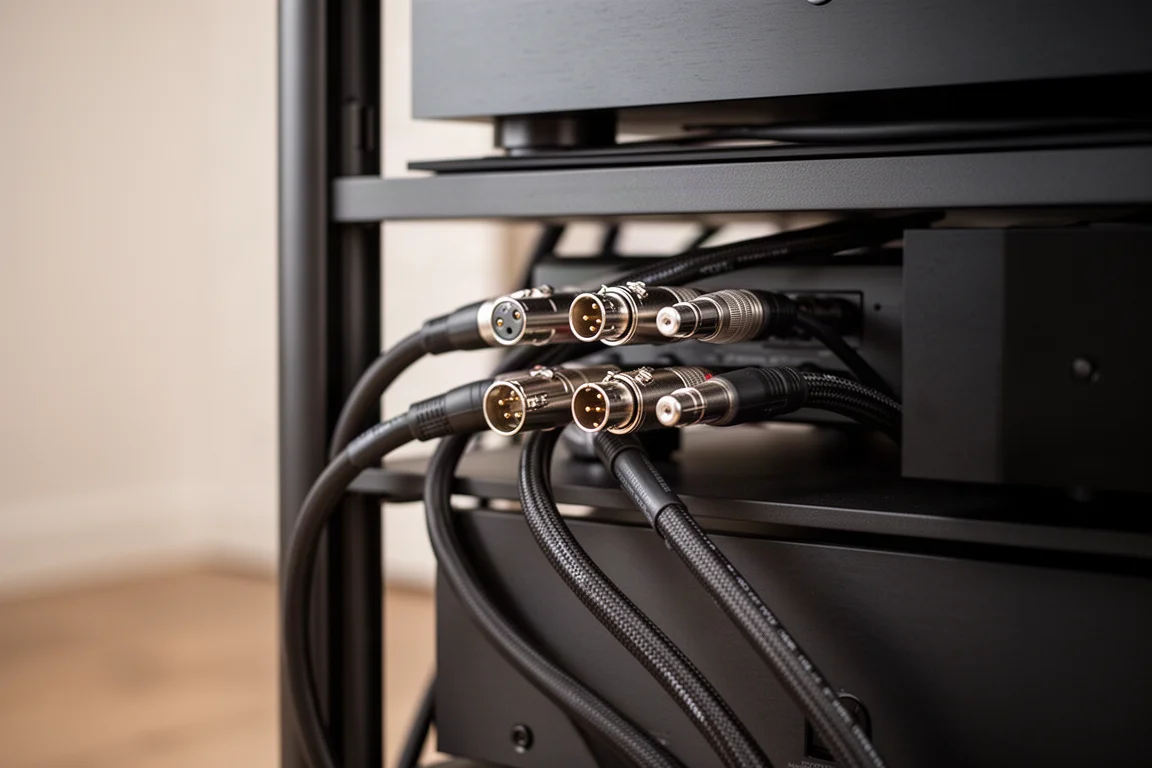
The first is connectivity. A wide input set matters if you run several digital sources and do not want to swap cables. The SMSL SU-X is the clear leader here, with USB-B, USB-C, optical, coaxial, I2S, AES, and Bluetooth inputs, and it can keep several of them active at the same time.
The second is volume. Only the SU-X offers variable output, which means it can control volume itself and connect directly to a power amplifier. The Denafrips Ares 12th and the Geshelli Labs Daisy have no volume control and no remote, so volume stays with your amplifier or preamplifier.
The third is whether the converter gives you tools to change its sound or applies a single fixed signature. The SU-X includes a menu of filters, DSD settings, a jitter-related setting, and 10 sound profiles. The other two offer nothing of the kind. Whether that counts as flexibility or as a problem depends entirely on the listener.
SMSL SU-X: Rich Features, Difficult Default Sound
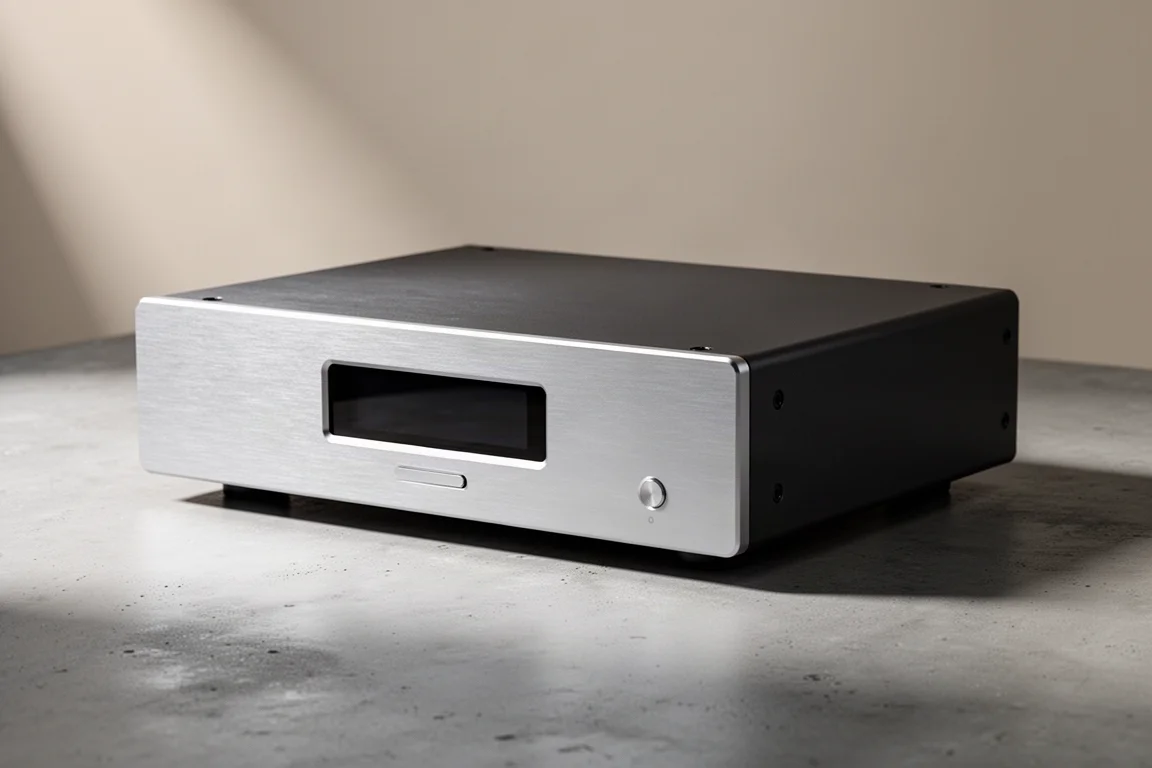
The SU-X is a heavy, half-rack-width component, and its build quality is a genuine strength. Around the back you get an IEC power inlet with a master power switch, a USB-B input for a standard printer-style cable, a USB-C input, optical, coaxial, I2S, Bluetooth, and AES inputs, plus both balanced and single-ended outputs. For the money, that is an unusually complete set of connections.
Inside, SMSL uses an XMOS USB processor, two ESS Sabre ES9039MS Pro converter chips in a dual arrangement intended to reduce crosstalk, two linear power supplies, 21 dual op-amps, and a self-developed clock processing circuit designed to reduce jitter.
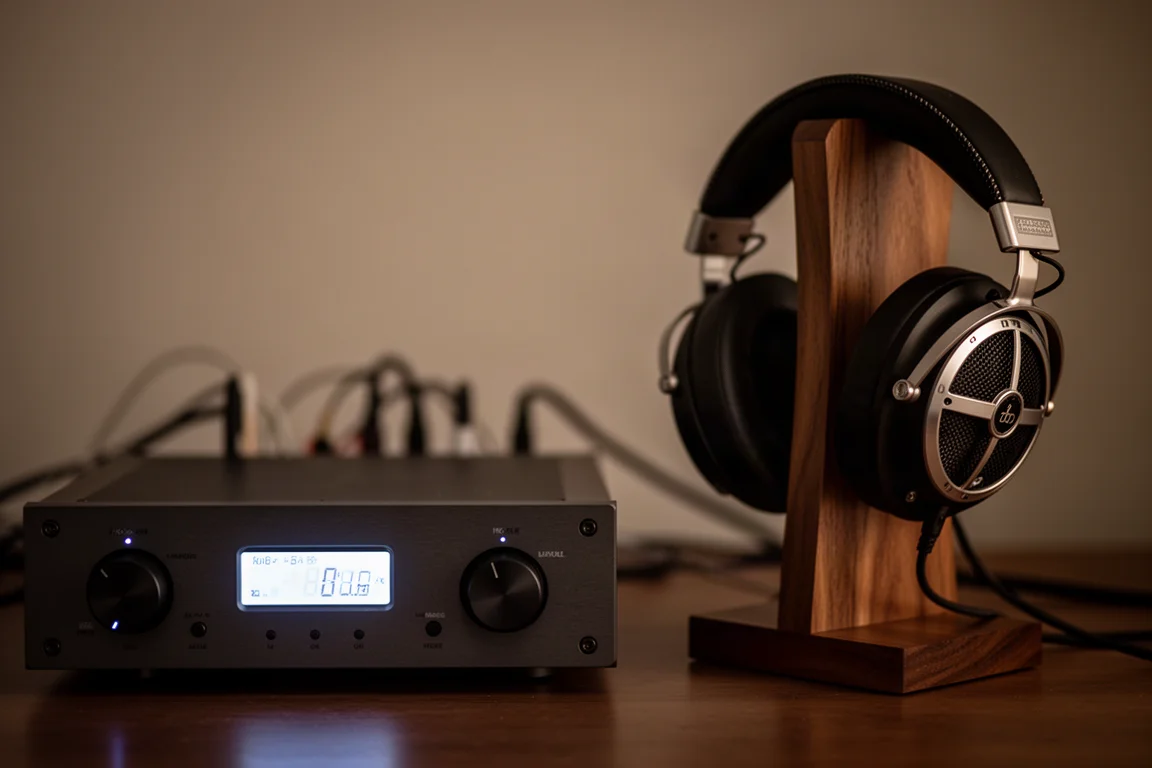
The front panel pairs a large offset black glass surface with a small display and a multi-function wheel that opens a menu covering input selection, PCM filters, DSD options, the jitter setting, and the sound profiles. The SU-X is also the only converter here with a remote control and variable output, which makes it the most flexible of the three on paper. The remote itself is the same handset SMSL supplies with models costing a fraction of the price, and the display is too small to read comfortably from across a room.
Sound is where the SU-X becomes complicated. In its default Standard profile the top end is edgy and grainy, cymbals turn harsh, and the upper midrange is pushed forward in a way that leaves little room for detail to come through. There is no analog warmth to soften any of it. Among the profiles, Rich 3 adds low-end weight, and Tube 1 was the most successful at reducing the top-end harshness and adding a sense of space. During profile changes the unit produced audible distortion until a factory reset and a power cycle restored normal operation. The SU-X also shares much of its functionality with SMSL’s considerably cheaper converters, which makes the price harder to justify.
Denafrips Ares 12th: Warmer, Calmer, More Analog
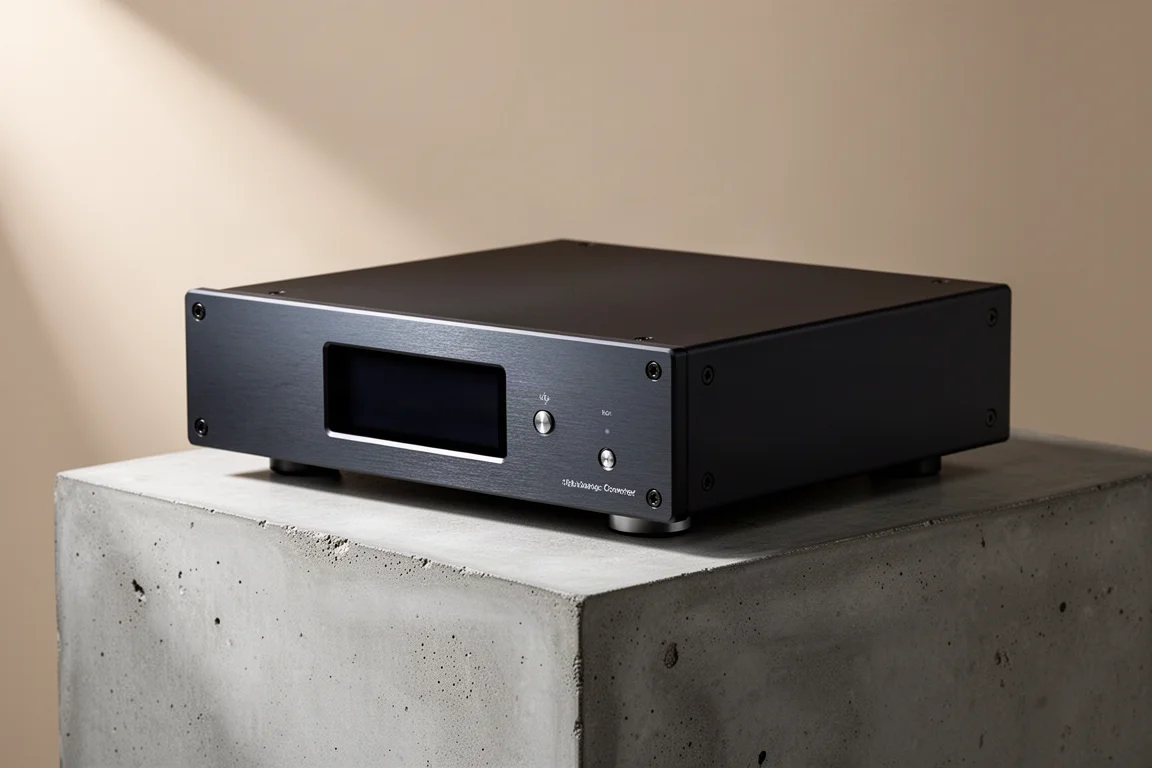
The Ares 12th takes the opposite approach. There is no remote control and no variable output, so volume stays with your amplifier or preamplifier and the converter simply applies its own character.
Against the SU-X, the Ares 12th controls the top end far better. Where the SU-X pushes upper-midrange and treble content forward, the Ares 12th keeps it composed. The low end comes across as warmer and more pleasant to listen to, even if it feels slightly less tightly controlled. The overall presentation is more spacious, more organic, and more analog. Compared with the Daisy, it is the more laid-back of the two.
Geshelli Labs Daisy: The Most Refined of the Three
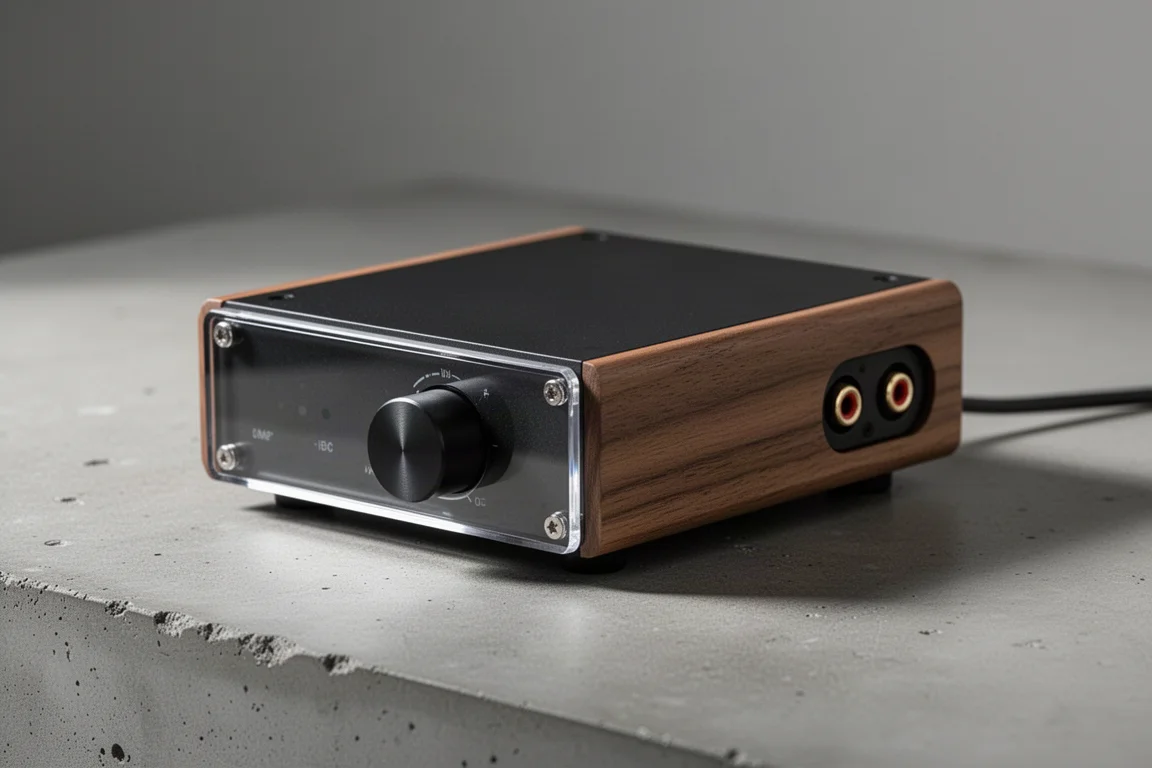
The Daisy is the largest of the three physically and the most expensive at $1,300. Like the Ares 12th, it has no remote control and no volume control. What it offers instead is clarity combined with an analog character, strong separation between instruments, and a deep, large soundstage that does not depend on any digital processing to create it.
Its bass is full without sounding artificially inflated, and it resolves detail without the hardness that defines the SU-X in its default mode. Of the three converters here, the Daisy is the one that does everything right on its own terms.
What the Differences Mean for Your Setup
The most useful takeaway from comparing these three side by side is that DACs do change how a system sounds. Three converters running through the same amplifier and speakers produced three clearly different results, and the differences were not subtle.
That matters when you decide where to handle tone shaping. If you want to adjust the sound, doing it in your streamer or playback software keeps those controls in one place and away from the converter itself. A DAC that ships with 10 profiles and a jitter setting asks you to manage those choices inside the unit, which suits some listeners and frustrates others.
A fixed signature is not a limitation for everyone. The Ares 12th and the Daisy each make one decision and stick to it, and both sound better for it in this system.
Buying Advice: Matching the DAC to Your System
The SU-X makes sense for one specific buyer: someone who needs an unusually broad input set, a remote, and variable output in a single chassis, and who is willing to work through the sound profiles to find a balance they can live with. Even then, it is worth asking whether you would rather handle DSP in your streamer or playback software, where it is easier to manage, than inside the converter.
If you want a converter with a fixed signature and nothing to adjust, the Denafrips Ares 12th and the Geshelli Labs Daisy both deliver that, along with a warmer and more natural character. The Ares 12th is the more relaxed of the two. The Daisy is the more resolving, the larger, and the more expensive.
Conclusion
Three converters, three distinct results. The SMSL SU-X brings a long feature list and solid build quality, but its default sound is forward and grainy, and it only behaves well after time spent in the menus. The Denafrips Ares 12th and the Geshelli Labs Daisy skip the controls and deliver warmer, more organic presentations, with the Daisy the most refined of the group. Match the converter to the sound you actually want, and the choice becomes straightforward.
Further reading
Related Reviews
Desktop DACs
Fosi Audio ZD3 Review: A Compact Desktop DAC With HDMI ARC and Swappable Op-Amps
The Fosi Audio ZD3 pairs a Sabre 9039 Q2M DAC with HDMI ARC, Bluetooth, and a socketed op-amp stage at a $179 retail price. Here is what it does well and what to check first.
Desktop DACs
Geshelli Labs J2 Review: AKM 4493 vs Sabre 9038Q2M
A practical comparison of the Geshelli Labs J2 in its AKM 4493 and ESS Sabre 9038Q2M versions, covering sound character, inputs, build options, and how to choose.
Desktop DACs
JDS Labs J2 AKM 4499 Review: A Two-Chip DAC Built for Speaker Listening
The JDS Labs J2 AKM 4499 version pairs two AKM chips with three socketed op amps. Here is what the upgrade adds, how the op amp options change the sound, and where the 4493 version still makes sense.