Desktop DACs
Fosi Audio ZD3 Review: A Compact Desktop DAC With HDMI ARC and Swappable Op-Amps
The Fosi Audio ZD3 pairs a Sabre 9039 Q2M DAC with HDMI ARC, Bluetooth, and a socketed op-amp stage at a $179 retail price. Here is what it does well and what to check first.
Introduction
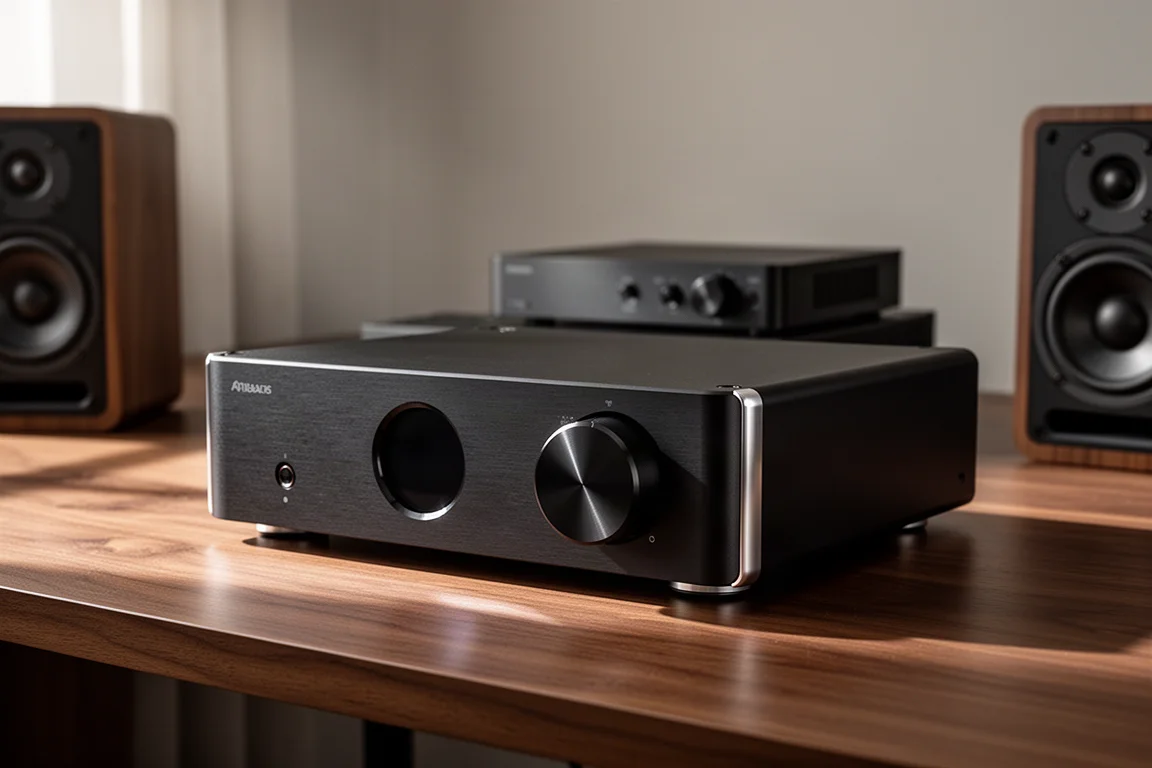
The Fosi Audio ZD3 is the company’s first genuinely serious desktop DAC, and it arrives with a specification list that is unusually generous for the money. Retail pricing is set at $179, and a 20 percent pre-order discount brings that down to roughly $143, which places a Sabre DAC chip, HDMI ARC, Bluetooth, and user-swappable op-amps within reach of a fairly modest budget.
Physically, the ZD3 shares very similar dimensions to the ZA3 amplifier it is designed to sit beside, so the two stack into a tidy, intentional-looking desktop system. The front panel carries a limited edition volume knob and a small circular display window, and the chassis feels very well built. There is no ventilation on the sides, and none is really needed, because the unit does not run particularly hot.
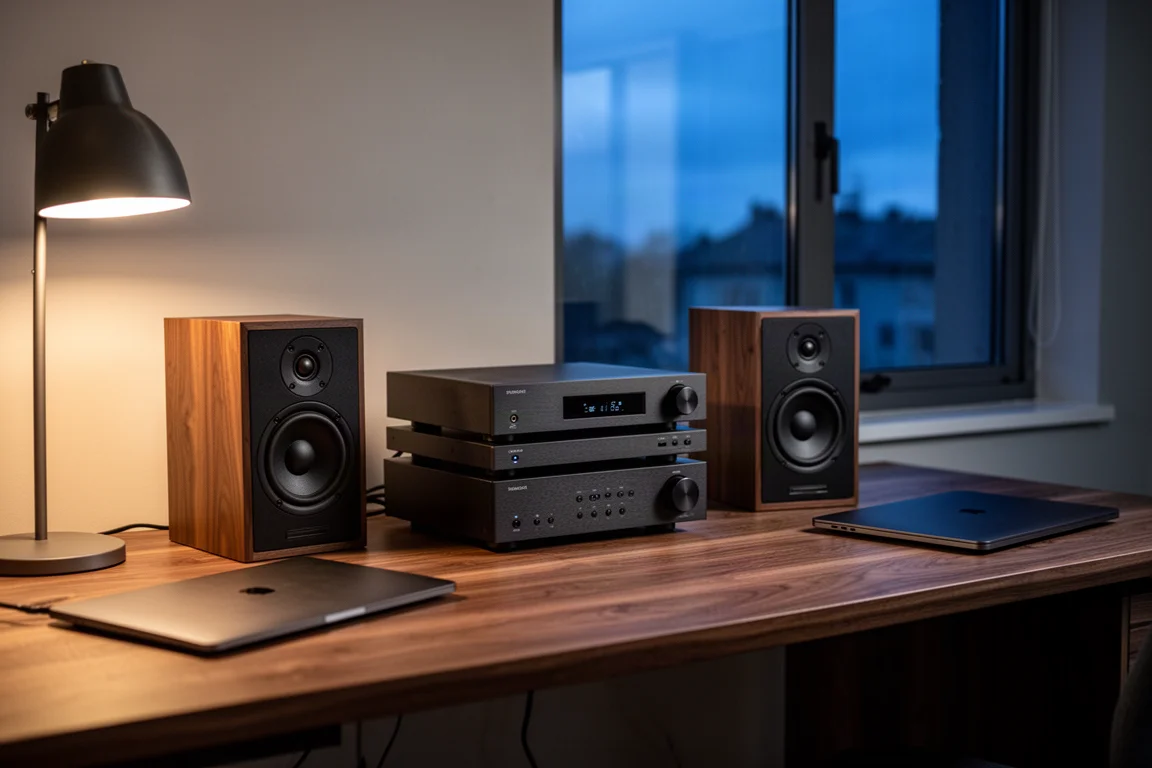
The more interesting story is the combination of features rather than any single specification. Volume control for a connected ZA3, a proper HDMI ARC input, and a socketed op-amp stage are the kind of details that usually appear further up the price ladder. Taken together, they suggest a DAC designed to grow with a system rather than cap it.
Who This DAC Is For
The clearest fit is anyone who already owns a ZA3 amplifier. The ZD3 matches its footprint, adds volume control for the amplifier without reaching for its knob, and gives that system a digital front end that looks like part of the same family. It can also feed the V3 mono blocks if that is the direction a setup is heading.
The second group is television and streaming users. With HDMI ARC on board, a smart TV or a streaming box can feed the ZD3 directly, which means a separate music streamer is not strictly required. Adding an external streamer is still worthwhile, since the DAC inside the ZD3 is cleaner and more resolving than the one built into the WiiM Ultra, though the difference is not dramatic.
Desktop listeners who want a compact, low-heat digital hub with room to upgrade later form the third natural audience. The ZD3 is small enough to disappear into a desk setup and flexible enough to be improved over time rather than replaced.
Design and Build Quality
The front panel is where the ZD3 makes its first impression. A circular porthole-style display window sits on the face, and when the input mode changes, the mode indicator updates in one small corner of that window. It is a distinctive look that is not commonly seen at this price, and it keeps the interface simple rather than turning the front into a wall of small labels.
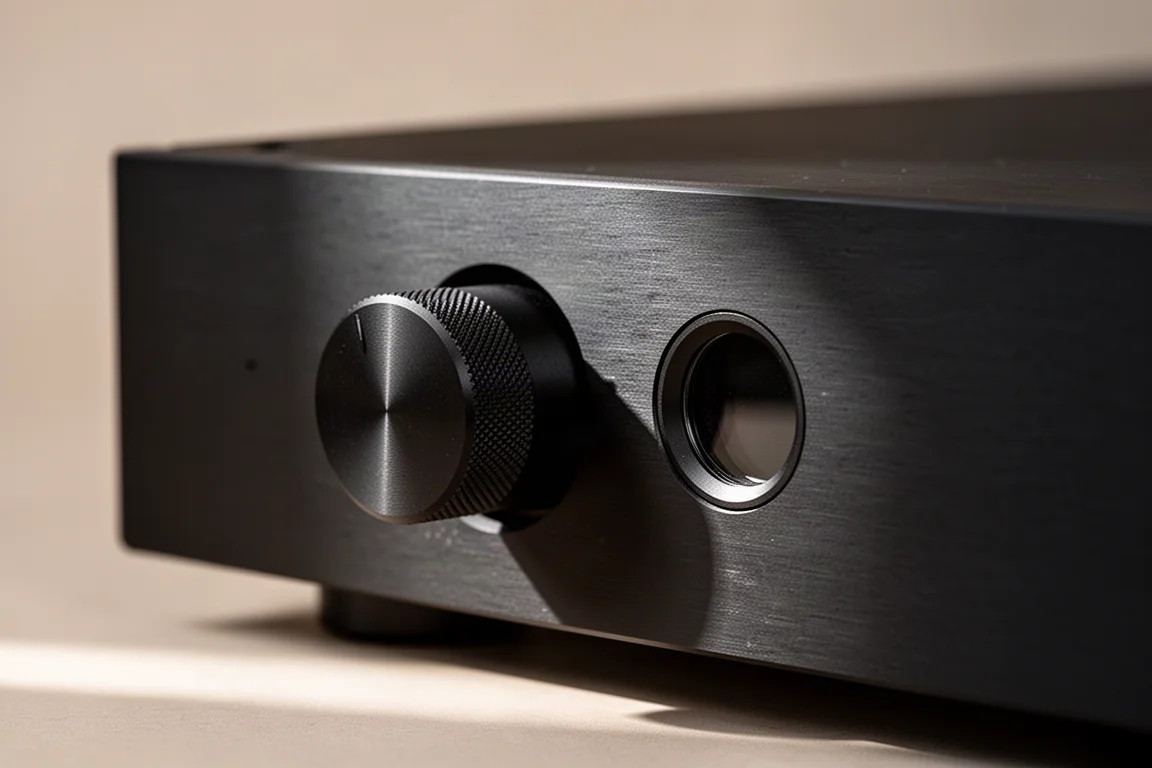
There is a slight indentation in the face plate, a single large volume knob, and a limited edition knob option. Build quality across the chassis is very good, and the overall feel is more substantial than the price suggests. Nothing about the assembly reads as cost-cutting.
On the underside there is a bypass switch. Fosi Audio describes it as a way to ensure unaltered audio quality by routing signals directly and bypassing the internal controls for pure sound delivery. In practice, volume control still works in both switch positions, so the exact behaviour of the bypass is not immediately obvious from listening alone.
Sound and Core Strengths
At the centre of the ZD3 is a Sabre 9039 Q2M DAC chip, and the sound follows the family character closely. Soundstage is wide, instrument separation is strong, and the presentation stays clean and detailed rather than warm or thick. Listeners who value air around individual instruments will recognise the signature immediately.
What it does not have is the heavier low-end weight associated with AKM 4499 and AKM 4493 designs. Anyone specifically chasing a fuller, weightier bottom end should note that difference before deciding. In overall character the ZD3 sits close to the SU-1, with a larger presentation and better instrument separation.
Bluetooth is included, with AAC, aptX, aptX HD, and SBC on board. AAC covers Apple devices, the two aptX variants cover Android devices, and SBC handles everything else. Even so, a dedicated streamer connected over a wired input will generally give the better result.
Connectivity and Setup
The rear panel covers a lot of ground for the price. There is a full-size USB input, HDMI ARC, a 12 volt trigger input and output, a coaxial input, a single RCA output, and a set of XLR outputs. That combination makes it easy to slot into a television system, a desktop setup, or a two-channel hi-fi chain without adding extra boxes.
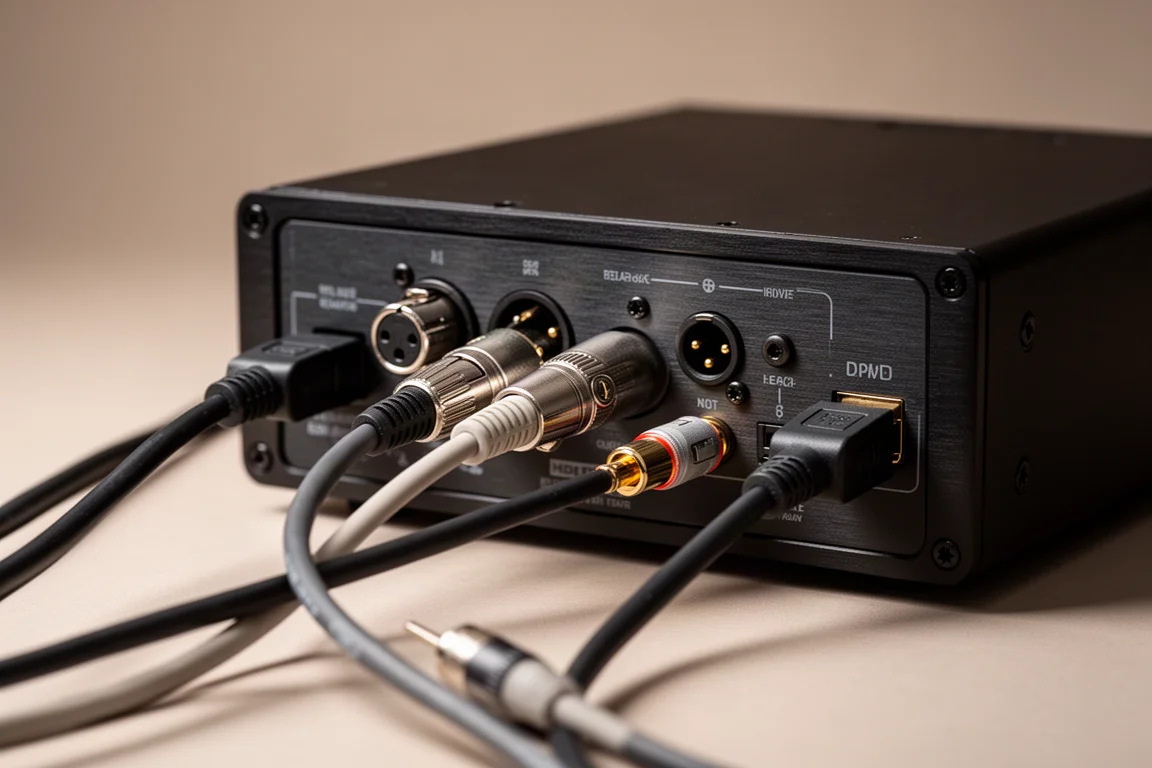
The one clear omission is an analogue input. For listeners with a turntable or a legacy line-level source, that limits how much of the system the ZD3 can handle on its own, and it is the first thing to weigh if the goal is a single hub for every source in the room.
Power comes from an external 12 volt supply, a 1.5 amp wall adapter. Because it is a standard 12 volt input, the ZD3 can also be run from a 12 volt linear power supply, which is one of the more meaningful upgrade paths available here.
The op-amp stage is the other. Three dual op-amps sit inside, most likely two for the balanced outputs and one for the single-ended output. Because they are socketed, they can be swapped, and Fosi Audio publishes descriptions of how different op-amps sound along with suggested genres for each. The pre-order bundle includes extra op-amps, a seventh anniversary custom ZD3 knob, a set of anniversary fridge magnets, and a wireless volume knob for the first 20 customers.
Things to Consider Before Buying
The lack of an analogue input is the most significant limitation. If the plan is to run a turntable or an older line-level source through the same box, the ZD3 will not cover it, and a separate preamp or input switcher would be needed.
The bypass switch is worth understanding before purchase. The intended benefit is cleaner signal routing, but volume control remains active in both positions, so buyers expecting a fixed-level output may not find what they assume.
Tonally, the ZD3 follows the Sabre profile. Anyone specifically chasing the denser low end of AKM-based designs should weigh that against the rest of the package, because the rest of the package is genuinely strong.
Exact shipping timing has not been confirmed. The pre-order pricing is attractive, but buyers who need a unit in hand right away should confirm availability before committing.
Buying Advice
At $179, and roughly $143 during the pre-order window, the ZD3 is easy to recommend. It brings HDMI ARC, a competent Sabre DAC implementation, Bluetooth, and a genuinely upgradeable analogue stage to a price point where those features rarely appear together.
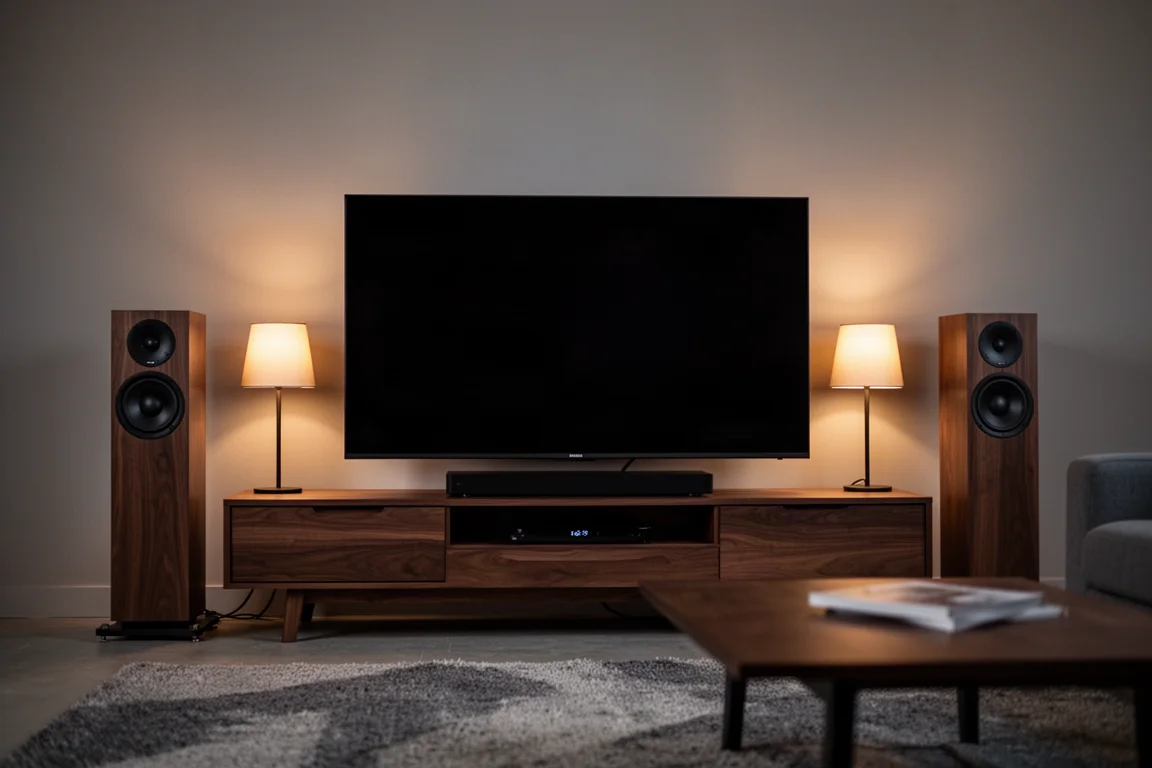
For owners of a ZA3, the case is even stronger, since the two units share a footprint and the ZD3 adds volume control for the amplifier. Pairing with the V3 mono blocks works as well. If a WiiM Ultra is already in the system, the ZD3’s internal DAC is a step up in clarity and separation, though not a dramatic one.
The upgrade path is where the value compounds. Running the ZD3 from a 12 volt linear power supply and swapping in higher-grade dual op-amps, such as three Sparkos 3602 modules, can push performance further, and both changes are reversible. Buyers who want the best result from the outset can budget for a linear supply alongside the DAC.
Conclusion
The Fosi Audio ZD3 delivers a strong feature set for $179, and the pre-order discount makes it more compelling still. Its Sabre-based sound is clean and spacious, the HDMI ARC input simplifies television setups, and the socketed op-amps and 12 volt power input leave real room for improvement later. The missing analogue input and the unclear bypass behaviour are worth knowing about, but neither undermines what is otherwise a well-built, well-priced DAC with a clear place in a modern desktop or living room system.
Product link
View more details for Fosi Audio ZD3
This product is mentioned in the review. Check the specifications, options, and compatibility before buying.
View more details for Fosi Audio ZD3Further reading
Related Reviews
Desktop DACs
Geshelli Labs J2 Review: AKM 4493 vs Sabre 9038Q2M
A practical comparison of the Geshelli Labs J2 in its AKM 4493 and ESS Sabre 9038Q2M versions, covering sound character, inputs, build options, and how to choose.
Desktop DACs
JDS Labs J2 AKM 4499 Review: A Two-Chip DAC Built for Speaker Listening
The JDS Labs J2 AKM 4499 version pairs two AKM chips with three socketed op amps. Here is what the upgrade adds, how the op amp options change the sound, and where the 4493 version still makes sense.
Desktop DACs
Schiit Modi Multibit vs the Field: Six Desktop DACs Compared
Six desktop DACs compared side by side, with the Schiit Modi Multibit at the centre and clear notes on where each rival pulls ahead.