Desktop DACs
JDS Labs J2 AKM 4499 Review: A Two-Chip DAC Built for Speaker Listening
The JDS Labs J2 AKM 4499 version pairs two AKM chips with three socketed op amps. Here is what the upgrade adds, how the op amp options change the sound, and where the 4493 version still makes sense.
Introduction
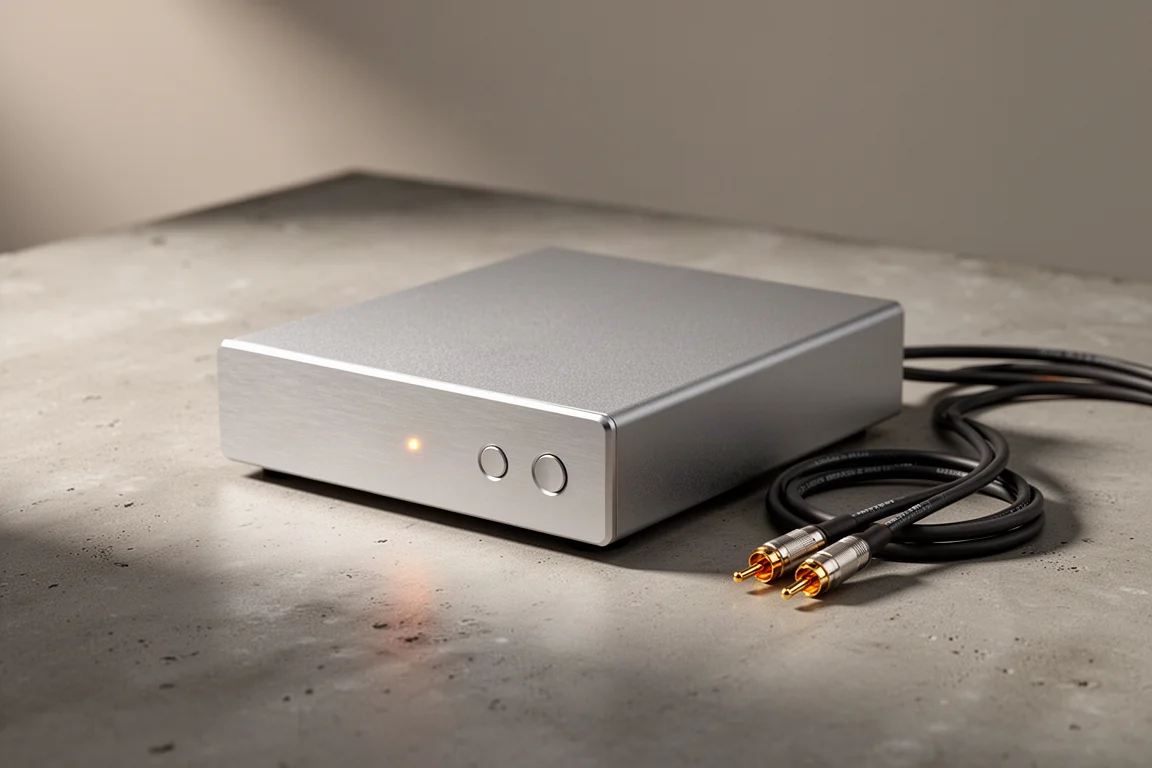
The JDS Labs J2 has earned a following as a practical, highly configurable desktop converter, and the newest version changes the part that matters most. The J2 AKM 4499 version moves away from a single converter and adopts a two-chip arrangement: an AKM 4491 that takes on much of the digital work and an AKM 4499 that handles more of the analog side. The two chips run in tandem, and this is among the first DACs on the market built around the 4499 chipset.
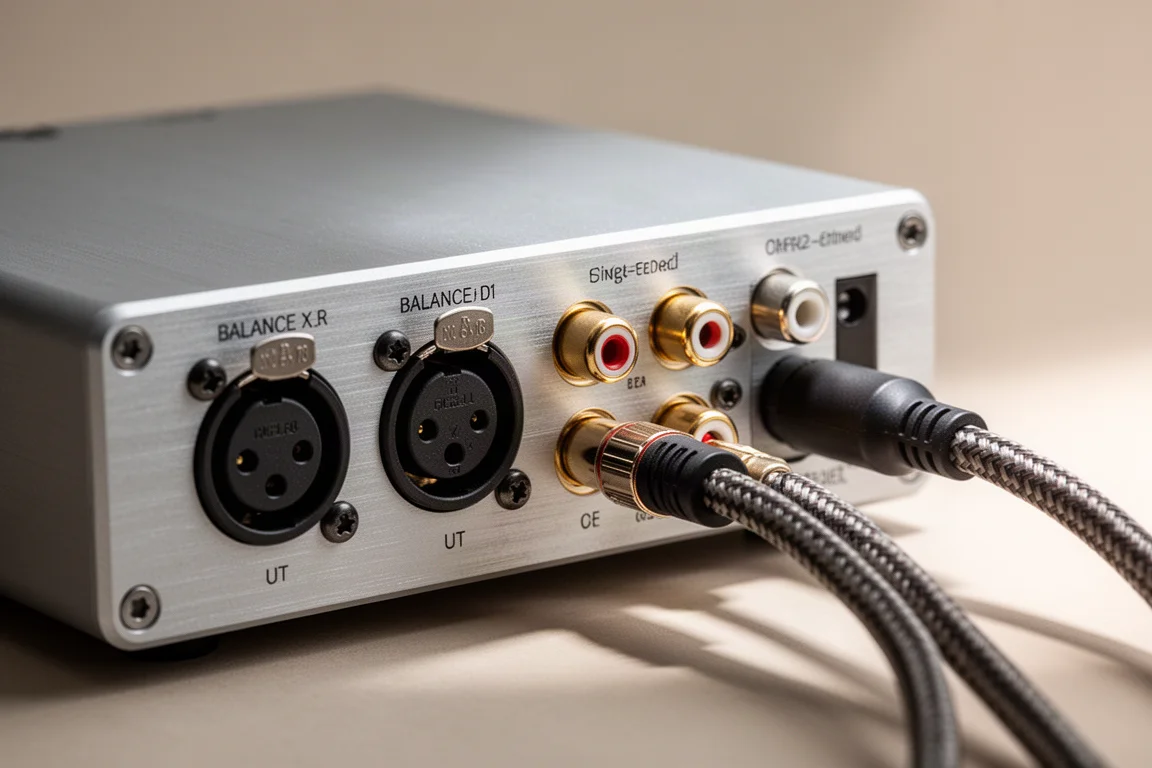
Around that core sits a familiar J2 chassis. You can order it in aluminium, which is the more affordable option, or in a choice of wood finishes. There is an optional USB input, and the input button cycles through the available sources, which include two coaxial and two optical connections. Balanced XLR outputs and single-ended RCA outputs sit on the rear panel, alongside a power button that also lights the indicator on the front. Three socketed op amp positions let you shape the output stage without soldering.
What makes the package interesting is that none of it is fixed at the factory. Case material, USB, and op amps are all decisions made at checkout, and each one changes both the price and the character of the sound you end up living with.
Who This DAC Is For
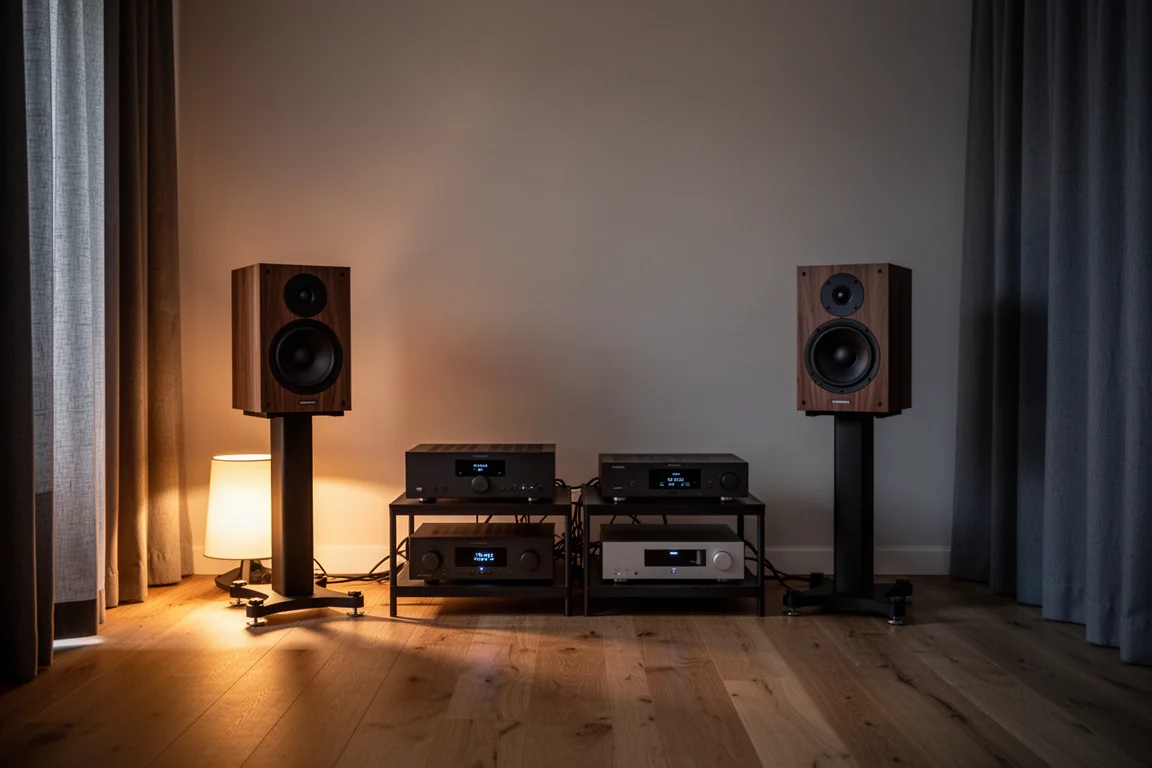
This is a converter for listeners who run speakers. The strongest advantage of the 4499 version is spatial: a wider stage, better placement of images in front of and above the speakers, and a more immersive sense of a performance taking place in the room. Those qualities are far easier to appreciate through a pair of speakers than through headphones, and they are the main reason this version exists.
It also suits anyone who enjoys tuning a system rather than treating it as a finished object. Because the converter is current-based, the op amps in the output stage have a noticeable influence on tone and dynamics, which turns a small parts swap into a genuine change in presentation. Listeners who like the idea of adjusting warmth, body, and scale to match their room will get more out of this DAC than those who want a single fixed voicing.
Main Strengths
The headline strength is the two-chip design. Rather than asking one converter to do everything, the J2 splits duties between the 4491 and the 4499, and the pairing produces a cleaner, more spacious result than a single-chip layout. Compared with the 4493 version running the same stock op amps, the 4499 delivers a soundstage that is roughly 25 to 30 percent wider, with stronger forward and upward imaging and a center image that sits a little higher. Instrument separation improves as well, and percussion snaps arrive with more immediacy, decaying cleanly instead of hanging over the rest of the mix.
The current-based output also raises the maximum output level. At its highest gain setting, the 4499 version plays louder than the 4493 version, which makes it easier to match with a broader range of amplifiers and speakers without working the volume control near its limit.
Cleanliness is the other theme. The 4499 version takes the same recordings and gives them a little more definition, without adding edge or hardness. It is not a night and day transformation next to the 4493, but the difference is consistent, and it shows up on almost everything you play through it.
Op Amp Options and System Synergy
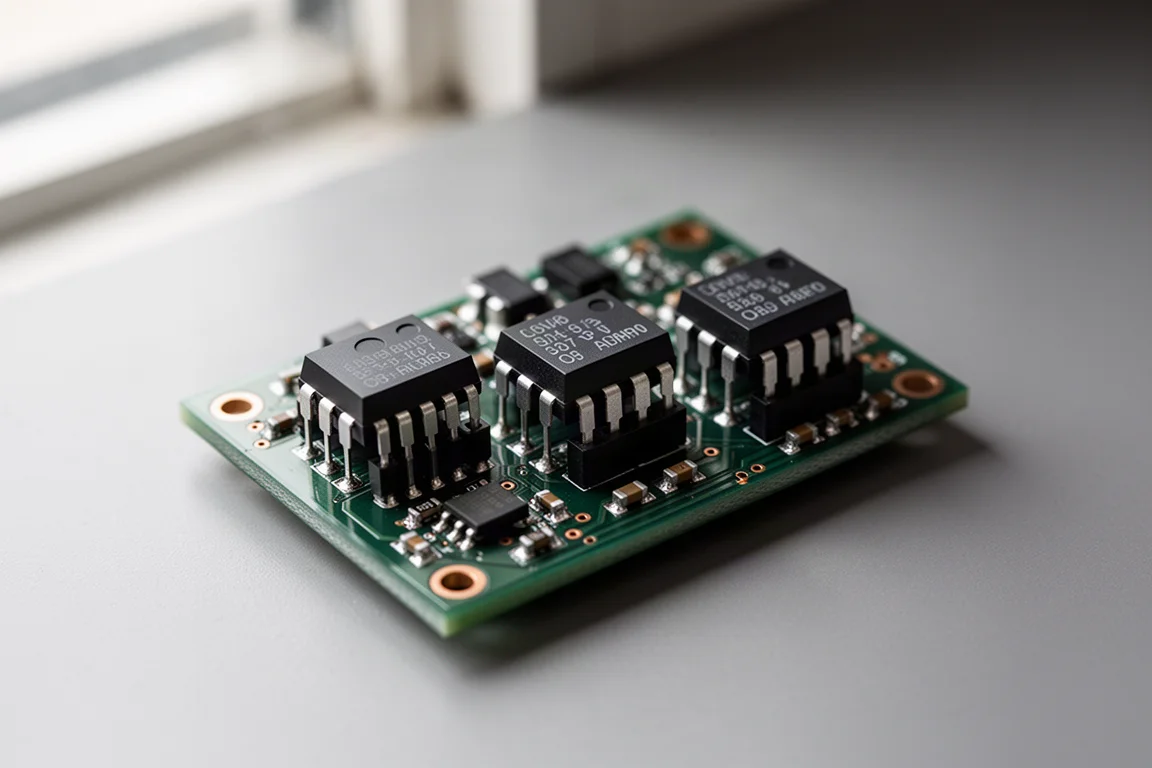
Three socketed op amp positions give the J2 4499 a level of flexibility that most converters in this class do not offer. The stock configuration uses three Texas Instruments OPA1656 op amps, and it is a strong place to start: clean, dynamic, and broad in presentation, with a character that works well in almost any system. If you only use the single-ended RCA outputs, you do not need to upgrade all three positions, which keeps the cost of experimenting low.
The alternative modules pull the sound in different directions. A Burson V5i-D set warms the presentation considerably, with bigger bass that is a touch less tightly defined than the stock parts, more robust vocals, and a generally more romantic feel. That makes it a good match for an analytical system or a leaner, more forward-sounding pair of speakers, where the extra body helps balance things out. The Sparkos modules go the other way in terms of scale: they are more dynamic than the stock parts, with a very large stage and front-to-back imaging that places instruments and voices clearly behind and around one another, and they stayed installed through long listening sessions. In a resolving speaker system, that difference is easy to hear.
Synergy is the deciding factor rather than any single module being correct. A very revealing, energetic speaker can become tiring with the most detailed option, while a warm and forgiving system can benefit from it enormously. Matching the op amp to the speakers is the real point of the exercise, and it is why the sockets are there.
Things to Consider Before Buying
The first thing to weigh is your listening setup. If nearly all of your listening happens on headphones, much of what makes the 4499 version special, particularly the spatial presentation, will be harder to appreciate. The 4493 version already covers most of that ground, so the extra spend is harder to justify when speakers are not part of your routine.
Cost also scales quickly with configuration. The entry point is around $430 with the stock Texas Instruments op amps, an aluminium case, and no USB input. Adding USB and a set of Sparkos op amps in the aluminium case brings the total to about $637. Wood finishes cost extra on top of that, and skipping USB saves only about $5.50, so it is rarely the line item that changes the decision.
Finally, plan for the op amps you actually need. Running single-ended RCA out means the third position can stay stock, while balanced XLR output into a preamplifier or integrated amplifier is best served by a full set. Deciding this before you order avoids paying twice.
Buying Advice
Start with your output. If you only use the RCA outputs, you can keep the stock op amp in the third position and still upgrade the two that shape the signal you hear, which brings a Sparkos-equipped J2 to around $560. If you run balanced XLR into a preamplifier, budget for all three positions from the beginning.
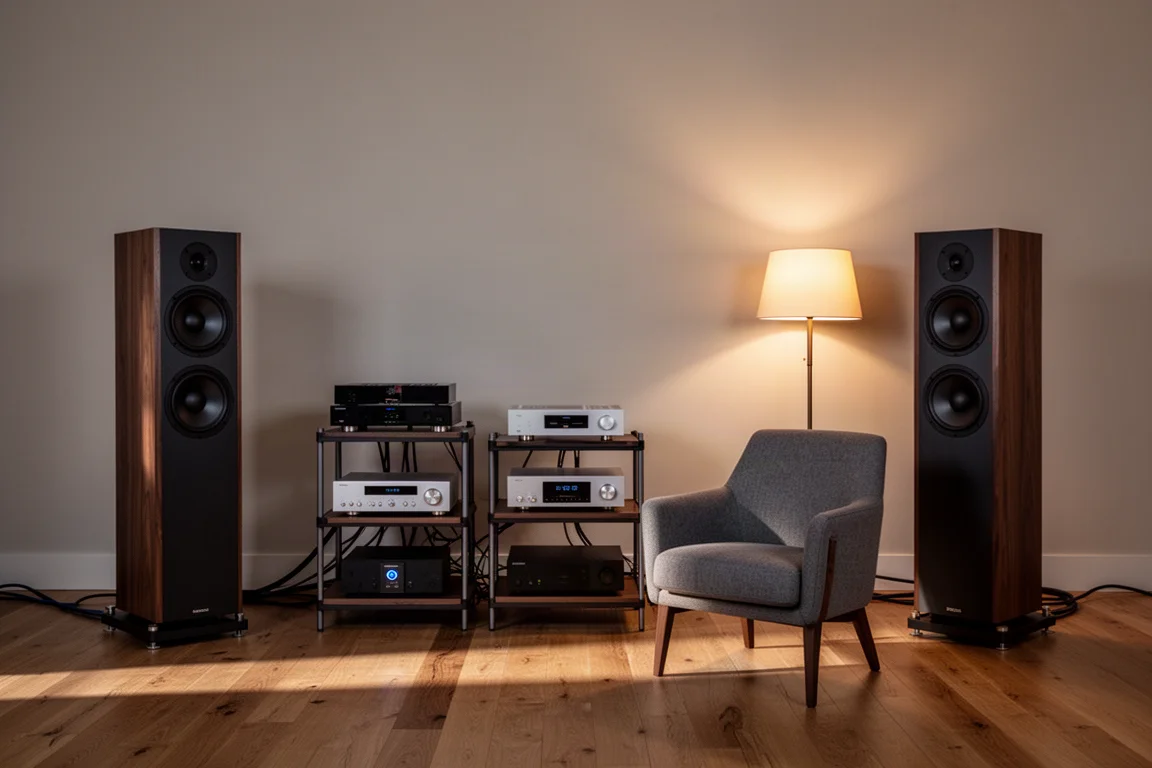
Budget-wise, the 4499 version sits about $170 above the Sabre and 4493 versions of the J2. For that difference you get the two-chip converter, three socketed op amp positions, and the freedom to change the presentation later without replacing the DAC. As a reference point, a premium turntable setup with a high-end tonearm and cartridge can run around $3,100, while a fully specified J2 4499 with Sparkos op amps comes in at roughly a quarter of that.
Conclusion
The J2 AKM 4499 version is the most capable J2 yet, and the upgrade is not about novelty. The two-chip design widens the stage, sharpens imaging, and gives recordings a cleaner, more defined character, while the socketed op amps let you tune the result to your speakers and your room instead of accepting a single voicing.
For speaker-based listeners who want that kind of control, this is one of the most convincing converters in its price class. Order the stock version if you want the cleanest starting point, or go straight to the Sparkos set if you want the most spacious and dynamic result the J2 can produce. Either way, decide on the case, the USB input, and the number of op amp positions you need before checkout, because those choices define both the final price and the sound you will be living with.
Product link
View more details for JDS Labs J2 (AKM 4499 Version)
This product is mentioned in the review. Check the specifications, options, and compatibility before buying.
View more details for JDS Labs J2 (AKM 4499 Version)Further reading
Related Reviews
Desktop DACs
Fosi Audio ZD3 Review: A Compact Desktop DAC With HDMI ARC and Swappable Op-Amps
The Fosi Audio ZD3 pairs a Sabre 9039 Q2M DAC with HDMI ARC, Bluetooth, and a socketed op-amp stage at a $179 retail price. Here is what it does well and what to check first.
Desktop DACs
Geshelli Labs J2 Review: AKM 4493 vs Sabre 9038Q2M
A practical comparison of the Geshelli Labs J2 in its AKM 4493 and ESS Sabre 9038Q2M versions, covering sound character, inputs, build options, and how to choose.
Desktop DACs
Schiit Modi Multibit vs the Field: Six Desktop DACs Compared
Six desktop DACs compared side by side, with the Schiit Modi Multibit at the centre and clear notes on where each rival pulls ahead.