Hi-Fi Audio
SMSL SU-9N Review: A Smoother Desktop DAC Without MQA
The SMSL SU-9N is a $399 desktop DAC that drops MQA and UAT Bluetooth in favor of a fuller, smoother sound and front-panel controls that work without the remote.
Introduction
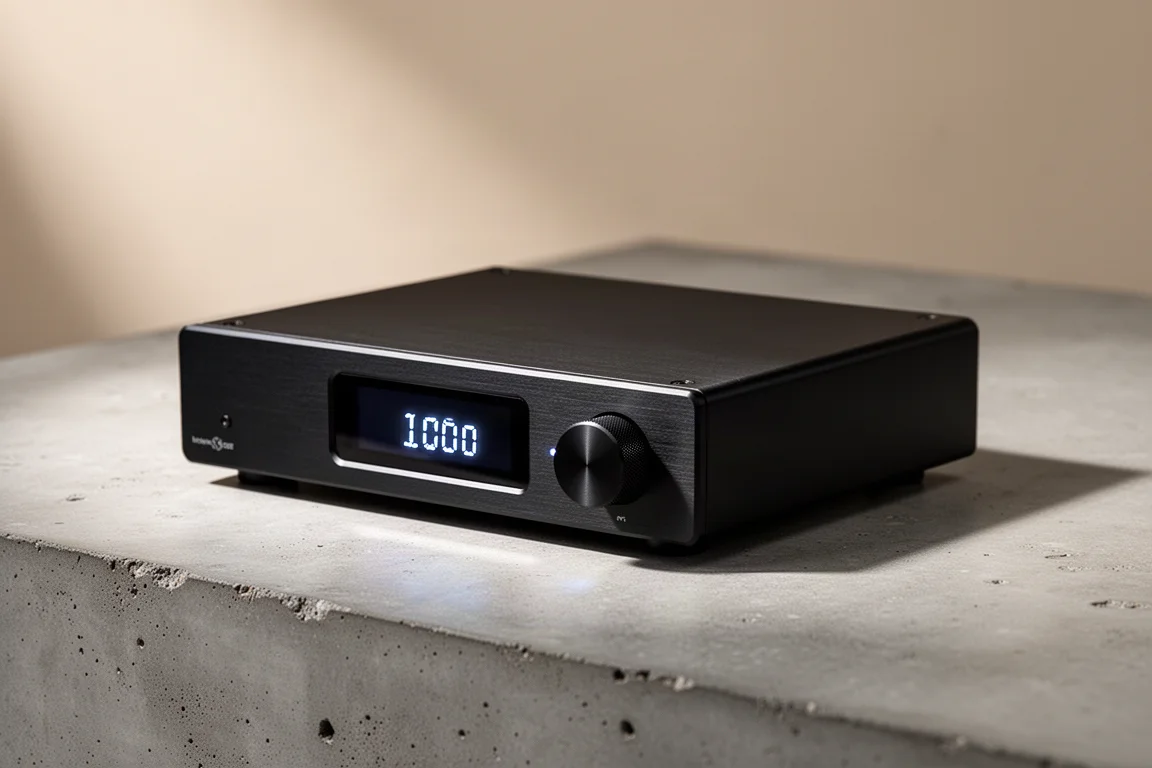
The SMSL SU-9N is a desktop digital-to-analog converter priced at $399, sitting just below the SU-9 at $460. Like any DAC, it takes a digital signal from a computer, a television, a CD player, or anything else with a digital output and turns it into an analog signal that feeds an amplifier, powered speakers, or a headphone amp.
The most notable change is what SMSL left out. The SU-9N drops MQA support, and it also drops the UAT Bluetooth codec carried by the SU-9. For listeners who stream from Spotify, Apple Music, or Amazon Music, that trade removes cost without removing much usefulness. What remains is a converter with a fuller, smoother character than the SU-8S, plus enough front-panel control to live without the remote.
Who This DAC Is For
This is a DAC for listeners building a desktop or living-room headphone system around a computer, a streamer, or a TV. If your amplifier, speakers, or headphones lean bright or thin, the SU-9N’s smoother voicing is the main reason to consider it. It also suits anyone who wants a strong-measuring converter with usable physical controls rather than a box that only responds to a remote.
If you already own a DAC you like, there is no urgency here. The SU-9N makes the most sense for someone actively shopping in the $400 range, or someone who wants the sound of this generation of converters without paying for MQA.
Main Strengths
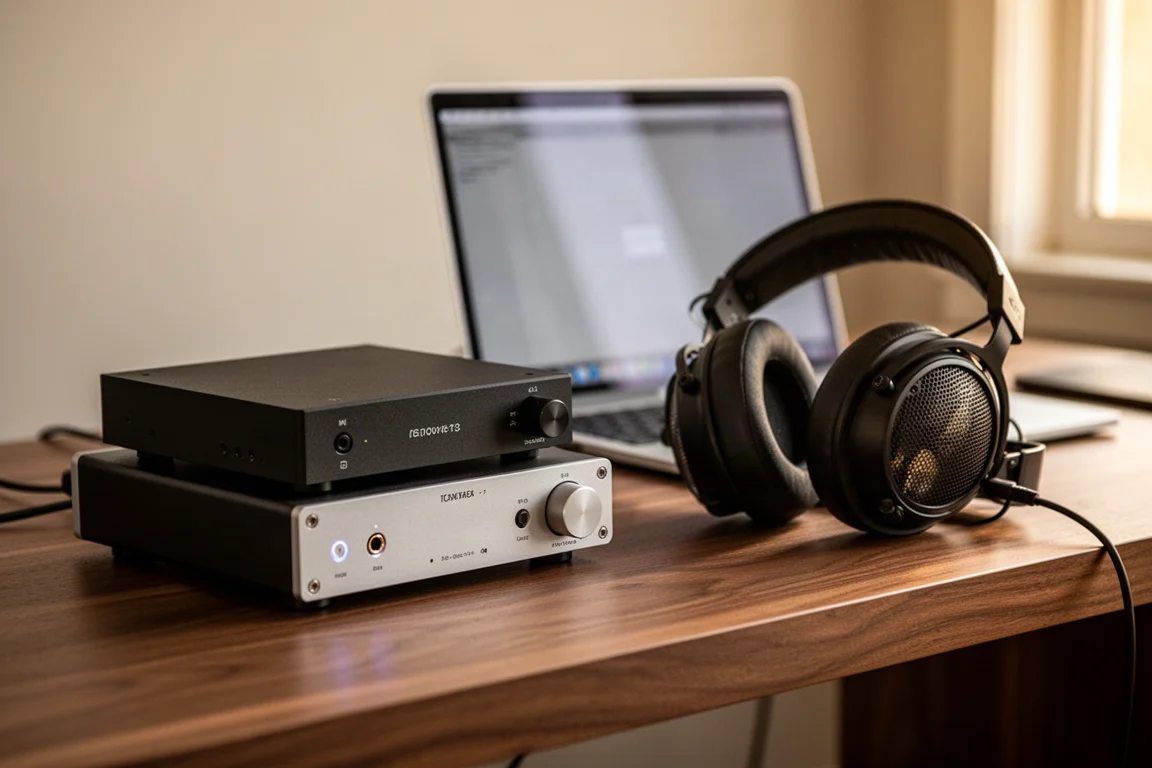
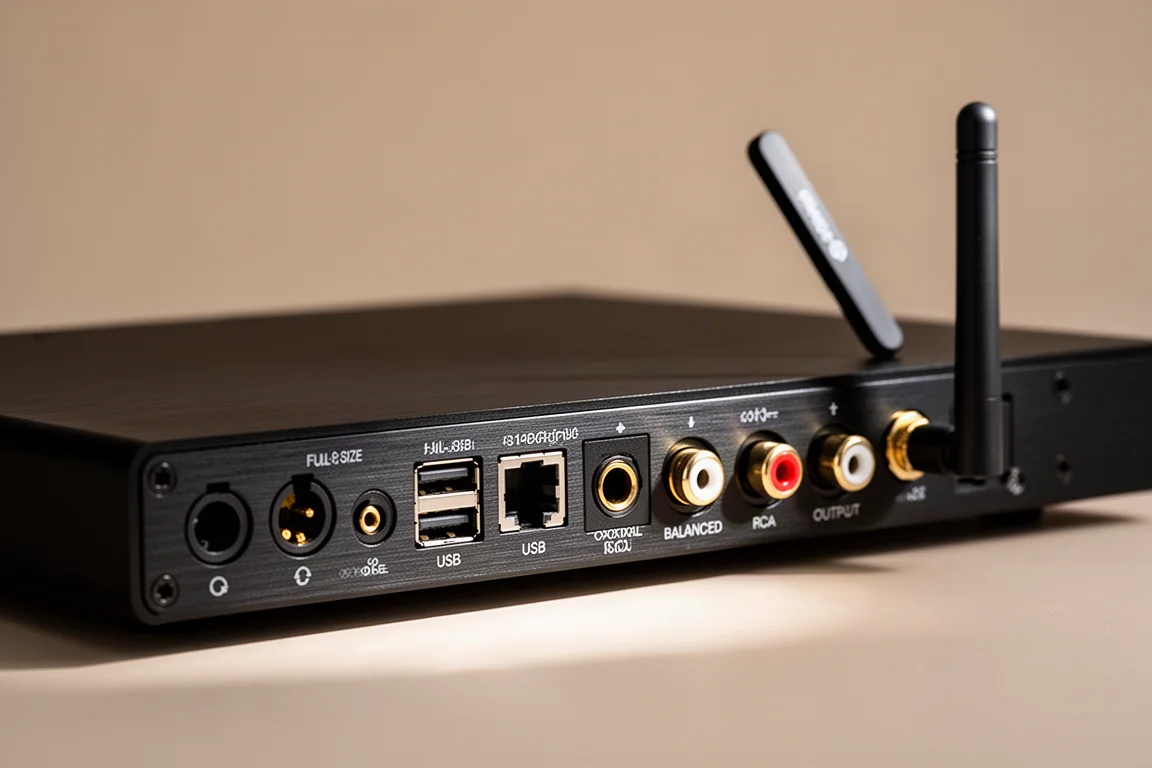
At the center of the SU-9N is an ES9038 Pro conversion stage, and the processor runs eight cores rather than the sixteen used previously, with a different clock. The enclosure is slightly deeper than the SU-8S and a little heavier, and the internal power supply is shielded. On the back panel you get a power receptacle, a Bluetooth antenna, full-size optical, USB, and coaxial inputs, plus balanced and RCA outputs.
A Smoother, Fuller Sound
The clearest difference against the SU-8S is tonal. The SU-9N sounds fuller and less harsh out of the box without giving up detail. Older converters in this price range often came across as analytical and thin, and the SU-9N moves away from that. It lands close to the character of several well-regarded converters in this generation, including the Bifrost 2, the Topping D90SE, the Geshelli Labs J2, and the Topping E50.
Soundstage is also a step up. It is wider and deeper than the SU-8S on headphones, and it outperforms the D90SE in that respect, though it does not quite match the Geshelli Labs J2. For a converter known for strong measurements, that blend of measurement and spatial presentation is welcome.
Listening covered the HarmonicDyne Poseidon, the Focal Elegia, and a speaker setup using an SMSL DA9 amplifier with ELAC Debut Reference speakers.
Flexible Filter and Sound Color Modes
The SU-9N offers eight roll-off modes and ten sound color modes, which works out to eighty combinations for tuning the presentation. The available modes include warm, tube, and crystalline options alongside a standard setting, and there is a brick wall filter that makes an audible difference. The modes sound more similar than different, but the range is there for listeners who want to fine-tune.
An adjustable jitter setting helps clean up digital artifacts when the source is a television or another component with a less-than-ideal output.
Design, Inputs, and Controls
The front panel is clean: a display and a single knob that doubles as the input selector. Pressing the knob handles the rest, so every essential function is reachable without the remote. That matters in practice, since some competing converters at this price leave the front panel completely passive. A new remote is included and works fine, though the front-panel controls mean you rarely need it.
Things to Consider Before Buying
The SU-9N is a new release, so availability may be limited at launch and it may not appear at every retailer immediately.
Dropping MQA is only a downside if you subscribe to a service that uses it. UAT Bluetooth transmission is gone as well, though very few phones or tablets transmit UAT today, so the practical loss is small.
If you want a more analytical presentation, the SU-8S remains the more clinical of the two and can be pushed further with its sound color modes. The SU-9N is voiced warmer by default.
Buying Advice
In the $400 range, the SU-9N is an easy recommendation for a system that needs a touch of smoothness. Bright class D amplifiers, bright speakers, and bright headphones all benefit from what it adds at the low end, while neutral gear simply gets a slightly richer foundation. If you have been considering a Bifrost 2, a Topping D90SE, or a Geshelli Labs J2 but cannot stretch to those prices, this is a strong alternative.
There is one condition worth repeating: if you are happy with your current converter, keep it. The SU-9N rewards buyers who are actively assembling a system around it.
Conclusion
The SMSL SU-9N trims MQA and the top Bluetooth codec, then spends the savings on a fuller, smoother sound and genuinely useful front-panel controls. For listeners who do not need MQA and want a converter that calms a bright system while keeping detail intact, it is a very good option at its price.
Product link
View more details for SMSL SU-9N
This product is mentioned in the review. Check the specifications, options, and compatibility before buying.
View more details for SMSL SU-9NFurther reading
Related Reviews
Hi-Fi Audio
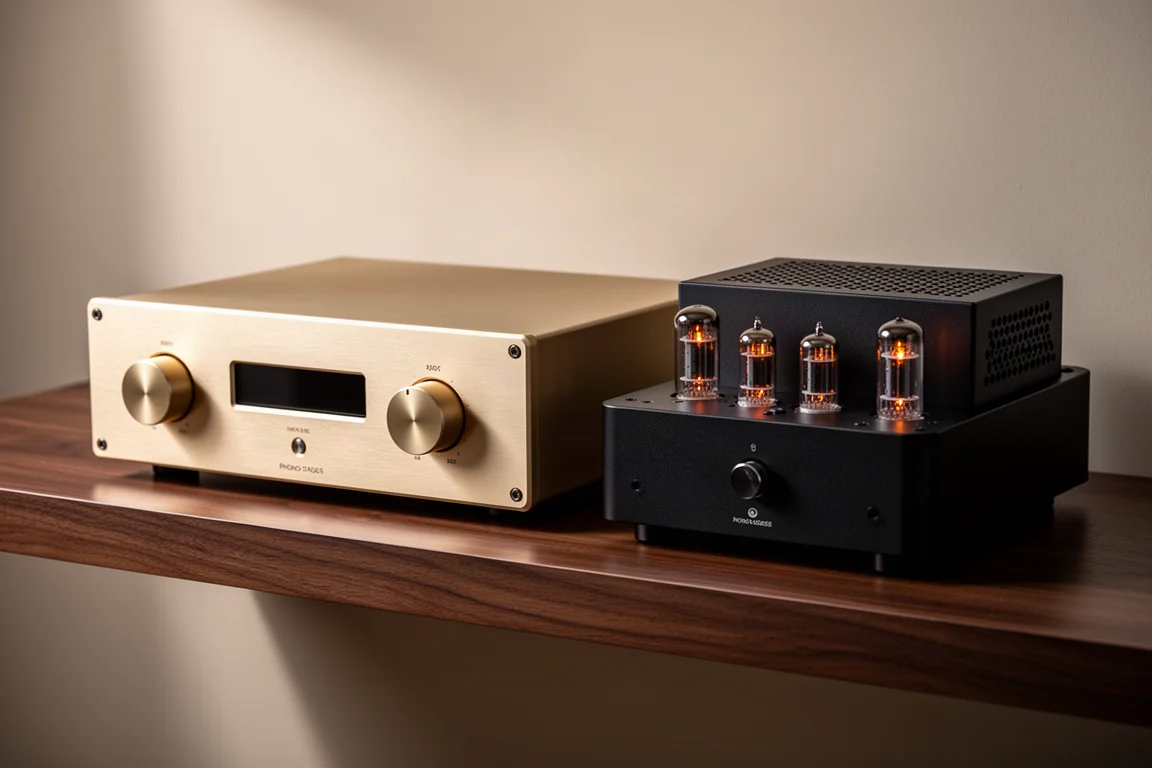
Accuphase C-57 vs Allnic H-7000V: Two High-End Phono Stages Compared
A fully balanced solid-state phono stage with a pitch-black noise floor meets a tube design built for well-loved records. Here is how to choose between them.
Hi-Fi Audio
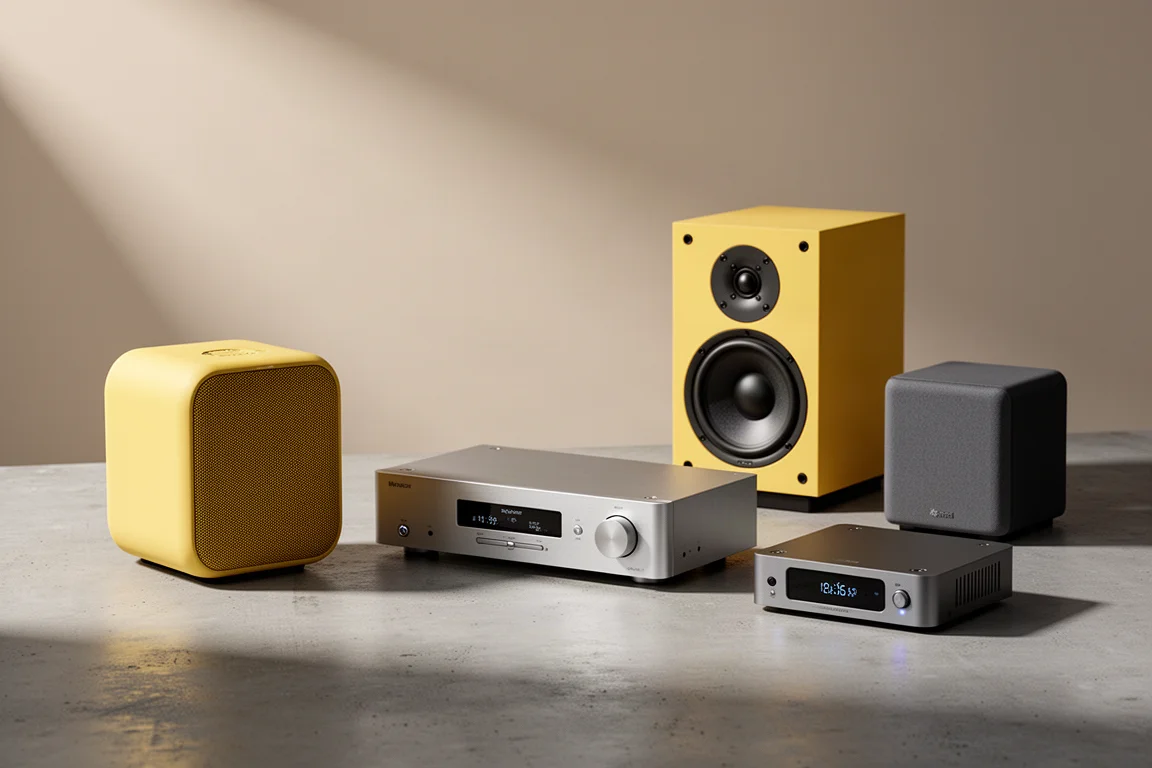
Active vs Passive Hi-Fi: Five Components for a Modern System
Five components that define modern active and passive hi-fi systems, with the strengths, trade-offs and setup details worth weighing before you buy.
Hi-Fi Audio
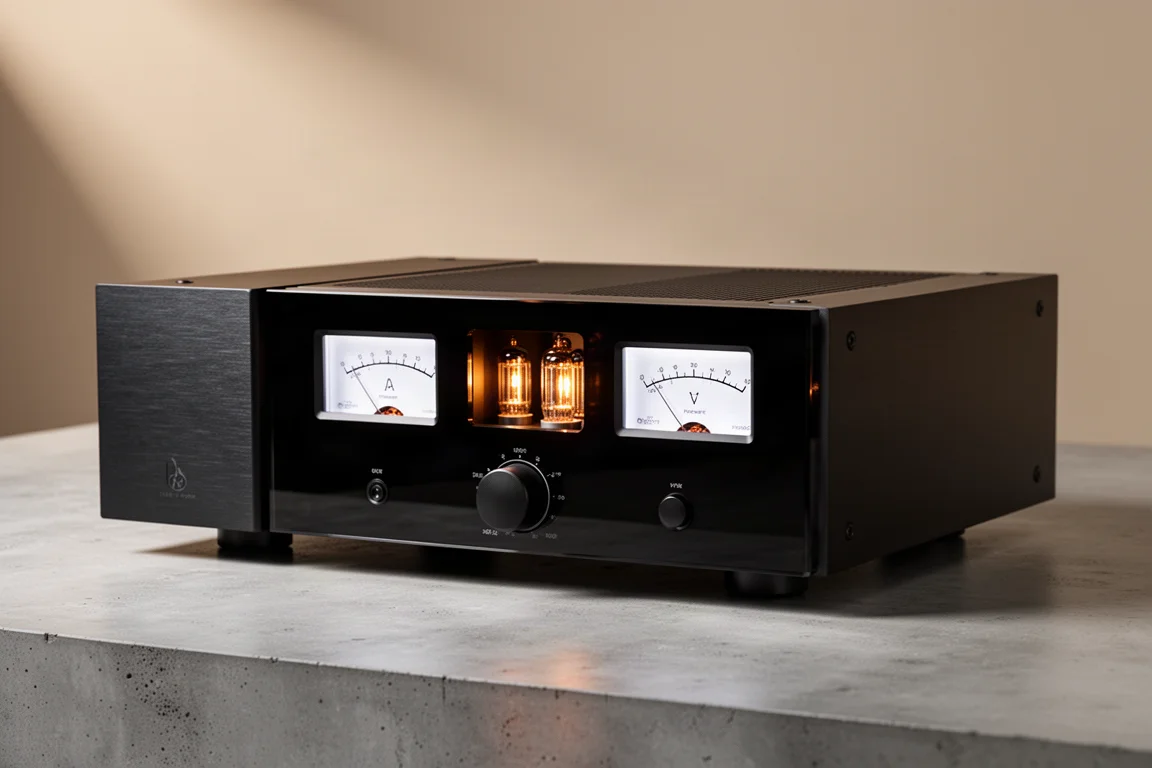
Advance Paris A10 Apex Review: A Hybrid Integrated Amplifier That Covers a Lot of Ground
A French hybrid integrated amplifier with a class A tube preamp stage, analogue power meters, and an internal DAC and phono stage good enough to make extra boxes unnecessary.