DACs
SMSL SU-10 Review: A $900 DAC With Real Strengths and a Few Costs
The SMSL SU-10 pairs excellent sound with a genuinely generous connection set, but its $900 price and rarely used inputs make it a careful buy for most systems.
Introduction
The SMSL SU-10 is a digital-to-analog converter priced at around $900, and that number shapes the whole conversation. SMSL and Topping have done a great deal for affordable hi-fi over the years, especially with DACs, so a $900 model from SMSL raises a fair question about where the extra money actually goes.
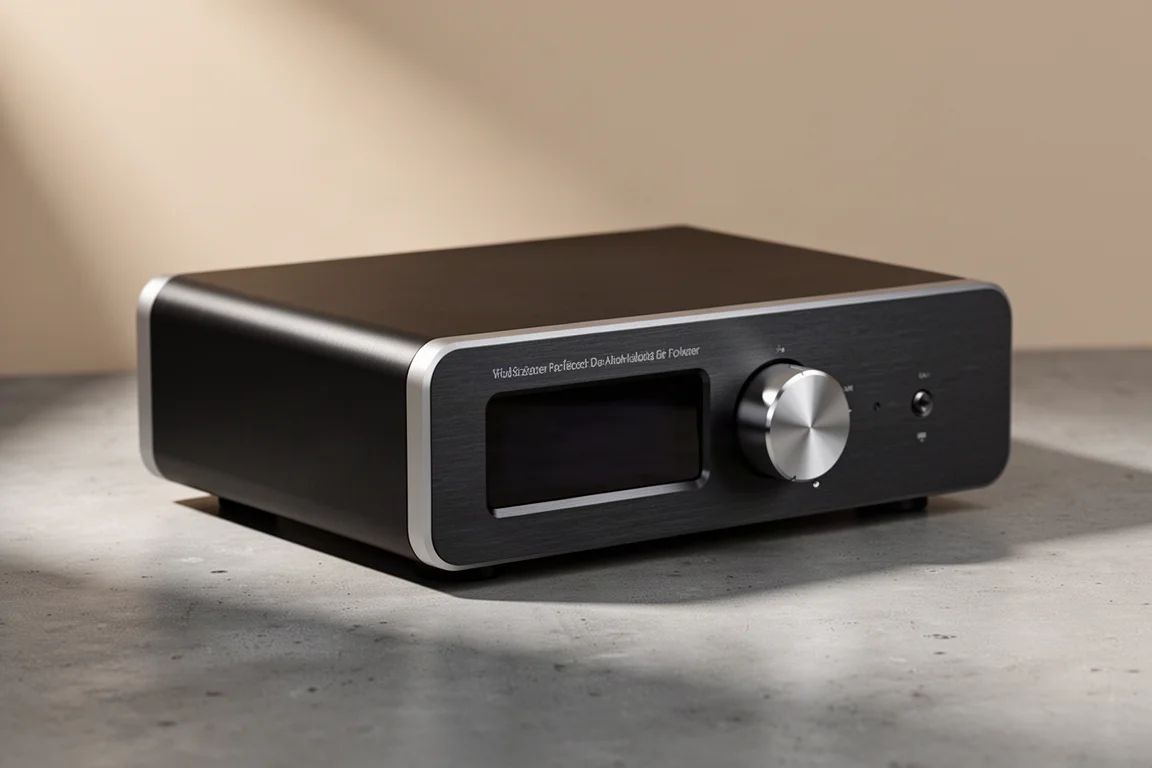
In the hand, the SU-10 feels substantial. Build quality is solid, the edges of the chassis are well rounded, and the front panel keeps things simple with a metal volume knob and a compact display. The feet have a gold tone, which is purely a matter of taste. Underneath, eight hex screws hold the bottom panel in place, and the only opening in the casework is down there.
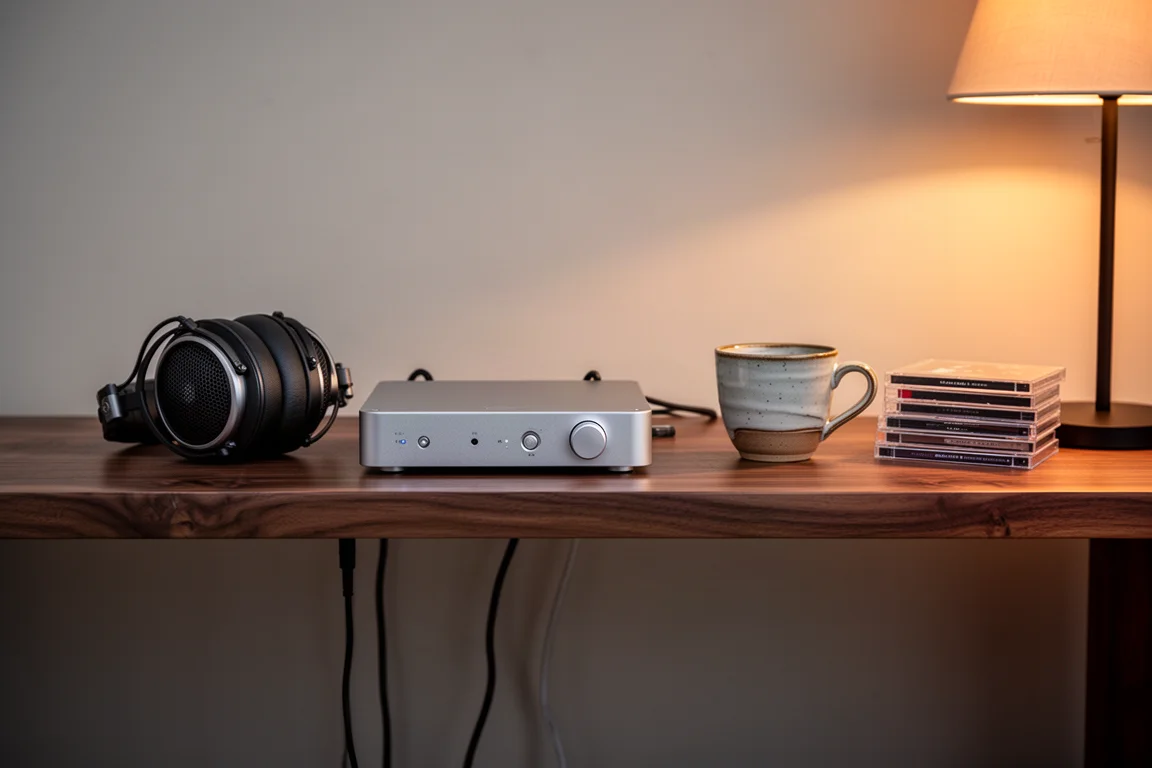
The rear panel is where the SU-10 makes its case for the price, and it is worth understanding those connections before deciding whether the asking price suits your system.
Who the SMSL SU-10 Is For
This DAC is aimed at listeners whose sources go beyond a single USB cable. The SU-10 offers a regular-size USB input, a USB-C input, an optical input, a coaxial input, an I2S input, and an AES connection, along with a Bluetooth antenna that supports LDAC at 24-bit/96kHz. Outputs are a pair of balanced connections in XLR and RCA, and there are no TRS balanced outputs on the back.
Two USB inputs is a genuinely useful arrangement, and it is one of the details that separates this deck from cheaper options. Balanced XLR and RCA outputs are common enough, and plenty of less expensive DACs offer them too.
If you only need one digital input and a clean analog output, the SU-10 is more converter than your system will use.
Main Strengths
The SU-10 earns its place on sound quality first and connectivity second, and both deserve a closer look.
Sound Quality and Detail
This is where the SU-10 is at its best. It sounds very good, and it delivers all the detail without the harshness that shows up in many more affordable DACs from the same part of the market. The soundstage is wide, imaging is precise, and the presentation comes across as organic.
Compared with a Denafrips Ares II, which costs roughly the same, the SU-10 takes a different path. The Ares II has a second-order harmonic character that makes its soundstage feel immersive, while the SU-10 leans on clarity and detail. Against a considerably more expensive Denafrips Pontus, the SU-10 gets close enough that the price gap becomes the deciding factor for many listeners.
There are other strong options in this price range as well. A Geshelli Labs J2 also sounds excellent, but it offers far fewer connection options, no variable output, no remote control, and no Bluetooth.
Build, Power Supply, and Connectivity
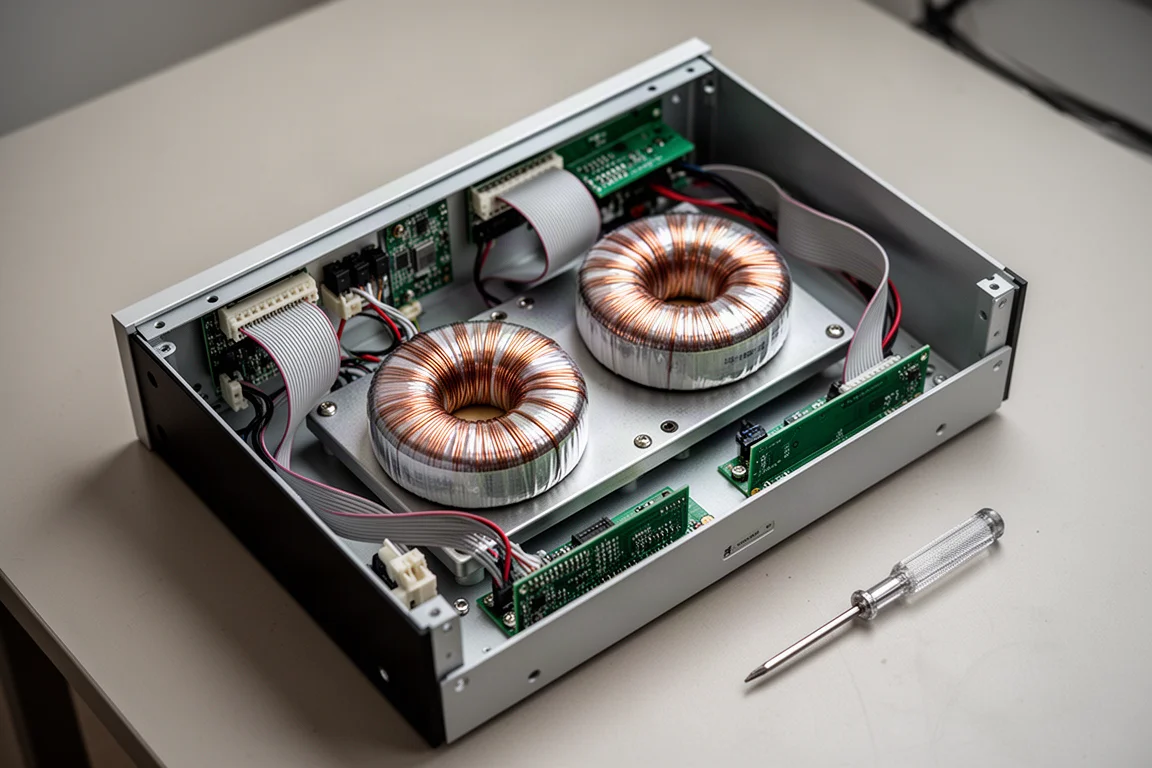
Inside, the SU-10 uses two ESS Saber ES9038 Pro DAC chips. That is an eight-channel chip, and running two of them means the deck pulls more power and runs warmer than a design built around a two-channel chip. To feed that demand, SMSL uses two linear toroidal transformer power supplies, a choice that costs real money and that few DACs make at any price.
The extra channels also explain the large bank of OPA1612 dual op-amps on the board. More parts do not automatically mean better sound, but here the power supply decision is a sensible response to the chip selection.
Around the back, the connection set is generous: regular USB, USB-C, optical, coaxial, I2S, AES, and a Bluetooth antenna with LDAC support, plus XLR and RCA balanced outputs. For a listener with an I2S streamer or an AES-equipped source, those inputs turn the SU-10 into a hub rather than a single-purpose converter.
Things to Consider Before Buying
The SU-10 is a capable DAC, but several details deserve scrutiny before you commit.
Inputs You May Never Use
The I2S and AES inputs are the main reason the price sits where it does. Relatively few listeners own components with those outputs, so for most people those connections act as a tax rather than a feature. MQA CD support falls into a similar category. MQA CDs exist, but they have not become a common topic among enthusiasts, and the catalog remains a niche.
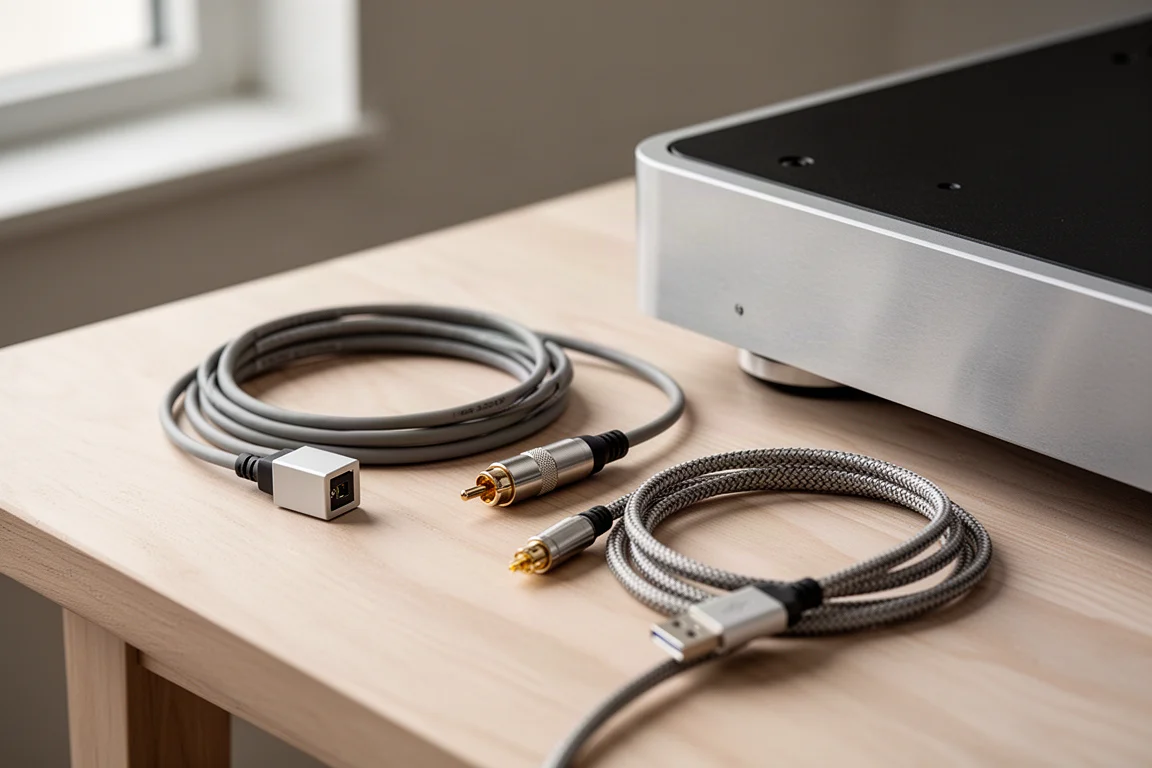
If you already own an I2S streamer or an AES-equipped transport, these inputs are a real benefit. If you do not, they represent money spent on capability you will never use.
Marketing Versus Practical Value
The marketing leans on component counts: two eight-channel DAC chips, dual linear power supplies, a long list of op-amps, seven filter roll-offs, and a set of sound color modes with names like tube and crystal. Those numbers do not automatically translate into better sound. The eight-channel chip draws more power and produces more heat, and the additional op-amps exist largely because of those extra channels, which are summed back down to two.
The filter roll-offs and sound color modes are not new either. SMSL has offered very similar options on its more affordable DACs for some time, and the audible differences between roll-off settings are difficult to hear.
Buying Advice
At $900, the SU-10 is a significant purchase. The value depends almost entirely on whether you will use what it offers. If you need I2S, AES, two USB inputs, LDAC Bluetooth, and balanced XLR and RCA outputs, there is genuine value here, and the dual toroidal power supplies back up the design rather than just decorate it.
If you do not need those connections, the SMSL SU-9 uses the same ES9038 Pro chip at roughly half the price. That is the more sensible starting point for most systems.
Timing matters too. A $900 launch price is unlikely to hold. The Topping D90SE sat on shelves before dropping by around $200, and a similar move for the SU-10 would put it closer to $700. If the current price feels steep, waiting is a reasonable strategy rather than a compromise.
Conclusion
The SMSL SU-10 is a very good DAC. The sound is excellent, the soundstage is wide, imaging is precise, and the overall character is organic, all wrapped in a heavy, well-built chassis with a generous connection set and Bluetooth on board. The $900 price is the sticking point, largely because the I2S and AES inputs that justify part of it will go unused by many buyers.
If your system can use those inputs, the SU-10 makes a strong case for itself. If it cannot, the same family of sound is available for less, and a patient buyer may find this deck considerably more attractive once the price settles.
Product link
View more details for SMSL SU-10
This product is mentioned in the review. Check the specifications, options, and compatibility before buying.
View more details for SMSL SU-10Further reading
Related Reviews
DACs
Denafrips Pontus II vs Ares II: Which R2R DAC Fits Your System?
A practical comparison of two Denafrips R2R converters: what the Pontus II adds over the Ares II, and which one makes more sense for a typical system.
DACs
Eversolo DAC-Z10 Review: A Feature-Packed DAC and Preamp in One Box
A close look at the Eversolo DAC-Z10, a $1,980 converter and preamp with a configurable touch display, a very wide input selection, and refined sound.
DACs
Geshelli Labs Torque DAC Review: A Modular Converter That Changes With Your System
A close look at the Geshelli Labs Torque, a US-made modular DAC that lets you swap converter boards and output modules instead of replacing the whole unit.