DACs
Eversolo DAC-Z10 Review: A Feature-Packed DAC and Preamp in One Box
A close look at the Eversolo DAC-Z10, a $1,980 converter and preamp with a configurable touch display, a very wide input selection, and refined sound.
Introduction
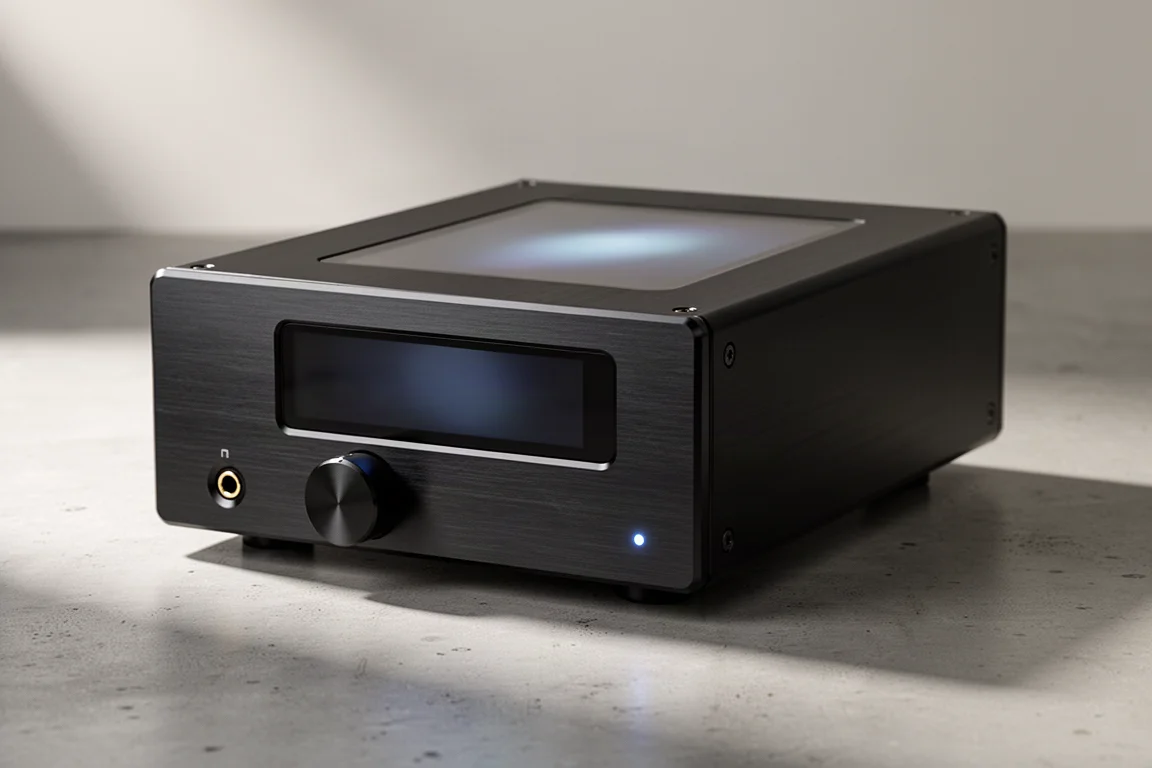
The Eversolo DAC-Z10 is a digital-to-analog converter that doubles as a preamplifier, and it is the most feature-packed converter we have spent time with. It is the latest design from Eversolo, a brand that has become hard to miss in enthusiast circles, and at $1,980 it is sold direct and through dealers worldwide.
What makes the Z10 unusual is how much it does. There is an onboard volume control, so the converter can feed a power amplifier or a pair of active speakers directly over RCA or XLR, with no separate preamp required. Around the back there is a very wide spread of inputs, somewhere in the region of eleven or twelve depending on how you count them, plus Bluetooth. A phone app adds a third way to control everything.
Who This DAC Is For
The Z10 is built for digital-first systems. If your sources are a streamer, a CD transport, a computer, and a television, the Z10 can sit at the centre of all of them and drive the rest of the system on its own. Feed a power amplifier or active speakers straight from its outputs, set the level from the front panel, the remote, or the app, and the chain is complete.
It is also a sensible choice for anyone who would rather own one box than three. The converter, the preamp, and the headphone amplifier are all here, and each of them is competent rather than merely included.
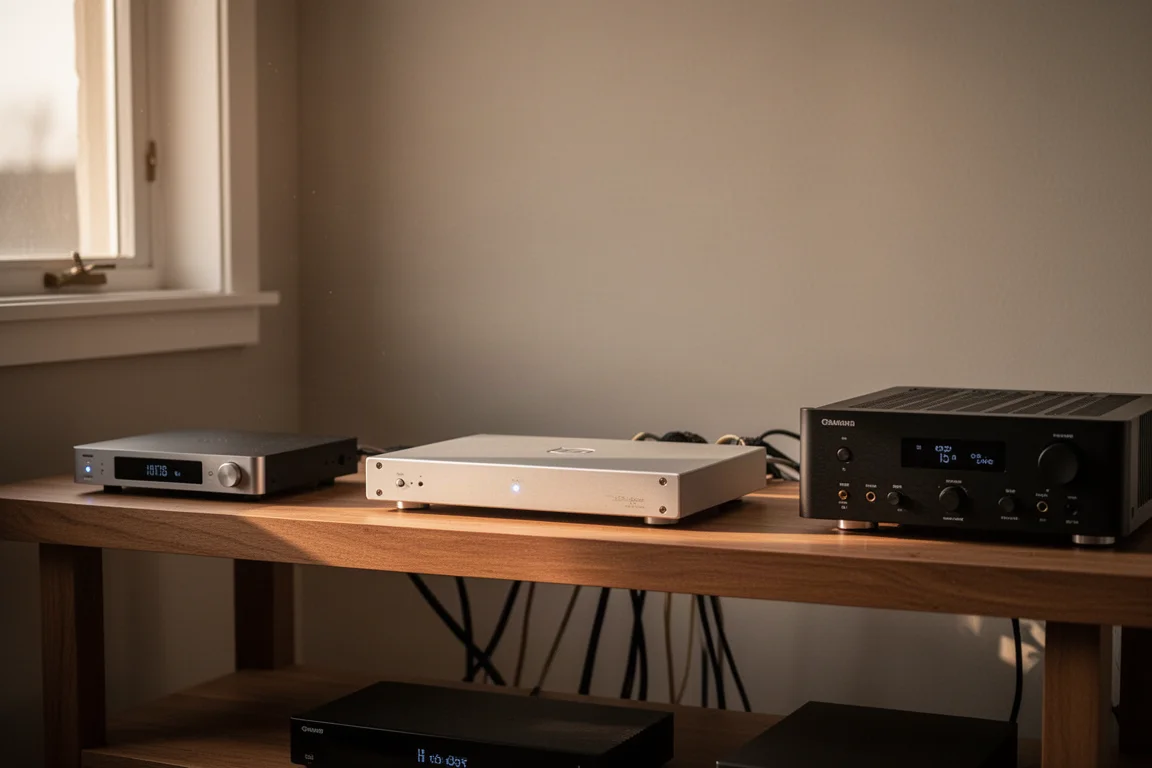
There is one qualification. The Z10 has no built-in phono stage, so vinyl listeners will still need an external phono preamp, and in that case a separate preamp in the chain can still make sense. In a purely digital system, the Z10 can replace one.
Design, Display, and Controls
The chassis is all aluminium, and the design is understated rather than flashy. A wide touch display, around eight inches across, dominates the front panel and can be configured in a great many ways: layouts for volume level and selected source, plus several styles of VU meter for those who simply enjoy watching them.
The volume knob has precise click stops and feels excellent in use, which makes the plastic material a mild disappointment given the rest of the build. The remote is the opposite story. It is metal, light, uncluttered, and attractive, with far fewer buttons than most, and it is well above average. The phone app rounds out three genuinely usable control methods.
Main Strengths
Sound quality is the headline. The Z10 sounds refined and well developed, with a composure that holds up over long listening sessions. It spent a month as the primary source in our system for everyday background listening, and it was easy to leave in place.
Format support is generous, with PCM up to 768 and native DSD up to 512. The input selection covers coaxial, optical, AES/EBU, I2S, ARC, USB, analogue RCA and XLR, two external clock inputs, and Bluetooth. The headphone amplifier built into the front panel is comfortably above average with reference headphones.
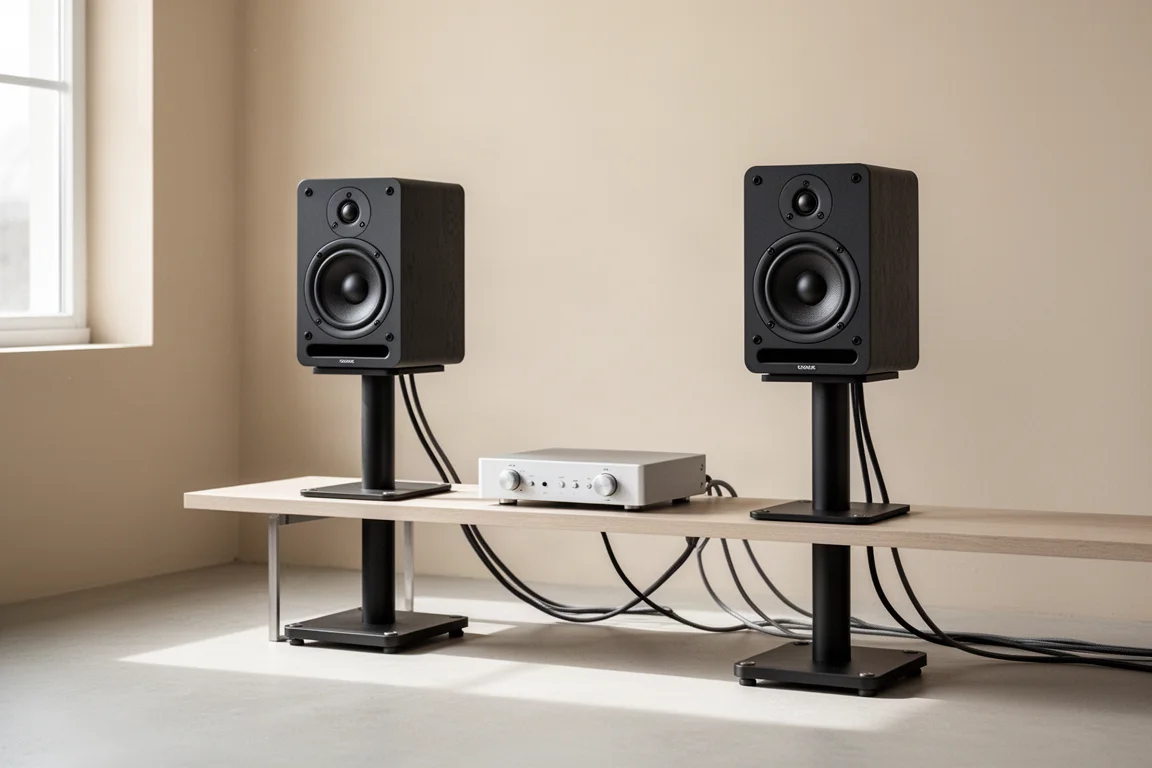
Versatility is the other strength. Very few converters at this price can act as the hub of a complete system while also offering this level of configuration and display customisation.
Headphone Output and Analog Input Notes
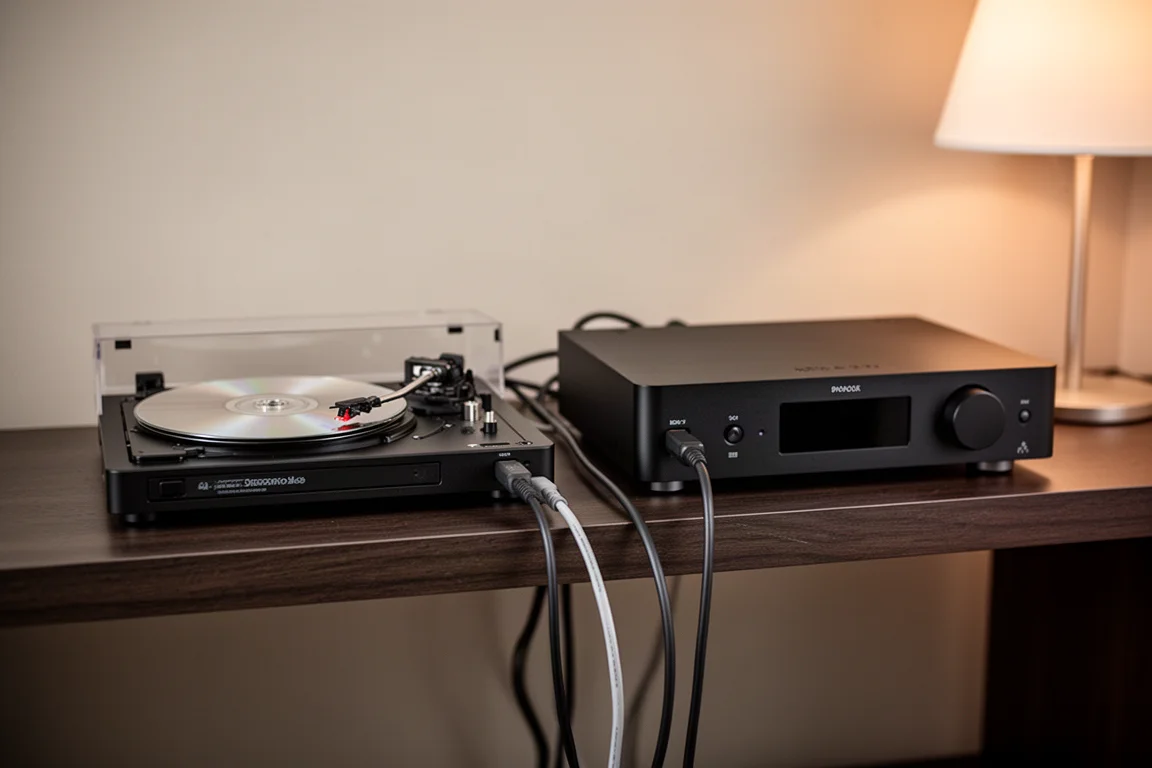
The headphone jack sits at the lower left of the front panel, and it drives demanding headphones with more quality than the price suggests. The analogue inputs are equally usable. Connected to a turntable through an external tube phono preamp, the Z10 made sound and sounded fine, though the same turntable through a dedicated preamp was more satisfying in that system.
Things to Consider Before Buying
- The I2S input can be fussy. With a CD transport over I2S, no sound came through at all, even after working through all eight configuration options and trying different cables, including the setting the manufacturer recommended. AES/EBU worked immediately, and coaxial from a streamer worked without any trouble.
- The volume knob is plastic.
- There is no phono stage, so vinyl playback needs an external one.
- High-resolution streaming at 96/24 and 88.2 sounded good, but a high-resolution stream of an album did not clearly beat the CD of the same album. Mastering and compression differences matter more than the numbers suggest.
- Tonally the Z10 leans cool rather than lush, and the fine dynamic shading of solo piano is less pronounced than through a good tube design.
None of these points are deal-breakers, but they are worth knowing before you commit, particularly if your transport relies on I2S.
How It Compares With Other DACs
Against a converter priced at roughly half as much, the Z10 was the more refined and better developed performer. The cheaper unit pushed its midrange forward and sounded less warm and less settled overall.
Against a tube-based reference converter costing about twice as much, with far fewer features, the comparison went the other way. On a solo piano recording, the tube design rendered timing, nuance, and dynamic shading more clearly, while the Z10 pulled back on those details and sounded cooler. These are not night and day differences. The two go in different directions, and both are enjoyable.
Buying Advice
At $1,980, the Z10 delivers a great deal: a preamp, a headphone amplifier, a configurable display, a very broad input selection, and support for very high-resolution formats in one chassis. For listeners building around digital sources, it is an easy recommendation, because it can replace a preamp entirely.
If vinyl is central to your listening, budget for a phono stage and think about whether you still want a preamp in the chain. If maximum tonal warmth and tube character is the priority, a tube converter may satisfy you more, but expect to pay more and give up a lot of features.
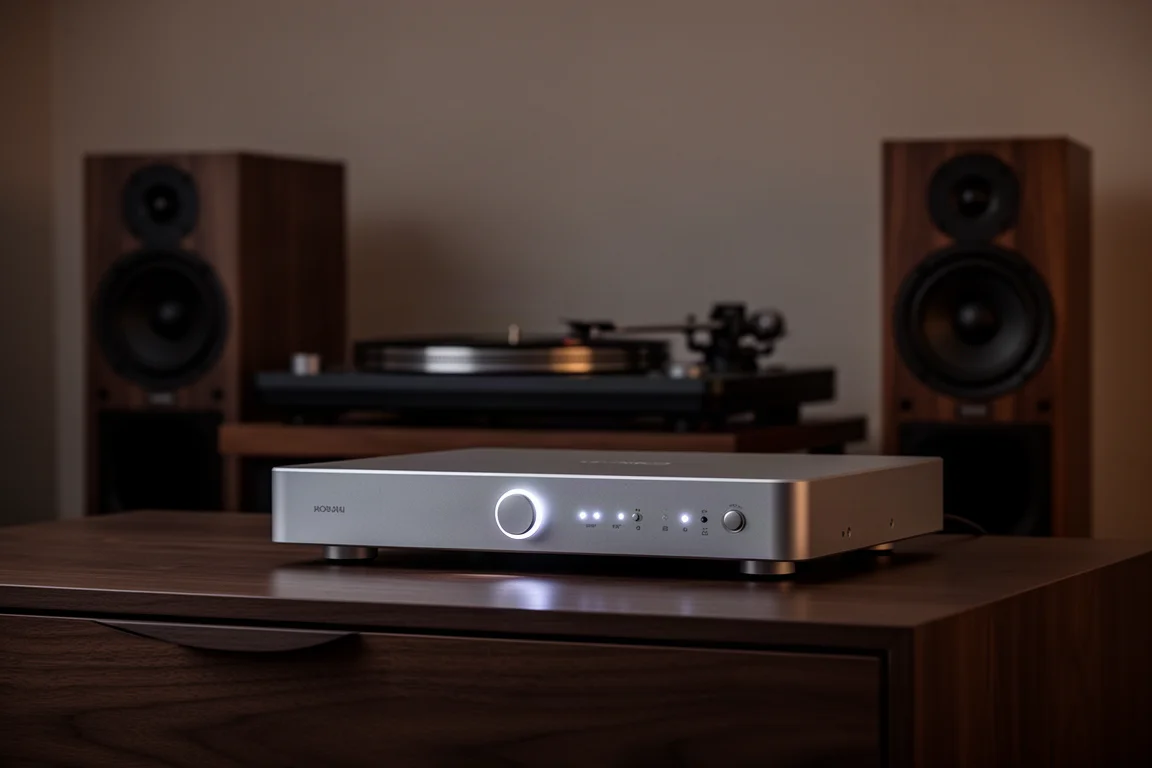
For everyone else, the Z10 is one of the most flexible and enjoyable converters we have used at this price.
Conclusion
The Eversolo DAC-Z10 is an impressive piece of equipment. It looks great, feels great, and is genuinely pleasant to live with. Its versatility means it will fit into almost any system, and its sound quality is refined enough to satisfy critical listening while remaining easy to enjoy casually.
The caveats are small and specific: a plastic knob, no phono stage, and an I2S input that did not cooperate in our setup. Weighed against the feature set and the sound, the Z10 represents strong value at its price.
Product link
View more details for Eversolo DAC-Z10
This product is mentioned in the review. Check the specifications, options, and compatibility before buying.
View more details for Eversolo DAC-Z10Further reading
Related Reviews
DACs
Denafrips Pontus II vs Ares II: Which R2R DAC Fits Your System?
A practical comparison of two Denafrips R2R converters: what the Pontus II adds over the Ares II, and which one makes more sense for a typical system.
DACs
Geshelli Labs Torque DAC Review: A Modular Converter That Changes With Your System
A close look at the Geshelli Labs Torque, a US-made modular DAC that lets you swap converter boards and output modules instead of replacing the whole unit.
DACs
Gustard X30 Review: A Delta-Sigma DAC That Narrows the Gap to R2R
A full-width desktop DAC built around four ESS ES9039 Pro chips, a custom filter engine and an oven-controlled clock, with the measured noise floor to match.