DACs
Denafrips Pontus II vs Ares II: Which R2R DAC Fits Your System?
A practical comparison of two Denafrips R2R converters: what the Pontus II adds over the Ares II, and which one makes more sense for a typical system.
Introduction
Every digital source needs a digital-to-analog converter before its signal can reach an amplifier and speakers. Denafrips builds two of them around the same core idea, a ladder of discrete resistors rather than an off-the-shelf converter chip. The Pontus II sits near the top of that range at roughly $1,800, while the Ares II comes in at roughly $700.
That price gap invites an obvious question. Is the Pontus II twice the converter? On paper the two units share a great deal, and in listening the difference is real but smaller than the price suggests. What separates them most clearly is not the sound at all, but the connections on the back panel.
Do You Need a Separate DAC?
Most of the gear you already own contains a converter: a phone, a television, a laptop, a tablet, an older CD or DVD player. Those converters exist to make sound come out, not to make music sound good, and they are rarely optimized for it. An outboard converter typically offers better measured performance in the areas that matter for digital audio, including clocking behaviour, jitter, and signal-to-noise ratio.
Not all converters work the same way. Many rely on a delta-sigma chip from one of the well-known semiconductor makers, while the two Denafrips units take the discrete resistor route instead. The Ares II has been a turning point for many listeners moving up from inexpensive desktop converters, and lower-cost designs such as the Schiit Modi Multibit and the Geshelli Labs J2 remain popular entry points for the same reason.
If most of your listening happens through digital sources, an external converter is worth considering. It does not have to cost a fortune, and it does not have to cost $1,800 either.
How These Two DACs Compare
Four things separate these units: conversion architecture and power supply, connectivity, control features, and the way each one presents music in a resolving system. Both are R2R designs, both omit Bluetooth, volume control, and a remote, and both are specified to handle PCM up to 24-bit/192 kHz with higher rates over USB. From there, the differences come down to the power supply, the reclocking, and the back panel.
Denafrips Pontus II: Cleaner and More Resolving
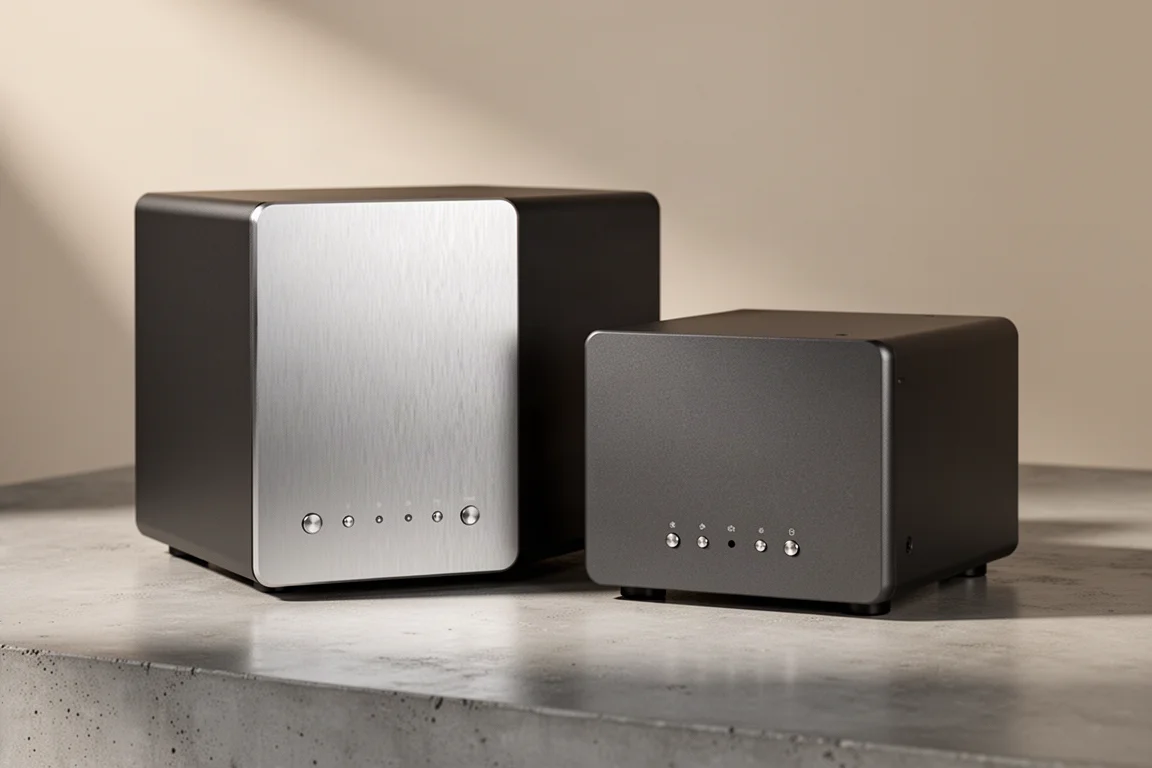
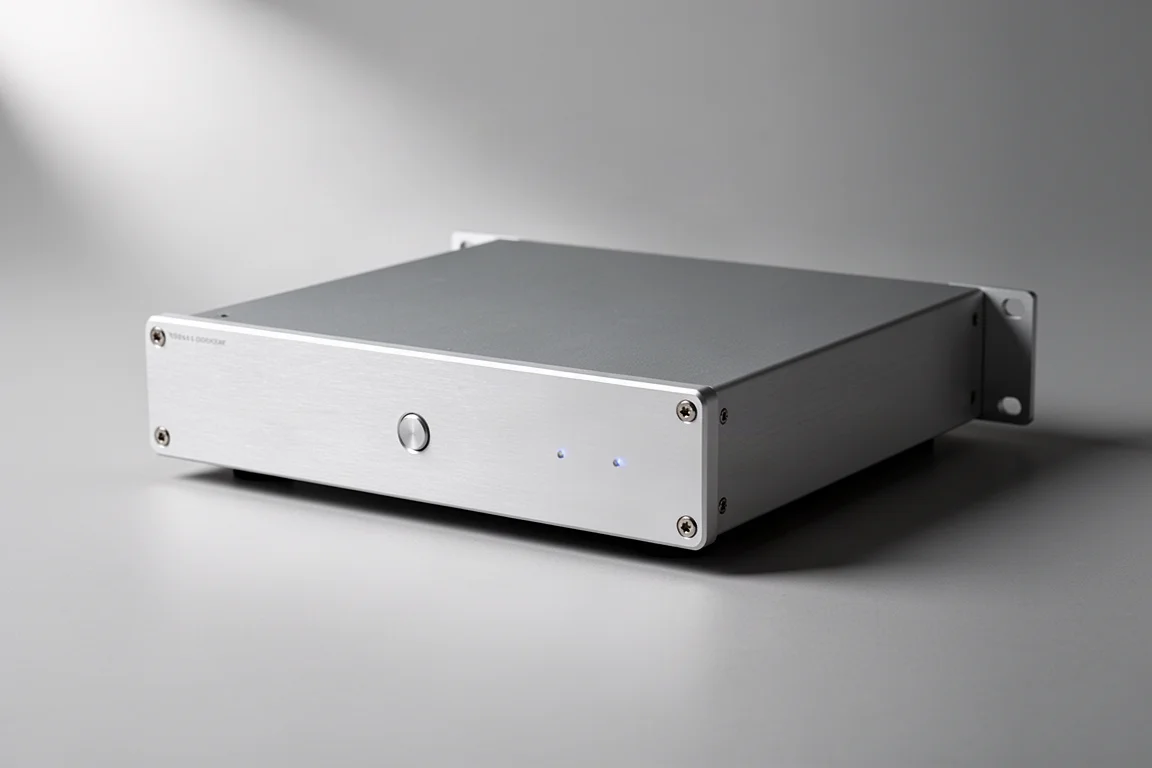
The Pontus II is the heavier and more ambitious of the two. It weighs 11.2 kilograms, or about 24 pounds, which is more than many amplifiers. Inside, the power supply is encapsulated and low noise, isolated from the rest of the circuit, and the unit receives more attention to reclocking. Those choices are the most plausible explanation for the step up in sound.
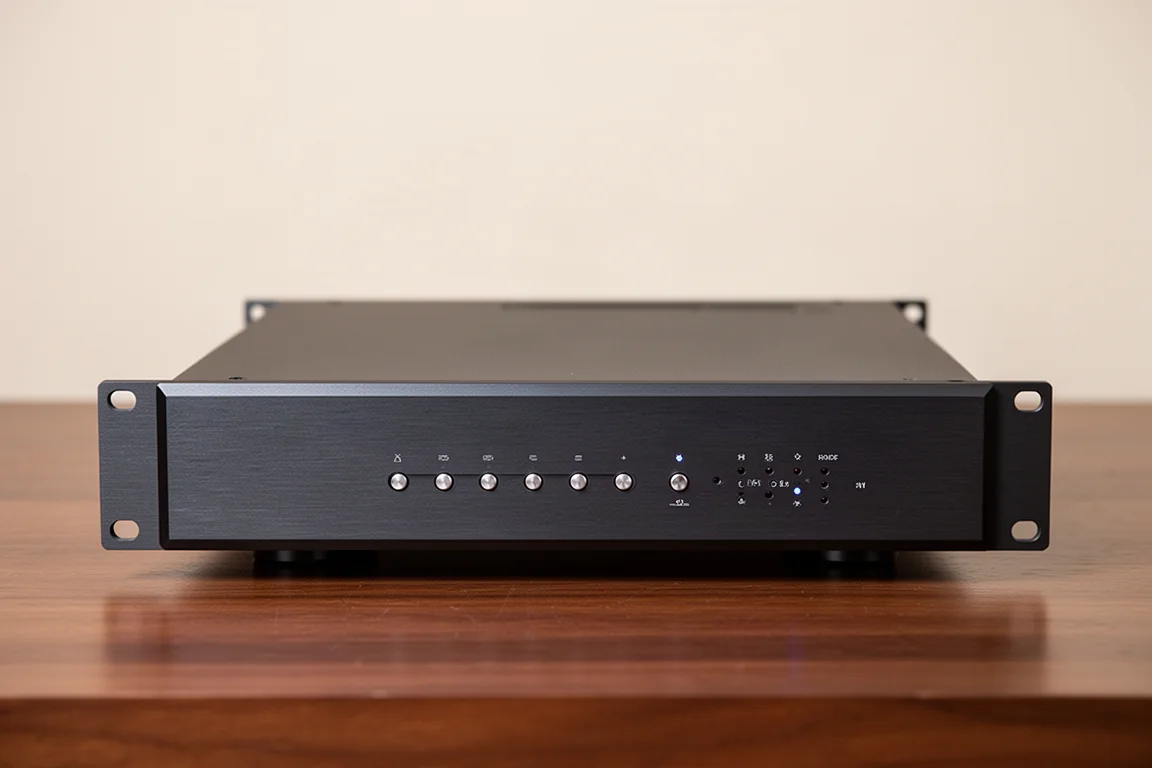
The top panel stays simple: a power button, up and down input selectors, a phase control, an oversampling and non-oversampling mode, mute, and a mode button. There are only a couple of roll-off settings, far fewer than the delta-sigma designs that offer extensive filter menus. Denafrips suggests leaving the unit powered on rather than switching it off between sessions.
On the back, the Pontus II provides USB, an I2S input on an HDMI-style connector, one optical input, two AES inputs, one coaxial input, and one BNC coaxial input, alongside single-ended RCA and balanced outputs. The AES inputs carry a balanced digital signal, two copies 180 degrees out of phase so that introduced distortion cancels out, which is why they appear in professional audio over long cable runs. The I2S connector uses an HDMI cable but carries no video, and because there is no universal standard for it, matching the pinout of the source to the pinout of the DAC matters. Both AES and I2S are specialist connections that many home listeners will never use.
Denafrips Ares II: The Everyday Favorite
The Ares II is the smaller sibling at 3.5 kilograms, or about seven pounds, and roughly $700. It uses the same discrete resistor approach and the same PCM support as the Pontus II, up to 24-bit/192 kHz with higher rates over USB.
Its appeal is not only price. The Ares II has a way of flattering whatever it is connected to, taking speakers that sound a little hard and smoothing them out, or waking up speakers that sound dull. Moving up from a basic converter to the Ares II brought a noticeable increase in soundstage for many listeners, and it remains a reference point that is hard to beat without spending considerably more.
On the back, the Ares II provides two optical S/PDIF inputs, two coaxial inputs, and a full-size USB input, along with single-ended RCA and balanced outputs. There is no Bluetooth, no volume control, and no remote.
Connectivity and Usability in Practice
This is where the two units diverge most for real-world buyers. The Pontus II has more inputs, but a large share of them are specialized: two AES, one I2S, and one BNC coaxial. Set those aside and you are left with a single optical input, a single USB input, and a single coaxial input. For anyone who runs more than one optical source, that is a genuine limitation.
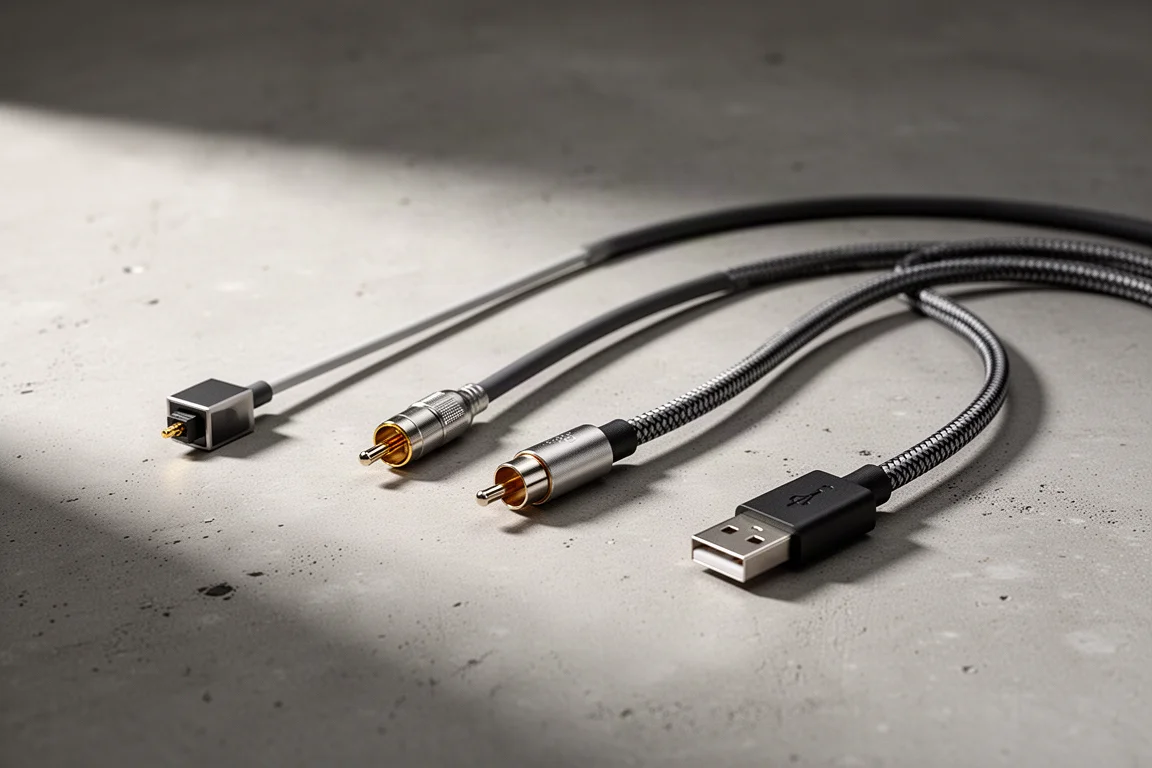
The Ares II takes the opposite approach. Two optical inputs and two coaxial inputs cover the way most people actually connect their gear, with a standard full-size USB input alongside them. On a features-per-dollar basis, and for everyday usability, the smaller converter is often the more practical choice.
Diminishing Returns and System Matching
The Pontus II is the better converter. Instruments are more clearly defined, more firmly placed in space, and the overall presentation is cleaner while staying balanced and sweet. Next to the Ares II the difference is slight but audible on a resolving system, similar to cleaning a smudged window: everything that was already good becomes a little clearer.
It is not, however, twice as good. The Pontus II does not deliver double the musical experience for double the money, and on a modest system the gap narrows further. Place it in front of an entry-level amplifier and a budget pair of speakers and much of what it does will be lost. Give it a capable preamplifier, power amplifier, and speakers, and the extra resolution has somewhere to go.
Buying Advice: Which DAC Makes Sense
Choose the Ares II if you want most of the R2R character at roughly $700, if you rely on optical and coaxial inputs, or if you would rather put the difference toward the rest of the system. It fits the widest range of setups and remains the easier recommendation.
Choose the Pontus II if your sources already use AES, I2S, or BNC, if you want the encapsulated power supply and the additional reclocking, and if the rest of your chain is resolving enough to reveal the difference. If your sources are ordinary optical, coaxial, and USB, those extra inputs will sit unused.
One practical note on pricing: distributor pages in some regions quote these units in Singapore dollars, which makes both look far more expensive than they are. Switching the currency at the top of the page shows the equivalent in your own market, where the Pontus II and the Ares II are considerably more affordable.
Conclusion
Both converters come from the same design philosophy and share far more than they differ on. The Pontus II is the cleaner, more resolving option, with a beefier encapsulated power supply and a back panel aimed at specialist digital sources. The Ares II delivers much of the same musical character for roughly $700 and connects the way most systems actually need.
If your chain is ready for the extra resolution and your sources match its inputs, the Pontus II earns its place. For almost everyone else, the Ares II is the smarter purchase.
Further reading
Related Reviews
DACs
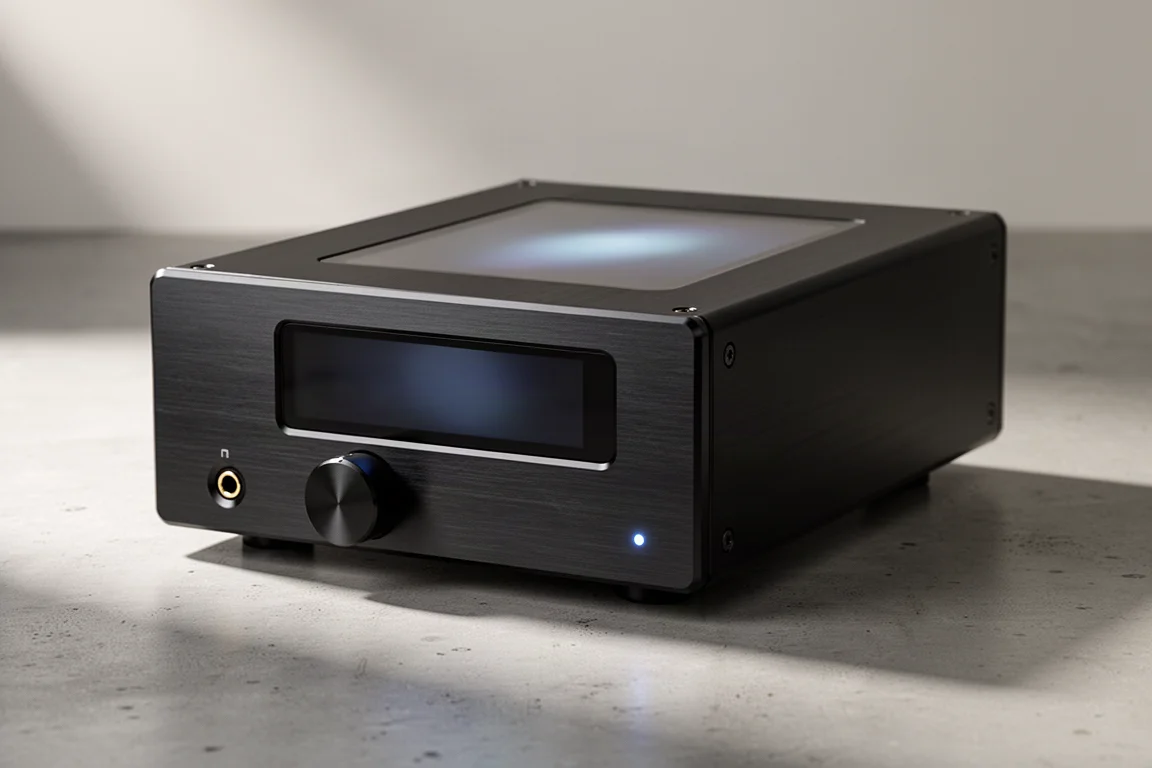
Eversolo DAC-Z10 Review: A Feature-Packed DAC and Preamp in One Box
A close look at the Eversolo DAC-Z10, a $1,980 converter and preamp with a configurable touch display, a very wide input selection, and refined sound.
DACs
Geshelli Labs Torque DAC Review: A Modular Converter That Changes With Your System
A close look at the Geshelli Labs Torque, a US-made modular DAC that lets you swap converter boards and output modules instead of replacing the whole unit.
DACs
Gustard X30 Review: A Delta-Sigma DAC That Narrows the Gap to R2R
A full-width desktop DAC built around four ESS ES9039 Pro chips, a custom filter engine and an oven-controlled clock, with the measured noise floor to match.