Hi-Fi Amplifiers
SMSL PA200 Review: A Compact GaN Amplifier That Sounds Much Bigger Than It Looks
A $419 GaN stereo amplifier with 85W per channel, monoblock flexibility and a transparent, dynamic sound that avoids the usual class D glare.
Introduction
The SMSL PA200 is a compact stereo amplifier priced at around $419, and it carries a claim that is difficult to ignore at this level: its output stage is built around GaN FET technology rather than the class D implementation usually found at this price. That distinction matters, because GaN amplifiers have historically been expensive, and the PA200 brings the approach into a far more accessible bracket.
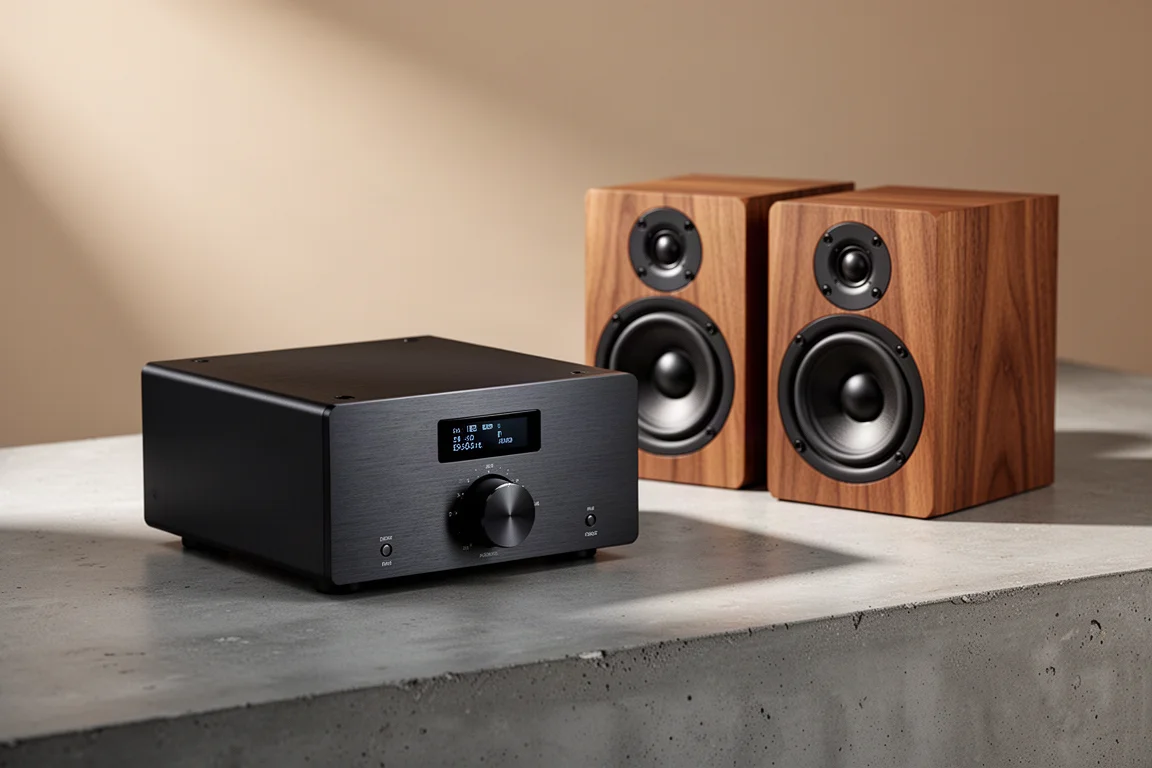
The first surprise is physical. The chassis is small enough to sit on a desk or vanish onto a shelf, and its clean, cut-metal appearance invites the assumption that the sound will be thin and lightweight. It is not. The PA200 delivers weight, punch and low-frequency extension that do not correspond to its footprint, and it does so without the upper midrange glare that makes many affordable class D designs tiring over long sessions.
For listeners who pay attention to measurements, the published figures for this amplifier are respectable, which is consistent with its GaN design. The more interesting story, however, is what happens once it is connected to real speakers in a real room.
Who This Amplifier Is For
This amplifier makes the most sense for listeners who want an open, clear and transparent presentation rather than a warm, thick one. It suits anyone building a compact desktop system who also wants the option of running the same amplifier in a proper stereo setup in a small to medium room.
It is also a natural fit for people with power-hungry speakers. A single unit is rated at 85 W per channel into 8 ohms and 160 W into 4 ohms, and the design is described as stable into low impedances such as 2 ohms. Two units can be run as monoblocks for 250 W into 8 ohms and 400 W into 4 ohms, which is enough headroom for a very wide range of speakers.
Finally, it appeals to listeners who like to pair a transparent solid-state amplifier with a tube preamplifier. That combination is where this amplifier tends to show its best side, producing an open, holographic presentation with a richer midrange.
Power, Architecture, and Real-World Output
Inside the chassis sits an Infineon GaN FET amplifier module paired with a switching power supply. This is the same broad family of technology used in far more expensive GaN designs, and the PA200 delivers a comparable character at a fraction of the cost.
Output is flexible by design. A single unit works as a stereo amplifier, and a pair can be configured as monoblocks for substantially more power. That flexibility means the same amplifier can start life on a desk and later move into a larger system without being replaced.
Driving demanding bookshelf speakers with plenty of dynamic range is well within its comfort zone, and the low-impedance stability gives it a useful margin with speakers that dip hard. In practice, the power on tap is enough that the amplifier rarely feels like the limiting factor in a small to medium room.
Sound Character: Transparent Without the Edge
The defining quality here is openness. The PA200 sounds clear, transparent and airy, and it has a way of making a system feel as though a layer has been lifted away. Soundstage depth and width both benefit, which in turn gives a good DAC room to show off its layering.
Dynamics are a genuine strength. Bass has heft, extension and punch, and transients land with conviction rather than being rounded off. Compared with more expensive GaN designs, the presentation sits slightly brighter, but the treble is refined enough that this does not translate into fatigue. It stays smooth and extended rather than sharp or shouty.
The harder trick, and the one that separates this amplifier from most affordable class D designs, is balance. It manages to be clearly transparent and clear without becoming forward or aggressive. That combination is rare at any price, and it is the main reason the PA200 feels like a meaningful step up rather than a sideways move.
Speaker Matching and System Pairing
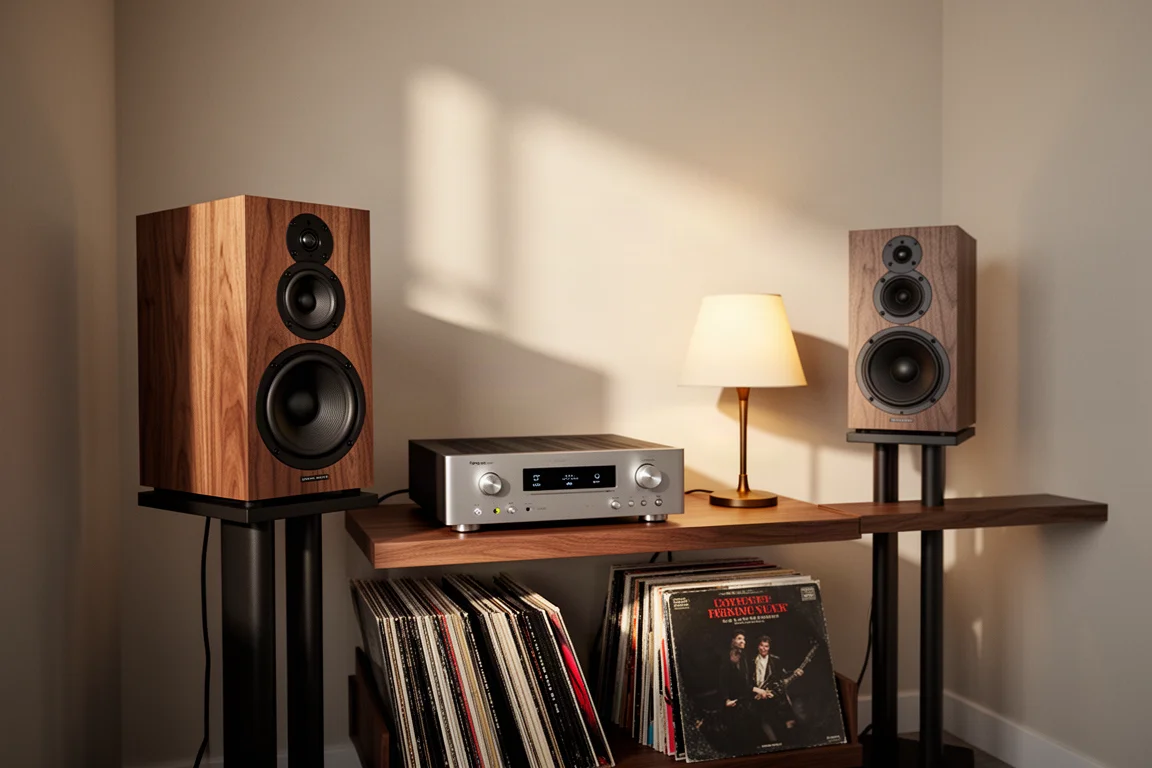
The amplifier rewards careful matching. Speakers with a warmer, richer tonal balance benefit most, because the added openness and clarity offsets that warmth without stripping away texture. Box speakers that can sound slightly closed off at the top end open up noticeably, retaining their body while gaining air and space.
Bright speakers are the one pairing to approach with caution. If a tweeter already leans forward, the PA200’s brighter tilt can push a system further than most listeners will want. With a refined tweeter, however, the top end stays smooth, extended and airy.
A tube preamplifier in front of the PA200 is a particularly effective combination. It adds midrange richness and a holographic quality while keeping the clarity and openness that make the amplifier appealing in the first place. The result is a system that feels considerably more expensive than the sum of its parts.
Things to Consider Before Buying
The tonal balance is the first thing to weigh. This amplifier leans brighter than some of its direct rivals, so it is best suited to systems that need more openness rather than more warmth.
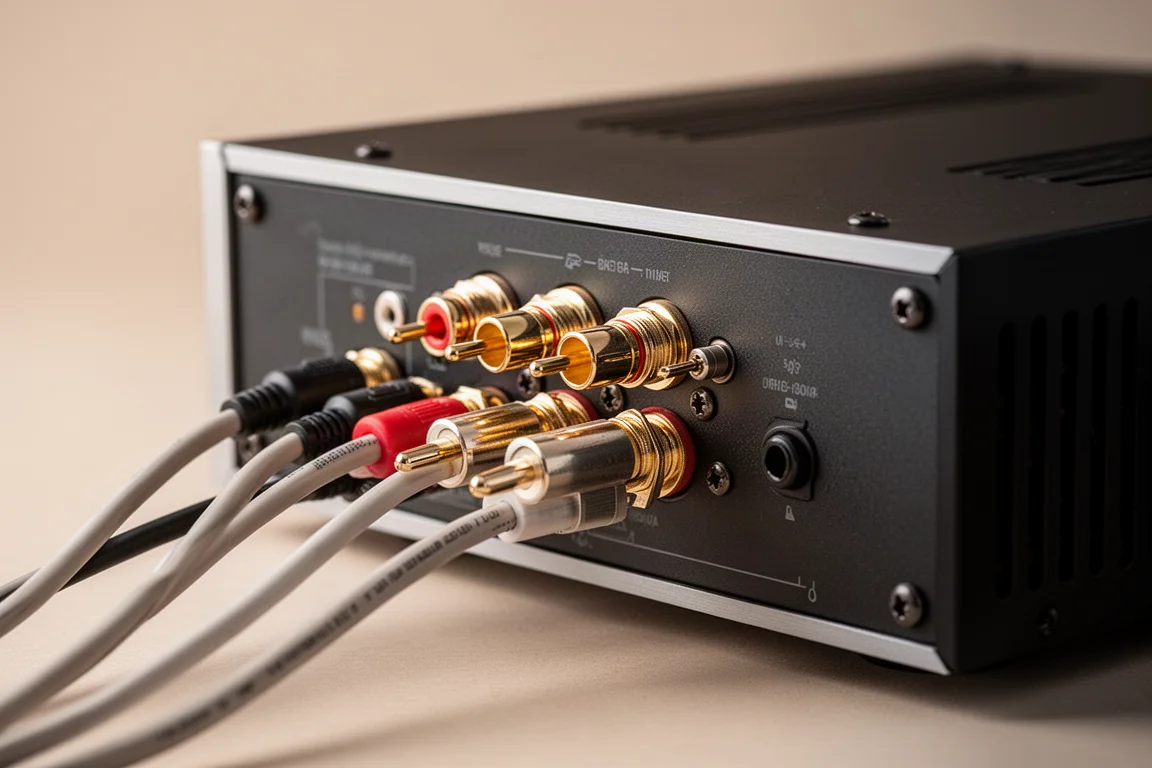
Build quality is strong overall, with a metal chassis and a well-finished control dial, but the speaker binding posts are the one component that feels ordinary and largely plastic. It is a cosmetic and tactile compromise rather than a functional one.
It is also worth reading the power figures carefully. The higher 250 W and 400 W ratings apply when two units are used as monoblocks, not to a single stereo unit. Buyers who want that headroom should plan for a pair from the start.
Living With the PA200 Day to Day
In daily use the PA200 is easy to live with. It works well on a desktop, where its small footprint keeps the space tidy, and it works just as convincingly in a stereo setup, which is not always true of compact amplifiers aimed at nearfield listening.
Its size opens up another practical use case: home theatre. Multiple units can be used to power individual channels, and because each one is small enough to tuck behind or beside a speaker, a centre channel or surround speaker can be fed serious, clean power without a large multi-channel chassis. Most AV receivers do not deliver anything close to 400 W into 4 ohms, so a stack of these amplifiers can transform a system for far less than a premium multichannel amplifier.
The design also happens to look good in a living space, which is a real consideration for equipment that sits in plain sight.
Buying Advice
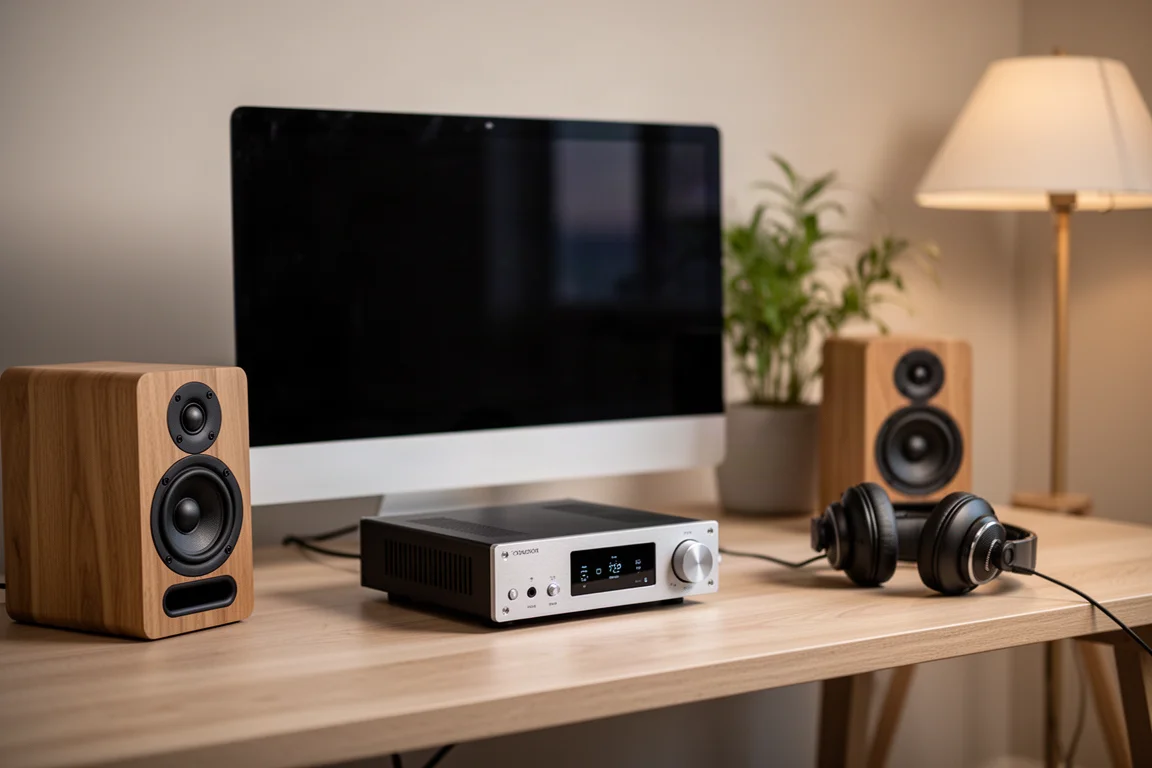
At around $419, the PA200 is priced well below the GaN amplifiers that established this technology, yet it delivers the transparency, dynamics and refinement that make the format appealing. For listeners who want more soundstage, more openness and better layering from the speakers and DAC they already own, it is an easy recommendation.
Matching matters more than the price tag. Pair it with neutral or slightly warm speakers, consider a tube preamplifier, and avoid speakers that are already bright. If the description of a clear, dynamic, refined sound matches the direction you want your system to move in, this amplifier is worth serious consideration.
Buying from a vendor with a straightforward return policy is the sensible approach with any amplifier, since room and speaker interactions vary so much. That way, a system that does not gel can be returned without friction.
Conclusion
The SMSL PA200 is a compact amplifier with a genuinely large sound. Its GaN FET output stage, flexible stereo and monoblock operation, and low-impedance stability give it real versatility, while its transparency, dynamics and refined top end set it apart from typical class D designs at this price. The slightly brighter tonal balance and the ordinary binding posts are the trade-offs to accept. Get the speaker matching right, and it delivers a level of performance that makes its price look like a rounding error.
Product link
View more details for SMSL PA200
This product is mentioned in the review. Check the specifications, options, and compatibility before buying.
View more details for SMSL PA200Further reading
Related Reviews
Hi-Fi Amplifiers
Accuphase E-280 Review: Entry-Level Accuphase With Flagship Attention to Detail
A close look at the Accuphase E-280 integrated amplifier, covering its champagne build, AAVA volume control, sound quality, and the speakers and sources that suit it best.
Hi-Fi Amplifiers
Advance Paris A10 Classic vs Yamaha A-S301: Two Integrated Amplifiers Compared
A practical comparison of a $350 integrated amplifier and a $2,500 reference model, covering the differences that matter and the ones that do not.
Hi-Fi Amplifiers
Affordable Chinese Amplifiers Worth Buying: Five Budget Hi-Fi Amps Compared
A practical look at five affordable amplifiers, what each one does well, and the trade-offs to weigh before you buy.