Desktop Audio
SMSL M500 Mark III vs EverSolo DAC-Z8: Two Desktop DACs Compared
A practical comparison of two desktop DACs with built-in headphone amps, covering connections, headphone drive, sound character, and which one fits your system.
Introduction
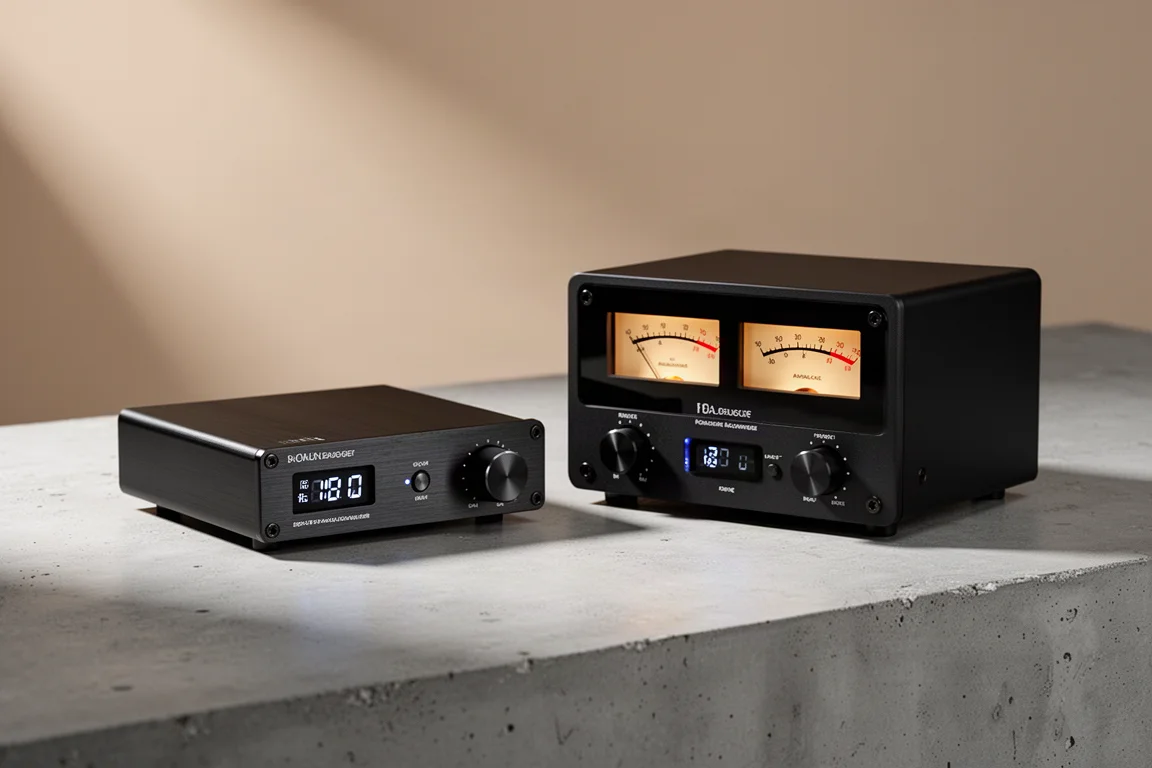
Two desktop digital to analog converters, both with built-in headphone amplifiers, both with a similar set of connections, and both built around the same ESS Sabre conversion chip. That last detail is what makes this comparison worth reading: identical silicon does not guarantee identical sound.
The M500 Mark III sits at roughly $450, while the EverSolo DAC-Z8 lands closer to $699. That price gap shapes the decision, but it is not the whole story. One of these units is the stronger headphone partner, and the other is the more flexible and more revealing component.
What These Two Desktop DACs Have in Common
Both are desktop-sized components rather than pocket devices. Each offers balanced outputs alongside single-ended RCA outputs, a full-size optical input, a coaxial input, Bluetooth reception, and an internal power supply, so neither requires an external power brick.
They also share the same ESS Sabre conversion chip and the same OPA1612 op-amps in the analog stage. Two designs built around the same silicon can still diverge once the power design and output stage are taken into account, and that is exactly what happens here.
Each unit ships with a remote control. Both remotes are simple plastic handsets with similar shapes and button layouts, and neither feels like a premium accessory. If you plan to control the DAC from the sofa most evenings, expect a basic handset rather than a machined metal one.
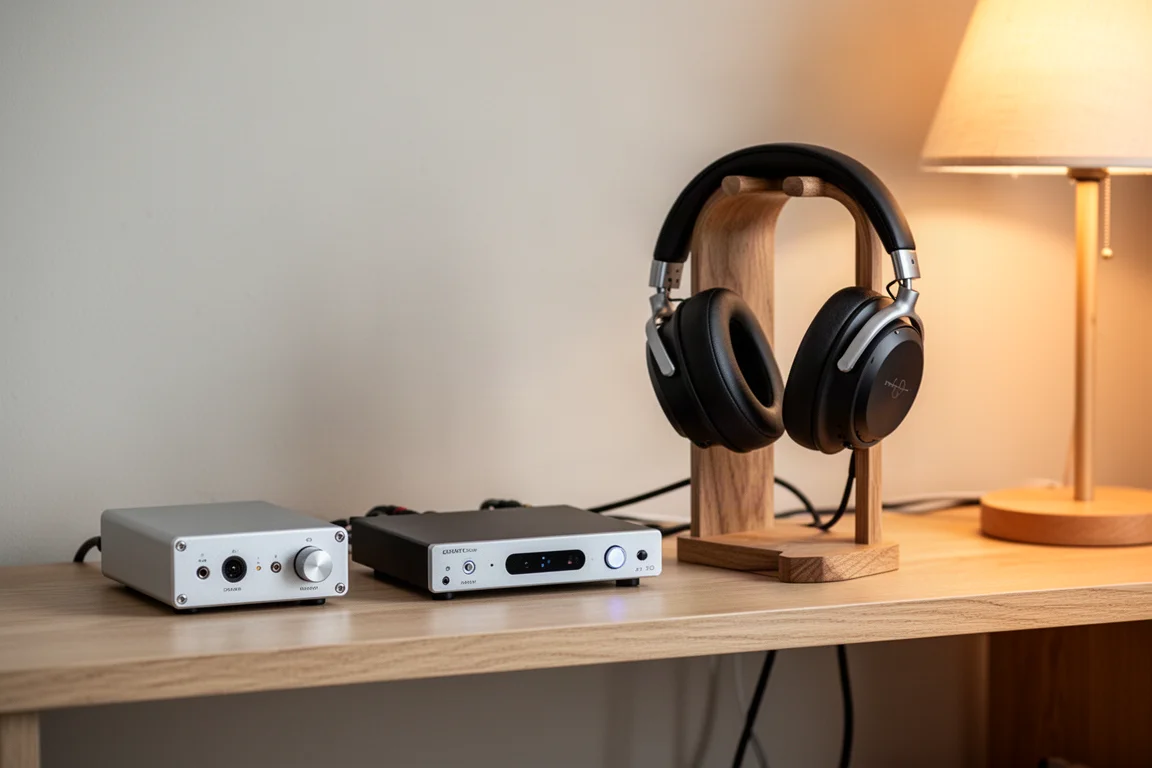
Sizing is another practical point. The M500 Mark III measures roughly 10.5 inches across, so it needs a real shelf or desk footprint. Neither unit is as large as a traditional full-width hi-fi component, which keeps both easy to place beside a computer or in a small listening setup.
SMSL M500 Mark III: Familiar Layout, Strong Output
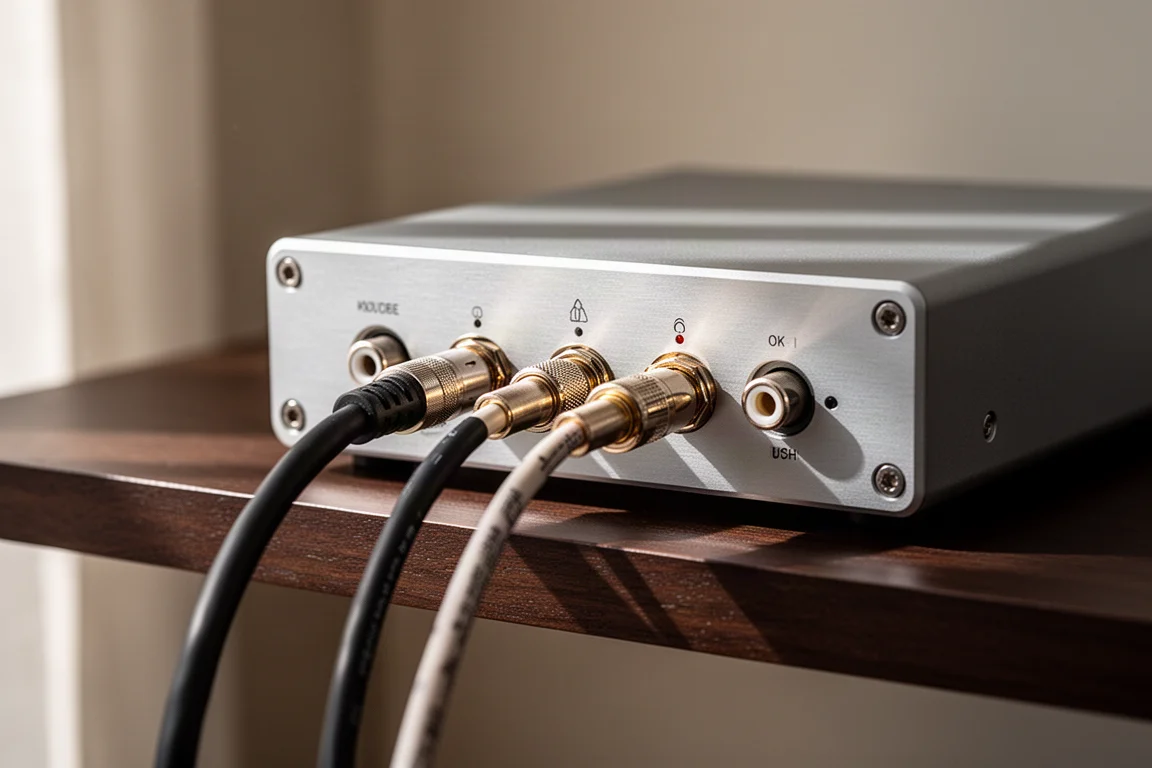
The M500 Mark III follows a layout that will look familiar to anyone who has used a desktop DAC in recent years. Around the back you get balanced outputs, single-ended RCA outputs, a full-size USB input, a full-size optical input, a full-size coaxial input, and a Bluetooth antenna. The power supply is internal.
The headphone amplifier is the headline number. It is rated at two watts per channel into 16 ohms, which is enough to drive demanding planar headphones without strain. In practice it handled a pair of closed-back planar headphones more easily than the other unit here, with headroom left over at normal listening levels.
Sonically it is a balanced, confident performer. Bass has weight, the midrange stays even, and the top end carries a small amount of extra brightness. That brightness is mild rather than sharp, and it may be possible to soften it using the filter and roll-off options in the menu, which were left at their stock settings for this comparison.
EverSolo DAC-Z8: More Inputs, More Presence
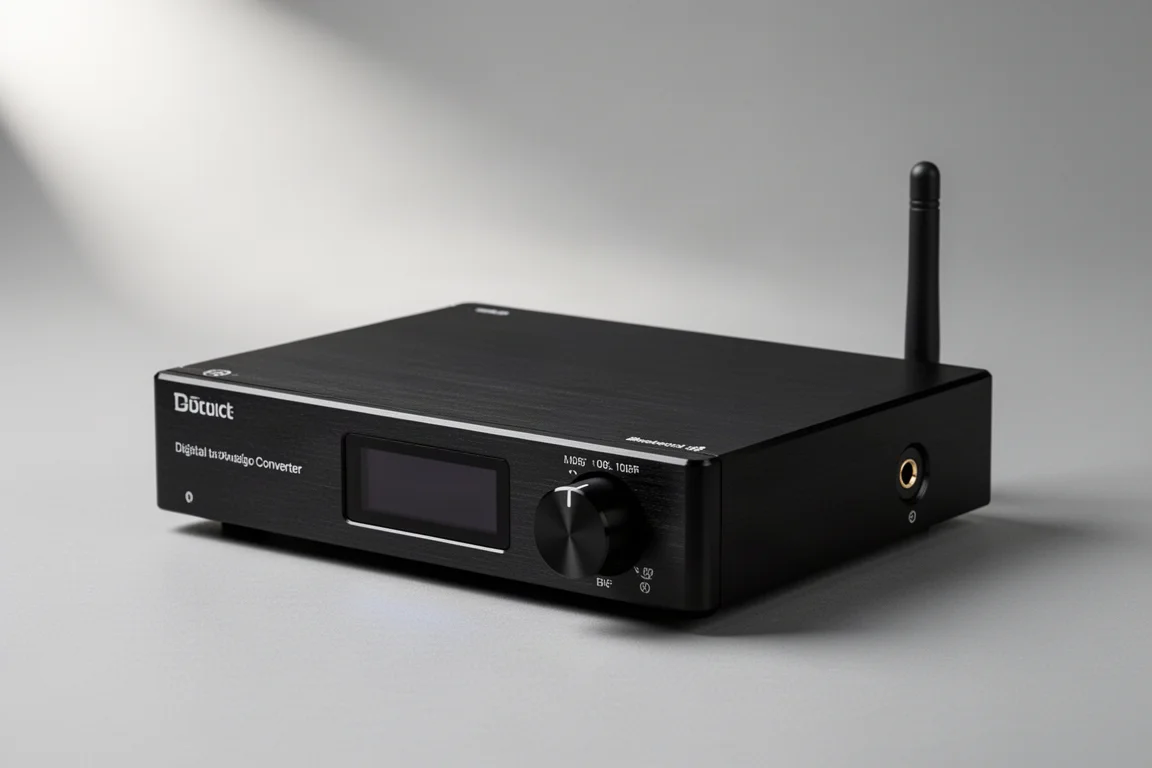
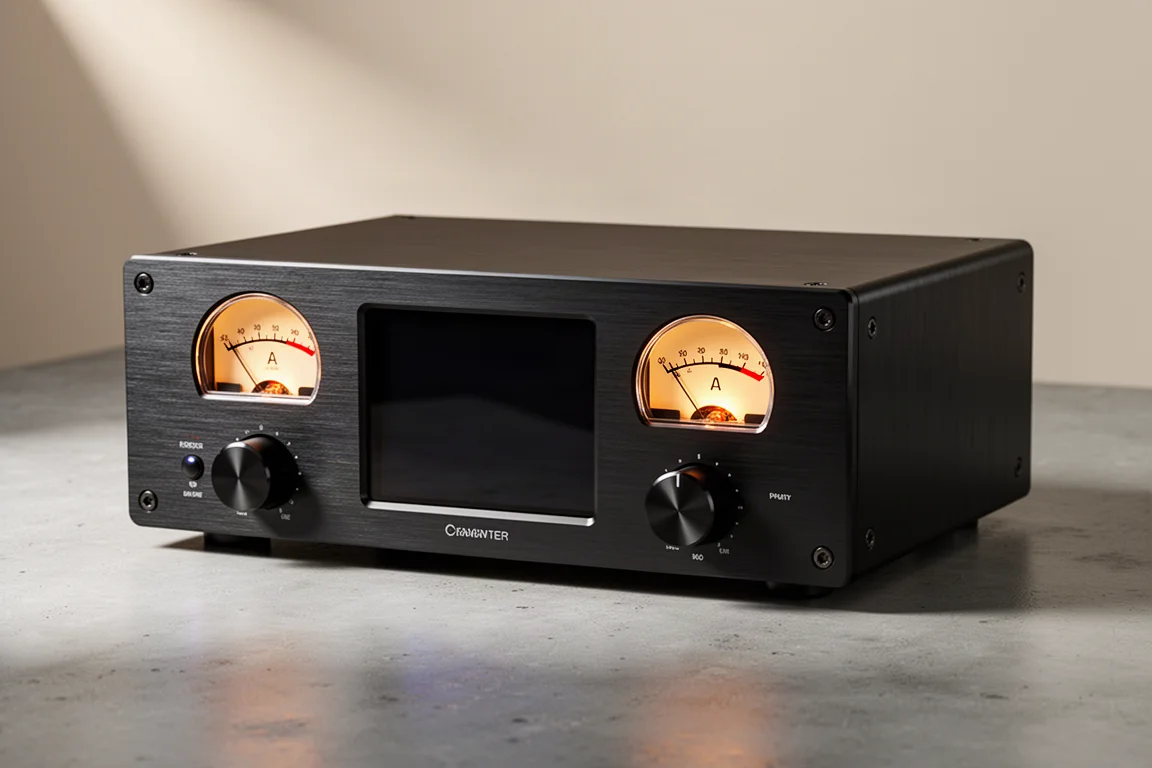
The DAC-Z8 feels denser and more substantial in the hand, and it makes a stronger visual statement. A large display dominates the front panel, and the casework suggests a more deliberate design effort than the M500 Mark III.
Connectivity is where it pulls ahead. Alongside balanced outputs, single-ended outputs, coaxial and full-size optical inputs, it offers two USB inputs: a standard USB input and a USB-C input, so two digital sources can stay connected at the same time. There is also a port set aside for firmware updates, plus Bluetooth and an internal power supply.
Headphone output includes high and low gain settings and is specified to drive headphones between 16 and 300 ohms. A companion app adds phone-based control, and MQA files are supported. The unit also renders VU meters on screen, a cosmetic touch that nonetheless makes a listening session feel more alive.
Inside, the power design uses a switching supply and the analog stage uses the same OPA1612 op-amps found in the M500 Mark III. On paper the two are close. In daily use, the extra inputs, the app, and the display are what separate them.
Headphone Amplifier Performance Compared
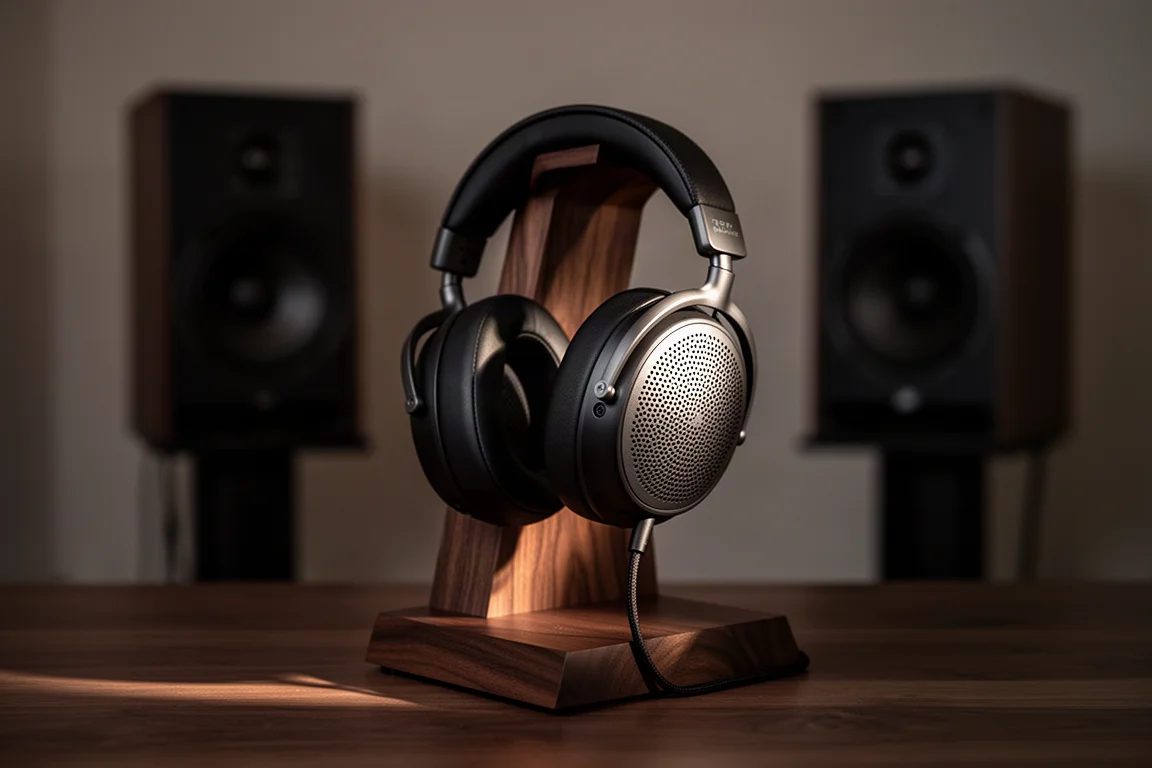
Headphone drive is the clearest practical difference between the two. The M500 Mark III delivered more authority with harder-to-drive planar headphones, which needed less volume travel to reach a comfortable level and felt more controlled when pushed.
The DAC-Z8 had no trouble with easier loads. It drove a pair of open-back planar headphones without complaint, and for most dynamic headphones it will be more than adequate. The limitation only appears with low-sensitivity planars, where the M500 Mark III simply has more in reserve.
If headphones are your primary way of listening, that gap deserves weight. If the DAC-Z8 will mostly feed a preamp or an integrated amplifier, the headphone output becomes a convenience rather than a deciding factor.
Sound Quality and Instrument Separation
The two units share a converter chip, yet they do not present music the same way. The M500 Mark III sounds balanced and full, with a touch of brightness at the top and a generous low end.
The DAC-Z8 is the more revealing of the two. Instruments separate more cleanly, depth is easier to follow, and individual performers occupy clearer positions in the mix. There is a slight brightness at the top here as well, though the menu and filter options may allow some adjustment.
Neither unit is a dramatic departure from the other, and both are capable converters. The difference is one of presentation: the M500 Mark III leans toward weight and drive, while the DAC-Z8 leans toward space and layering.
For listeners who value imaging and a sense of the recording space, the DAC-Z8 has the edge. For listeners who want a full, energetic sound with strong headphone output, the M500 Mark III holds its own.
Buying Advice: Which DAC Suits Your System
Choose the M500 Mark III if headphones matter most, if you want to spend less, and if you prefer a layout you already understand. It is a strong all-rounder at around $450, and its headphone amplifier gives it a genuine advantage with demanding planars.
Choose the DAC-Z8 if you want two USB inputs, app control, MQA support, a larger display, and the better sense of instrument placement. At around $699 it costs more, and it asks you to accept a headphone amplifier that is good rather than exceptional.
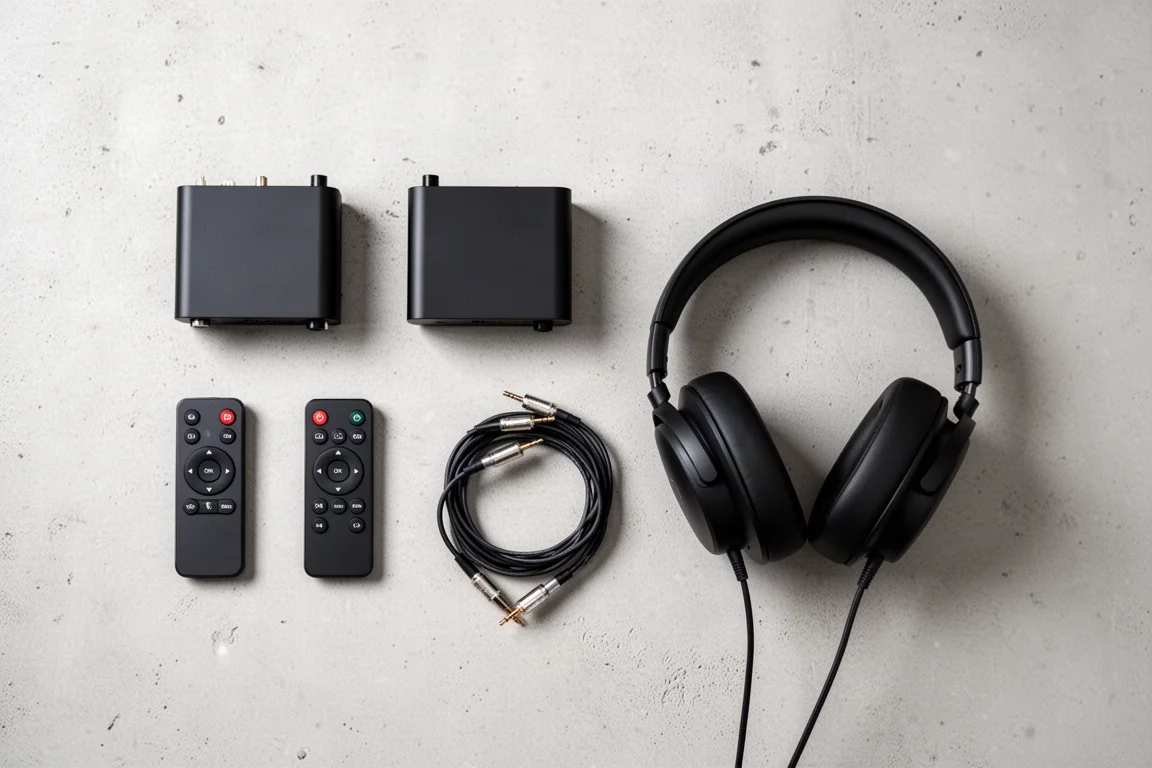
A few considerations apply to both. Neither remote feels premium, so plan on using the front panel or an app for everyday control. Both rely on internal power supplies, so neither needs an external brick. And because both offer multiple filter and roll-off settings, the sound you get depends partly on how much time you spend in the menus. Stock settings were used for this comparison, which means there may be more to extract from either unit with careful setup.
Conclusion
These are two capable desktop DACs with different priorities. The M500 Mark III is the more powerful headphone partner and the more affordable option. The DAC-Z8 is the more flexible and more revealing component, with better input options and a clearer window into the mix. Match the choice to your headphones and your sources, and either one will serve a small system well.
Further reading
Related Reviews
Desktop Audio
ADAM Audio D3V vs Kali Audio LP-UNF: Two $299 Desktop Monitors Compared
Two compact powered desktop monitors at the same price, compared on bass extension, linearity, placement settings, directivity, and realistic output limits.
Desktop Audio
Aiyima T9 Review: A Compact Tube Desktop Amplifier With a Built-In DAC
A budget desktop amplifier that pairs class D power with two tubes, a full DAC section, Bluetooth, tone controls, and a working VU meter.
Desktop Audio
Aune S9c Pro Review: A Weighty Desktop DAC and Headphone Amplifier With Real Power
A desktop DAC and headphone amplifier with a linear power supply, dual Sabre converters and five watts of balanced headphone output. Here is what to weigh before buying.