Hi-Fi Electronics
SMSL DL100 Review: A Sub-$200 DAC, Headphone Amp, and HDMI ARC Hub
The SMSL DL100 packs HDMI ARC, USB-C, optical, coaxial, and Bluetooth inputs into a compact DAC and headphone amplifier at around $180. Here is what it does well and where it falls short.
Introduction
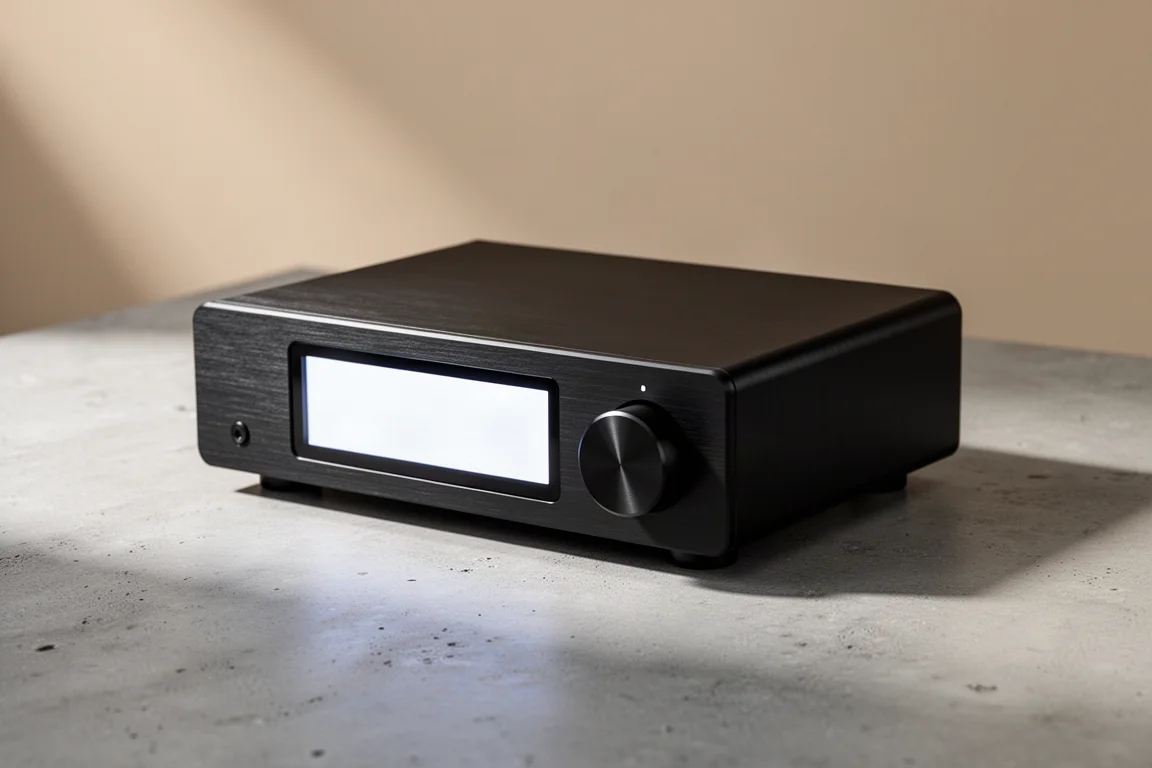
The SMSL DL100 is a compact desktop component that tries to do several jobs at once. It is a digital-to-analog converter, a headphone amplifier, and, with its remote control and adjustable output, a digital preamp. Pricing sits around $180, comfortably under $200, which is unusual for a device that also includes an HDMI ARC input.
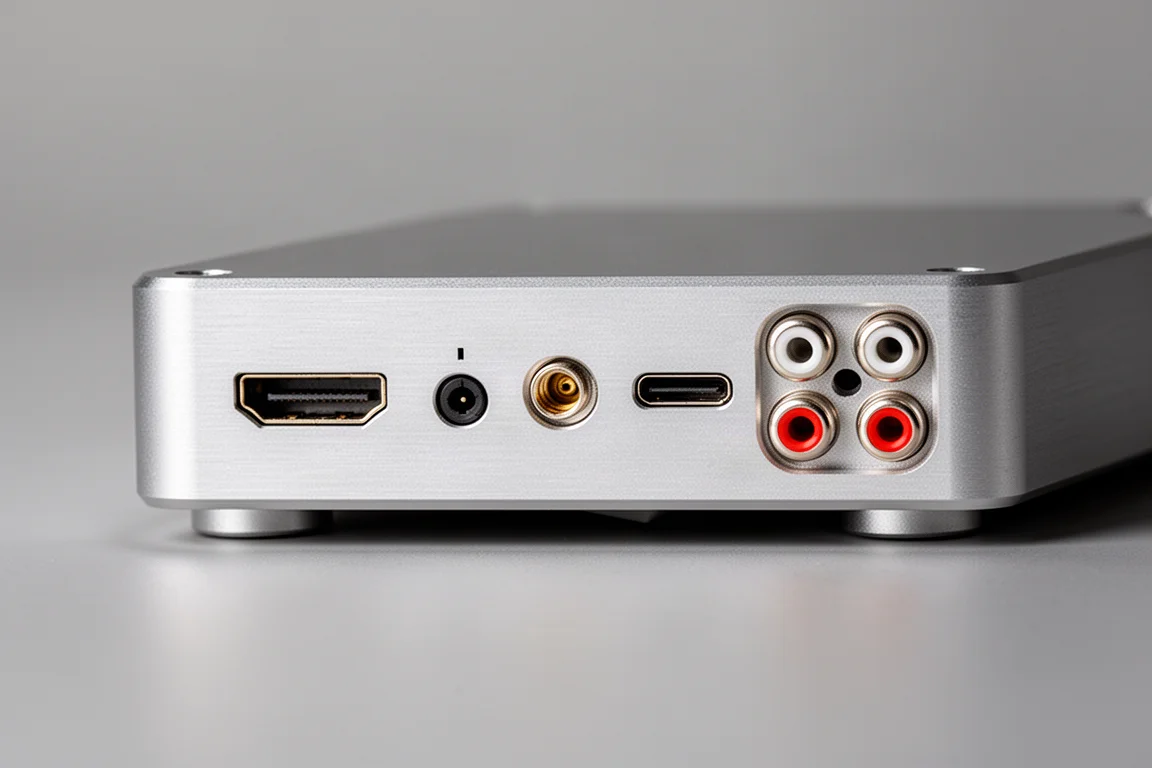
The connection list is the headline. Around the back you get balanced outputs, single-ended outputs, a coaxial digital input, an optical digital input, an HDMI ARC input, a USB-C input, and Bluetooth with LDAC, aptX, and aptX Adaptive support. The front panel carries a large display that stays readable from across a room, so the active input and the current volume are visible at a glance.
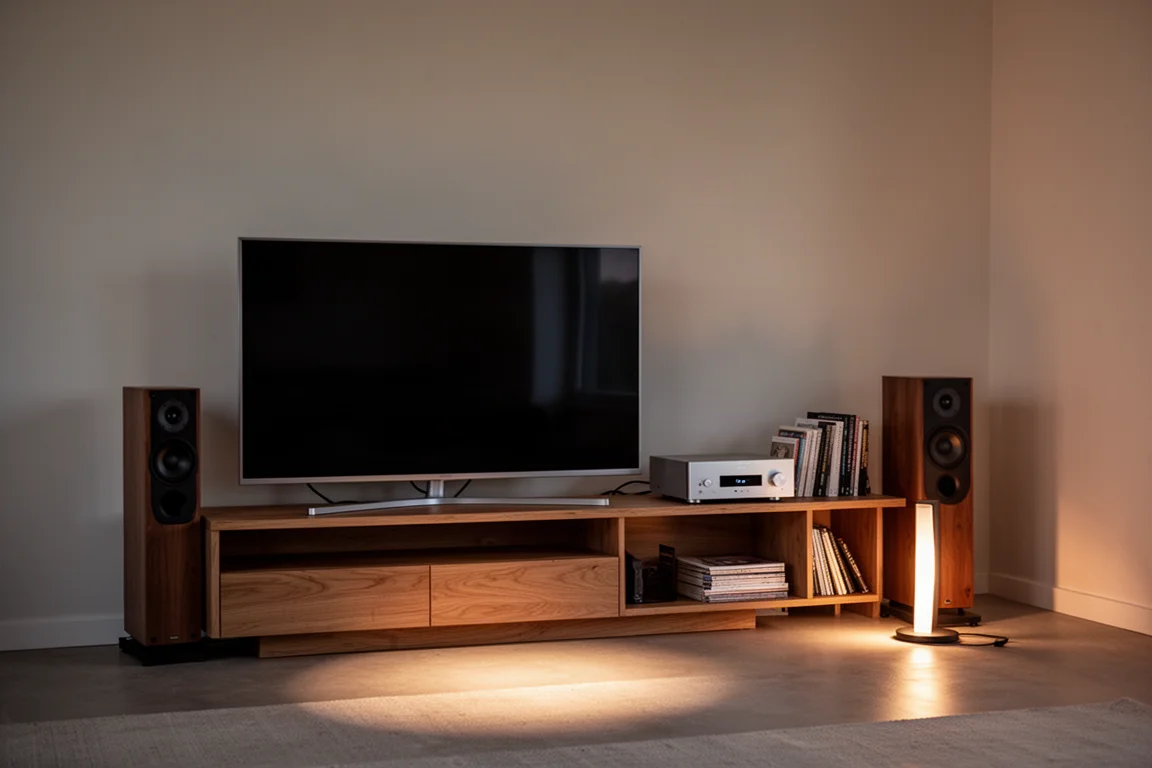
For anyone assembling a small system around a television, a computer, or a pair of powered speakers, that spread of inputs covers a lot of ground for the money.
Who the SMSL DL100 Is For
The DL100 makes the most sense in two kinds of setups.
The first is a television system. HDMI ARC lets the unit take audio directly from a TV and pass it to an amplifier, powered speakers, or a pair of active monitors, which makes it a credible alternative to a soundbar for listeners who already own decent speakers. Setup is essentially plug and play: connect the HDMI cable, select the input, and audio is available without configuration.
The second is a desktop or streaming setup. With USB-C, coaxial, optical, and Bluetooth inputs on hand, the DL100 can sit at the centre of a small system fed by a computer, a network streamer, or a phone. The remote control and variable output mean it can act as the volume stage for an amplifier or a pair of powered speakers rather than just a fixed-output converter.
Where it is less convincing is as a dedicated headphone listening station. The unit is marketed as a headphone amplifier and DAC combination, but listeners who mostly want to drive headphones from an easy chair may find that the headphone output is not the strongest reason to buy it.
Main Strengths: Inputs, Display, and Format Support
The feature set is genuinely broad for the price. SMSL lists three high-end OPA1612 op amps alongside a range of audio-grade resistors and capacitors, plus an audio clock processing circuit intended to reduce clock jitter. The unit carries Japan Audio Association high-resolution certification.
Digital support is extensive: DSD native up to 256, PCM up to 32-bit/768 kHz, and full decoding of MQA and MQA CD. Four Cirrus Logic CS43131 chipsets handle conversion, and SMSL quotes distortion figures of 0.000009% THD and -120 dB. Those numbers describe a very quiet, very clean signal path.
For headphone drive, SMSL claims 3 W into 16 ohms and 1.5 W into 32 ohms, without stating whether those figures are peak or RMS. In practice there is enough output to reach comfortable listening levels with harder-to-drive planar magnetic headphones without pushing the volume to maximum. There are no separate gain settings, so very sensitive in-ear monitors may not offer much usable range on the dial.
The display deserves a mention of its own. It is large, clear, and usable from a distance, which matters more than it sounds when the unit sits across the room and you want to confirm the input or the volume. Five DAC filter roll-off options are available, and there are two USB modes: a driverless mode and a mode that requires a driver but gives the computer more control. Local control is handled by pressing and turning the front knob, which cycles through the available settings in one direction only.
Things to Consider Before Buying
There is no subwoofer output. For a device with an HDMI ARC input, that omission is the most noticeable gap, because a TV-focused system often benefits from a subwoofer. Workarounds exist, including routing the balanced outputs into an amplifier that has its own subwoofer output, or feeding a subwoofer from the single-ended outputs, but a dedicated subwoofer output would have been the cleaner solution.
Volume behaviour over HDMI ARC is also worth knowing about. Audio plays correctly and arrives quickly enough in normal use, but there is a short delay before sound begins after the television is switched on, and volume changes made at the source do not always register on the DL100’s display even though the level does change.
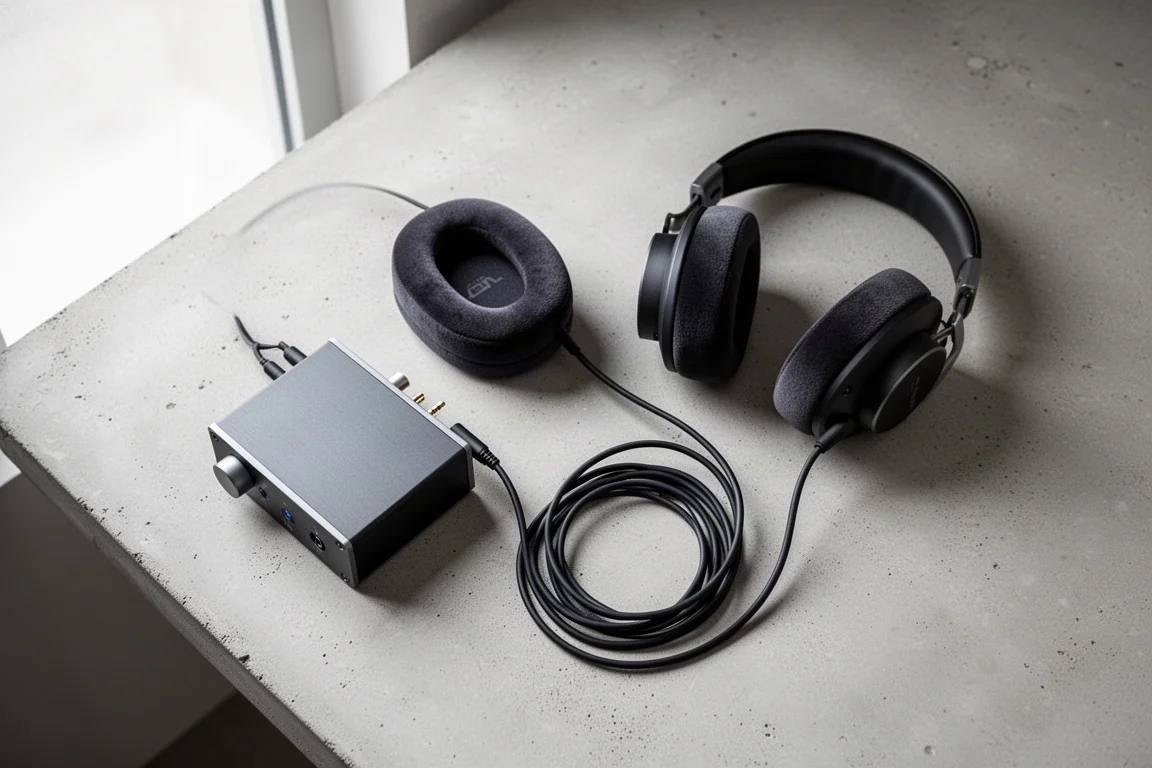
Sound quality is the bigger consideration. As a preamp feeding a TV system, the DL100 is clean and detailed, and its leaner tonal balance actually helps dialogue cut through. As a headphone amplifier it is a different story: the presentation is very detailed but also on the thin side, with limited weight in the low end and a slightly sterile character. Listeners who want warmth and body from a headphone output may prefer to look elsewhere, while those who value an ultra-clean, analytical sound may find it suits them well.
The headphone amplifier is built into the same Cirrus Logic chip that handles conversion. That integration is what makes an affordable all-in-one like this possible, but it also means the headphone stage is not the equal of a dedicated amplifier at the same price.
Buying Advice
Buy the DL100 for its flexibility rather than for any single function. If you want one compact box that can take HDMI ARC from a television, accept USB, coaxial, optical, and Bluetooth sources, provide balanced and single-ended outputs, and be controlled from a remote, there is very little at this price that covers the same ground. The HDMI ARC implementation in particular is uncommon in this bracket, and it works reliably.
If headphone listening is your priority, weigh the alternatives. The SMSL DL200, the DL100’s larger sibling, has the advantage on headphone sound and uses a different converter chip, though it does not offer an HDMI ARC input. The SMSL M300 SE costs less at around $130 and also skips HDMI, but it includes balanced outputs and covers many of the same bases. For television audio on a very tight budget, a simple HDMI-to-optical converter such as the SMSL PS100 at roughly $30 to $50 will get the job done, though it will not match the DL100’s refinement.
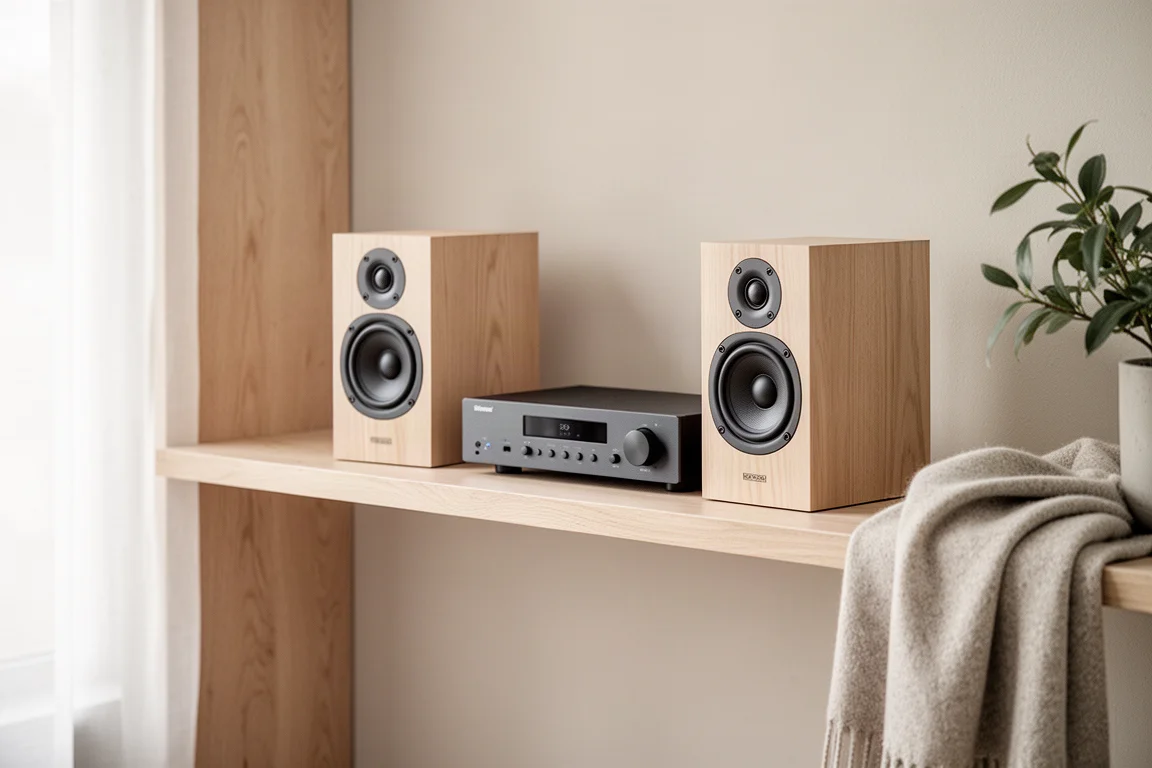
The practical way to decide is to start with the source. If the main job is getting television audio into a proper speaker system with a minimum of boxes and cables, the DL100 is a strong fit. If the main job is serious headphone listening, the same money may be better spent on a dedicated headphone amplifier.
Conclusion
The SMSL DL100 is a jack of many trades and a master of few. It handles HDMI ARC, USB, coaxial, optical, and Bluetooth sources, offers balanced and single-ended outputs, includes a readable display and a remote, and supports high-resolution PCM, DSD, and MQA, all for around $180. As a compact hub for a television or desktop system, that combination is hard to beat at the price. As a dedicated headphone amplifier it is competent rather than compelling, with a clean but lean character that will not suit every listener. Buy it for what it can connect, and it makes a great deal of sense.
Product link
View more details for SMSL DL100
This product is mentioned in the review. Check the specifications, options, and compatibility before buying.
View more details for SMSL DL100Further reading
Related Reviews
Powered Speakers
AbramTek X50 Review: Powered Speakers With Real Bass and a Full Feature Set
The AbramTek X50 pairs a phono preamp, HDMI ARC, optical, and Bluetooth with genuinely capable sound. Here is what it does well and what to check before buying.
Hi-Fi Audio
Affordable Hi-Fi Upgrades Worth Doing: Four Practical Improvements
Four affordable hi-fi upgrades, from a dedicated DAC to speaker isolation and a proper phono stage, with notes on what each one actually changes.
Hi-Fi Accessories
Five Affordable Hi-Fi Upgrades to Modernize a Vintage or Budget System
Five inexpensive add-ons that bring HDMI, extra inputs, phono support, and CD playback to a modest hi-fi setup.