Hi-Fi Audio
Affordable Hi-Fi Upgrades Worth Doing: Four Practical Improvements
Four affordable hi-fi upgrades, from a dedicated DAC to speaker isolation and a proper phono stage, with notes on what each one actually changes.
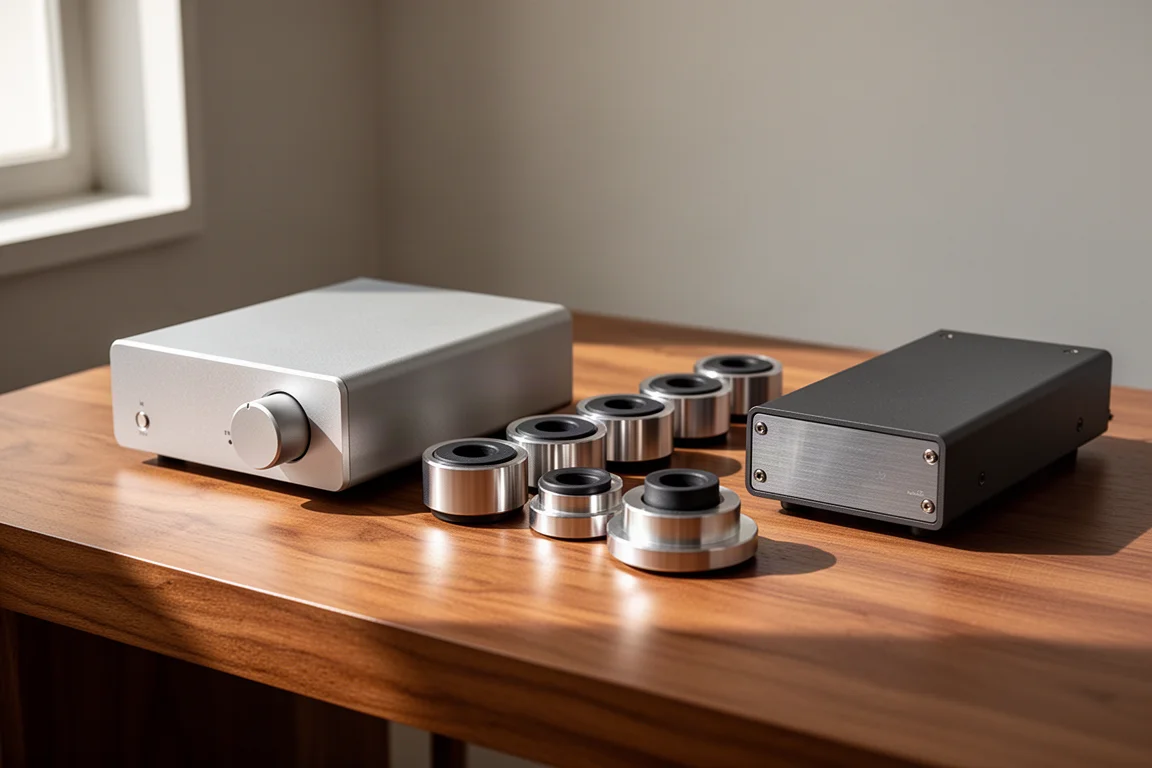
Introduction
A handful of small, affordable changes can meaningfully improve how much you enjoy your system, and most of them cost far less than a new amplifier or a new pair of speakers. Some of these upgrades are pieces of equipment, some are accessories, and one is simply a different way of thinking about the hobby.
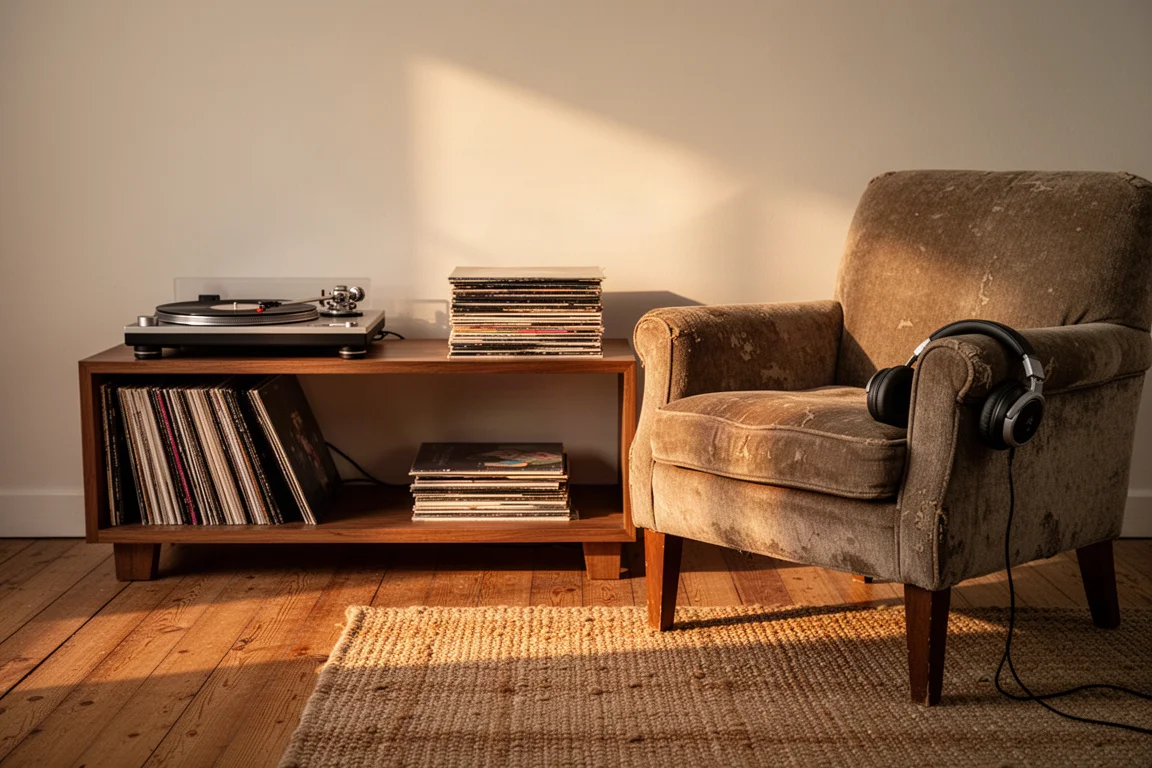
The four products below cover the upgrades that tend to pay off fastest: a dedicated digital-to-analog converter, a set of speaker isolation pucks, and two external phono stages at different price points. Between them they address the two most common weak links in a modest system, digital conversion and vinyl playback, plus the vibration that quietly works against both.
Why These Upgrades Are Worth Doing
Not every tweak deserves your money. Three questions sort the useful ones from the rest. First, does it address a weak link rather than duplicating something your system already does well? Second, is the cost proportionate to the improvement you actually hear? Third, does it make the system more enjoyable to use day to day, not just marginally different in a quick comparison?
That last point matters more than it sounds. Most people believe they want better sound, but what they are really chasing is a better experience, and a system that is tidy, visible and pleasant to interact with tends to get used more often. That is why cable tidiness and display earn a place on this list alongside converters and phono stages.
A Dedicated DAC: SMSL SU-1
Most listening today happens in the digital domain, and the converter built into an integrated amplifier is usually an afterthought. Manufacturers have to hit a price, so the converter chip and the circuitry around it are often where the compromise lands. An external converter takes that job out of the amplifier and gives it a dedicated chassis, a dedicated power supply and a shorter signal path.
The usual objection is that a converter is just ones and zeros. That is only half the story, because a digital-to-analog converter also contains analog output circuitry and power supplies, and those are exactly the parts that shape what you hear. In practice the differences range from subtle to obvious, and the most common gains are clarity, instrument separation and a more even overall tonality. It holds true even for listeners streaming at lower quality, where a better converter still tends to make everything sound more composed.
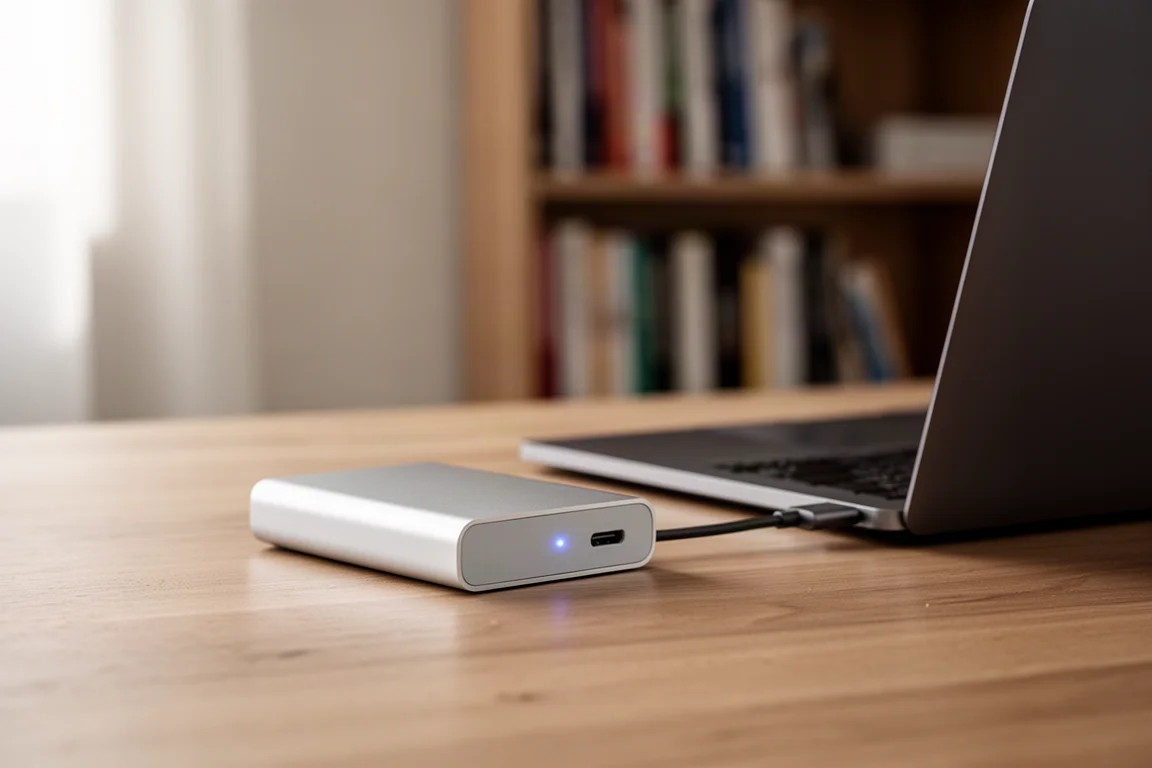
The SMSL SU-1 is a sensible starting point because it sits around the hundred dollar mark, which makes it one of the cheapest meaningful upgrades in this list. Buy it somewhere with a return policy so you can compare it against your amplifier’s internal converter at home and send it back if the difference does not convince you.
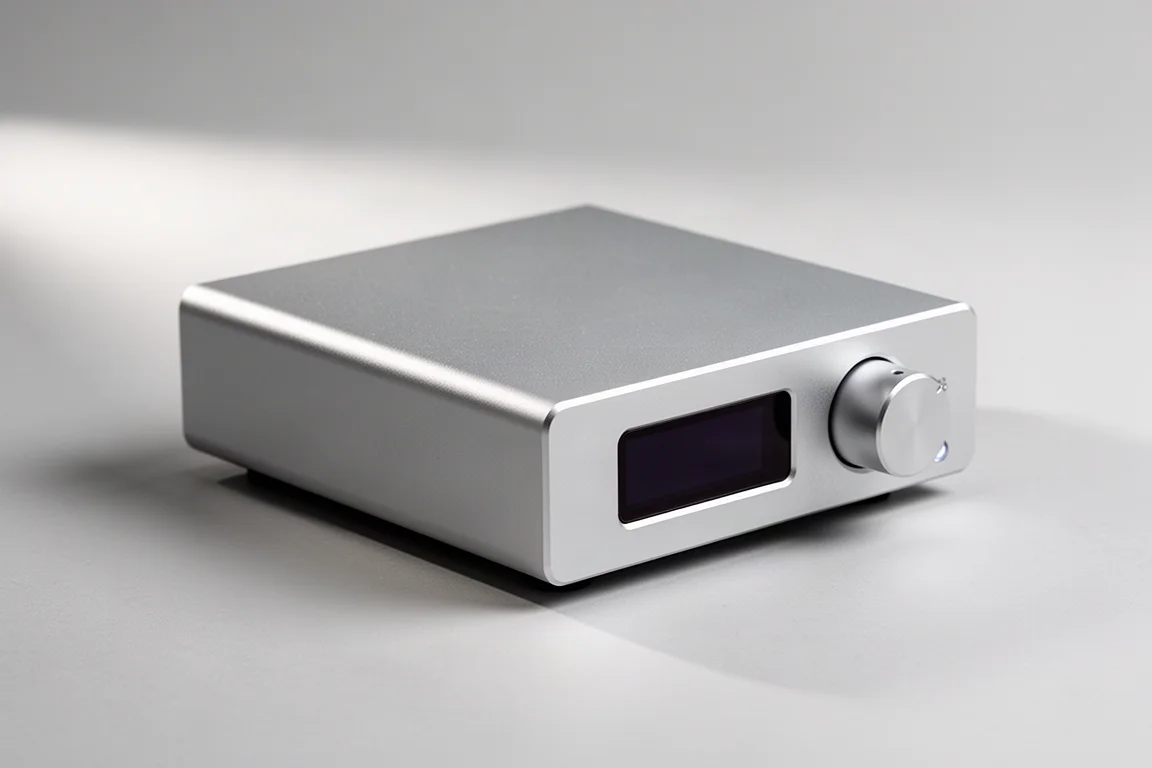
Speaker Isolation: IsoAcoustics Orea
A loudspeaker cabinet vibrates. That is simply what it does when it makes sound. Those vibrations travel into whatever the speaker is standing on, whether that is a media console, a bookshelf, a stand, or even a metal fireplace grill nearby that starts resonating along with it. The result is extra resonance at various frequencies, and that colours the music.
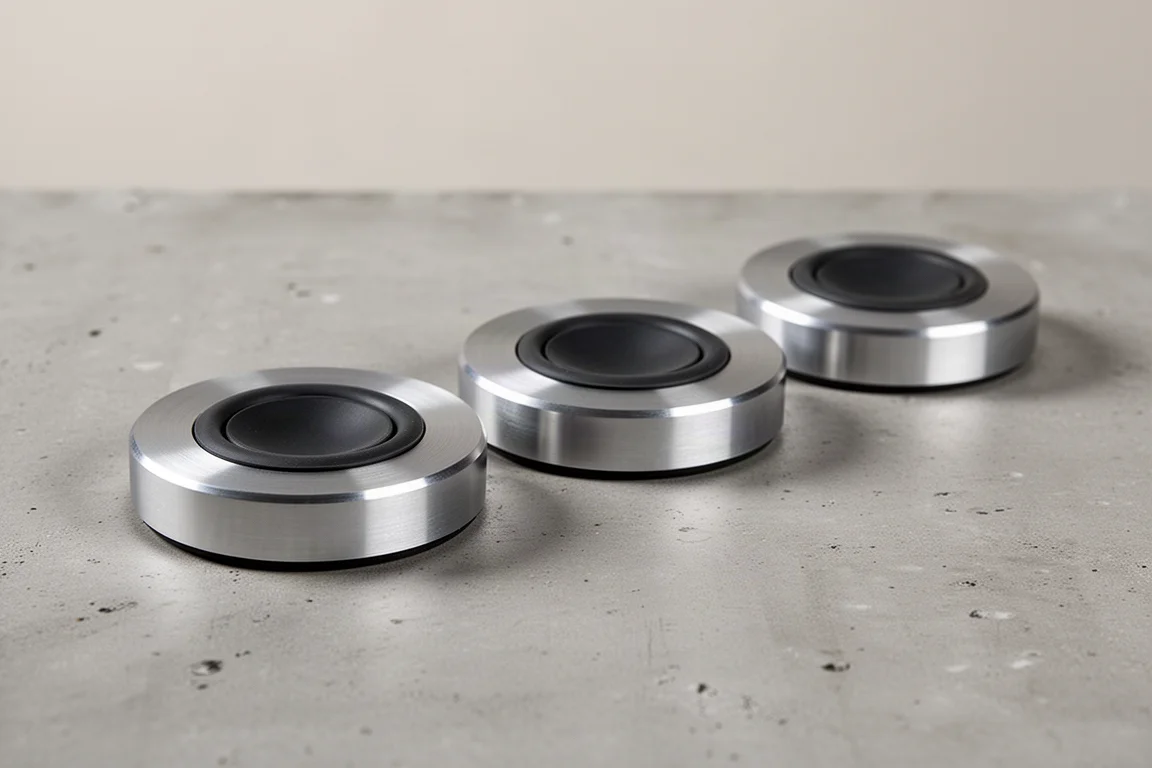
Isolating the speaker from the surface underneath it is the fix, and the effect is easy to hear. Bass tends to clean up and imaging improves because the cabinet is no longer feeding energy back into the furniture. The IsoAcoustics Orea does this with a compact disc-shaped puck: a shallow metal body around an elastomer core, which looks a little like a silver sandwich cookie.
IsoAcoustics takes isolation seriously across its range. The company also makes small platforms for bookshelf speakers, screw-in feet for tower speakers that have threaded feet, and isolating feet for electronic components. The brand sits at the pricier end of the accessory market, and there are cheaper routes to the same goal, from forum favourites to simple rubber mats. The principle is what counts: the less a speaker’s energy escapes into the furniture around it, the better it will sound.
A Better Phono Stage: iFi Zen Phono
Vinyl has the same problem as digital, in a more dramatic form. Just as cheap converters end up inside amplifiers, extremely cheap phono stages end up inside turntables, integrated amplifiers and home theatre receivers. Because a phono cartridge puts out a tiny voltage, anything sloppy in that circuit gets amplified along with the music, which is why the gap between a built-in stage and a decent external one is often larger than the gap between two converters.
A dedicated phono preamp brings a lower noise floor and far more control. You can set impedance and loading to match your cartridge, adjustments that are usually missing from integrated amplifiers and almost never available on a receiver. The iFi Zen Phono is a strong example, and it typically sells for around two hundred dollars, though it may cost more now. It is the point where vinyl playback starts to sound properly sorted rather than merely acceptable.
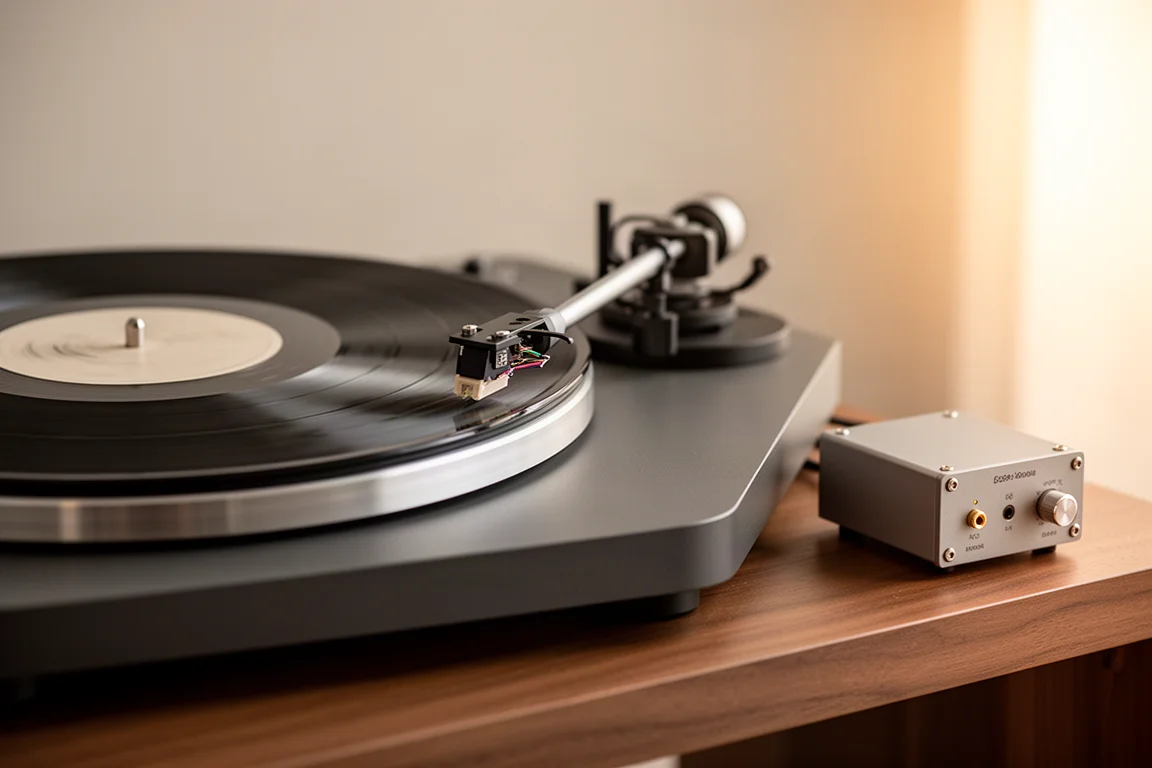
It is also worth knowing that phono stages are not created equal. A weak one can introduce sibilance on the “s” and “ch” sounds that most listeners would blame on the cartridge instead, which makes it a genuinely useful component to audition before you spend money elsewhere in the analogue chain.
A Tube Phono Stage: Pro-Ject Tube Box S2
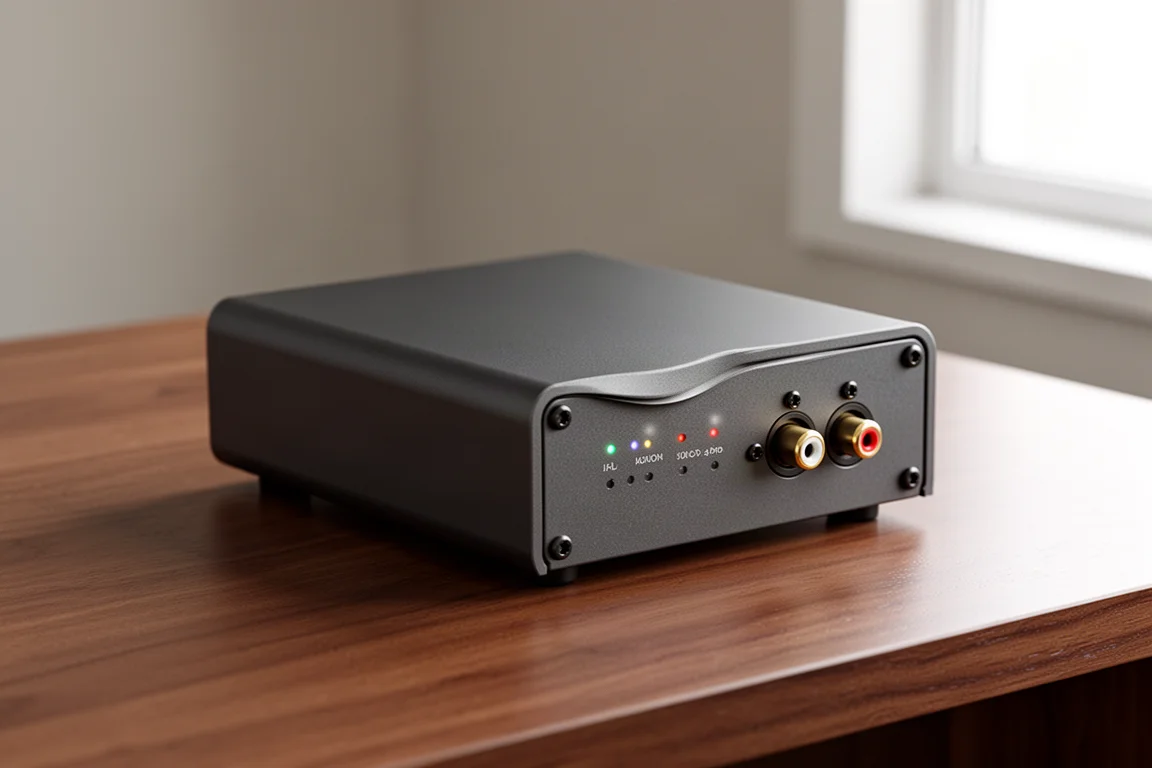
If you want to go further, the Pro-Ject Tube Box S2 is a tube phono preamp in a higher price bracket, roughly five hundred dollars and likely more now. It is a standout in this category for listeners who have already decided that vinyl is their main source and want the phono stage to be a permanent part of the system rather than a stopgap.
Both phono stages illustrate the same point as the converter section: the upgrade is about giving a delicate signal a properly engineered path, with a quieter power supply and more adjustability than a built-in circuit can offer. If your budget is tighter, even a modest external phono preamp is a meaningful step up from what most turntables and receivers include.
Tidy Cables and a Cleaner Rack
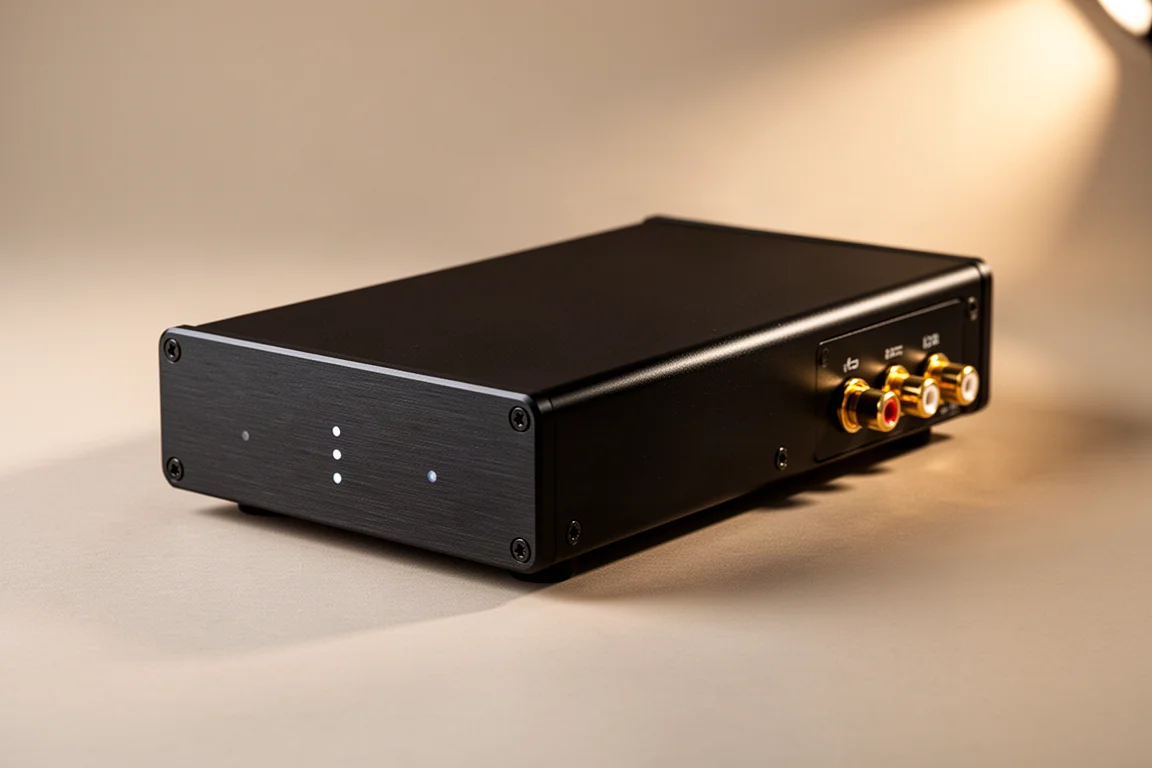
This one is not glamorous, and it may be the most effective thing on the list for the money spent. Cable clutter usually exists because cables are too long, so measure the distance between your components and buy cables only slightly longer than that. It costs very little and it removes a surprising amount of mess.
Power is the next target. Zip-tying a power strip to the back of the rack works well, and so does attaching a strip of double-sided hook-and-loop tape to a bottom shelf and running everything there, which keeps the strip off the floor entirely. Keep power cables and signal cables on opposite sides of the rack where possible.
Finally, treat the rack itself as display space. Give each component room, avoid piling unrelated objects on top of it, and the system becomes something you want to sit down in front of. Getting started can cost as little as ten to twenty dollars.
Displaying Your Music as Art
Musicians put real care into album artwork, and a shelf full of records or CDs is a chance to enjoy it properly. Record display shelves are widely available, often for around twenty dollars, and if you are handy with tools, a few plywood scraps will do the same job. The pleasant part is that the display is never fixed: you can rotate whichever album is currently in favour and change the look of the room as often as you like.
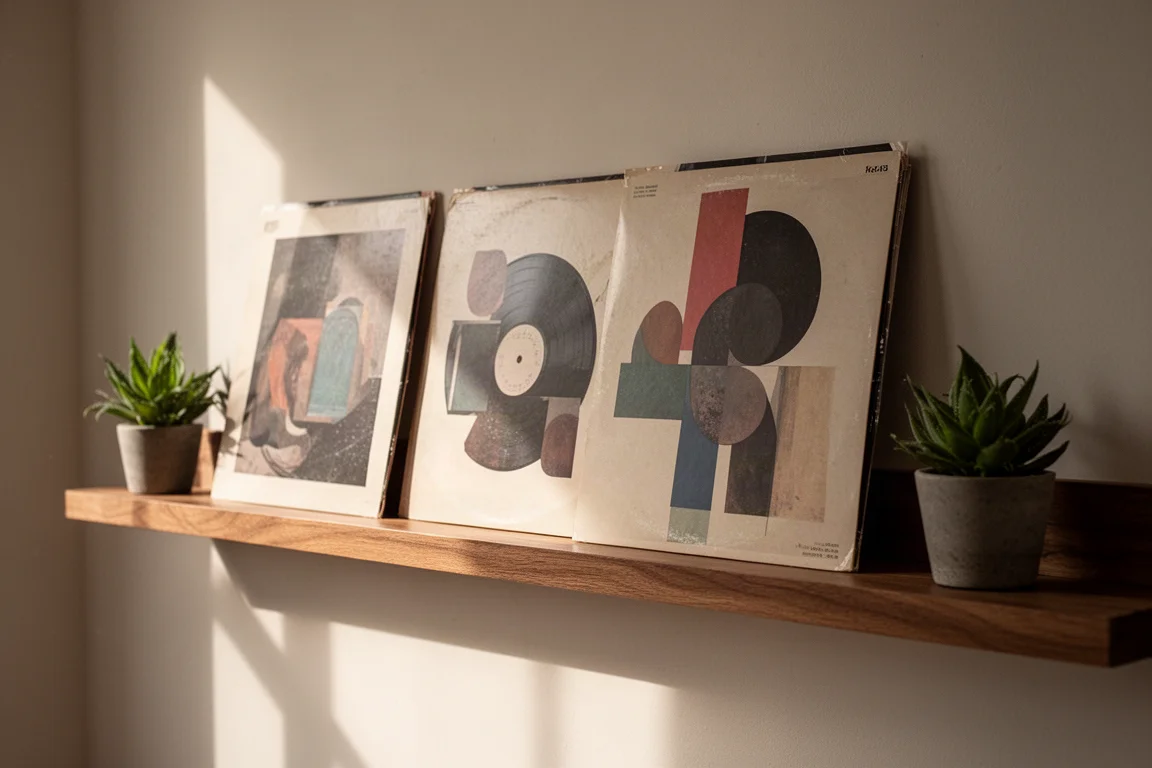
It is a small thing, but it changes how you relate to your collection. Seeing physical media encourages you to play it, and the act of choosing a record, handling it and putting it on is part of the enjoyment in a way that scrolling through a streaming library rarely matches. Start by leaning a single record or CD against something and see whether it makes you want to listen.
Conclusion
None of these upgrades require a new system. A dedicated converter around the hundred dollar mark, a set of isolation pucks under your speakers, and an external phono stage at whatever level your budget allows will each address a real weak link, while tidying the rack and putting a record on display cost almost nothing at all. The common thread is that each one removes something standing between you and the music, whether that is a compromised circuit, unwanted vibration, or a nest of cables behind the shelf.
Further reading
Related Reviews
Hi-Fi Audio
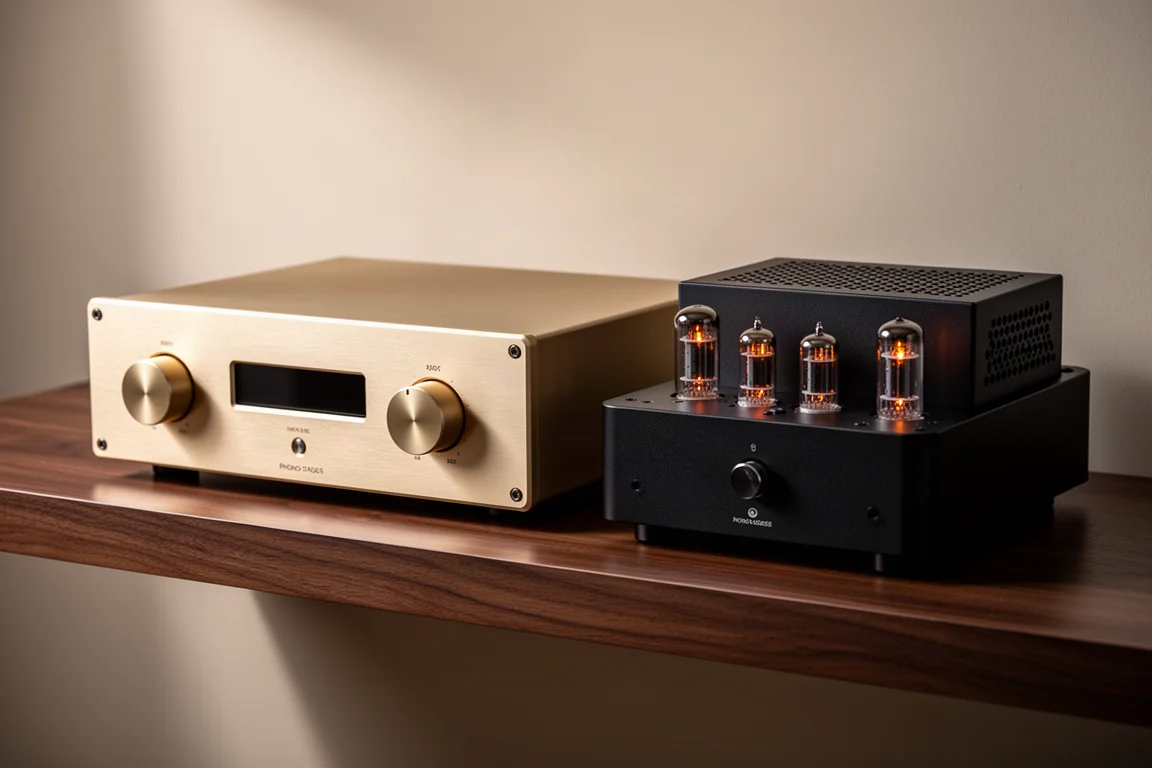
Accuphase C-57 vs Allnic H-7000V: Two High-End Phono Stages Compared
A fully balanced solid-state phono stage with a pitch-black noise floor meets a tube design built for well-loved records. Here is how to choose between them.
Hi-Fi Audio
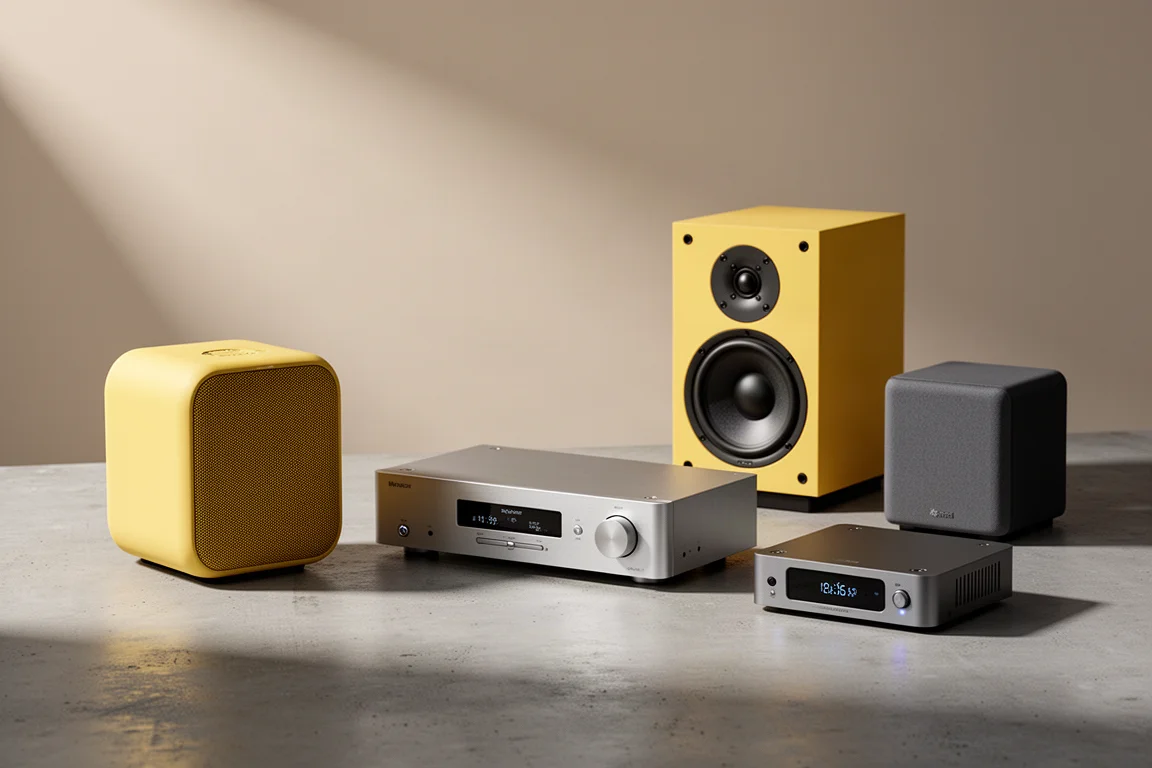
Active vs Passive Hi-Fi: Five Components for a Modern System
Five components that define modern active and passive hi-fi systems, with the strengths, trade-offs and setup details worth weighing before you buy.
Hi-Fi Audio
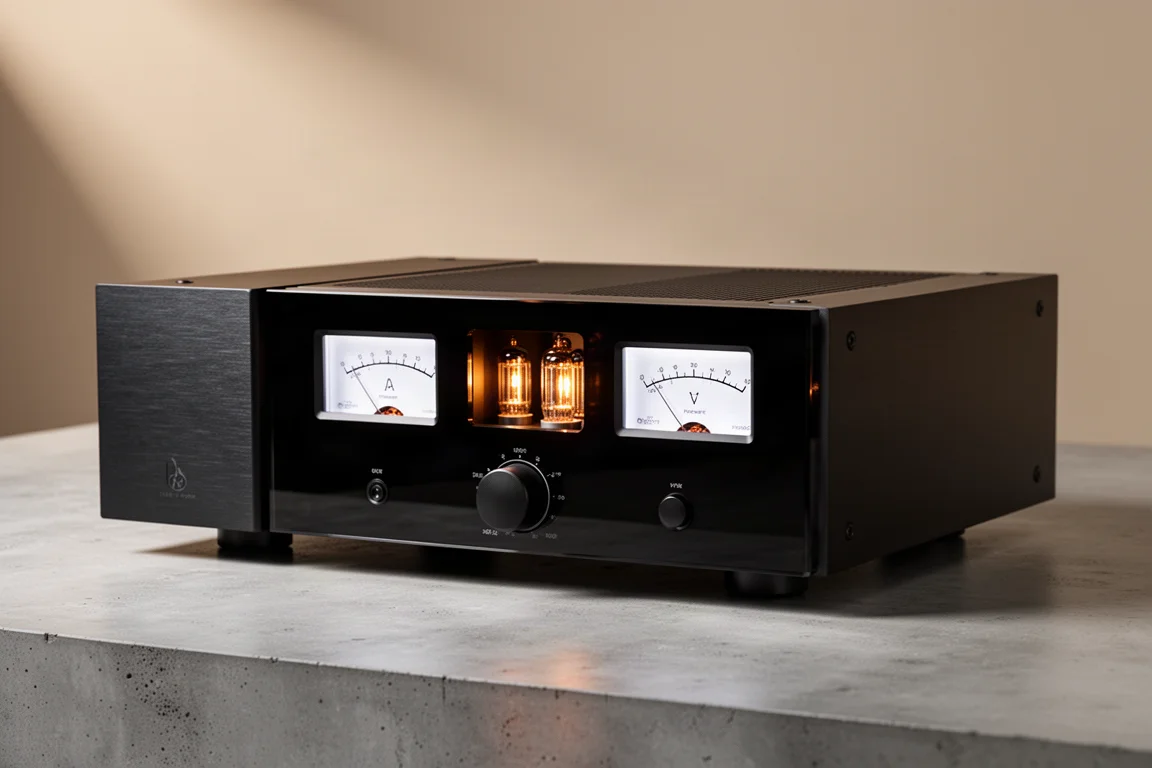
Advance Paris A10 Apex Review: A Hybrid Integrated Amplifier That Covers a Lot of Ground
A French hybrid integrated amplifier with a class A tube preamp stage, analogue power meters, and an internal DAC and phono stage good enough to make extra boxes unnecessary.