Hi-Fi Accessories
Five Affordable Hi-Fi Upgrades to Modernize a Vintage or Budget System
Five inexpensive add-ons that bring HDMI, extra inputs, phono support, and CD playback to a modest hi-fi setup.
Introduction
Getting digital audio into a stereo does not have to cost much. A compact digital to analog converter with an HDMI input runs about $30, and it can turn a vintage receiver or a simple Class D amplifier into a hub for a television, a computer, and a disc player. Around it, a handful of small accessories solve the other common problems: too few inputs, no phono stage, and no affordable way to play CDs.
This guide covers five products that modernize or extend a modest hi-fi system. Most of them sit at or below the $50 mark, and the one that costs more is a passive preamp that regularly drops to around $55 on sale.
How These Upgrades Fit Into a Real System
Many affordable Class D amplifiers, including models such as the Fosi Audio ZA3, the Fosi Audio V3, and the Aiyima A07 Max, sound far better than their price suggests. The catch is connectivity. Many of them offer a single set of RCA inputs, which is not enough once a turntable, a television, and a disc player all want a connection.
Vintage receivers have the opposite problem. They offer plenty of analog inputs but no way to accept an HDMI signal from a television.
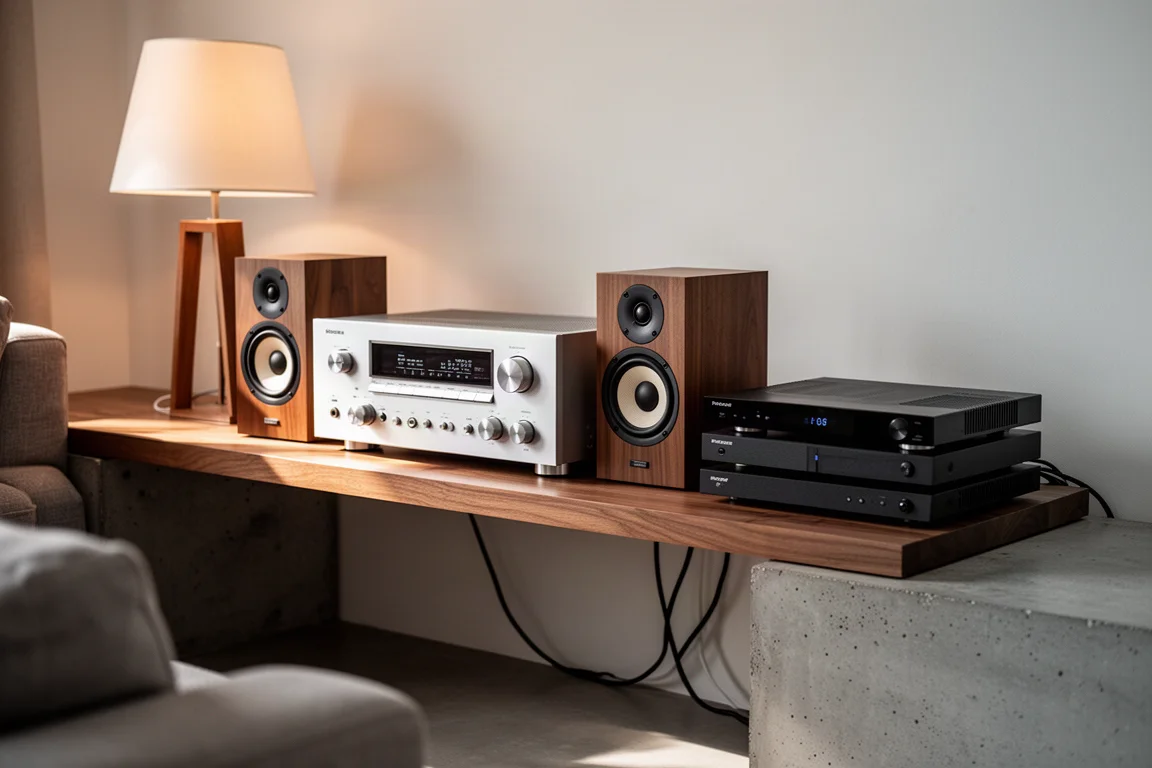
The five products below address those gaps directly. Some add inputs, one adds HDMI and digital conversion, one handles vinyl, and one makes cheap CD playback possible. None of them require replacing the amplifier or the speakers already in the system.
That is the appeal of this approach: small, inexpensive boxes that extend what the existing gear can do rather than starting over.
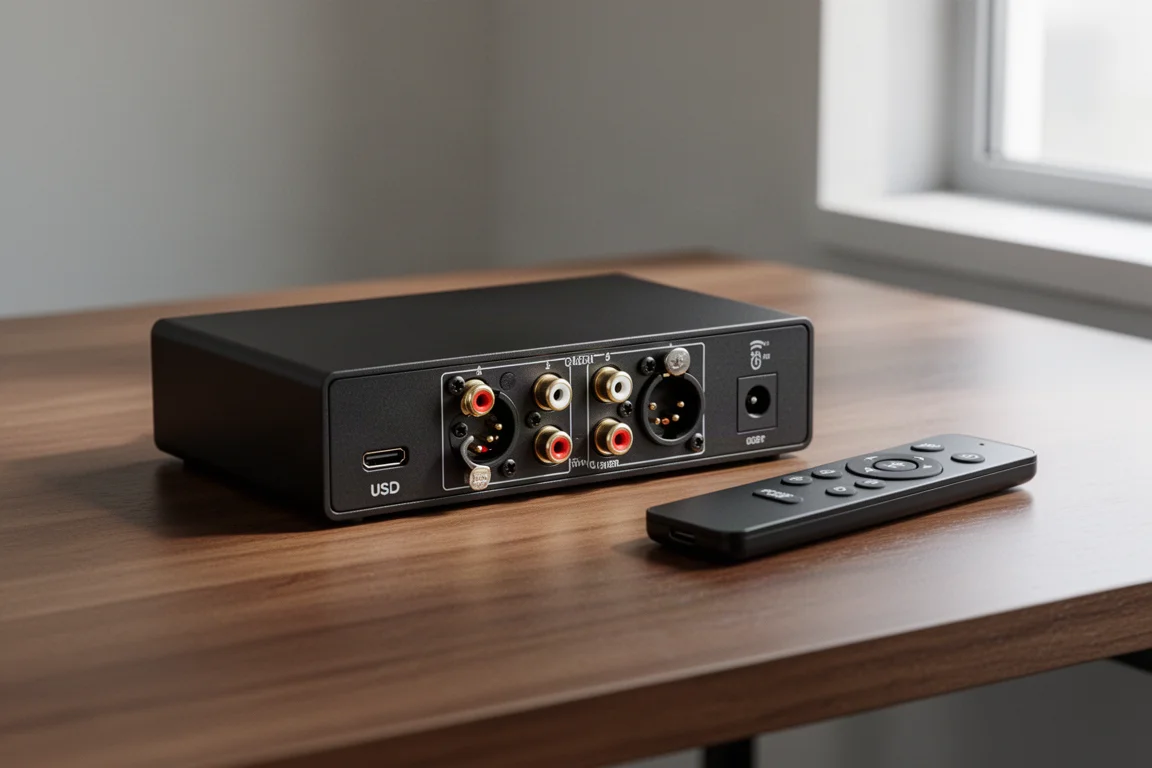
Best DAC for HDMI and Digital Sources: SMSL PS100
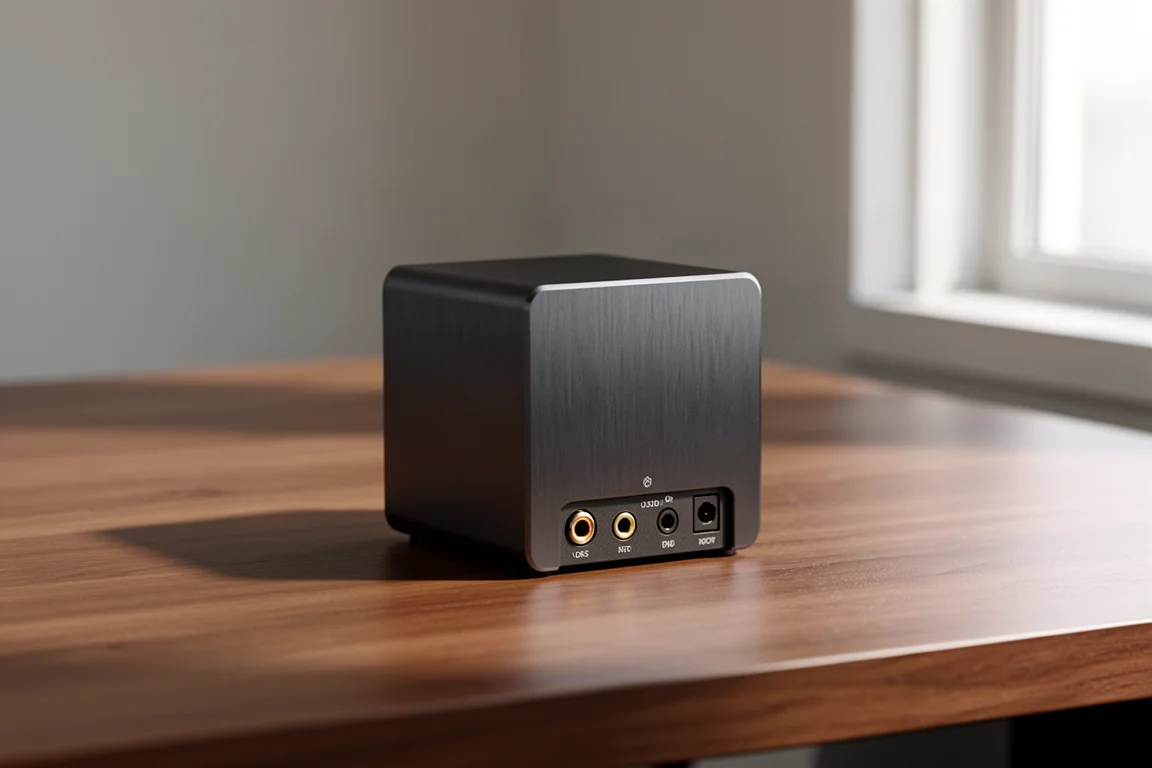
The SMSL PS100 is a digital to analog converter that costs about $30 and solves the HDMI problem outright. Its most important feature is an HDMI input, which means a television can feed audio straight into a stereo instead of relying on the TV’s own speakers.
The rear panel holds four digital inputs: HDMI, USB-C, optical, and coaxial. That is an unusual amount of connectivity at this price. The USB-C connection can also supply power, so a computer can send audio and power the unit over a single cable. In a living room setup, a basic 5V USB phone charger is enough to run it.
Inside, the PS100 uses an older Sabre 9023-generation DAC chip. That chip was well regarded for several years and remains a solid foundation, particularly at this price point. Published detail on the analog output stage is limited.
The practical value comes from flexibility. A television can connect over HDMI, a DVD player can serve as a CD transport over optical, and a computer can connect over USB-C. All three then feed a receiver or amplifier through a single pair of RCA outputs.
Best Way to Add More Inputs: A002 4-in-1 RCA Switcher
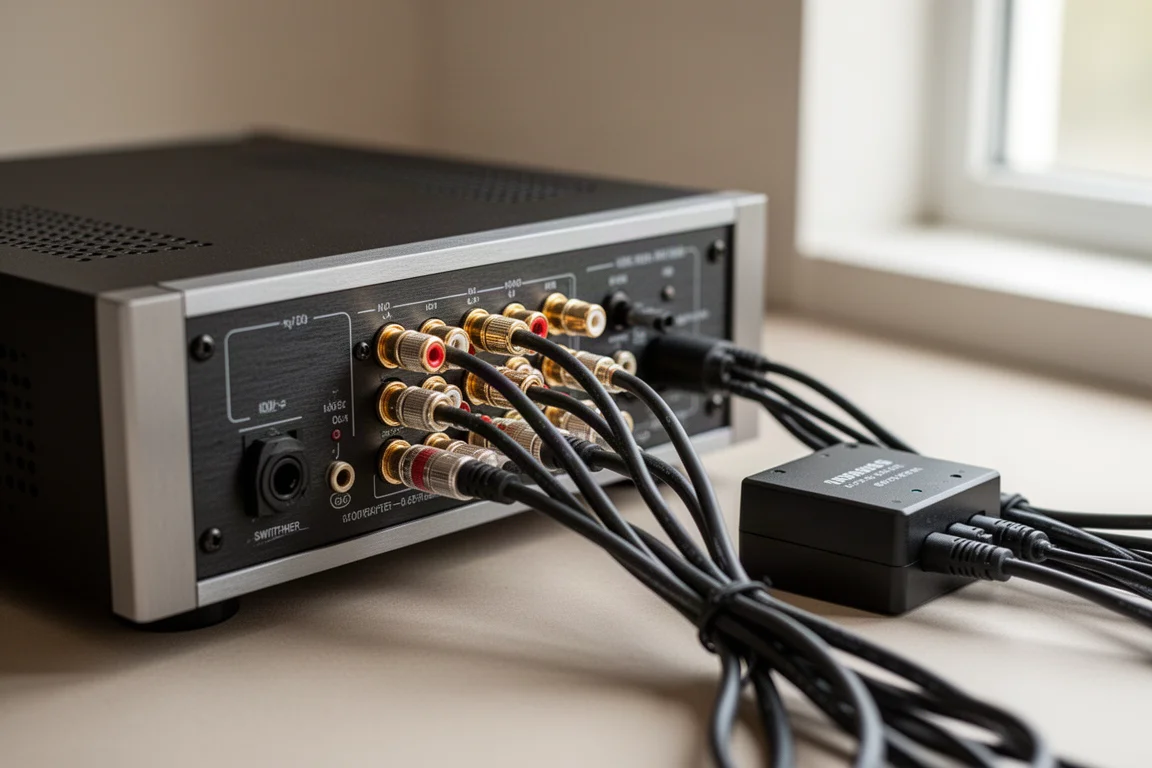
The A002 is a four-in-one RCA switcher that costs about $40. It takes four stereo RCA inputs and sends the selected one to a single output, which makes it a direct answer to amplifiers that offer only one set of RCA sockets.
The most useful feature is the included remote control, so switching between sources does not require reaching behind the rack. Power comes in over USB-C. The product itself is generic: the model number is A002 and there is no clear brand identity behind it, which is common for this category of accessory.
A typical setup runs a turntable with a built-in phono preamp, an external phono preamp, an older CD player, and a DAC such as the PS100 into the switcher. The switcher then feeds a single-input amplifier. Instead of one usable source, the system has four.
It is a simple device, but it removes one of the most common frustrations in a budget system. Adding a second source no longer means unplugging cables or buying a new amplifier.
Best Passive Preamp: Little Bear MC2
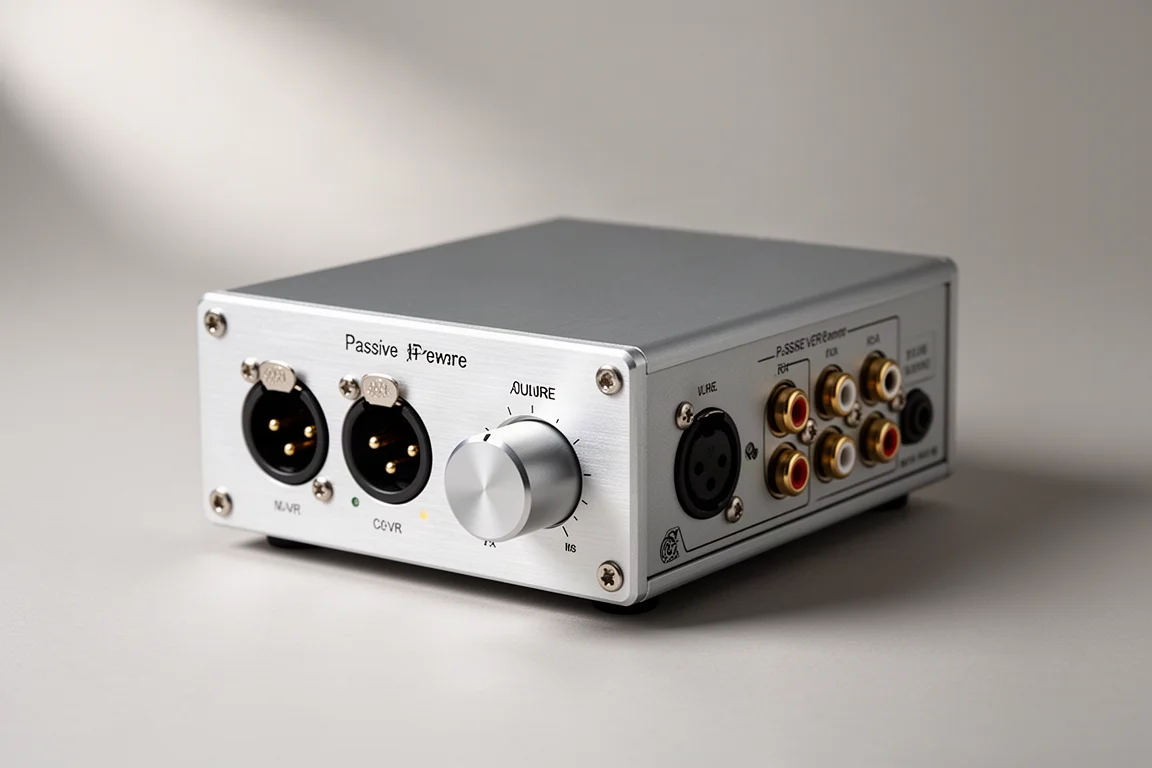
The Little Bear MC2 is an RCA and XLR passive preamp that normally sells for about $70, with regular discounts down to roughly $55. It is fully passive, which means it does not plug into power at all.
Its two useful roles are input switching and level matching. On the input side, it accepts both balanced XLR and single-ended RCA sources, so a balanced DAC and a phono stage can both connect and be selected from the same unit. On the output side, it feeds an amplifier that may only have RCA inputs.
The passive volume control adds a second benefit: it allows levels to be matched between two sources that otherwise play at noticeably different volumes. Worth noting is that converting balanced to single-ended does not preserve the noise-rejection advantages of a balanced connection. The conversion is convenient rather than an upgrade in itself.
Best Phono Stage: Fosi Audio Box X2
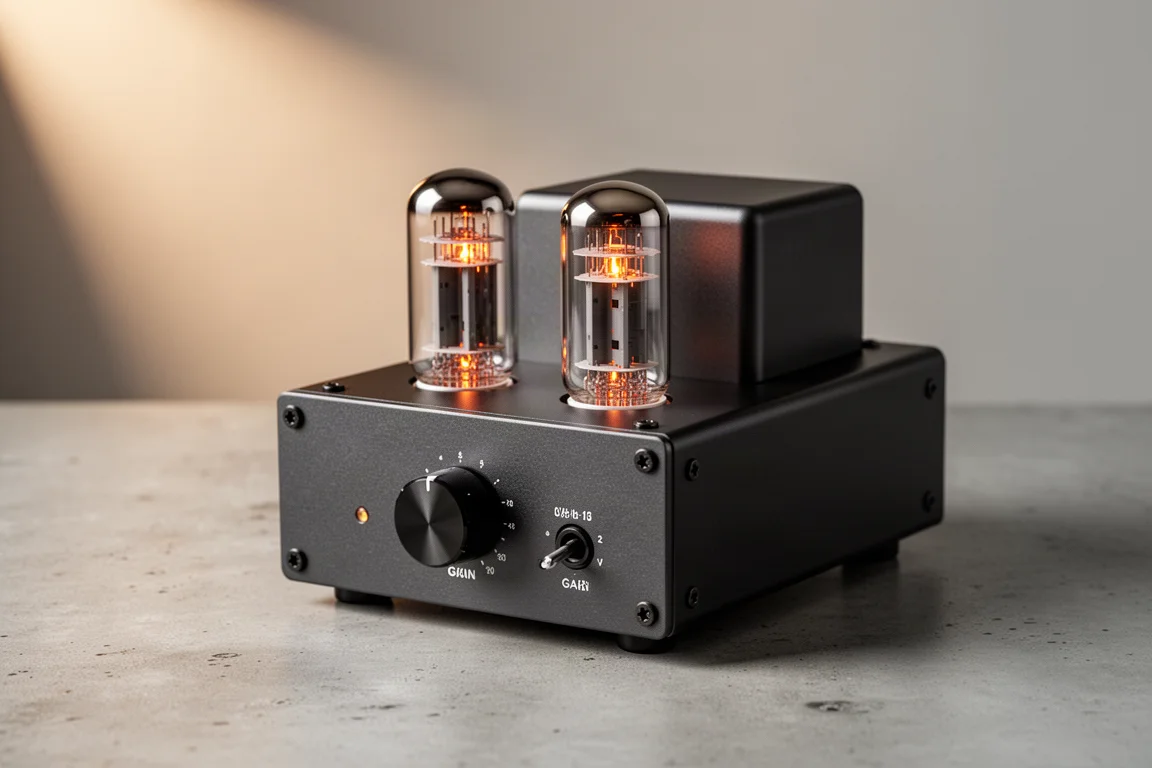
The Fosi Audio Box X2 is a tube phono preamp priced at about $70 and often available closer to $60. It is a natural companion for a turntable that has no built-in phono stage, including models such as the Fluance RT82 or a U-Turn deck.
Two tubes sit at the front, and the unit accepts 6J1, 6K4, 6J4, and GE 654 type tubes. There are three gain settings, which helps match the output of different phono cartridges. It supports moving magnet cartridges only, so moving coil users will need to look elsewhere.
Sound quality is the reason it earns a place here. It performs well above its price, with the main differences against a much more expensive phono stage showing up as slightly less top-end detail and a higher noise floor. For the money, it is an unusually capable little phono stage.
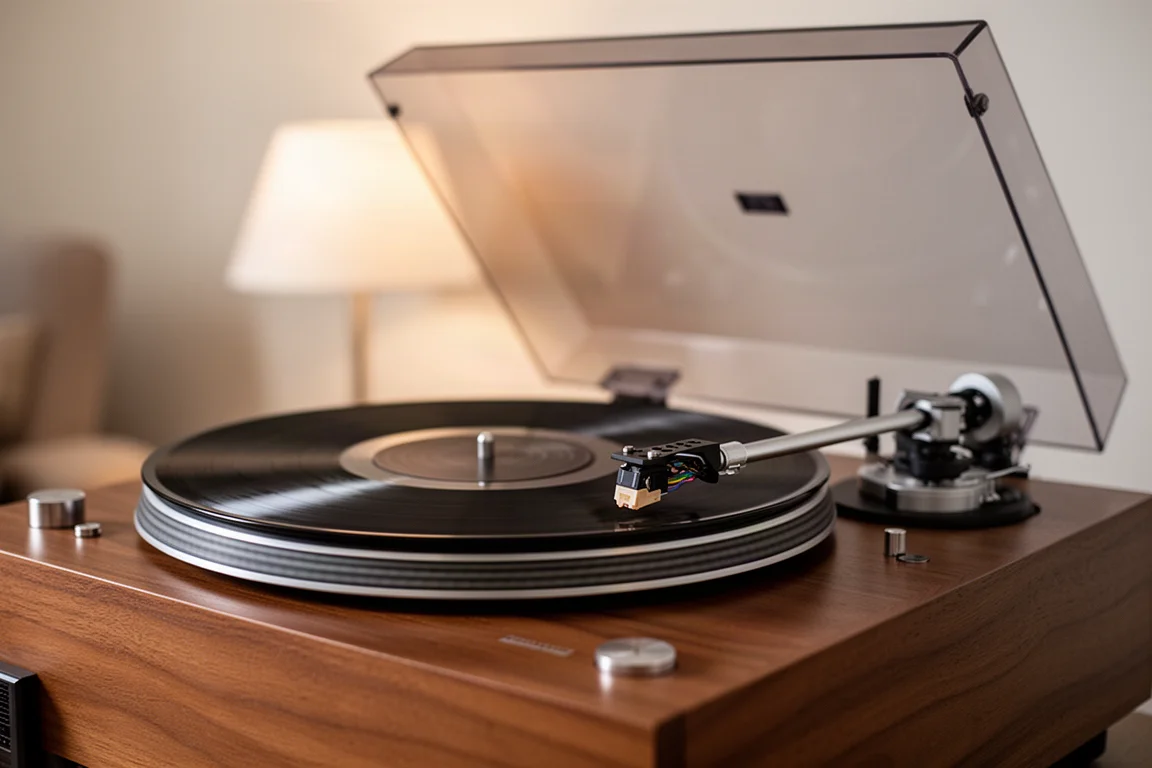
For anyone building a first vinyl setup around an entry-level turntable and an affordable amplifier, this is one of the simplest ways to get records playing well without spending several hundred dollars on a phono stage.
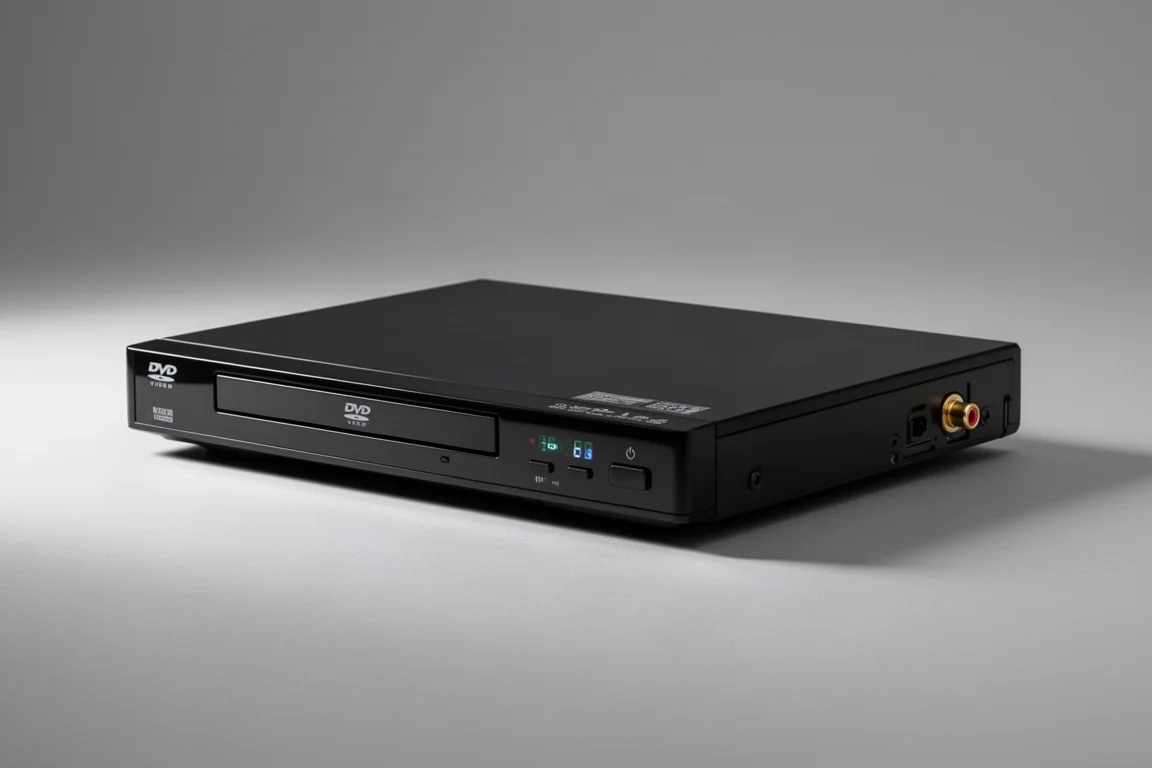
Best Budget CD Transport: Sony DVP-SR210P
The Sony DVP-SR210P is a small DVD player, and its relevance here is the coaxial digital output on the back. That output allows the player to be used as a CD transport, sending a digital signal to an external DAC instead of relying on its own internal processing.
This particular version does not include an HDMI output, which is fine for the intended role. Units turn up at Best Buy and Walmart, and open-box examples have been found for around $20.
The specific model matters less than the connection. Any CD, DVD, or Blu-ray player with an optical or coaxial digital output can do the same job. The goal is to move digital-to-analog conversion out of the player and into a better DAC, even an inexpensive one.
A budget Sony DVD player running through its optical output has held its own in a direct comparison against a $600 CD player. Pair it with the $30 DAC above and the total comes to roughly $50 for very good CD playback.
Buying Advice
The right pick depends on the problem in front of you.
If the goal is to get television audio into a stereo, the SMSL PS100 is the starting point. Its HDMI input and four digital inputs cover the most common modern sources at the lowest cost.
If the amplifier only has one set of RCA inputs and several analog sources need to share it, the A002 switcher is the straightforward fix. If balanced connections or level matching between sources matter, the Little Bear MC2 is the more capable option at a higher price.
For vinyl, the Fosi Audio Box X2 covers turntables that lack a phono stage. For CD playback, any player with a digital output will work, and the Sony DVP-SR210P is a cheap and readily available example.
There is no need to buy all five at once. Each one addresses a specific gap, and the total outlay for the two most broadly useful items, the DAC and the switcher, stays around $70.
Conclusion
Modernizing a hi-fi system does not require a large budget. A $30 DAC with an HDMI input can bring a television, a computer, and a disc player into a vintage receiver or an affordable Class D amplifier. A $40 switcher adds inputs where there was only one, a passive preamp handles balanced sources and level matching, a $70 tube phono stage makes vinyl practical, and a $20 DVD player with a digital output becomes a capable CD transport.
Together they show that the cheapest path to a better-sounding, more flexible system is often a few small accessories rather than new amplification or speakers.
Further reading
Related Reviews
Hi-Fi Accessories
Affordable Hi-Fi Accessories Under $100: A Practical Gift Guide
A practical guide to budget Hi-Fi upgrades, from 12-gauge speaker cable and isolation pads to affordable bookshelf speakers, a warm stereo receiver, and a vinyl anti-static device.
Hi-Fi Accessories
Best Hi-Fi Accessories for Summer: Five Upgrades That Improve What You Hear
A free room-measuring app, a genuinely quiet fan, a serious Bluetooth speaker, and two vinyl essentials that make summer listening better.
Hi-Fi Accessories
Cheap Hi-Fi Accessories That Modernize an Old Stereo System
Four affordable add-ons that bring HDMI, Bluetooth, streaming, room correction, and subwoofer output to a vintage two-channel system.