Integrated Amplifiers
SMSL AL200 vs Aiyima T9 Pro vs Yamaha A-S301: Three Integrated Amplifiers Compared
Three affordable integrated amplifiers compared on bass control, soundstage, and real-world headroom, with clear guidance on which one suits your speakers.
Introduction
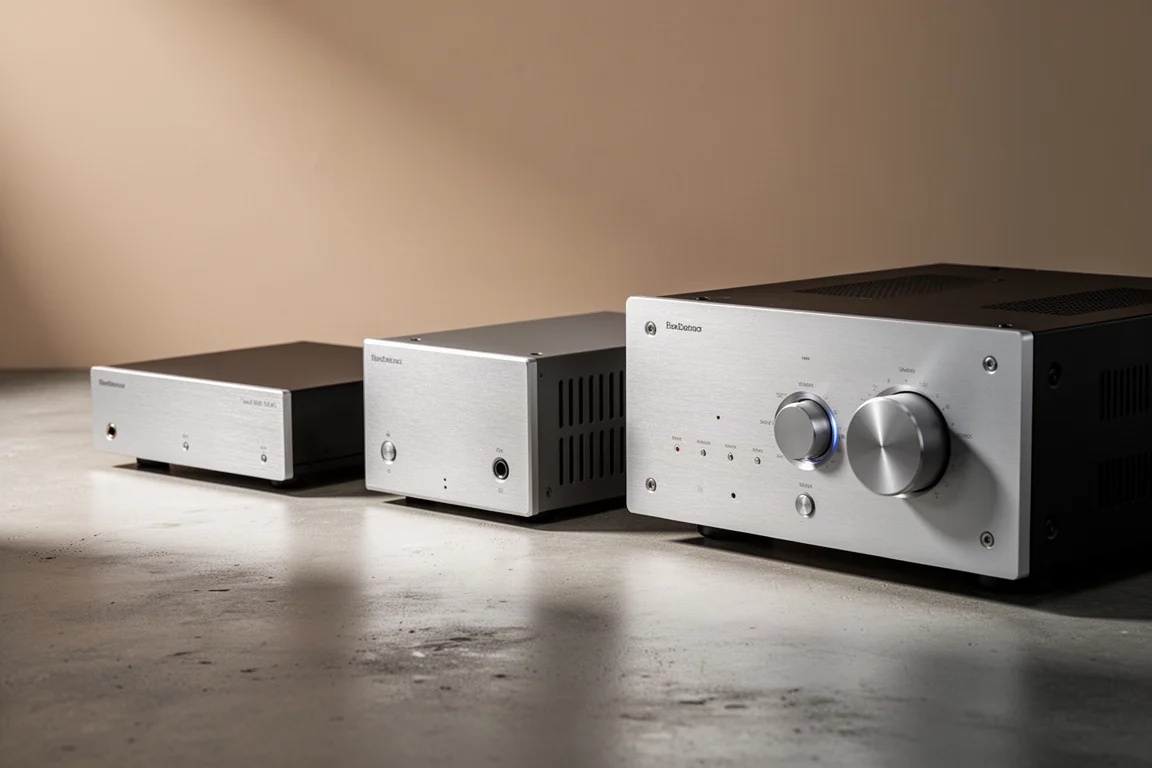
Three integrated amplifiers, three price points, and one shared goal: to add a DAC, tone controls, and enough power for a small or mid-sized speaker system without spending a fortune. The Aiyima T9 Pro sits at the entry point at around $150, the SMSL AL200 at around $250.60, and the Yamaha A-S301 at $350.
All three accept optical digital input, so a streamer, television, or disc player can connect directly without an external DAC. Each also includes tone controls, which matters because these amplifiers do not sound identical. Choosing between them comes down to bass character, soundstage priorities, and how much headroom you want in reserve.
What We Compared
The comparison was level matched by ear before switching, with both amplifiers fed the same optical signal and the same tracks played in sync. Two pairs of 4-ohm bookshelf speakers were used: an affordable pair and a step-up pair rated at 86 dB sensitivity, both of which ask for real current from a small amplifier. Demanding material was chosen deliberately to expose differences in bass control and clipping behaviour rather than to flatter any single design.
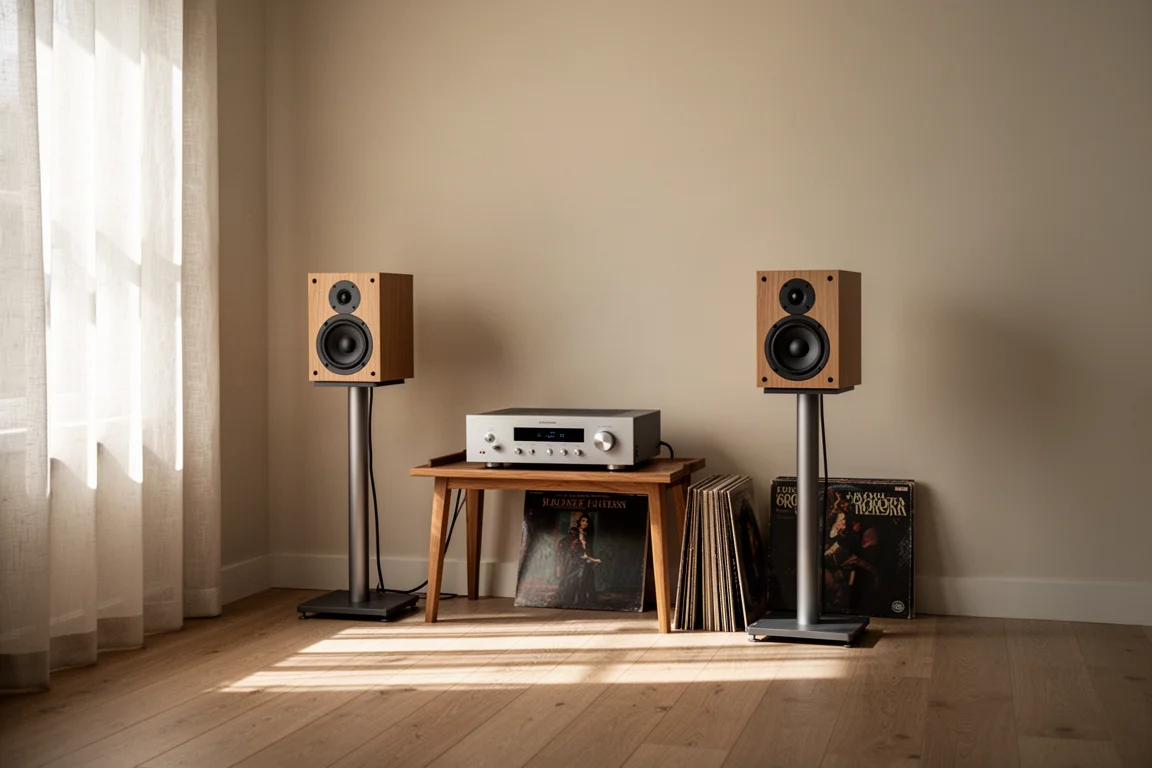
Each amplifier was run flat, with tone controls and EQ defeated, so the results reflect stock tuning rather than what a few knob turns can achieve. That distinction matters later, because the Yamaha in particular becomes far more flexible once its loudness control enters the picture.
SMSL AL200: The Cleanest Presentation
The AL200 uses an Infineon Merus MA5332MS multi-chip module and a dedicated headphone amplifier chipset, and it is rated at 165 watts per channel into a 4-ohm load. Power comes from an internal supply, so there is no external brick to upgrade or misplace.
Heard flat against the T9 Pro, the AL200’s strongest trait is bass discipline. Kick drums and low synth lines stay defined instead of smearing, and the low end never crowds the midrange. Vocals sit further forward, ambient details feel airier, and instruments are placed with more front-to-back depth.
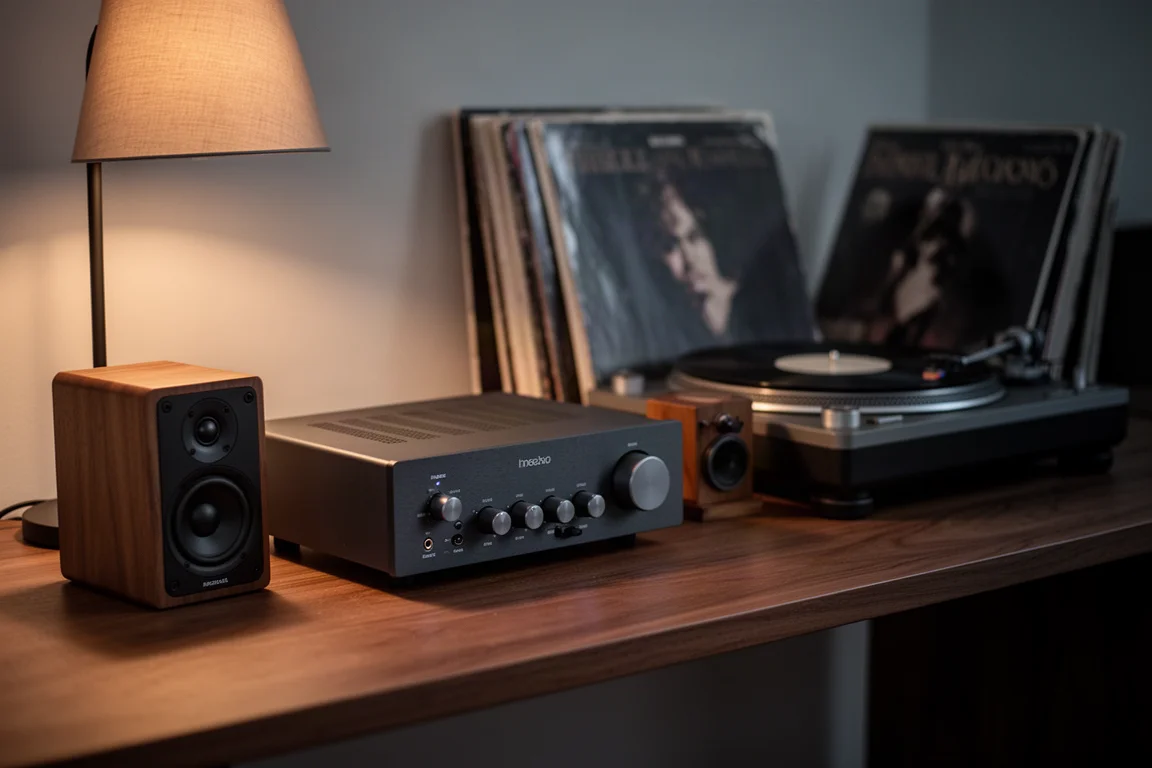
It also plays noticeably louder. With the harder-to-drive bookshelf pair, the AL200 sustained around 90 dB without distress, while the T9 Pro began clipping near three quarters of its volume span. The AL200 adds seven built-in EQ presets on top of standard tone controls, and it runs slightly warm rather than hot during extended use.
Aiyima T9 Pro: Thick Bass at the Lowest Price
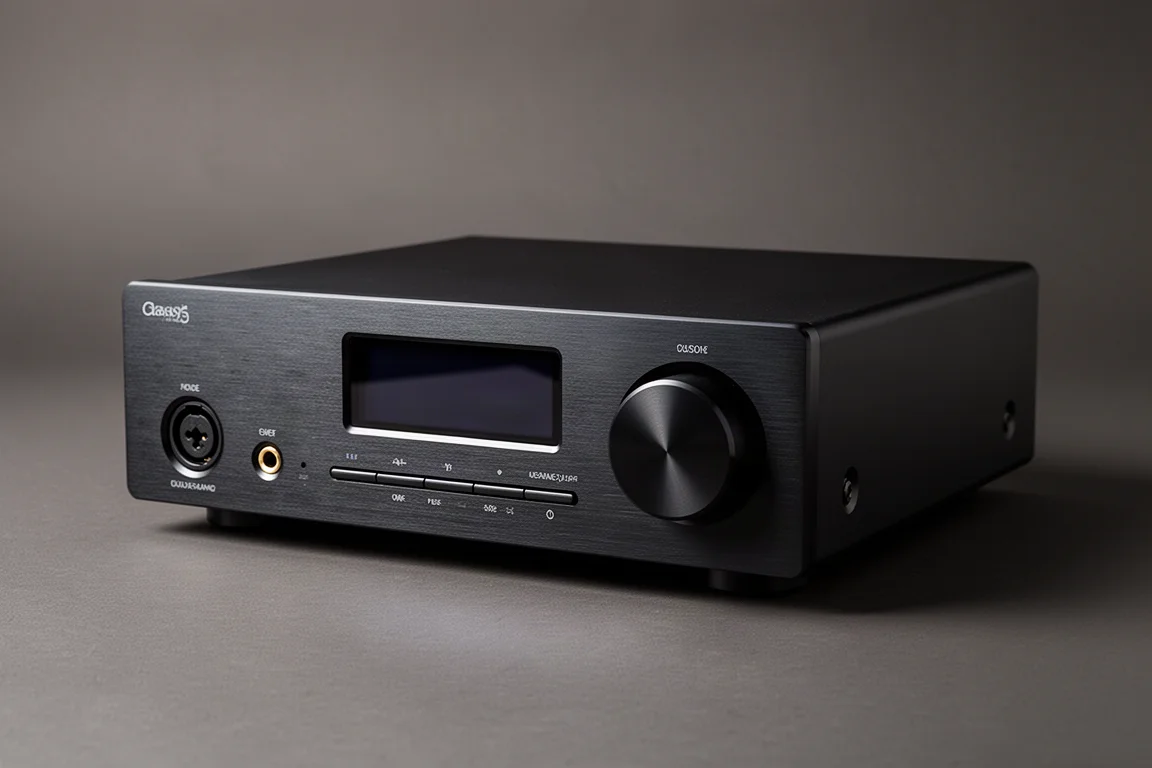
The T9 Pro pairs a Texas Instruments TPA3250 amplifier chipset with a Sabre ES9018K2M DAC and is rated at 100 watts per channel into 4 ohms. It relies on an external power supply, and a 32V unit was used here to extract the amplifier’s full output.
Its personality is the opposite of the AL200’s. Bass is thicker and more prominent, which is genuinely enjoyable on bass-light recordings, but on dense tracks that extra weight can turn muddy and cover part of the midrange. The presentation is also flatter, with less air around instruments and less front-to-back layering.
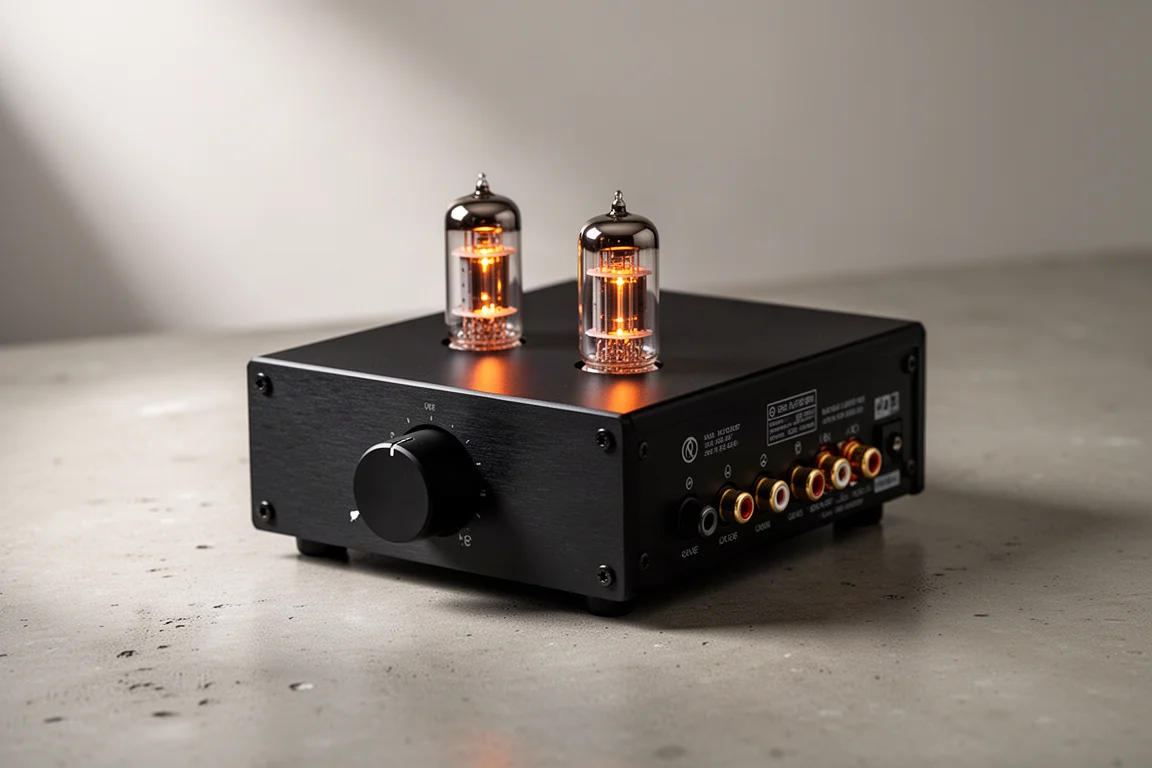
The T9 Pro ran warmest of the three, though still cool enough to keep a hand on, and its side ventilation keeps airflow moving. With 4-ohm speakers of average sensitivity it clipped around 75 percent of the volume span, so it suits easier loads and moderate listening levels best. At roughly $150, it is a lot of amplifier for the money.
Yamaha A-S301: Traditional Build, Real Headroom
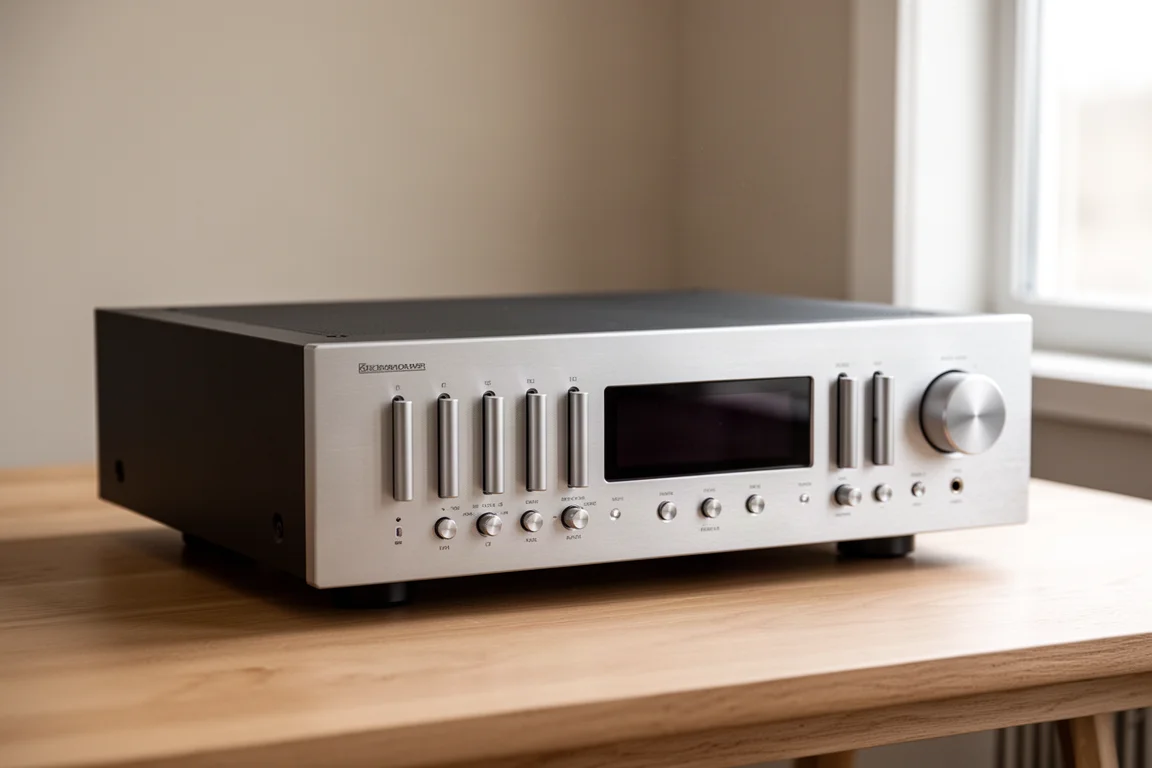
The A-S301 is a full-width integrated amplifier in the traditional sense, with optical and coaxial digital inputs and its own internal DAC. Yamaha rates it at 60 watts per channel into 8 ohms at 0.019 percent THD, and it will drive 4-ohm speakers even though no 4-ohm power figure is published.
Flat, it is a midrange-centric amplifier, and the bottom end can seem lean next to the SMSL. What changes everything is the variable loudness control. Yamaha’s own manual recommends setting the volume control to the loudest level you expect to use and then adjusting listening level with the loudness control, which restores low-frequency weight at lower volumes.
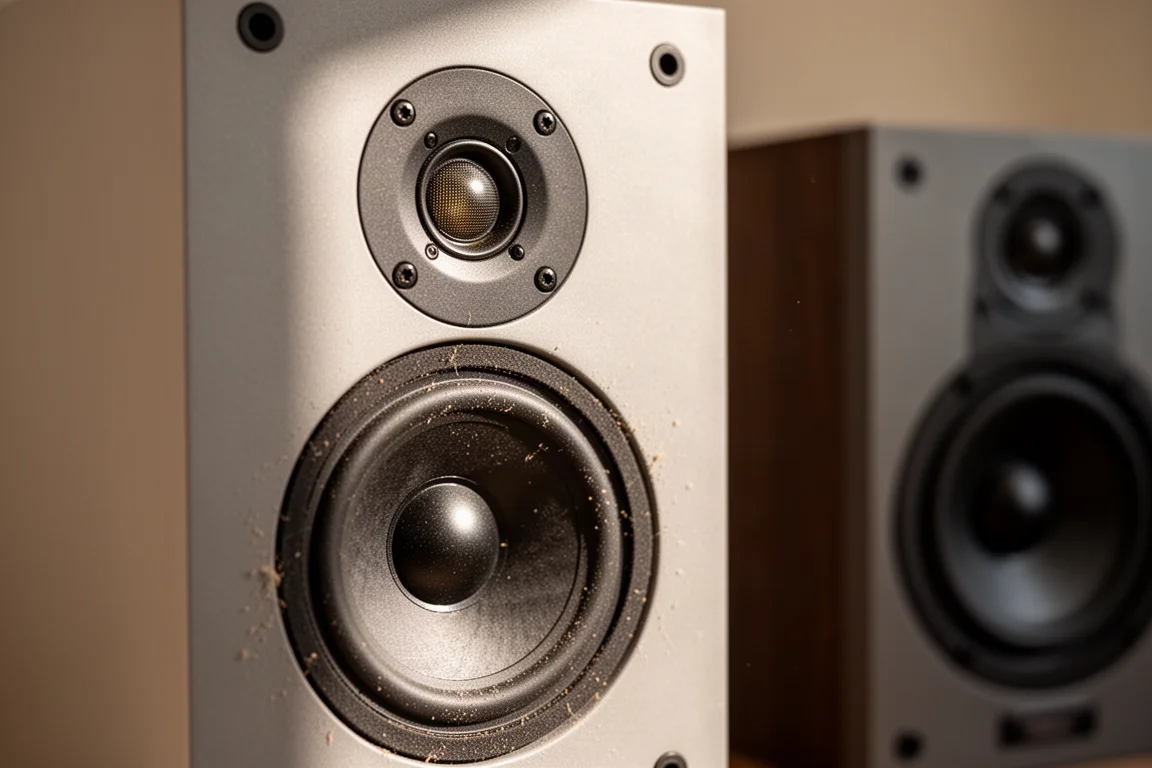
Measured against its modest rating, the Yamaha has serious reserves. It reached 90 dB sustained and 95 dB peaks on the harder-to-drive speakers before the test was backed off for the sake of the speakers, and it stayed essentially cool to the touch. Its soundstage is wider than the AL200’s, though placement inside that stage is less precise. It also has the better remote, and it can drive two pairs of speakers at once as long as the combined impedance is kept within safe limits.
Buying Advice: Which Amplifier Fits Your System
If bass quality and clarity are the priority, the SMSL AL200 is the most composed of the three. Its controlled low end, forward vocals, and precise placement suit listeners who care about how individual instruments sit in the mix, and its internal power supply keeps the installation simple.
The Aiyima T9 Pro makes sense for a first desktop or small-room system where a warm, bass-forward character is welcome and the speakers are reasonably easy to drive. The Yamaha A-S301 is the pick for a conventional hi-fi rack: it offers the most headroom in practice, a wide stage, variable loudness, and two-pair speaker flexibility at around $350. All three sound good, so the deciding factors are bass control, soundstage priorities, and the size of the space you need to fill.
Conclusion
None of these amplifiers is a compromise in the way budget gear once was. The T9 Pro delivers a thick, engaging sound for around $150, the AL200 refines that formula with cleaner bass and better imaging for around $250.60, and the A-S301 brings full-size build, generous reserves, and loudness flexibility for $350. Match the amplifier to your speakers and your room, and any of the three will serve well.
Further reading
Related Reviews
Integrated Amplifiers
Advance Paris A10 Classic Review: Vintage Looks and a Lively, Punchy Sound
The Advance Paris A10 Classic pairs glowing blue VU meters and a tube stage with one of the widest input sets on any integrated amplifier. Here is what it does well and what to weigh before spending $2,500.
Integrated Amplifiers
Advance Paris A12 Apex Review: A Modern Integrated Amplifier With Vintage Character
A dual mono integrated amplifier with 180 watts per channel, a tube front end, VU meters, and a connectivity list that covers turntables, televisions, computers, and headphones.
Integrated Amplifiers
Advance Paris Nova Range Review: AI130, AI190 and Modular Upgrades
A practical look at the Advance Paris Nova range, including the AI130 and AI190 integrated amplifiers and the modular streaming, Bluetooth and remote accessories that expand them.