Smart Telescopes
Smart Telescopes for a Total Solar Eclipse: Dwarf, Seestar and Hestia Compared
Three portable smart telescopes put to work during a total solar eclipse, covering time-lapse modes, tracking behaviour, filters and storage quirks.
Introduction
A total solar eclipse is a demanding first assignment for any smart telescope: the sun moves, brightness swings dramatically from first contact to totality, and there are no second chances. We brought three popular portable units along to see how each one handled the event, and how they compared on time-lapse capture, tracking, storage and day-to-day usability.
How We Tested Them
Each unit was used for solar imaging throughout the full eclipse sequence, from first contact through fourth contact. The focus was on practical questions: could the device keep the sun centred and exposed for hours, did the battery and storage hold up, and how easy was it to work with the required solar filters.
Dwarf Lab Dwarf: Set It and Forget It Time-Lapse
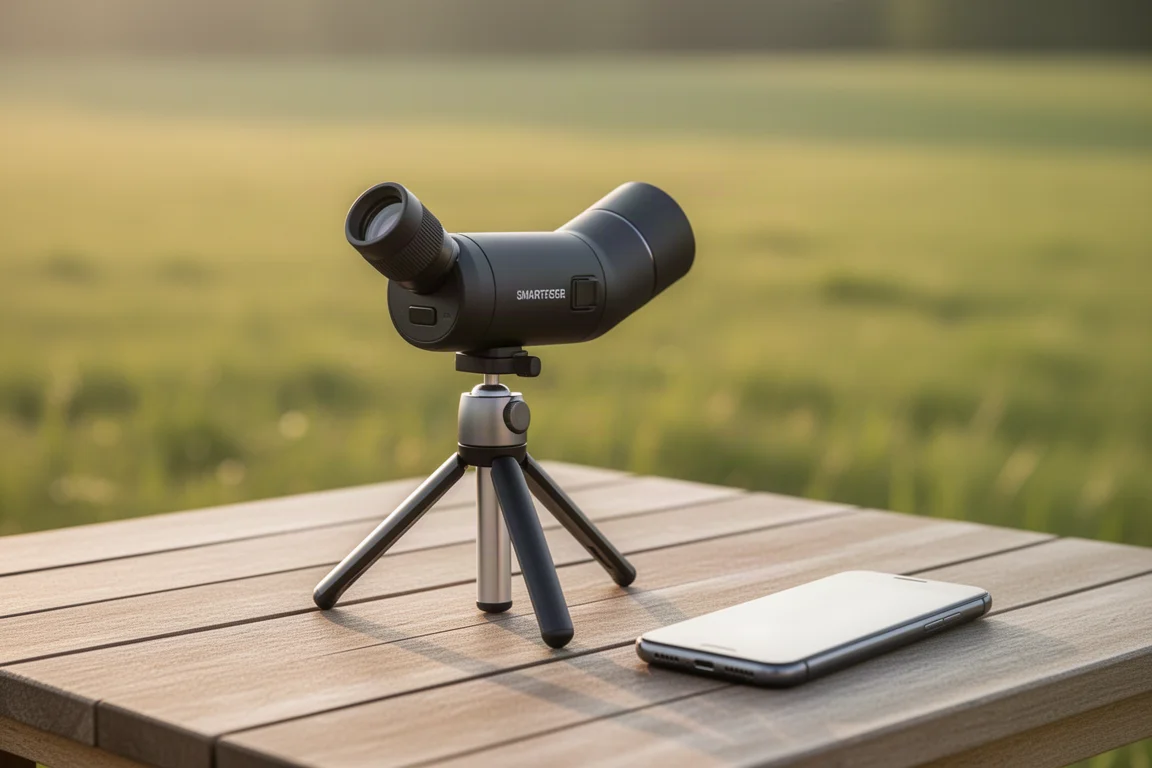
The Dwarf was run in time-lapse mode with manual settings recommended for solar work: a gain of zero and a shutter speed of 1/200 of a second. The result was a time-lapse that kept the sun centred in frame and exposed consistently from first contact all the way to fourth contact.
Battery life was not an issue since the unit was plugged in for the whole session, and storage handled the full sequence without trouble. For anyone who wants to set a device up and let it run the entire eclipse on its own, this is about as close to hands-off as it gets.
ZWO Seestar: Raw Video and Exposure Control
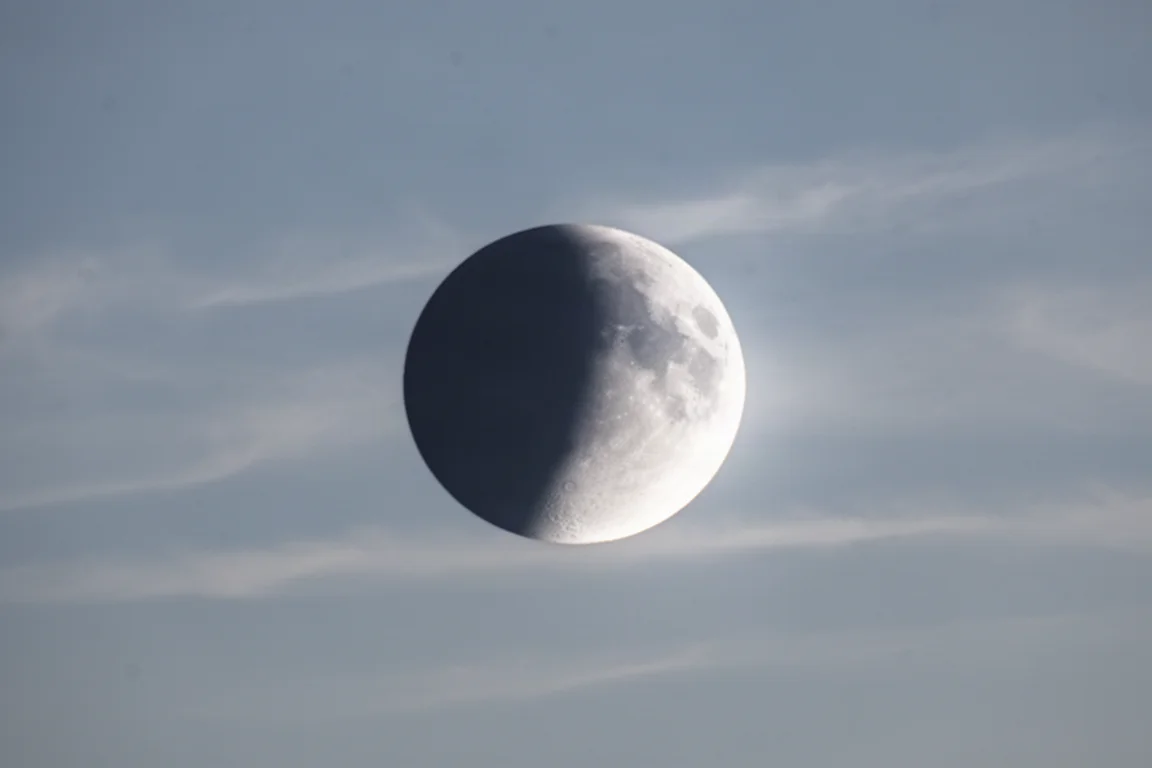
The Seestar was used for both time-lapse and video. At 20-second intervals everything stayed well framed, with only mild overexposure creeping in as totality approached, which could be corrected by adjusting exposure settings.
For video, the auto exposure worked well early in the partial phase but started to blow out as the sun narrowed to a crescent; dropping into full manual settings produced a proper exposure. Raw video fills the internal storage remarkably fast, so long clips will need to be managed or deleted to free space for totality. The reward is footage of Baily’s beads turning into the diamond ring effect just before totality, which is genuinely striking to watch live.
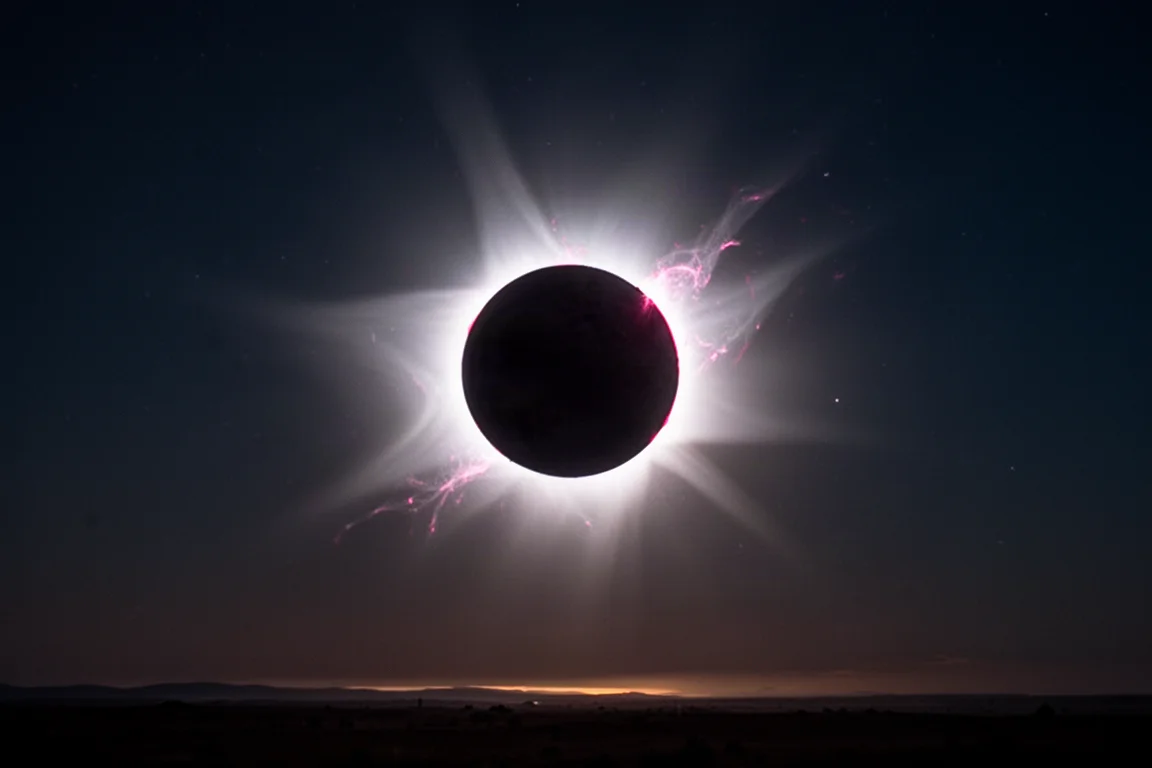
Both the Dwarf and the Seestar kept tracking and centring the sun through totality despite the radically different lighting, which is impressive given how untested that scenario is for machine-vision tracking.
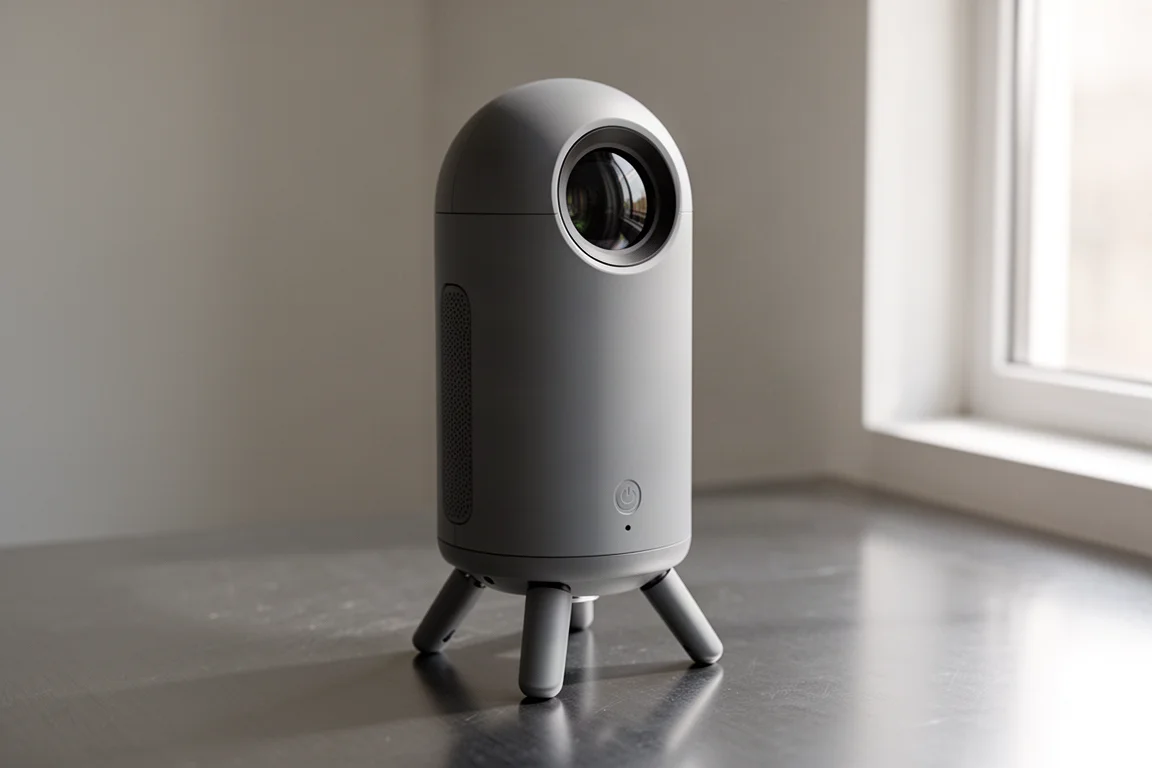
Vaonis Hestia: Manual Tracking with a Wide Margin for Error
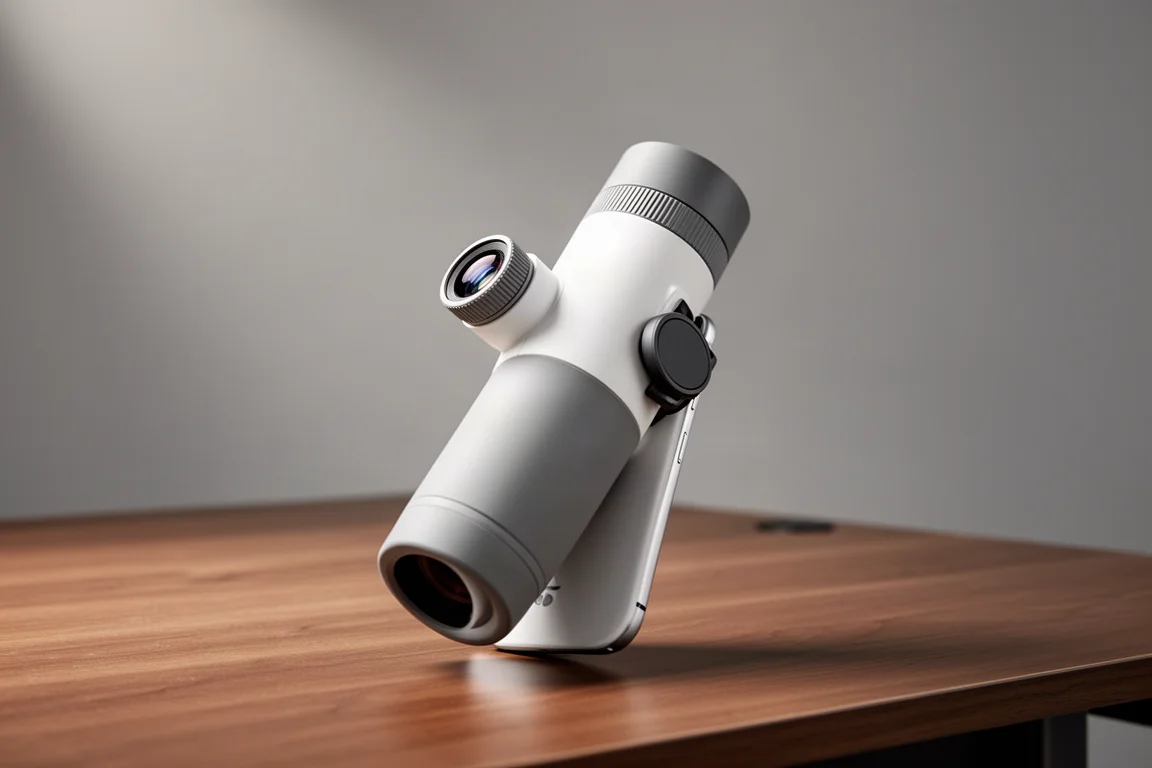
The Hestia has no tracker, so it is the most manual of the three: it needs to be adjusted by hand throughout the event. The wide field of view makes that manageable, since small drifts stay comfortably in frame.
The time-lapse workflow here is different: rather than a built-in automated interval, the practical approach was to take photos manually at one-minute intervals. The payoff comes at export, when the app automatically centres the sun in the finished time-lapse video, even if individual frames were slightly off centre. The result required no editing at all.
There are trade-offs. The 5-minute built-in interval felt too long, and it did not reliably capture a frame even after waiting. Removing the solar filter without disturbing the focus mechanism takes care, since the focus ring moves easily and keeping crisp focus matters.
Should You Bring a Smart Telescope to the Next Eclipse?
For a road trip with room to spare, all three earn their place: they produced time-lapses and footage that told the story of the whole eclipse alongside larger gear. For a trip with strict luggage limits, the calculation changes, since each unit takes up carry-on space that might go to other equipment.
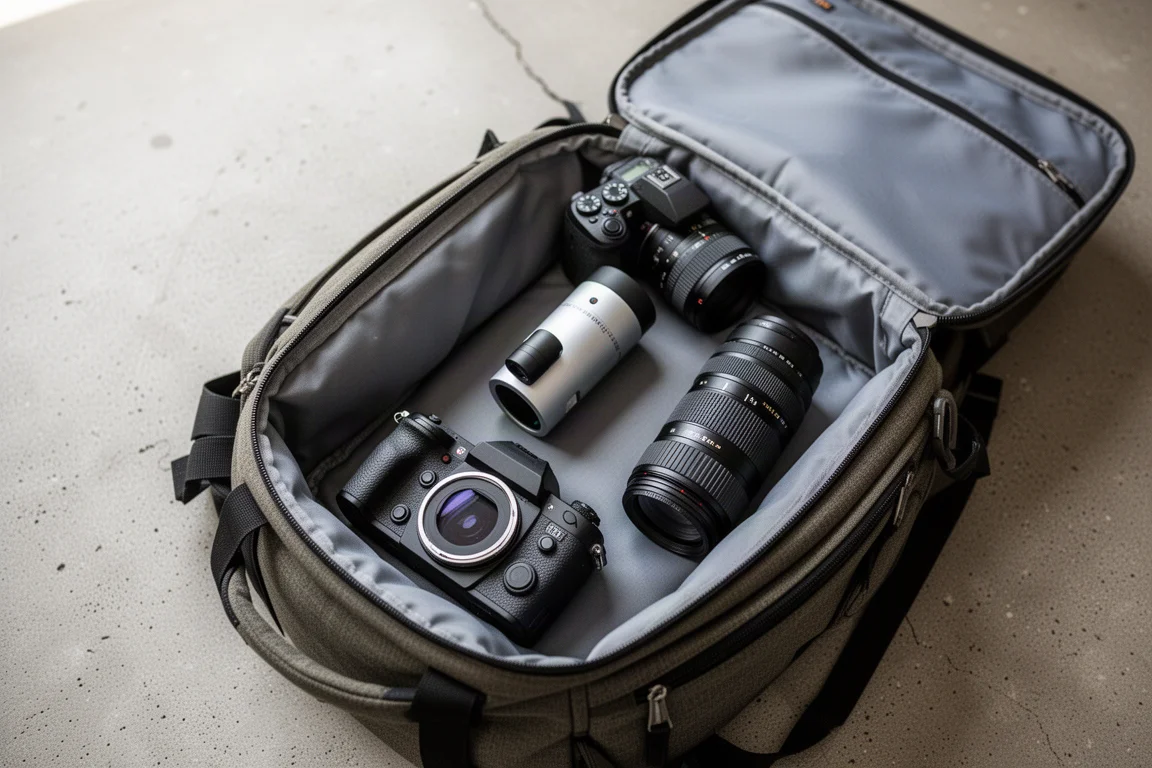
The strongest argument for bringing one is the set-and-forget time-lapse. Being able to put a device down, let it run for hours, and come back with a complete visual record of the eclipse while everything else is happening around you is a genuinely useful capability.
Conclusion
All three units tracked and imaged the sun well through an untested and unforgiving scenario. The Dwarf is the easiest to run fully hands-off, the Seestar offers the most control for video and exposure work, and the Hestia rewards a hands-on approach with automatic centreing at export. Choose based on how much manual involvement you want during the event itself.
Further reading
Related Reviews
Smart Telescopes
Vaonis Vespera 3 Review: A Premium Smart Telescope With Excellent Optics
A detailed look at the Vaonis Vespera 3 smart telescope, covering its standout hardware, impressive multi-night observations, and the software trade-offs to weigh before buying.
Smart Telescopes
Best Smart Telescopes Compared: Seestar S50 Pro, S50, S30 Pro, S30, and Dwarf Mini
Five of the most popular smart telescopes tested side by side in the desert: what they share, how they differ, and which one suits your budget and targets.
Smart Telescopes
Best Smart Telescopes: Four Scopes That Make Astrophotography Easy
Four smart telescopes that put detailed, color-rich night sky photos within reach of complete beginners, from ultra-portable to full home observatory.