Astrophotography
Smart Telescopes 2026: Five Models That Prove They Are Not Toys
Smart telescopes like the Celestron Origin, Dwarf 3, Seestar S50, Seestar S30, and Vaonis Vespera II can capture stunning deep-sky images. Here is what each model offers.

Introduction
Smart telescopes have come a long way. These compact, automated instruments let you capture deep-sky images without needing a full astrophotography rig, a heavy mount, or years of experience. The results can be genuinely impressive, even from moderately light-polluted skies.

The models covered here represent the current generation of smart telescopes: the Celestron Origin, the Dwarf 3, the Seestar S50, the Seestar S30, and the Vaonis Vespera II. Each one takes a slightly different approach to the same goal: making deep-sky imaging accessible.
What Makes a Smart Telescope Worth Considering
A smart telescope combines a telescope, a camera, and a computer into one package. You set it up, point it at a target, and let it capture and stack exposures automatically. The appeal is simplicity. Instead of learning how to polar align a mount, guide a scope, and process raw frames, you can focus on the target and let the telescope handle the rest.
That said, the quality of the final image still depends on the data you collect. More integration time, darker skies, and careful processing all play a role. The best smart telescopes give you access to raw data so you can process it yourself if you want to push the results further.
Celestron Origin
The Celestron Origin is a tabletop smart telescope designed for ease of use. It is a self-contained unit with a built-in mount and camera, so there is no need to attach a separate camera or computer. You control it through a companion app, which guides you through target selection and image capture.
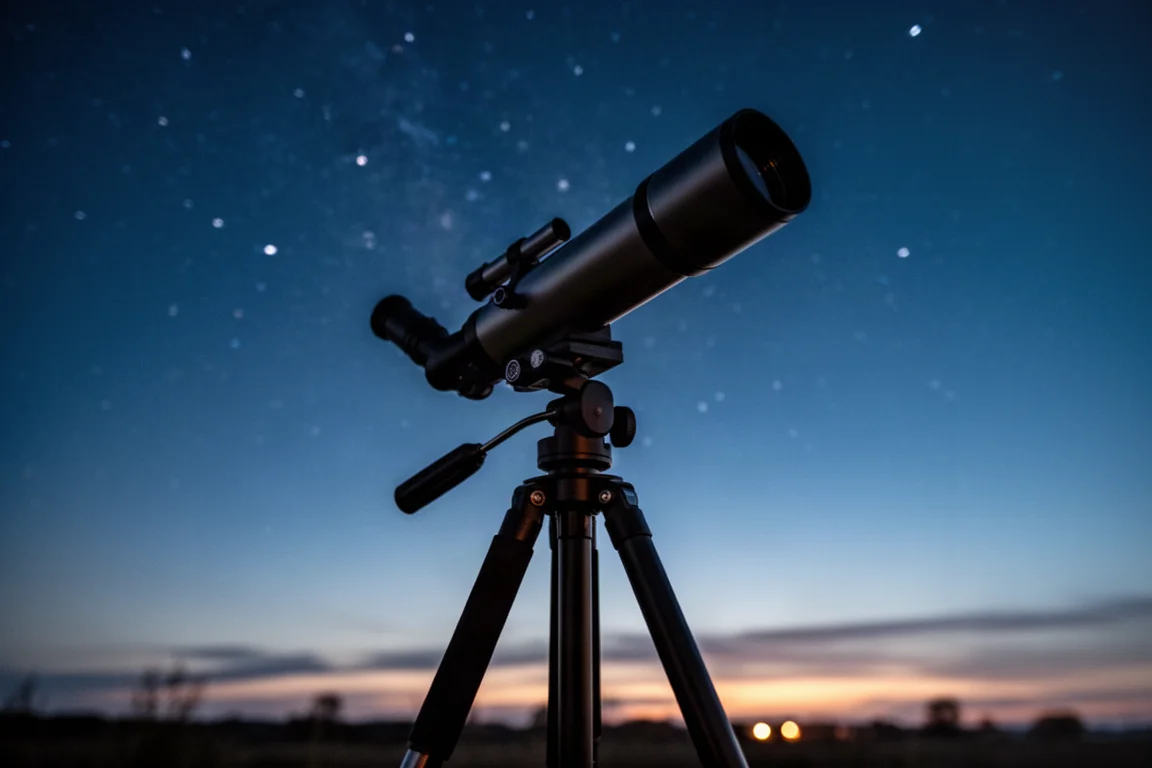
This model is aimed at beginners who want a straightforward introduction to deep-sky imaging. The integrated design means fewer cables and less setup time. It is also a good option for anyone who wants a telescope that can be used without a laptop at the observing site.
Dwarf 3
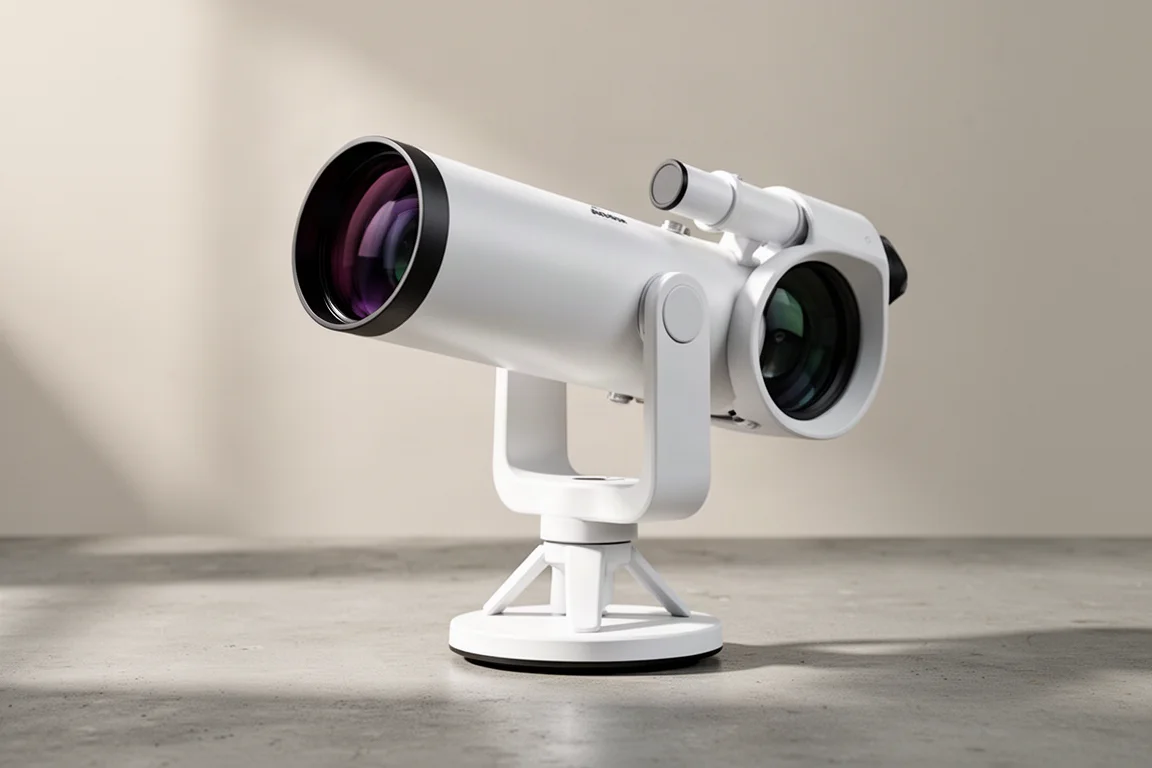
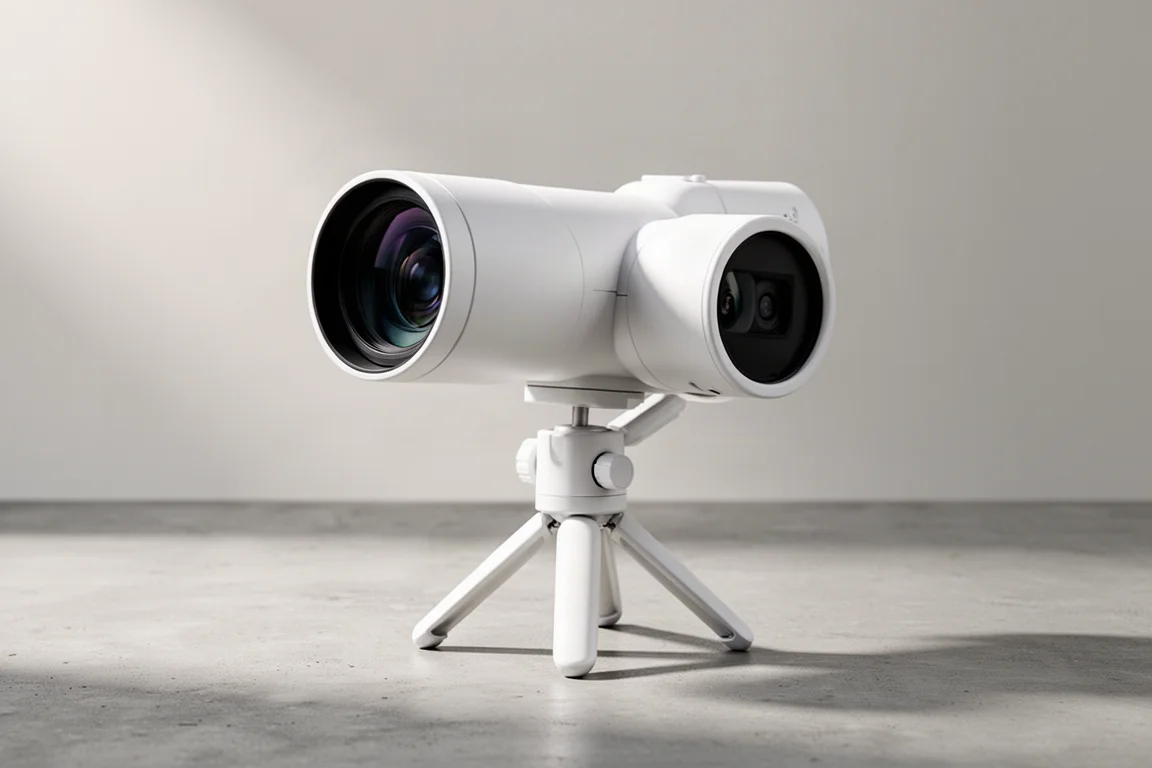
The Dwarf 3 is a compact robotic telescope that stands out for its portability and its tripod design. The tripod legs can be adjusted to a wider angle, which makes the setup more stable and less likely to tip over. This is a practical detail that matters when you are setting up on uneven ground.
The Dwarf 3 also offers gain control, which is a useful feature for managing sensor sensitivity. This can help you avoid some of the image quality issues that come from uncooled sensors in other smart telescopes. It is a solid choice for travelers who want a lightweight setup that still delivers good results.
Seestar S50
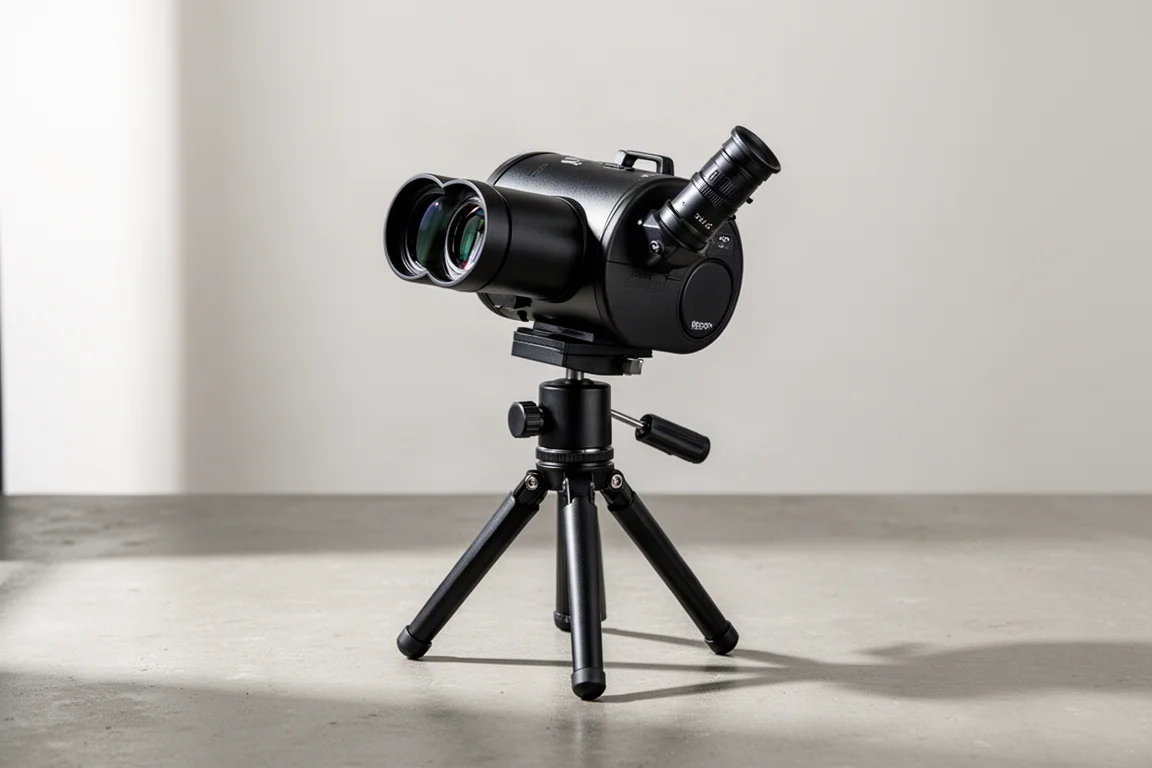
The Seestar S50 is one of the most popular smart telescopes on the market, and for good reason. It is compact, affordable, and capable of producing images that rival much more expensive setups. In a recent test, a Seestar S50 captured the Bode and Cigar galaxies with 27 hours of integration time from a Bortle 3/4 zone, revealing faint integrated flux nebulosity between the two galaxies.

The S50 also supports an equatorial mode, which allows for longer effective imaging sessions on a given target. This mode works well with a compatible tripod that lets you adjust the leg angle for stability. The raw data from the S50 is accessible, so you can process it in software like PixInsight to bring out more detail.
Seestar S30
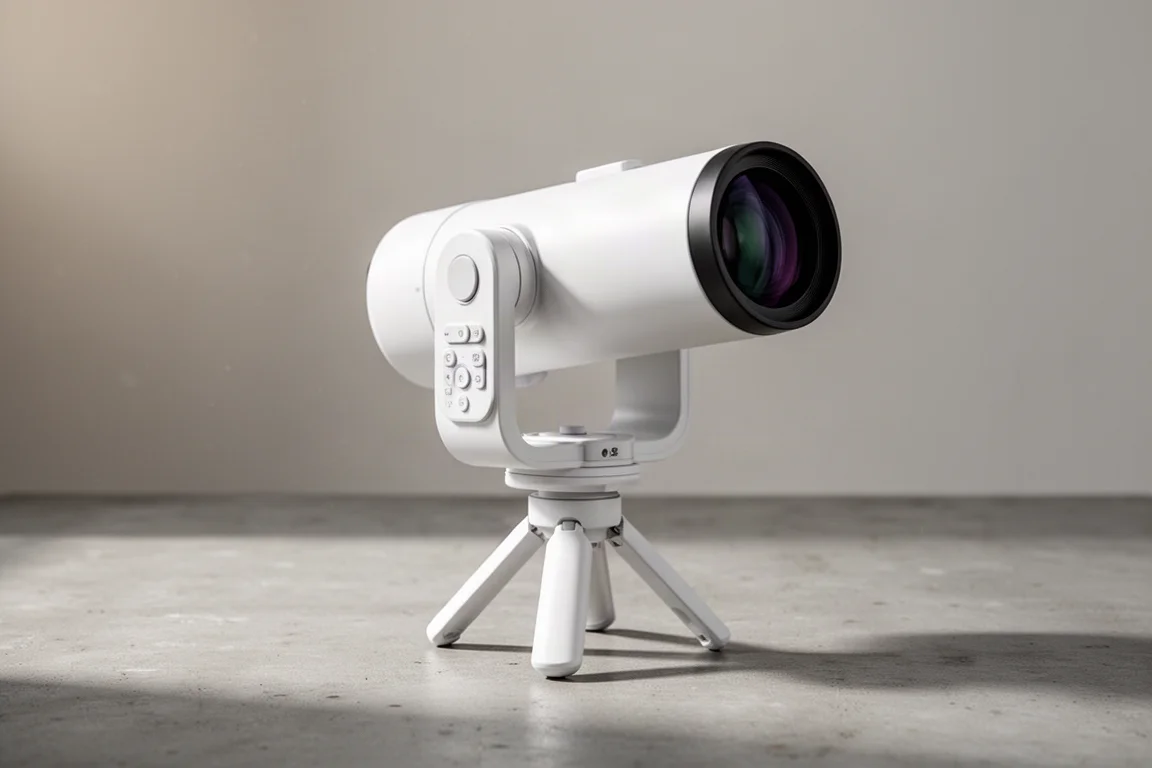
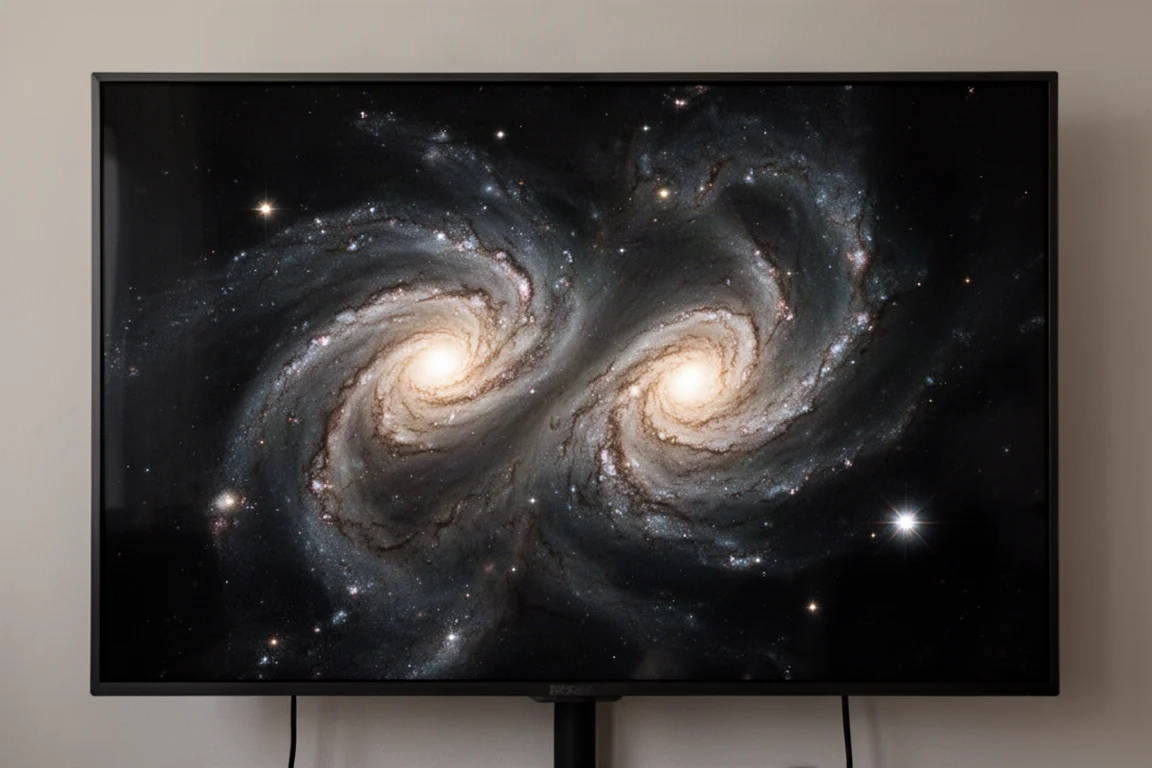
The Seestar S30 is the smaller sibling of the S50, offering a wider field of view. This makes it well suited for capturing larger objects, such as the Andromeda Galaxy or groups of galaxies that fit together in a single frame. In practice, the S30 can capture multiple galaxies in one image, which is a nice advantage for wide-field targets.
Despite its smaller size, the S30 is capable of impressive results. It shares the same user-friendly app and automated workflow as the S50, making it a good option for beginners who want a wider view of the sky.
Vaonis Vespera II
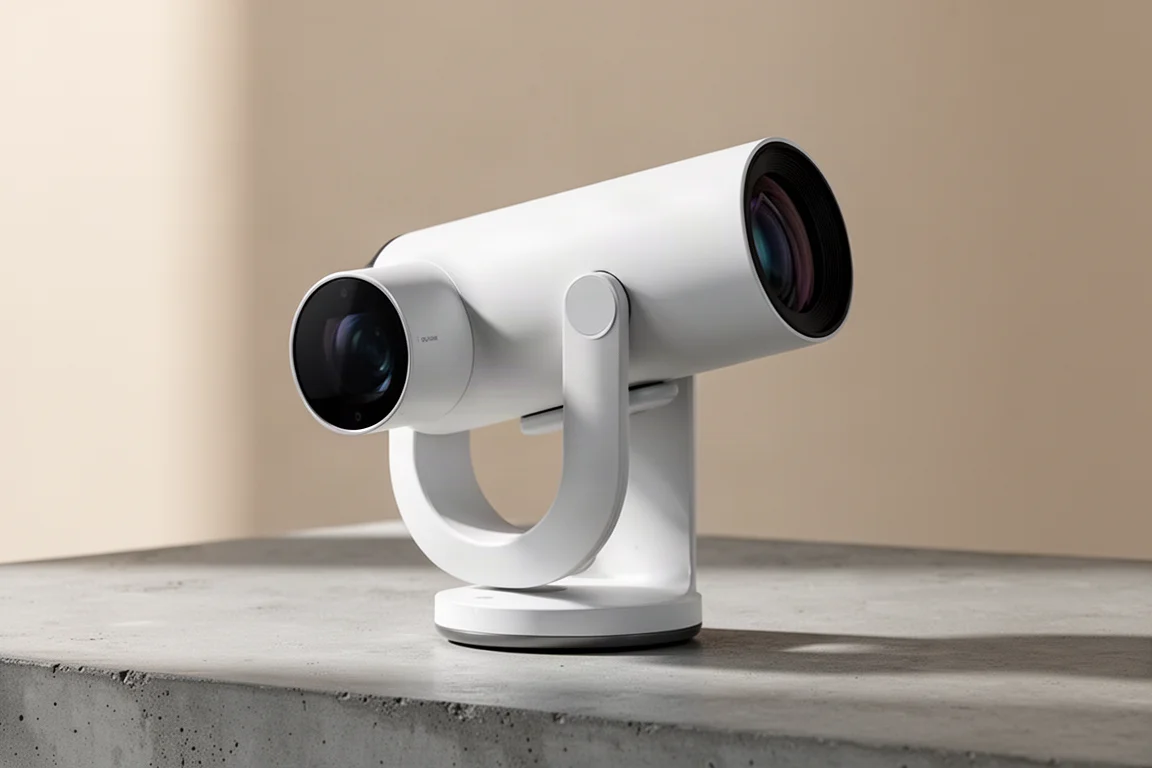
The Vaonis Vespera II is another smart telescope that has proven itself capable of serious astrophotography. It is a sleek, modern instrument with a built-in mount and camera, controlled entirely through a smartphone app. The Vespera II is designed for users who want a polished, integrated experience without any manual setup.
It is a more premium option compared to the Seestar models, but it delivers strong results. The Vespera II is a good fit for anyone who values design and simplicity as much as image quality.
How to Get the Most From a Smart Telescope
The images you see from smart telescopes are not downloaded from the internet. They are real captures from the sensor, and you can verify this by looking at the raw subframes. These raw frames are Bayer-patterned, meaning each pixel is still black and white until debayered, and they retain the full bit depth of the sensor. This is something AI-generated images cannot replicate.
To get the best results, plan for long integration times. The Seestar S50 example above used 27 hours of data for the galaxy pair and 4 hours for the Trifid Nebula. More data means less noise and more detail. Darker skies also make a big difference. A Bortle 3 or 4 zone will give you far better results than a heavily light-polluted city.
Processing matters too. Software like PixInsight can take the stacked data and bring out details that are hidden in the raw frames. Techniques like color calibration, deconvolution, and noise reduction can transform a basic stack into a stunning image.
Buying Advice
If you are new to astrophotography and want the simplest possible experience, the Celestron Origin or the Vaonis Vespera II are strong choices. Both are fully integrated and easy to use, though they come at a higher price.
If you want the best balance of price and performance, the Seestar S50 is hard to beat. It is affordable, capable, and has a proven track record. The Seestar S30 is a good alternative if you prefer a wider field of view.
If portability and stability are your priorities, the Dwarf 3 is worth a close look. Its adjustable tripod and gain control make it a practical travel companion.
Conclusion
Smart telescopes are not toys. They are real instruments that can capture impressive deep-sky images, especially when you give them enough time and reasonably dark skies. The five models covered here each offer a different balance of price, portability, and ease of use, but they all share one thing in common: they make astrophotography accessible to anyone.
Whether you are just starting out or looking for a lightweight addition to your existing setup, there is a smart telescope that fits your needs. The results you can achieve with these small, automated instruments are genuinely remarkable.
Further reading
Related Reviews
Astrophotography
ASKAR FRA400C Review: A Versatile 400mm Refractor for Astrophotography and More
The ASKAR FRA400C is a compact 72mm refractor that balances reach, versatility, and portability for astrophotographers and visual observers.
Astrophotography
Askar SQA106 Review: A Premium 106mm Astrograph With Exceptional Optics
The Askar SQA106 is a premium 106mm quintuplet astrograph with impressive sharpness across full-frame sensors, though its price and weight demand careful consideration.
Astrophotography
Astro Imaging Gear 2026: Eight New Products Worth Watching
A look at the most interesting new astrophotography and astronomy products announced this year, from fast telescopes to smart cameras and wireless accessories.