Smart Home
Smart Home Platforms and Devices for 2025: A Complete Setup Guide
A practical guide to choosing smart home platforms, understanding protocols, and selecting devices that work together reliably.
Introduction
Building a smart home in 2025 is more achievable than ever, but success depends on understanding the platforms, protocols, and devices that work together. Whether you’re starting from scratch or expanding an existing setup, this guide covers the main platforms to consider, the standards that matter, and the specific devices worth buying.
Choosing Your Smart Home Platform
The smart home platform you select determines how you control and automate your devices. Several options exist, each with different strengths and trade-offs.
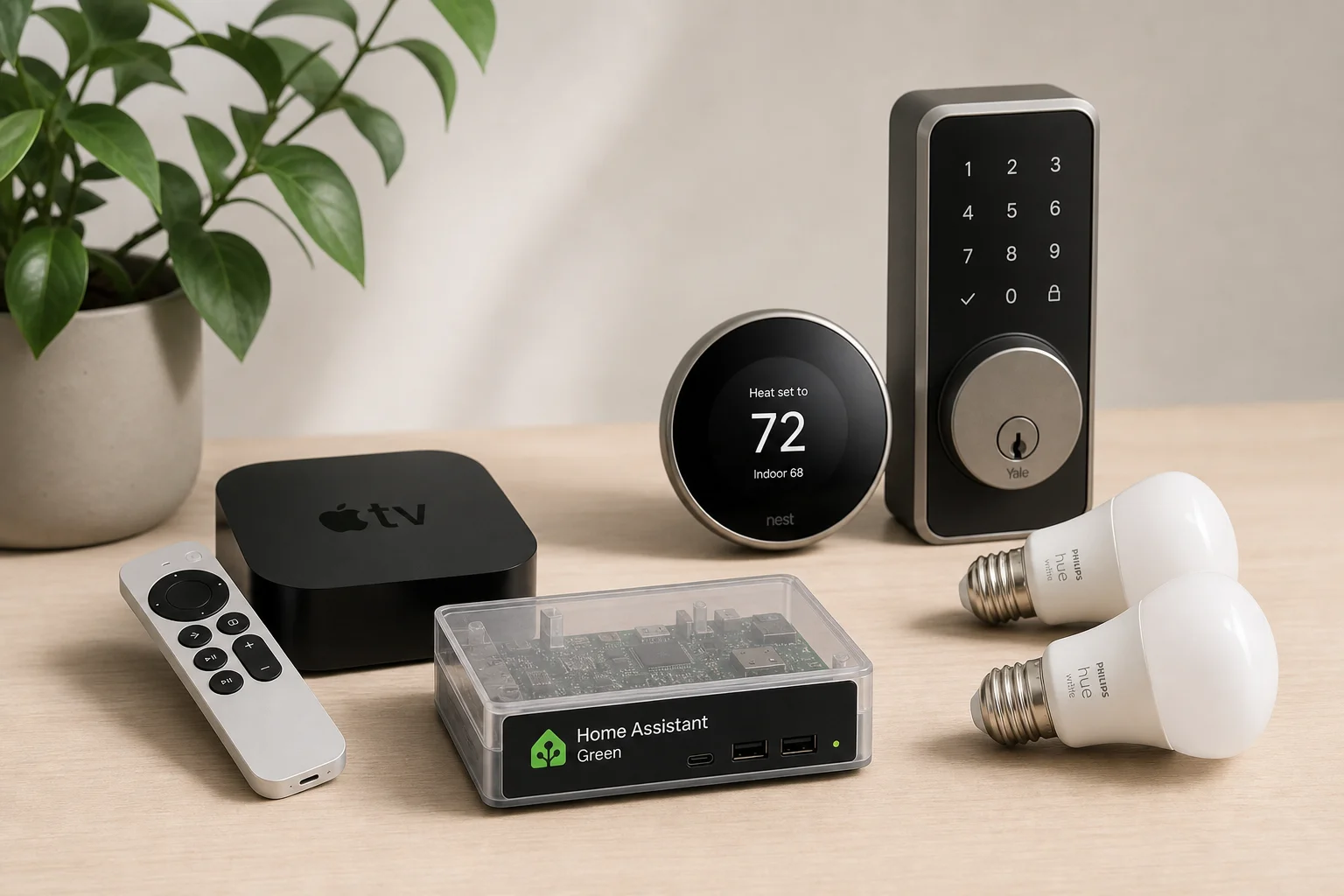
Home Assistant stands out as the most flexible choice. It’s an open-source platform that runs on a small home server, giving you complete control over your setup. The Home Assistant Green costs $99 and handles the hardware side simply. The main advantage is that Home Assistant integrates with practically everything and receives regular updates to support new standards like Matter. The learning curve can be steeper than other platforms, but the flexibility makes it worth considering, especially if you anticipate outgrowing simpler systems.
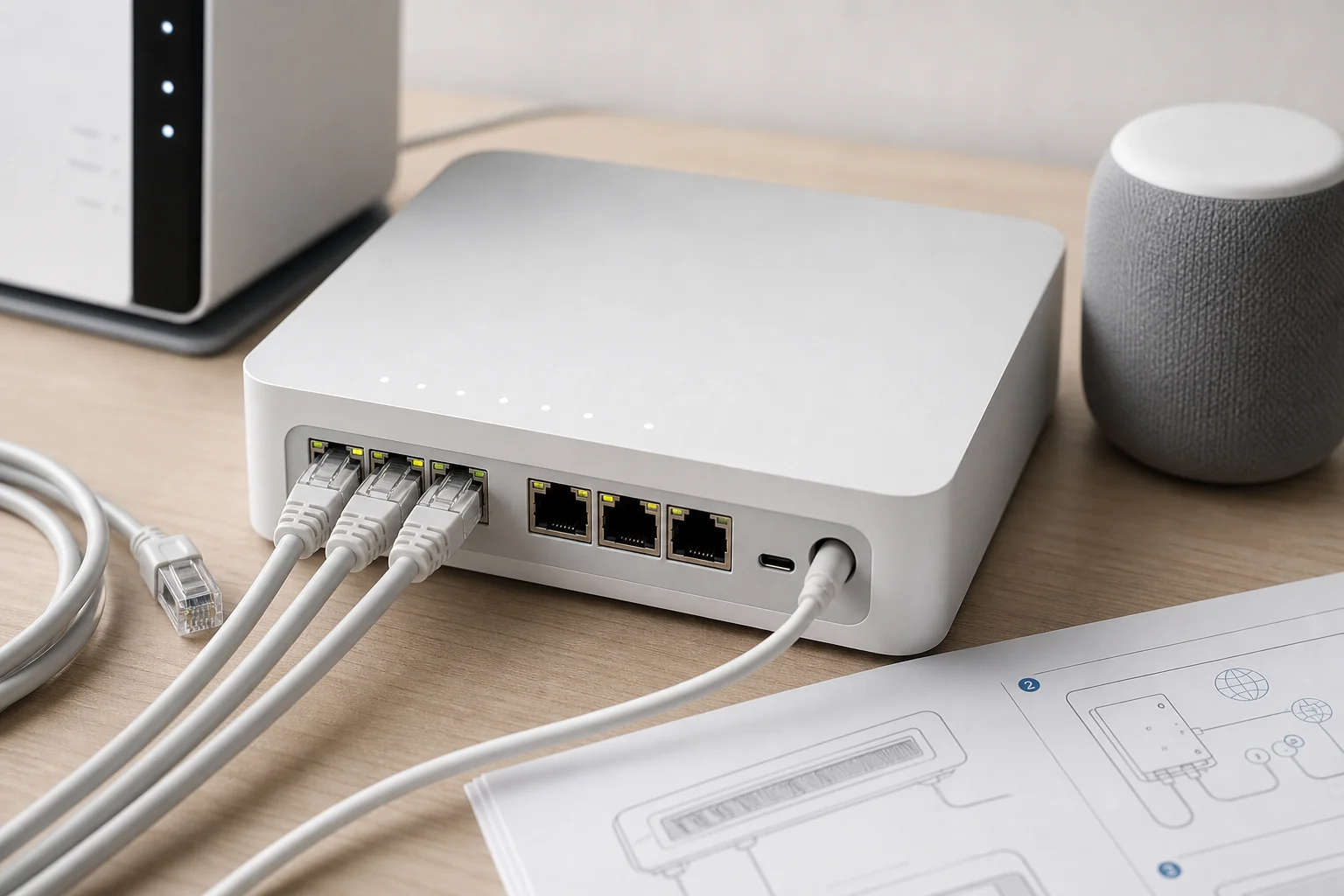
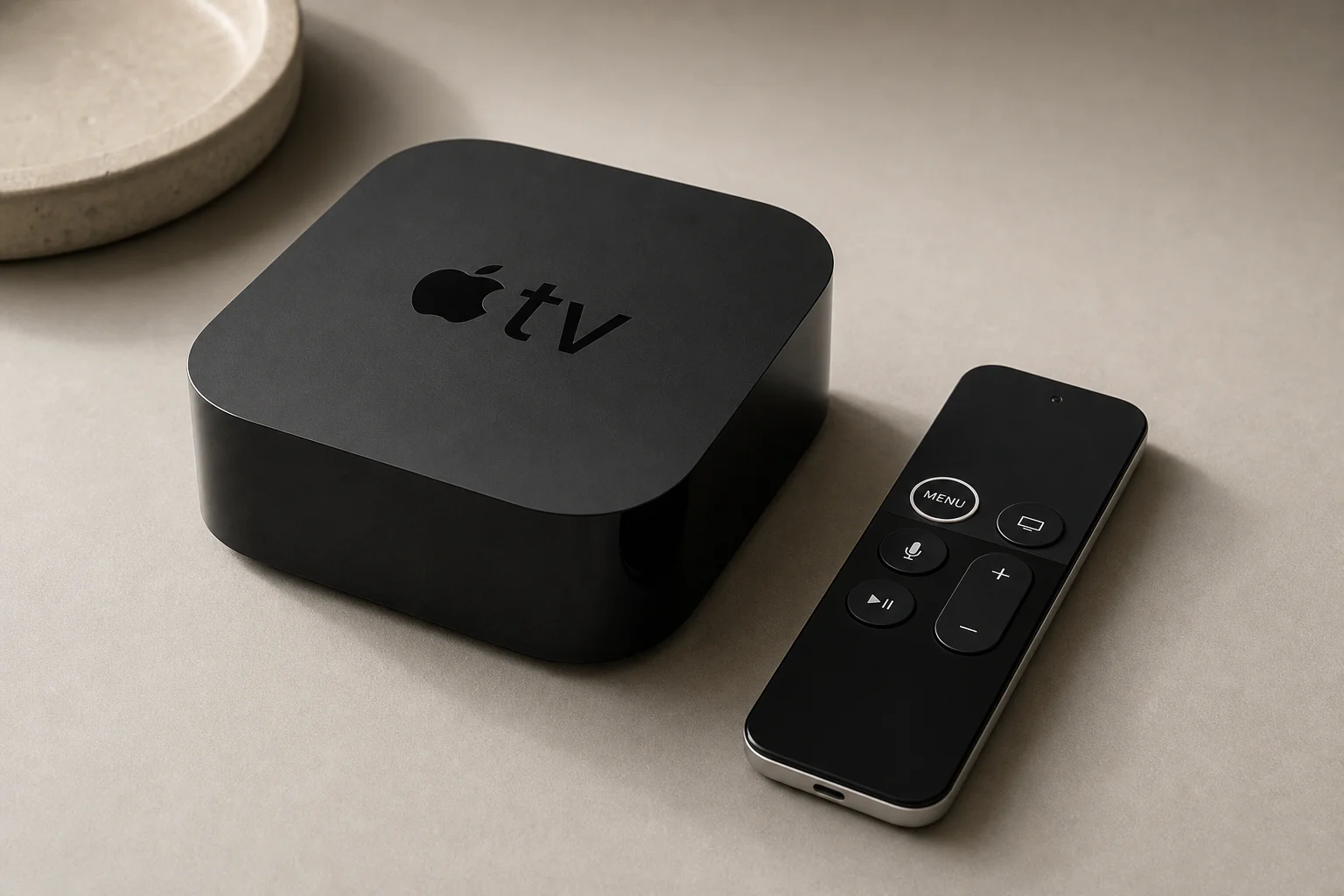
For Apple households, Apple Home offers the simplest experience. Apple TV 4K, HomePod, or HomePod Mini all work as home hubs, enabling local control of your devices. Apple’s setup process is straightforward, and everything runs locally on your network rather than relying on cloud processing.
Google Home works well for Android and Windows users, though response times can be slower than competing platforms. Some commands still process through the cloud rather than locally.
Amazon’s platform is among the easiest to set up. Devices discover automatically in many cases, and the process requires minimal technical knowledge. However, if you’re already invested in Apple Home, adding Amazon devices creates unnecessary complexity.
Samsung SmartThings suits those deeply embedded in the Samsung ecosystem, though Home Assistant remains the better choice for advanced automation.
Homey offers a polished app and automation experience, but it’s produced by a single company (recently acquired by LG) and lacks the community support and device compatibility of Home Assistant. The Homey Pro costs significantly more than Home Assistant Green, making it harder to recommend.
Understanding Smart Home Protocols
Before buying devices, understand how they communicate. The main protocols are Wi-Fi, Thread, Zigbee, and Z-Wave. Each requires specific hardware built into the device.
Zigbee devices like Philips Hue bulbs need a dedicated hub (the Philips Hue Bridge) to connect to your network. Z-Wave devices similarly need a dedicated hub. Thread devices require a Thread border router to connect to the internet. Wi-Fi devices connect directly to your network.
The challenge arises when mixing protocols: a Zigbee light, Thread door lock, and Wi-Fi thermostat all need different infrastructure to work together. This is where Matter becomes important.
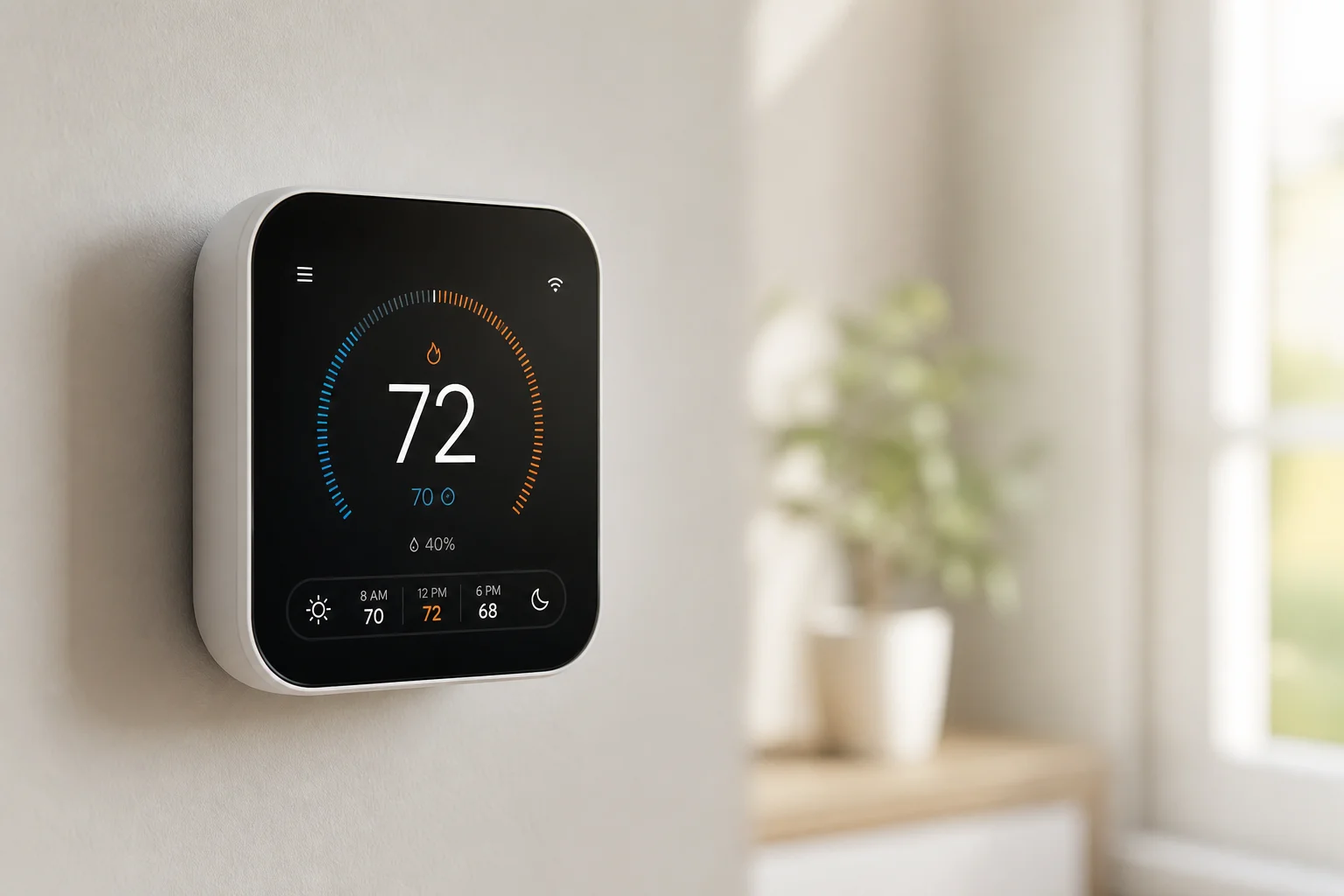
Matter is a new smart home standard designed to simplify cross-platform compatibility. Instead of being locked into devices certified for your specific platform, Matter-enabled devices work across platforms. For example, the new Nest Thermostat supports Matter, allowing you to add it to Apple Home by scanning a QR code, then easily add it to Home Assistant using Matter’s device credential sharing feature.
Smart Thermostats
Thermostats are among the easiest devices to automate and replace. Two strong options exist for 2025.
The Nest Learning Thermostat (fourth generation) features a larger display, slimmer profile, and beautiful glass front. Rather than setting a weekly schedule, it learns your preferences based on manual adjustments, weather, humidity, and time of day. It includes temperature sensors for whole-home readings and supports Matter, making it compatible with multiple platforms.
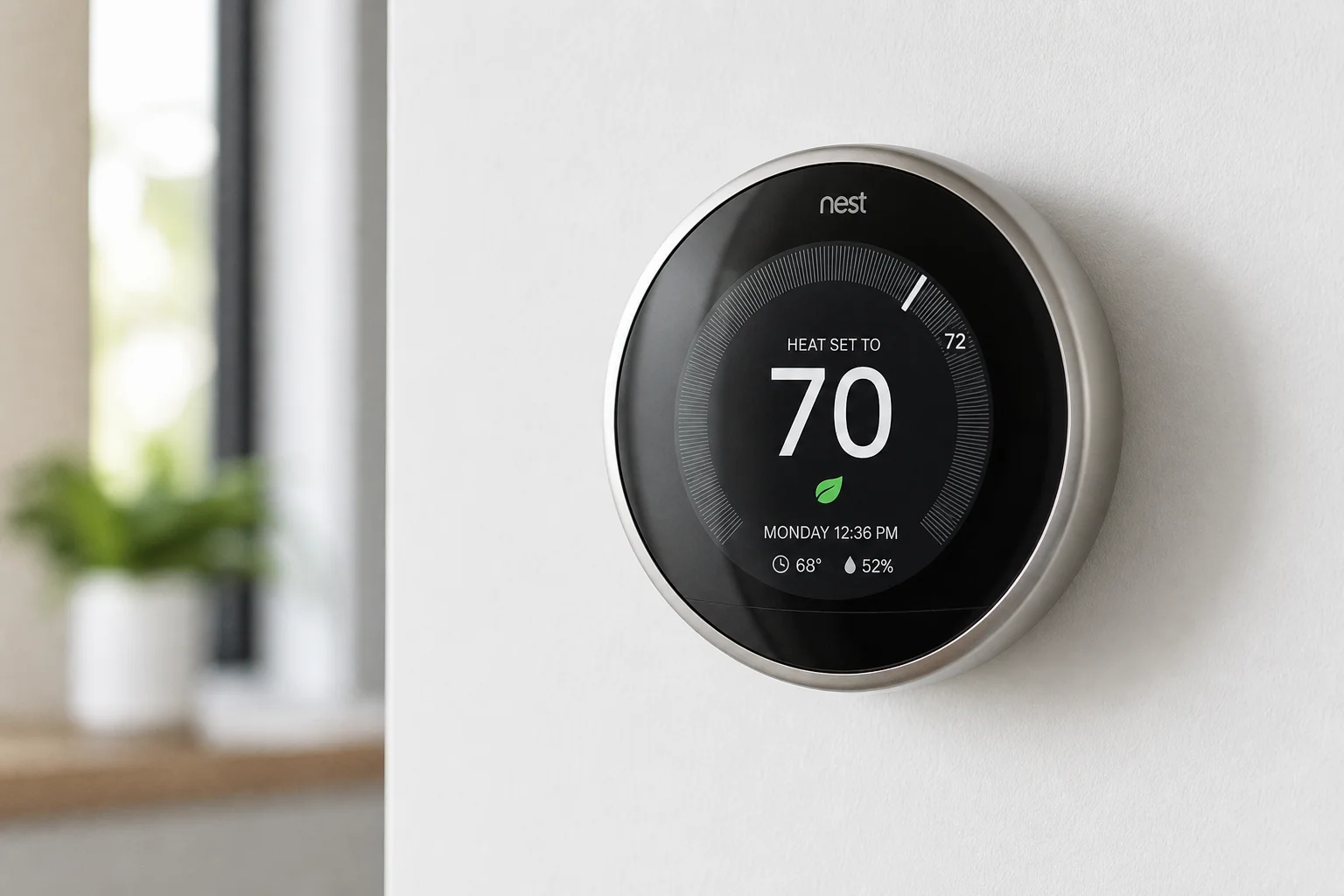
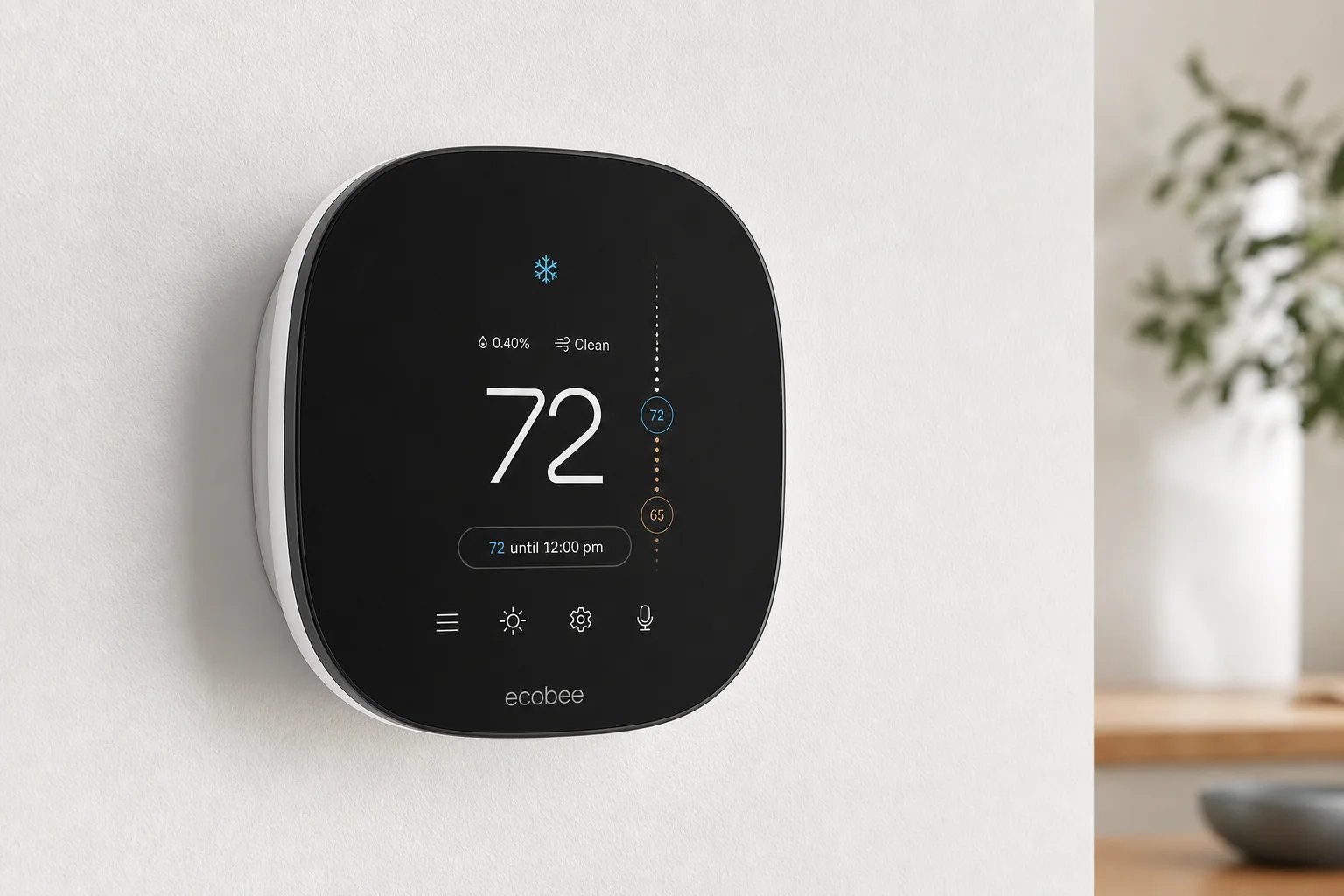
The Ecobee Premium Smart Programmable Thermostat offers a larger screen, premium materials, and on-device support for Apple and Amazon assistants. It supports Apple HomeKit and Google Assistant. However, Ecobee has not announced Matter support, making the Nest Thermostat the stronger recommendation for 2025.
Smart Locks and Access Control
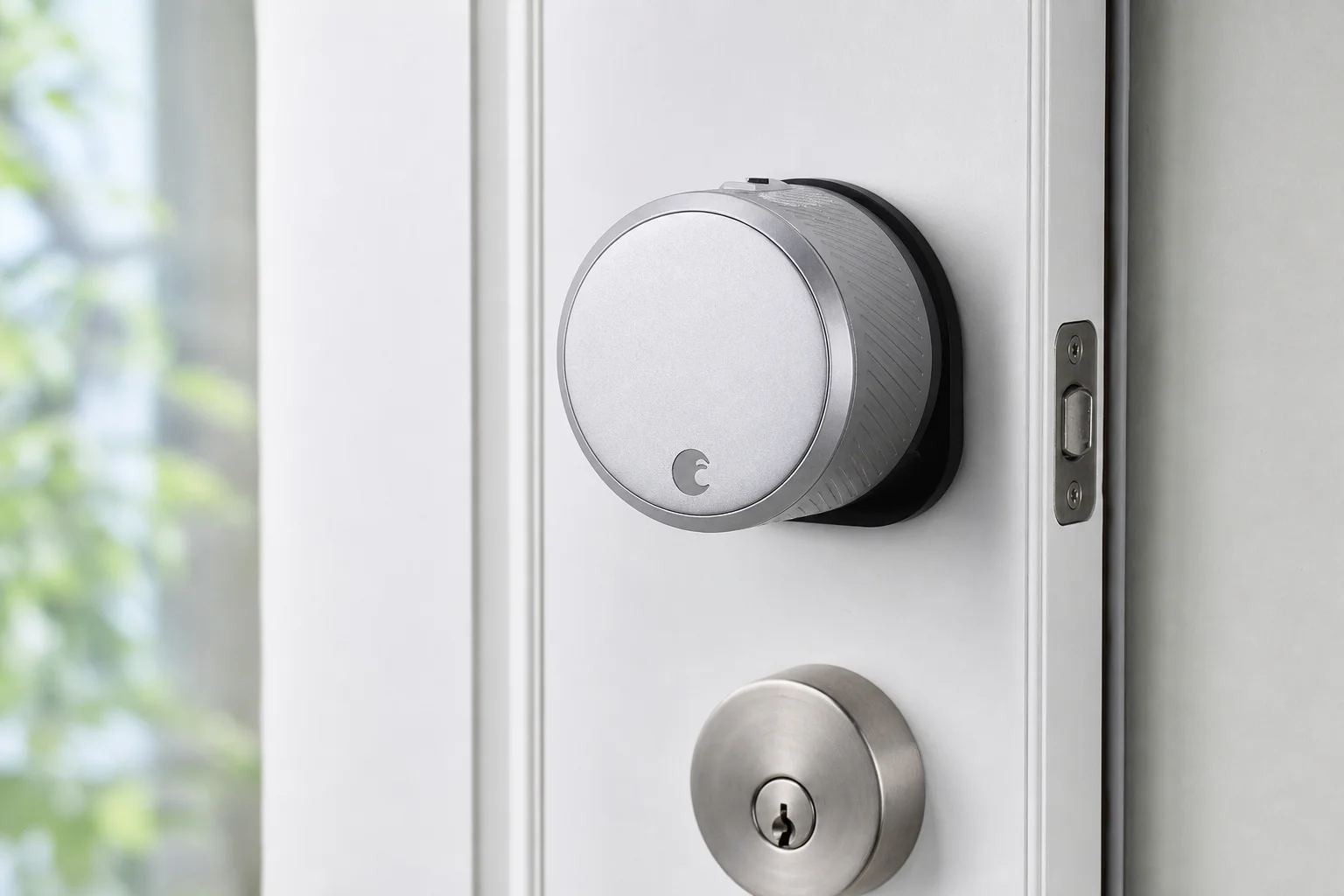
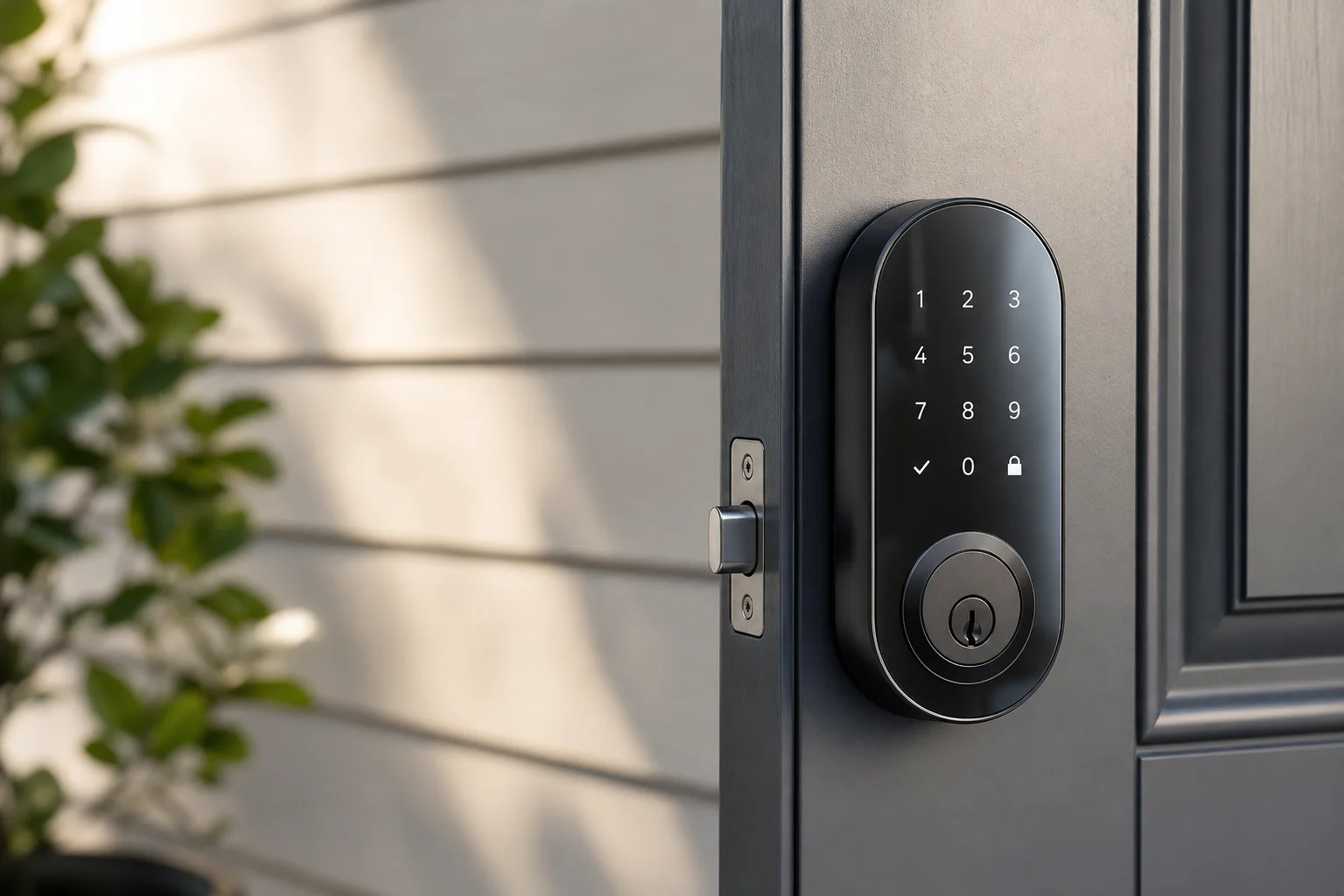
Smart locks solve several problems with traditional locks: they let you enter using your phone, watch, keypad, or fingerprint instead of a physical key. They enable easy guest access through temporary codes and let you confirm whether you locked the door after leaving home.
Two important standards are emerging in this category. Apple Home Key allows iPhone and Apple Watch users to unlock doors by tapping them, but Android users cannot use this feature. Aero is a new standard building on Home Key technology using NFC (the same technology as Apple Pay), allowing both iPhone and Android phones to unlock compatible locks by tapping.
Ultra-Wideband is another emerging technology. Unlike Bluetooth-based auto-unlock (which often triggers too early or too late), Ultra-Wideband knows exactly how far away you are, how fast you’re approaching, and from which direction. This enables genuinely reliable auto-unlock.
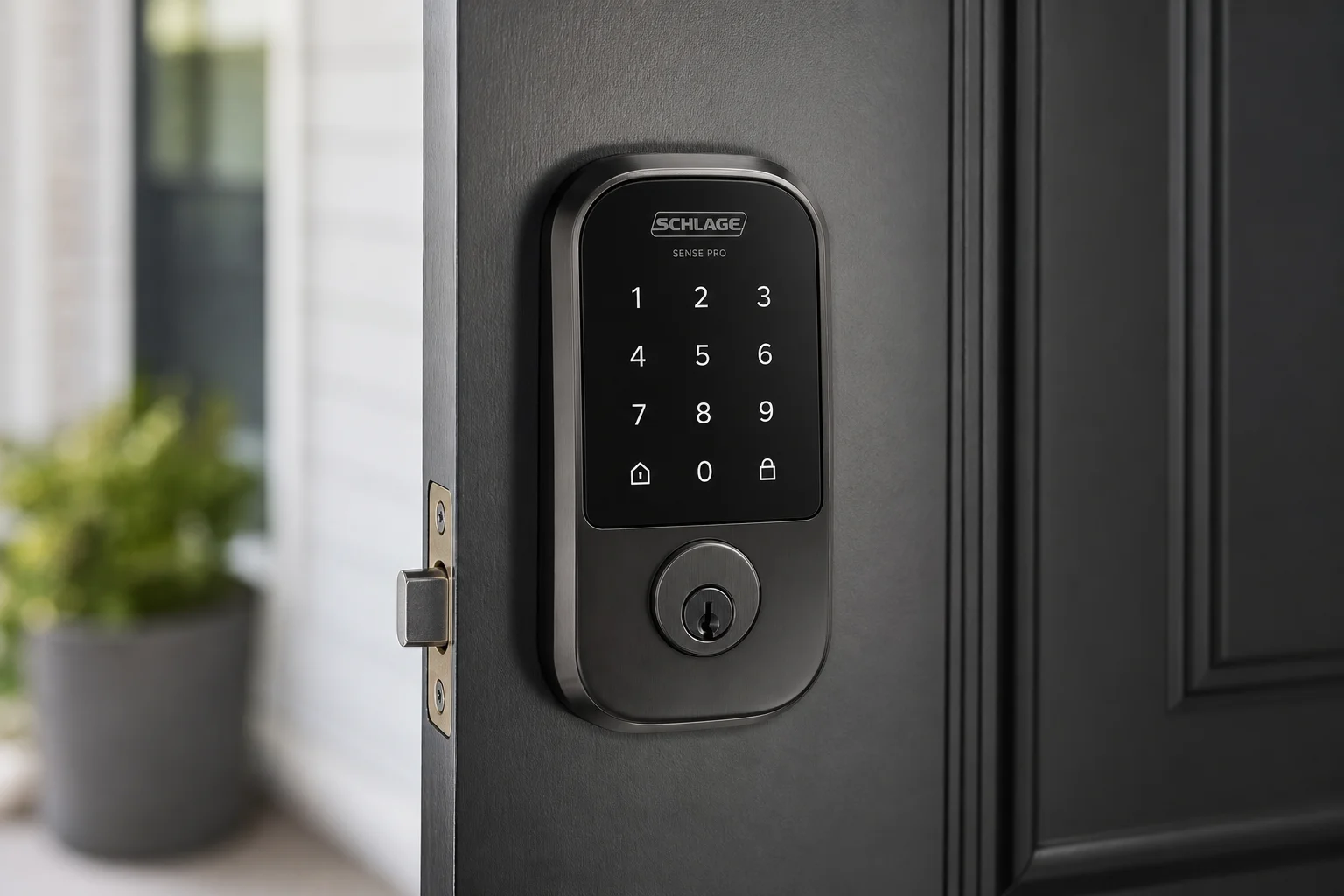
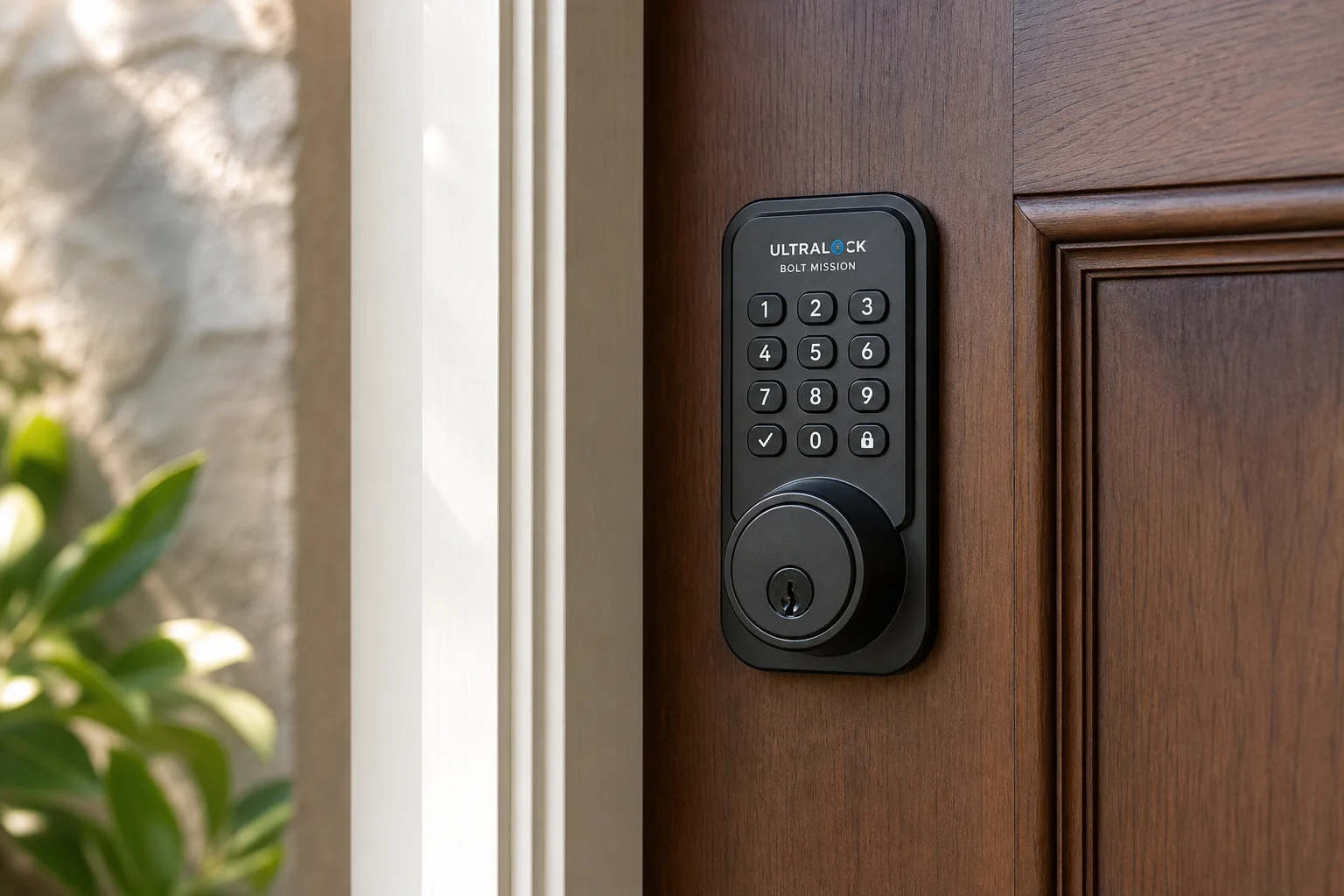
The Schlage Sense Pro and UltraLock Bolt Mission both support Matter over Thread, Apple Home Key, Aero tap-to-unlock, and Ultra-Wideband. The Schlage features a touchscreen keypad, while the UltraLock includes a physical keypad and key wave option.
For those wanting Home Key support today without waiting for Aero, the Schlage Encode Plus Smart Wi-Fi Deadbolt is a solid choice.
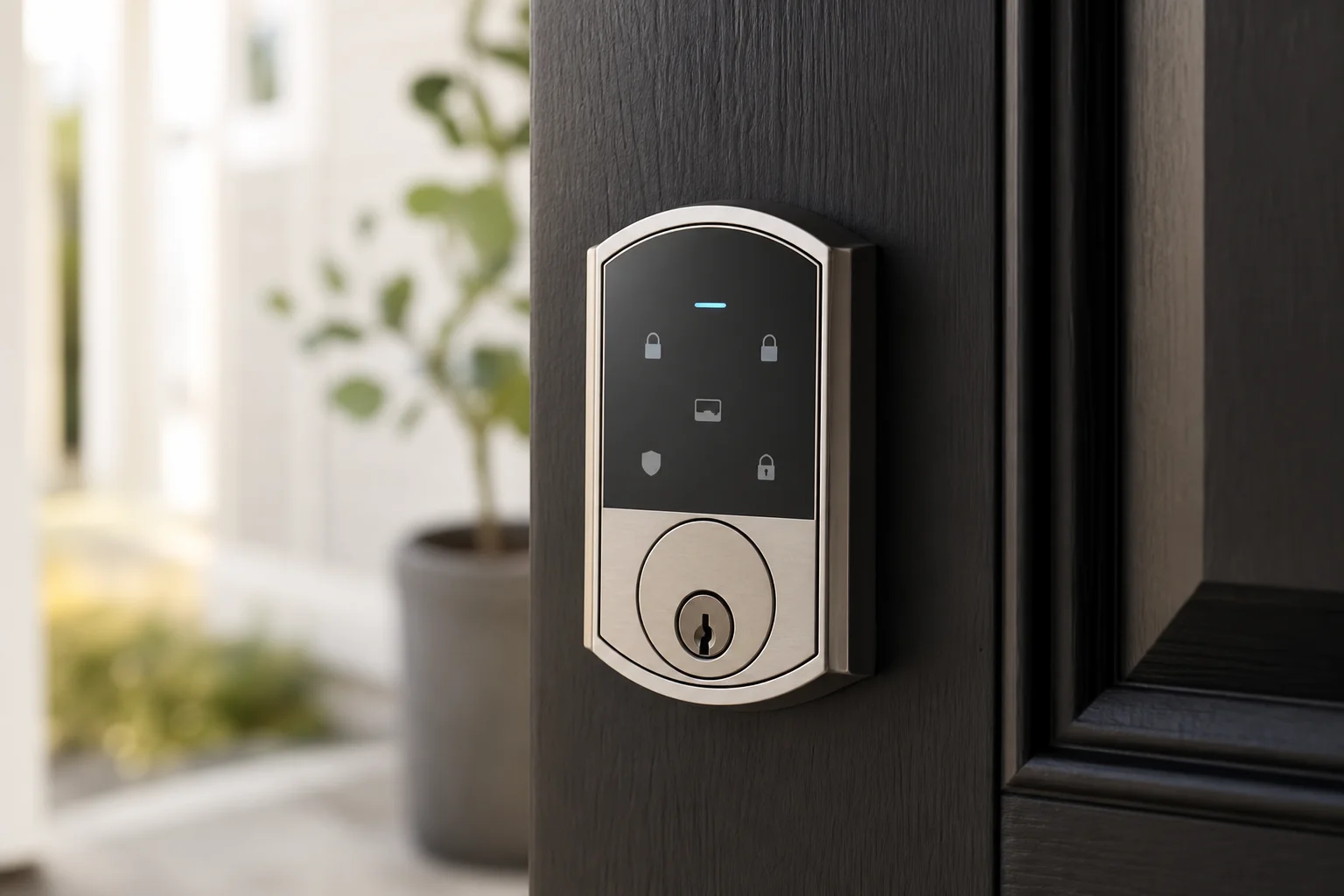
Renters should consider the August Smart Lock, which works on the outside of your existing lock. Pair it with an August Bridge to extend battery life from 1-3 months to 4-6 months.
Smart Lighting and Automation
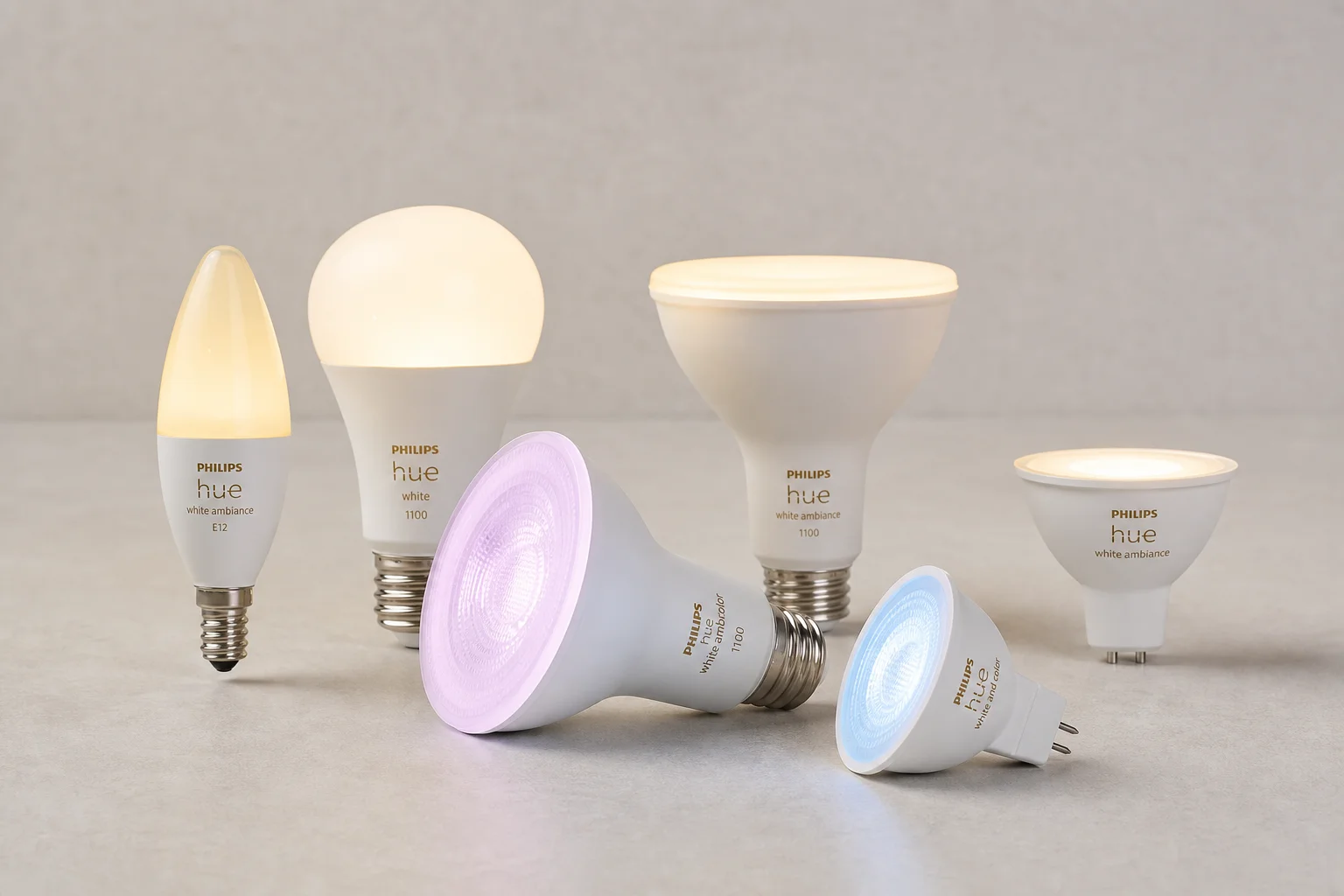
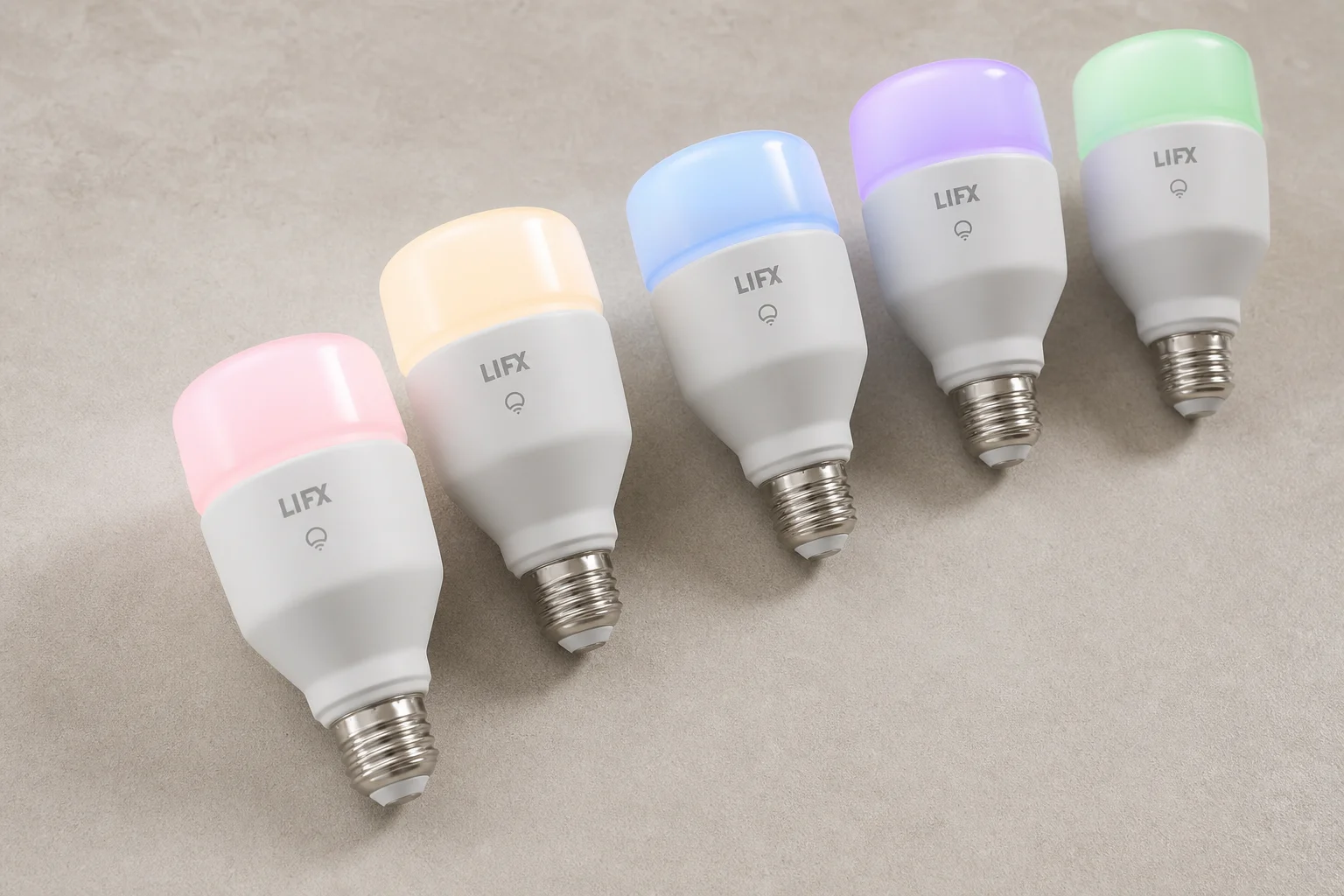
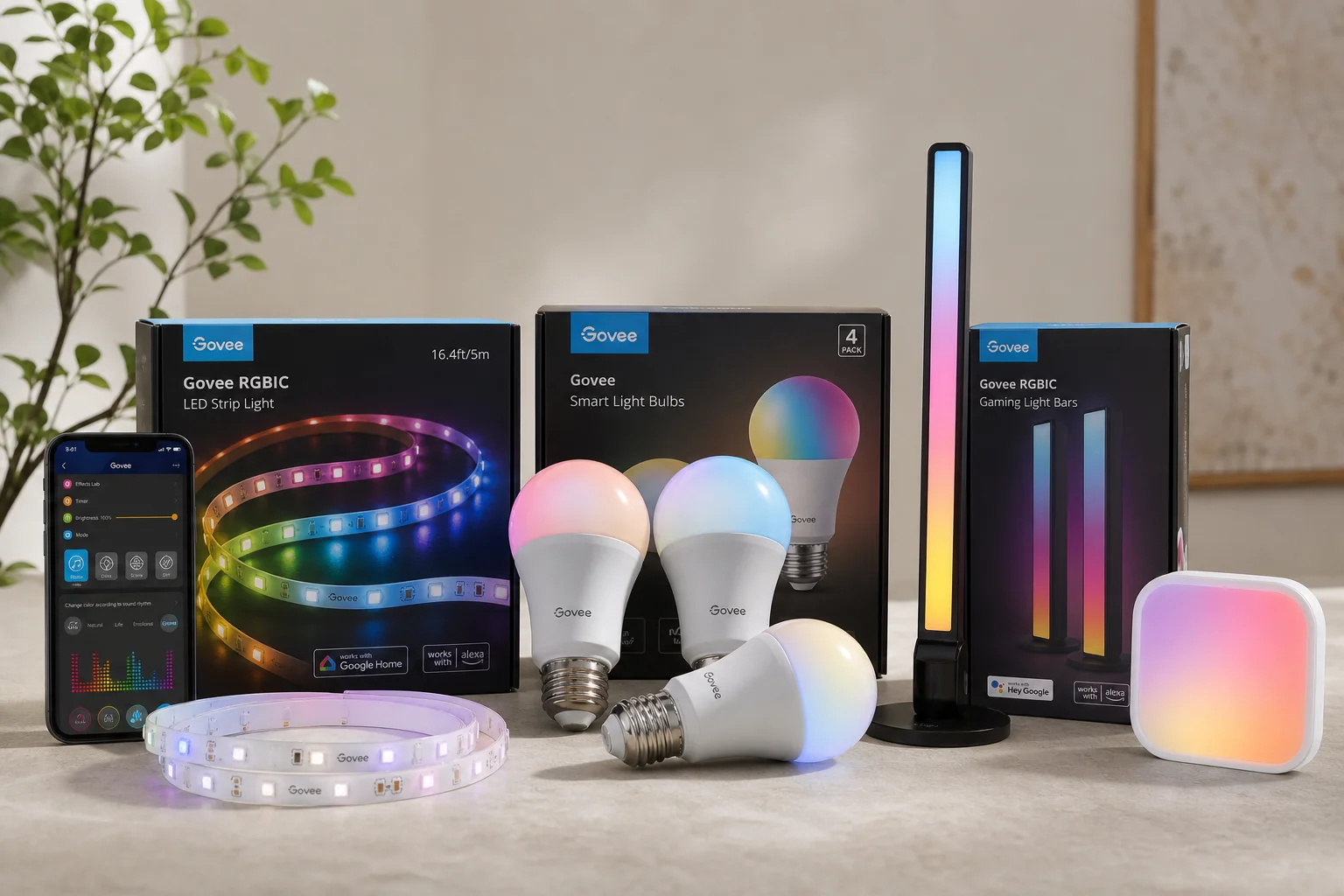
Smart lighting remains one of the most popular entry points into home automation. The main players are Philips Hue, LIFX, Govee, Nanoleaf, Lutron, and GE Sync. Matter support is now more common, making it easier to mix brands.
Philips Hue has proven reliable over years of use, though typically costs more than competitors. Hue also makes multicolored LED replacements for recessed lighting and switch accessories that prevent accidental manual control while enabling existing switches to work with smart lights.
LIFX, Govee, Nanoleaf, and Lutron all offer strong alternatives with varying price points and features.
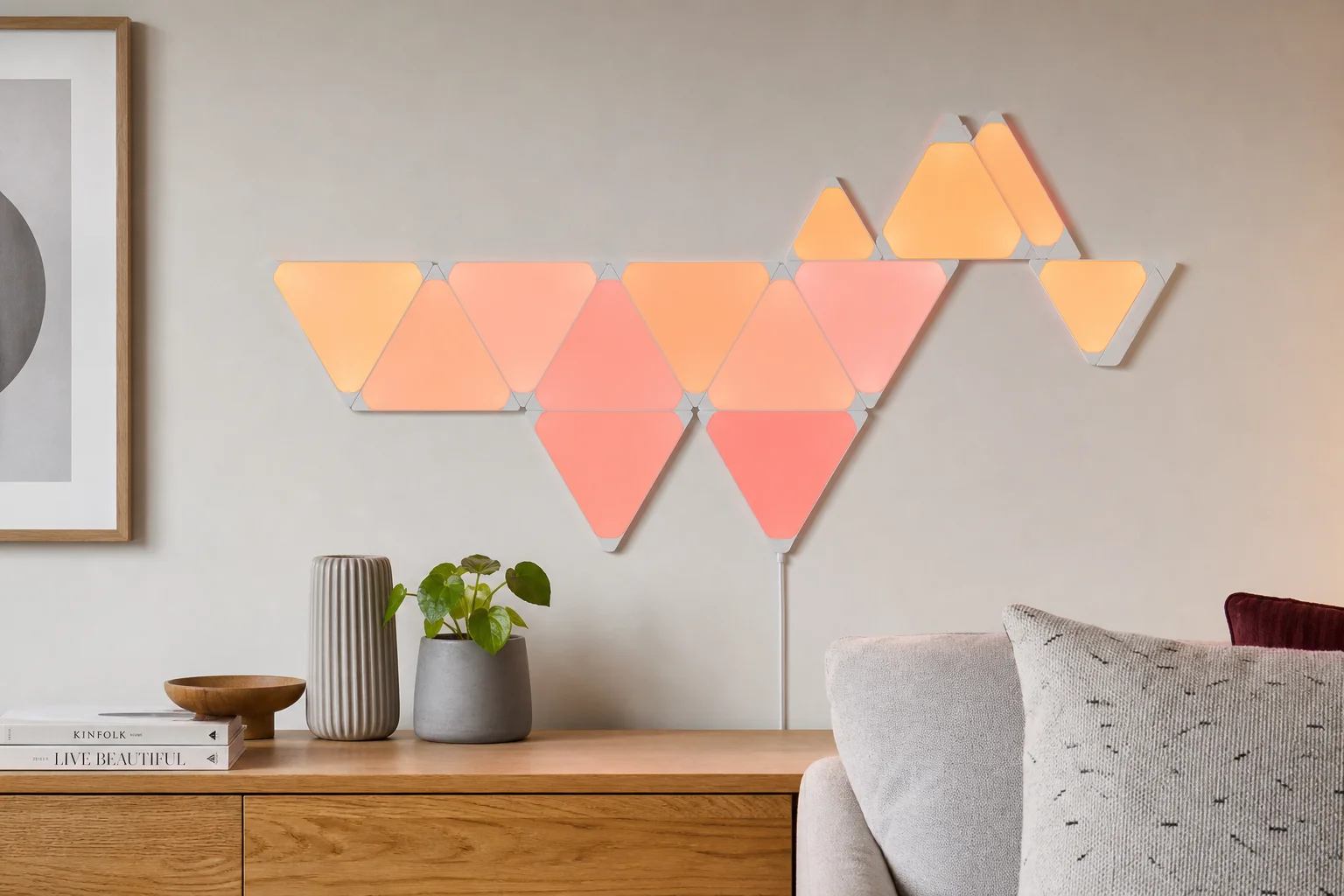
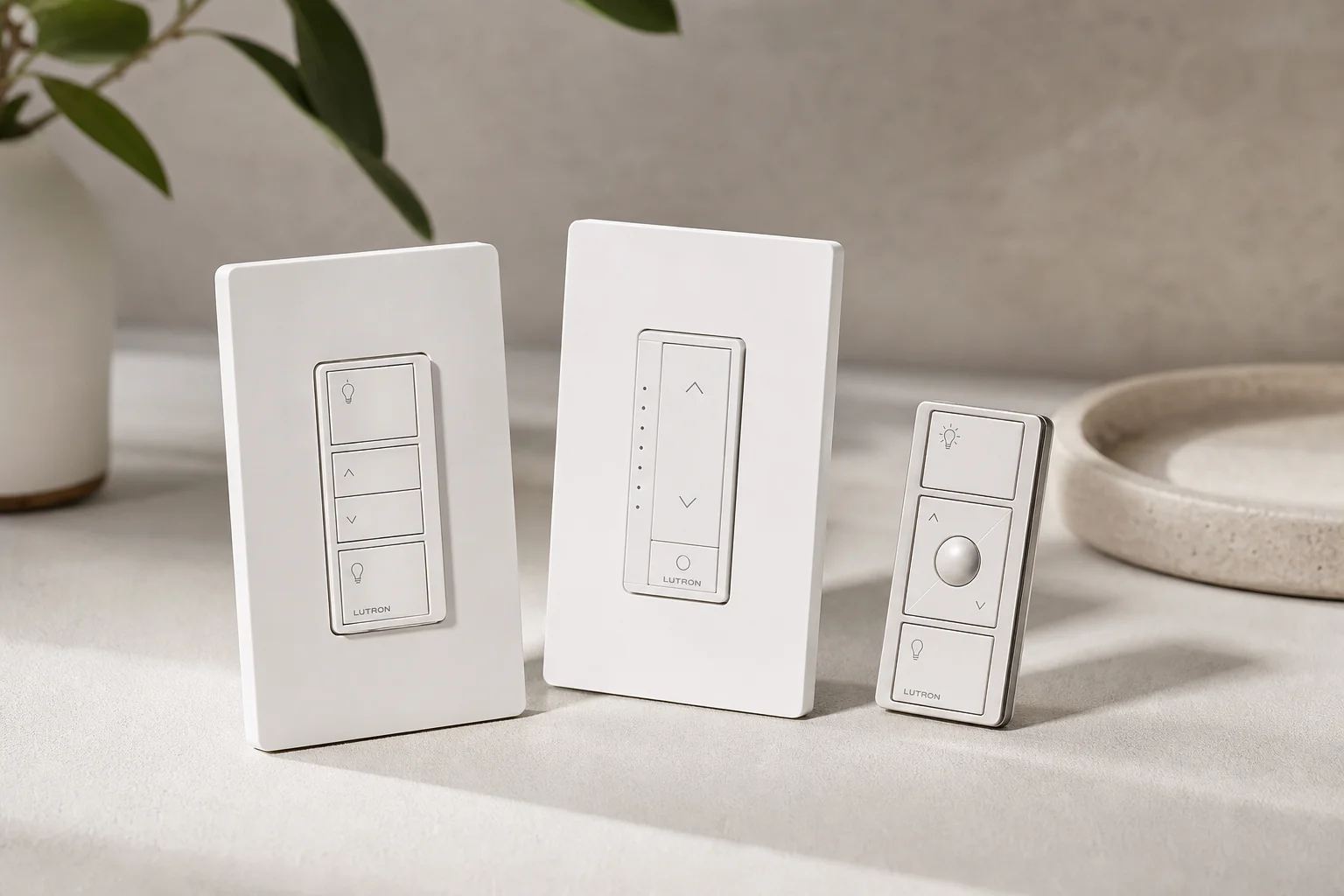
GE Sync rounds out the major options.
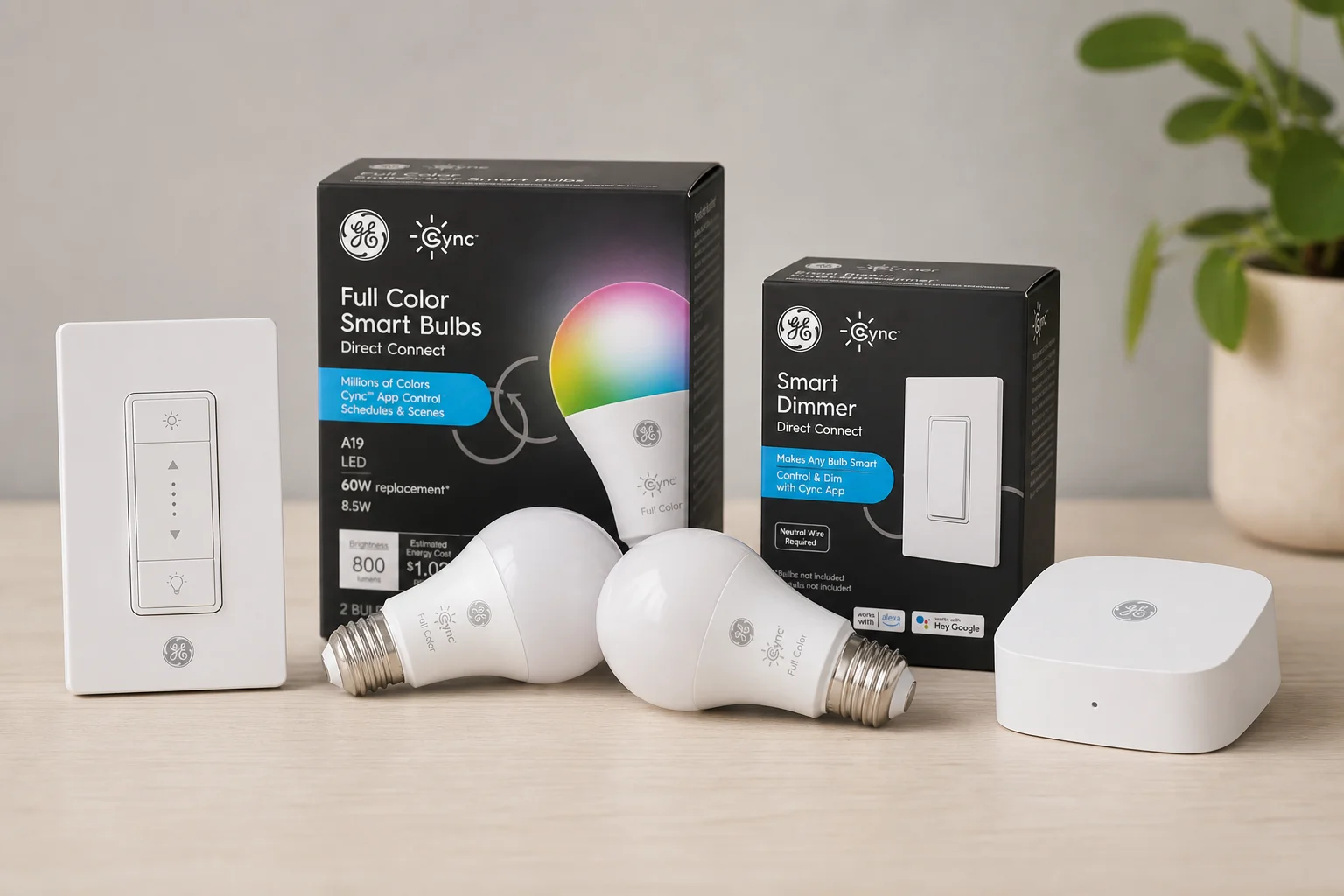
Motion sensors enhance lighting automation significantly. Passive infrared sensors turn lights on when you enter a room and can turn them off after a set time. Millimeter-wave sensors detect presence even when people are stationary, keeping lights on as long as the room is occupied.
For automated blinds and shades, Lutron is widely considered the best option, with reliable battery operation and minimal maintenance over years of use.
Security Systems
When choosing a security system, ask yourself how much you want to integrate it with your other smart home devices. If you want door sensors to trigger lights or other automations, you need a system that plays well with your platform.
SimpliSafe and Ring Alarm offer DIY installation with professional monitoring options. However, SimpliSafe lacks Apple Home integration and has no plans for Matter support, limiting its usefulness in integrated setups.
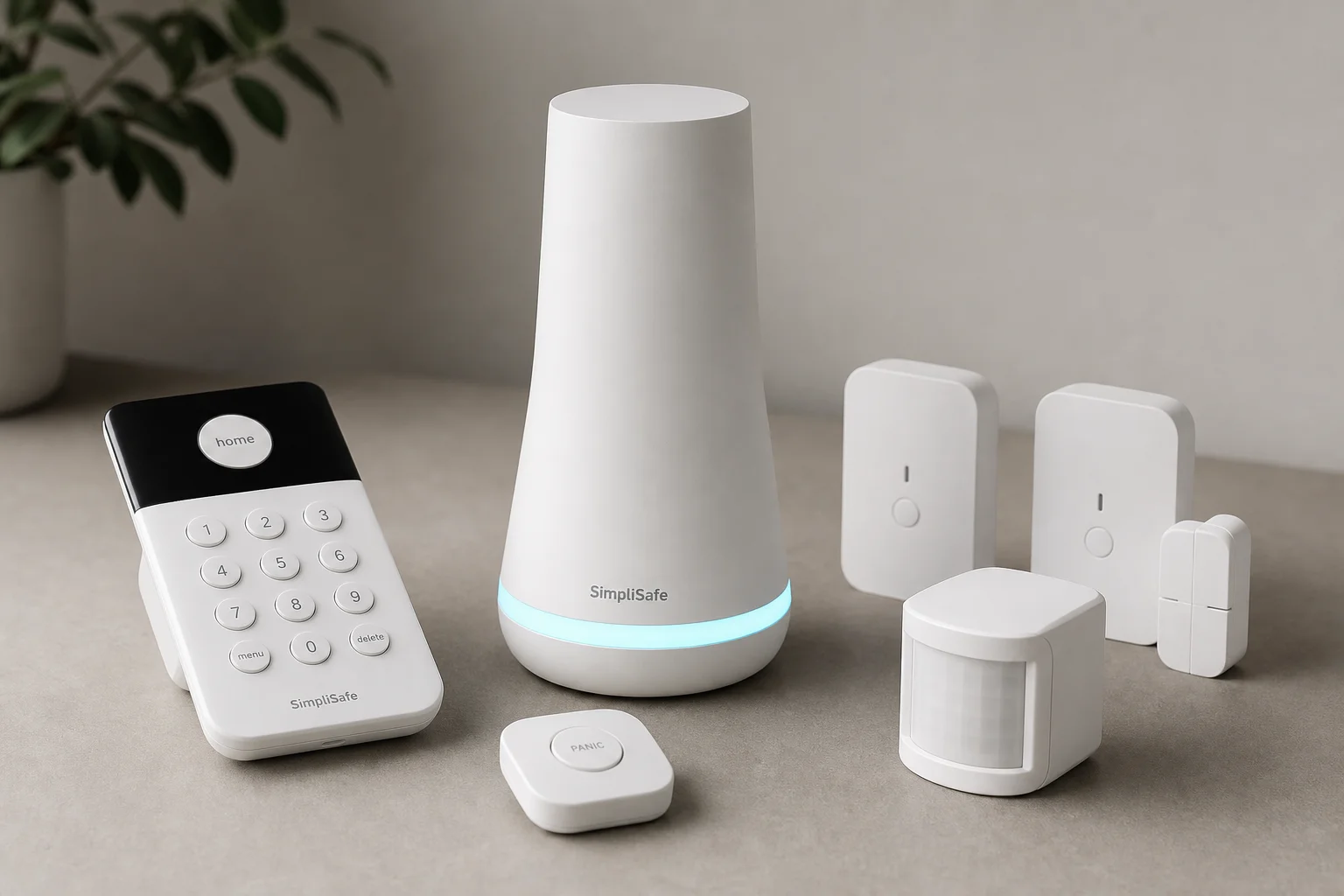
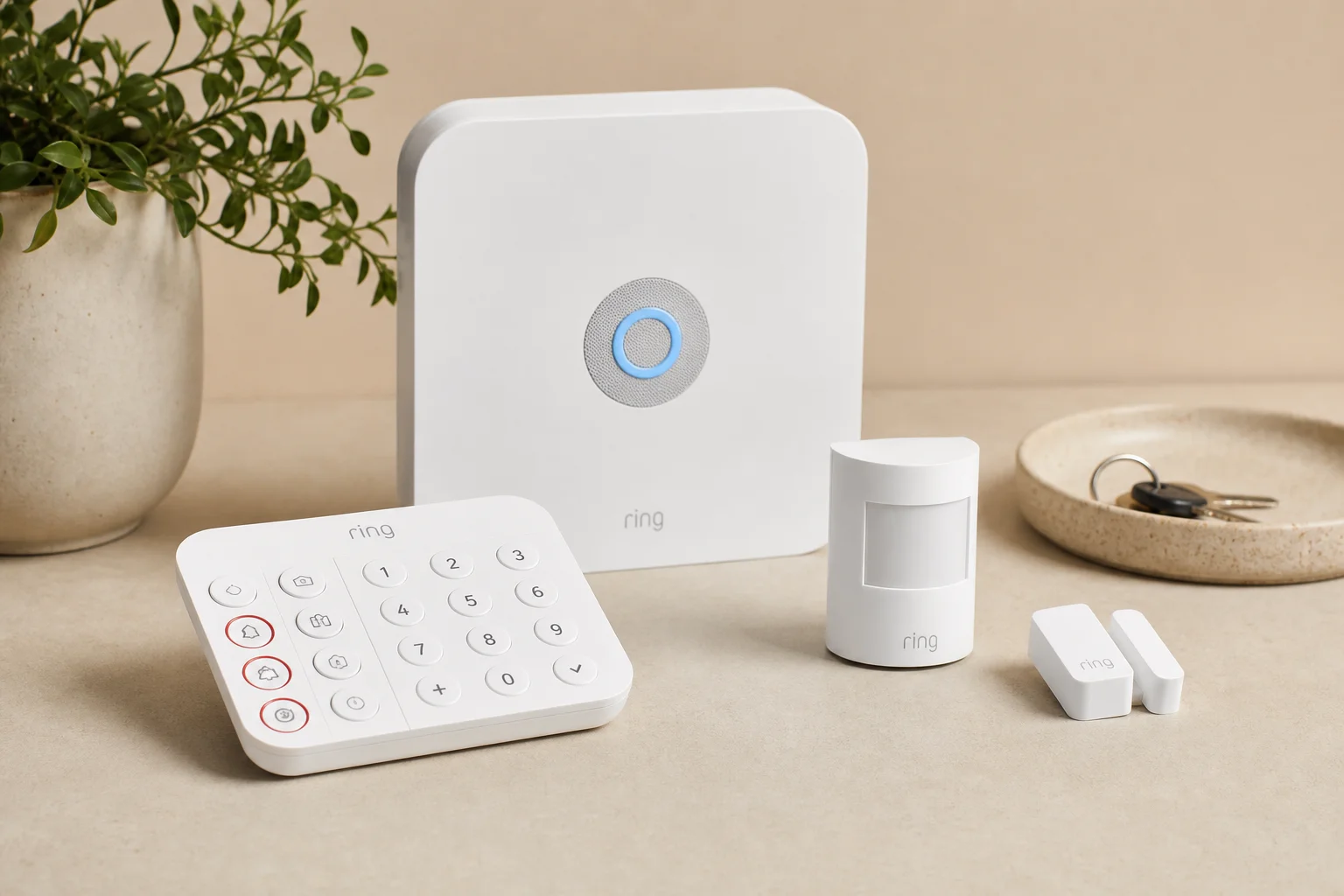
Abode integrates well with major smart home platforms and runs locally via HomeKit integration, making it an excellent choice for those wanting full integration.
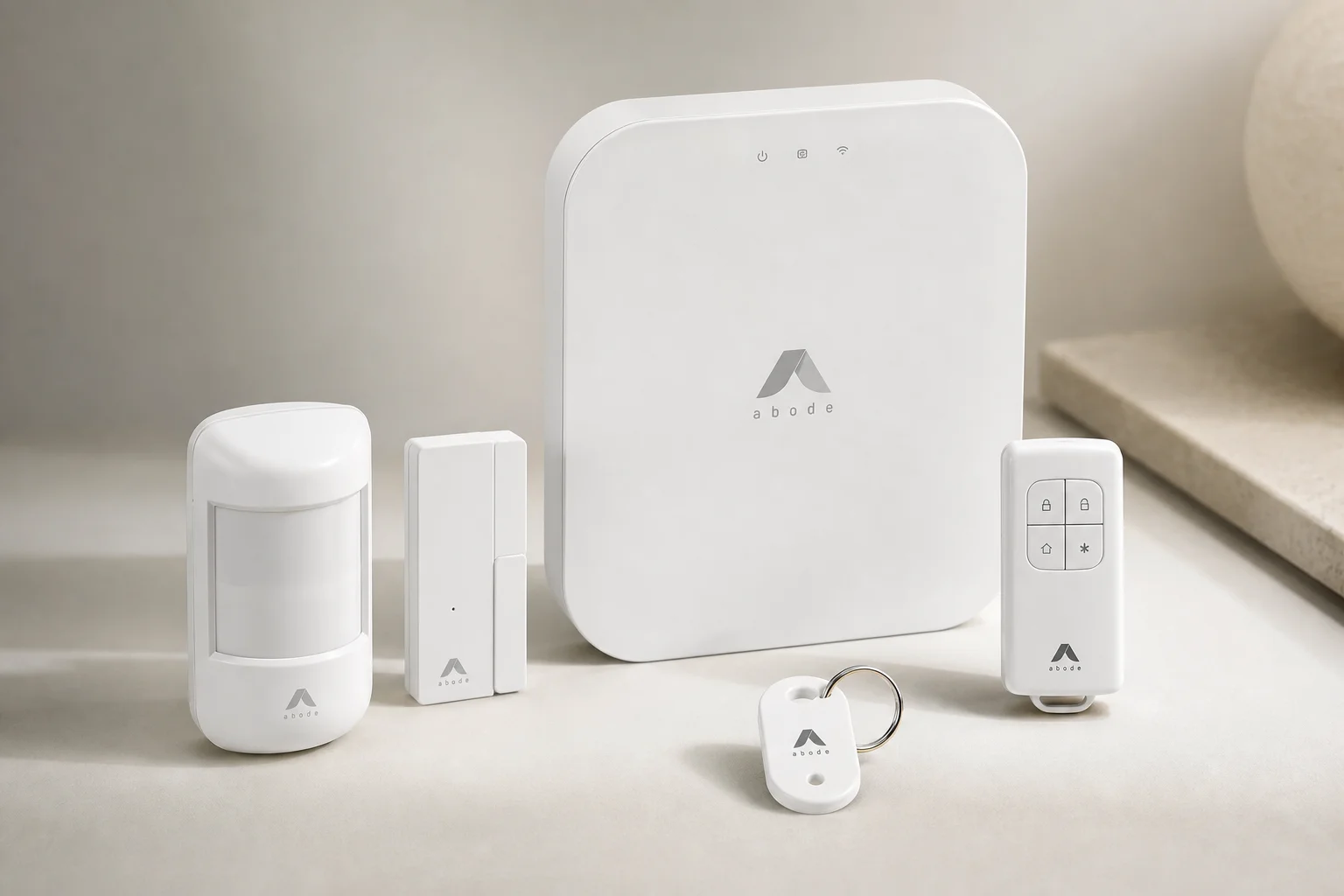
For tech enthusiasts, building a custom security system in Home Assistant without professional monitoring is possible, though professional monitoring adds peace of mind.
Streaming Devices and TV Integration
Rather than focusing on TV integration, prioritize the streaming device. Options like Apple TV 4K, Google TV Streamer, Fire TV, and Roku all integrate into smart homes more easily than the TVs themselves.
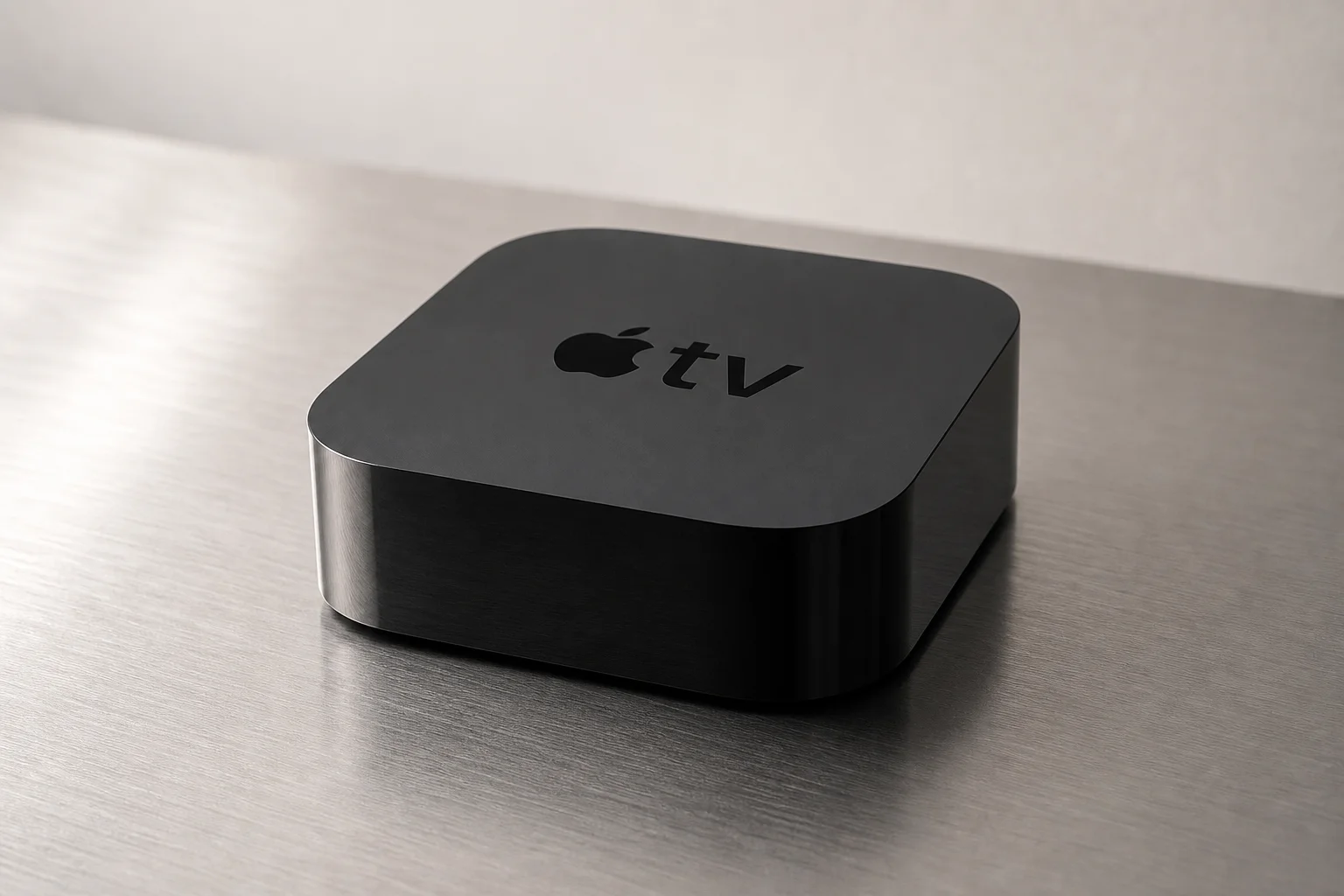
The Apple TV 4K supports Matter and includes Thread when using Ethernet, enabling local automations like automatically dimming lights when the TV turns on.
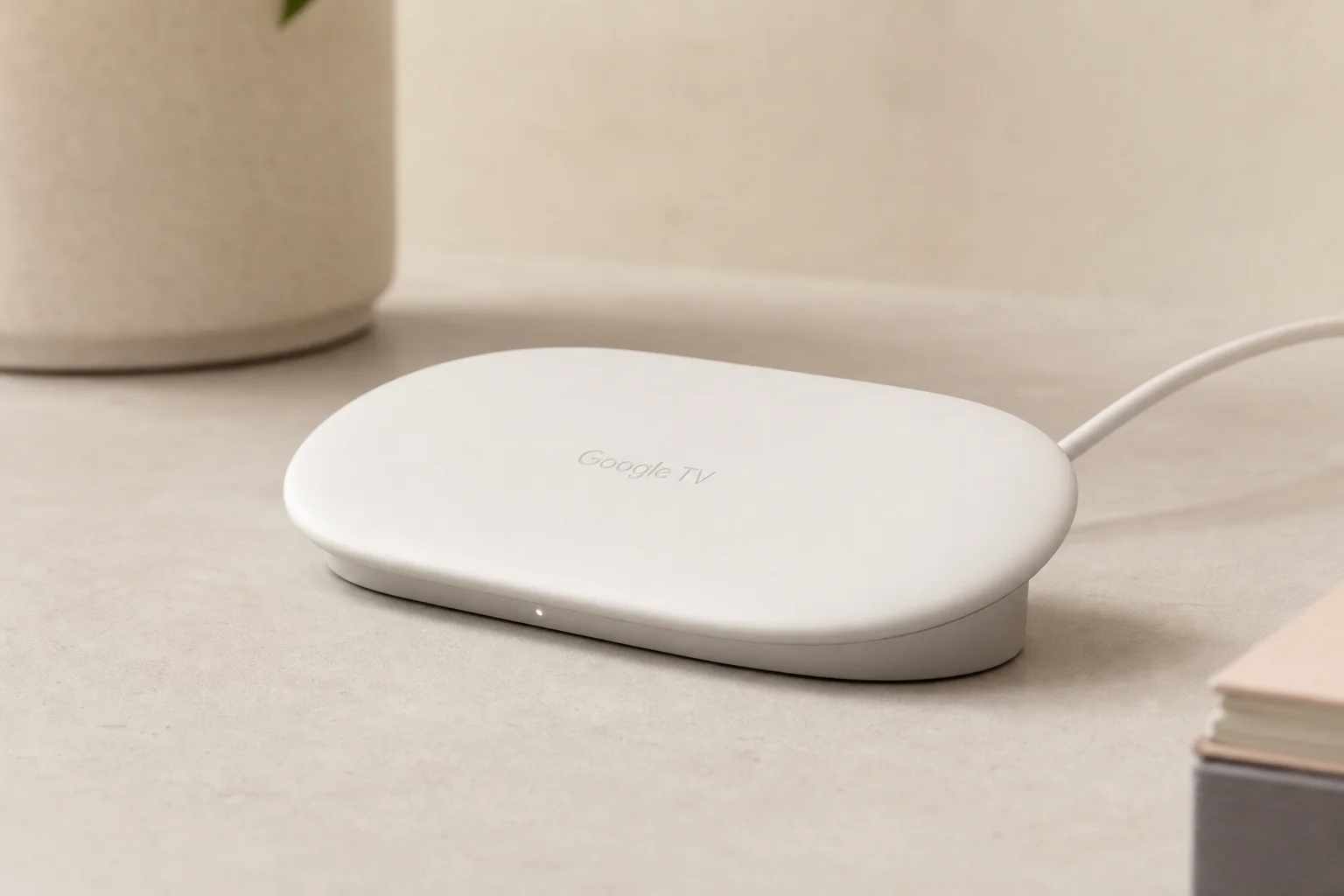
The Google TV Streamer also supports Matter and includes Thread.
Smart Plugs and Accessories
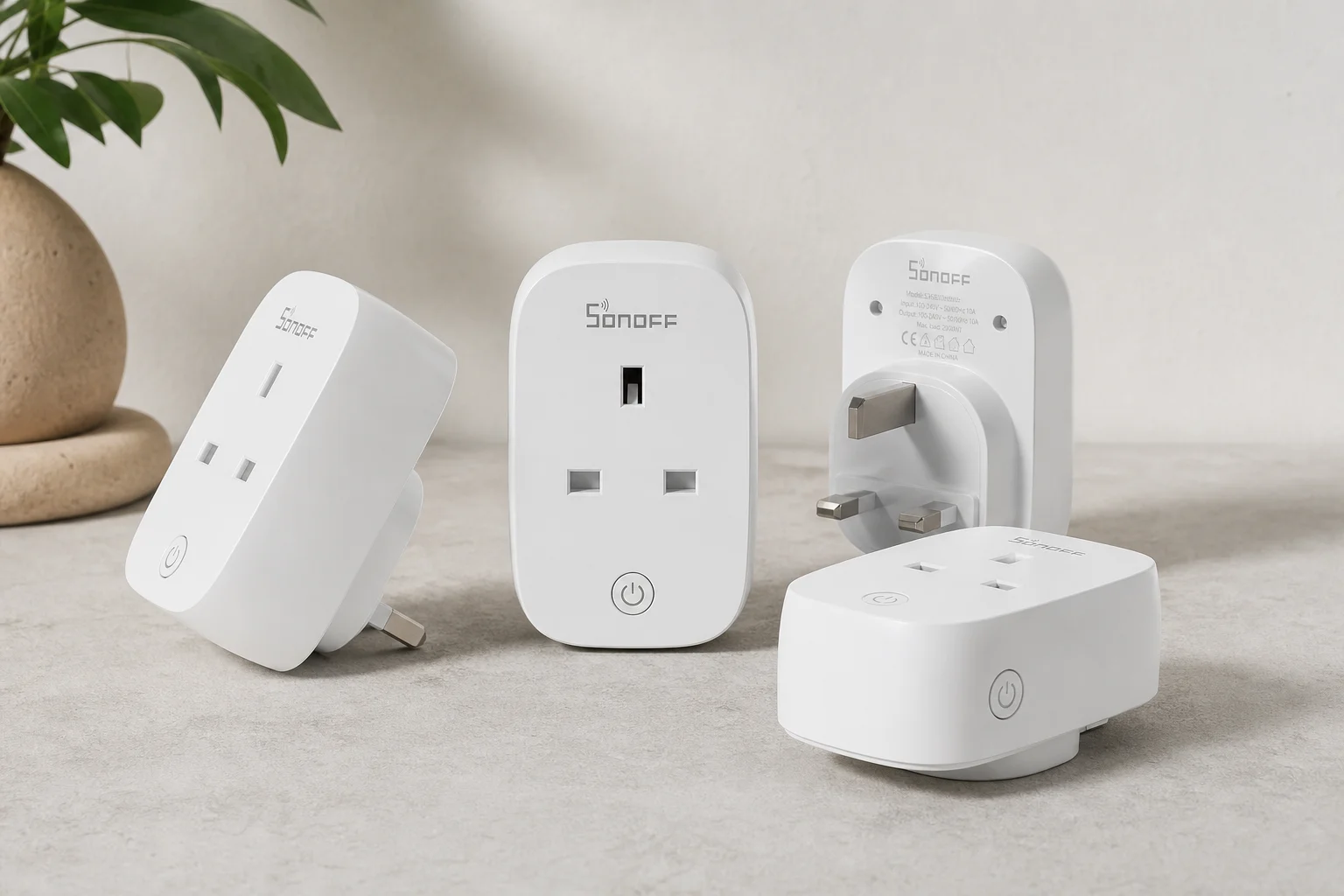
Smart plugs are among the most useful smart home accessories, especially for holiday decorations and controlling devices that lack native smart features. They should cost around $10 USD. Sonoff smart plugs with Zigbee integration are particularly easy to set up with Home Assistant and offer excellent value.
Smart Appliances and Complexity
Many new appliances now include smart features like washing machines, ovens, and range hoods. However, added smart functionality increases complexity, price, and potential failure points. The real question is whether the functionality justifies the added cost and complexity. In most cases, the same automation can be achieved more simply with a smart plug.

Conclusion
The smart home landscape in 2025 is closer to seamless integration than ever before, with Matter support becoming more common and devices working across platforms more reliably. However, unless you use Home Assistant, expecting everything to work in a single app remains unrealistic. The good news is that using multiple platforms works fine in practice.
The promise of a self-built automated home is more achievable today than it has ever been. Once you set things up the way you like them, most automations fade into the background and simply work as intended. The initial effort pays dividends through years of reliable, convenient operation.
Further reading
Related Reviews
Smart Home
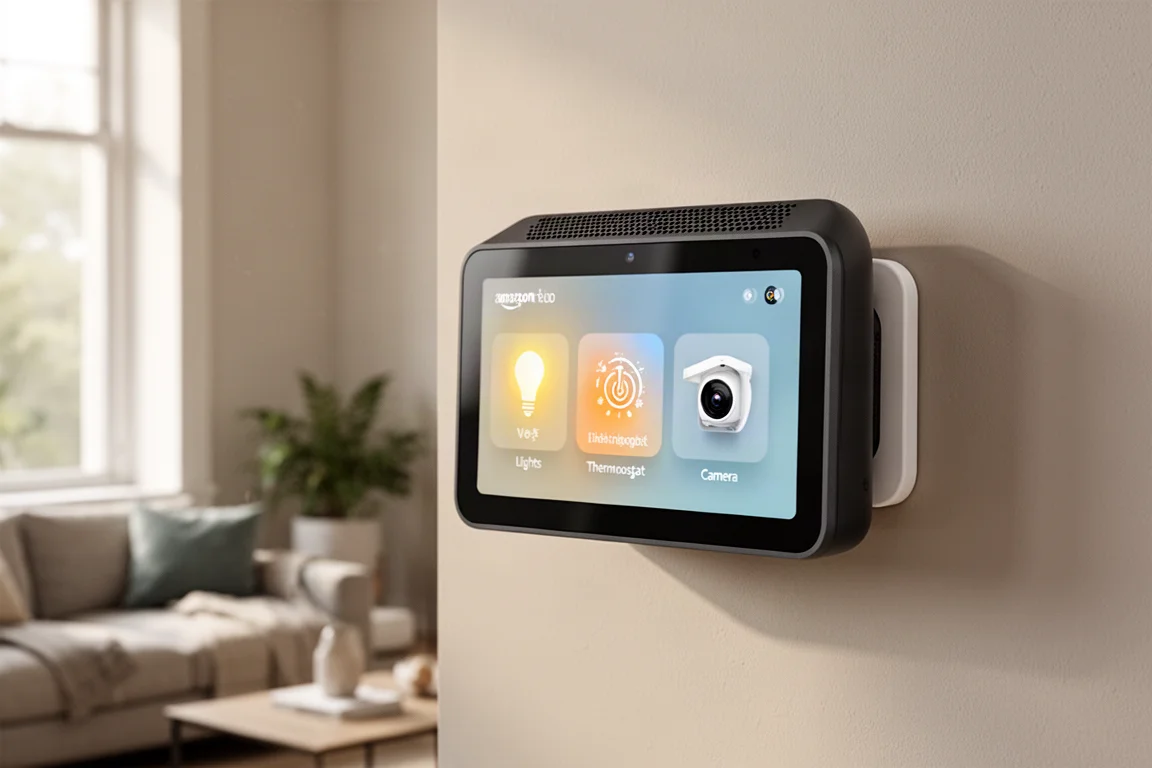
Amazon Echo Hub Review: A Smart Home Dashboard That Finally Gets It Right
The Amazon Echo Hub puts smart home controls front and center with a fast, simple interface. Here is how it performs as a family-friendly dashboard.
Smart Home
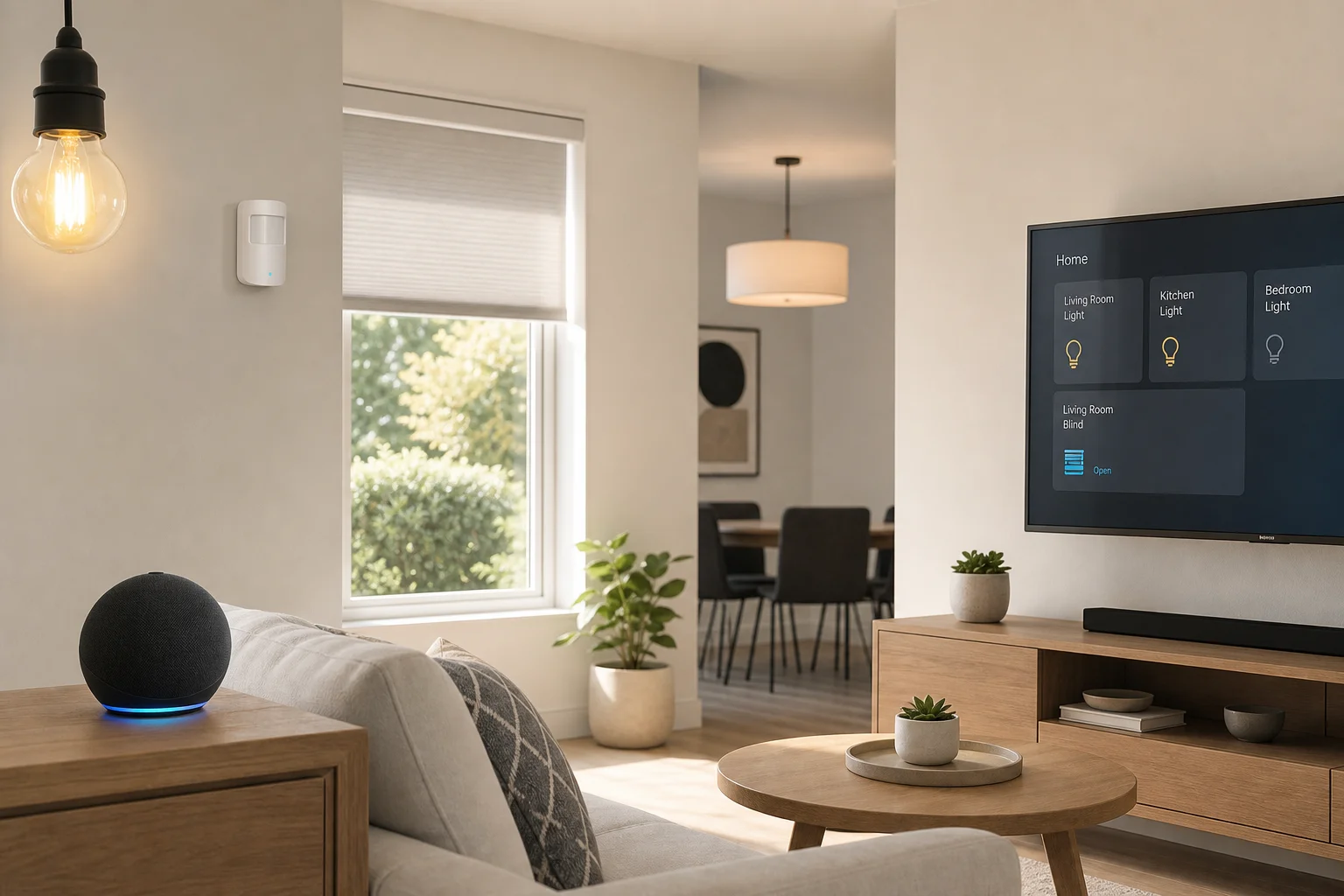
15 Amazon Smart Home Automations: Practical Ideas for Every Room
Fifteen practical Amazon Alexa routines and automations that solve real household problems, from pet care to security and entertainment.
Smart Home
Apple TV as HomeKit Hub: Why It's Your Best Choice for Home Automation
The Apple TV combines HomeKit hub functionality with a display, camera viewing, and local automation control. Here's what makes it stand out from iPad and HomePod Mini alternatives.