Smart Home
Smart Home 2026: Matter, Aliro, Platforms, and Devices Worth Considering
A comprehensive guide to the smart home landscape in 2026, covering the Matter standard, the emerging Aliro smart lock specification, major platform updates, and practical device recommendations for new installations.
Introduction
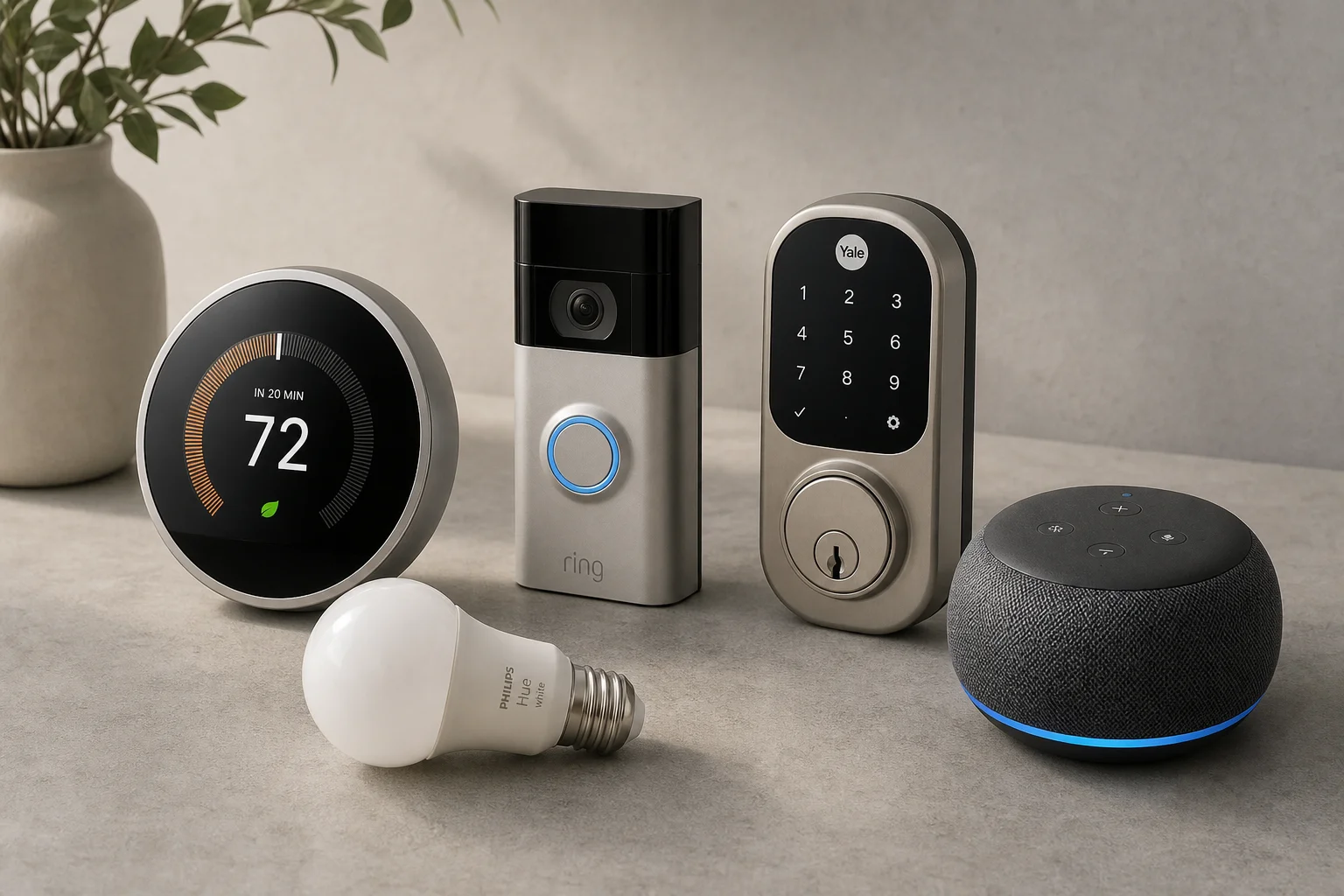
The smart home landscape in 2026 has matured significantly, with two major standards now shaping device compatibility and capability: Matter and the emerging Aliro specification for smart locks. If you are building a new smart home or upgrading an existing one, understanding these standards, the available platforms, and which devices make sense for your needs will help you avoid costly mistakes and unnecessary hub purchases.
Understanding Matter and Thread
The Matter smart home standard has become nearly universal across platforms in 2026. Whether you use Home Assistant, Apple Home, Google Home, or Amazon Alexa, all of these platforms now support Matter devices. However, not all platforms support every Matter device type or the latest features. For example, Google only recently added support for smart home buttons via Matter.
Despite these caveats, buying Matter-certified products remains a sound strategy. When you purchase Matter devices, they work across all the platforms you use daily without requiring separate setup for each one.
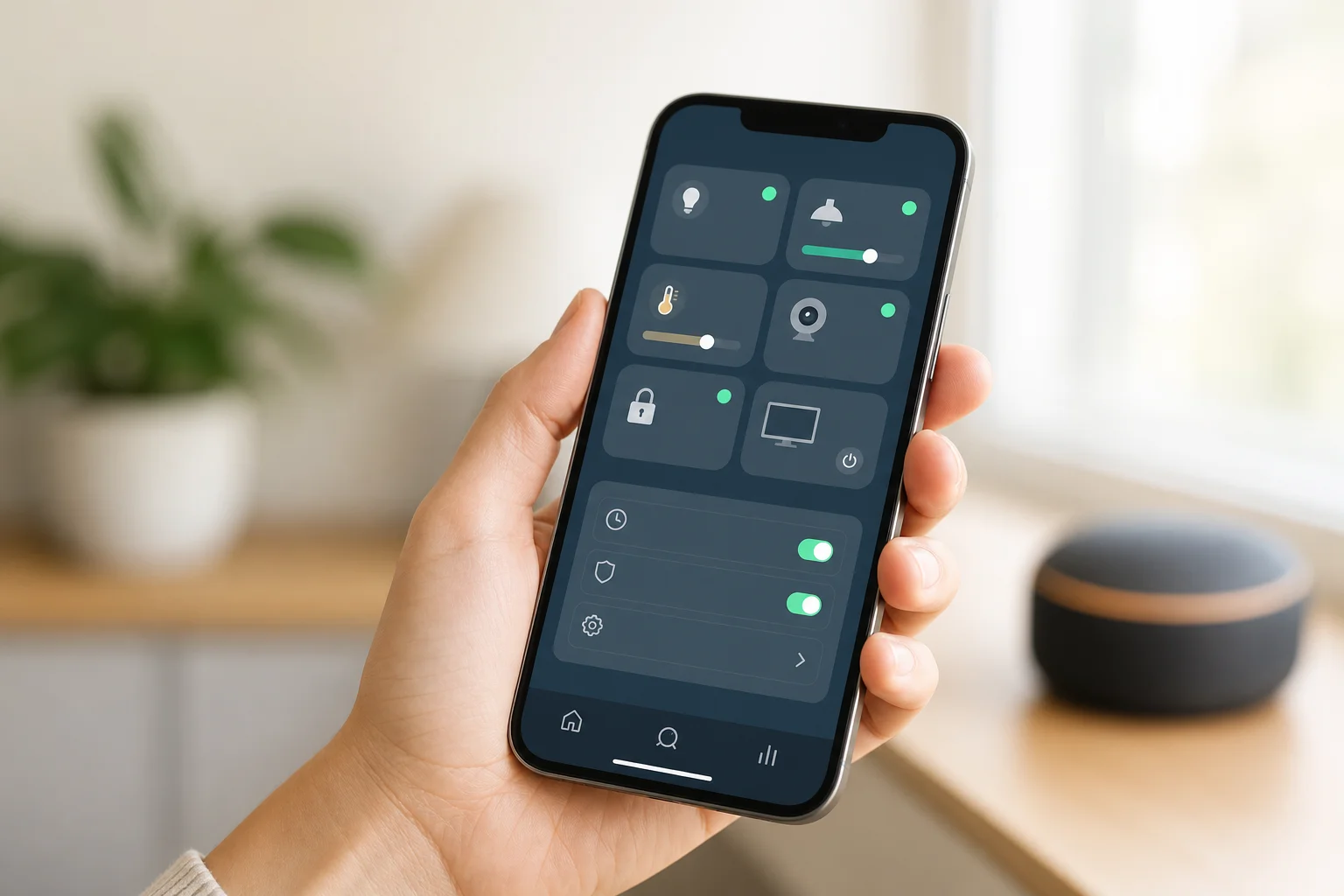
Matter devices communicate over either Wi-Fi or Thread. Thread is a wireless protocol designed specifically for smart home devices and is generally superior for battery-powered devices like smart locks because it offers better battery life. To use Thread devices, you need a Thread border router in your home. The good news is you likely already have one: HomePods, HomePod minis, newer Apple TVs, Nest Hubs, the Google TV Streamer, and some Amazon Echo devices all function as Thread border routers.
If you want to use a Matter device across multiple platforms, you do not need to set it up from scratch in each one. Most major platforms support a Matter feature called multi-admin. You simply enable pairing mode in the first platform, copy the generated code, and use it to add the device to a second platform. In the future, an enhanced multi-admin feature will allow you to share all Matter devices from one platform to another, though this has not yet rolled out from Apple, Google, or Amazon.
The Aliro Smart Lock Standard
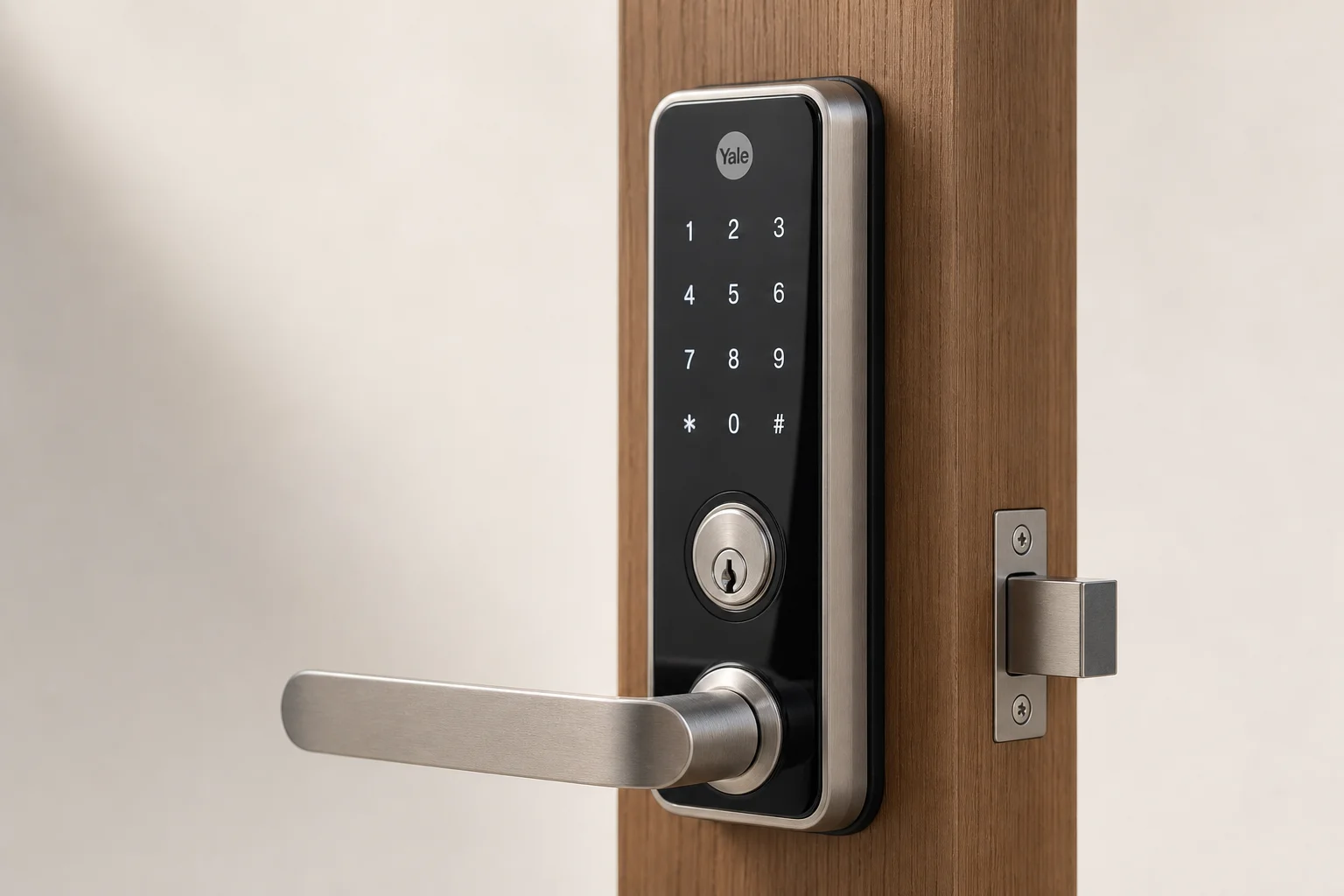
While Matter is a universal standard, smart locks are getting their own specification called Aliro, which launches in Q1 of 2026. Aliro brings the Home Key experience beyond Apple to Android devices, allowing users to unlock doors using Google Wallet on Android and Wear OS.
Not all Aliro-certified locks will be equal. Some will support only NFC (tap to unlock) and Bluetooth LE, while others like the Aqara U400 add ultra-wideband technology. Ultra-wideband enables hands-free unlocking as you approach the door, similar to Apple’s Home Key Express mode. This auto-unlock feature has proven reliable in real-world use and is worth prioritizing when selecting a smart lock.
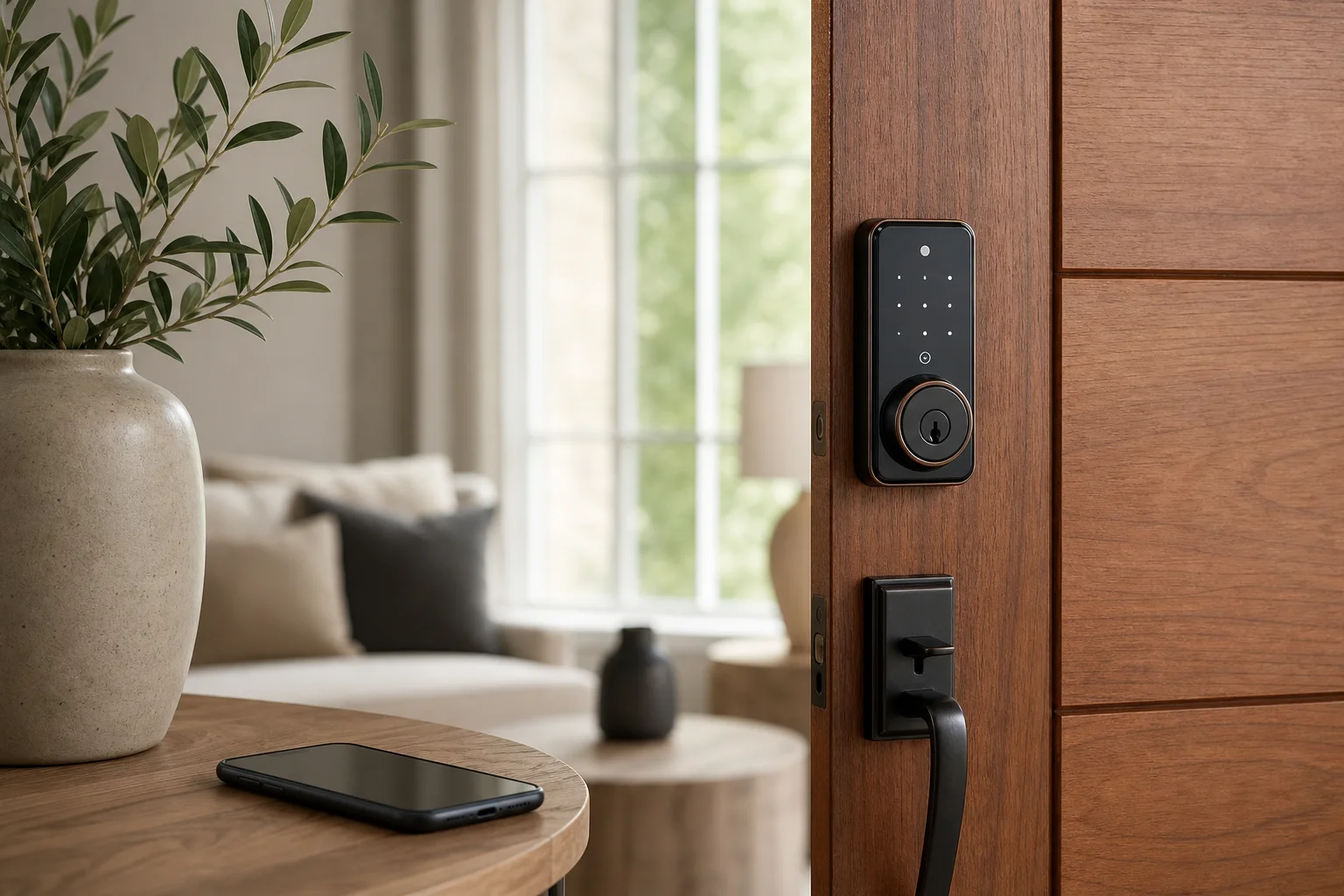
The Aqara U400 is already Aliro-ready and will receive a software update once the standard launches. It also supports Apple’s Home Key Express mode for iPhone users. One important consideration when buying a smart lock is its grade level. In the United States, residential locks are typically grade three, commercial-grade locks are grade two, and grade one is the highest tier for high-traffic or exposed doors. The Aqara U400 is rated as grade three, suitable for standard residential doors.
When Aliro launches, iPhone users will have more lock options that support Home Key Express mode, while Android users will finally gain equivalent functionality through Google Wallet. Other ultra-wideband smart locks are expected to enter the market once the specification is official.
View more details for Aqara U400 Smart Lock
Smart Home Platforms in 2026
The major smart home platforms have all undergone significant updates. Google Home redesigned its app architecture and rolled out Gemini for the smart home, replacing the rules-based Google Assistant with an LLM-backed version. They also added advanced automations with over 20 new starters and conditions, plus a familiar faces feature for labeling people detected by cameras.
Amazon redesigned its app and website, updated its assistant to an LLM-backed version, and added a familiar faces feature for Ring cameras and doorbells. They also launched a search party feature to help locate lost pets using the Ring camera network.
Apple has not made major changes to its smart home architecture in 2025 but is expected to launch an LLM-backed assistant in 2026, along with new smart home devices, including rumored smart home displays.
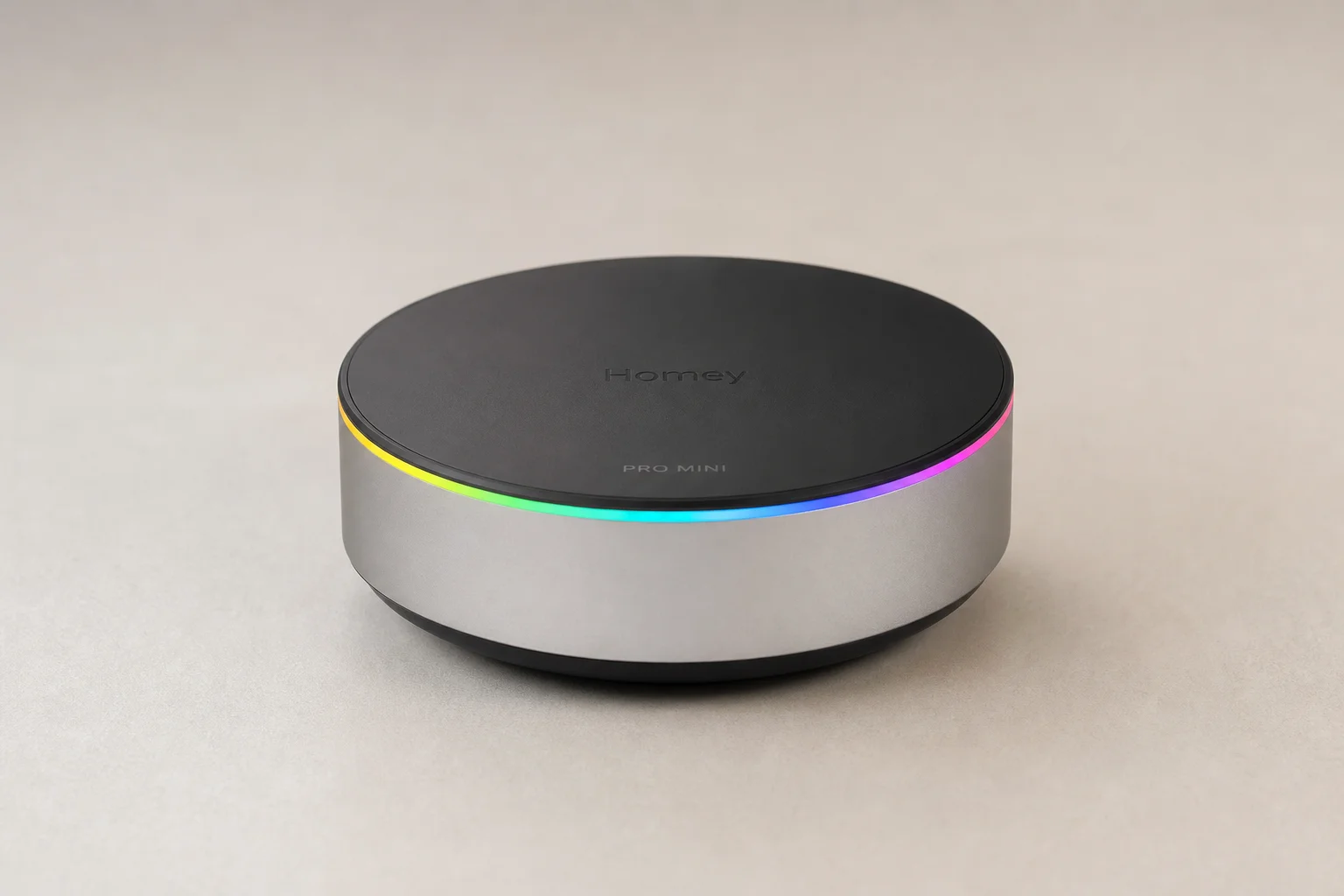
Beyond the big three, Samsung SmartThings added more Matter support and Thread network unification, allowing border routers from different brands to join a shared mesh network. Homey, partially acquired by LG in 2024, released a self-hosted server option for Homey Pro, a new Matter Bridge app that bridges non-Matter devices to Apple Home and Google Home, a refreshed Homey Pro with double the RAM and faster processor, and the more affordable Homey Pro Mini at $199, which supports Zigbee, Thread, and Matter but omits Z-Wave and infrared.
Home Assistant rolled out a built-in voice assistant with local LLM support, a section-based dashboard redesign, a redesigned notification engine, Thread border router unification, and energy management enhancements.
Why Use a Secondary Hub Platform
You might wonder why you would need Home Assistant, Homey, or another hub platform when Matter and the big three platforms exist. The primary reasons are local automation execution, broader device support, and more complex customization.
Of the big three, only Apple stores automations locally on a home hub (Apple TV or HomePod). Amazon relies heavily on cloud servers for automations and has removed most local voice processing from Echo devices to support its new LLM-backed assistant. Google is hybrid: complex scripts and voice commands process in the cloud, though Nest Hubs can now handle some basic commands locally.
If your internet goes down, Apple Home automations will continue to run, but Amazon and Google automations will not. This is why many users add Home Assistant or Homey as a secondary system for local automation execution, even if they use Google or Amazon as their primary interface.
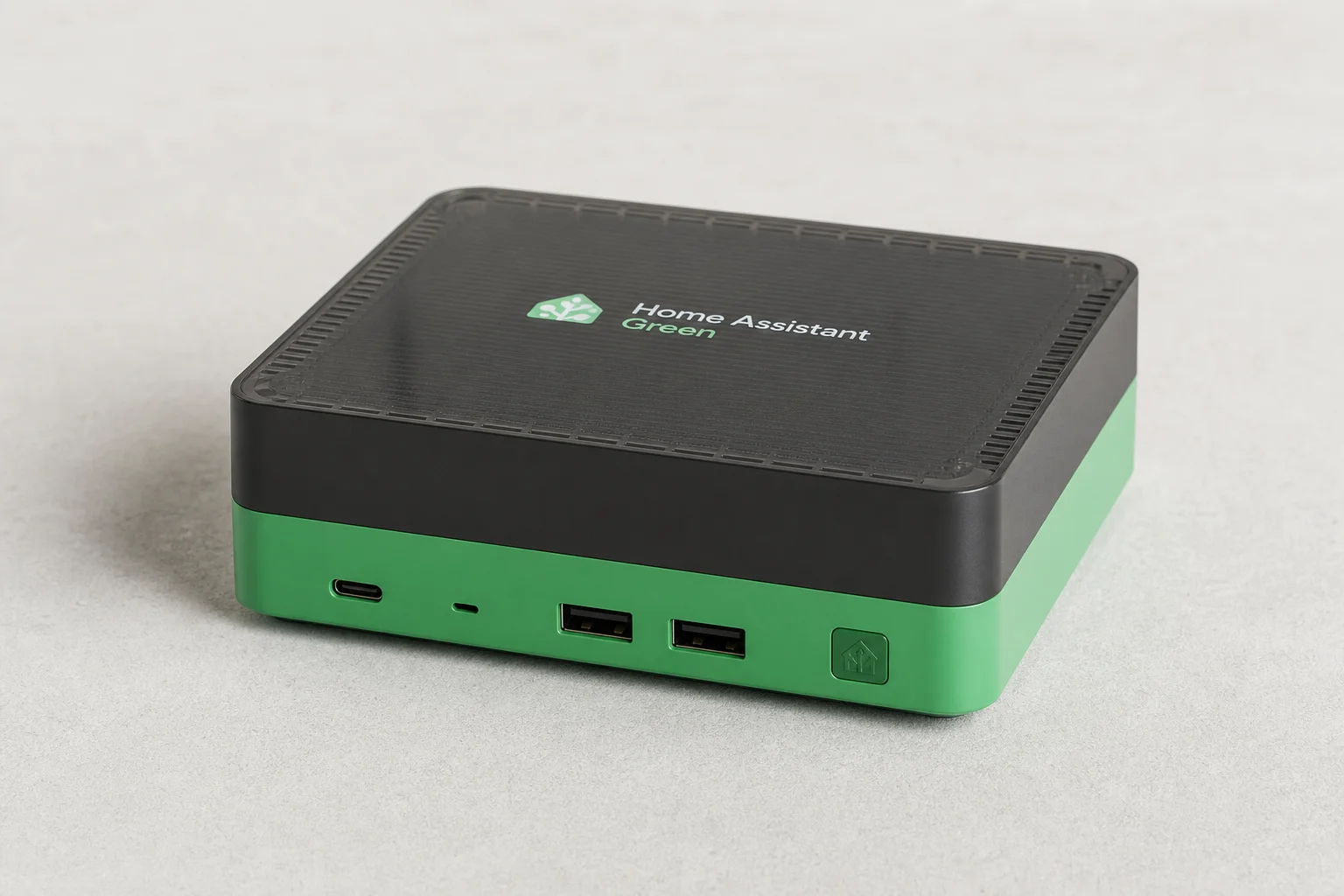
Home Assistant offers extensive customization and the ability to tinker with advanced automations, though its UI can be confusing and lacks polish. Homey Pro Mini is easier to use out of the box, has a simpler and prettier interface, and already includes Thread and Zigbee support without needing extra modules. For most people who simply want local automations without deep customization, Homey or Apple Home is the better choice.
These hub platforms also bridge devices between ecosystems. You might have a Zigbee or Z-Wave device that does not work with Apple Home, but you can bring it into Home Assistant or Homey and then push it to Apple Home via Matter. With Homey’s new Matter Bridge feature, you can even bridge non-Matter devices to any major platform.
Smart Thermostats and Climate Control
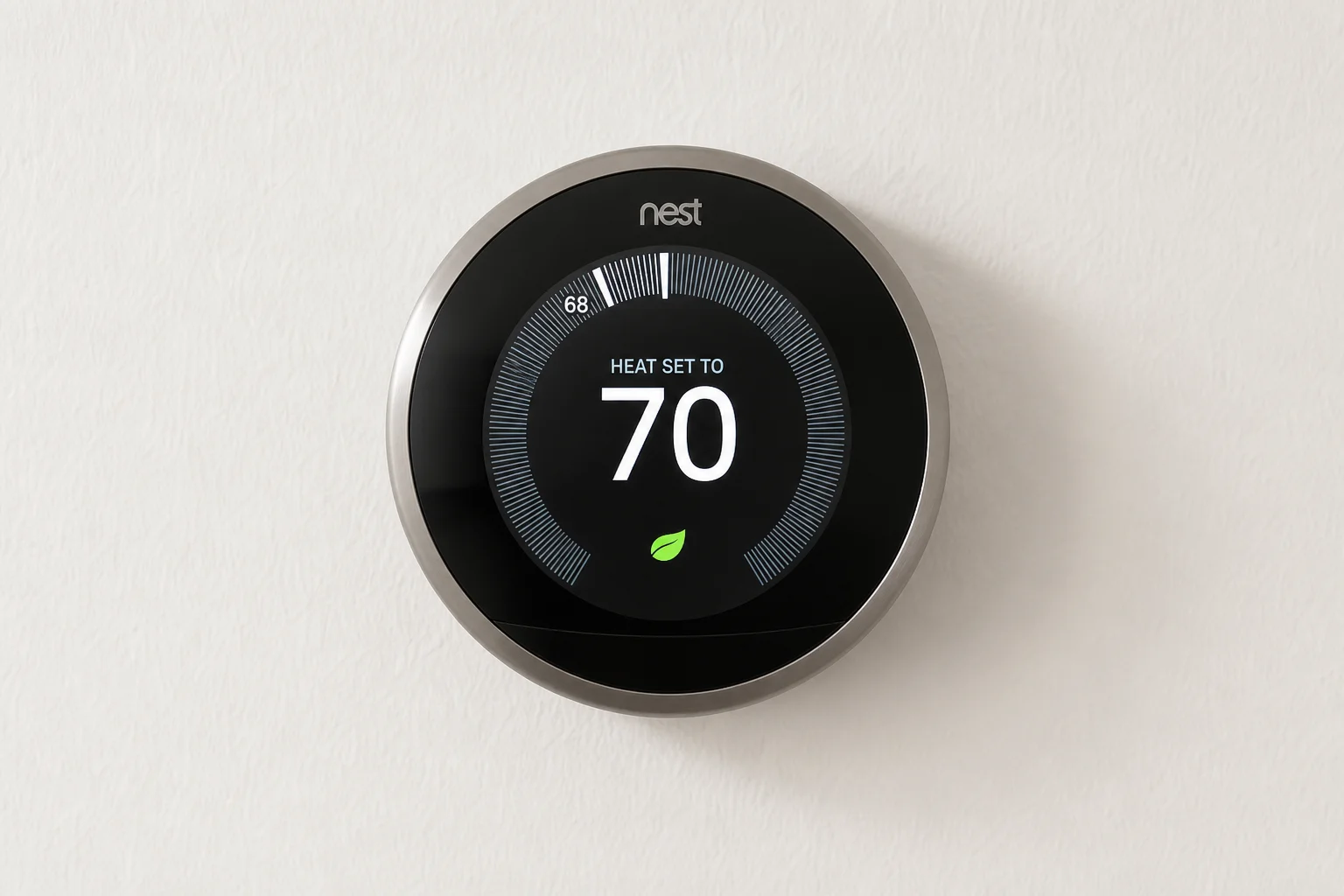
Once you install a smart thermostat, automating your home temperature and schedules becomes straightforward. Many thermostats can turn off heating or cooling when they detect no one is home based on smartphone location data.
The fourth-generation Nest Thermostat stands out for its attractive Farsight display options and learning capabilities. It adjusts comfort temperatures over time based on detected habits. The ecobee Premium is a close alternative and also offers excellent aesthetics.
Security Cameras and Doorbells
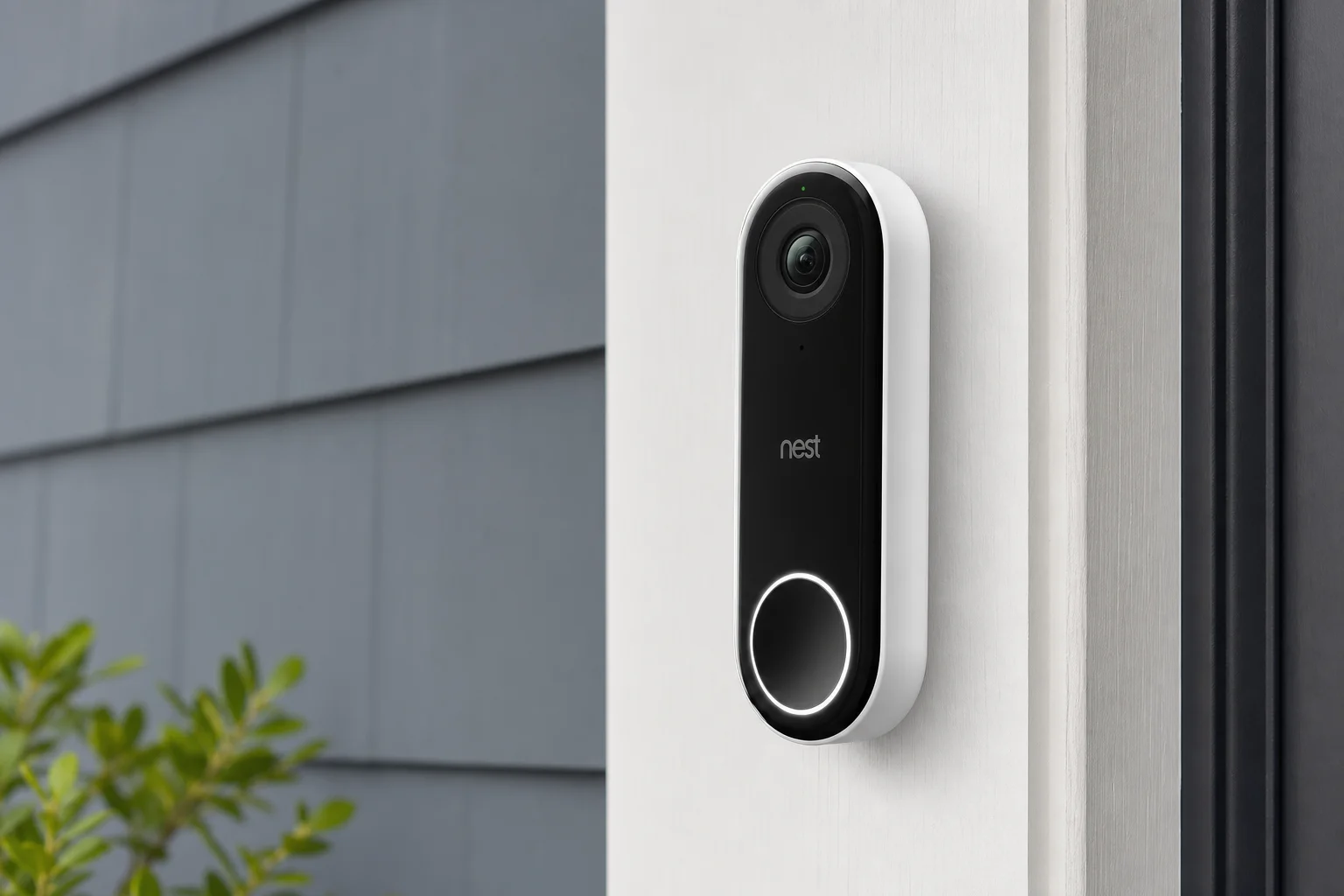
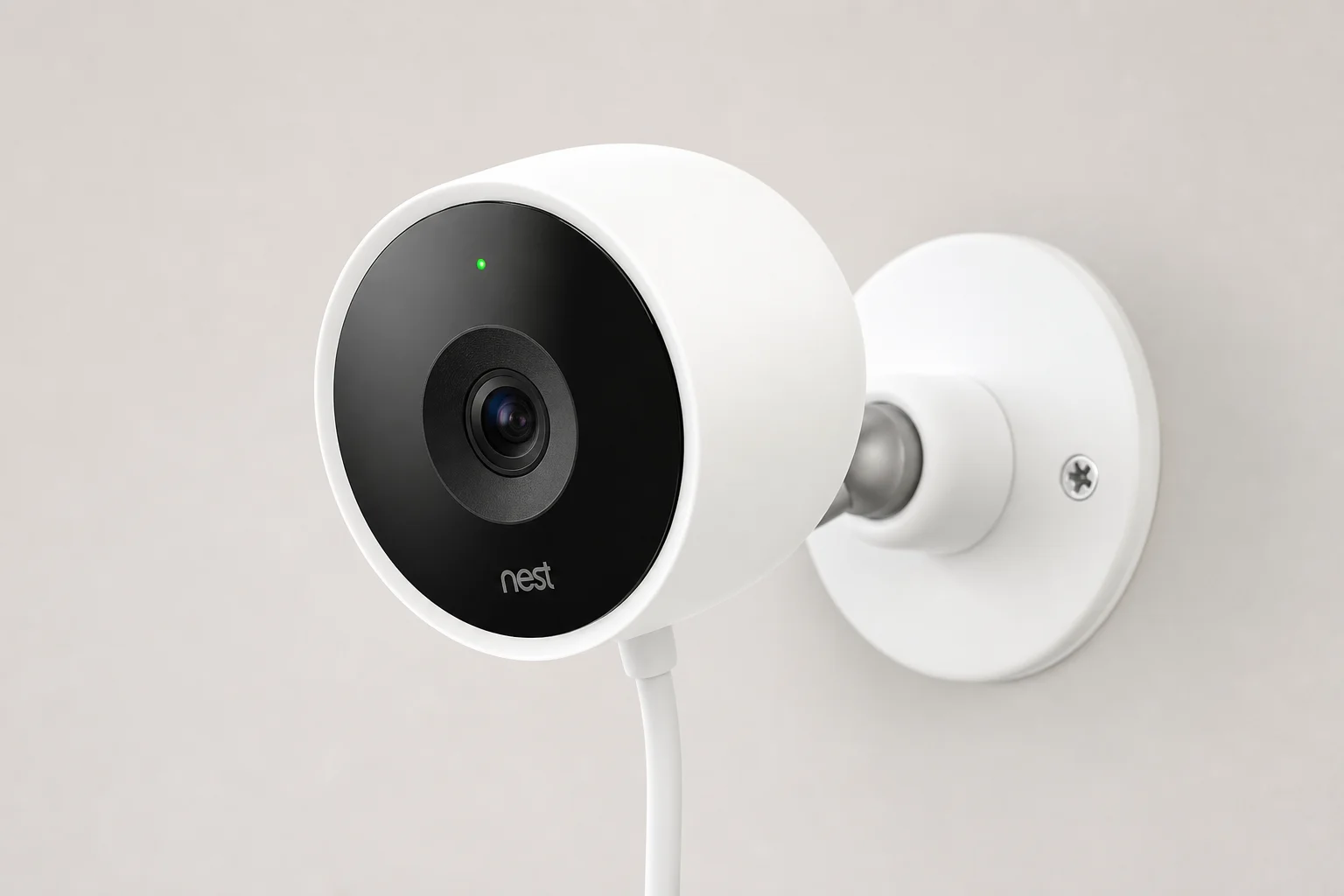
For security cameras and doorbells, the Nest Doorbell and Nest Cam offer strong integration with Google Home. The Nest Doorbell includes package detection (free) and a familiar faces feature (requires Google Home Premium subscription, part of Google One at $100 per year). The Nest Cam works seamlessly with the same ecosystem, allowing you to view all cameras in one app and use consistent detection features.
Smart Lighting
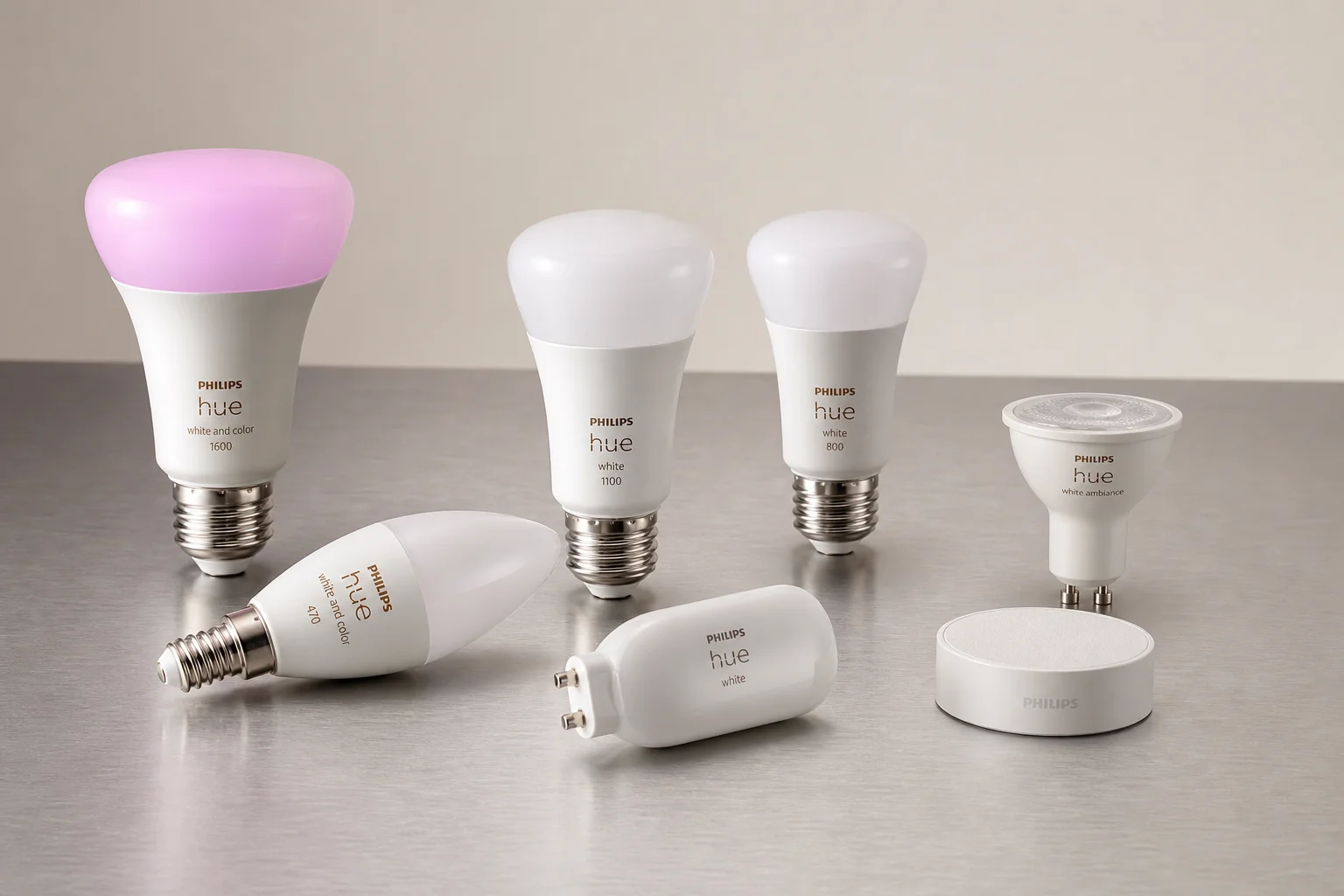
Philips Hue remains a solid choice for smart lighting due to rock-solid performance over time, local automation execution via the Philips Hue Bridge, and a vast ecosystem of bulbs and accessories. Philips has also released Essential Hue bulbs for price-sensitive buyers.
For fixtures that cannot use smart bulbs, several options exist. The Lutron Aurora smart bulb dimmer switch mounts over a physical light switch and keeps it in the on position, preventing accidental manual switching. Alternatively, you can replace the switch entirely with a smart switch from Lutron, Zooz, Eve, or TP-Link, many of which support Matter over Thread or Wi-Fi.
Smart plugs are another practical solution for controlling non-smart devices like fans, decorative lights, or Christmas trees. Philips Hue smart plugs are expensive but integrate seamlessly with the Hue ecosystem and allow you to control whether a device is on or off in various scenes.
Smart Blinds and Window Treatments
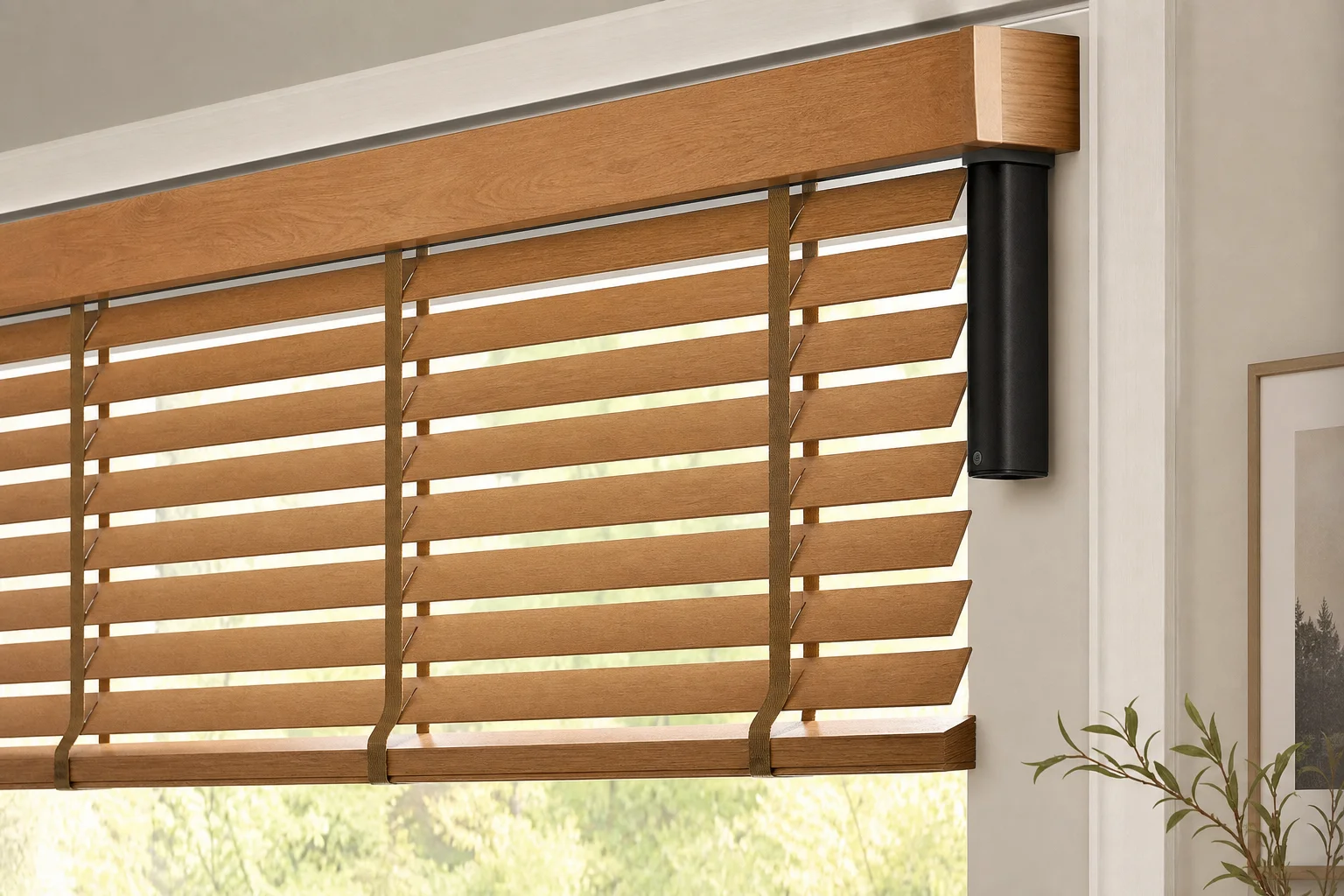
Lutron wood blinds offer rock-solid performance, with batteries lasting three to five years. A natural light optimization feature automatically adjusts blind tilt throughout the day based on window orientation, maximizing daylight while minimizing heat gain or loss. Lutron has recently released more affordable versions of their wood blinds in additional colors.
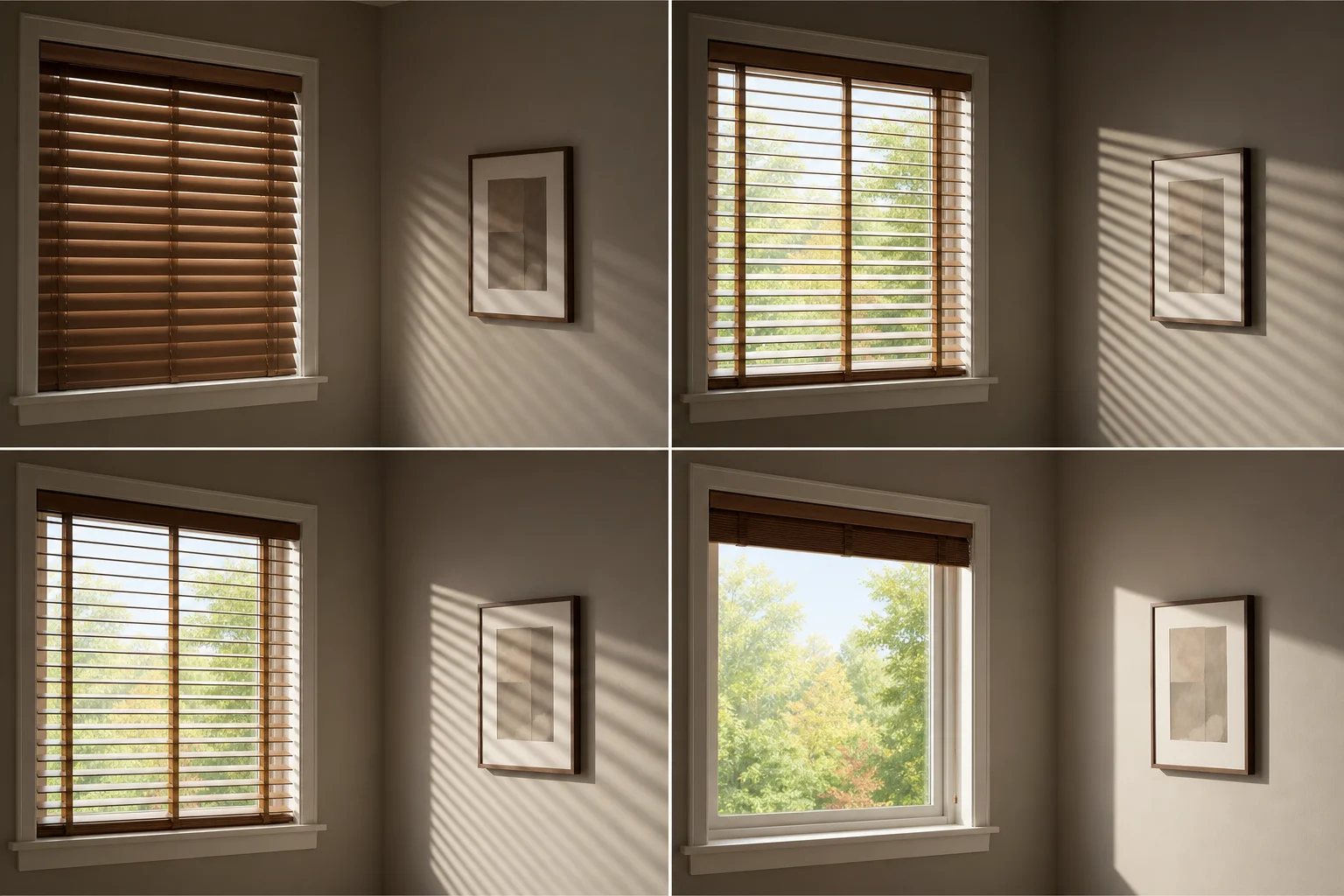
Installing smart blinds in every window is a significant investment, but it enables comprehensive light and temperature control. If you are considering this upgrade, prioritize windows that receive the most direct sunlight or that face high-traffic areas.
Smart Appliances and Garage Doors
Many modern appliances now include smart features. GE induction stoves connect via Bluetooth to range hoods, automatically turning on the hood to a specified setting when a burner is activated. LG washers and dryers communicate with each other, allowing the dryer to automatically detect the load type when clothes are transferred from the washer. Both devices send notifications when cycles complete.
For garage doors, Chamberlain dominates the US market with over 70% share but refuses to integrate with major smart home platforms. If installing a new garage door opener, consider Genie or Kwikset, which plan to integrate with major smart home platforms.
Conclusion
Building a smart home in 2026 is more straightforward than ever, thanks to Matter and the maturation of multiple platforms. Start with a smart thermostat and security cameras to establish your primary platform, then add lighting, blinds, and locks based on your priorities. If you need local automation execution or want to bridge devices between ecosystems, add Home Assistant or Homey as a secondary hub. Prioritize Matter-certified devices and ultra-wideband smart locks when they become available. Most importantly, avoid unnecessary hub purchases by understanding which devices work natively with your chosen platform and which truly require a separate hub.
Further reading
Related Reviews
Smart Home
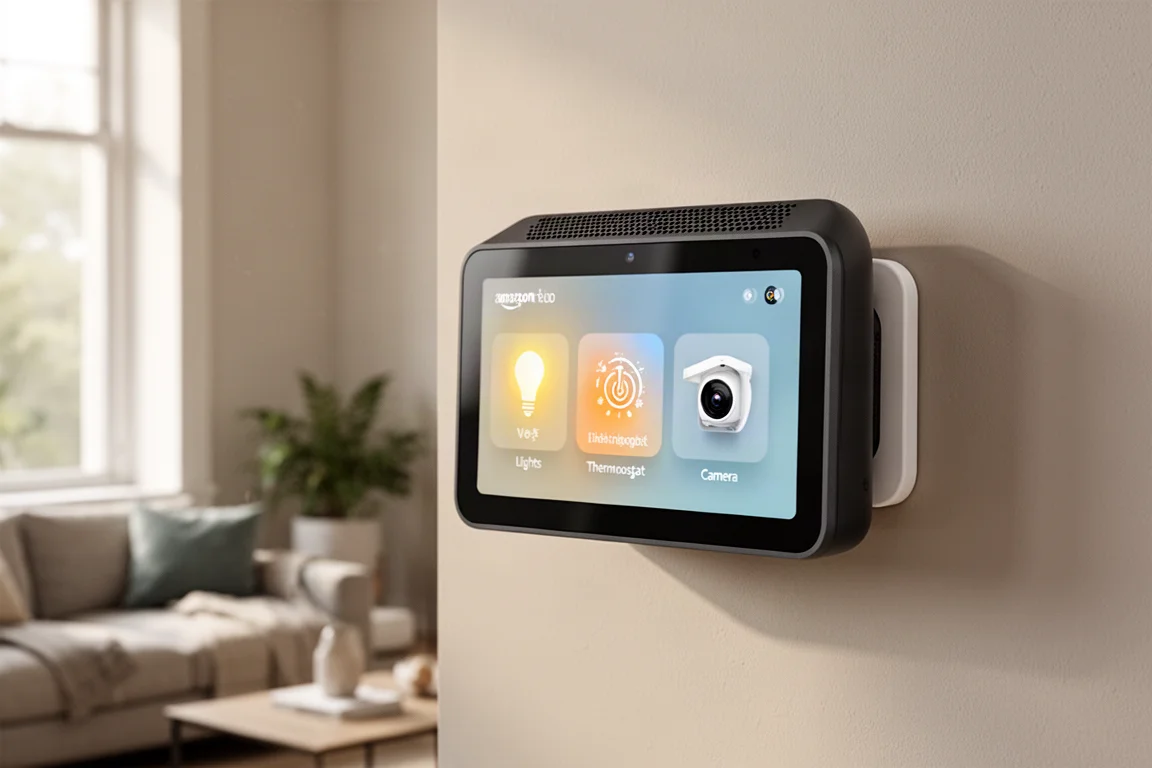
Amazon Echo Hub Review: A Smart Home Dashboard That Finally Gets It Right
The Amazon Echo Hub puts smart home controls front and center with a fast, simple interface. Here is how it performs as a family-friendly dashboard.
Smart Home
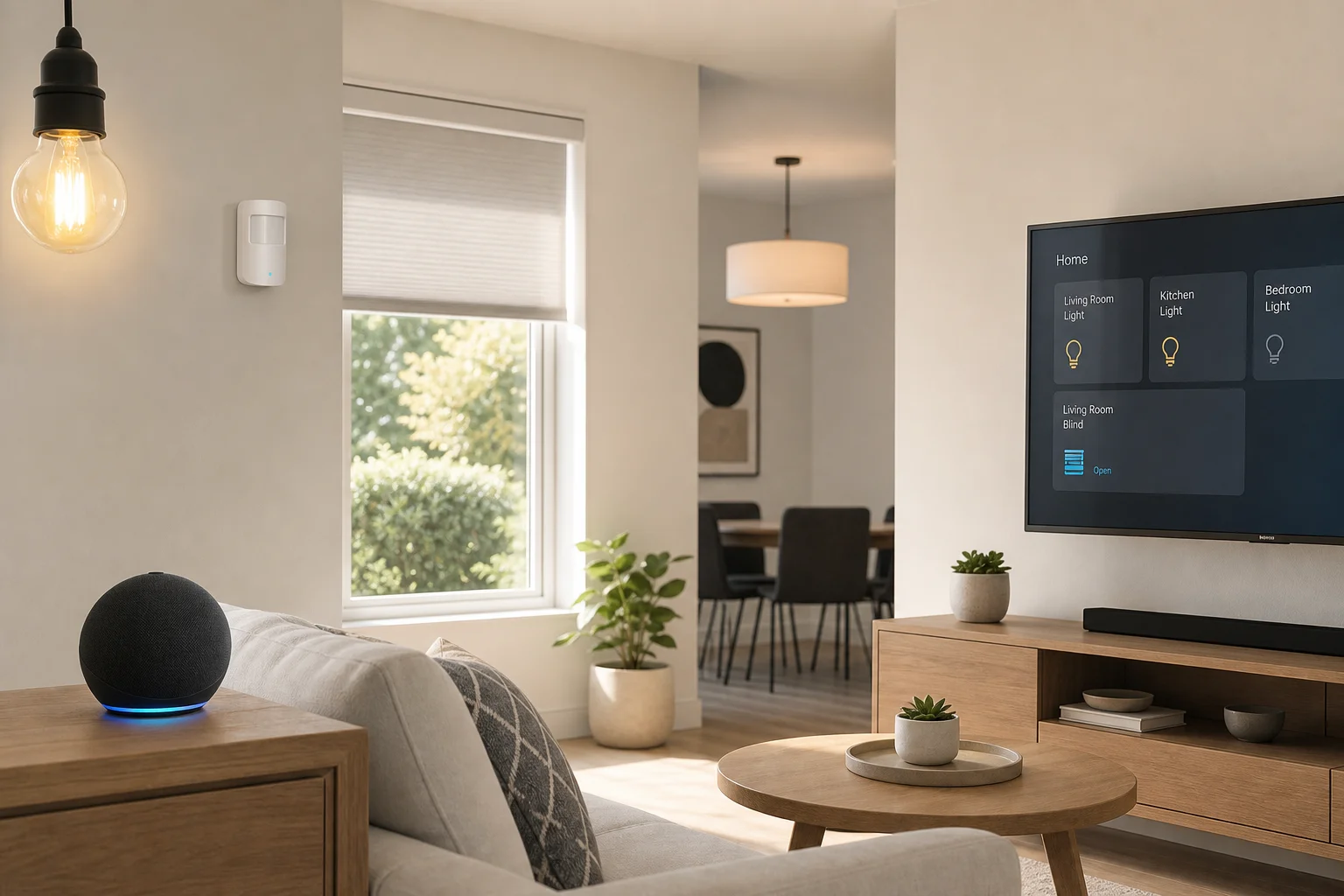
15 Amazon Smart Home Automations: Practical Ideas for Every Room
Fifteen practical Amazon Alexa routines and automations that solve real household problems, from pet care to security and entertainment.
Smart Home
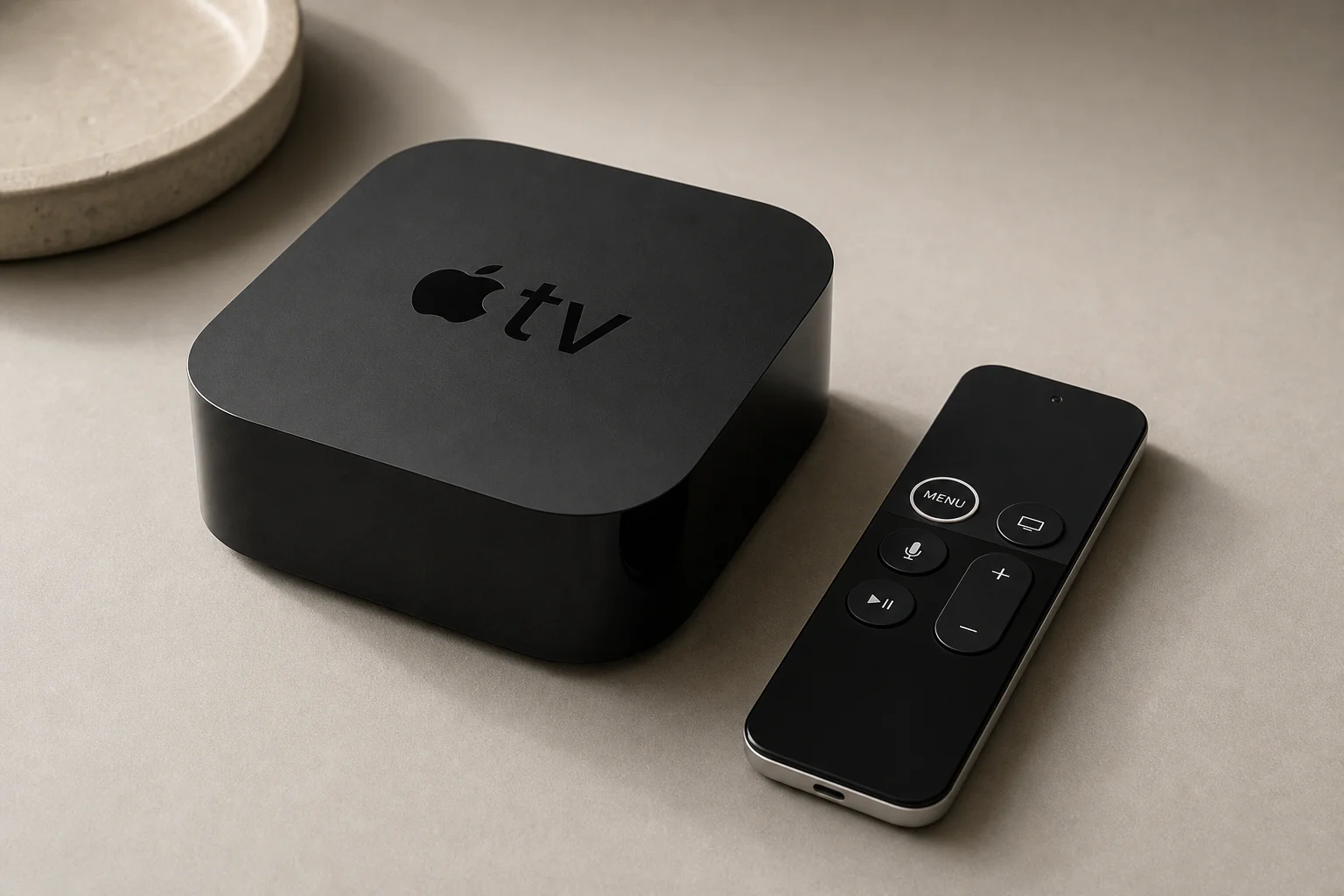
Apple TV as HomeKit Hub: Why It's Your Best Choice for Home Automation
The Apple TV combines HomeKit hub functionality with a display, camera viewing, and local automation control. Here's what makes it stand out from iPad and HomePod Mini alternatives.