Camping Tarps
Small Camping Tarps Compared: DD Hammocks Erakko, DD Hammocks 3x3m, and OneTigris Bulwark
The DD Hammocks Erakko is an unusual 8.2 ft tarp at around $60. We compare it with two larger tarps that include guylines and stakes for similar money.
Introduction
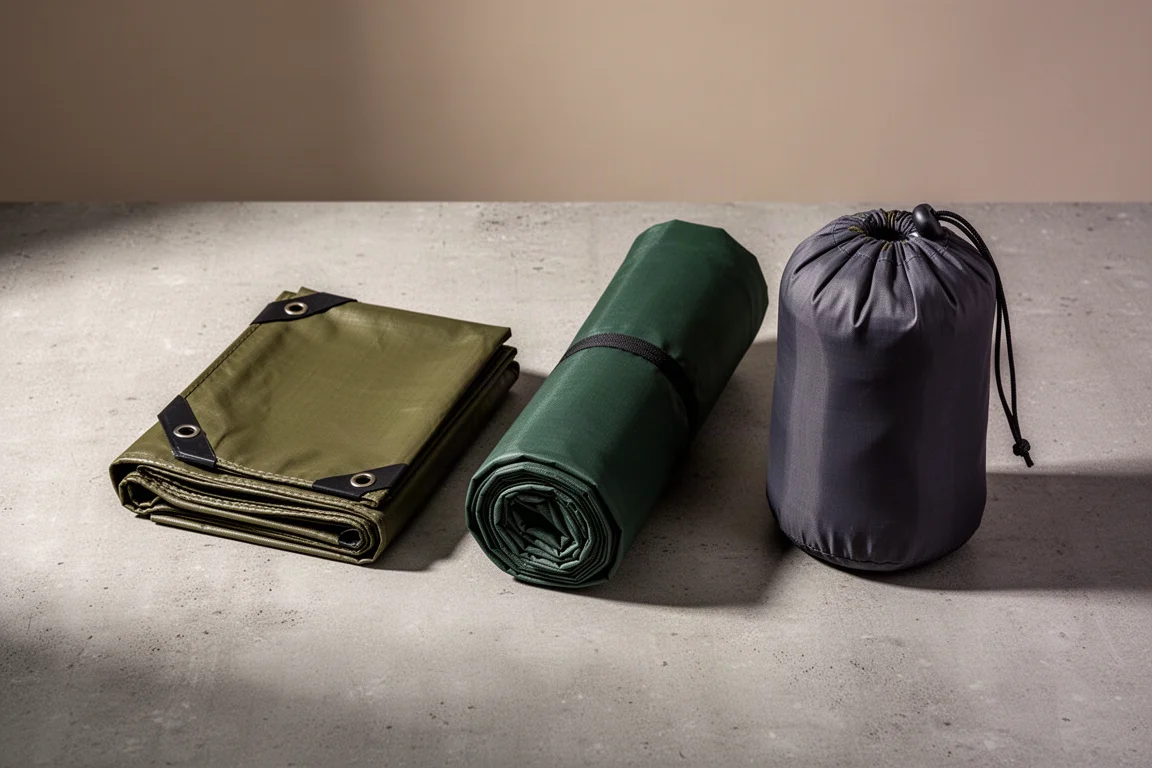
Tarps in the 8.2 ft (2.5 m) size class are genuinely uncommon, and that is the first thing worth knowing about the DD Hammocks Erakko. It is a single-person shelter designed to be light and compact, produced through a collaboration between DD Hammocks and a smaller outdoor brand. The specification is short and clear: 8.2 ft by 8.2 ft of coverage, nine tie-off points including one in the centre, a 190T polyester shell with a polyurethane coating and a 3,000 mm waterproof rating, a packed size of roughly 10 in by 2 in, and a weight of 1.2 lb including the storage bag. The tarp sells for about $60 and ships without guylines or tent stakes.
Those numbers describe a shelter that performs well in some situations and poorly in others, and the deciding factor is coverage rather than construction.

A tarp this small asks more of the person using it. It has to be pitched low, oriented carefully against the wind, and treated as a temporary layer rather than a place to live. This comparison sets the Erakko next to two larger tarps that cost about the same or slightly more, so the trade-offs are easier to weigh before you buy.
DD Hammocks Erakko Tarp: Compact, Light, and Limited
Opening the package is quick: the tarp and an oversized storage bag, and nothing else. There are no guylines and no pegs, which the manufacturer presents as a way to keep the price down and to let buyers supply their own cordage and carved wooden pegs.
The Erakko is a simplified, smaller derivative of the DD Hammocks 3x3m tarp. Some tie-off points have been removed, which helps the packed size, and the Erakko is lighter than the 10 ft by 10 ft model. What it gives up is coverage and setup flexibility.
Build quality is mixed. The centre seam is taped and the tie-off points are reinforced with extra stitching, both of which are sensible choices. Against that, there are holes in the fabric that have nothing to do with stitching, loose threads, and a corner where the stitching was clearly redone. A hole in a tarp is a leak point, and several of them mean several places where water will eventually find a way through, directly above whatever you are trying to keep dry.
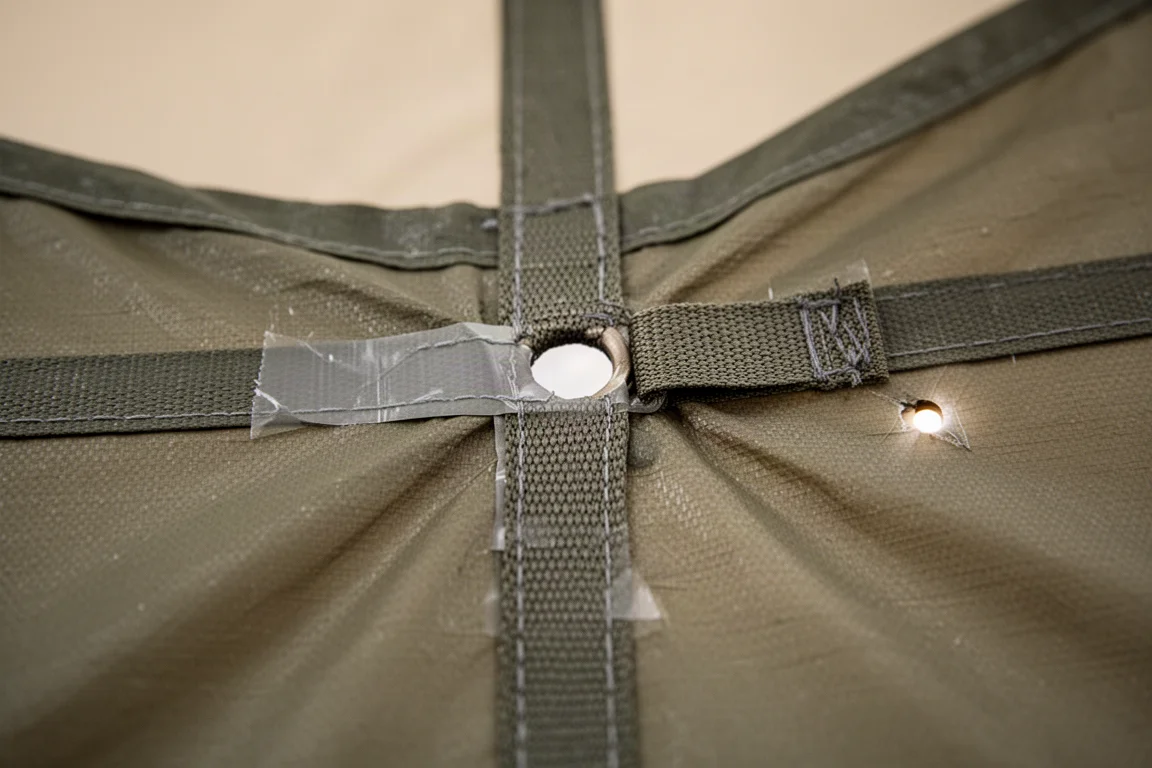
The centre tie-off point uses two points of contact with a gap between them, which does not pitch as cleanly as a single central attachment would. Nine tie-off points is better than none, but it limits how many configurations you can build compared with a tarp that offers more anchor points.
Weight is acceptable for the size rather than impressive. The 190T polyester with a polyurethane coating is budget-grade material, the kind typically found on inexpensive tarps, and at this weight you can find tarps that are both lighter and larger.
In use, this is a short-duration shelter. It blocks wind well and will keep you out of rain or snow briefly, but wind-driven precipitation and splashback are real problems with this much fabric. Rain hitting the ground around a small tarp throws mist and spray underneath it, and because the tarp has to be pitched low to keep rain out, little headroom and dry floor space remain.
At $60 with no guylines and no stakes, the value case is hard to make when the larger DD Hammocks 3x3m tarp includes stakes and guylines, offers more tie-off points, and costs about $15 more.
DD Hammocks 3x3m Tarp: More Coverage, Hardware Included
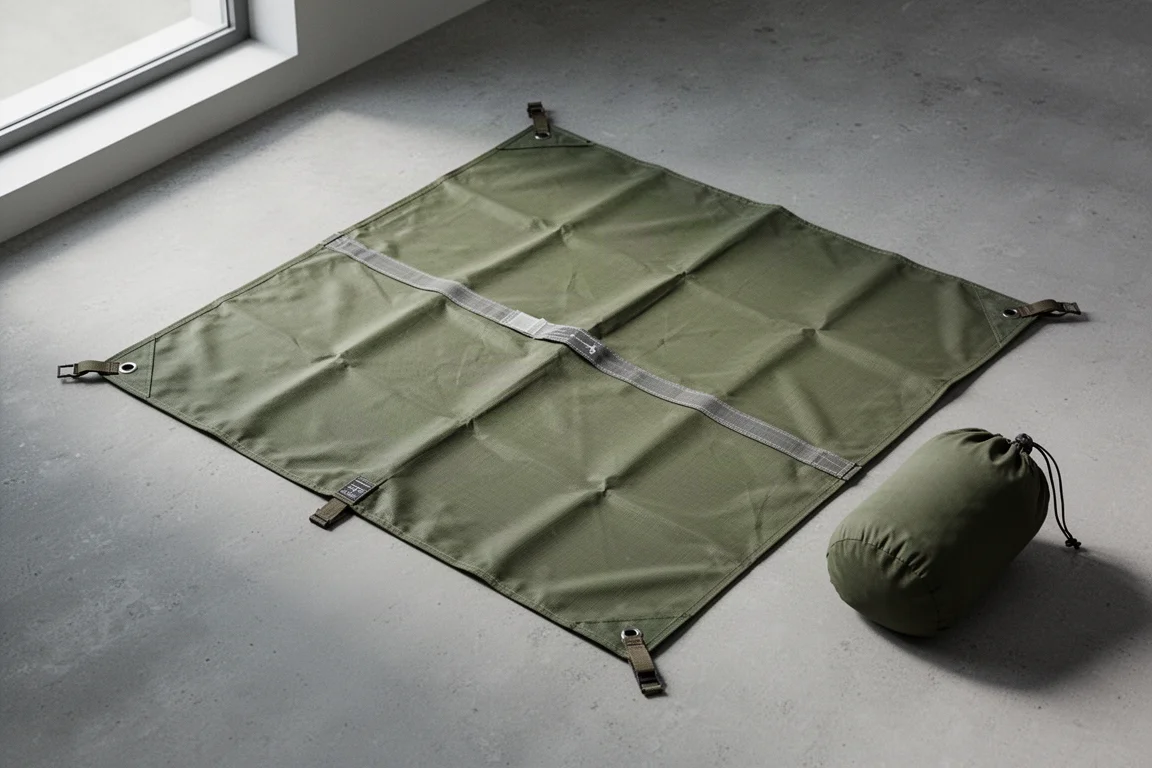
The 3x3m tarp is the model the Erakko is derived from, and it is the straightforward upgrade. At 10 ft by 10 ft it provides meaningfully more coverage, it ships with tent stakes and guylines, and it carries more tie-off points, which translates directly into more pitching options.
More fabric also means better behaviour in weather. A larger tarp can be pitched higher without exposing the sleeper to driven rain, which leaves usable space underneath and reduces the effect of splashback from the ground.
The cost difference is about $15. For anyone shopping for a general-purpose shelter rather than a specialist micro-tarp, that is the more sensible starting point.
OneTigris Bulwark Tarp: Guylines and Stakes Included
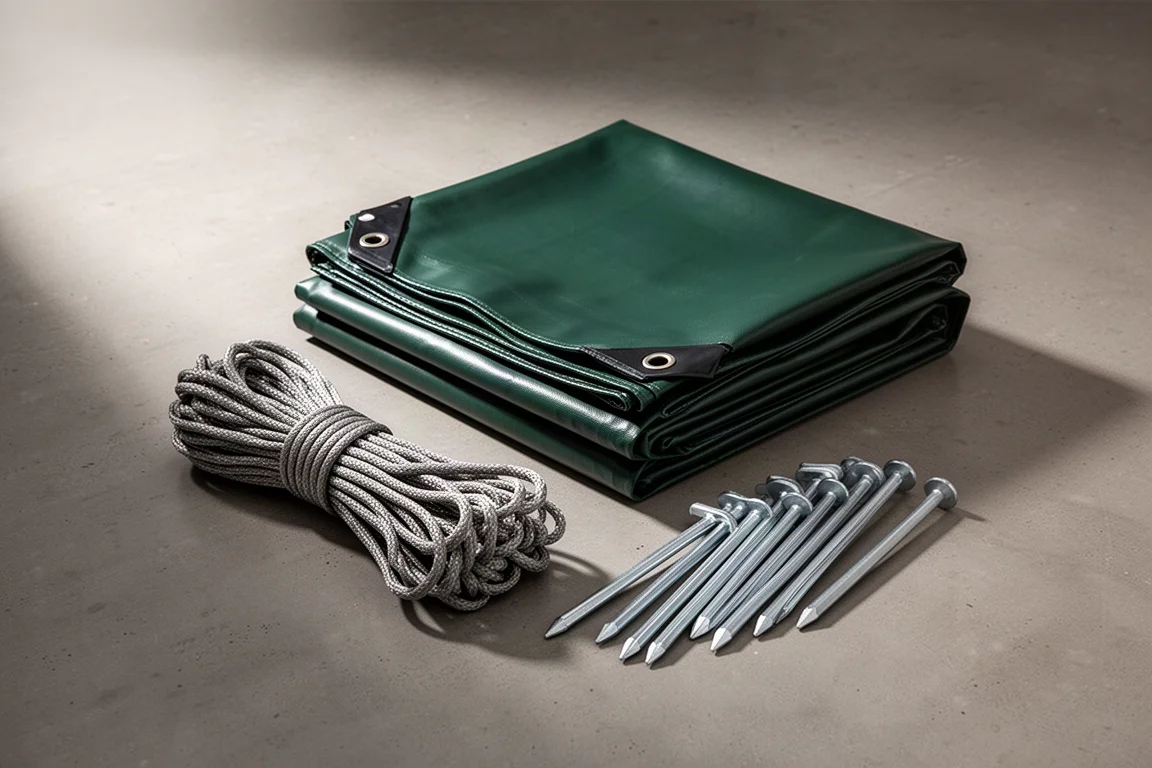
The Bulwark tarp from OneTigris takes a different approach to value. At around $54 it comes in below the Erakko, yet it includes guylines and tent stakes, offers a considerably larger footprint, and provides a large number of tie-off points.
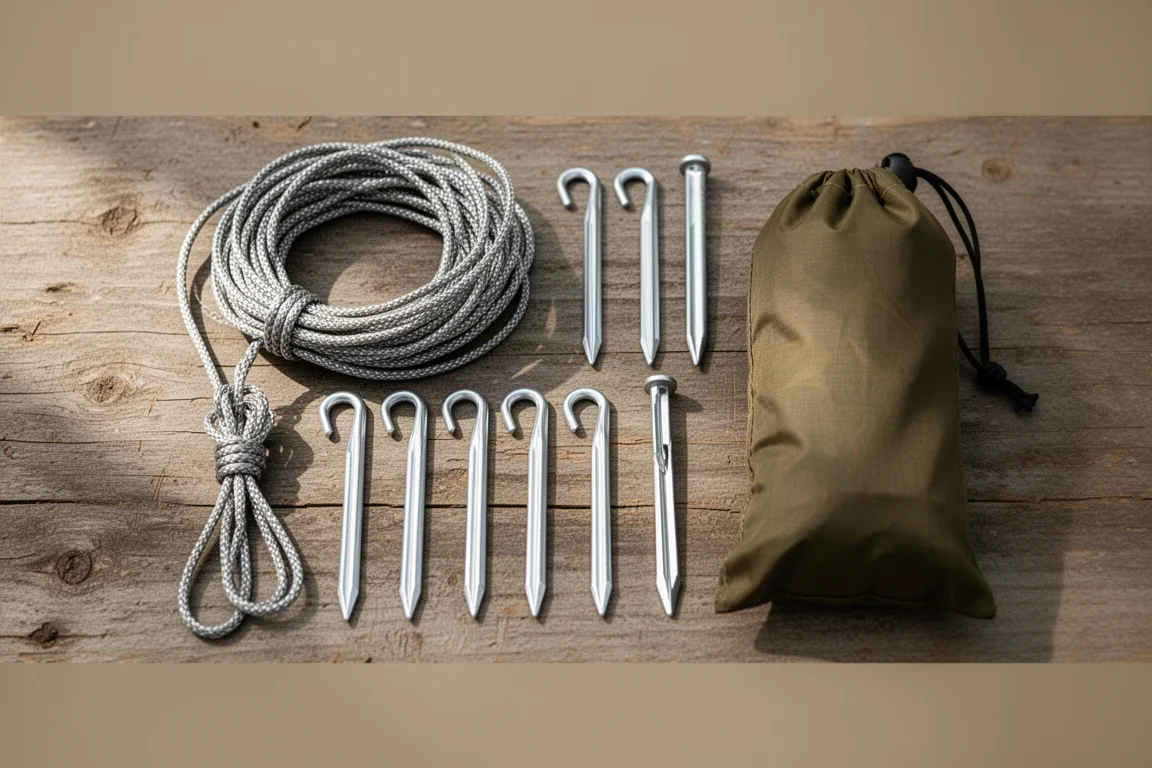
For buyers who want a complete shelter kit out of the box and would rather not source cordage and pegs separately, this is the more practical package. The trade-off is portability: a larger tarp with hardware is bulkier and heavier to carry than a compact single-person tarp.
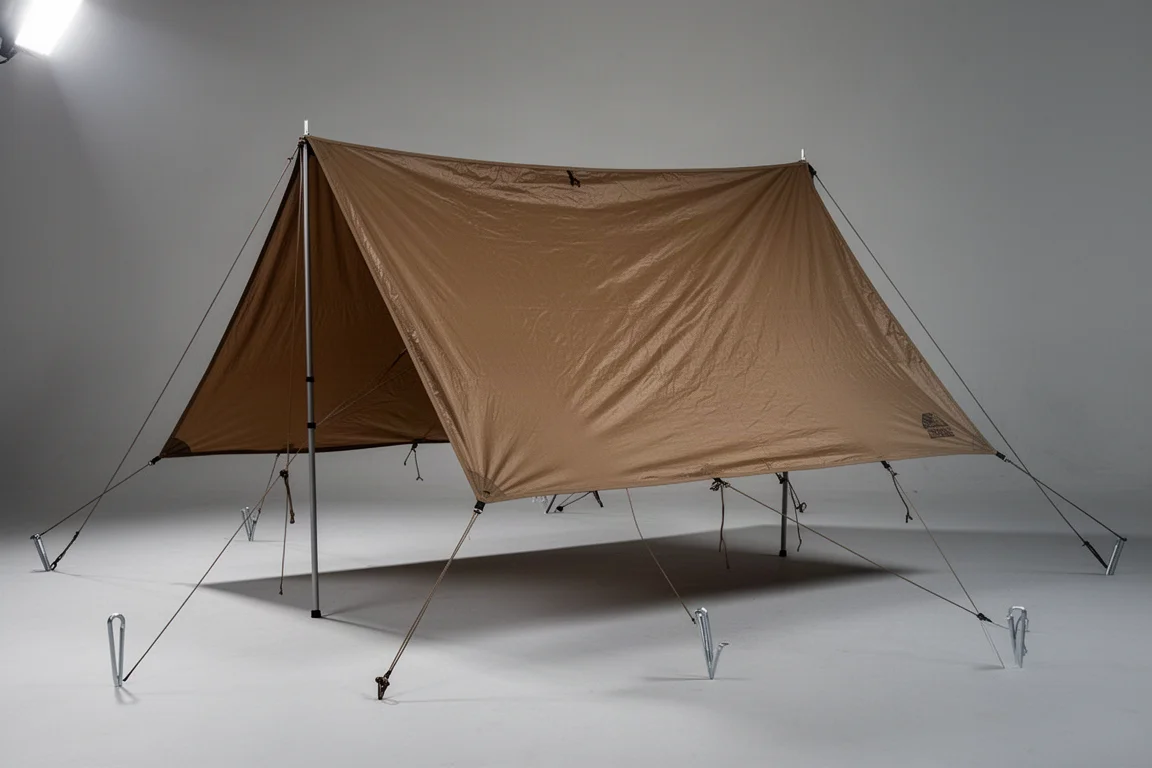
What Size Tarp Actually Works
An 8.2 ft by 8.2 ft tarp is small, and it needs to be treated as such. It is not a shelter that covers a wide range of conditions, and it is not the right choice for most stormy situations.
For general camping and three-season weather, nothing below 10 ft by 10 ft makes sense, and a 10 ft by 13 ft tarp is better still. That size range gives you protection from wind-driven rain and snow, keeps splashback and airborne moisture away from your sleeping area, and opens up a much wider set of pitches.
Setup habits matter as much as dimensions. Guylines of about 9 ft per anchor and slip knots at the tarp end make it fast to reposition attachments when weather or terrain changes. No single configuration works in every situation, so a tarp you can adapt quickly is worth more than one that only pitches one way.
Buying Advice: Coverage First, Weight Second
Rank the priorities in this order: coverage, included hardware, weight, then price. A tarp that is too small to keep you dry is not a bargain at any price, and a shelter without guylines or stakes is not finished until you have bought or made the missing parts.
The Erakko makes sense only for a narrow use case: a very small, very packable tarp for wind blocking and brief, fair-weather shelter, carried by someone who already owns cordage and pegs and accepts the limits of an 8.2 ft footprint.
For most buyers, the DD Hammocks 3x3m tarp is the better purchase for a modest premium, and the OneTigris Bulwark tarp is the better purchase if you want a larger shelter with hardware included for less money.

If your budget stretches further, spending closer to $90 buys a tarp with better materials, more tie-off points, and lower weight, which is the direction to take if the tarp will be your main shelter rather than an emergency layer.
Conclusion
The DD Hammocks Erakko is an interesting experiment in a size class almost nobody builds: 8.2 ft square, 1.2 lb with the bag, and a packed size close to a water bottle. It blocks wind, it pitches fast, and its storage bag is genuinely easy to use. It is also too small for general camping, it lacks guylines and stakes, and the fabric has holes that will leak. At around $60, the larger DD Hammocks 3x3m tarp and the lower-priced OneTigris Bulwark tarp both make a stronger case for most buyers.
Further reading
Related Reviews
Camping Tarps
Aqua Quest Defender vs Safari 20x13: Which Large Tarp Fits Your Setup?
A side-by-side look at Aqua Quest's two 20 ft by 13 ft tarps: the 9.2 lb, 20,000 mm Defender and the 4.5 lb, 5,000 mm Safari, plus sizing, setup, and warranty details worth knowing.

Camping Tarps
AquaQuest Guide Series Tarp 13 ft x 10 ft Review: Light, Waterproof, Storm Ready
A detailed look at the AquaQuest Guide Series 13 ft x 10 ft tarp, covering its 5,000 mm waterproof rating, 1 lb 6.3 oz weight, 17 tie-off points, and the trade-offs worth knowing before buying.
Camping Tarps
Fjällräven Abisko Tarp Review: Premium Ultralight Materials, Unreliable in Rain
The Fjällräven Abisko Tarp pairs a 1.1 lb packed weight with 40D silicone-treated nylon, but long-term testing found it leaks in steady rain and sags badly once wet.