Backpacking Gear
Small Backpacking Gear Changes That Make a Big Difference
Four modest backpacking upgrades, from stronger tent stakes to a trail navigation app, that improve safety and make every trip easier.
Introduction
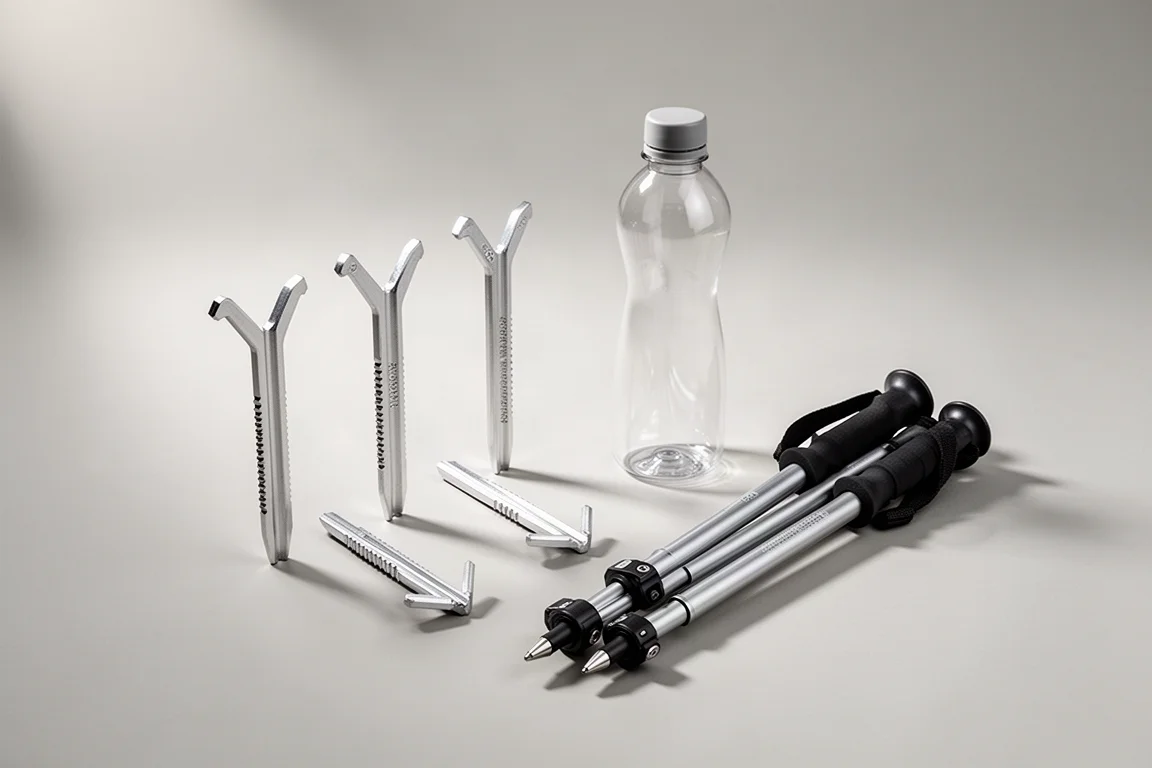
Small gear decisions have an outsized effect on how a backpacking trip actually feels. A shelter that stays put through a storm, a water bottle you can refill without unpacking half your pack, and a navigation tool that shows exactly where you are at a fork in the trail all remove friction in ways that are easy to underestimate until you are miles from the trailhead.
This guide covers four changes worth making before your next trip. Two of them cost roughly $25 or less, one sits around $70, and each one solves a problem that turns up on almost every itinerary: stakes that fail in wind, navigation that becomes slow and uncertain, water storage that is awkward to manage, and legs that tire faster than they need to.
None of these are dramatic purchases. They are the kind of upgrades that quietly make a pack lighter, safer, and easier to live with.
What Makes These Changes Worth Making
Four things separate a genuinely useful gear change from a novelty: whether it improves safety, whether it reduces weight or effort, whether it holds up over repeated trips, and whether it costs a sensible amount for what it delivers.
Each recommendation below was chosen against those criteria. Where an item carries a trade-off, that trade-off is called out, because the goal is a pack you trust rather than a pack full of gear.
Best Tent Stakes: MSR Groundhog
The stakes that ship with a tent are usually an afterthought. Tent makers concentrate on the tent itself, and the hardware in the bag is often thin aluminium that bends or pulls free in wind and soft ground.
The common instinct is to replace those stakes with something lighter. Titanium shepherd’s hook stakes weigh almost nothing, but they bend easily and slip out of the ground, and carbon fibre stakes are brittle and smooth enough to work loose in the same way. Saving a few grams while losing a secure pitch is a poor trade.
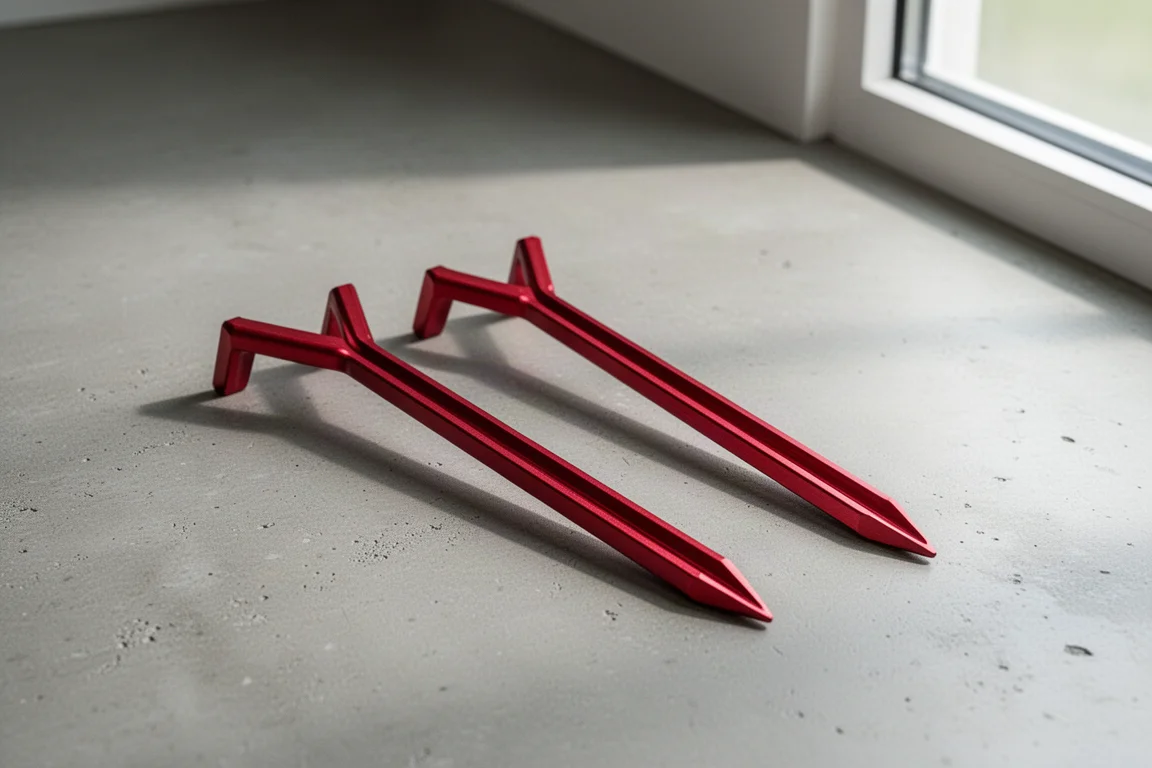
MSR Groundhog stakes take the opposite approach. They are made from high grade aluminium, so they are heavier than titanium or carbon fibre, but they are strong enough to hold in demanding conditions across every season, including winter. They stay light enough to carry without thinking about, and they are the sort of stake that only bends in genuinely extreme circumstances.
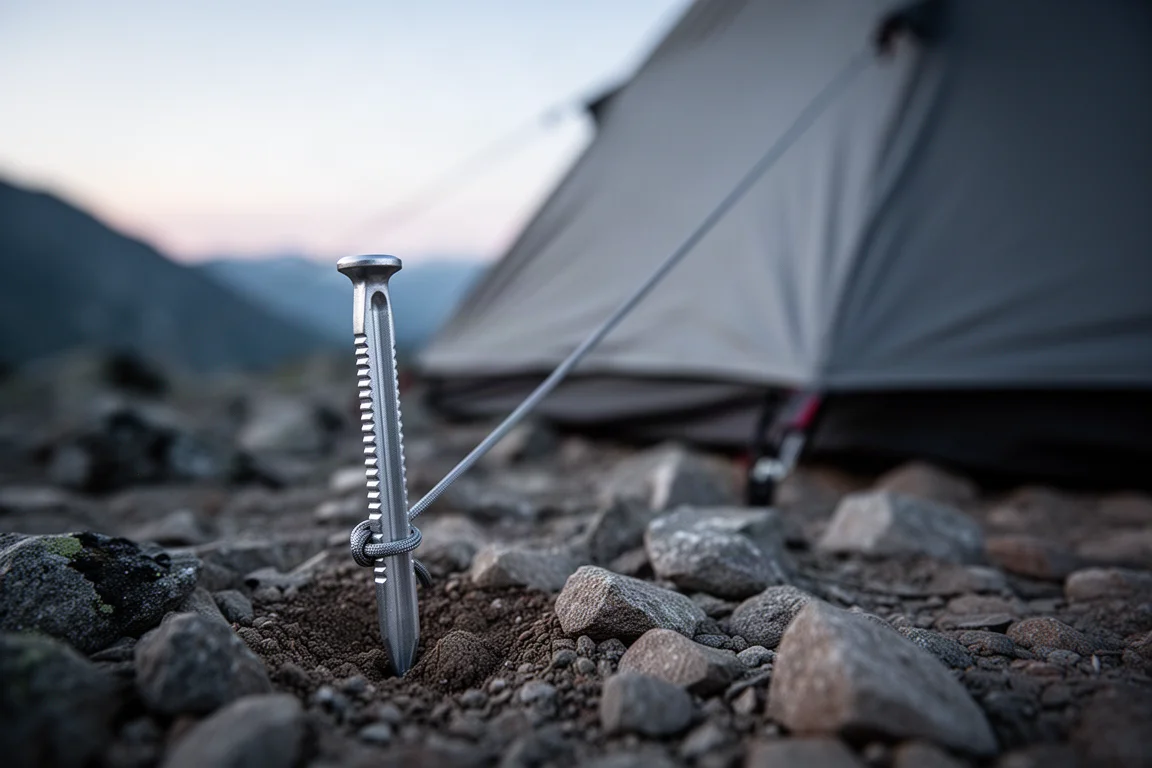
One warning worth repeating: near-identical copies exist, and at least one imitation snapped in half under load. Buy the real thing and inspect the stakes before you rely on them. At around $25 for a set, this is one of the cheapest ways to make a tent genuinely storm-worthy.
Best Navigation App: onX Backcountry
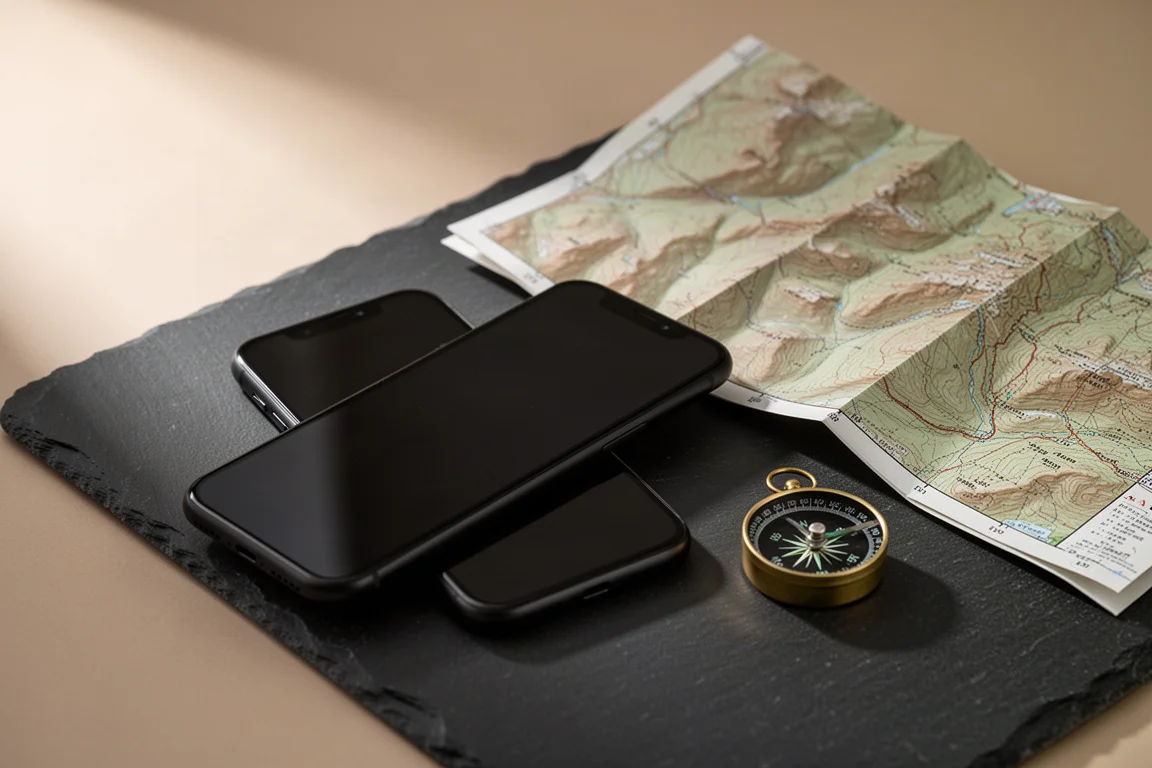
A paper map and compass still belong in your pack as a backup, but a navigation app does something a map cannot: it shows your exact position on the trail in real time, much like a car GPS, only without spoken directions.
That matters most at junctions, where you can aim your phone at the terrain ahead and see which way the route actually goes. Beyond basic wayfinding, onX Backcountry also surfaces features you might not know are there, including water sources, campsites, scenic overlooks, and other waypoints. Terrain information helps you judge how hard the next mile or two is likely to be.
onX Backcountry offers a free trial, so you can test it on a real hike before paying anything, and a discount brings the annual subscription to roughly $23. Keep the map and compass packed regardless. The app is a convenience and a confidence boost, not a replacement for knowing how to navigate without a battery.
Best Water Bottle: Smartwater
Water bladders are popular, but they are awkward in two specific ways. Refilling one means digging everything out of your pack to reach the bladder, and cleaning them thoroughly is a chore.
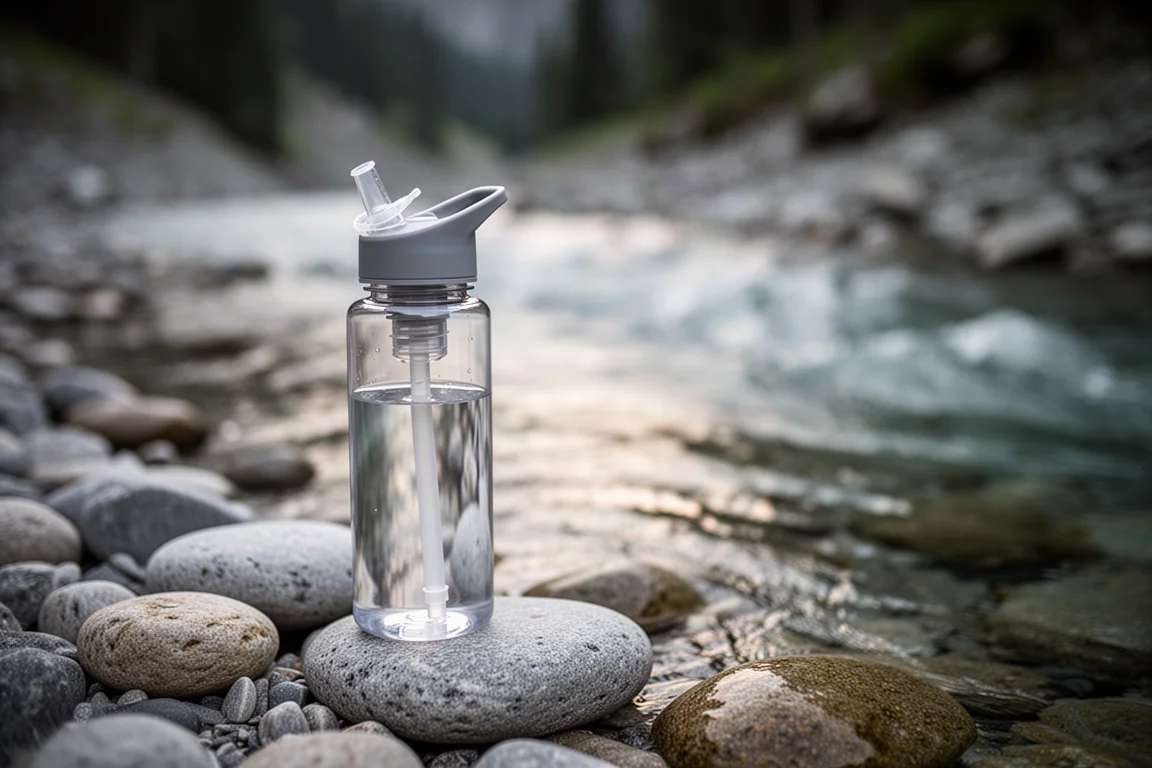
A plain plastic bottle solves both problems. The Smartwater bottle stands out because it is unusually durable for what it is, light, and simple to refill. Long-distance hikers have carried the same bottle for thousands of miles of trail, refilling it the whole way.
The bottle also fits neatly into a gravity or squeeze filter setup. You can filter directly into it for clean water, or use a second bottle as a dirty water container and attach a filter to the top, drinking straight from it. That flexibility is hard to get from a bladder.
It is a small change with an immediate payoff: less time unpacking, less time cleaning, and water that is easier to manage at every stop.

Best Trekking Poles: Fizan
Trekking poles have a reputation problem, and it is undeserved. Even a single pole takes meaningful weight off your back and legs, makes climbing easier, and adds control on descents. On loose or worn ground, a pole is often what turns a slip into a stumble rather than a fall.
If you are unsure about using two, start with one. Most people who dismiss poles as unnecessary change their mind after a long day with real elevation gain.
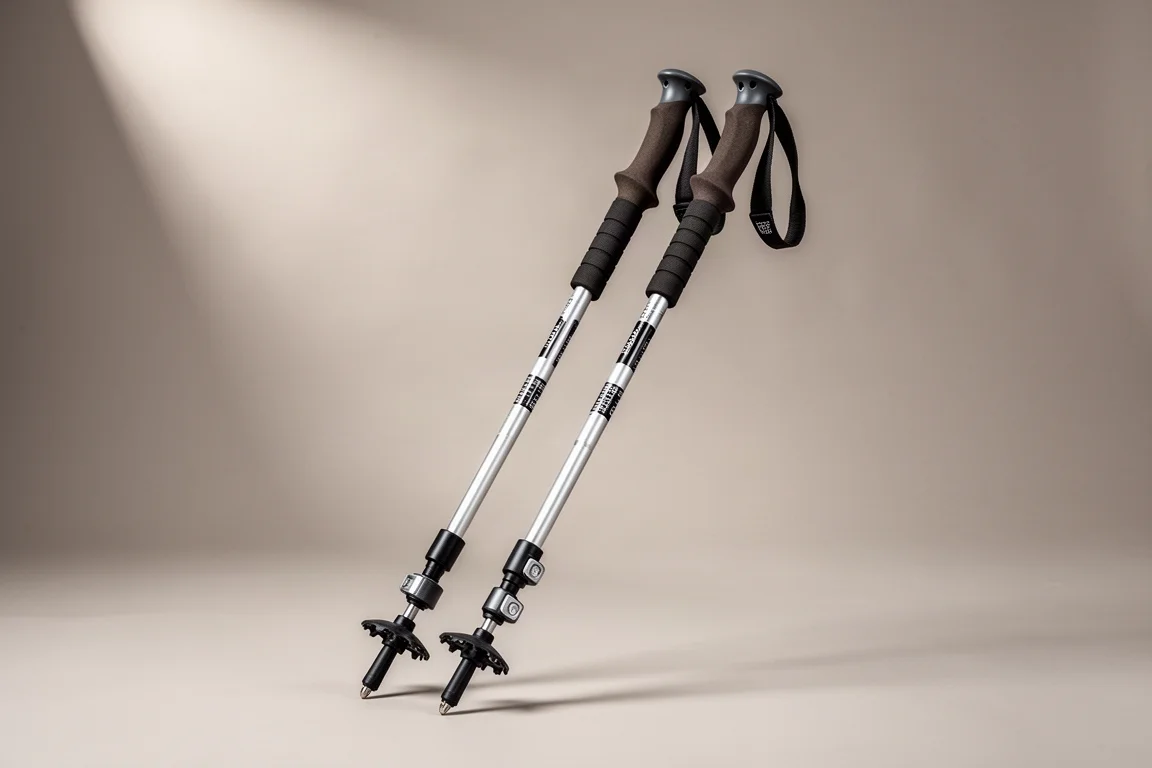
Fizan builds a very light aluminium trekking pole, around five ounces each, with twist-lock adjustment. The Italian manufacturer markets them as the world’s lightest aluminium trekking poles, and they are priced around $70. For the weight and the support they add, that is a reasonable spend.
Overall Buying Advice
The best sequence is to fix whatever fails first. Stakes are the cheapest and most consequential upgrade, because a shelter that will not stay put is a safety issue rather than an inconvenience. A navigation app comes next, since it removes the hesitation and backtracking that make long days longer. Water storage and trekking poles round out the list.
It is worth remembering that the most effective changes often cost nothing at all. Carrying fewer spare clothes saves real weight, and broken-in shoes with good tread beat new footwear that has never been on a trail.
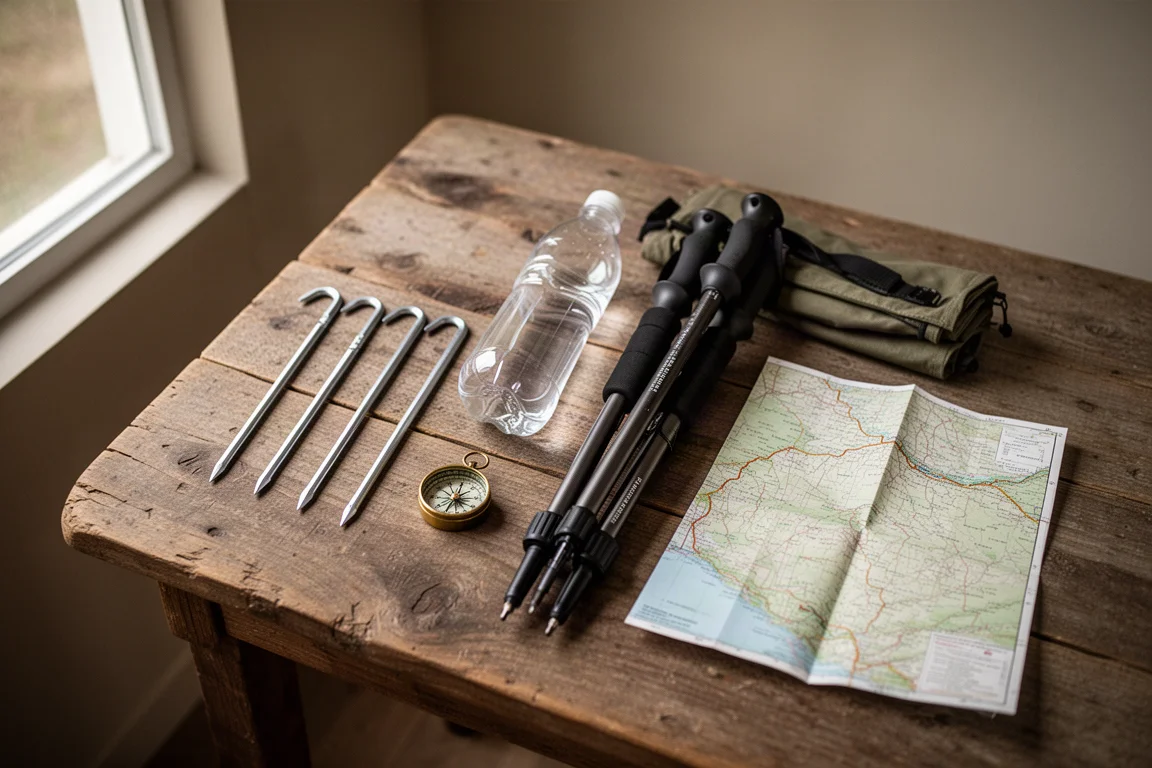
If you are buying one item at a time, start with the stakes and the app. Together they cost roughly $50 or less and address the two problems most likely to cut a trip short.
Conclusion
None of these upgrades requires replacing a pack or a shelter. Better stakes hold the shelter you already own, a navigation app makes the route you already planned easier to follow, a durable bottle streamlines water handling, and a pair of trekking poles makes the miles you were going to walk anyway less punishing. Start with whichever problem you noticed most on your last trip, and add the rest as you go.
Further reading
Related Reviews

Backpacking Gear
Building a 10 lb Base Weight: An Ultralight Backpacking Gear List
A practical walkthrough of the ultralight pieces behind a 10 lb base weight, from a 765 g pack and a roomy one-person tent to a full camp chair and a dependable water filter.

Backpacking Gear
A 15-Pound Lightweight Backpacking Gear List for Solo Trips
A beginner-friendly 15-pound backpacking setup built from easy-to-find gear, with notes on what each piece does, how it packs, and where to spend your attention.

Backpacking Gear
8 Ultralight Backpacking Gear Upgrades Worth Carrying
Eight small, affordable backpacking upgrades that solve real trail annoyances, from a pillow that stays put to a fuel valve that rescues leftover canister gas.