Backpacking Gear
Small Backpacking Gear Changes That Make a Big Difference: Three Upgrades Worth Trying
Three inexpensive backpacking upgrades, plus a few free habits, that improve safety, navigation, and comfort on trail.
Introduction
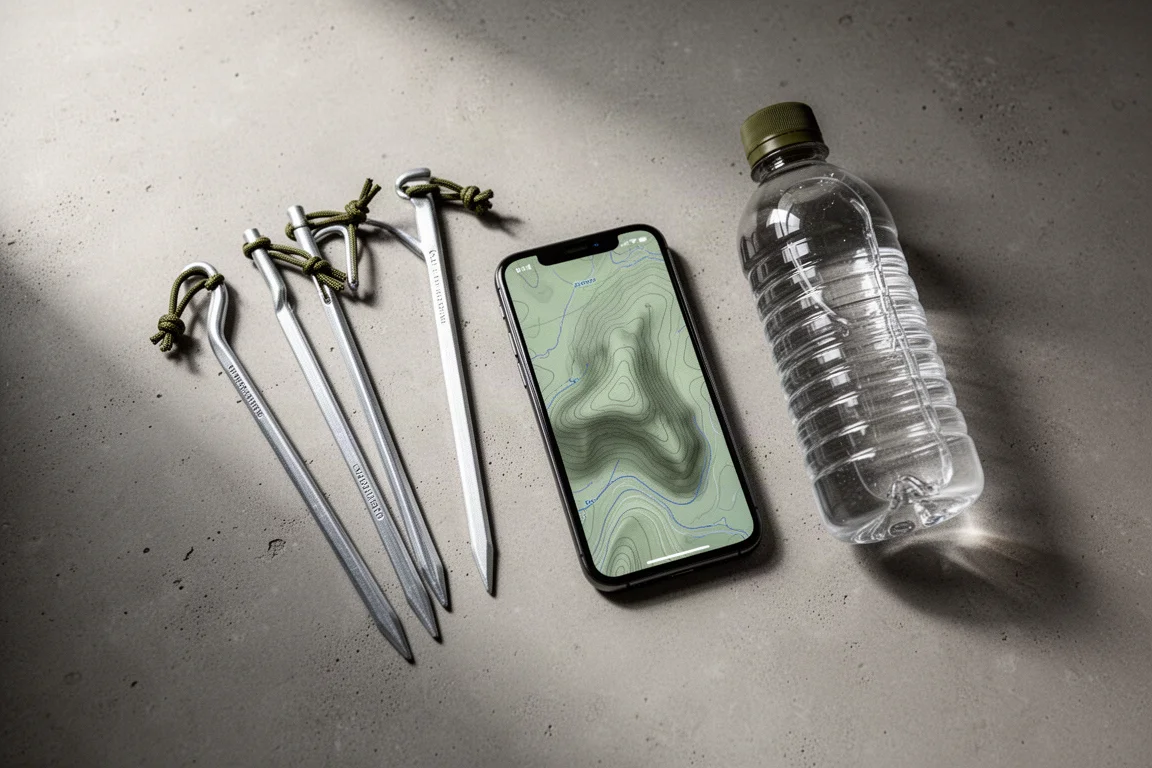
Backpacking gear conversations tend to focus on the big purchases: the tent, the pack, the sleeping bag. The changes that actually shift how a trip feels are often much smaller, and most of them cost nothing at all. Swapping out weak tent stakes, replacing a water bladder with a refillable bottle, and using a navigation app alongside a paper map are three examples that improve safety, make gear easier to use, and generally make long days on trail more comfortable. Only two of the changes here involve spending anything, and both stay under about $25.
The common thread is that each change removes a small, recurring friction point. Stakes that pull out in wind, a bladder that has to be dug out of a packed bag, or a route decision made at a confusing junction all add up over a multi-day trip. Fixing them is inexpensive, and the payoff shows up on the very next hike.
How These Upgrades Were Chosen
Each item here earns its place for a practical reason: it improves safety, reduces pack weight without weakening the setup, or makes a routine trail task faster. The bar is whether the change holds up across seasons and conditions rather than only in ideal weather. Cost matters too, which is why the recommendations below stay inexpensive, and why several of the most useful habits on this list involve gear you already own.
MSR Groundhog Tent Stakes: Anchoring You Can Trust
Most tents ship with stakes that were never the manufacturer’s priority. Even respected tent makers include basic aluminium stakes that bend and pull free in wind and storm, which is exactly when a secure pitch matters most.
The instinct to go lighter can make things worse. Titanium shepherd’s hook stakes weigh next to nothing, often under 10 grams each, but they bend and slip out of the ground easily. Carbon fibre stakes are similarly light and similarly unreliable: brittle, smooth, and prone to sliding free.
MSR Groundhog stakes take a different approach. They are made from high-grade aluminium, so they are heavier than titanium or carbon fibre options, but they are extremely strong and hold firm across every season, including winter. A bent stake is a rare event rather than a routine one.
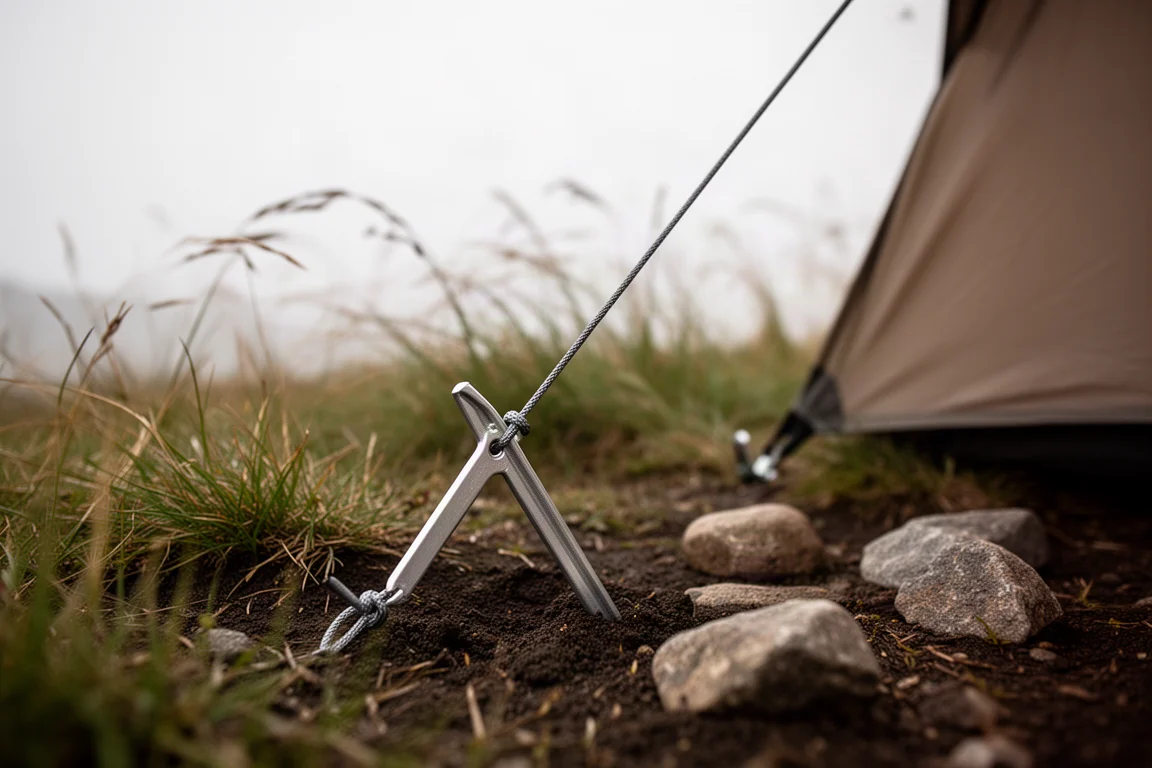
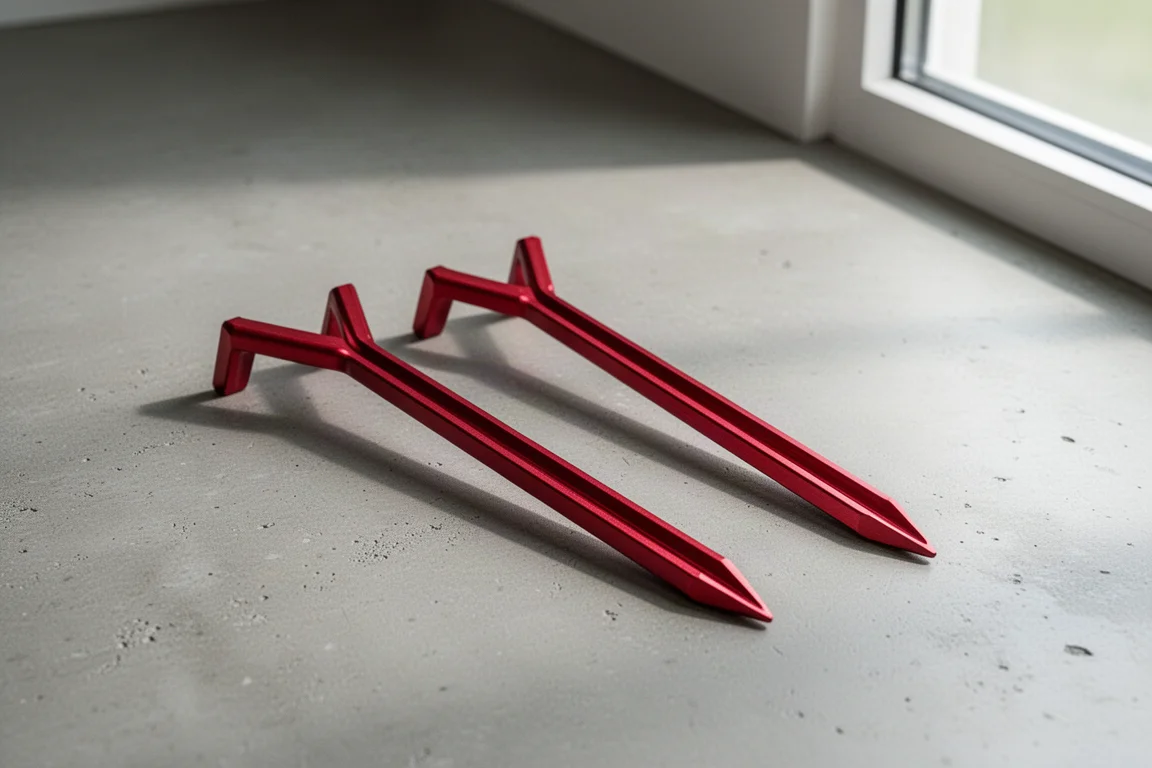
One caution: lookalike stakes that resemble the Groundhog design are not the same product. Imitations have been known to snap in half under load, which is a failure you do not want to discover in bad weather. A set of genuine stakes runs about $25.
onX Backcountry: Navigation With a Backup Plan
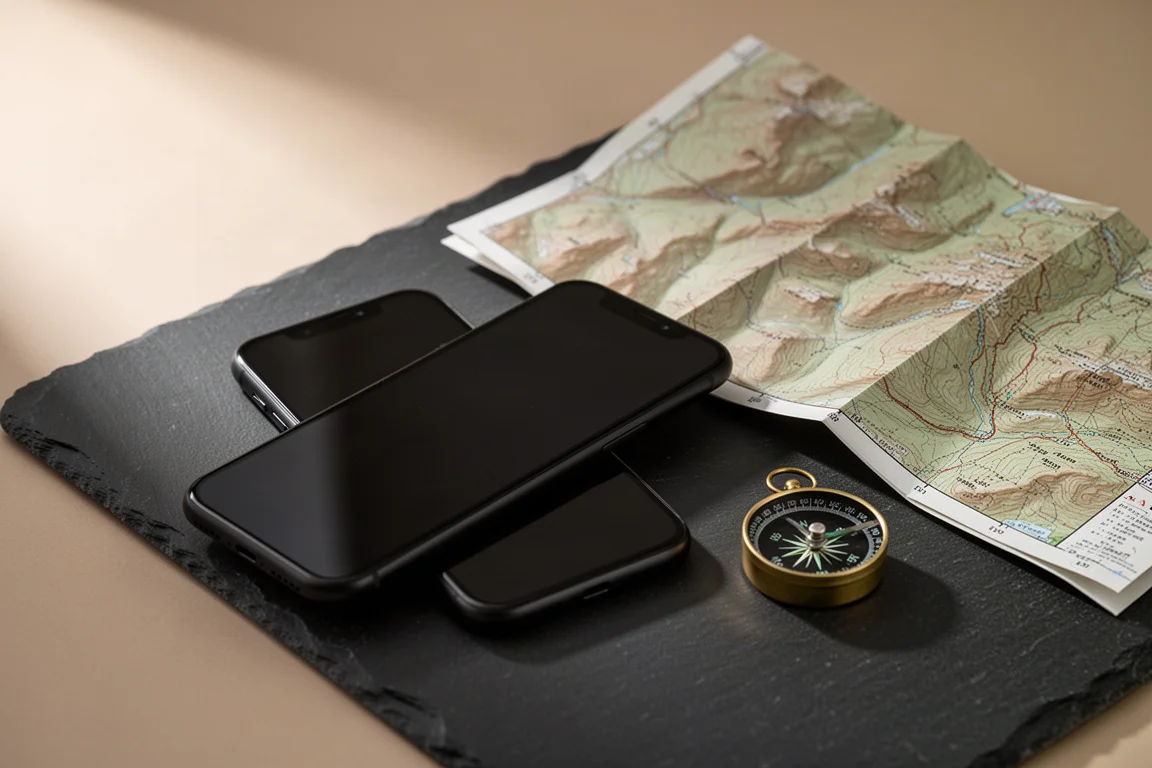
A navigation app works on trail much like a GPS unit works in a car, minus the spoken directions. It shows where you are on the route and which way you are facing, which is genuinely useful at a fork where trail markings are ambiguous. Point the phone and the correct direction becomes obvious.
The app also surfaces information a paper map will not tell you at a glance: water sources, campsites, waypoints, and scenic overlooks, plus terrain detail that helps you judge how hard the next mile or two will be.
onX Backcountry is the app worth trying first. A discount code brings the annual subscription down to roughly $23, and a free trial of about 30 days lets you decide whether it fits how you hike before paying anything. A paper map and compass should still travel in your pack as a backup, whatever app you carry.
Smartwater Bottle: A Lightweight Hydration Swap
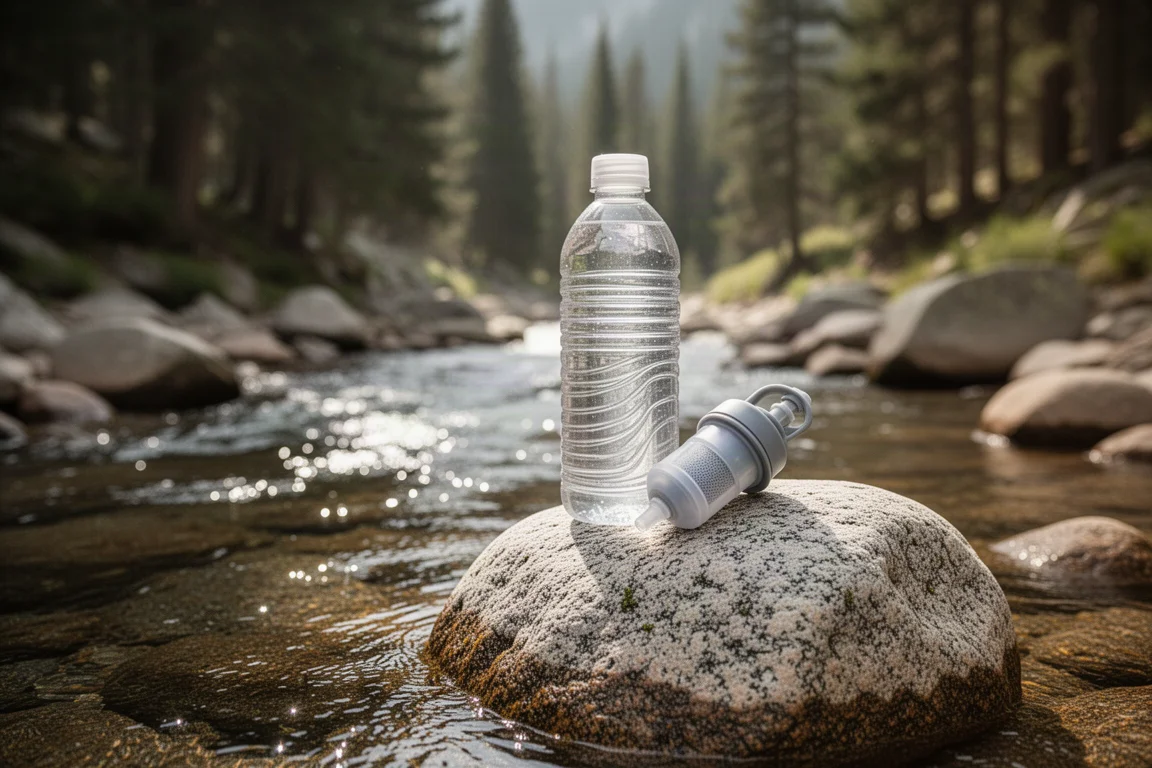
Replacing a water bladder with a plastic bottle is one of the easiest weight savings in a pack. The bottle itself is extremely light, and the Smartwater version is unusually durable for something sold as a disposable: long-distance hikers have carried the same bottle for more than 2,000 miles on the Appalachian Trail and simply refilled it along the way.
The practical gains go beyond weight. A bladder sits deep inside a packed backpack, so filling it usually means pulling gear out and repacking. A bottle comes out in seconds and is far easier to clean. You can filter straight into it, or use one bottle for dirty water and attach a squeeze filter directly to the top to drink from it.
It is a small change with a real effect on how often you actually stop to drink and refill, which matters on hot, long days.

Shoes, Clothing, and Trekking Poles: Free Wins
The most expensive mistake new backpackers make is buying brand new boots or shoes the day before a trip. Unbroken footwear is the fastest route to blisters. Use shoes you already own, as long as the tread is still in good shape. Waterproofing is optional; feet dry out, blisters do not resolve as quickly.
Clothing is the other place to cut weight. An extra day’s worth of clothing weighs around a pound and a half, and most people who pack it never change into it, because everyone smells the same by day two. One spare pair of socks, an extra jacket, and a rain jacket cover most trips. If you want to freshen up, rinse your clothes in a lake or river and let them dry.
Trekking poles are worth carrying even if they feel unnecessary, and even a single pole helps. They take load off your back and legs on climbs, steady you on descents, and give you something to plant if you start to slip.
Buying Advice: Where to Spend and Where to Save
Spend on the two items that directly affect safety and navigation: a reliable set of stakes and a navigation app. Both come in under about $25, and both solve problems that are hard to fix once you are on trail. Avoid the temptation to save weight with titanium or carbon fibre stakes, since a stake that will not hold is not a lighter stake, it is a missing one.
Save everywhere else. Use the shoes you already own, pack less clothing, and carry trekking poles you have already got. If you are buying stakes, buy the genuine article rather than a lookalike, and if you are trying an app, use the free trial period to see whether the mapping style suits the terrain you hike.
Conclusion
None of these changes require a new kit. Stronger stakes, a bottle instead of a bladder, an app that shows you where you are, and a lighter clothing load all address the same goal: fewer avoidable problems between you and the end of the trail. Start with the change that matches the annoyance you notice most, and the rest tend to follow.
Further reading
Related Reviews

Backpacking Gear
Building a 10 lb Base Weight: An Ultralight Backpacking Gear List
A practical walkthrough of the ultralight pieces behind a 10 lb base weight, from a 765 g pack and a roomy one-person tent to a full camp chair and a dependable water filter.

Backpacking Gear
A 15-Pound Lightweight Backpacking Gear List for Solo Trips
A beginner-friendly 15-pound backpacking setup built from easy-to-find gear, with notes on what each piece does, how it packs, and where to spend your attention.

Backpacking Gear
8 Ultralight Backpacking Gear Upgrades Worth Carrying
Eight small, affordable backpacking upgrades that solve real trail annoyances, from a pillow that stays put to a fuel valve that rescues leftover canister gas.