Backpacking Gear
10 Small Backpacking Essentials Worth the Weight in Your Pack
Ten lightweight backpacking items that solve recurring trail problems, from adjustable tent poles and a compact power bank to stakes, a navigation app, and small repair kits.
Introduction
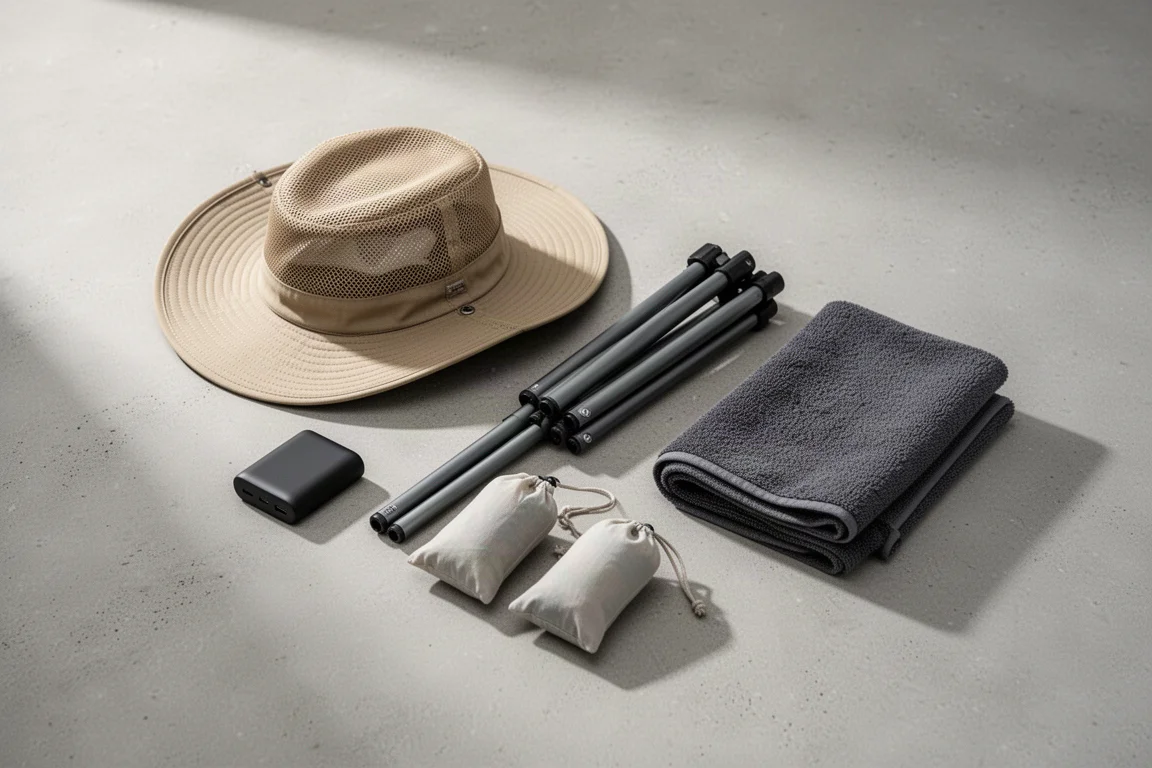
The headline gear gets all the attention: the tent, the sleep system, the cook set, the water filter, the rain jacket, the headlamp. Those choices matter, and most backpackers eventually settle them. What rarely gets discussed is the layer underneath, the small supporting items that quietly make a pack work. A pole that pitches the shelter. A battery that keeps a phone alive as a GPS. A towel, a pot gripper, and two stuff sacks full of repair and hygiene odds and ends.
This roundup covers ten of those small essentials. Each one solves a specific problem, weighs very little, and has earned a permanent place in a pack through repeated trips rather than through clever marketing.
What Makes a Small Essential Worth Carrying
Three things separate a genuinely useful small item from clutter. It solves a recurring problem, not a hypothetical one. It weighs almost nothing, so the cost of carrying it is negligible next to the benefit. And it either replaces something heavier, protects a critical piece of gear, or adds comfort at a moment when comfort is hard to find.
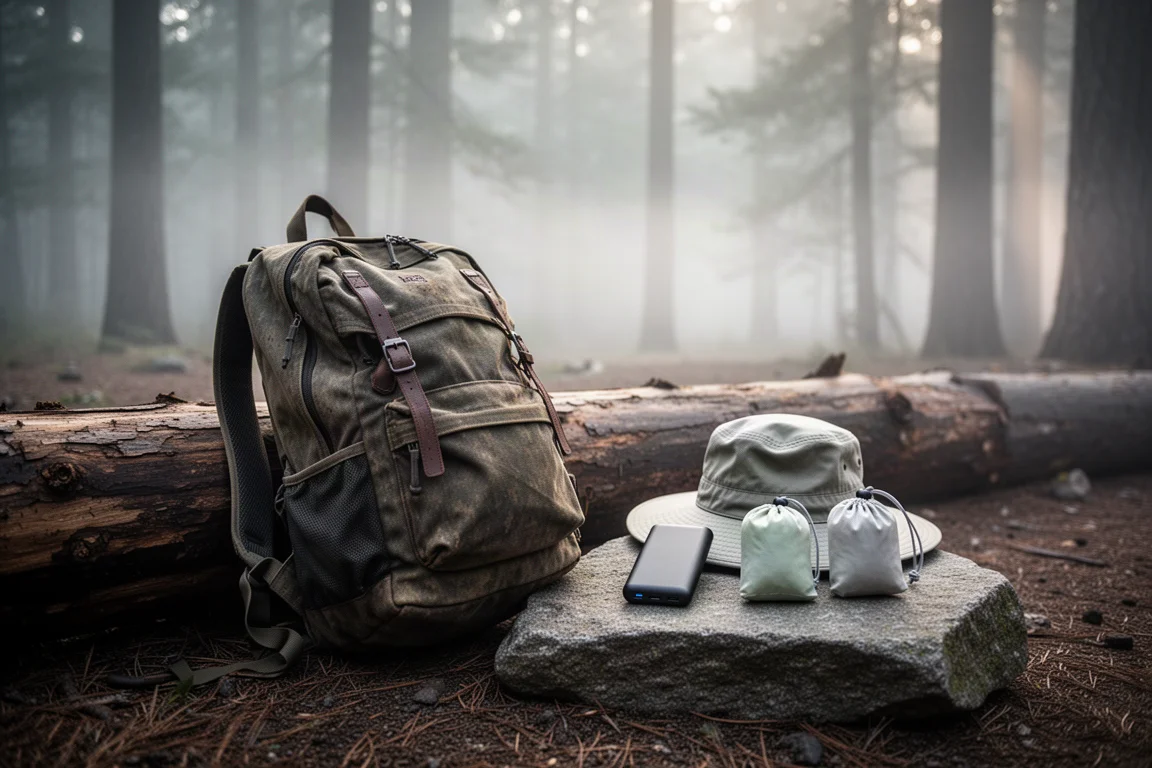
Price matters, but these items tend to be inexpensive relative to the tent, the sleep system, and the pack itself. The real test is whether you would notice the absence on the second or third trip rather than the first.
Durston Gear Adjustable Tent Poles
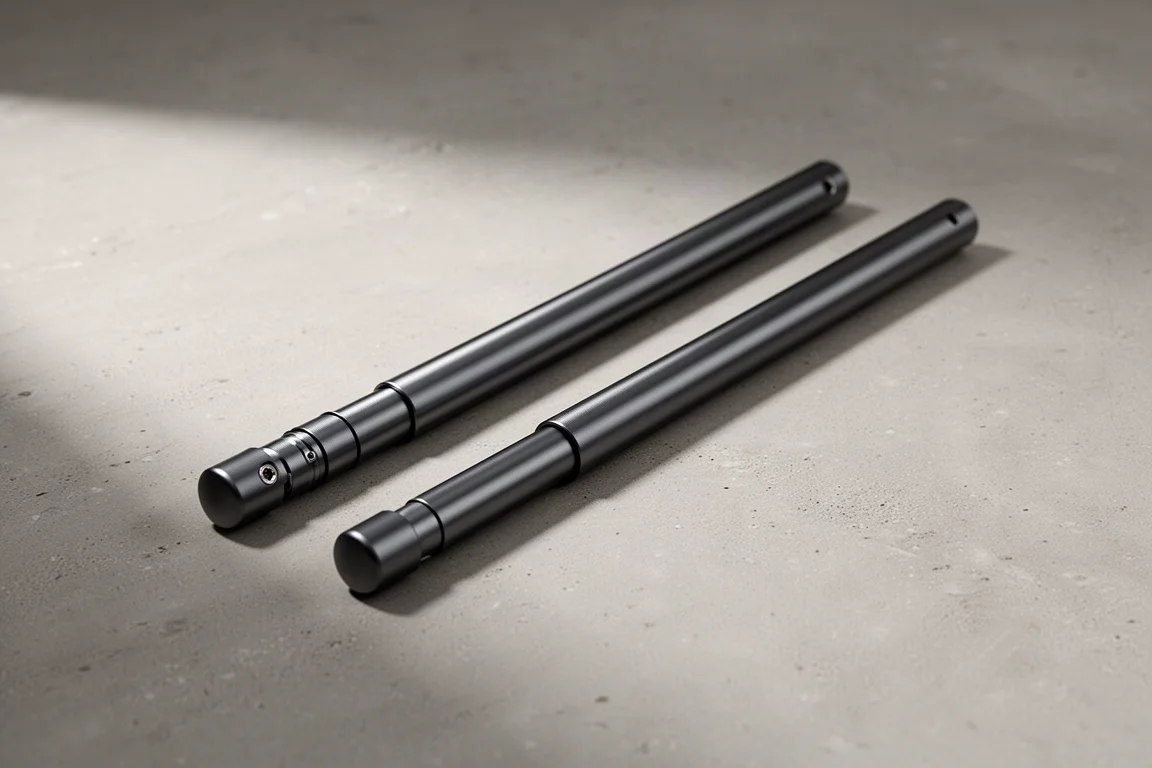
Trekking pole shelters are popular because they cut weight, but they only work if you have something to pitch them with. Backpackers who do not carry trekking poles need a dedicated set, and adjustable poles are the more forgiving option. Durston Gear is best known for its tents, yet the adjustable poles may be the most useful item the brand makes.
The advantage of adjustability is that it removes guesswork. Many trekking pole tents list a recommended pole height, but there is a simpler method: stake the shelter out first, then extend the pole until the fly sits taut. That approach works every time and takes the measuring out of the process.
For anyone who pitches a trekking pole shelter regularly, this is the kind of item that quietly improves every trip. It is also a sensible pick for backpackers who want one set of poles that can adapt to more than one shelter.
Nitecore NB1000 Power Bank
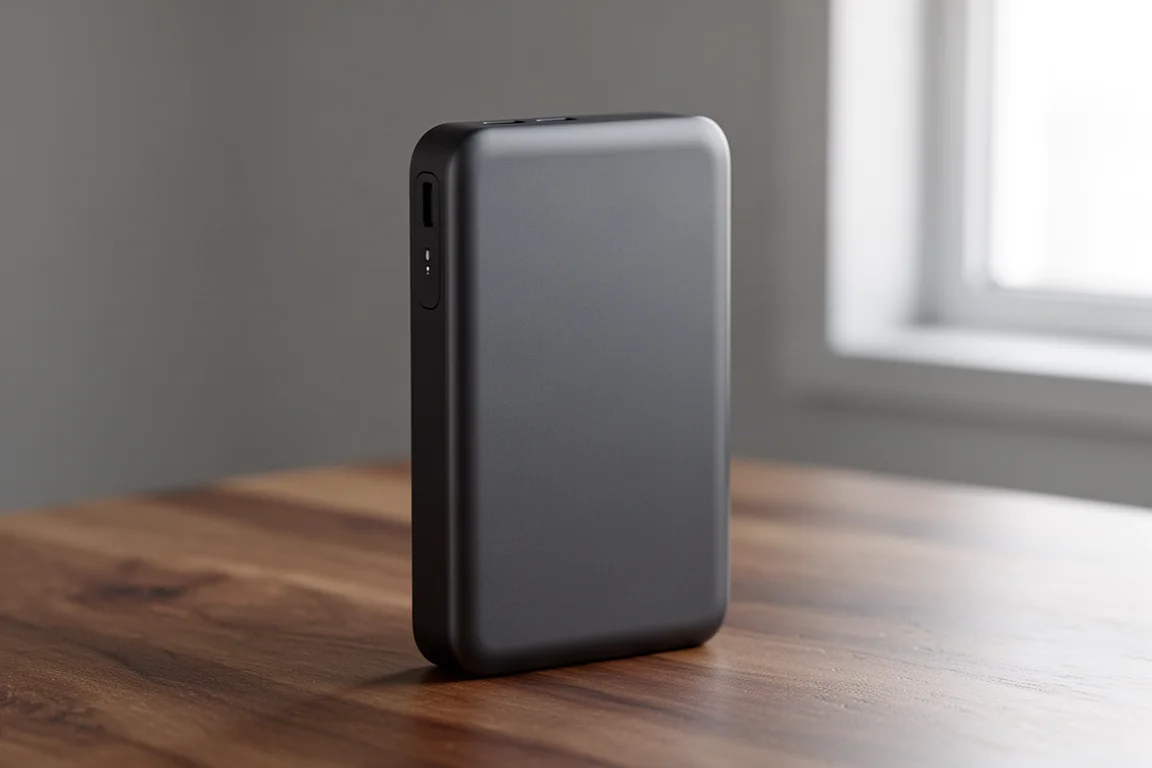
Phones now do far more on the trail than make calls. They serve as a GPS, a satellite communicator, a camera, and a backup light source, which turns keeping one charged into a genuine logistical concern rather than a luxury.
The Nitecore NB1000 is a 10,000 mAh power bank that is smaller and lighter than the phone it charges. In practice that capacity is enough to keep a phone running for well over a week of typical backpacking use. It weighs 5.3 oz and costs just under $60, and it is worth carrying on any trip that is likely to outlast a single phone charge.
Natural Atlas GPS App
Navigation apps are not all built the same. Natural Atlas is developed and maintained by a two-person team in Oregon, and the difference shows in how it handles distance: it measures distance along the trail rather than as the crow flies, which is far more useful when planning a route or estimating how long a day will actually take.
The app keeps gaining features, with weather overlays among the additions over time. The full-featured version is priced at $30, a modest figure for a tool that stands in for a dedicated handheld unit on many trips.
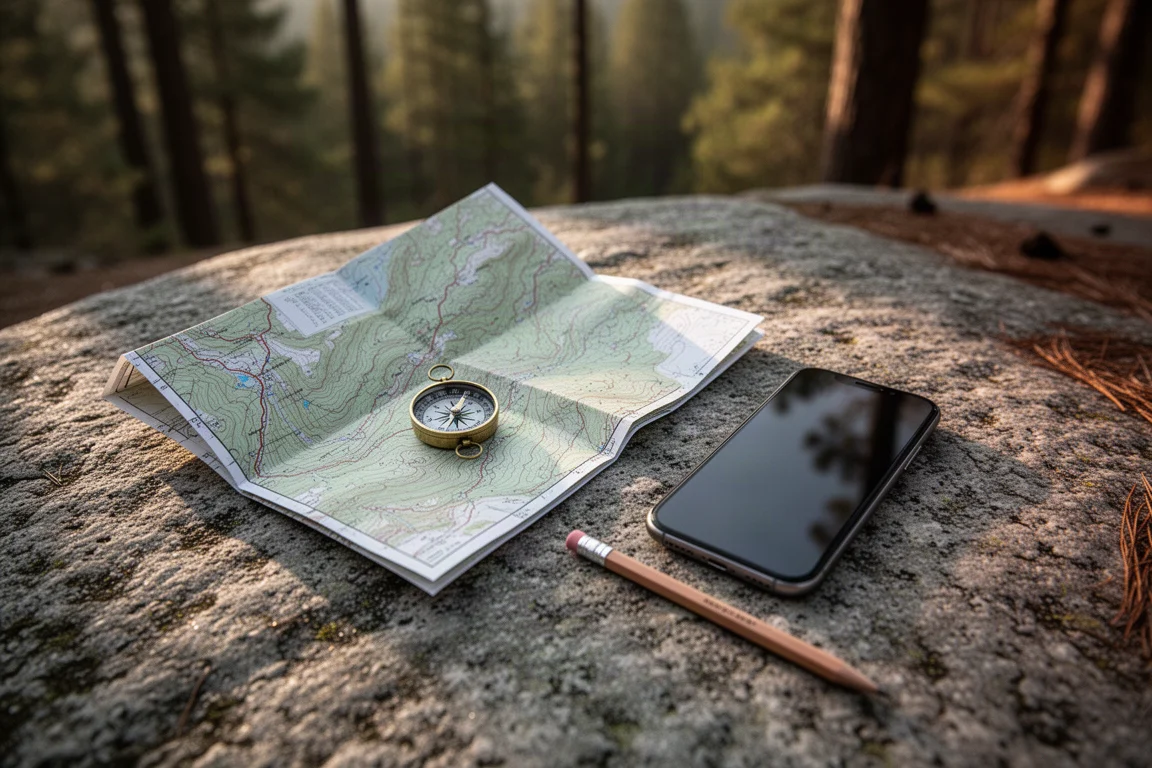
For backpackers who navigate with a phone, this is a low-cost upgrade to the quality of the information in front of them. It pairs naturally with a power bank, since the app is only as useful as the battery behind it.
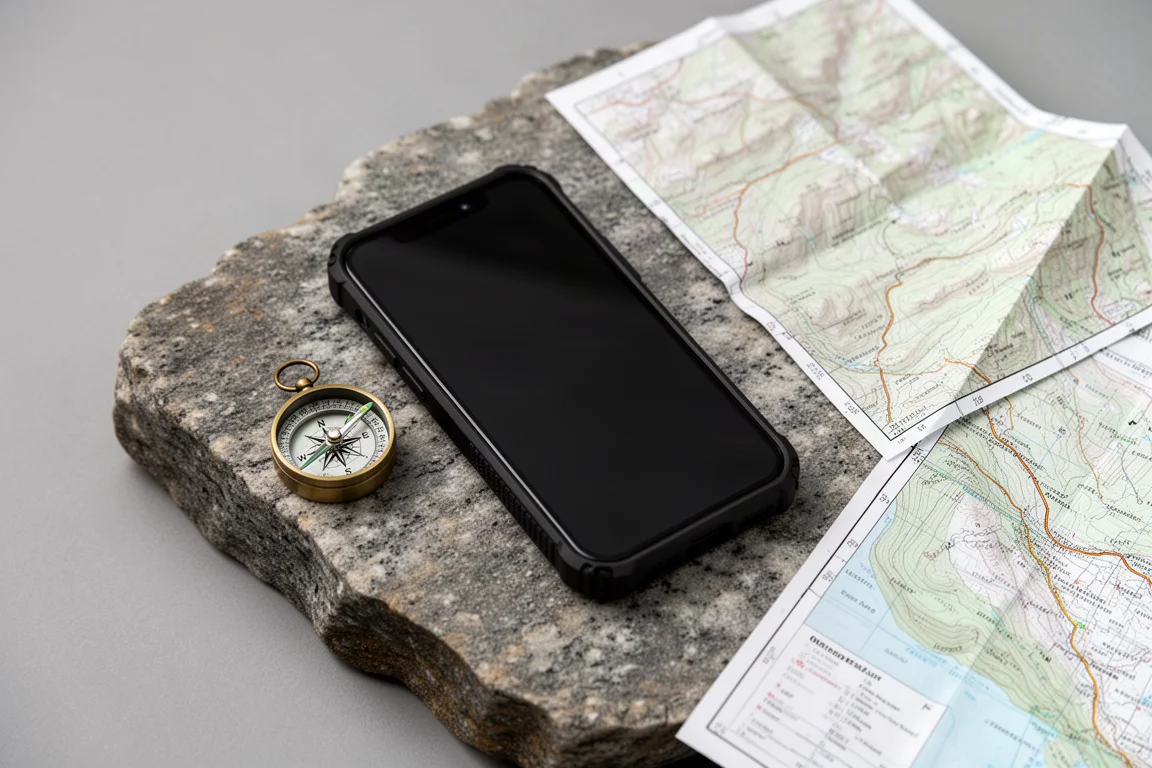
MSR Groundhog Stakes
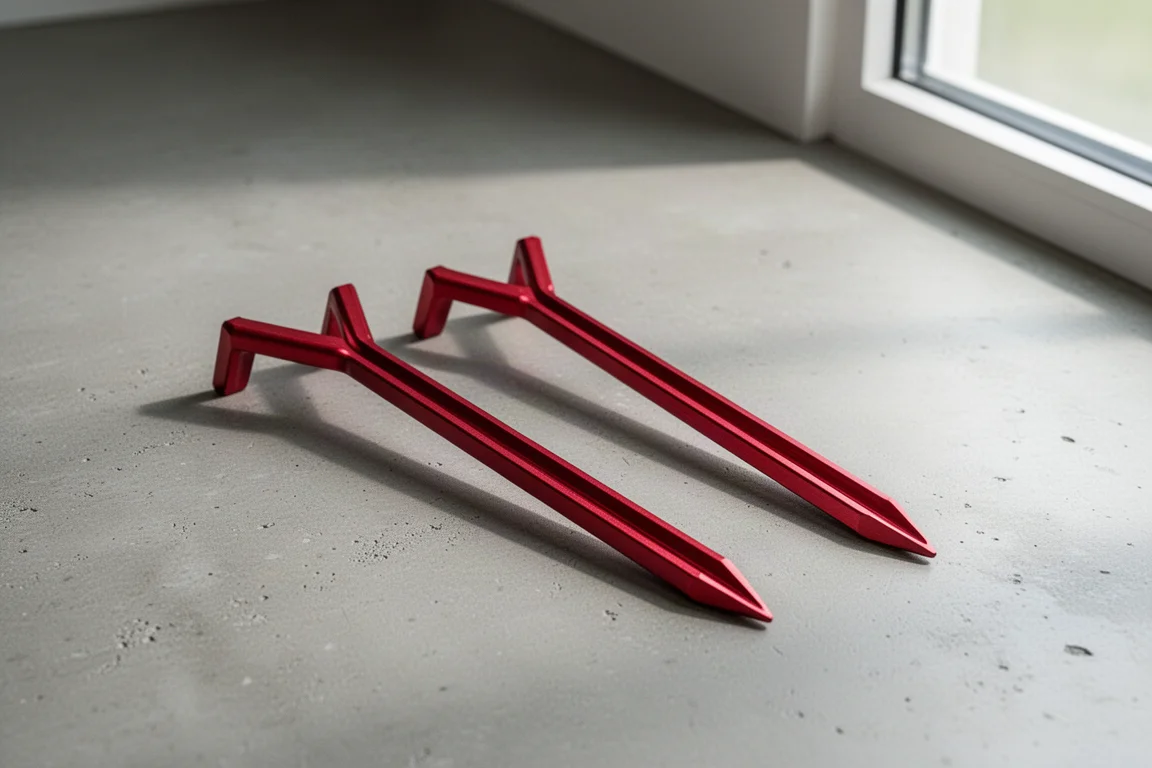
Most backpackers use whatever stakes came with the tent, and on calm summer nights that is usually fine. Stakes do not all hold the same, though. A force-meter comparison of roughly five popular stake designs produced a clear hierarchy, and an eight-inch aluminum nail design came out on top, needing an average of 55 lb of pull force to work loose from the ground. That is about 20 percent more holding power than the next best performer, the MSR Groundhog.
The Groundhog is still a strong stake and a reasonable default for most ground conditions, which is why it stays in the kit as a secondary option rather than the primary one. For backpackers who pitch in exposed or windy terrain, carrying a mix of stakes is a small weight penalty for a meaningful gain in confidence.
Dorfman Pacific Men’s Mesh Safari Hat
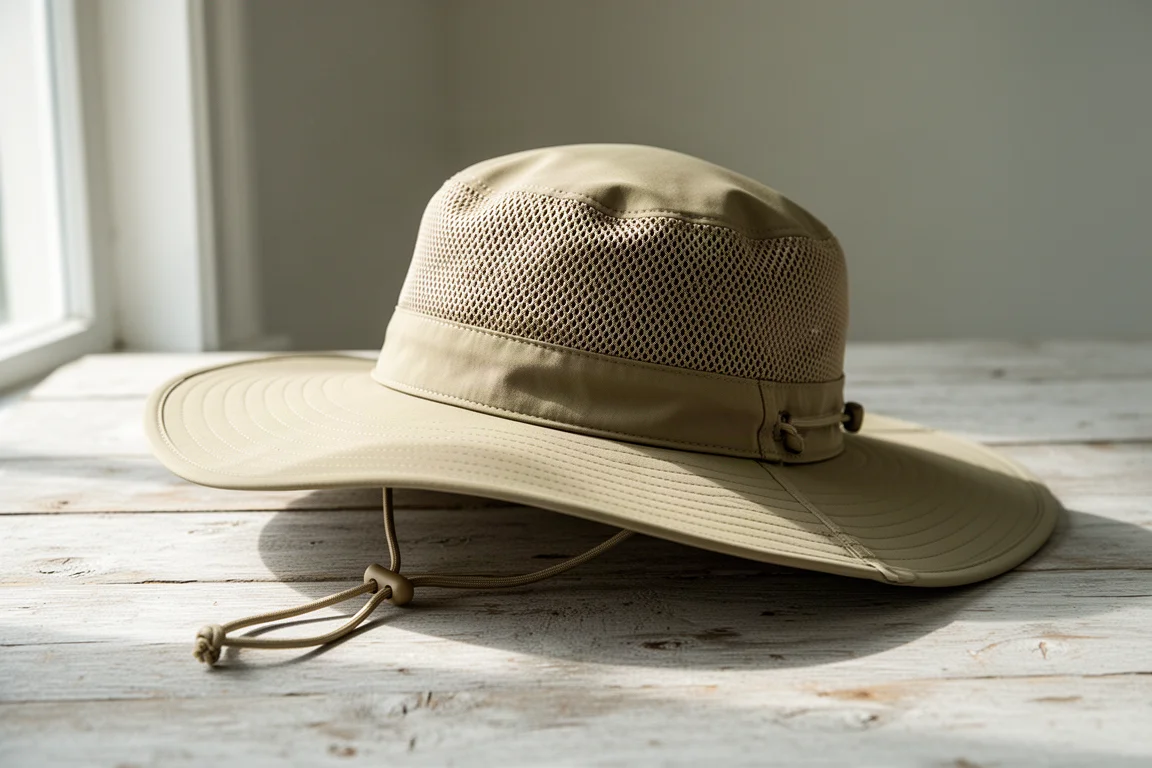
Sun protection is easy to underrate until a long exposed stretch. The mesh safari hat from the Dorfman Pacific Company handles it with a wide brim and a breathable mesh band, and it folds in half so it disappears into a pack when it is not being worn.
That foldability is the detail that makes it practical. A hat that has to ride on the outside of a pack tends to get left behind. This one packs down and comes back out whenever the trail leaves the tree line.
Far Point Alpha Hoodie
A fleece hoodie is a layering staple, and the Far Point Alpha Hoodie is one of the lightest options on the market. A size large comes in at just 4 oz, which is remarkably little for a garment that adds real warmth at a rest stop or on a cool morning start.

Because it packs small and weighs almost nothing, it is easy to justify carrying even when the forecast looks mild. It earns its place as one of the pieces you reach for most often over the course of a trip.

Matador Nanofiber Towel
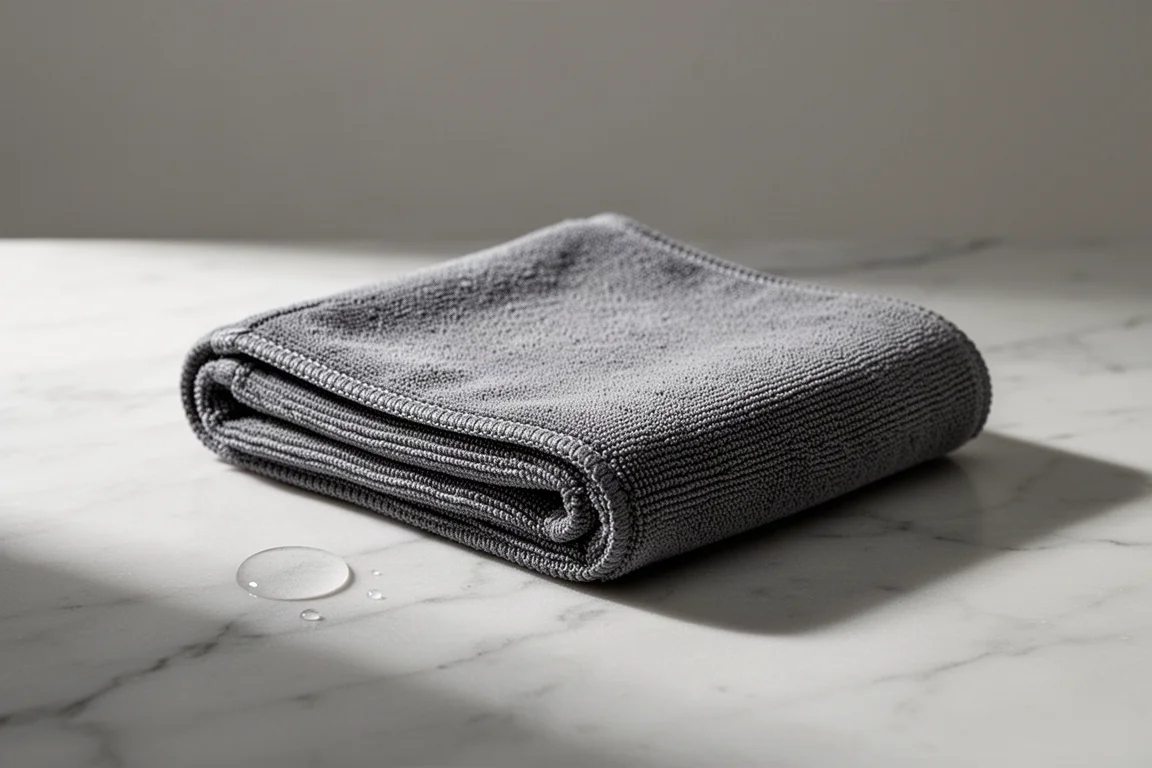
A small towel seems optional until the first time condensation soaks the inside of a tent or a water crossing leaves your feet wet. The Matador Nanofiber towel handles both, and it also works for drying hands and wiping a brow on hot, sweaty climbs.
It weighs half an ounce and costs less than $18, which makes it close to a free addition to a pack. Keeping it accessible rather than buried at the bottom of a stuff sack is the difference between using it and forgetting it exists.
Suluk 46 Pot Grabber
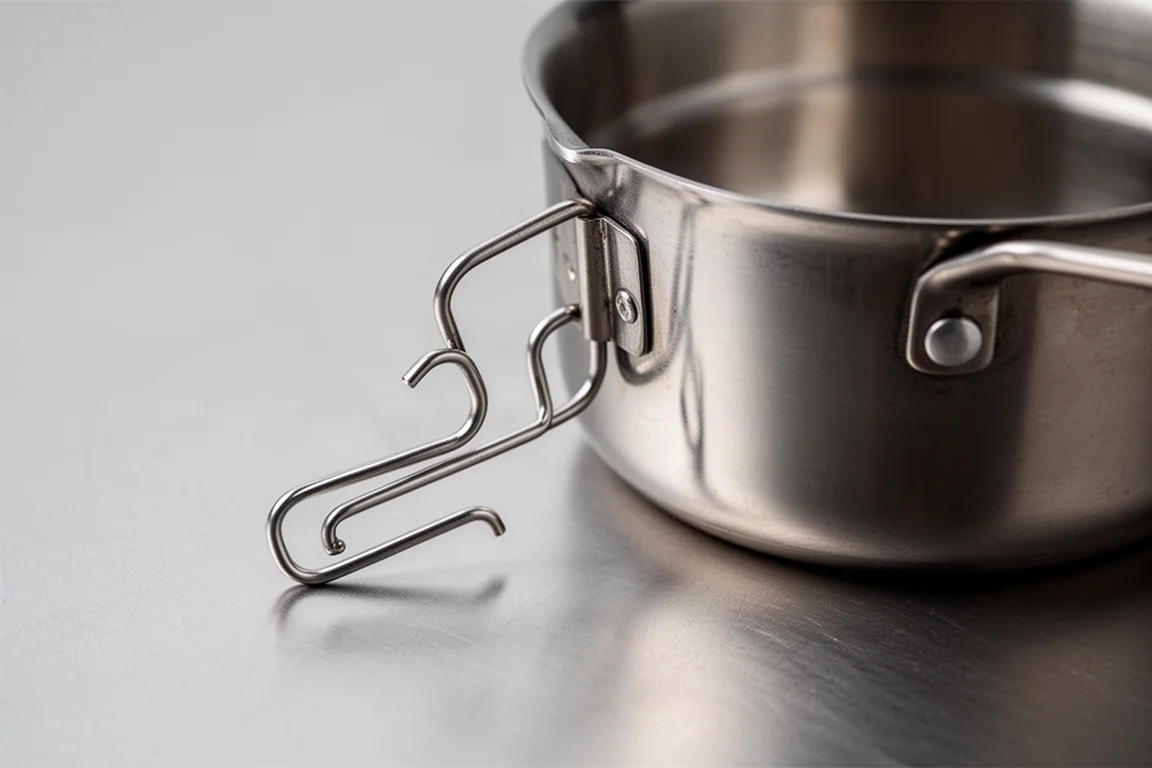
Titanium cook pots are light, but their built-in handles have a habit of getting hot, and plenty of pots skip handles altogether. The Suluk 46 pot grabber solves that with a tool that weighs just 7 g, small enough to live in a cook kit without a second thought.
It comes in both aluminum and carbon fiber versions and costs less than $20. For anyone cooking with a bare titanium pot, it is a straightforward way to avoid handling a hot pot directly.
Mountain Top Gear Dyneema Sack
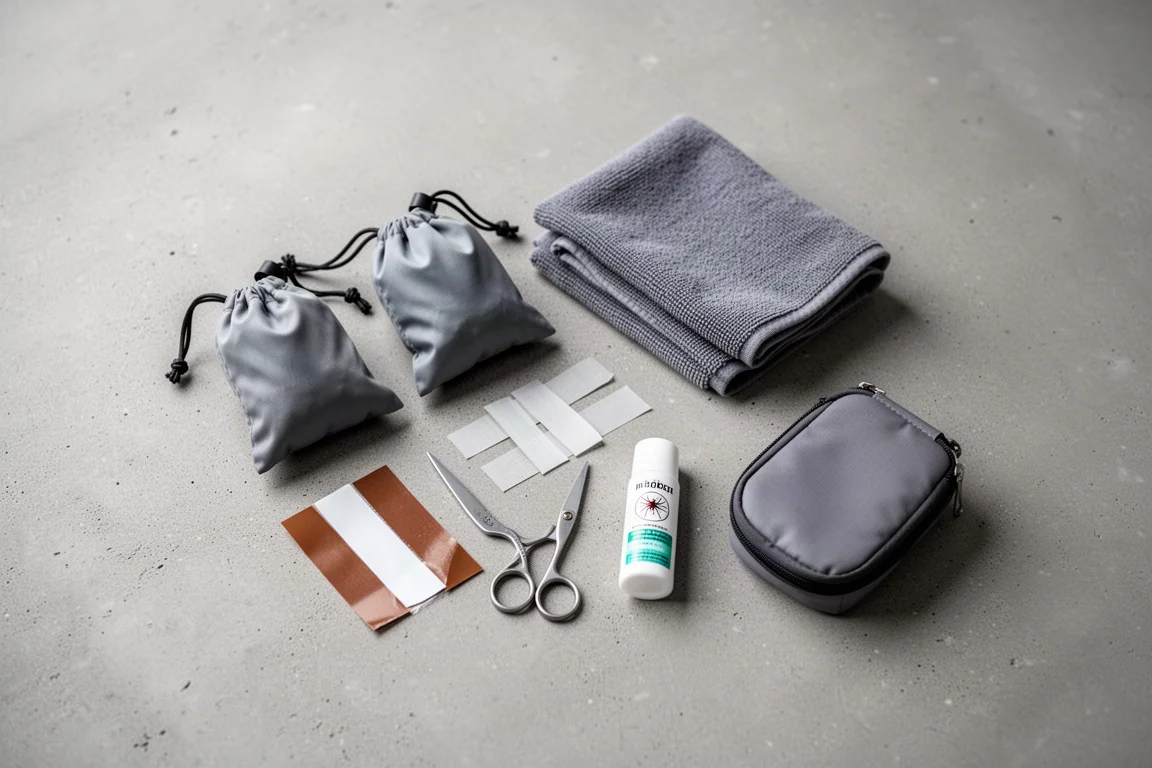
Small stuff sacks are where the real organization happens. This Dyneema sack from Mountain Top Gear holds a mosquito head net, backup water treatment in case a filter fails, toothpaste tabs, and a small smell-proof pouch that carries exactly the amount of toothpaste needed for a trip. The routine is simple: chew a tab, brush, and do not swallow it.
The same small-kit thinking extends to repairs. Tenacious tape for gear damage, an extra mini lighter, a couple of spare bottle caps, and a compact repair kit containing duct tape, thread, and a sewing needle all fall into the category of gear that is rarely needed and deeply appreciated when it is.

Hart for Gear Company Zipper Dyneema Bag
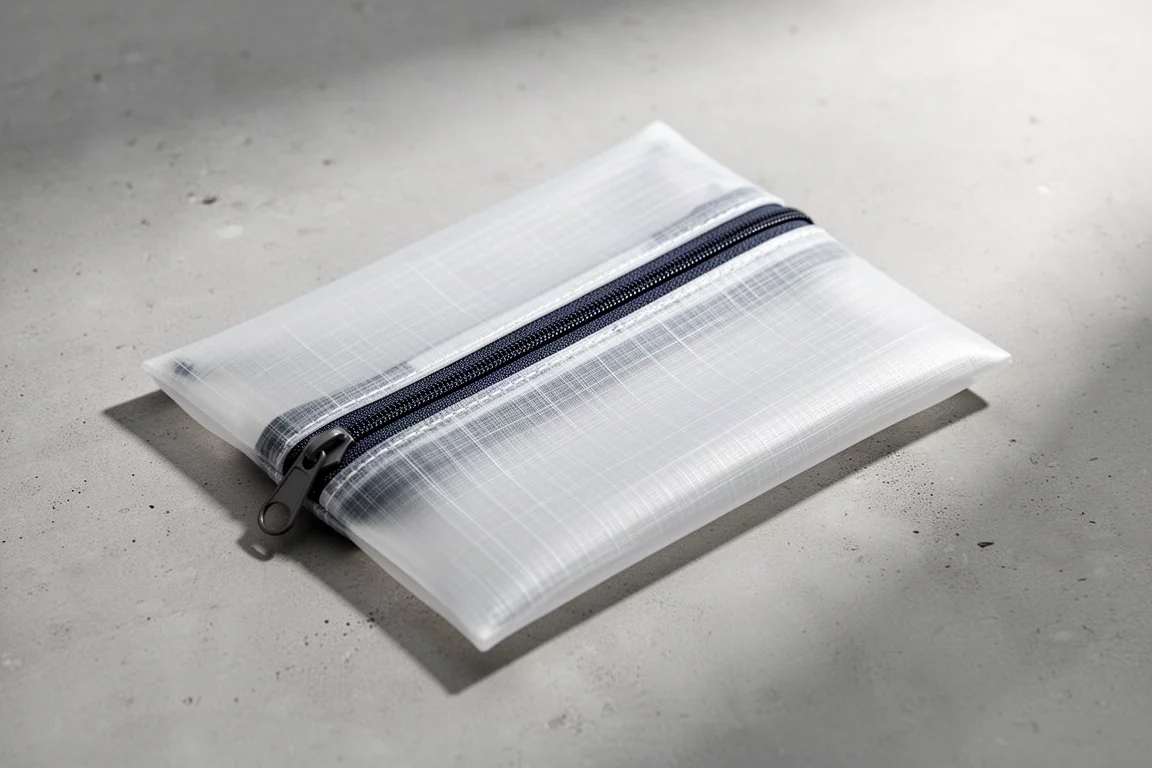
The second pouch in the kit is a zippered Dyneema bag from Hart for Gear Company, and it works as a compact personal and medical kit. Inside: picaridin insect repellent lotion, miscellaneous medicine, bandages and blister treatment, Dyneema repair tape, a pair of tiny titanium scissors for cutting moleskin or tape, and ear plugs.
That last item is easy to overlook. Good sleep shapes how a whole trip feels, and ear plugs take up almost no space for the difference they make in a busy campsite.
Overall Buying Advice
None of these items is essential in isolation, and buying all ten at once is not the point. The better approach is to look back over recent trips and identify the small annoyances that repeated themselves: a shelter that took too long to pitch, a phone that died on day two, stakes that pulled out in wind, a hot pot handle, wet feet, broken sleep.
Each of those problems has a cheap, light solution on this list. Start with the one that caused the most frustration and add from there as trips expose new gaps. Cost is worth weighing against frequency of use: a $30 app or a sub-$20 towel earns its place quickly because it gets used on every trip, while a power bank proves itself on any outing longer than a phone can survive. Items that matter only in specific conditions, such as a head net or backup water treatment, take up almost no space and are easy to justify keeping in the pack.
Conclusion
The gear that gets discussed is rarely the gear that makes a trip run smoothly. Adjustable poles that pitch a shelter without guesswork, a power bank that keeps navigation alive, an app that measures the trail as it actually is, stakes that hold in wind, and a pair of small stuff sacks carrying a complete repair and hygiene kit: these are the quiet pieces that shape how a trip feels.
Pick the ones that match the problems you have already run into, and they will earn their weight many times over.
Further reading
Related Reviews

Backpacking Gear
Building a 10 lb Base Weight: An Ultralight Backpacking Gear List
A practical walkthrough of the ultralight pieces behind a 10 lb base weight, from a 765 g pack and a roomy one-person tent to a full camp chair and a dependable water filter.
Backpacking Gear
A 15-Pound Lightweight Backpacking Gear List for Solo Trips
A beginner-friendly 15-pound backpacking setup built from easy-to-find gear, with notes on what each piece does, how it packs, and where to spend your attention.
Backpacking Gear
8 Ultralight Backpacking Gear Upgrades Worth Carrying
Eight small, affordable backpacking upgrades that solve real trail annoyances, from a pillow that stays put to a fuel valve that rescues leftover canister gas.