Sleeping Pads
Sleeping Pad R-Value Guide: Choosing the Right Pad for Every Season
A practical guide to sleeping pad R-values, with six pads grouped by the conditions they handle best.
Introduction
A sleeping pad is not just a cushion. It is the layer that decides whether the cold underneath you stays underneath you or climbs into your sleeping bag. Plenty of uncomfortable nights in the backcountry trace back to a pad that could not hold warmth, no matter how capable the sleeping bag or quilt on top of it was.
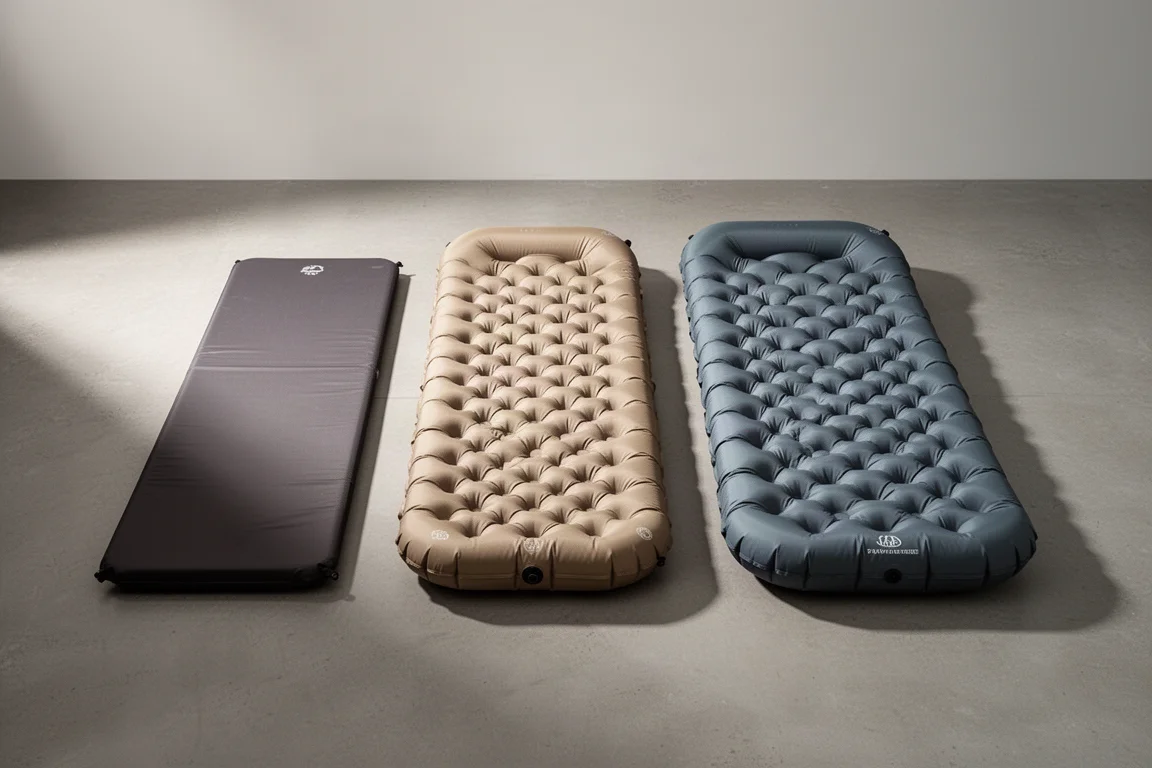
This guide groups sleeping pads into three R-value ranges and matches each range to the conditions it handles well, from warm summer ground to frozen winter snow.
Why Ground Temperature Matters More Than Air Temperature
Air temperature is the factor most people consider first, and it does matter. It becomes more significant as pads grow thicker and wider. Someone lying on a 20-inch wide pad covers most of its surface, particularly when sleeping on their back. On a thinner pad of about 2.5 to 3 inches, little of that surface is left exposed. On a large, very thick pad, the body covers less of it, so more of the pad sits exposed to the air around it.
R-value is the standardized lab measurement of sleeping pad warmth. Higher numbers indicate a warmer pad, lower numbers a colder one. The catch is that lab numbers do not always carry over neatly into real-world conditions.
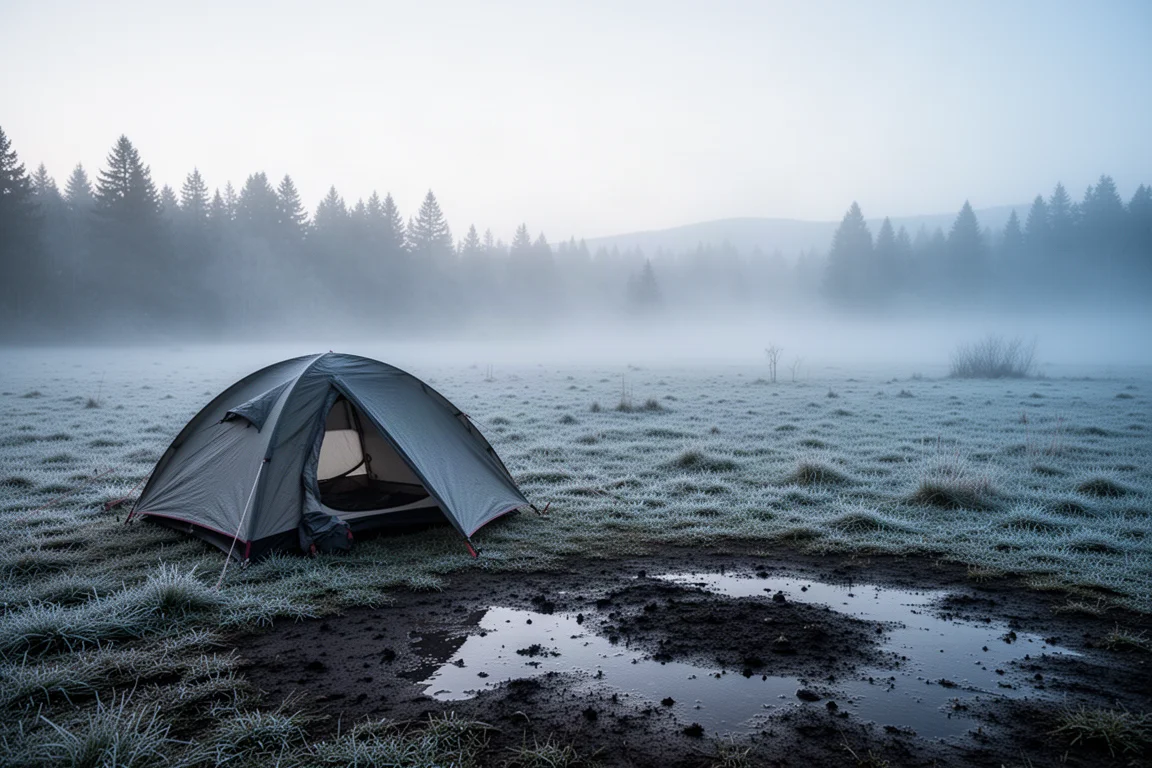
Ground temperature matters even more. The entire underside of a sleeping pad is in contact with the ground, so cold ground draws heat out of you through the pad. Frozen ground and snow are the obvious cases, but wet ground, or ground holding a lot of water, is also colder than dry ground.
In summer and fall, dry ground retains a good deal of heat from the day, which is worth factoring into trip planning. In spring, when the ground is still frozen or saturated with snowmelt, the same air temperature calls for a warmer pad.
Warm-Weather Sleeping Pads: R-Value 2 to 4
When air temperatures sit above roughly 50 degrees Fahrenheit and the ground is dry and warm, an R-value between 2 and 4 should keep you comfortable. Pads in this band carry less insulation, pack smaller, weigh less, and are generally marketed as summer pads.
Sea to Summit Ether Light XT
The Sea to Summit Ether Light XT sits in this warm-weather band and is one of the pads worth shortlisting for summer trips where packed size and weight matter. It is built for the conditions this range covers: mild nights and ground that has had all day to warm up.
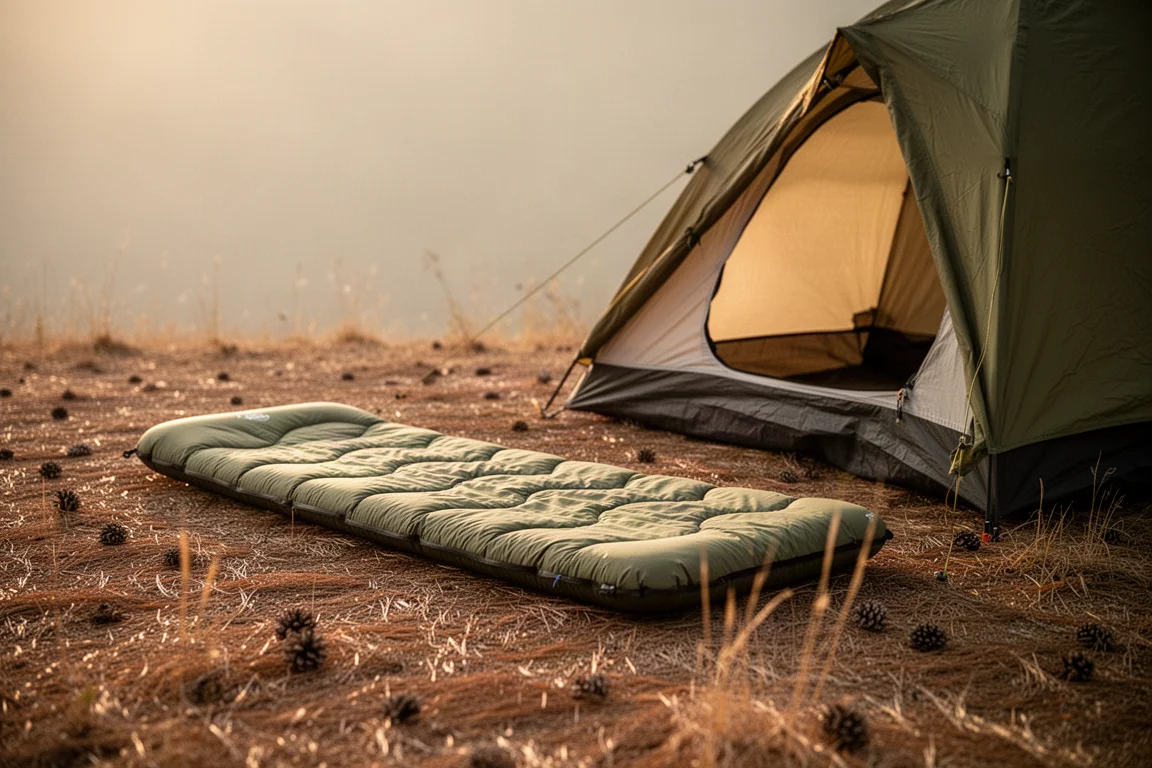
Treat it as a fair-weather companion. When the forecast turns cold or the ground stays wet, the insulation in this range runs out of headroom quickly.
Exped Ultra 3R
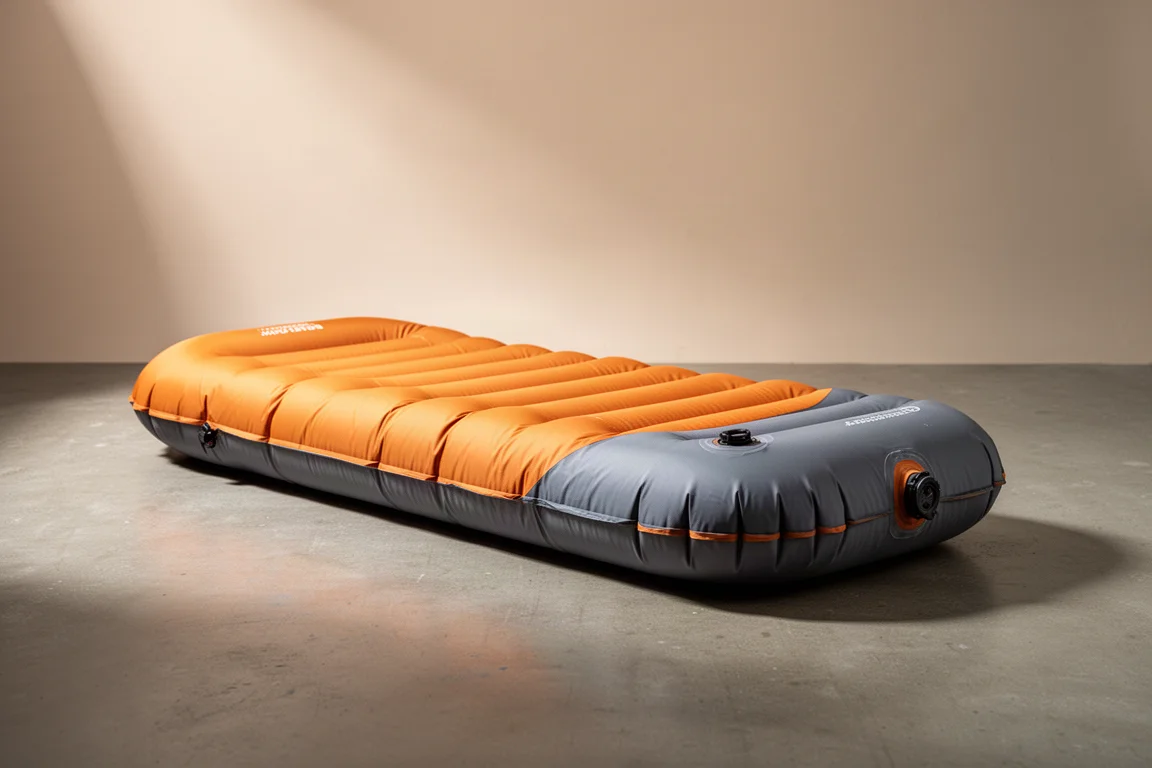
The Exped Ultra 3R belongs to the same warm-weather range and is the second pad in this band that stands out for summer use. Like others in the 2 to 4 range, it is compact and light, and it is best matched to dry, warm ground and mild overnight temperatures.
Big Agnes Zoom UL
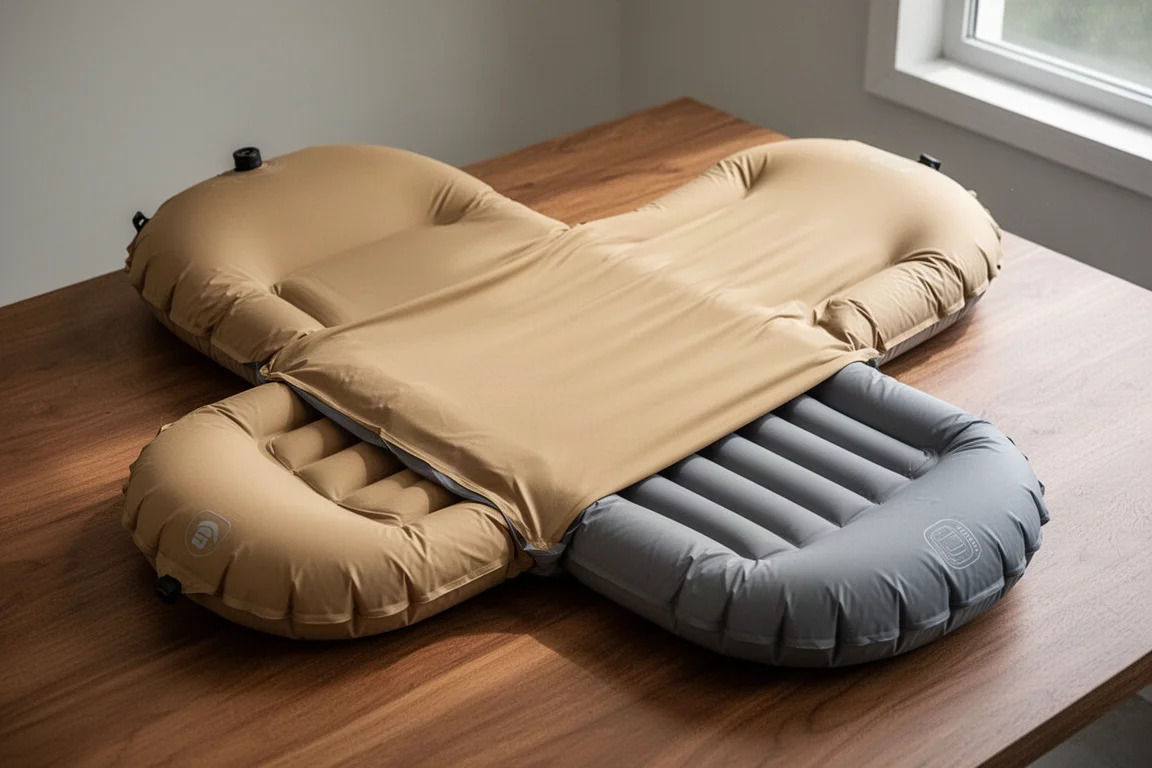
The Big Agnes Zoom UL is advertised with an R-value of 4.3, which would place it above the summer band on paper. In practice it sleeps closer to an R-value of 2 or 2.5.
Two construction details explain the gap. There are gaps in the insulation around the weld points, and the pad uses a reflective film for insulation that tends to fall to the bottom of the pad. That leaves the sides and top of the pad exposed to air, and the insulation along the bottom does very little, especially when air temperatures are cool.
The lesson applies beyond this one pad. Look at how a pad performs in real-world conditions near the limits of its warmth rating rather than relying on the advertised figure alone.
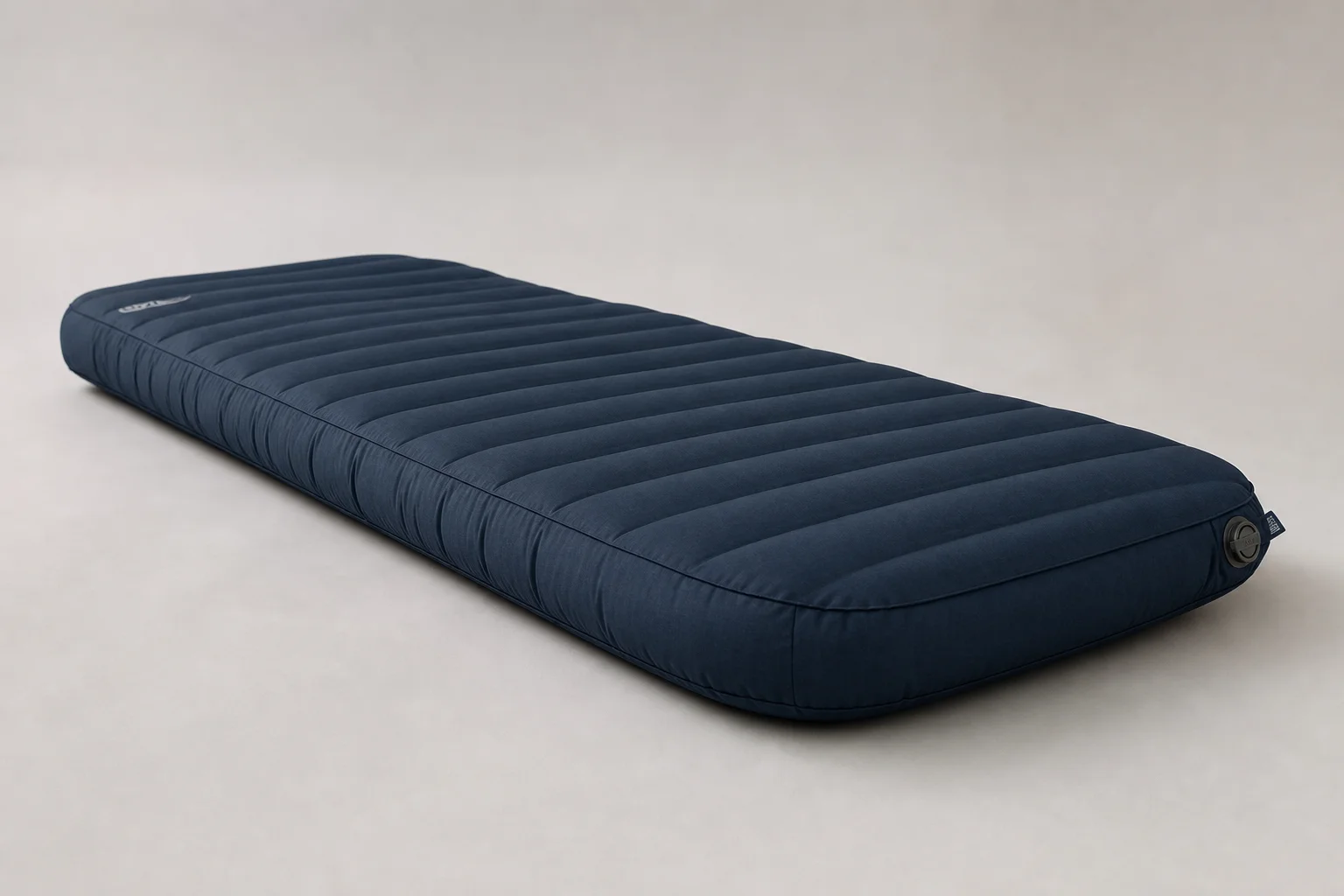
Three-Season Sleeping Pads: R-Value 4 to 6
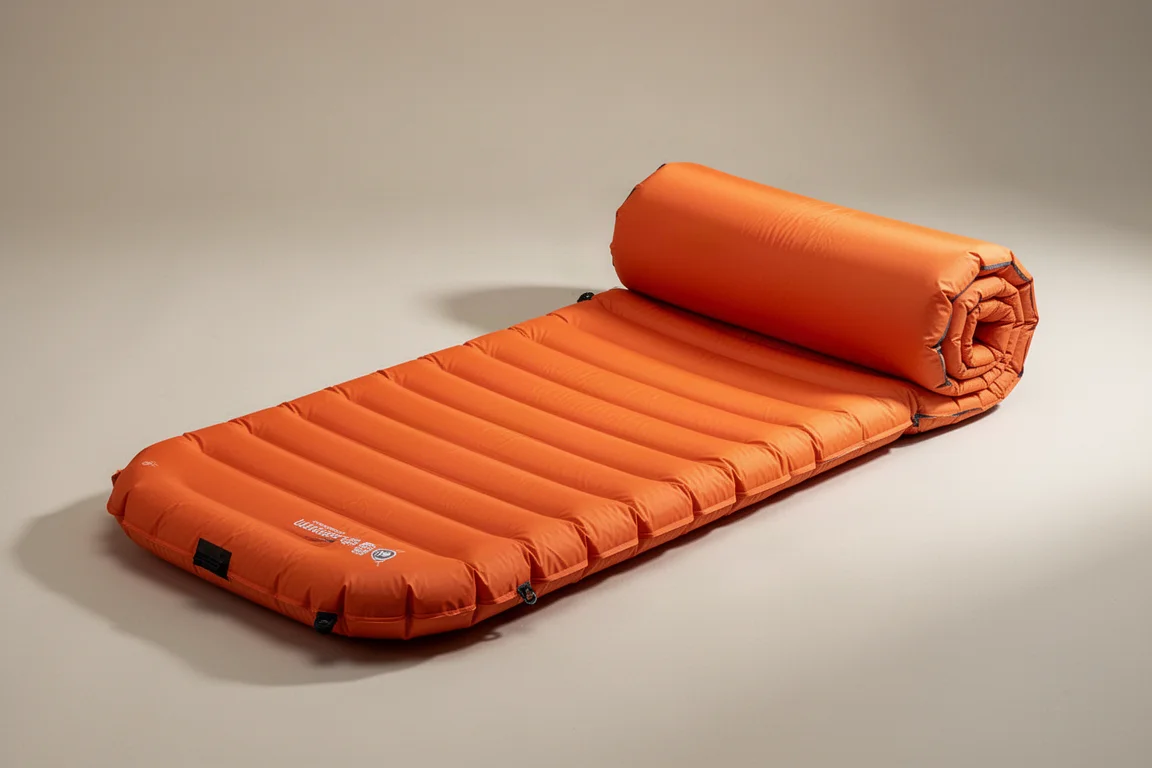
For most people, this is the sweet spot. Pads with an R-value between 4 and 6 keep you warm from about 20 degrees Fahrenheit up to 50 degrees Fahrenheit, including when the ground is wet or a little cool. They carry a meaningful amount of insulation, either synthetic fill or a reflective film, and they include a way to keep air from circulating inside the pad. Moving air leads to convective heat loss, which is exactly what these designs are built to prevent.
Exped Ultra 5R
The Exped Ultra 5R uses synthetic insulation that runs from the bottom of the pad to the top, filling the space inside and preventing air from moving around. That construction is what makes the pad dependable across the 20 to 50 degree range, including on ground that is damp or cool rather than dry and warm.
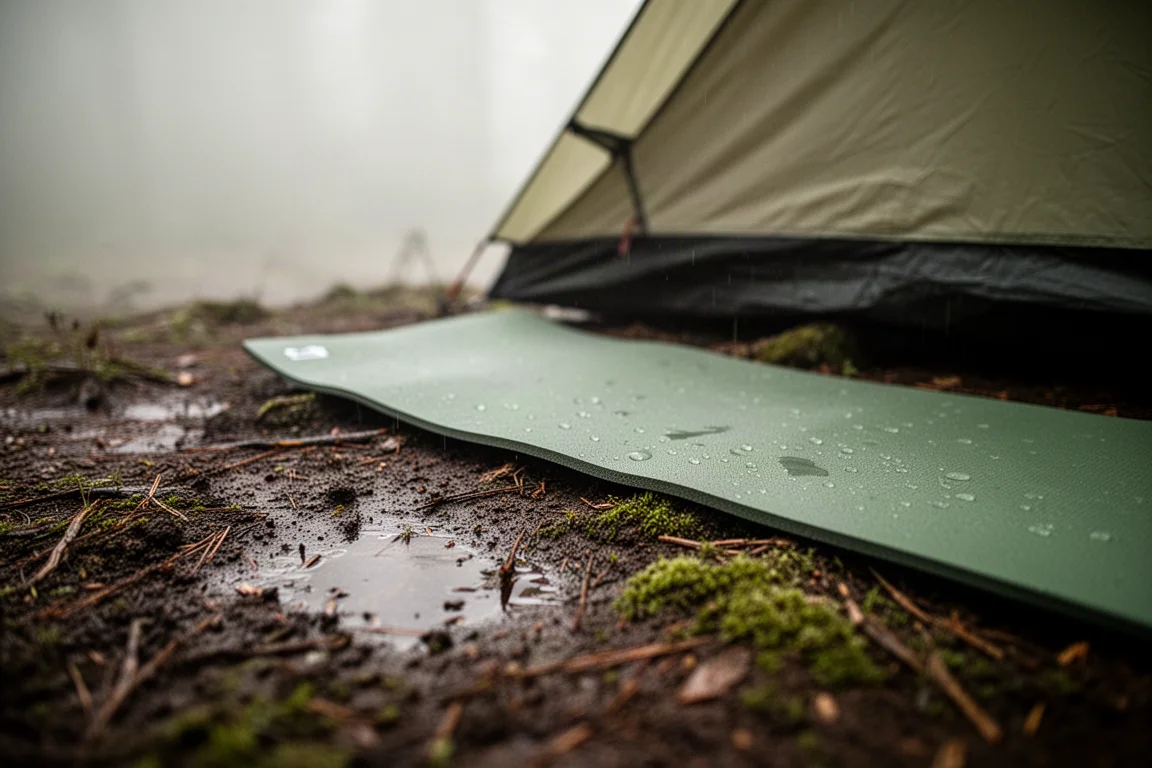
This is the range to choose when a trip could swing either way: mild afternoons and cold overnight ground, or a forecast that shifts after you have already committed to a route.
Therm-a-Rest NeoAir XLite
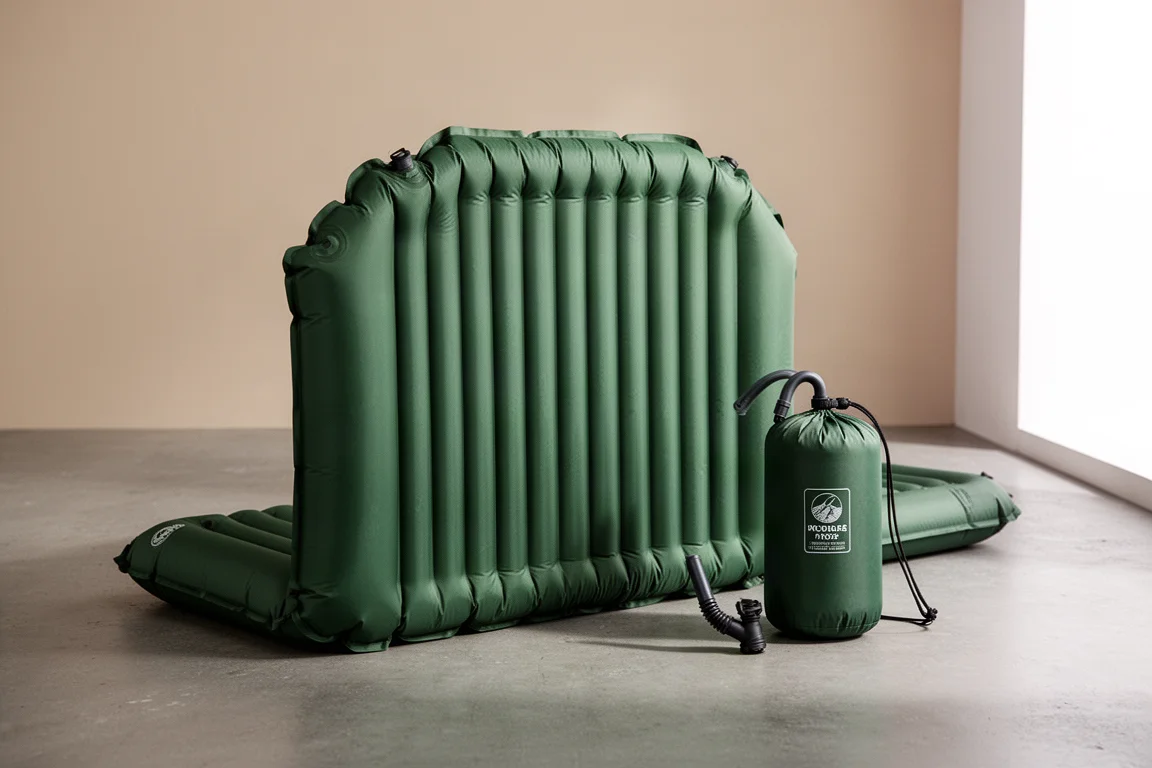
The Therm-a-Rest NeoAir XLite takes the other insulation route in this range, using a reflective film to send heat back toward the sleeper. Its Triangular Core Matrix separates the pad into a set of cells, which limits air movement inside and cuts convective heat loss. Both approaches land in the same R-value band, so the choice between them comes down to which construction you prefer to sleep on.
Winter Sleeping Pads: R-Value Above 6
Below about 20 degrees Fahrenheit, with ground that is frozen or covered in snow, an R-value above 6 is the target. This is where a pad has to do real work against ground that will pull heat out of it continuously.
Therm-a-Rest NeoAir XTherm
The Therm-a-Rest NeoAir XTherm is the pad to trust in extreme winter conditions. It combines the same two systems found on the XLite, a reflective film that sends heat back toward the body and a Triangular Core Matrix that splits the pad into cells to prevent convective heat loss, and the result is a very warm pad with an R-value of about 7.3.
Other winter-rated pads do not measure up to the XTherm when used on their own, which is worth knowing if a trip involves genuine cold rather than a chilly shoulder-season night.
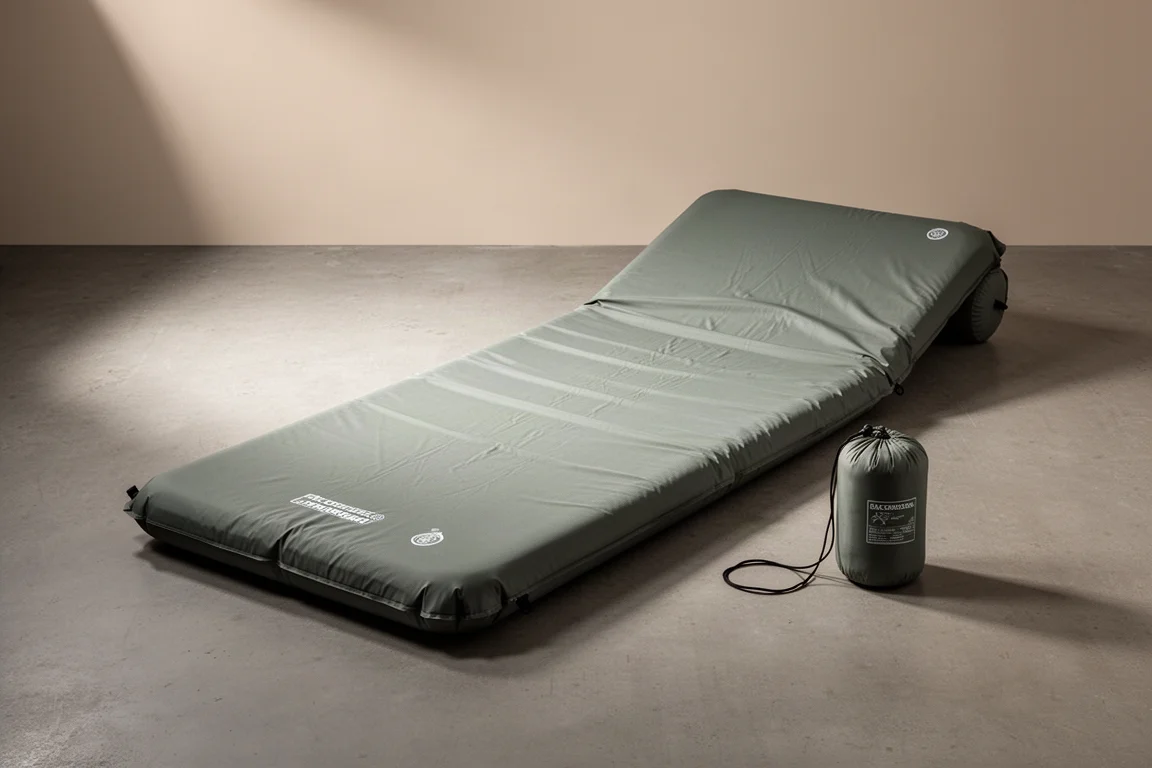
R-values are additive when pads are stacked. A foam pad with an R-value of 2 placed on top of or underneath the XTherm brings the combined rating to roughly 9.3, which is a practical way to extend a winter setup.
Buying Advice
Match the pad to the ground you expect, not just to the air temperature in the forecast. Three questions cover most of the decision.
First, how cold and how wet will the ground be? Dry summer ground and frozen spring ground can share the same overnight air temperature while demanding very different pads.
Second, how much of the pad will your body actually cover? Thicker and wider pads leave more surface exposed to air, which matters more in cold conditions.
Third, where does the advertised R-value come from? A pad with insulation gaps, or a reflective film that settles away from the sleeping surface, may not deliver its rated warmth.
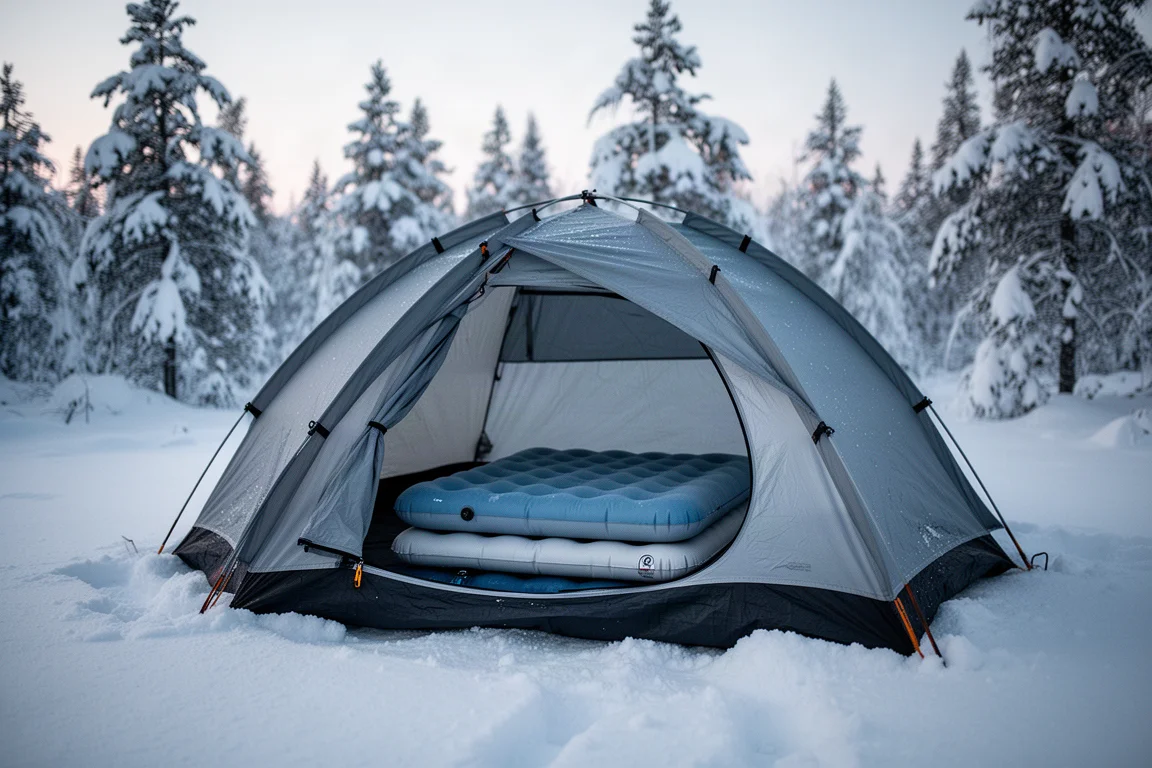
If you sleep out across a range of seasons, the 4 to 6 band is the most versatile single purchase. Add a winter pad only if you expect temperatures below 20 degrees Fahrenheit, and consider a foam pad on top of it for the coldest trips.
Conclusion
Sleeping pad warmth is a ground problem more than an air problem. Choose an R-value of 2 to 4 for warm, dry summer nights, 4 to 6 for the wet and cool conditions that cover most three-season trips, and above 6 when the ground is frozen or snow-covered. Get that match right and the rest of your sleep system has a chance to work the way it should.
Further reading
Related Reviews
Sleeping Pads
Best Backpacking Sleeping Pads 2026: Nine Pads Rated on Price, Comfort, Warmth, and Weight
Nine backpacking sleeping pads compared on price, comfort, warmth, and weight, from a $65 summer pad to a year-round option rated at R-7.3.
Sleeping Pads
Best Backpacking Sleeping Pads: Comfort, Warmth, and Weight Compared
A practical comparison of the Nemo Quasar 3D, Therm-a-Rest NeoAir XTherm Max, and Big Agnes Rapide SL for backpackers choosing between comfort, warmth, and packed weight.
Sleeping Pads
Best Backpacking Sleeping Pads: Ultralight, Winter, Comfort and Budget Picks
A practical roundup of the sleeping pads that stand out for ultralight weight, winter warmth, pressure relief and value, plus three popular pads that fell short.