Camping Sleeping Mats
Sleeping Mats for Cold-Weather Camping: Three Options Compared
How the Trekology UL-80, OEX Prowl, and Therm-a-Rest RidgeRest differ in pack size, weight, comfort, and warmth on cold ground.
Introduction
Cold-weather camping kit tends to grow, and sleeping mats are one of the first places where bulk creeps in. A mat that sleeps well but fills half a pack forces compromises elsewhere, while a mat that packs down small leaves you wondering whether it will keep enough warmth between you and frozen ground.
This comparison looks at three mats that sit at different points on that trade-off: the Trekology UL-80 Ultra Light Sleeping Mat, the OEX Prowl, and the Therm-a-Rest RidgeRest. Each solves a different part of the problem, and the right choice depends on whether pack volume, comfort, or insulation matters most to you.
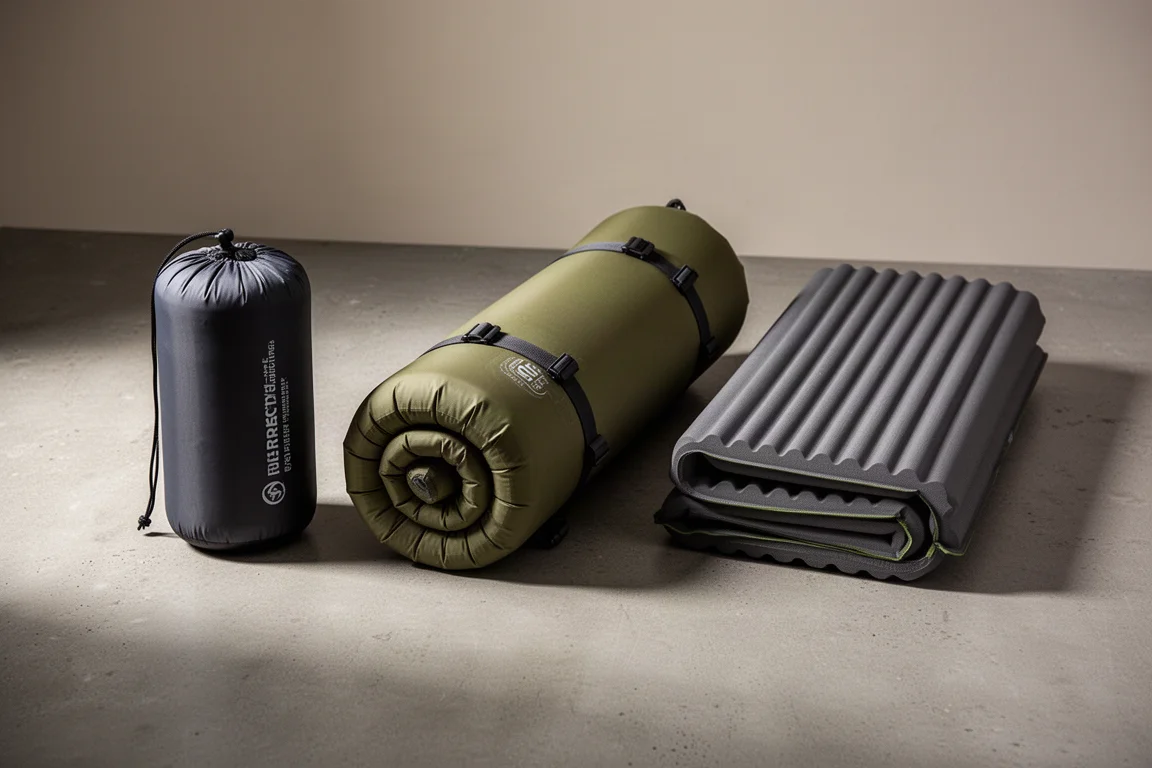
The three differ most in how they are built. The Trekology UL-80 and the OEX Prowl are both air-filled mats, but only the Prowl has a foam core that lets it inflate itself. The RidgeRest is a closed-cell foam mat, which makes it a useful insulating layer rather than a stand-alone bed for most people.
What to Look For in a Cold-Weather Sleeping Mat
Four things tend to decide whether a mat works on a cold trip. Packed size determines whether the mat fits inside your pack or has to be strapped outside. Weight matters over distance. Stability matters overnight, because a mat that shifts or slides interrupts sleep. Insulation decides how much warmth the ground pulls out of you.
Inflation method also deserves attention. Self-inflating mats with foam cores take almost no effort, while air mats need lung power or a pump. On a cold evening, that difference is more noticeable than it sounds.
Trekology UL-80 Ultra Light Sleeping Mat
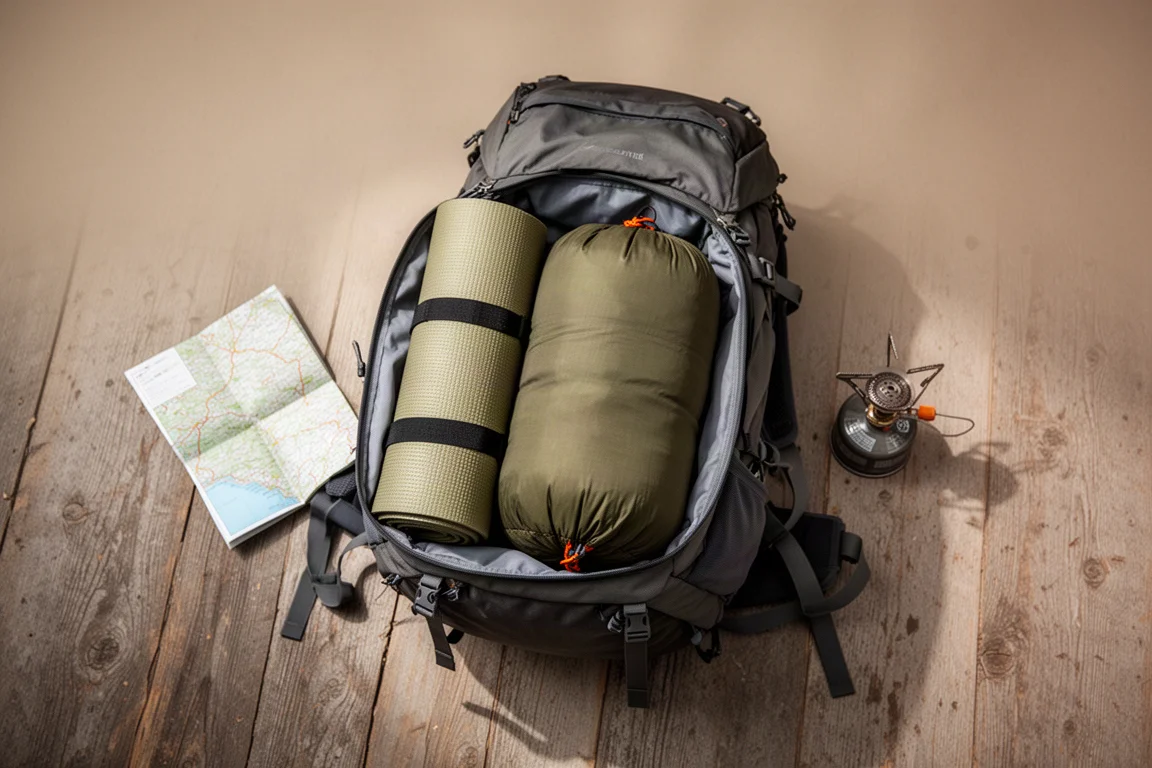
The UL-80 is a manually inflated air mat rather than a self-inflator. It rolls down small enough to tuck beside a sleeping bag at the bottom of a pack, which is the main reason it is worth considering for anyone trying to reclaim space.
It weighs around 0.53 kg including its stuff sack, roughly half the weight of the self-inflating mat it replaces. Its sleeping length is close to that of a larger self-inflating mat, about an inch and a half to two inches shorter, and its thickness is broadly similar.
Inflation is done by mouth through a two-part valve: open the first stage, blow in, and the air stays put while you close it. The surface is ridged, a design intended to contour over bumps and uneven ground, and the nylon-like fabric is quieter than some air mats.
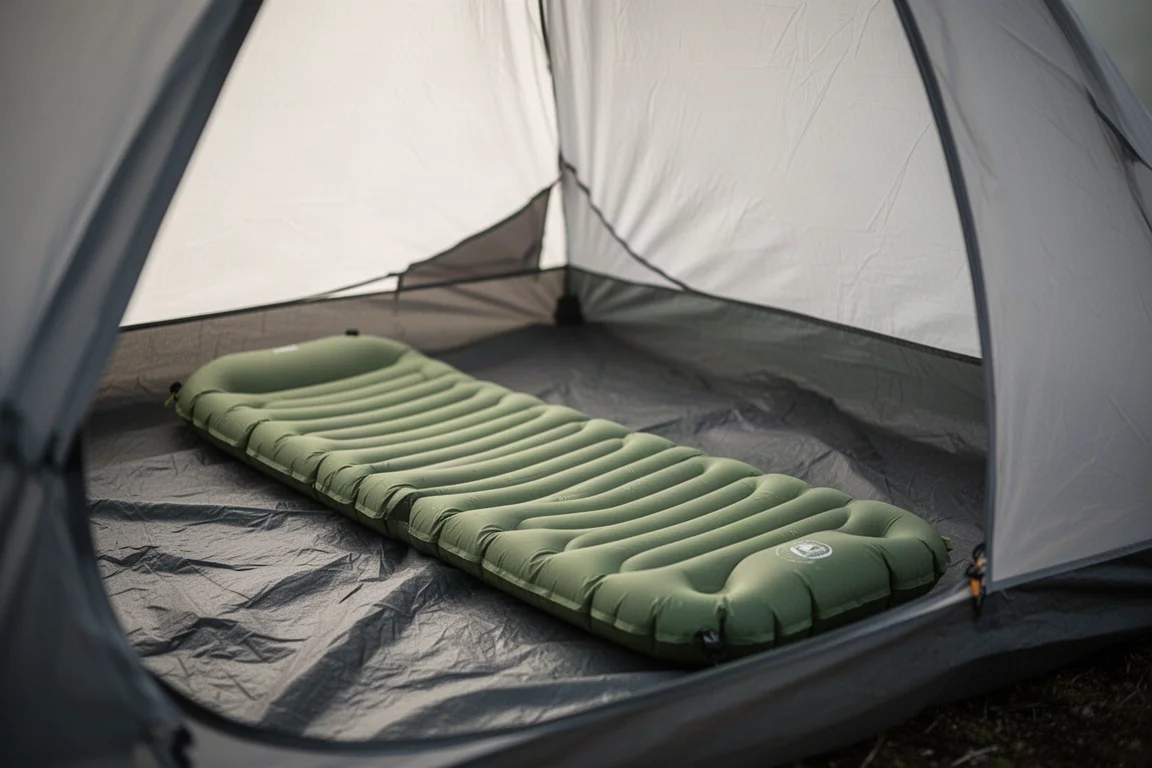
Comfort is decent, but there is a caveat. When you sit on the mat it compresses to a thin layer of air, so on cold ground there is very little between you and the chill below. R-value figures for this mat are not clearly published, and the numbers that appear suggest a range of roughly 1.6 to 2, which is modest. For cold trips, the more realistic approach is to treat the UL-80 as one half of a system and add insulation underneath it.
OEX Prowl Self-Inflating Mat
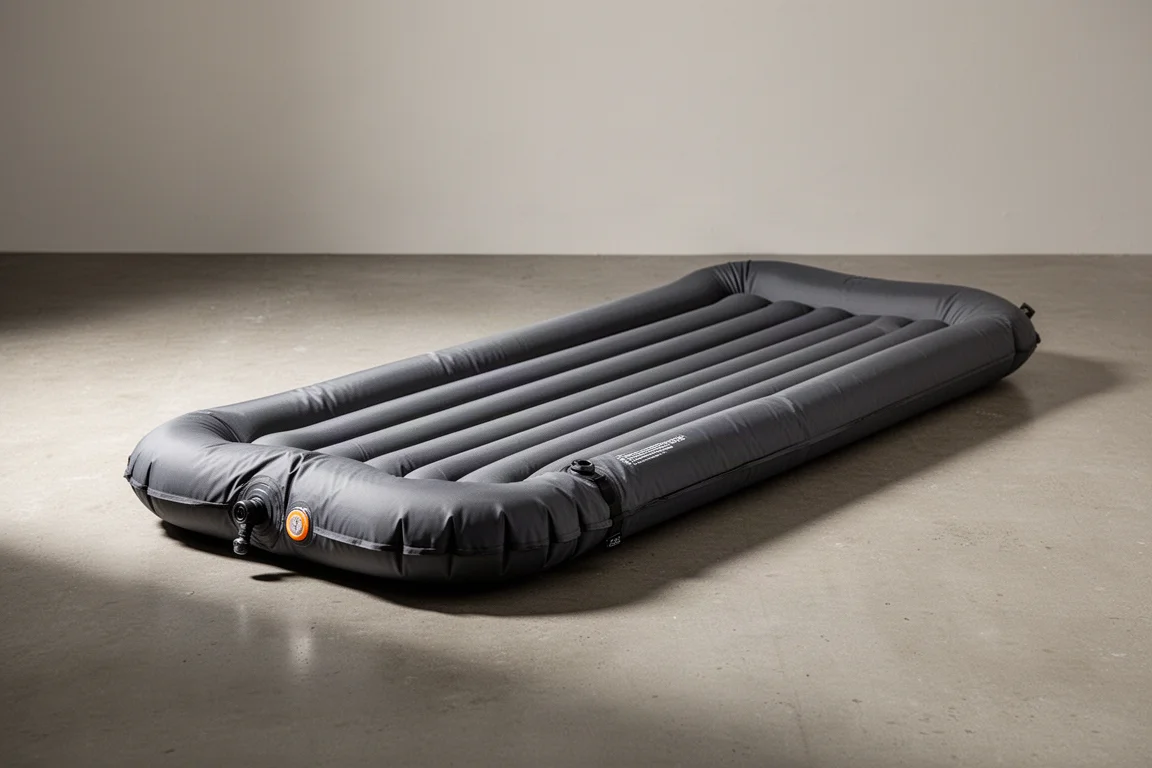
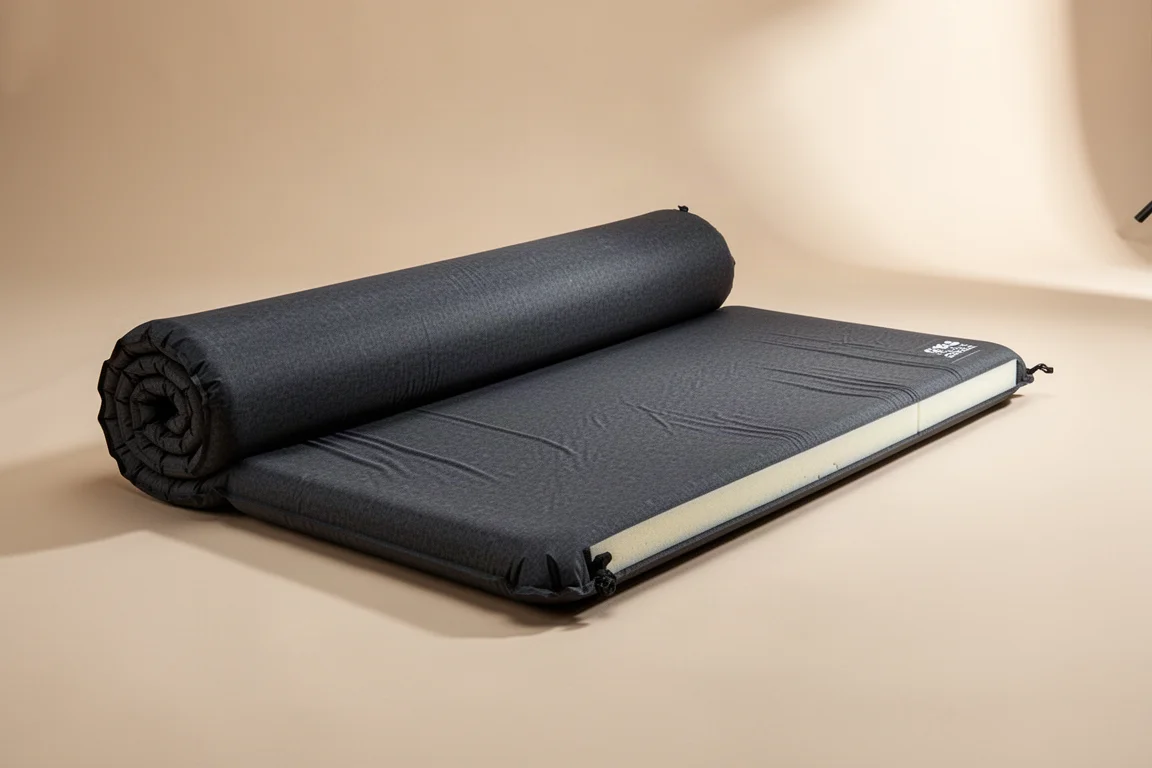
The Prowl takes the opposite approach: a self-inflating mat with a foam core that provides a large, supportive sleeping surface. Once you lie down on it, you stay where you put yourself. It does not slide around or lose its position overnight, and the foam gives it a level of comfort and elevation that a thin air mat cannot match.
That comfort comes with a cost in pack space. The Prowl is bulky and takes up a substantial share of a backpack. It weighs about 1.15 kg, which is more than double the UL-80.
Published R-value information for the Prowl is difficult to find, so its insulation performance is hard to compare on paper. Availability is also limited, and the model appears to be discontinued or out of stock at many retailers, which is worth checking before you plan around it.
Therm-a-Rest RidgeRest Closed-Cell Foam Mat
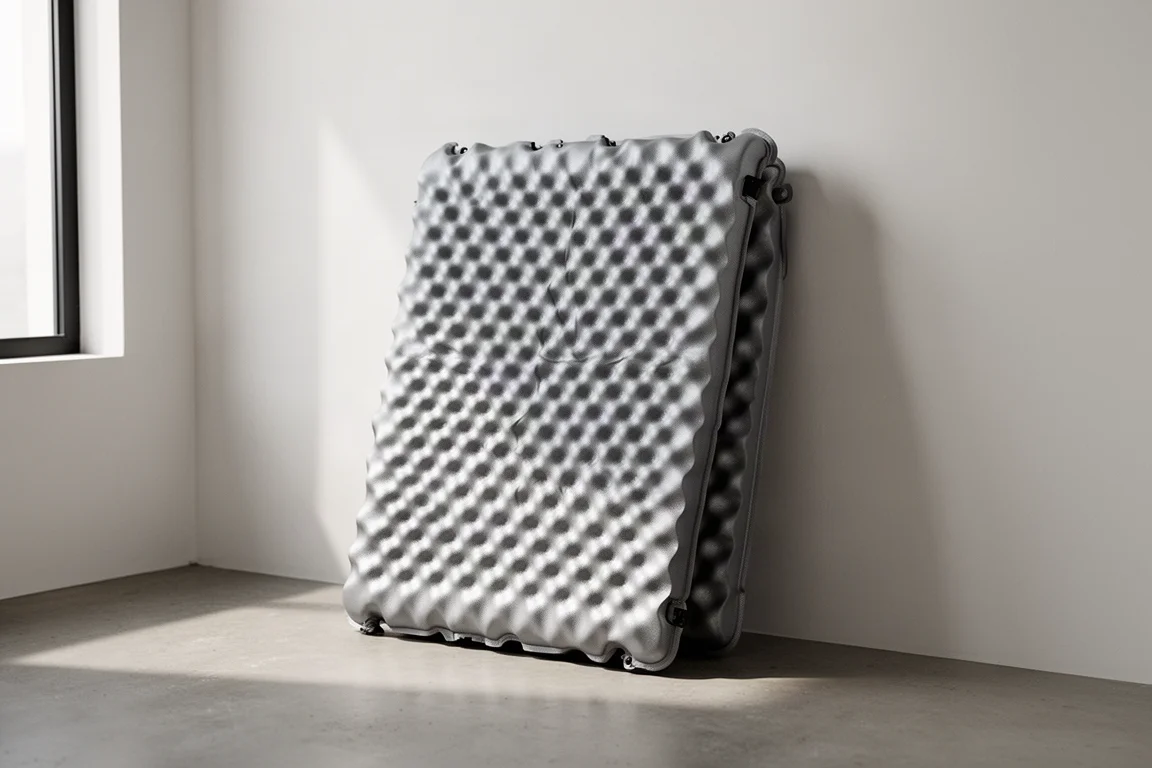
The RidgeRest is a closed-cell foam mat, and it plays a different role. It is not designed to be the most comfortable bed on its own; its value is as an insulating layer under an air mat, where the foam blocks the cold coming up from the ground.
It is light, and because foam mats do not need to be protected from punctures, it can be strapped to the outside of a pack rather than taking up internal space. Closed-cell mats are also available with reflective foil surfaces intended to send heat back toward the sleeper.
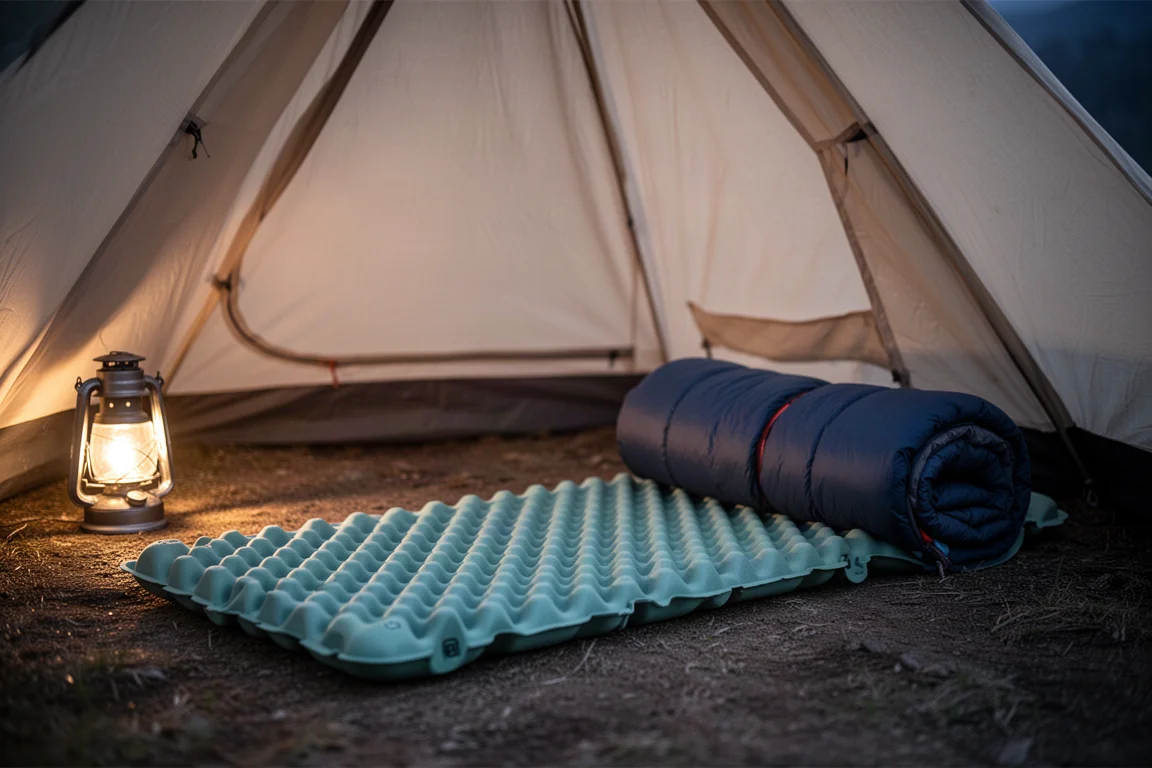
Used together with the UL-80, the combination still weighs less than the self-inflating Prowl, and rolling the two mats together helps keep the packed size down. Some campers prefer to deflate the air mat and wrap it around the foam mat to hold both in one bundle.
Pairing Two Mats for Cold Ground
Layering an air mat over a foam mat is a long-standing way to extend a three-season setup into colder conditions. The foam handles insulation and puncture resistance, while the air mat handles cushioning.
The catch is movement. Stacked mats can separate overnight, and a mat that slides out from under you is worse than either mat used alone. If you go this route, it is worth testing the pairing at home before relying on it in cold weather.
Buying Advice
Choose the Trekology UL-80 if pack volume and weight are the priority and you are prepared to add insulation beneath it for cold trips. It suits backpackers who want a small, light mat that fits inside a packed bag.
Choose the OEX Prowl if comfort and stability matter more than pack size, and if you can still find one in stock. It is the simplest option for campers who want a mat that inflates itself and stays put.
Choose the Therm-a-Rest RidgeRest as an insulating base layer rather than a stand-alone mat. It is a simple way to add warmth under an air mat, and it doubles as a sit mat or a spare layer for a partner.

If you are unsure, the layered approach covers the widest range of conditions: a compact air mat for cushioning and a closed-cell foam mat for warmth. That combination keeps the pack small while adding a real margin of insulation on frozen ground.
Conclusion
The three mats answer different questions. The UL-80 saves space and weight, the Prowl delivers comfort and stability at the cost of bulk, and the RidgeRest adds insulation without adding much weight. Match the mat to the conditions you actually camp in, and the trade-offs become straightforward.
Further reading
Related Reviews

Backpacking Gear
8 Ultralight Backpacking Gear Upgrades Worth Carrying
Eight small, affordable backpacking upgrades that solve real trail annoyances, from a pillow that stays put to a fuel valve that rescues leftover canister gas.
Backpacking Gear
Affordable Alternatives to Premium Backpacking Gear: Five Budget Picks Compared
Five premium backpacking items paired with five lower-cost alternatives, compared on weight, materials, weather performance, and price.
Backpacking Gear
Affordable Backpacking Gear: Four Low-Cost Items That Make Trips Better
Four inexpensive backpacking items, from reusable food bags to a sub-100 gram camp pillow, plus the packing habits that keep pack weight honest.