Sleeping Mats
Sleeping Mats Compared: Four Backpacking Options for Warmth, Weight and Durability
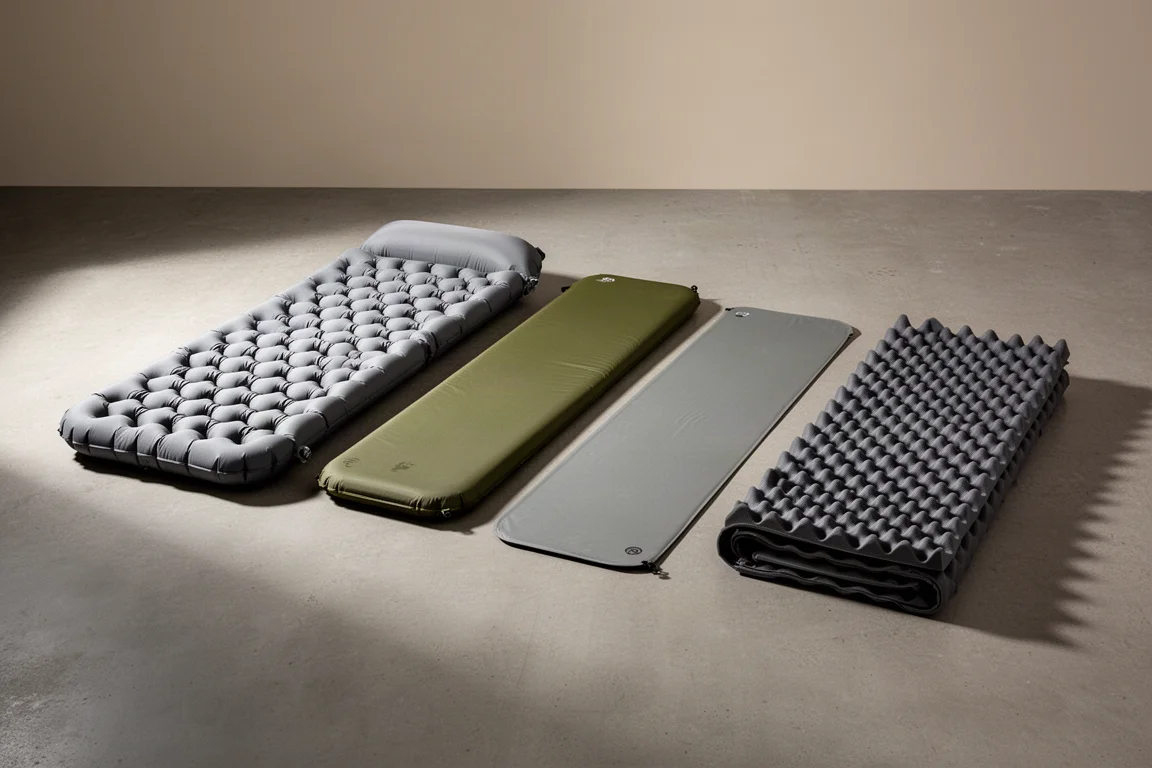
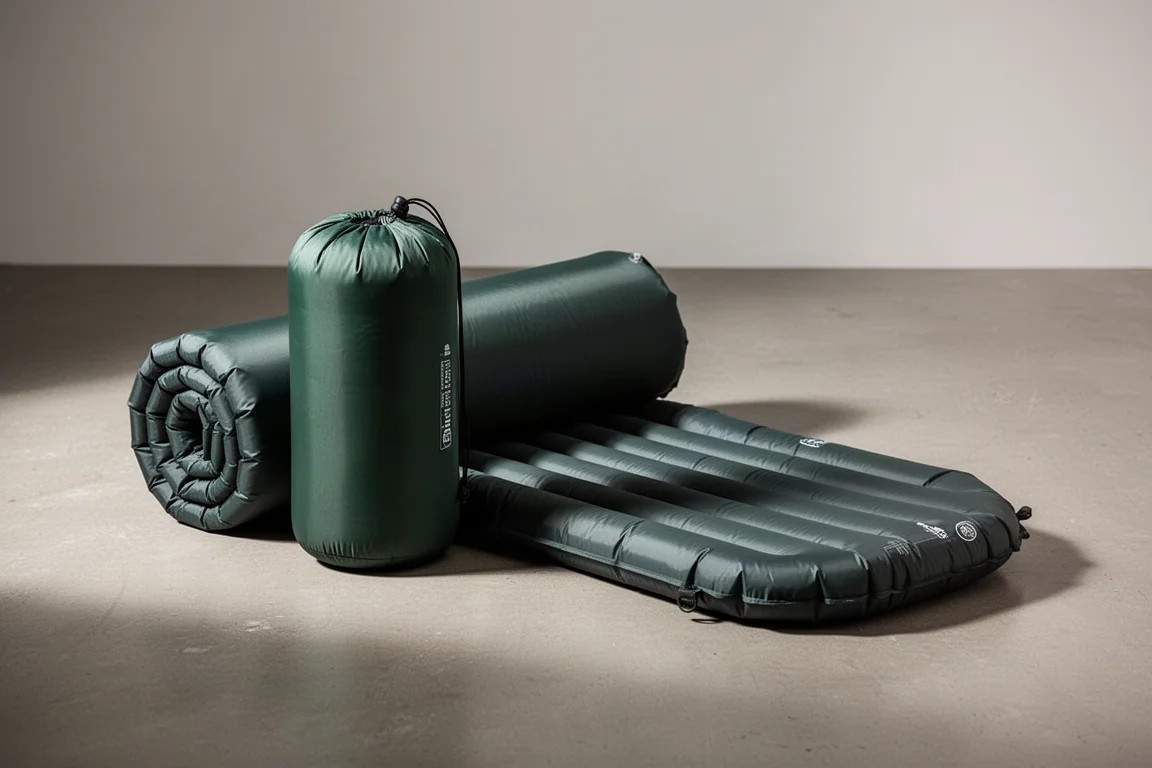
Four sleeping mats with distinct strengths: insulated inflatables for cold camps, a minimal summer air pad, and a closed-cell foam mat you can trim to fit.
Introduction
A sleeping mat has to do three jobs at once: keep body heat from draining into the ground, stay comfortable enough to actually sleep on, and survive the way it gets treated in the mountains. The four mats here sit at very different points on that spectrum, from a fully insulated inflatable used in high alpine conditions to a bare closed-cell foam pad that weighs very little and cannot puncture.
Two are inflatables with long service histories, one is a minimal summer air mat chosen for low weight, and one is a trim-to-fit foam mat. Each has a clear best use, and each comes with a trade-off worth understanding before you spend money.
How to Judge a Sleeping Mat
Warmth is the first number to look at. R-value describes how well a mat resists heat loss to the ground, and the spread across these four mats is wide: 4.0 for the Sea to Summit Comfort Plus according to the brand, though some retailers list it as high as 5.9, then 3.1 for the Exped Sim Lite 3.8, 1.7 for the Therm-a-Rest Z Lite, and roughly 0.5, effectively none, for the Camp Essentials Light Mat. Matching that figure to the conditions you expect matters more than any other single specification.

Construction is the second thing to weigh up. Inflatable mats can be built with a single air chamber or two, and a dual-chamber design means a puncture in the middle of the night still leaves you with something to sleep on. Foam mats remove that risk entirely because there is nothing to puncture, but they cannot pack down as small and they sit lower to the ground. Fabric thickness, foam type and valve design all feed into how long a mat lasts, and how much fiddling it takes to inflate and deflate at the end of a long day.
Sea to Summit Comfort Plus: Warmth and Comfort for Cold Trips
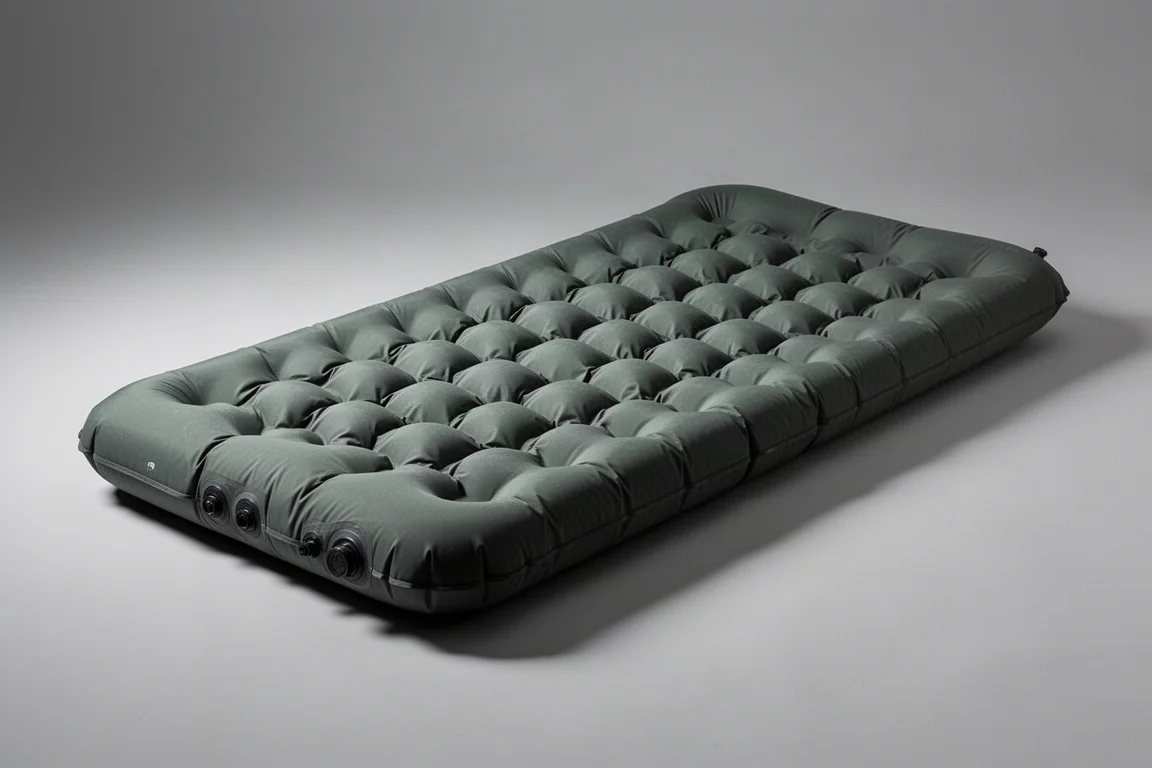
The Comfort Plus has been in service since around 2015 across hiking, trekking and expedition trips, including a night in an open bivouac at roughly 6,200 m without a tent. That track record rests on two things: synthetic insulation running through the mat and a reflective metallic layer that bounces body heat back toward the sleeper. The interior uses a honeycomb pattern of air-sprung cells that behaves a little like an inner-spring mattress, compensating as you roll from one position to another, and it is the most comfortable mat in this group.
The dual-layer build is the standout feature. Two separate chambers mean a puncture in the middle of the night still leaves one chamber inflated, so you can sleep and deal with the repair in daylight. The outer fabric is around 40 denier, which tolerates being set down on rocks and rough ground, and a single small puncture over the years was handled easily with the included repair kit. Inflation takes about five or six breaths at each end, and deflation takes roughly 30 seconds once the valves are open. The main quibble is noise, since the material crinkles audibly when you shift position.
Exped Sim Lite 3.8: Comfort With a Long-Term Durability Risk
Bought in 2012 for rock climbing trips and camping near the crag, the Sim Lite 3.8 was one of the best insulated inflatable mats available at the time and stayed in regular use for about five years. It is comfortable and warm enough for alpine environments with an R-value of 3.1, and it uses 75 denier fabric on both the top and the bottom, with open-cell PU foam in a honeycomb shape inside.
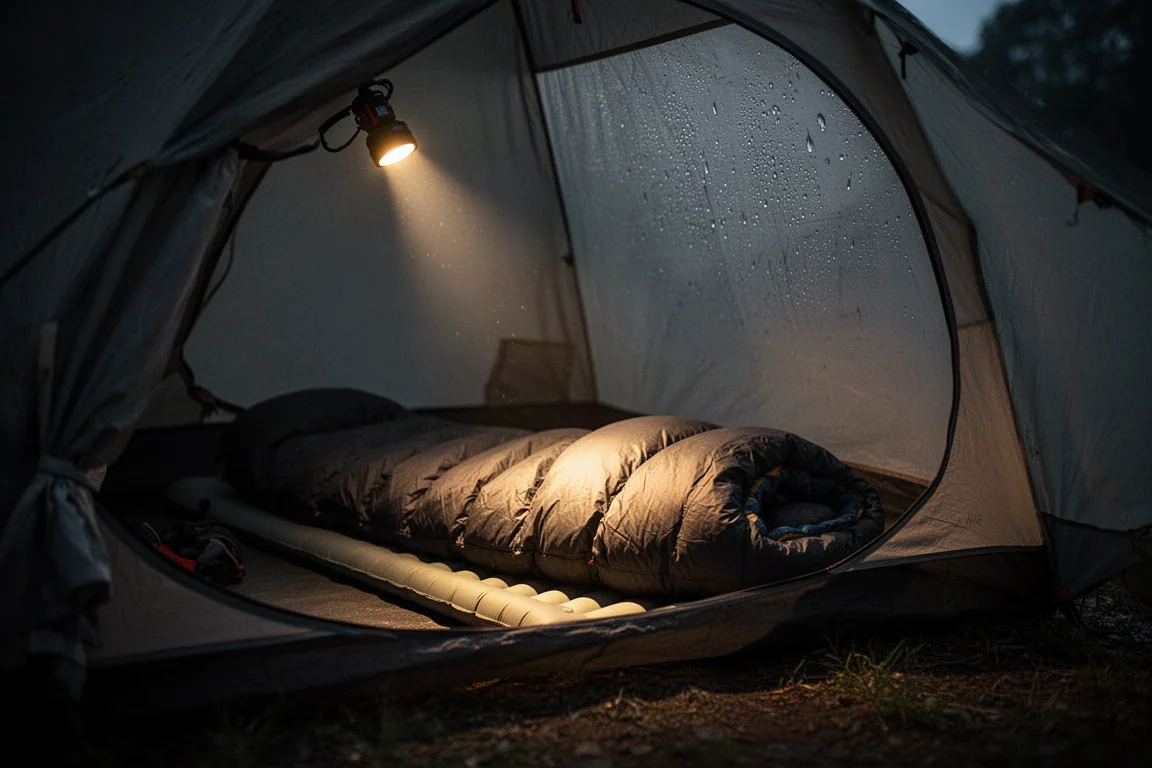
Its weakness showed up in 2019 on Mont Blanc, when the mat delaminated during the night: the top layer separated from the air chamber and inflated beneath the sleeper. The likely cause was inflating the mat directly by mouth. Moisture from breath worked into the adhesive bonding the foam core to the TPU and degraded it over time. The pump bag sold separately at the time was slow and awkward, taking around 30 minutes to fill the mat, which is how mouth inflation became the habit. When it worked, the mat was comfortable, but at 1,050 g it is heavy and bulky even when packed down, and it originally shipped with a packing sleeve that is easy to lose. Given how far mat design has moved since 2012, it is not a mat worth buying again today.
Camp Essentials Light Mat: Minimal Weight, Minimal Warmth
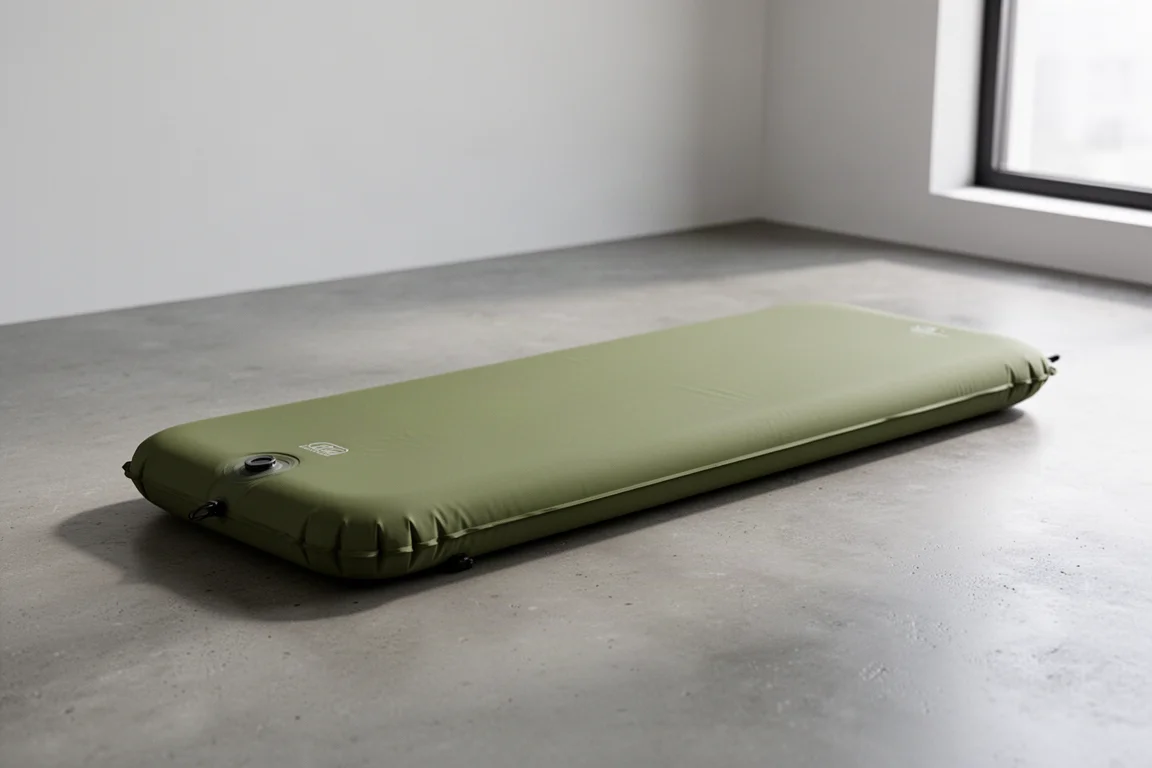
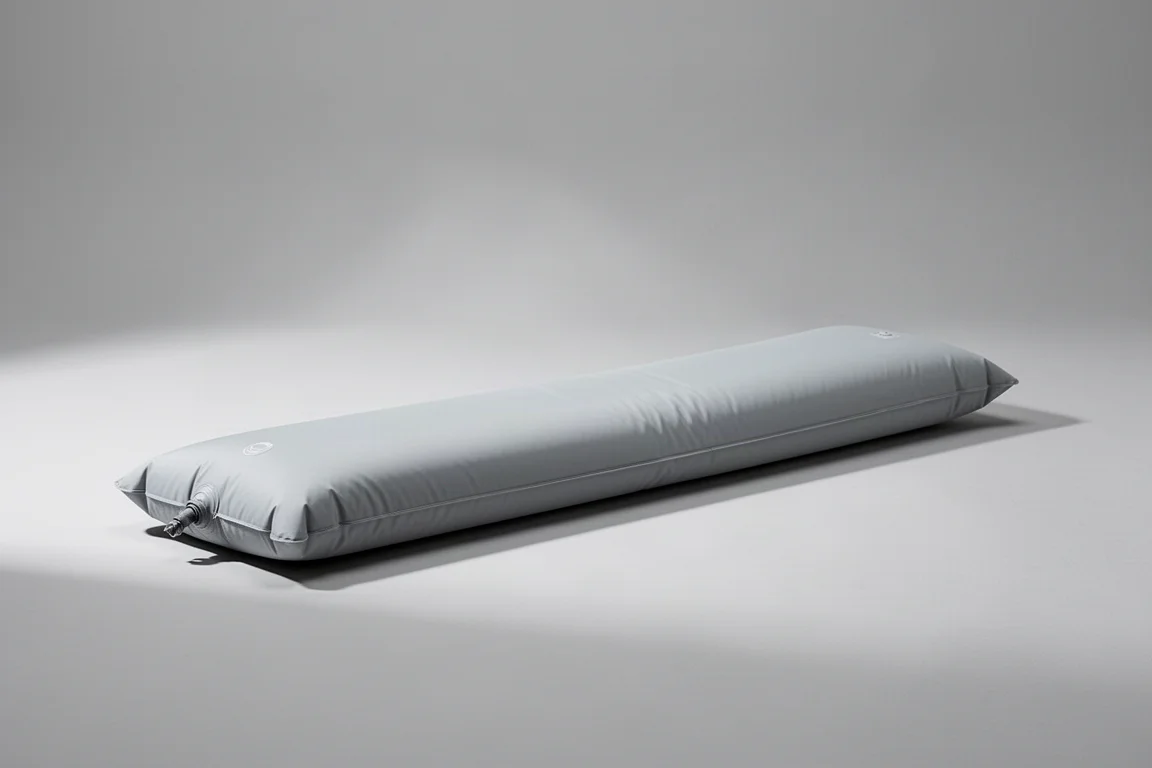
This is the cheapest and lightest mat in the group, and it was chosen for a long-distance summer thru-hike where low weight mattered far more than warmth. There is no insulation of any kind inside, so the R-value sits around 0.5, and the valve is a simple inflate and deflate design. It packs down small and, for something so thin, it can be genuinely comfortable, but that comfort depends heavily on campsite selection. Ground with undergrowth, leaves and natural cover adds both cushioning and a little insulation, and on nights when that was missing the mat felt too thin and was easy to roll off. A wider version would be the sensible upgrade next time.
Durability has been reasonable for the price. One puncture appeared during the hike and was patched on the spot without any further trouble. The main annoyance is deflation, which takes a bit of messing around to get all the air out.
Therm-a-Rest Z Lite: Closed-Cell Simplicity
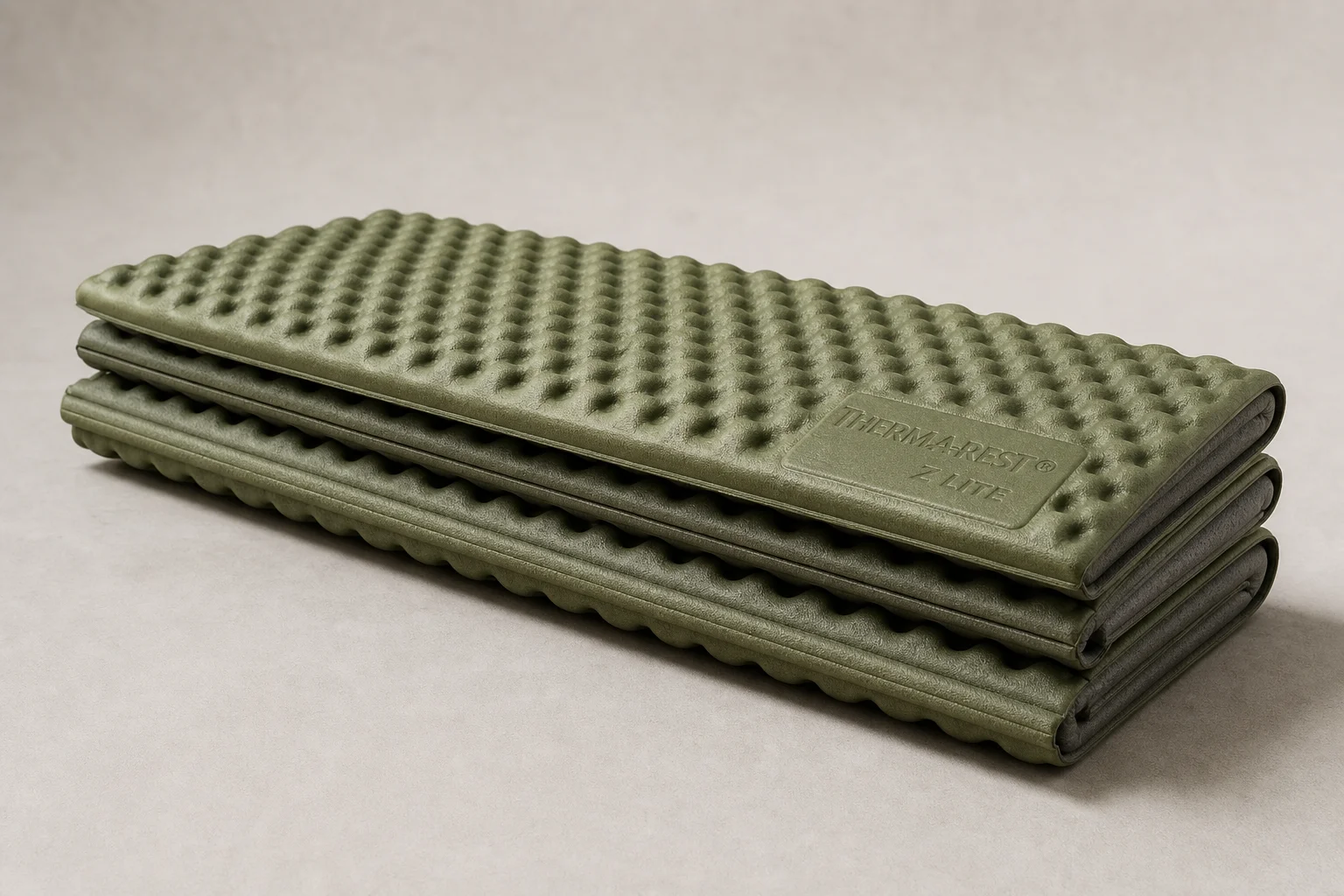
The most recent addition is a closed-cell polyethylene foam mat with a bubble-like dimple pattern that provides the cushioning. It is not inflatable at all, so there is nothing to puncture and nothing to repair, and it can be thrown on the ground outside a tent for stretching in the afternoon. The R-value of 1.7 is a real step up in warmth from an uninsulated summer pad, which matters on a three-week route that stays mostly above the tree line.
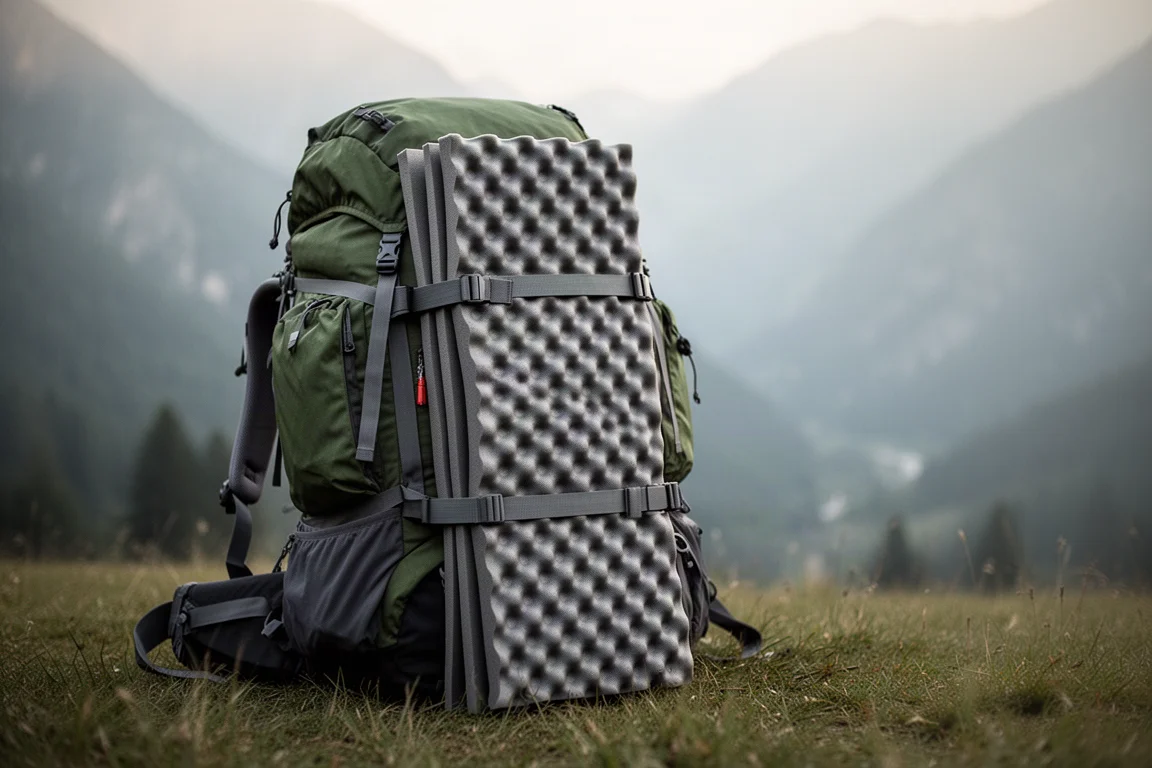
The compromise is bulk. At full length the mat weighs 410 g, which is more than the lightest inflatable here, and it is cumbersome to carry. Strapping it to the side or the top of a pack is awkward, so the better solution is to trim it down and run it against the back panel as back support. The Z Lite has 14 sections, and cutting it to eight produces a three-quarter-length mat that still covers the torso, with the leftover piece doing duty as a seat. Cutting is straightforward but permanent, so it is worth deciding the length carefully before the scissors come out.
Care and Longevity: What Shortens a Mat’s Life
The delamination on the Sim Lite 3.8 points to the biggest long-term risk for an insulated inflatable: moisture inside the mat. Inflating by mouth introduces humid air that can work into the adhesive layers bonding foam to fabric, and over years that bond can fail. A pump sack or inflation bag avoids the problem entirely, and it is worth the extra pack weight on any mat you intend to keep for a decade. It is not a guaranteed failure, since the Comfort Plus has been inflated by mouth for six or seven years without the same issue, which suggests design and adhesive quality also play a part.
Punctures are the other common problem, and they are usually manageable. A repair kit carried on the trip turns a small hole into a five-minute job, and thicker face fabrics reduce how often that happens. Foam mats sidestep both issues, since there is no air chamber and no adhesive to degrade, but they cannot match an inflatable for packed size or for comfort on hard, frozen ground.
Overall Buying Advice
Work backwards from the trip. For cold conditions, high camps and long nights, warmth and redundancy matter most, which points toward an insulated mat with a higher R-value and, ideally, two separate air chambers. For summer thru-hikes in warm, sheltered terrain, a minimal air mat can cut a serious amount of weight as long as you are willing to choose campsites with natural ground cover. For anyone who wants zero puncture risk, an easy afternoon rest option and a mat that doubles as pack support, a closed-cell foam pad is the practical answer.
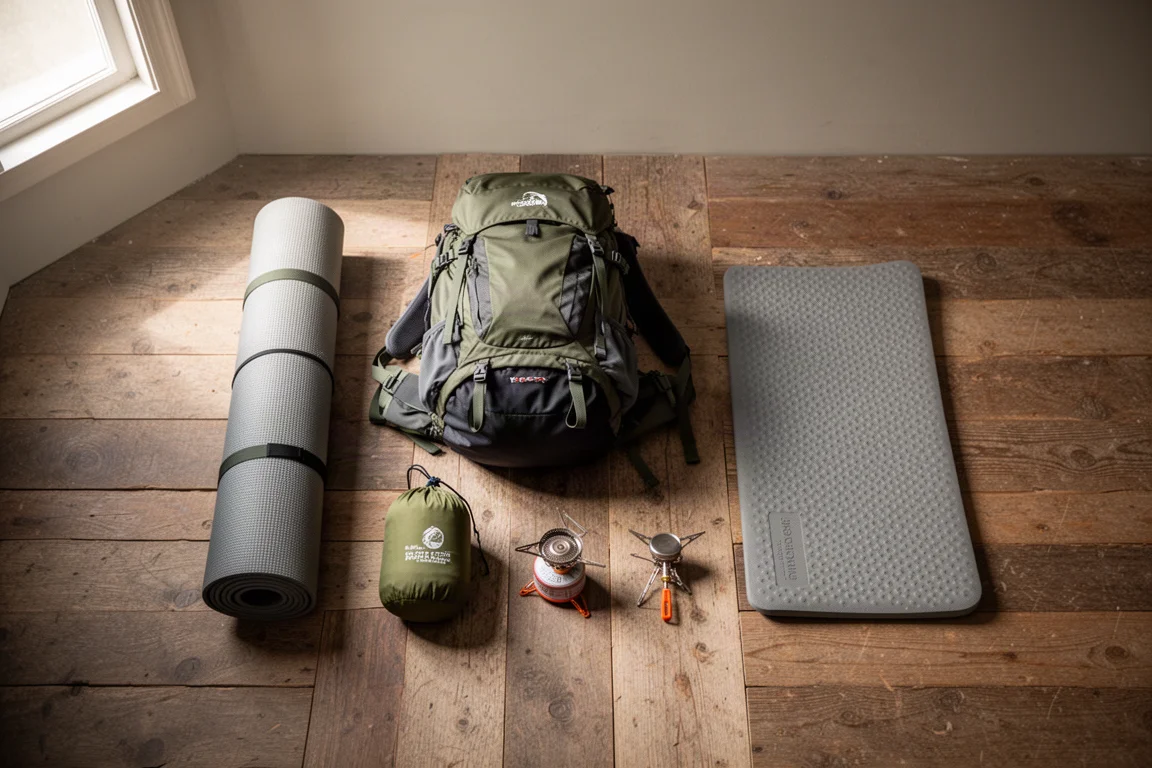
Weight and packed volume are the other half of the decision. A heavier, bulkier mat is easier to live with if it fits your pack well, whether that means inside the main body, against the back panel or strapped outside. And whatever you choose, decide early how you will inflate it. A pump sack protects the internal adhesive layers, while mouth inflation is a calculated risk that some mats tolerate far better than others.
Conclusion
These four mats cover the full range of what a sleeping mat can be: an insulated inflatable built for cold, high-altitude nights, a comfortable older inflatable with a real durability lesson attached, a featherweight summer pad with no insulation at all, and a foam mat that trades packability for total simplicity. Match the R-value and the packed size to the trips you actually take, look after the inside of any inflatable you buy, and the mat will outlast several pairs of boots.
Further reading
Related Reviews
Sleeping Mats
Mountain Equipment Aerostat Synthetic 7.0 Review: A Compact Winter Sleeping Mat
A practical look at the Mountain Equipment Aerostat Synthetic 7.0, a synthetic winter sleeping mat with an R-value of 4, a seven-centimetre depth, and a compact packed size.

Backpacking Gear
Building a 10 lb Base Weight: An Ultralight Backpacking Gear List
A practical walkthrough of the ultralight pieces behind a 10 lb base weight, from a 765 g pack and a roomy one-person tent to a full camp chair and a dependable water filter.

Road Bikes
10 New Road Bikes Worth Watching: Aero, Titanium, Steel and Endurance Standouts
A practical roundup of 10 new road bikes, from aero flagships chasing single-watt gains to titanium, steel and endurance platforms built for real roads.