Sleeping Mats
Mountain Equipment Aerostat Synthetic 7.0 Review: A Compact Winter Sleeping Mat
A practical look at the Mountain Equipment Aerostat Synthetic 7.0, a synthetic winter sleeping mat with an R-value of 4, a seven-centimetre depth, and a compact packed size.
Introduction
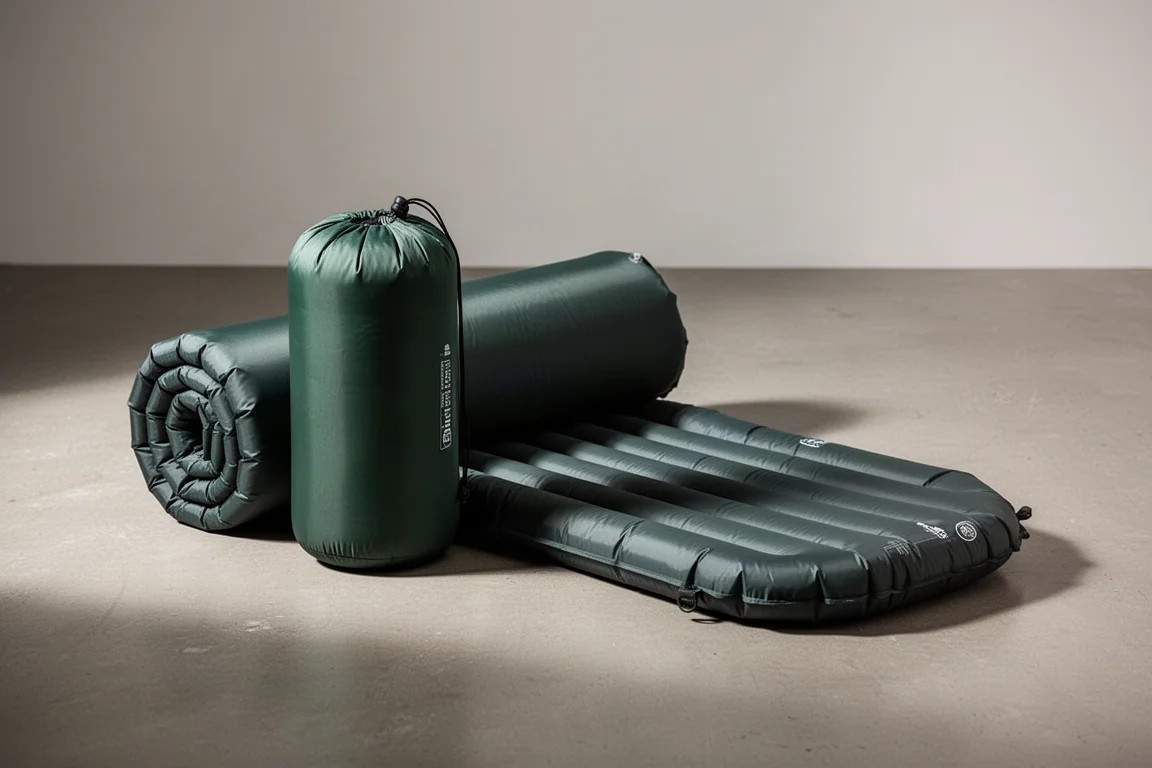
Cold-weather camping asks a lot of a sleeping mat. It has to hold warmth, stay comfortable through the night, and still pack small enough to carry. The Mountain Equipment Aerostat Synthetic 7.0 is built for that brief, with an R-value of 4, a seven-centimetre depth, and synthetic insulation. In the regular size it weighs 665 grams and rolls down to roughly 13 by 24 centimetres, which is compact for a mat in this warmth class. This article looks at how it performs in real use, who it suits, and what to weigh up before buying.
Who This Sleeping Mat Is For
The Aerostat Synthetic 7.0 sits at the winter and cold-weather end of the range. An R-value of 4 is intended to work alongside a four-season sleeping bag, so it makes most sense for campers who sleep out in low temperatures rather than for summer backpackers counting every gram.
The regular size measures 185 centimetres long and 54 centimetres wide. That suits average-height adults well, and it is worth checking the width against your sleeping style if you tend to move around at night. Taller campers should look at a longer option in the range rather than assuming the regular size will do.
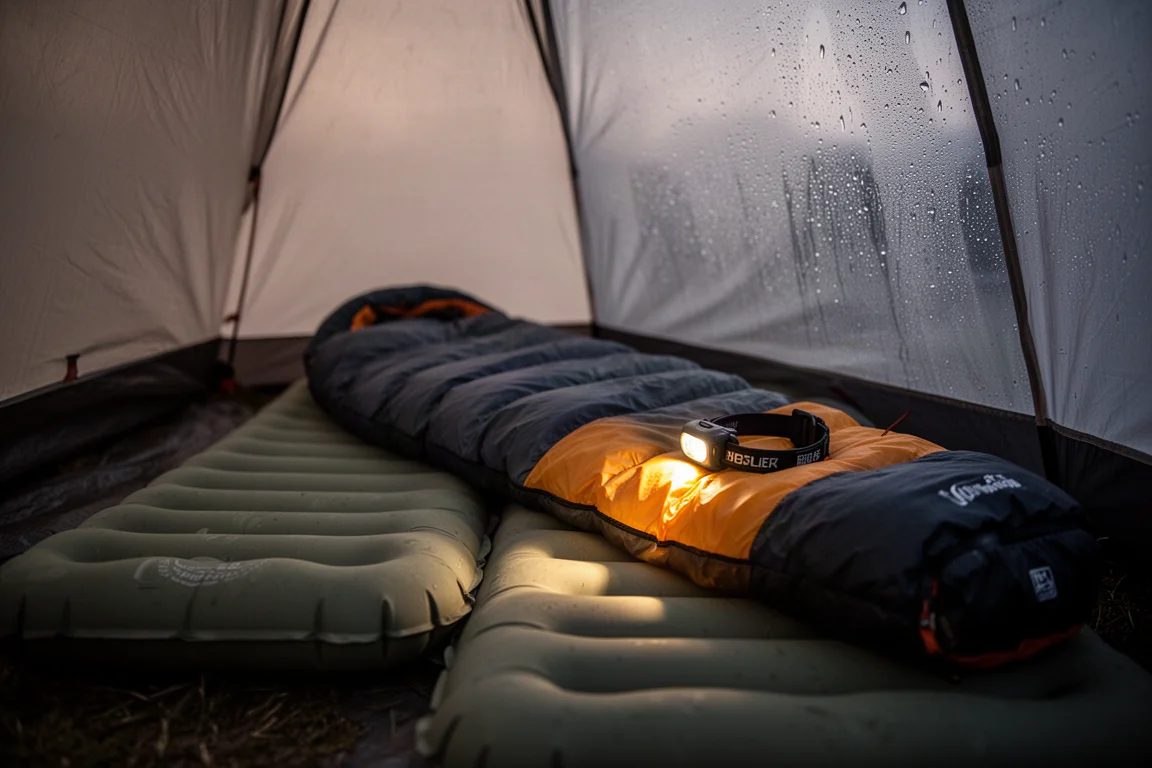
The synthetic fill and the seven-centimetre depth combine to give a supportive base rather than a thin mat you can feel the ground through. That matters most on cold, hard pitches, where a slim mat quickly becomes uncomfortable.
Warmth and Comfort
The R-value of 4 is the headline figure. It is the rating that makes this a credible winter mat when paired with a suitably rated sleeping bag, and it puts the mat in a different category from lightweight summer pads.
Depth plays a part too. At seven centimetres, the mat gives noticeably more cushioning than slimmer designs, which helps on uneven ground. The baffles run lengthways along the mat, and that orientation is a small but useful detail, because it makes it harder to roll sideways off the mat during the night.
Packability and Weight
At 665 grams for the regular size, the Aerostat Synthetic 7.0 is not the lightest mat you can carry, but it is a reasonable weight for a synthetic winter mat with an R-value of 4. The packed size of about 13 by 24 centimetres is the more impressive number, and it is what makes the mat practical to strap to a backpack.
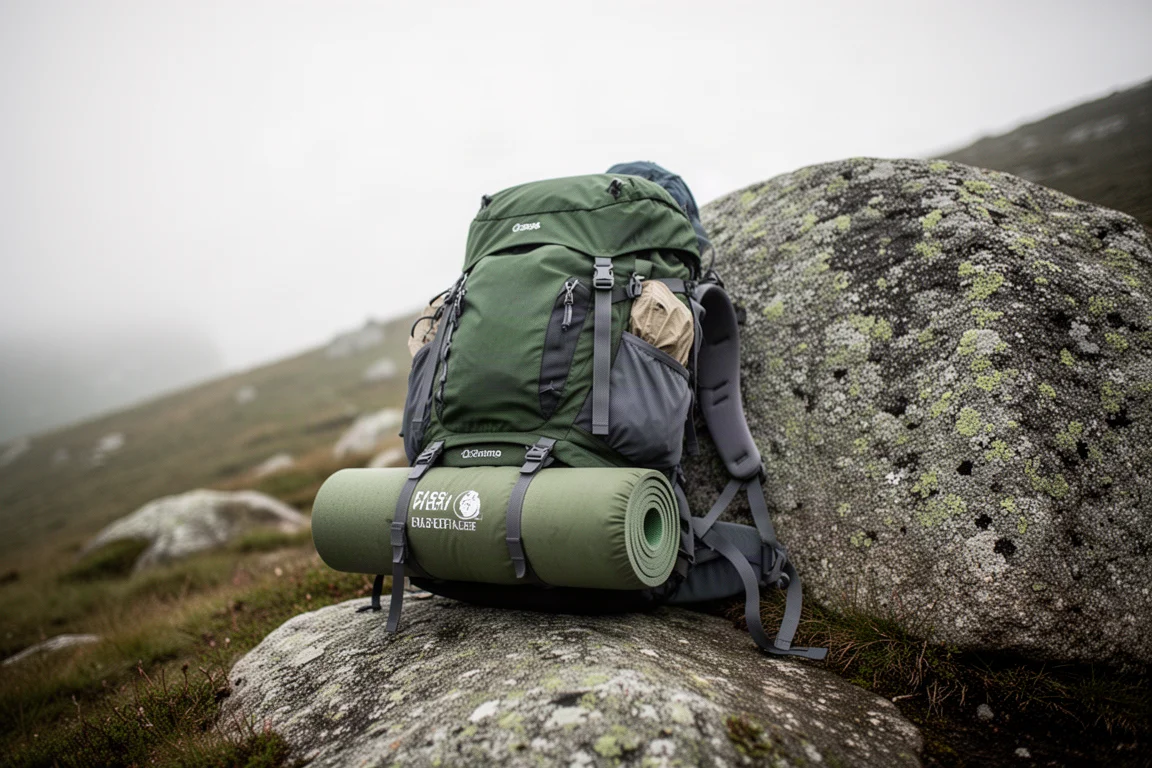
The stuff sack is straightforward, and the rolled mat fits into a pack without dominating the space. For anyone moving from a bulky foam mat or an older self-inflating design, the difference in packed volume will be the most obvious change.
Inflation and the Air Sock
The mat uses a two-way valve and ships with an air sock, a pump sack that fills the mat with air rather than your breath. The process is simple: a couple of quick blows into the sack, fold the top over like a dry bag, then push down to drive air through the valve. Repeat until the mat is full, which takes only a few minutes.
A short top-up breath at the end lets you fine-tune the firmness to your preference. Because moisture from your breath never enters the mat, the air sock also helps keep the internal insulation dry over time.
Durability and What Comes in the Box
The shell uses ripstop fabric, which is designed to resist small cuts and the air loss that follows. It is the kind of material that stands up to regular use on rocky or stony ground, though a groundsheet still makes sense on rough pitches.
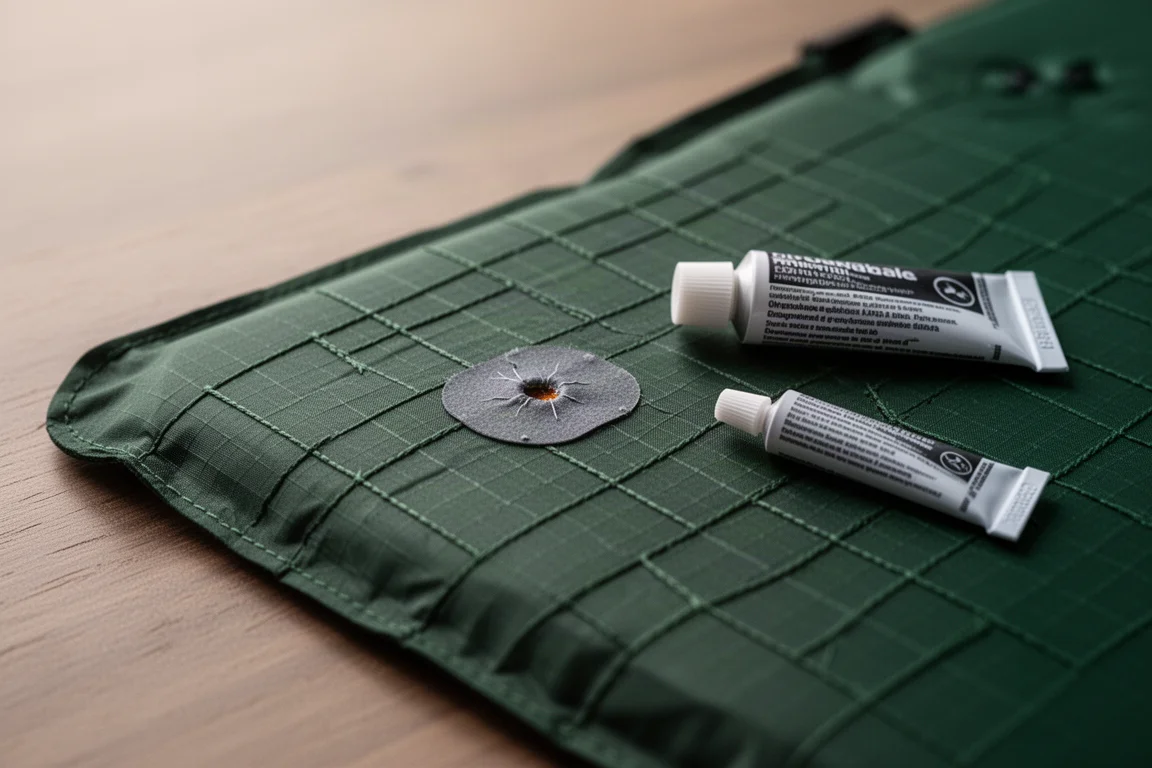
A puncture repair kit is included with the mat, so a small repair is something you can handle yourself rather than sending the mat away. The air sock stores in the bottom of the stuff sack, which keeps the whole kit together and easy to find.
Things to Consider Before Buying
Width is the main one. At 54 centimetres, the regular mat is comfortable for many sleepers, but broader users or anyone who sleeps with arms spread may prefer a wider model. The regular length of 185 centimetres also means taller campers should check the sizing rather than assume this size fits.
Weight is the second consideration. At 665 grams, this is a mat for people who prioritise warmth and comfort over the lowest possible pack weight. If you only camp in mild conditions, a lighter summer mat will be easier to carry.
Buying Advice
The mat retails around £140, and discounted prices near £105 have been available from outdoor retailers. At the lower end of that range it represents solid value for a synthetic winter mat with an R-value of 4, a seven-centimetre depth, and a compact packed size.

If your camping is mostly cold-weather trips with a four-season bag, the Aerostat Synthetic 7.0 is a sensible match. If you camp mainly in summer, you can spend less and carry less.
Conclusion
The Mountain Equipment Aerostat Synthetic 7.0 does the job it sets out to do. An R-value of 4, a comfortable seven-centimetre depth, lengthways baffles that help keep you centred, and a packed size small enough for backpacking make it a well-judged winter mat. The air sock speeds up inflation and keeps moisture out of the insulation, while the ripstop shell and included repair kit add confidence over years of use. Check the width and length against your own build, and if the sizing works, this is an easy mat to recommend for cold-weather camping.
Product link
View more details for Mountain Equipment Aerostat Synthetic 7.0 Sleeping Mat
This product is mentioned in the review. Check the specifications, options, and compatibility before buying.
View more details for Mountain Equipment Aerostat Synthetic 7.0 Sleeping MatFurther reading
Related Reviews
Sleeping Mats
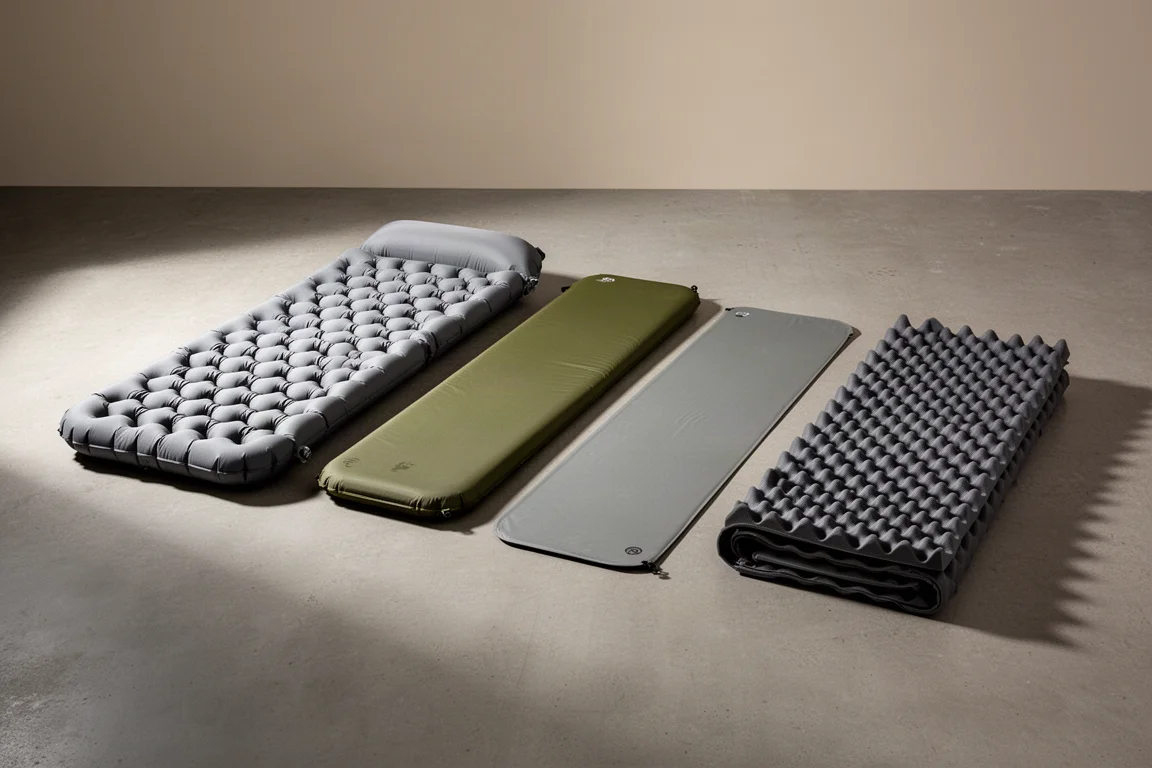
Sleeping Mats Compared: Four Backpacking Options for Warmth, Weight and Durability
Four sleeping mats with distinct strengths: insulated inflatables for cold camps, a minimal summer air pad, and a closed-cell foam mat you can trim to fit.

Backpacking Gear
Building a 10 lb Base Weight: An Ultralight Backpacking Gear List
A practical walkthrough of the ultralight pieces behind a 10 lb base weight, from a 765 g pack and a roomy one-person tent to a full camp chair and a dependable water filter.

Backpacking Gear
A 15-Pound Lightweight Backpacking Gear List for Solo Trips
A beginner-friendly 15-pound backpacking setup built from easy-to-find gear, with notes on what each piece does, how it packs, and where to spend your attention.