Sleeping Bags
Sleeping Bags vs Quilts: Is a Quilt Really Lighter? A 20°F and 30°F Weight Comparison
A quilt is lighter than a sleeping bag, but weight is only one variable. Packed weights, fill power and comfort ratings compared across seven 20°F and 30°F sleep systems.
Introduction
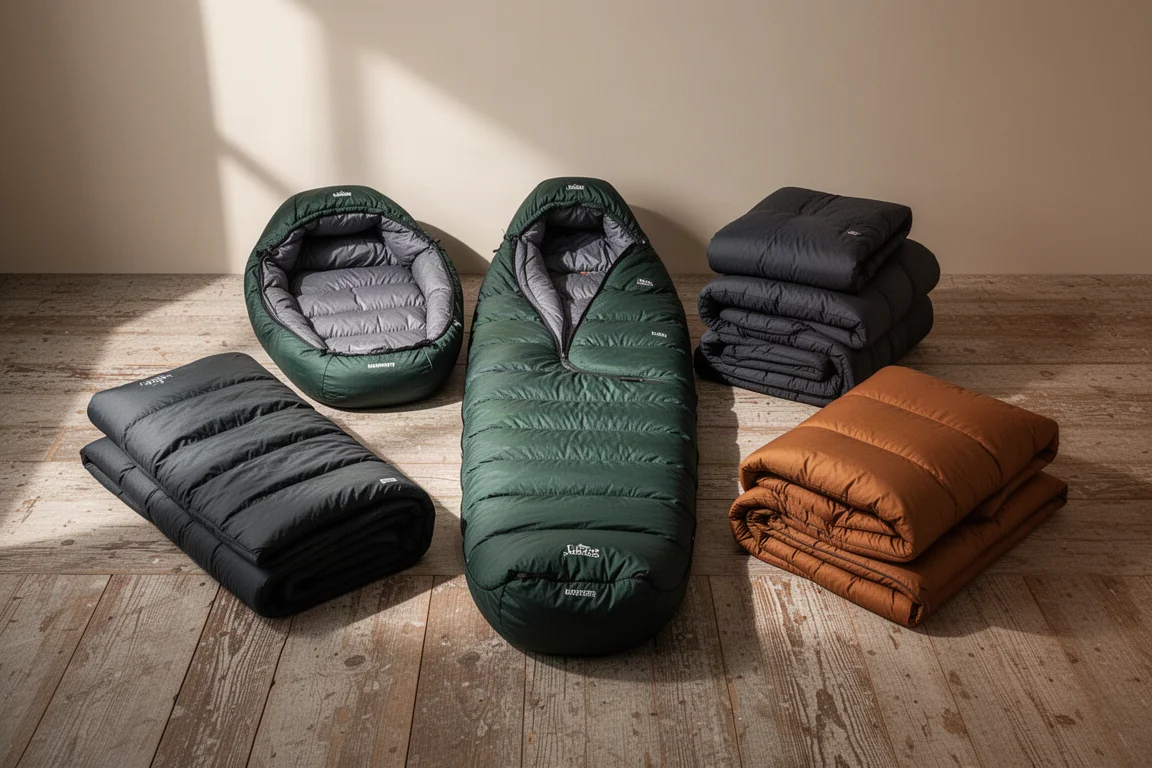
Spend any time around backpacking gear talk and you will hear one claim repeated often: a quilt is lighter than a sleeping bag. Stripped of every other variable, that claim holds up. The reason is simple anatomy. A quilt is essentially a sleeping bag with the back panel removed and the hood taken off. Less fabric, less down, less weight.
But weight alone is a poor reason to choose one over the other. What matters far more for a ground sleeper is how the system handles drafts, how an advertised temperature rating relates to a real comfort rating, and how much attention the setup demands once you are tired and the temperature is dropping.
This guide compares 20°F-class and 30°F-class options side by side by packed weight, fill power and comfort rating, then explains where a quilt wins and where a sleeping bag still earns its place in a pack.
How We Compared Weight and Warmth
Every option here was packed into its stuff sack and weighed, all in regular sizing where that applies. Four 20°F-range products and five 30°F-range products went onto the scale. Advertised temperature ratings were then set against comfort ratings, because the two are not the same thing and not every brand treats them the same way.
The widest spread showed up in the 20°F group, where packed weights ranged from 23 ounces to 41 ounces. The 30°F group told a more complicated story. One quilt actually came in heavier than a sleeping bag rated to a similar temperature, which undercuts the idea that a quilt is automatically the lighter choice.
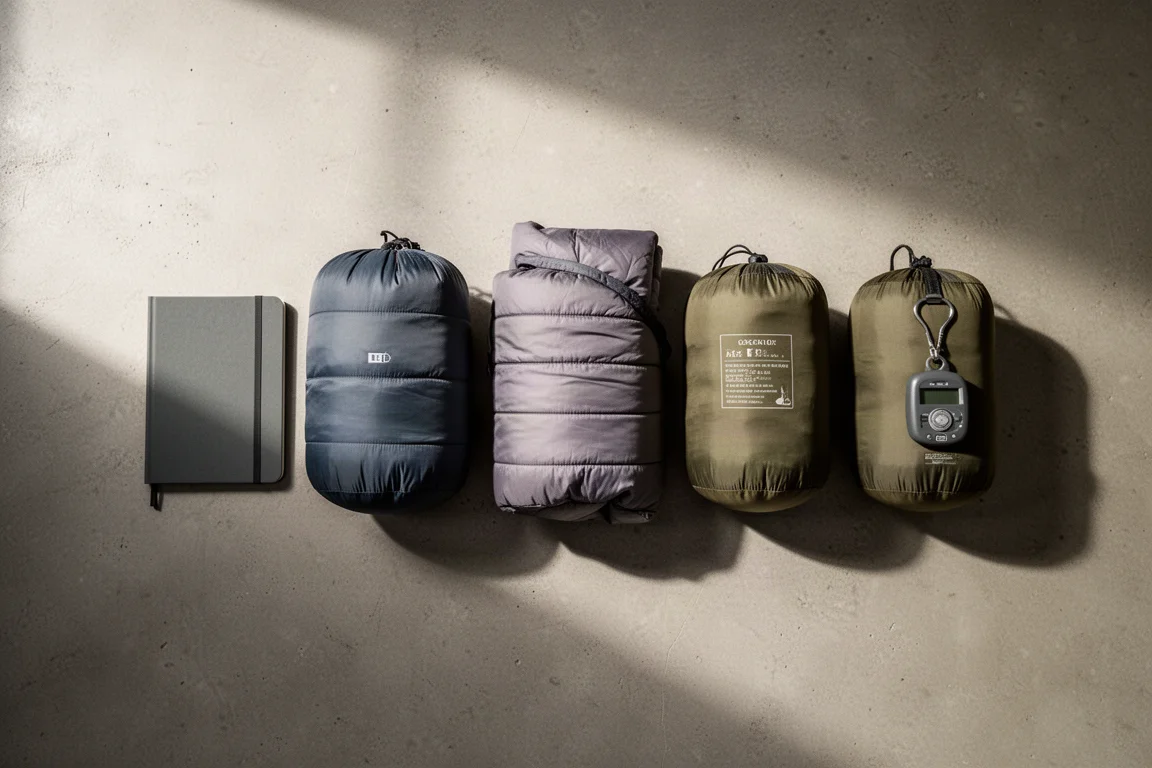
Fill power matters here too. Higher fill power generally means more loft for the same weight of down, so a 900 fill bag and a 650 fill quilt can land at similar warmth with very different packed weights. Comfort ratings are where the real differences hide. Some brands publish numbers that behave like comfort ratings, and others publish numbers that behave closer to limits you would rather not test.
Sierra Designs Backcountry Bed at 20°F
This was the heaviest product on the scale. The Backcountry Bed in its women’s regular version weighed 41 ounces with 700 fill power down, an advertised 20°F rating and a comfort rating of 28°F. That comfort figure is among the most conservative in the group, which is worth noting. The gap between its advertised rating and its comfort rating is smaller than several lighter options manage.
What you get for that weight is a full enclosure: hood, back panel, zipper. For a cold sleeper, or anyone who dislikes fiddling with draft management in the dark, that structure is the entire point.
Therm-a-Rest Hyperion at 20°F
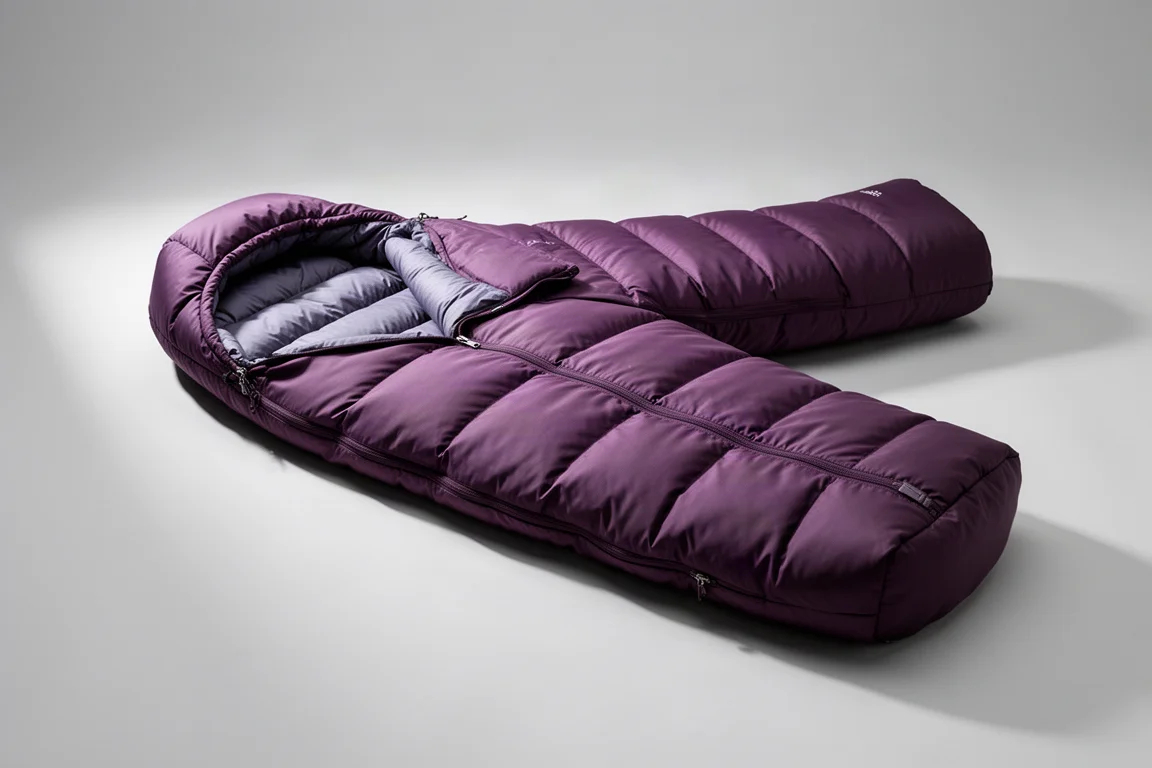
The Hyperion arrives in two versions relevant here. The 20°F version weighed 23 ounces with a 32°F comfort rating. The 32°F version weighed 18 ounces with 900 fill power down and a comfort rating closer to 40°F or 41°F.
That is a large spread between the number on the label and the number you can realistically expect. In practice, dropping below roughly 40°F with the 32°F version did not hold up. The Hyperion is a genuinely light bag, and 900 fill power is about as efficient as down gets, but it rewards a warm sleeper and a well-matched sleeping pad far more than a cold one.
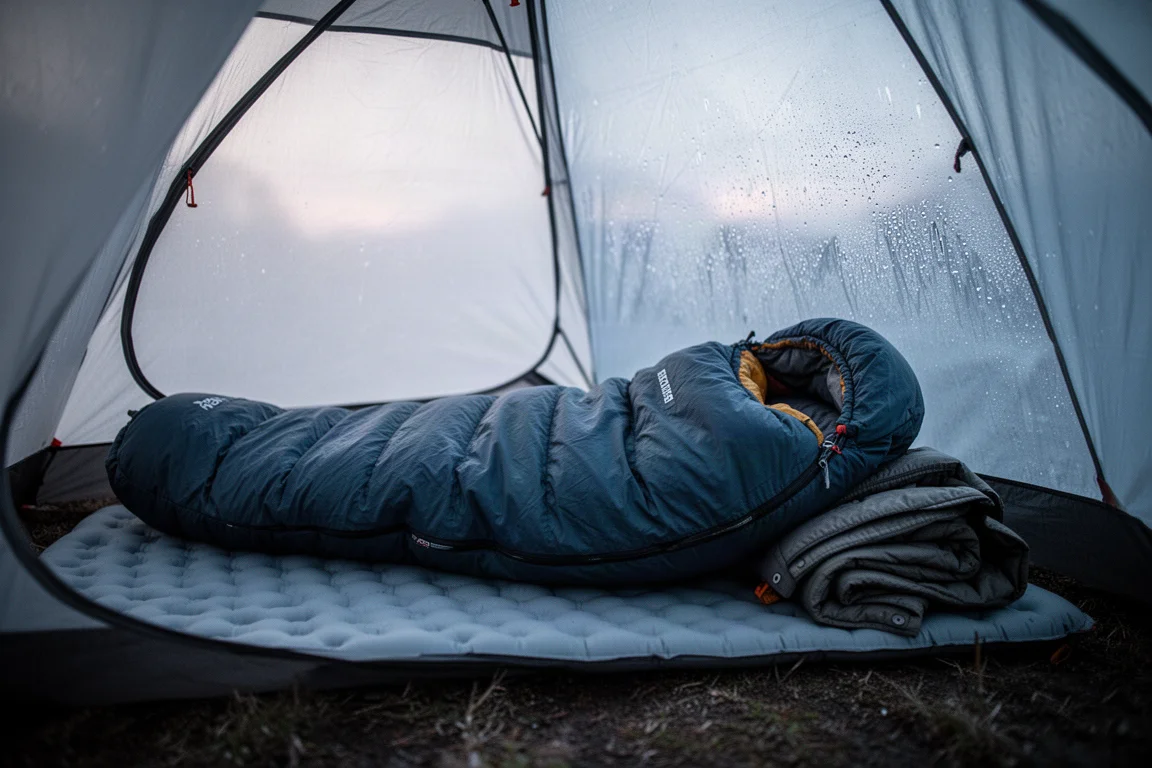
Read the comfort rating rather than the advertised rating before you commit, especially if you plan to push into the shoulder seasons.
UGQ Bandit Top Quilt at 20°F and 30°F
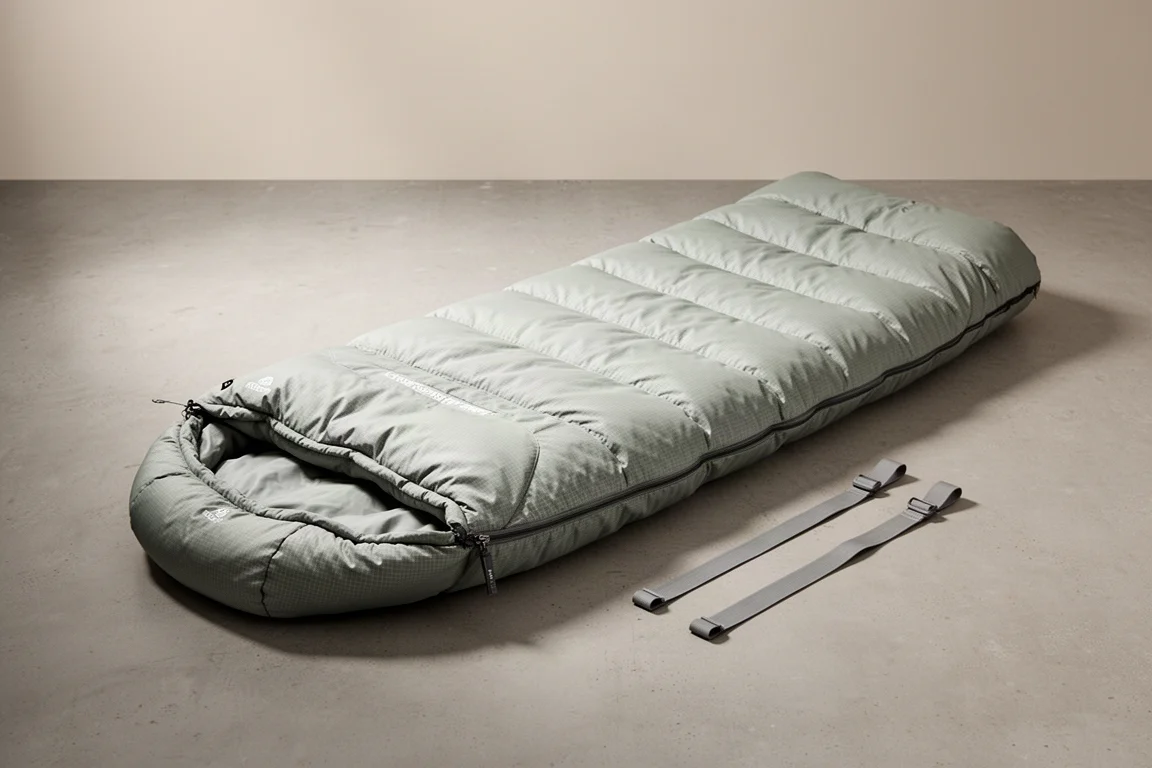
The Bandit is the clearest argument for a quilt. The 20°F version weighed 23 ounces and the 30°F version weighed 20 ounces. The 20°F version pairs that 23-ounce weight with a 20°F comfort rating, the best warmth-to-weight result in the 20°F group by a wide margin.
Part of the reason is philosophical. This brand publishes its temperature ratings as comfort ratings rather than as lower limits, so the number you read is closer to the number you can sleep to. That is unusual, and it makes direct comparisons with other brands misleading unless you adjust for it.
The trade-offs are the same ones every quilt carries: an open back, no hood, and a setup that depends on pad straps and a properly matched sleeping pad to keep warm air where you want it.
Sierra Designs Nitro at 20°F
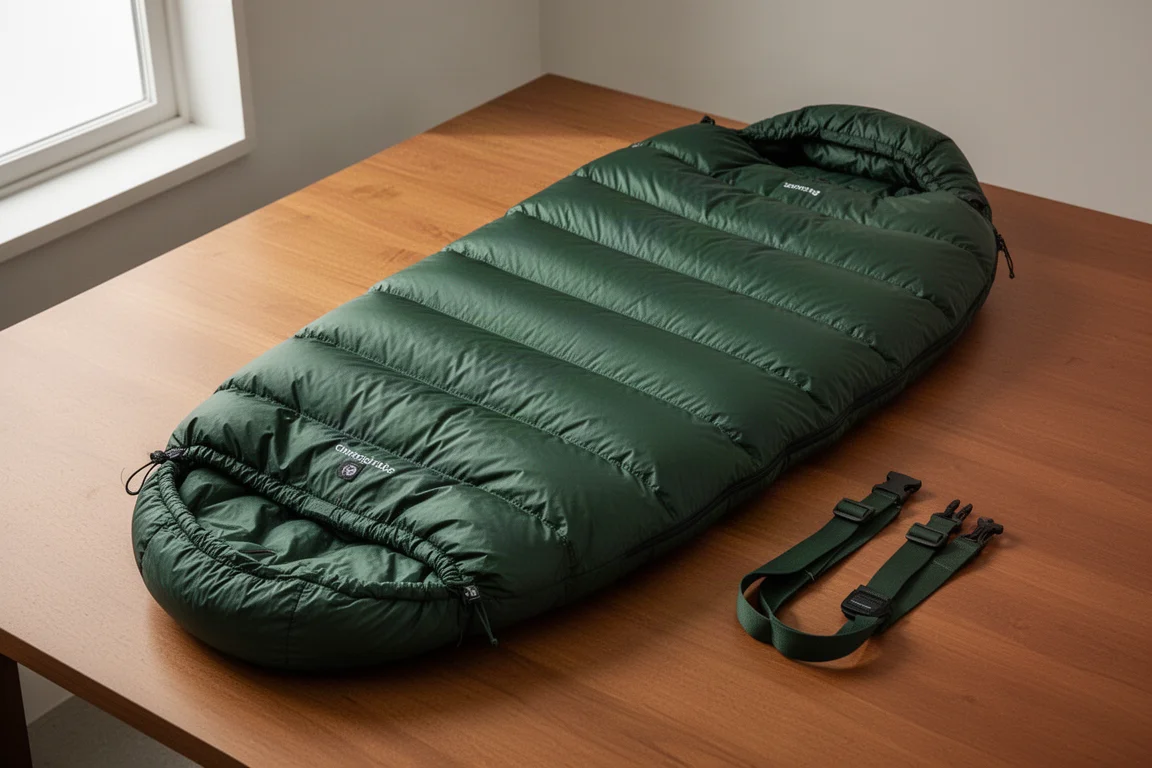
The Nitro sat in the middle of the 20°F group at 29 ounces, with 800 fill power down and an advertised 20°F rating. It is not the lightest option here, and it does not claim the most conservative comfort rating either.
What it offers is a familiar, fully enclosed design with solid fill power at a weight that sits between the heaviest bag in the group and the lightest. For a backpacker who wants a hooded bag without going to the extreme end of the weight scale, that is a reasonable place to land.
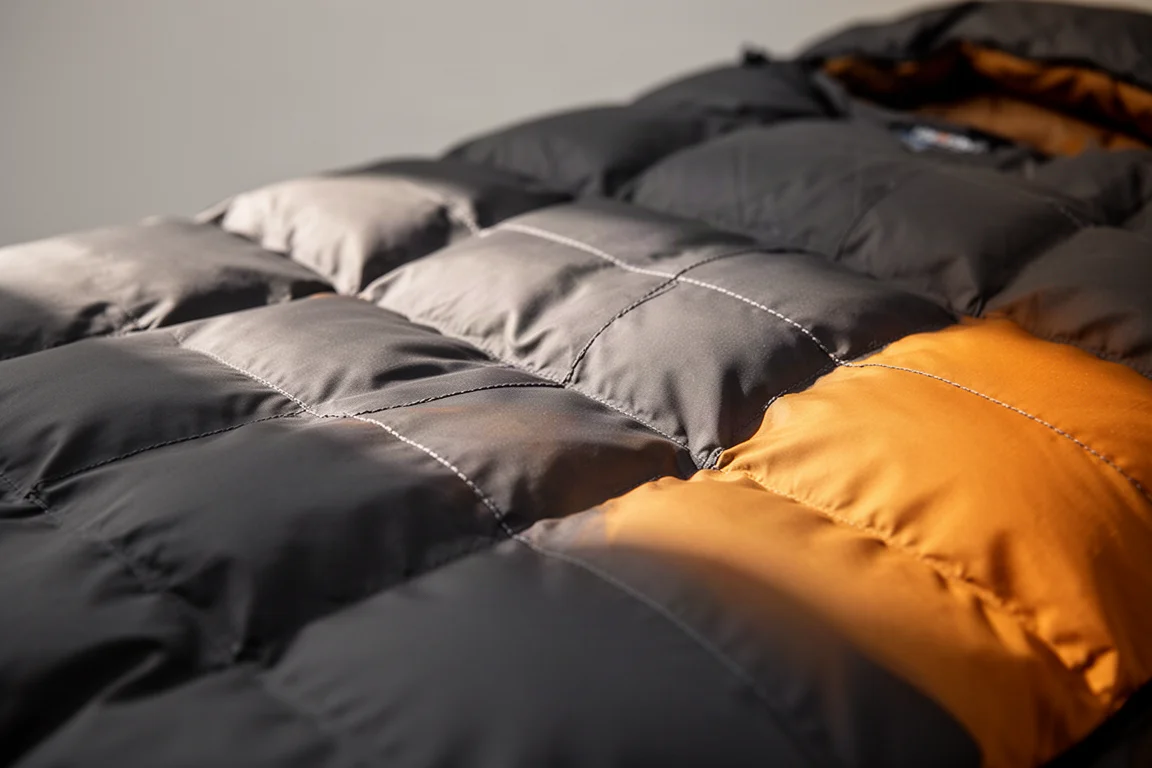
If you sleep cold and want the security of a zipper and a hood, the extra ounces over a quilt are easier to justify than the raw numbers suggest.
Outdoor Vitals StormLoft at 30°F
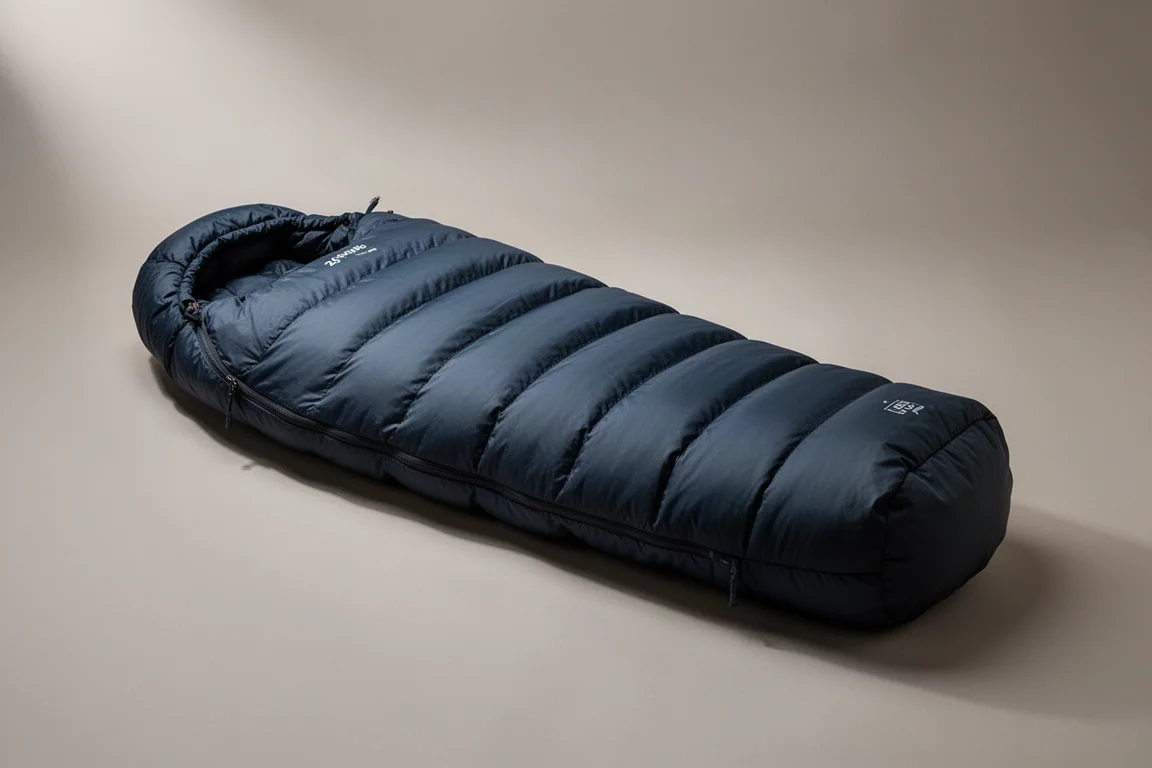
At 18 ounces, the StormLoft was the lightest product weighed in the 30°F group. It uses 800 fill power down and carries an advertised 30°F rating, with practical comfort closer to 40°F.
That combination makes it a strong warm-weather and shoulder-season quilt. It is light enough to disappear in a pack, and the fill power is respectable for the weight. Plan around the honest comfort window rather than the label.
Therm-a-Rest Corus at 30°F
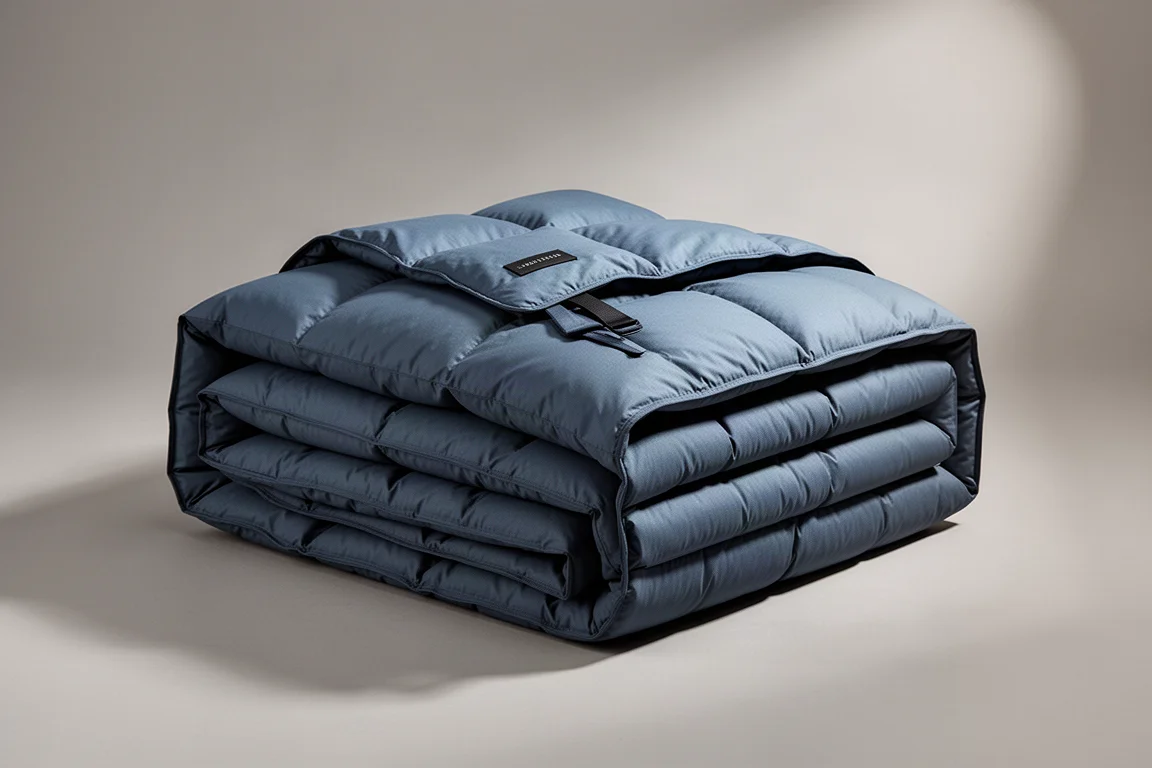
The Corus is a quilt rather than a bag, and it weighed 21 ounces with 650 fill power down and a comfort rating of roughly 41°F. The lower fill power is the main reason it needs more down to reach a given warmth, and that shows up in the packed weight.
It suits mild conditions well. If your trips rarely dip below 40°F and you prefer the open, blanket-like feel of a quilt, the Corus covers that ground without much fuss.
Exped Ultra at 32°F
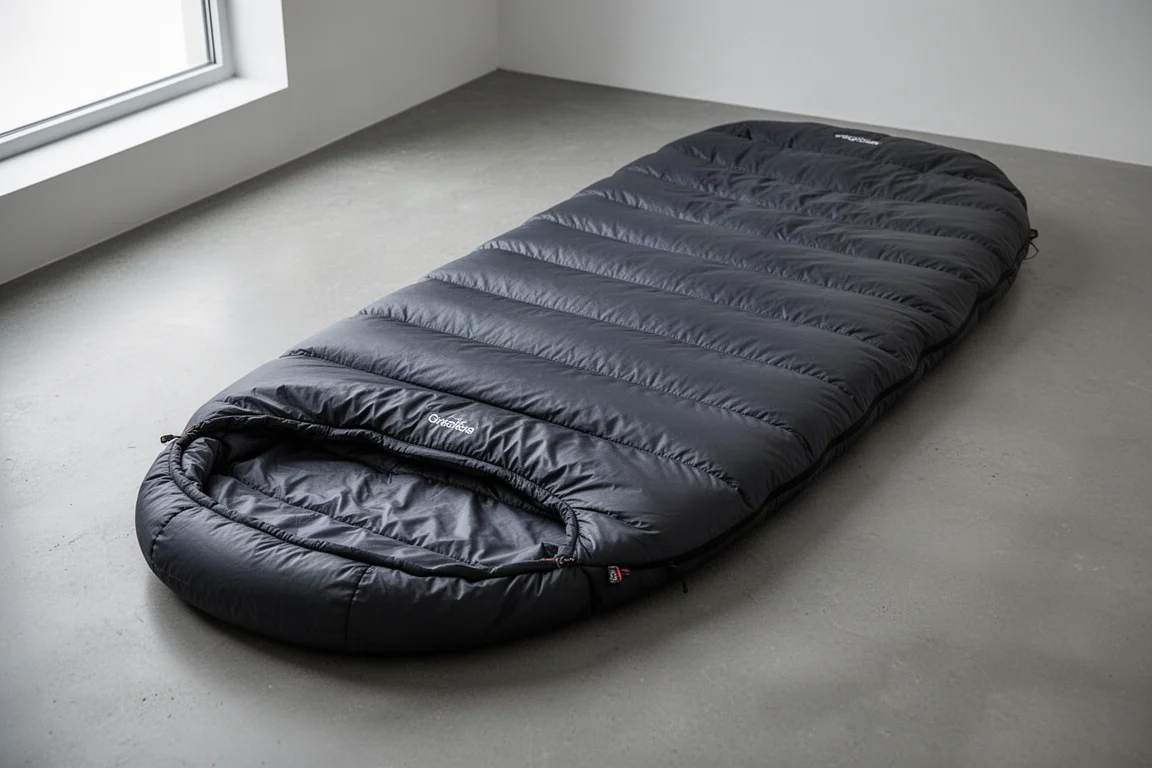
The Ultra was the heaviest product in the 30°F group at 32 ounces, and part of that is a bulky, heavy stuff sack that adds both weight and packed volume. On its own merits it carries a 32°F comfort rating, which means the advertised number and the comfort number line up.
That honesty is worth something. A bag rated to a temperature you can actually sleep to is more useful than a lighter bag rated to a number you will not want to test.
Buying Advice for Ground Sleepers
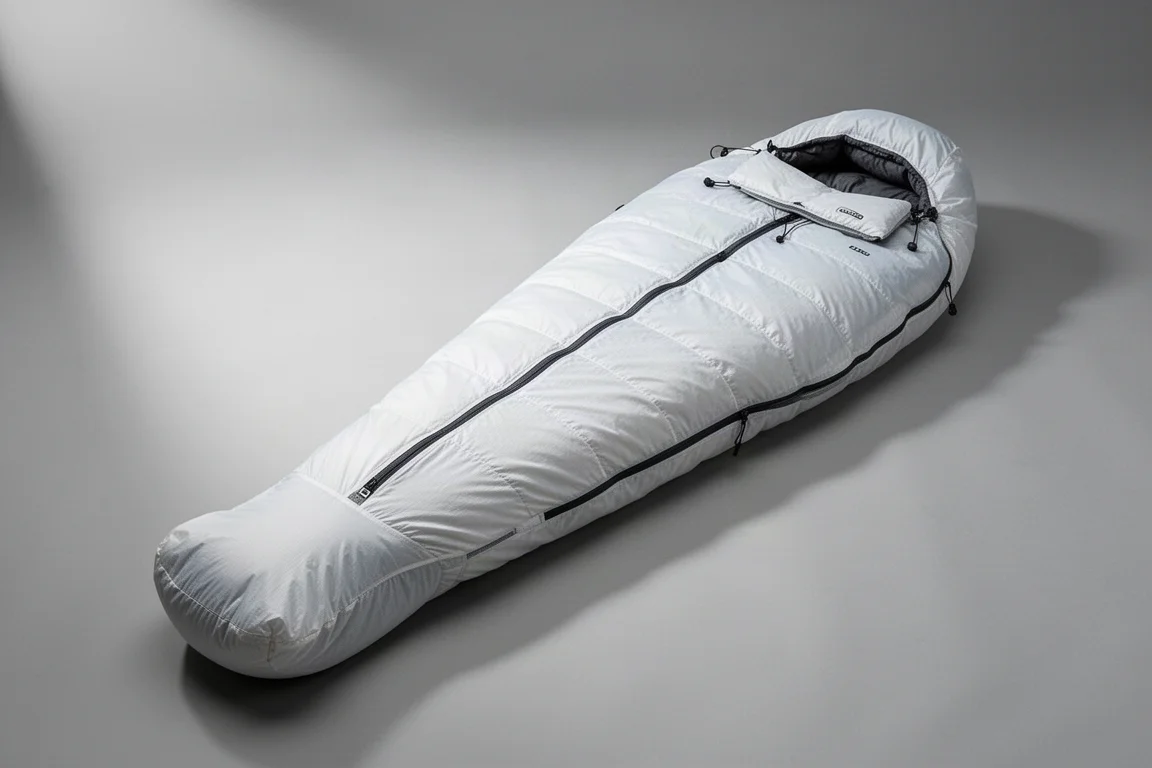
Start with weight, because it is the easiest thing to measure and the easiest thing to compare. A quilt is lighter, and the 20°F Bandit at 23 ounces with a 20°F comfort rating shows how much ground a quilt can gain when the rating is honest.
Then work through everything else. What kind of sleeper are you? Do you sleep on your side, your stomach or your back? Do you move around a lot at night? A quilt is more work to manage, with an open back, no hood and draft points that only stay closed if your pad straps and sleeping pad are dialed in. A sleeping bag zips up, pulls a hood over your head and closes those draft points for you.
Cold sleepers should weigh that heavily. So should anyone whose sleeping pad is not matched to the temperatures they expect. A quilt leans on the pad underneath it to do part of the work, and if the pad cannot keep up, the quilt will not either.
Budget matters as much as anything. The choice between a bag and a quilt is often decided less by grams than by what you can afford and what you personally find comfortable to sleep in.
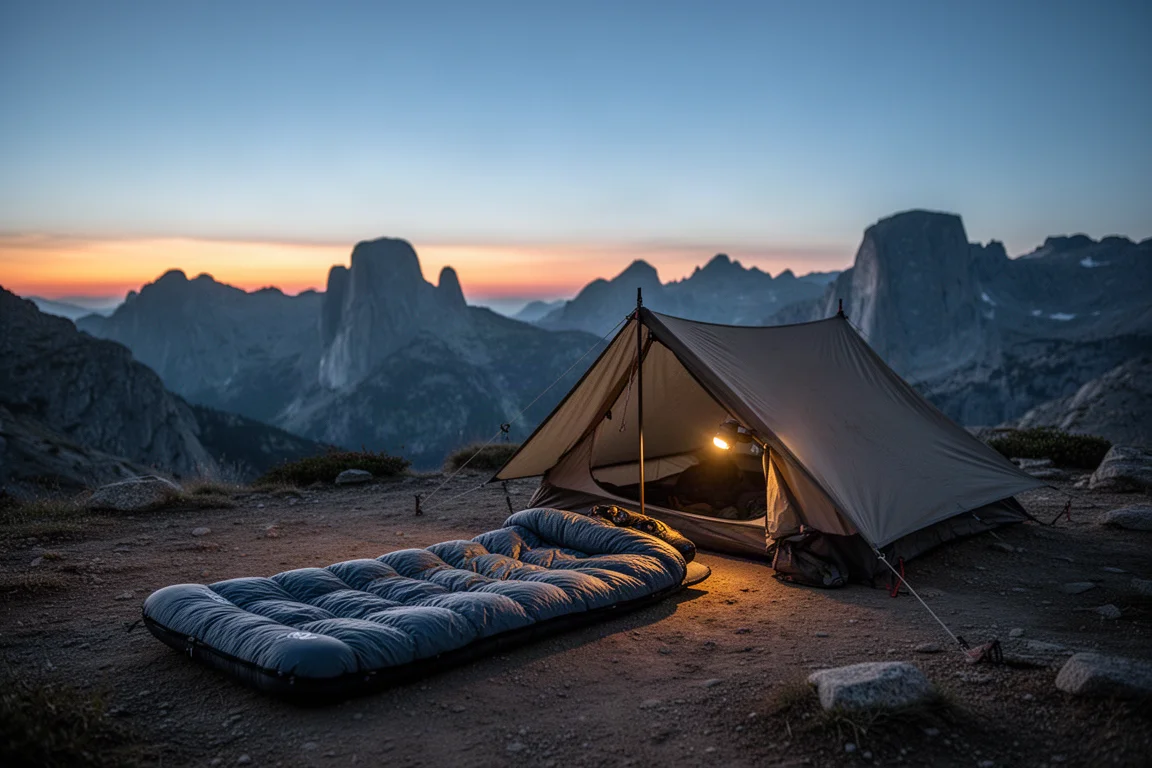
A practical approach is to decide your likely temperature range first, pick the comfort rating you actually need second, and only then compare weights within that shortlist. Read the specs, read the ratings, and be skeptical of any single number presented as the whole story.
Conclusion
Yes, a quilt is lighter than a sleeping bag, and that is a real advantage if weight is your priority. But it is not the only advantage that matters, and it is not always the deciding one.
In the 20°F group, the quilt won on warmth per ounce convincingly. In the 30°F group, the picture was mixed, with a quilt outweighing a comparable bag. A sleeping bag still earns its place for cold sleepers, for anyone who wants a hood and a closed back, and for anyone who would rather not manage drafts in the dark.
Pick the system that matches how you sleep and the temperatures you actually camp in. Then the weight number becomes a tiebreaker rather than the whole decision.
Further reading
Related Reviews
Sleeping Bags
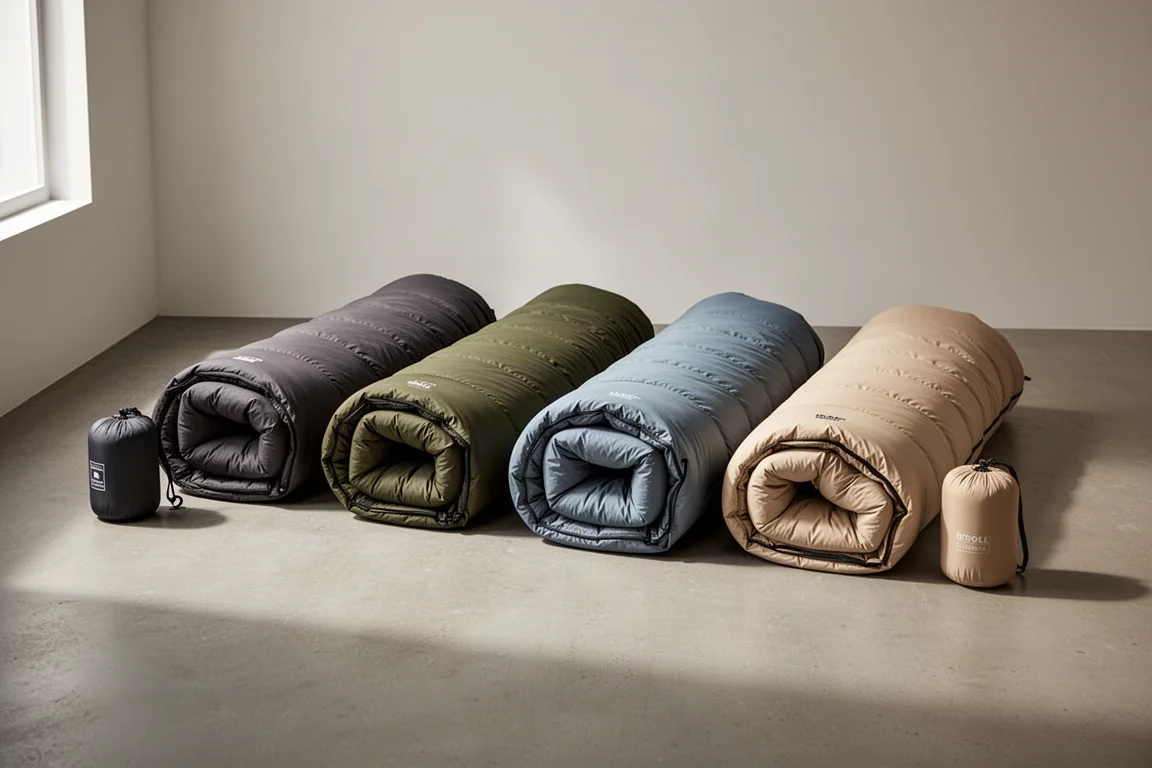
Best Down Sleeping Bags Under $300: Four Backpacking Options Worth a Look
Four down sleeping bags that stay under $300, compared on fill power, baffle design, hood comfort, and packed size.
Sleeping Bags
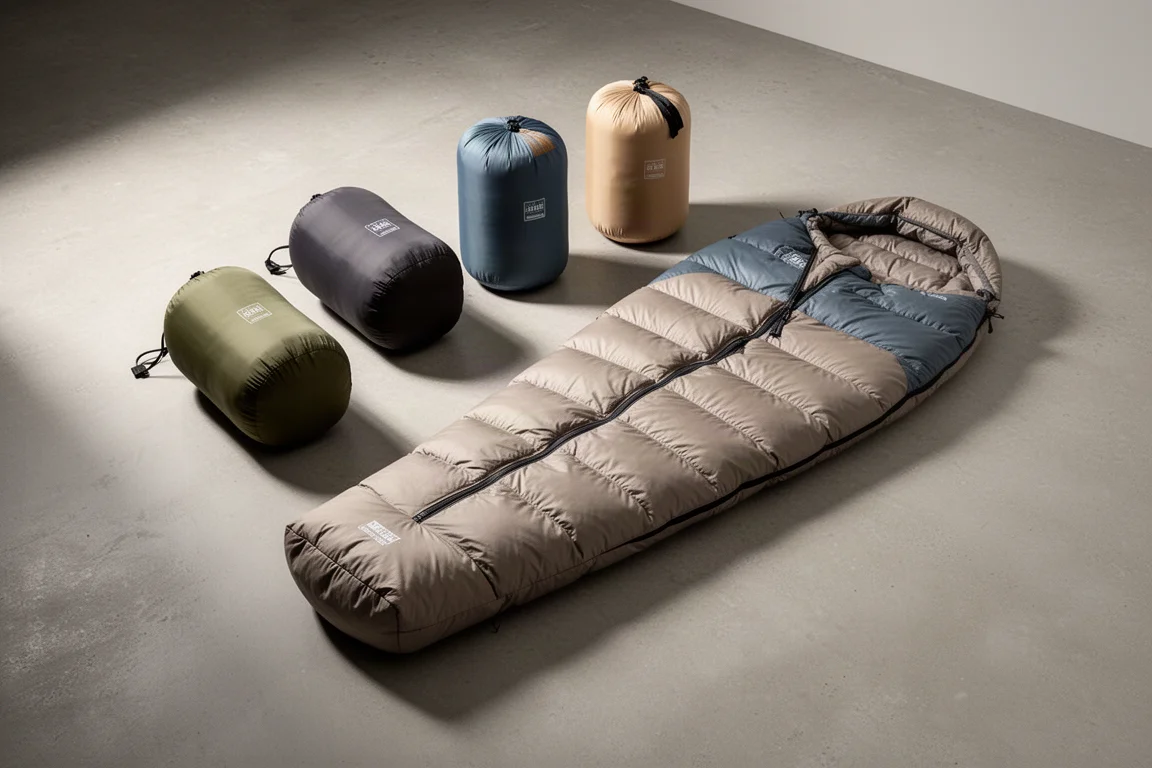
Best Sleeping Bags and Sleep Systems: Five Premium Down Picks Compared
Five premium down sleeping bags and sleep systems compared on warmth, weight, construction, and value.
Sleeping Bags
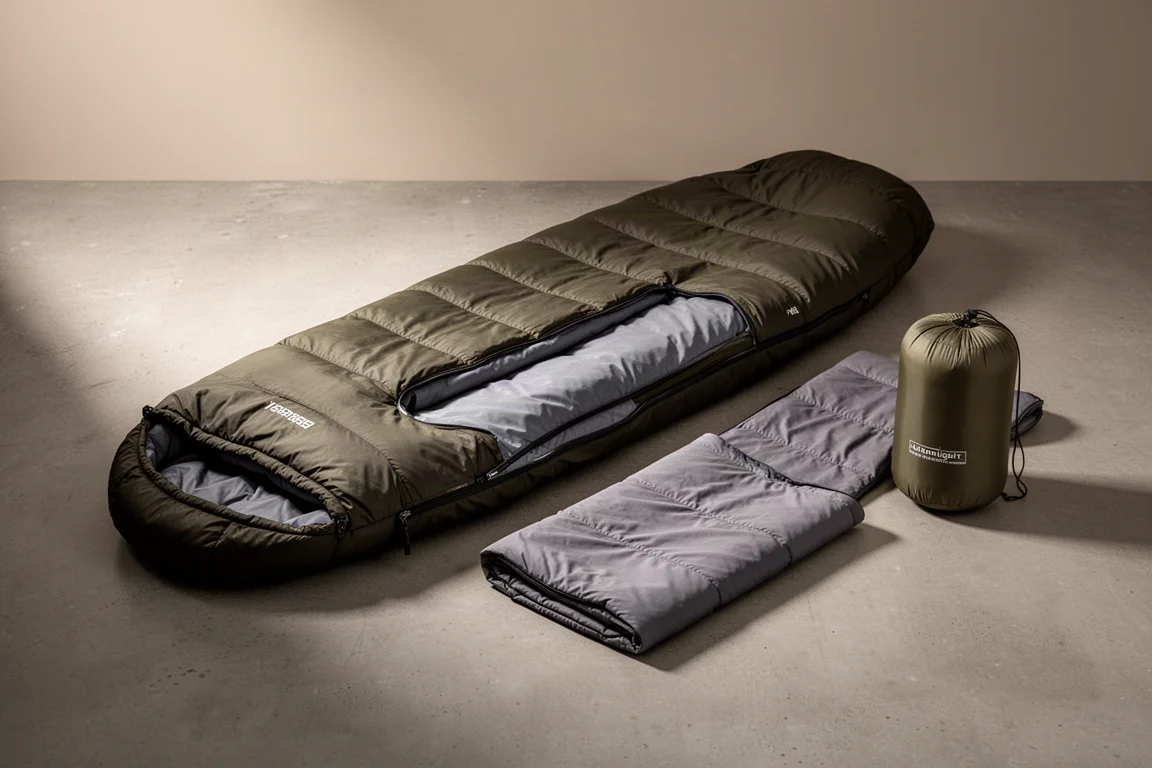
Big Agnes Lost Ranger UL 3-in-1 Sleeping Bag System Review: One Bag, Three Setups
A practical look at the Big Agnes Lost Ranger UL 3-in-1 Sleeping Bag System, covering how the three configurations work, where it shines, and the details worth weighing before buying.