Camping Sleep Systems
Sleeping Bags vs Quilts: Nine Ultralight Sleep Systems Compared
Nine backpacking sleep systems weighed and compared on advertised rating, comfort rating, fill power and packed weight, so you can decide between a quilt and a sleeping bag.
Introduction
Quilts are lighter than sleeping bags. That claim holds up, and the reason comes down to anatomy: a quilt is a sleeping bag with the back panel removed and the hood left off, so there is less fabric and less insulation to carry. What does not hold up is treating that single fact as the reason to buy one.
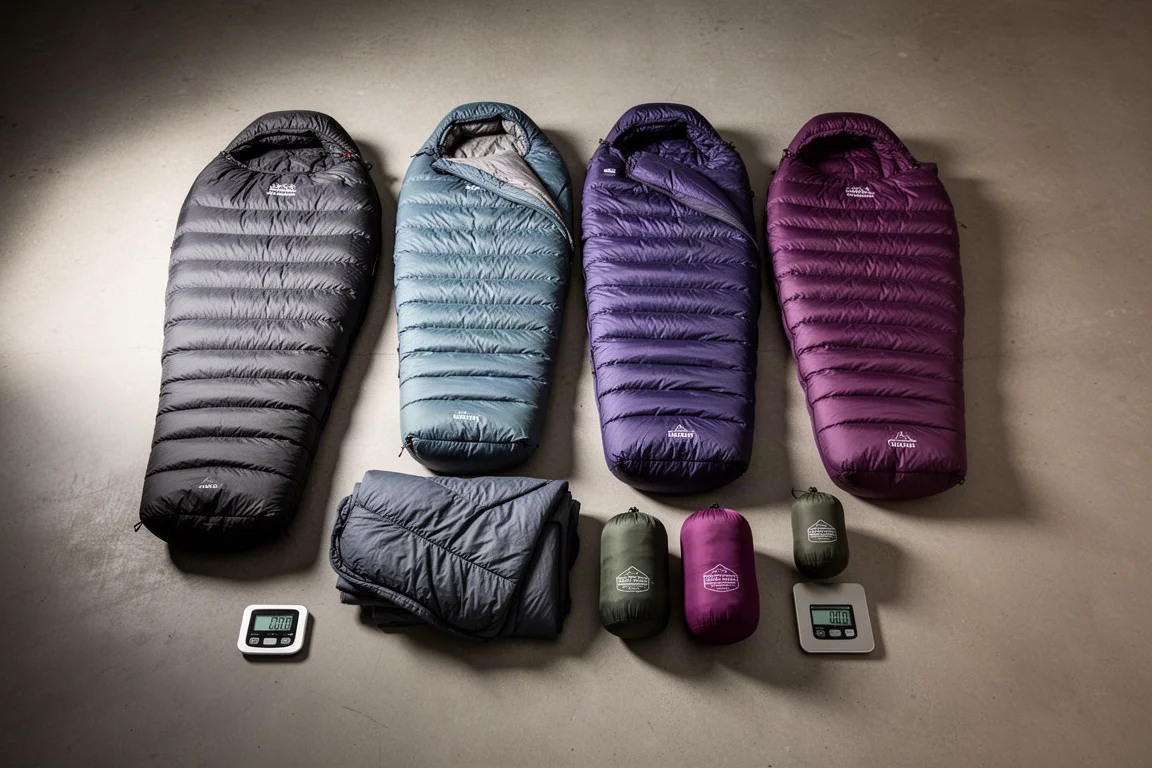
This comparison lines up nine sleep systems, four advertised around 20°F and five advertised around 30°F, and puts weight next to advertised rating, comfort rating and fill power. Once those figures sit side by side, the weight difference stops being the deciding variable.
How This Comparison Was Put Together
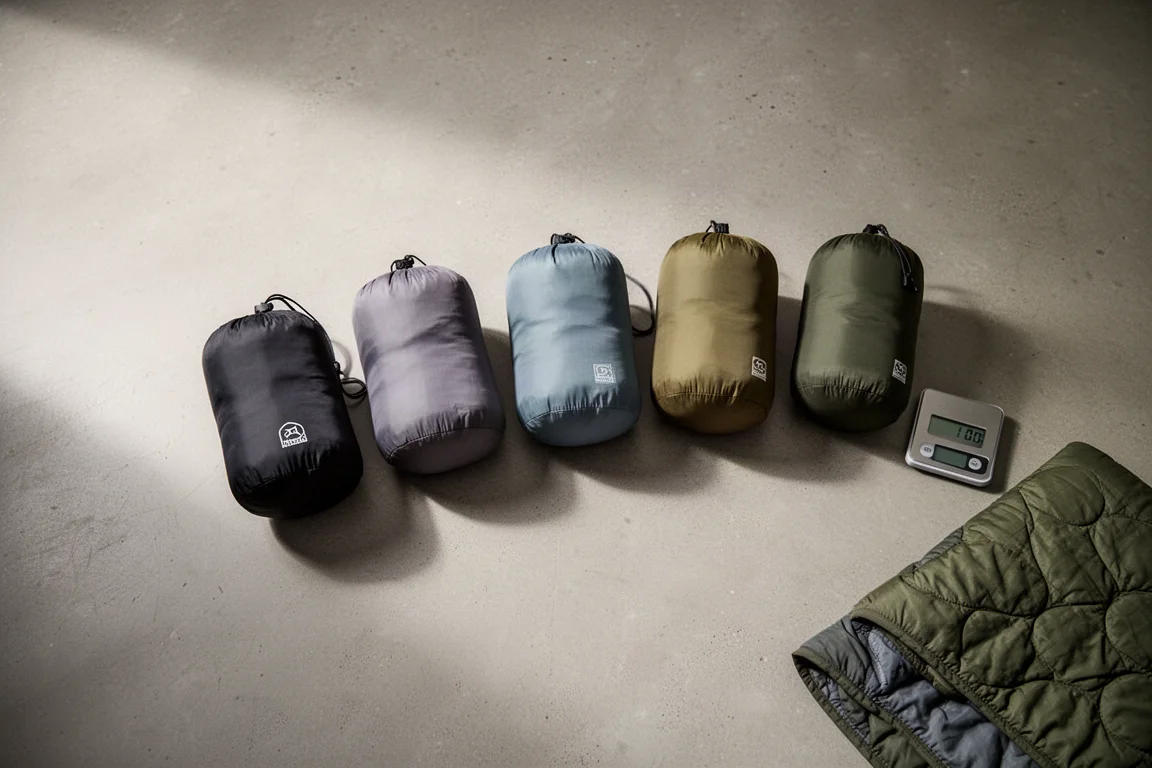
Each product was packed into its own stuff sack and weighed on the same scale, with notes taken on advertised temperature ratings, comfort ratings and fill power. All of the items weighed are regular size.
The clearest pattern to come out of the process is how differently the two rating systems behave. Some products advertise a figure that sits well above their comfort rating, while others publish the advertised number as the comfort rating itself. In the 20°F group that gap explains most of the variation, and it is why two products can weigh the same and still not be interchangeable on a cold night.
Weight alone also flattens real differences. A quilt has no back panel and no hood, so it traps less of the heat your body radiates and leaves more draft points open. A sleeping bag zipped up with the hood pulled over closes those gaps, which is a meaningful advantage for anyone who sleeps cold or who is not carrying a sleeping pad that matches the temperatures they expect to camp in.
Sierra Designs Backcountry Bed 20
The Backcountry Bed 20 is the heaviest sleep system in this comparison at 41 ounces, and the version weighed here is the women’s model. It uses 700 fill power down, carries an advertised 20°F rating and lists a comfort rating of 28°F.
That gap between the advertised figure and the comfort figure is the number worth paying attention to. A comfort rating of 28°F puts this bag closer to the 30°F group in real sleeping terms than its advertised rating suggests, which matters most for anyone who sleeps cold.
Therm-a-Rest Hyperion 20
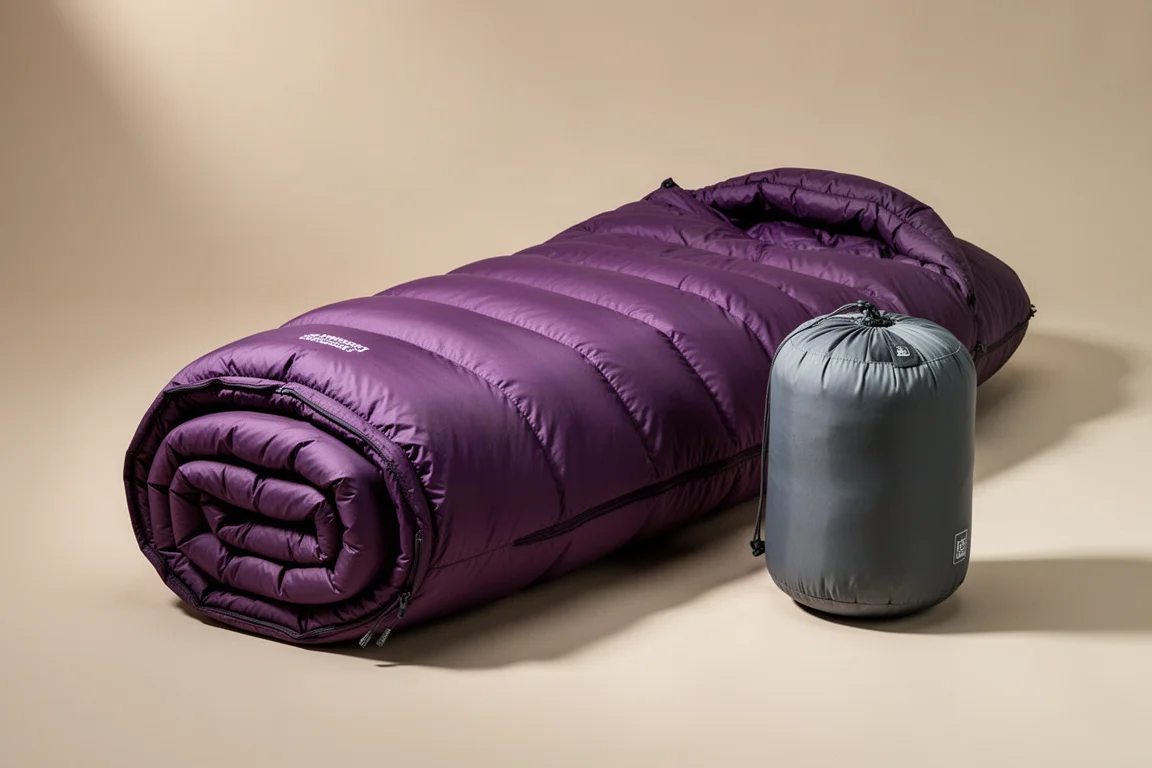
The Hyperion 20 weighs 23 ounces with an advertised 20°F rating and a comfort rating of 32°F. It lands at the same weight as the UGQ Bandit top quilt in this group, but with a comfort figure twelve degrees warmer than its advertised number.
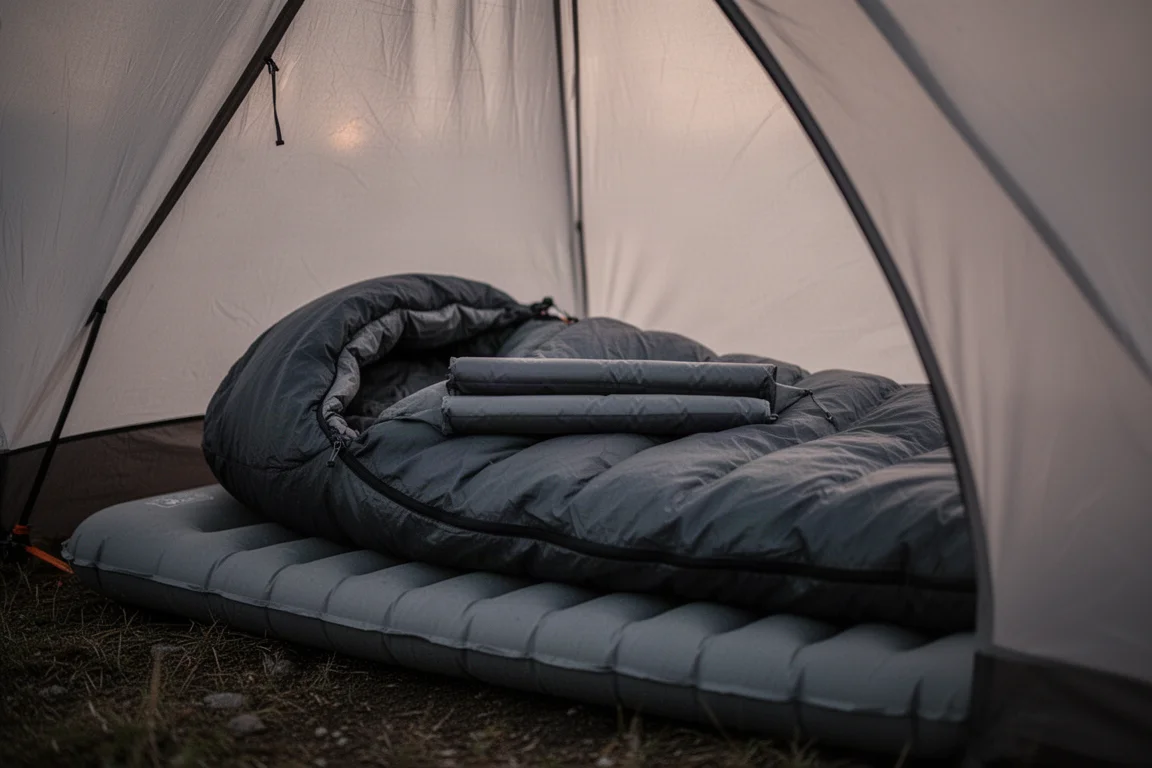
That difference is the heart of the quilt versus bag decision. A bag’s full enclosure and hood close off the drafts a quilt leaves open, which can offset a higher comfort rating for a cold sleeper, while a quilt’s lower bulk and open feel suit someone who moves around at night and pairs it with a properly rated pad.
UGQ Bandit Top Quilt 20
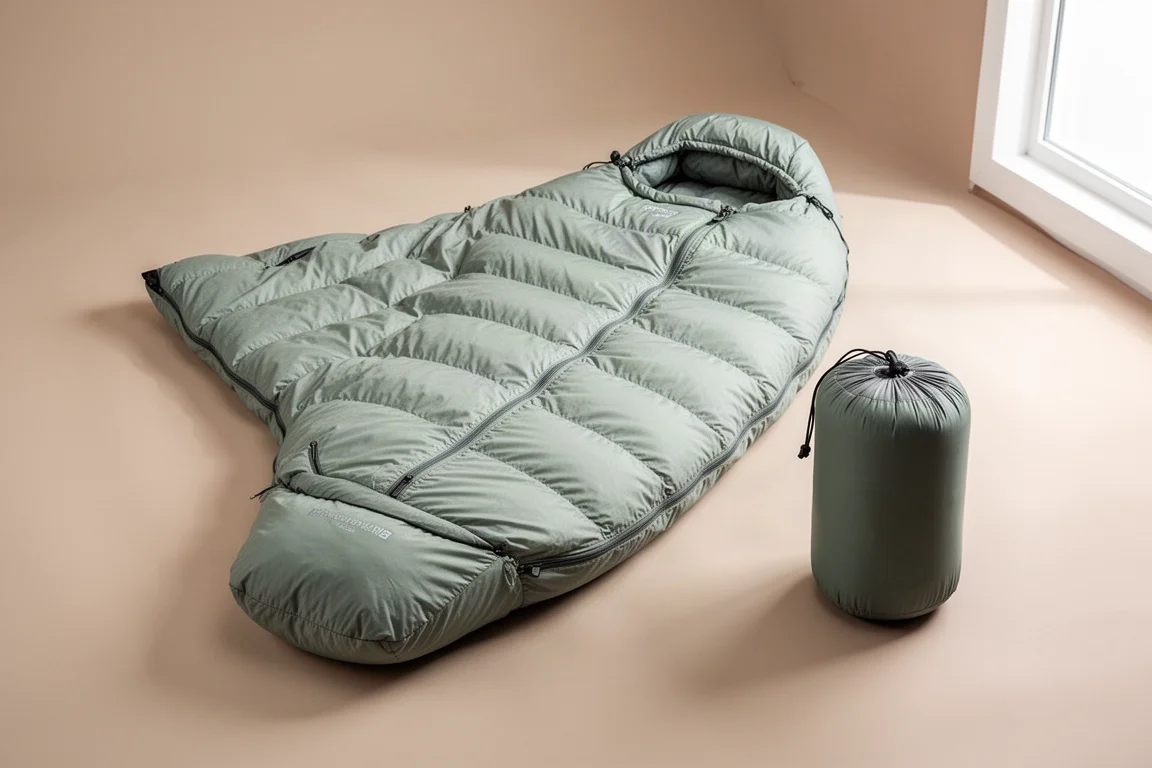
The Bandit Top Quilt 20 weighs 23 ounces and its advertised 20°F rating is published as a comfort rating rather than a limit figure. Measured on comfort rating against weight, it is the strongest combination in the 20°F group and the one to pick if those two numbers are what you care about.
The trade-off is the format itself. With no back panel and no hood, it asks more of you: the pad underneath and the straps holding it in place do part of the work that a bag’s enclosure would otherwise handle.
Sierra Designs Nitro 20
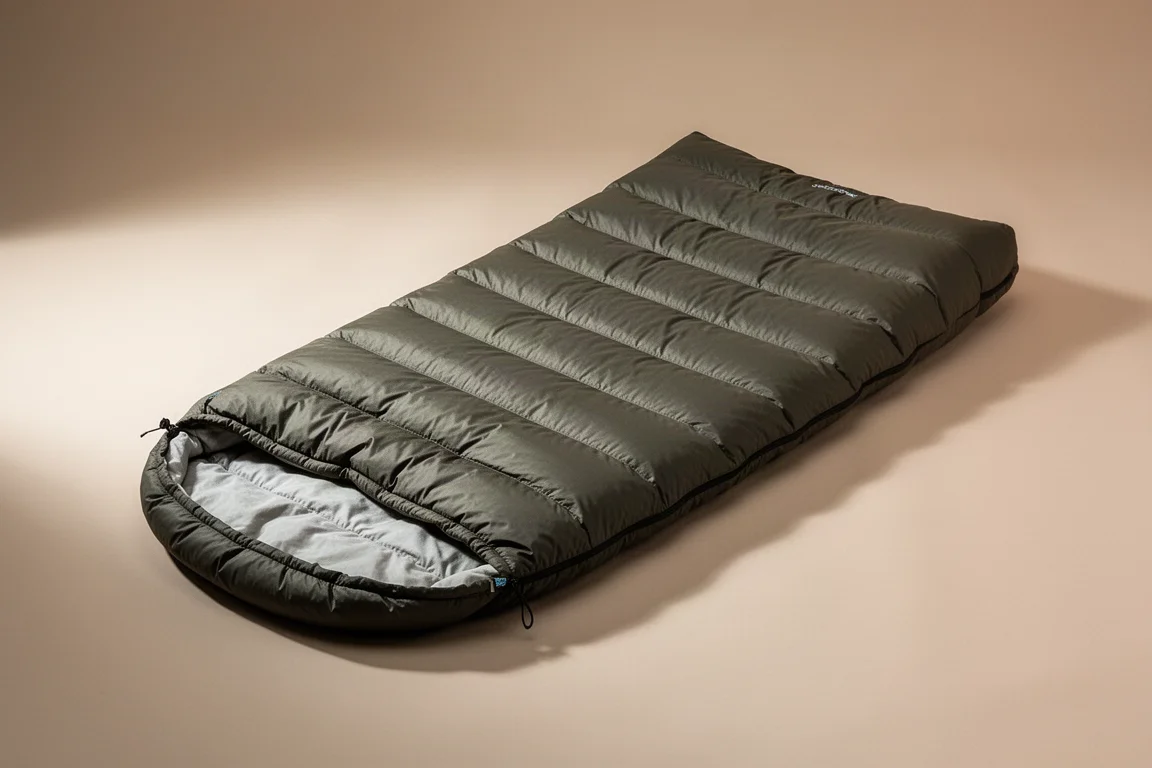
The Nitro 20 is a 29-ounce sleeping bag with an advertised 20°F rating and 800 fill power down. It sits between the 41-ounce Backcountry Bed 20 and the 23-ounce Hyperion 20 on weight, while offering the higher fill power of the Sierra Designs options in this group.
Outdoor Vitals StormLoft Top Quilt 30
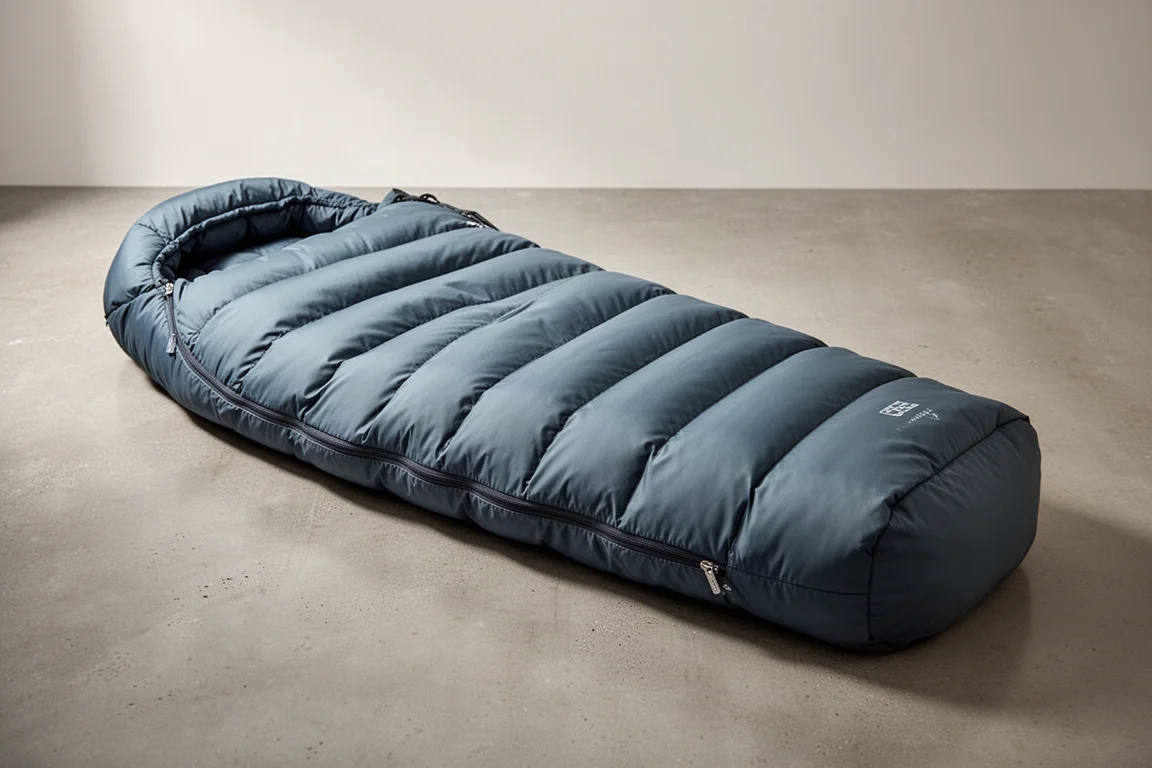
The StormLoft Top Quilt 30 is an 800 fill power quilt weighing 18 ounces, the lightest of the quilts weighed for this comparison. Its advertised rating is 30°F, with a comfort figure that is probably closer to 40°F.
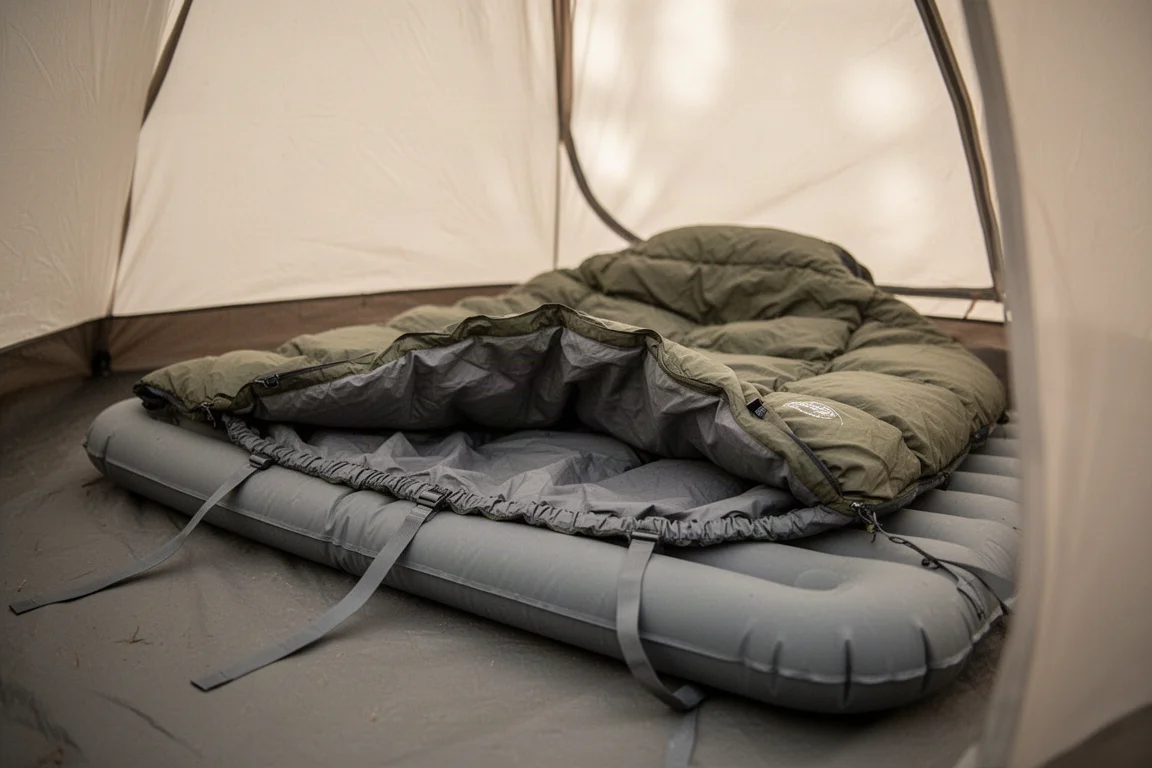
That is the pattern to watch across the whole category: the lighter a quilt gets, the more its advertised rating leans on ideal conditions. A 30°F quilt is a genuinely capable piece of gear when everything around it is dialled in, and a much thinner proposition when it is not.
UGQ Bandit Top Quilt 30
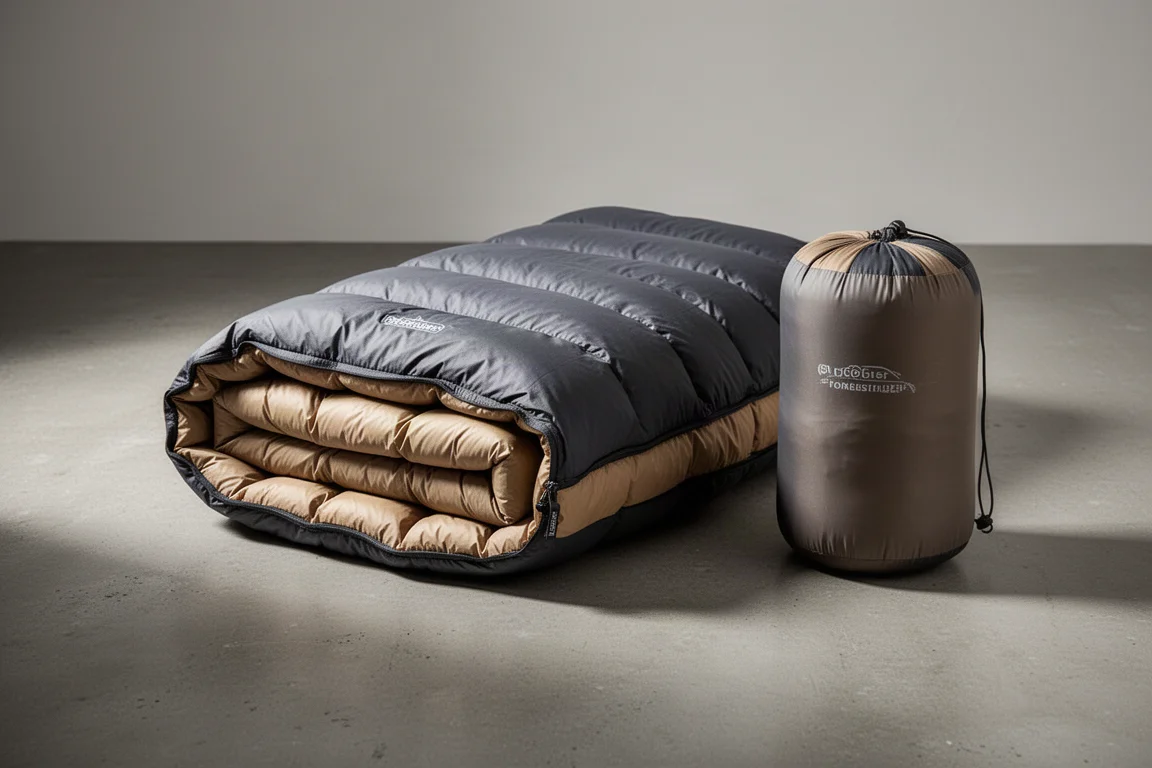
The Bandit Top Quilt 30 weighs 20 ounces and, like its 20°F sibling, treats the advertised 30°F rating as the comfort rating. It is heavier than the 18-ounce Therm-a-Rest Hyperion 32 in the same group, which is the reverse of how those two brands compare in the 20°F range.
Therm-a-Rest Chorus 32
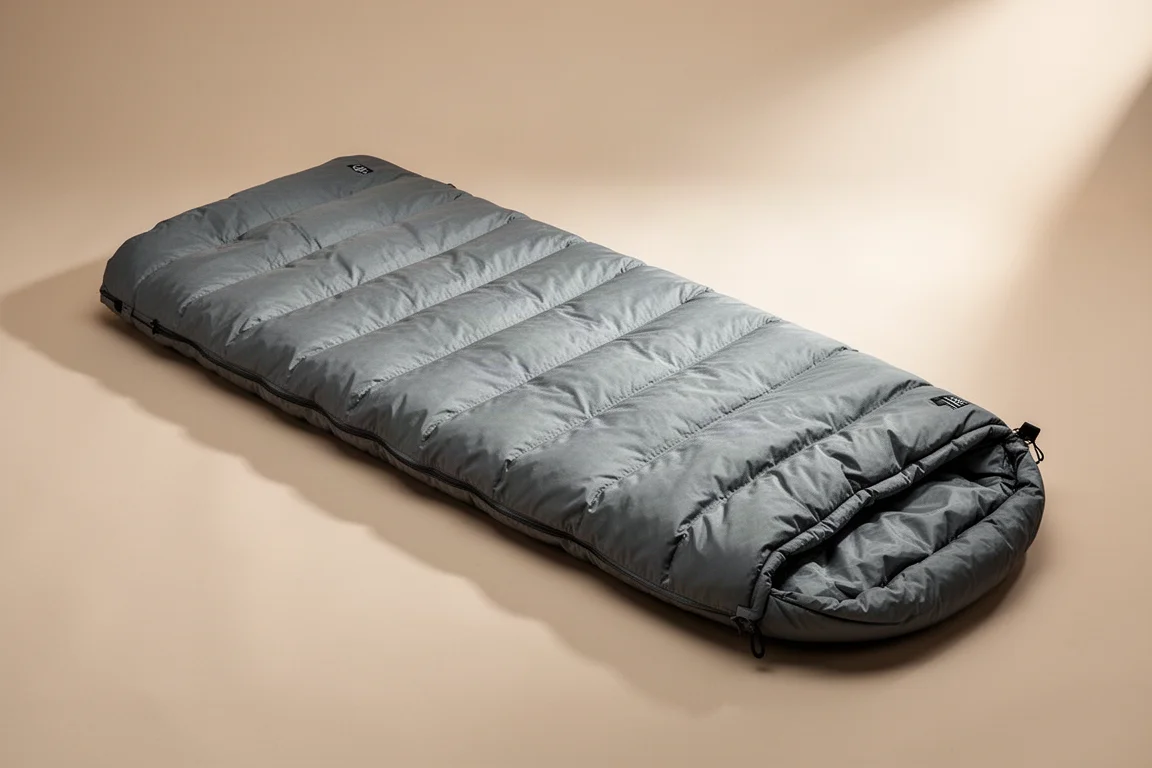
The Chorus 32 is a quilt with 650 fill power down, a 21-ounce packed weight and a comfort rating of roughly 41°F. It carries the lowest fill power of anything in the 30°F group, and its comfort figure reflects that.
Therm-a-Rest Hyperion 32
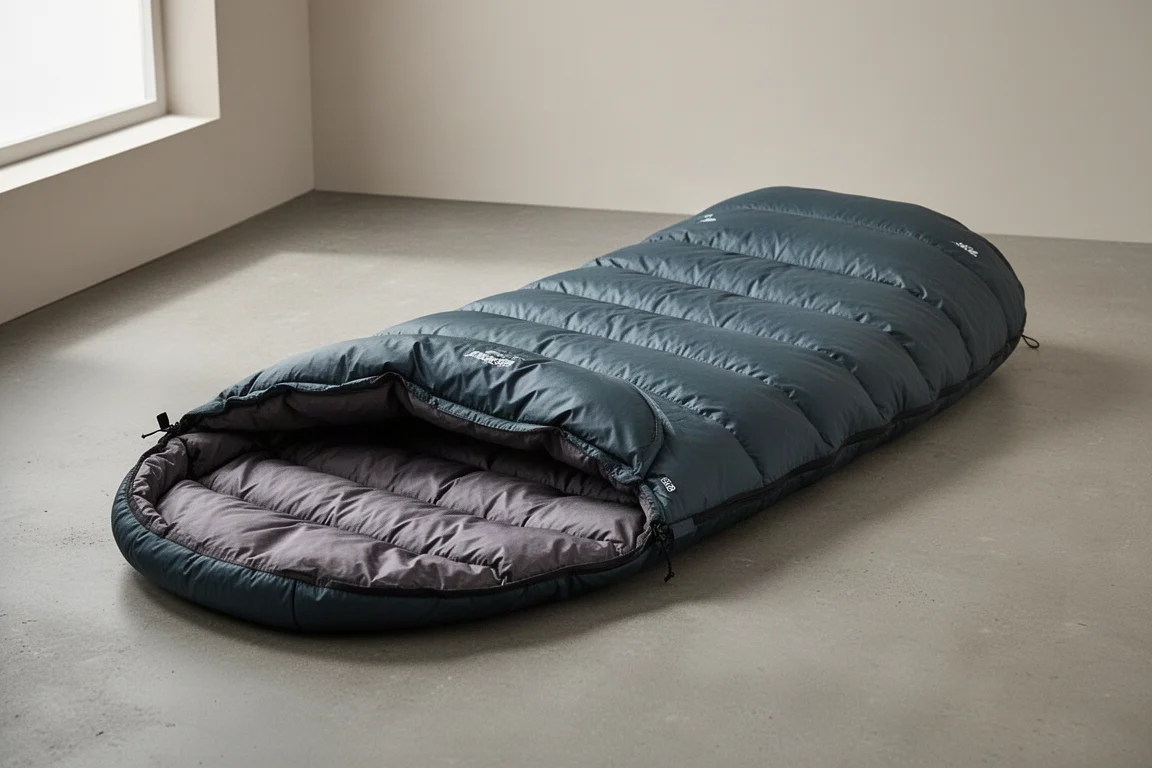
The Hyperion 32 is an 18-ounce sleeping bag with a 32°F advertised rating and 900 fill power down, the highest fill power weighed here. Its comfort rating is closer to 40°F to 41°F, and in practice it does not hold up below roughly 40°F.
For a ground sleeper, that is the useful takeaway: a high fill power number describes the insulation, not the temperature at which a bag will keep you comfortable.
Exped X-Pad UL 32
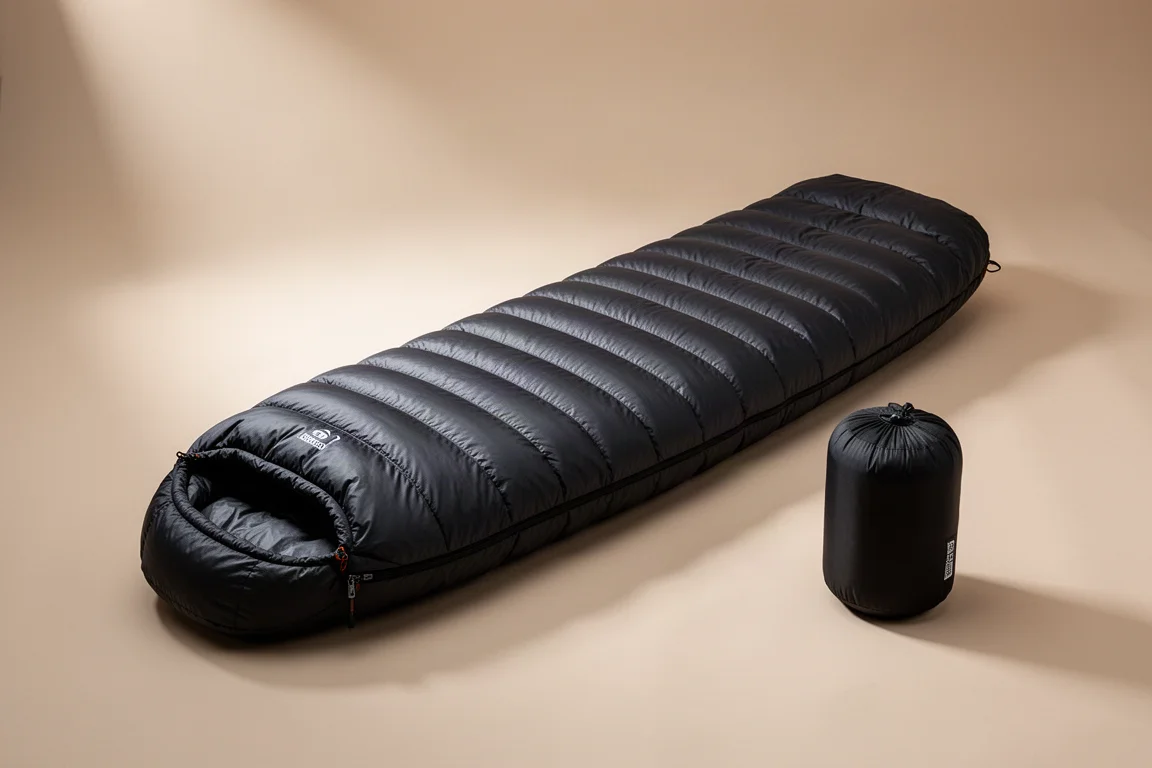
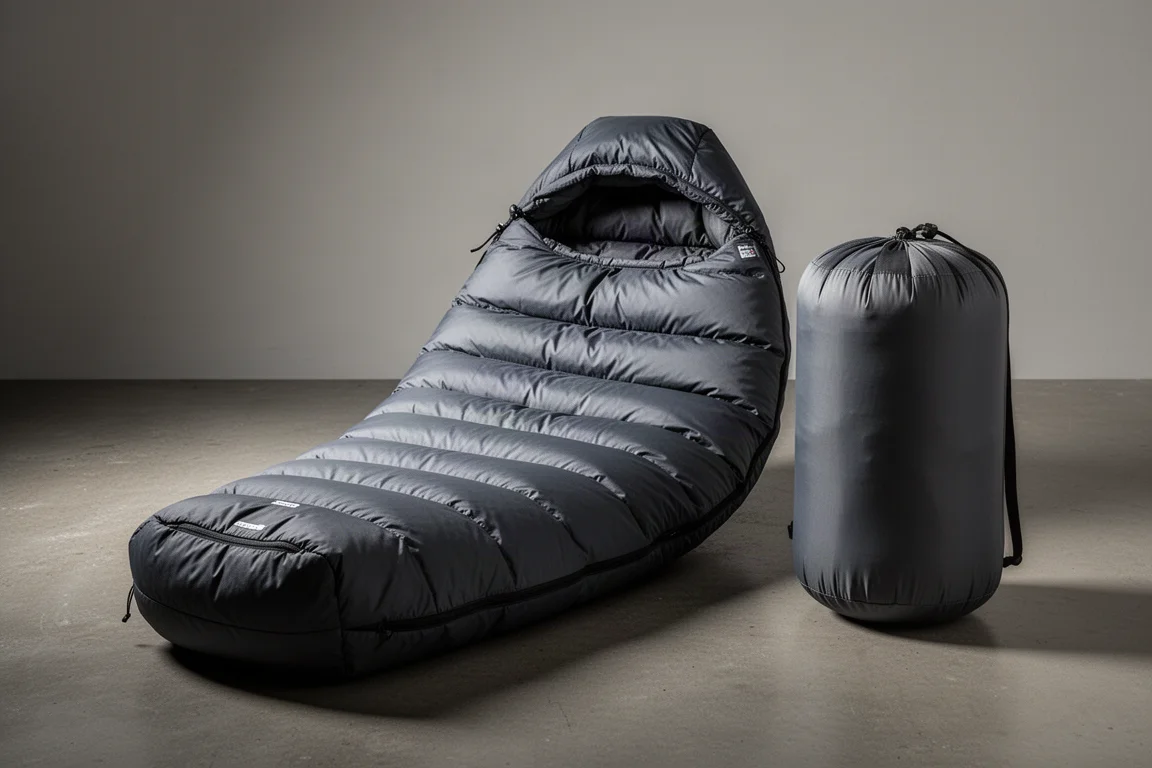
The X-Pad UL 32 is the heaviest sleep system in the 30°F group at 32 ounces, and part of that weight is a bulky, heavy stuff sack. It carries a 32°F comfort rating, the most conservative rating figure in this part of the comparison.
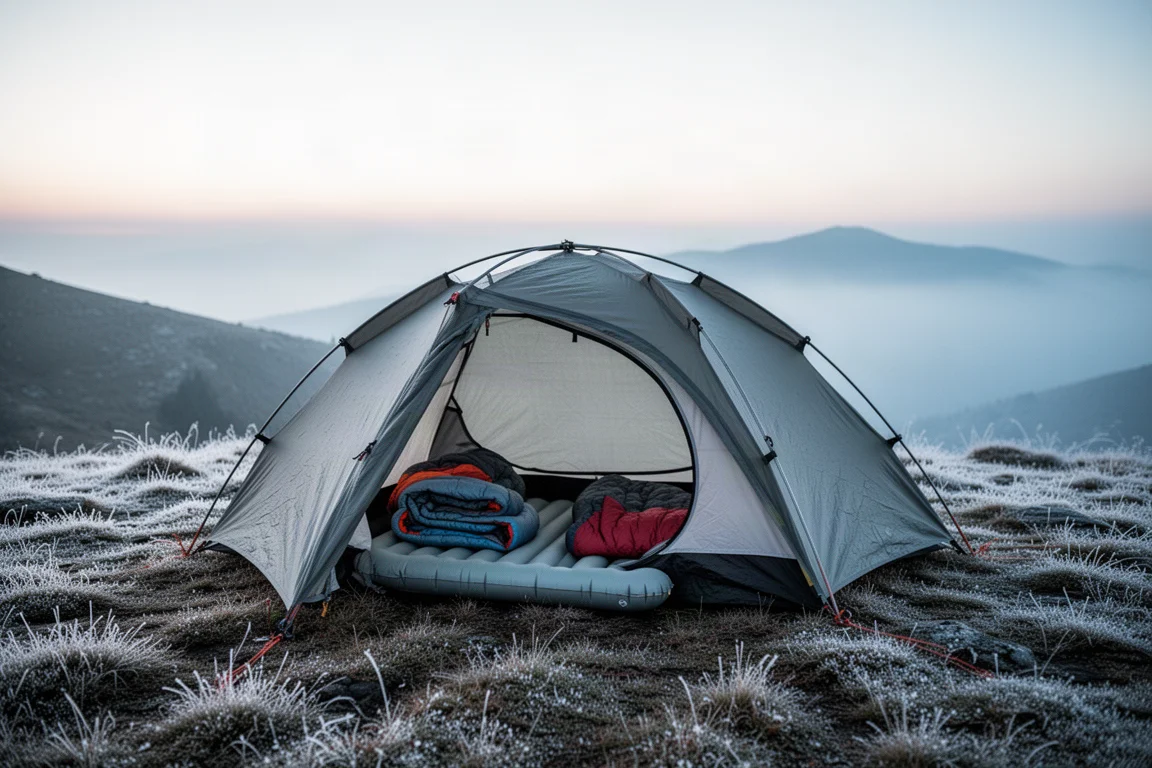
Packed volume is worth weighing alongside grams here. A sleep system that fills more of a pack changes how the rest of your kit gets carried, and a generous stuff sack can make an otherwise reasonable bag feel heavier than its scale weight suggests.
What to Weigh Before You Buy
Start with the two things that decide how a night actually goes: the comfort rating and your sleeping style. Side sleepers, stomach sleepers and anyone who rolls around a lot will find a quilt easier to manage, while a cold sleeper or someone who wants the least possible fiddling on a trip is usually better served by a bag that zips closed and has a hood.
Then look at the rest of the system. A quilt only performs to its rating when the sleeping pad underneath matches the temperatures you are camping in, and the straps that hold it in place become part of your nightly routine. A sleeping bag is heavier, but it asks for less attention.
Budget plays a role too, and it often settles the question before any of the technical detail does. Weight should be one input among several rather than the whole argument, and the honest summary is that a quilt is lighter but is not automatically the better option.
Conclusion
The weight claim is true: take the back panel and hood off a sleeping bag and you have a lighter product. The useful question is what that saving costs you. Quilts win on pack weight and on comfort for restless sleepers, while sleeping bags win on heat retention, draft control and simplicity for ground sleepers who would rather not manage straps and pad pairing every night. Match the choice to how you sleep, what pad you carry and what you can spend, and either format will serve you well.
Further reading
Related Reviews
Camping Sleep Systems
Backcountry Sleep System Guide: Two Pads and Two Pillows for Colder Nights
Two sleeping pads and two camp pillows that cut pressure points and tossing, plus the quilt setup habits that keep cold air out of your sleep system.
Camping Sleep Systems
Extreme Cold Sleep System: Three Pieces That Make Winter Camping Work
A practical look at the three core pieces of an extreme cold sleep system that together handle wind, cold ground, and moisture on sub-zero nights.
Camping Sleep Systems
NatureHike Ultralight Down Quilt Review: A Versatile Warm-Weather Sleep System
A close look at the NatureHike Ultralight Down Quilt, covering real-world warmth, build quality, weight, sizing, and the one trade-off to expect from any down-filled product.