Backpacking Sleep Systems
Sleeping Bags vs Quilts for Backpacking: Five Sleep Systems Worth Considering
A practical look at five backpacking sleep systems, from full sleeping bags to wide quilts and a quilt-based bed, plus how to decide which one suits your trips.
Introduction
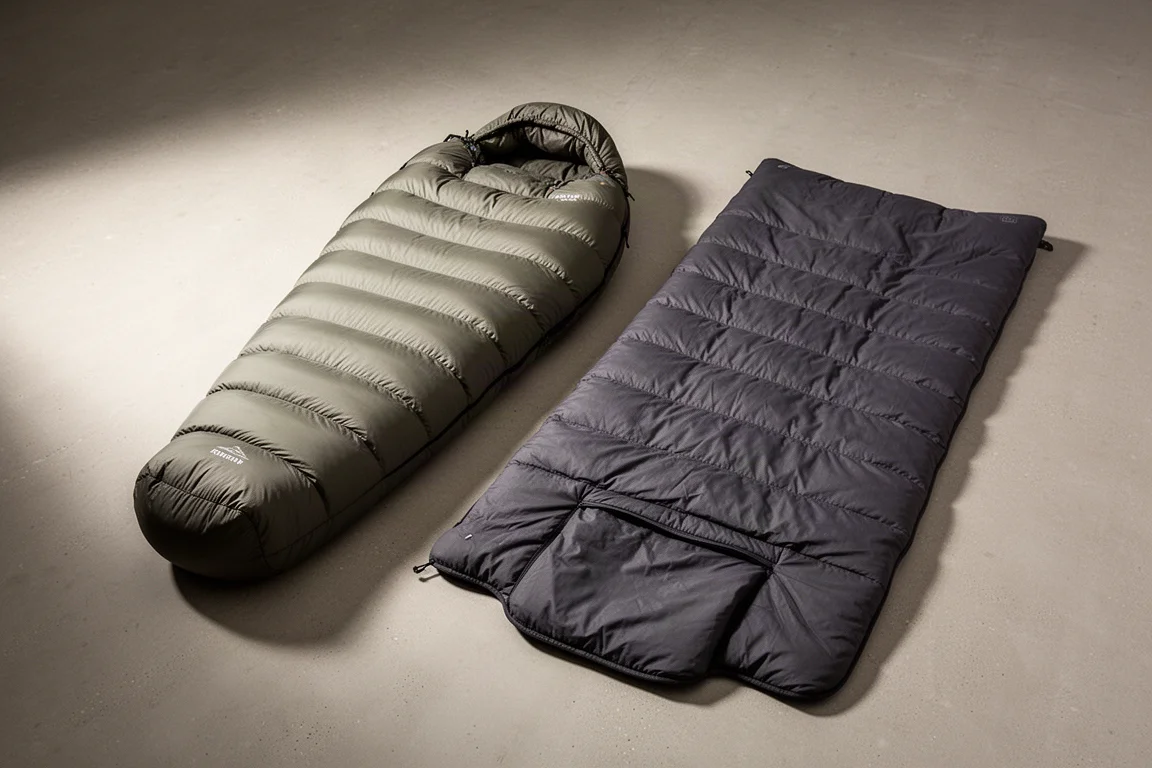
Quilts earned their following for one reason: weight. Remove the back panel, drop the hood, and you shave grams off every step of a long trail. That logic still holds in a hammock, where a quilt wraps around the underside of the hammock and a sleeping bag would mostly compress against nothing.
On the ground, the math gets more complicated. A quilt that drafts, shifts, or needs constant strap adjustments costs sleep, and sleep is the one piece of gear that affects every mile of the next day. After a full season of trips, the balance tipped back toward full sleeping bags for ground sleeping, with a few notable exceptions. This guide looks at five sleep systems: the Sea to Summit Spark, the UGQ Bandit, the Hammock Gear Econ, the Big Agnes Torchlight UL, and the ZenBivy Light Bed.
What Actually Matters in a Backpacking Sleep System
Start with the obvious trade. A quilt saves weight because it removes material you would otherwise carry. What it also removes is the feeling of being fully covered, and for a lot of people that feeling is worth more than the grams.
The practical problems with quilts are rarely about warmth ratings. They are about small, repeated tasks: clipping pad straps, re-seating the quilt after rolling over, sealing the edges when you move. A 55 inch wide quilt is generous on paper, and it still behaves differently than a bag when a side sleeper turns through the night.
Sleeping bags carry their own compromise. You compress the underside insulation when you lie on it, so manufacturers deliberately reduce the fill on the back panel, often putting the majority of the insulation on top. That means the bottom of a bag contributes less warmth than its loft suggests. Even so, having fabric and a little fill between you and the pad feels more secure than an open edge, and that sense of being cocooned matters over a long night.
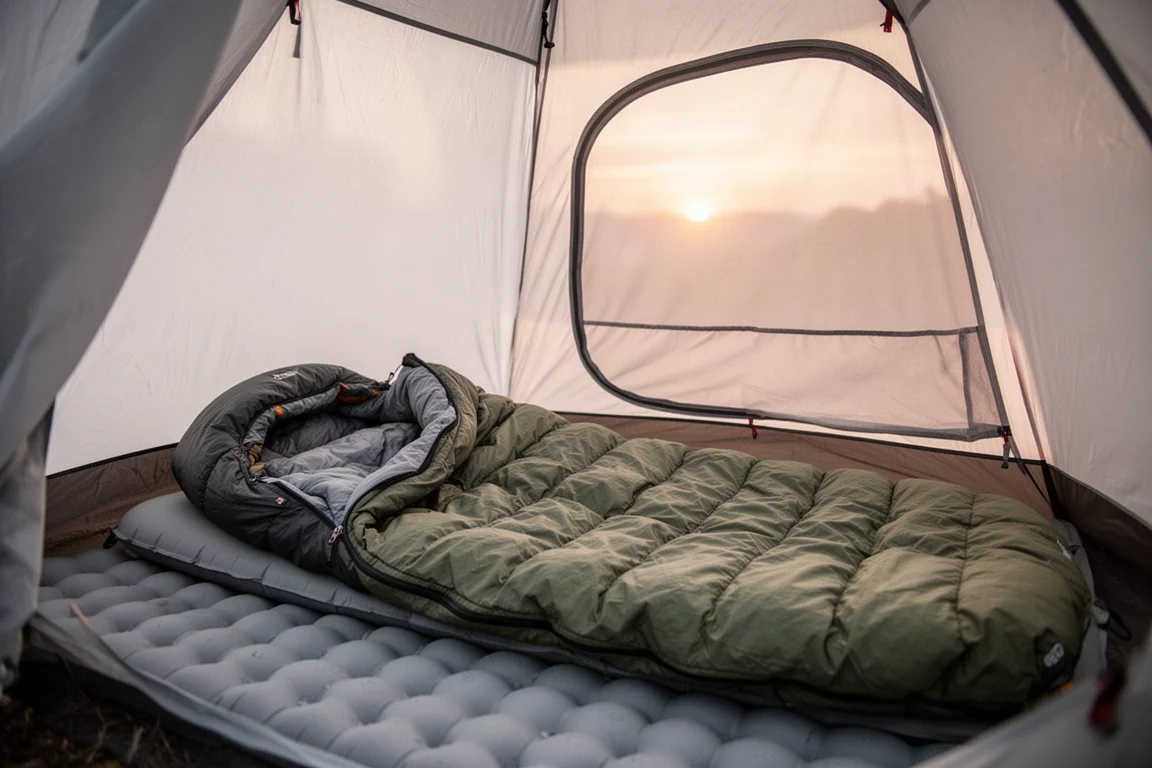
Modern bags also answer the claustrophobia objection. Roomier shapes and expandable panels give far more interior space than older tapered designs, and a hood is a genuine comfort feature that a quilt simply does not have. Weight still counts, and nobody should pretend otherwise. But the useful question is not which system is lightest. It is which system lets you sleep through the night without waking up to fix it.
Sea to Summit Spark: The Bag That Won Out
The Sea to Summit Spark became the default for the majority of ground trips over a season, and it is a good illustration of why the switch happened. There is nothing complicated about using it. You get in, the hood goes over your head, and the bag covers you completely. No straps, no edge management, no readjusting in the middle of the night.
That simplicity turned out to be the deciding factor. When a sleeping bag delivers the better experience on most trips, the weight saved by a quilt stops being the priority.
UGQ Bandit: A Wide Quilt With Familiar Trade-Offs
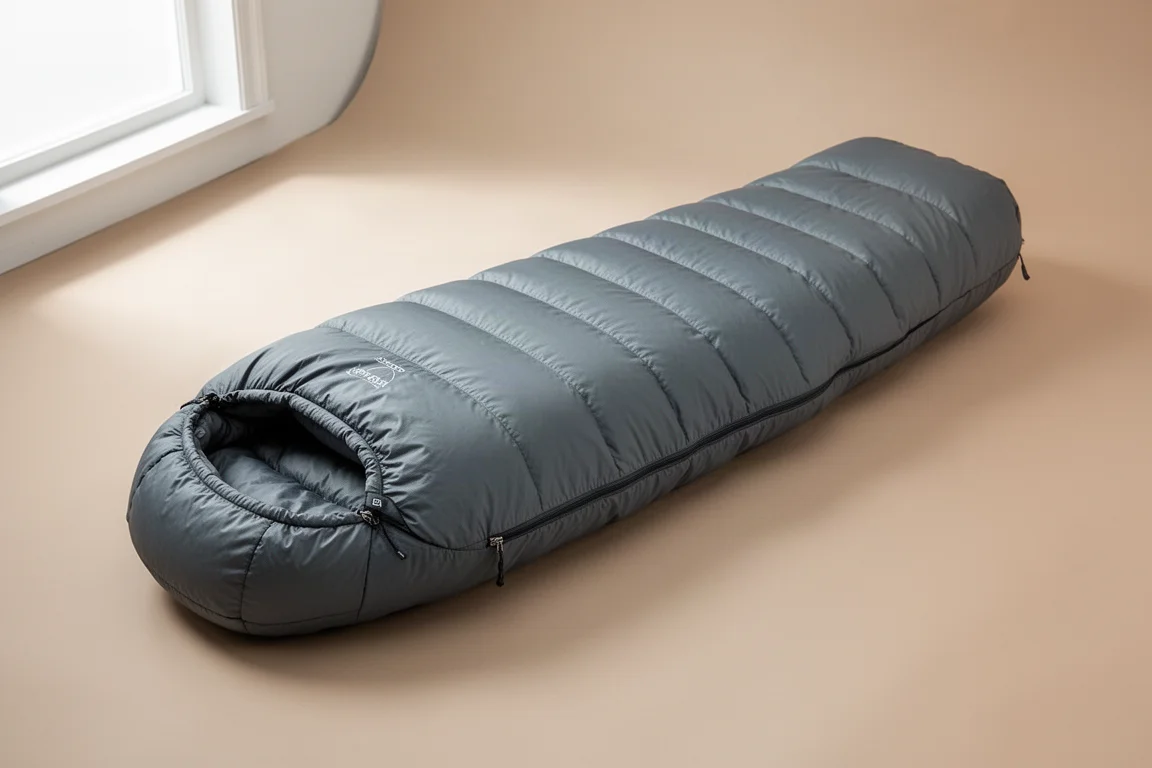
The UGQ Bandit is a high quality top quilt, and the 55 inch wide version is a genuinely roomy piece of gear. Width helps, but it does not eliminate the two things that make quilts tiresome on the ground: pad straps and drafts.
Side sleepers roll. When you roll, the quilt edge moves with you, and the seal you built before falling asleep is gone. Fixing that properly would mean going much wider still, at which point the quilt starts to look less like a weight saving and more like a different shape of bed.
None of this makes the Bandit a poor product. It makes it a good quilt with the same handling demands as any good quilt.
In a hammock, those demands mostly disappear, because the quilt wraps around the hammock rather than around a flat pad. It is the ground setup that exposes the friction.
Hammock Gear Econ: Lessons From a First Quilt
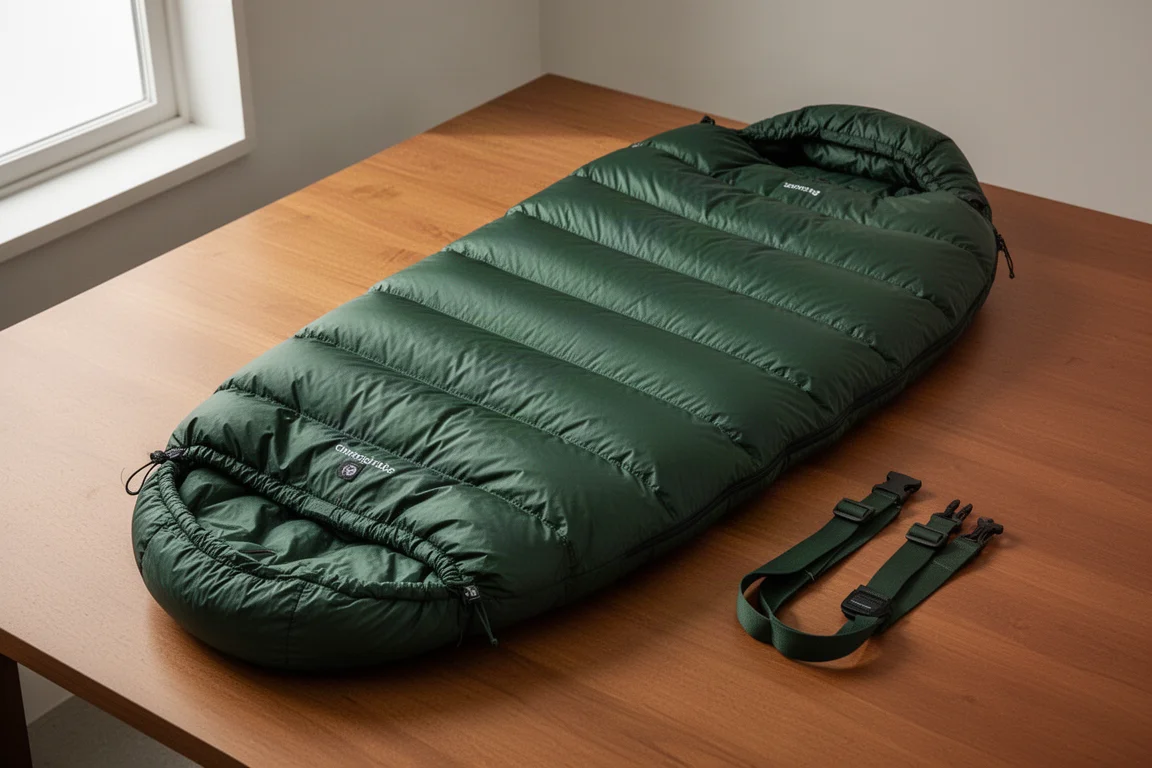
The Hammock Gear Econ was a first quilt, and it is a useful reminder that quilt sizing is not forgiving. This one was bought too short and too narrow, and it was not chosen with ground sleeping in mind. The result was a quilt that never really had a fair chance.
The lesson is straightforward. If you go the quilt route, buy for your actual body and your actual sleeping position, and decide up front whether you are sleeping on the ground or in a hammock. Hammock Gear also offers under quilts and top quilts that suit hammock sleeping well, which is where a quilt system makes the most sense.
Big Agnes Torchlight UL: Expandable Room Inside a Bag
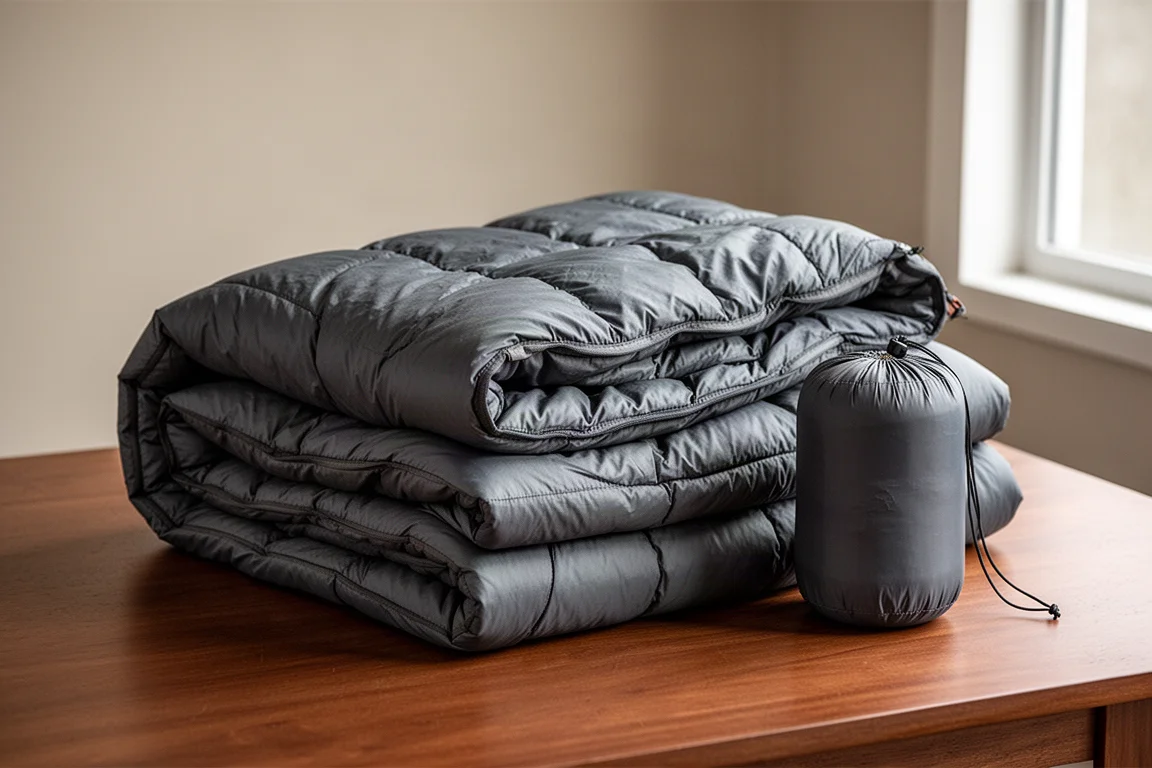
The Big Agnes Torchlight UL tackles the main reason people leave sleeping bags: feeling restricted. Zipper panels along the side let you tighten the bag for warmth or open it up for more interior space, so the same bag can feel snug on a cold night and roomy on a mild one.
It also keeps the traditional hood, which is one of the features most missed after moving to a quilt. Combine that with full coverage and the result is a bag that sleeps well for anyone who moves around at night, without asking you to manage straps or edges.
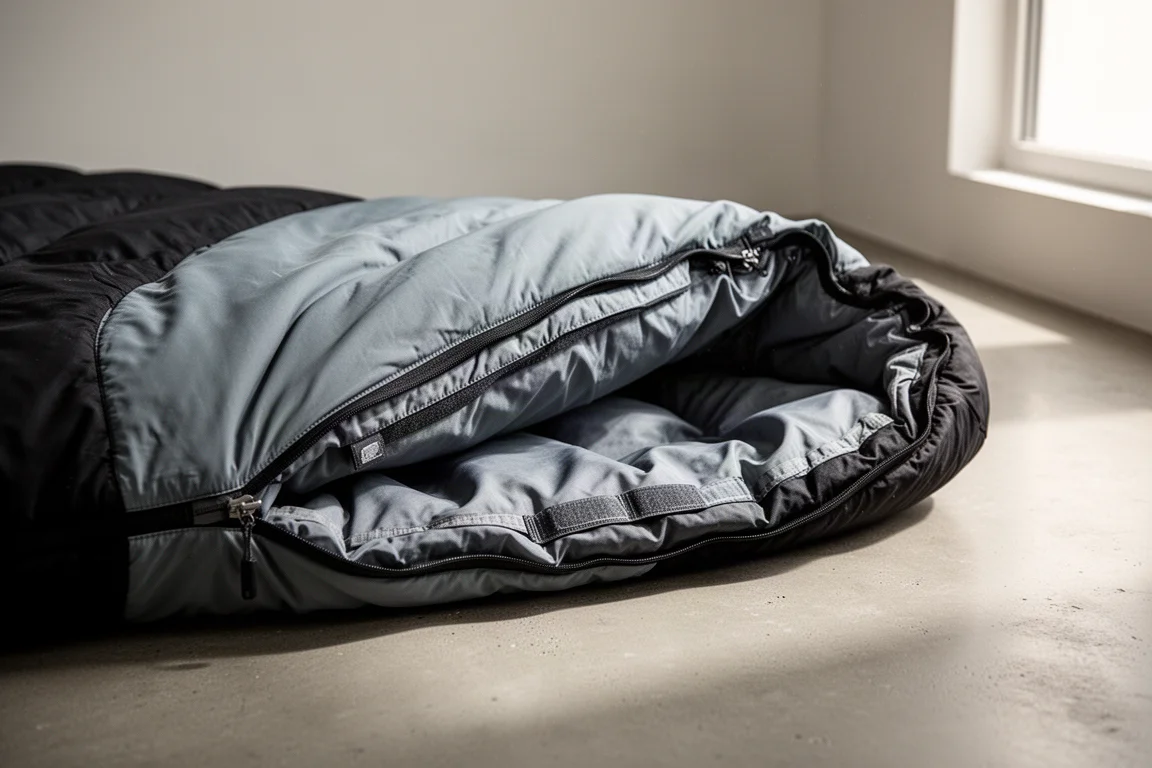
That flexibility is the interesting part. A sleeping bag no longer has to mean a fixed, narrow mummy shape for the whole night.
ZenBivy Light Bed: A Quilt System Built Like a Bed
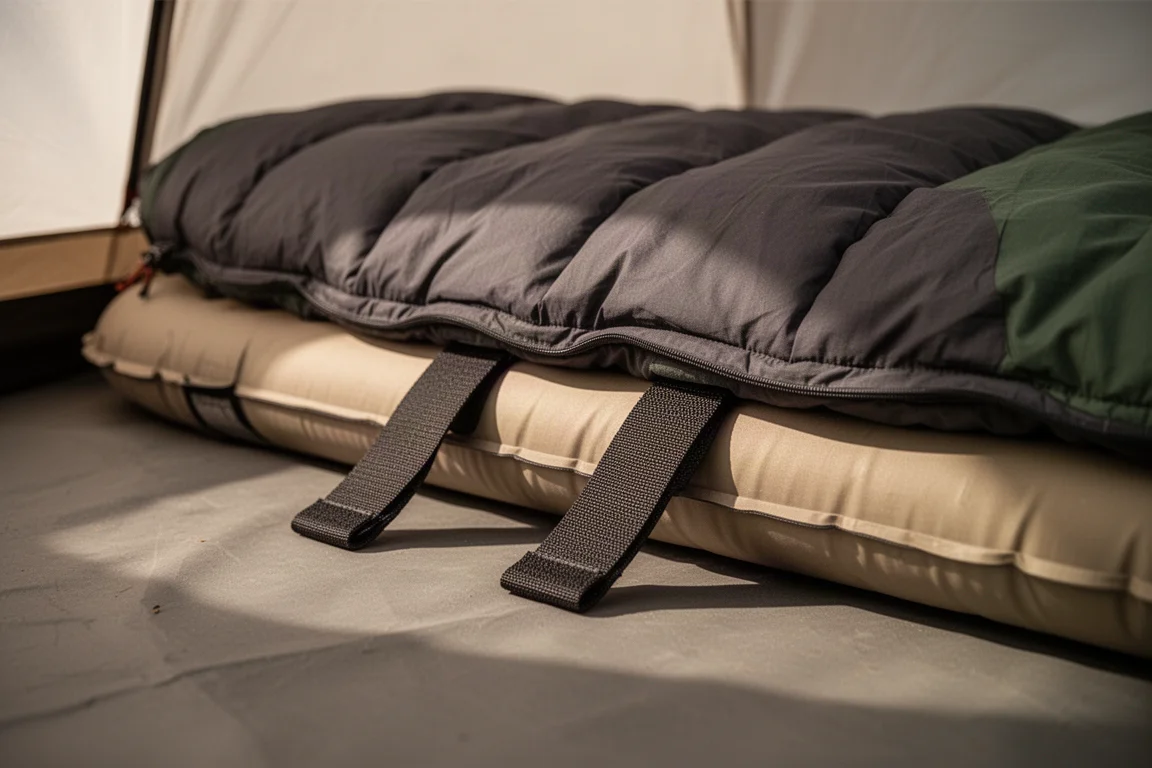
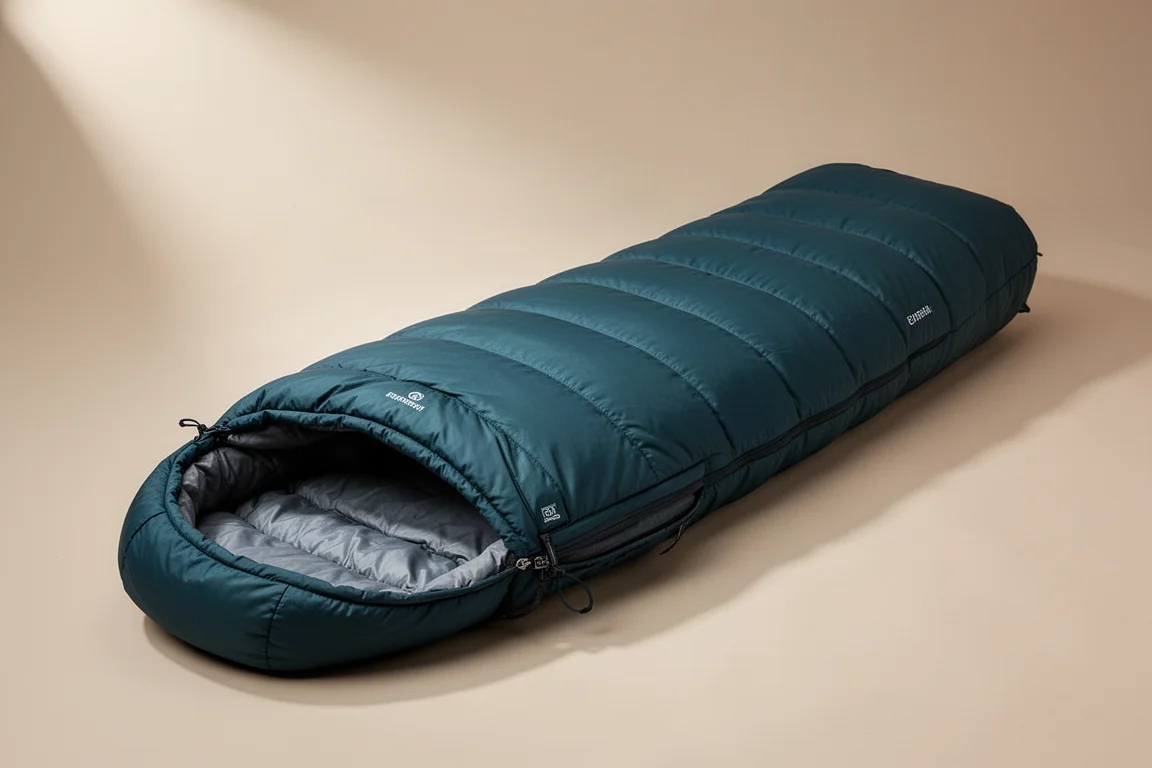
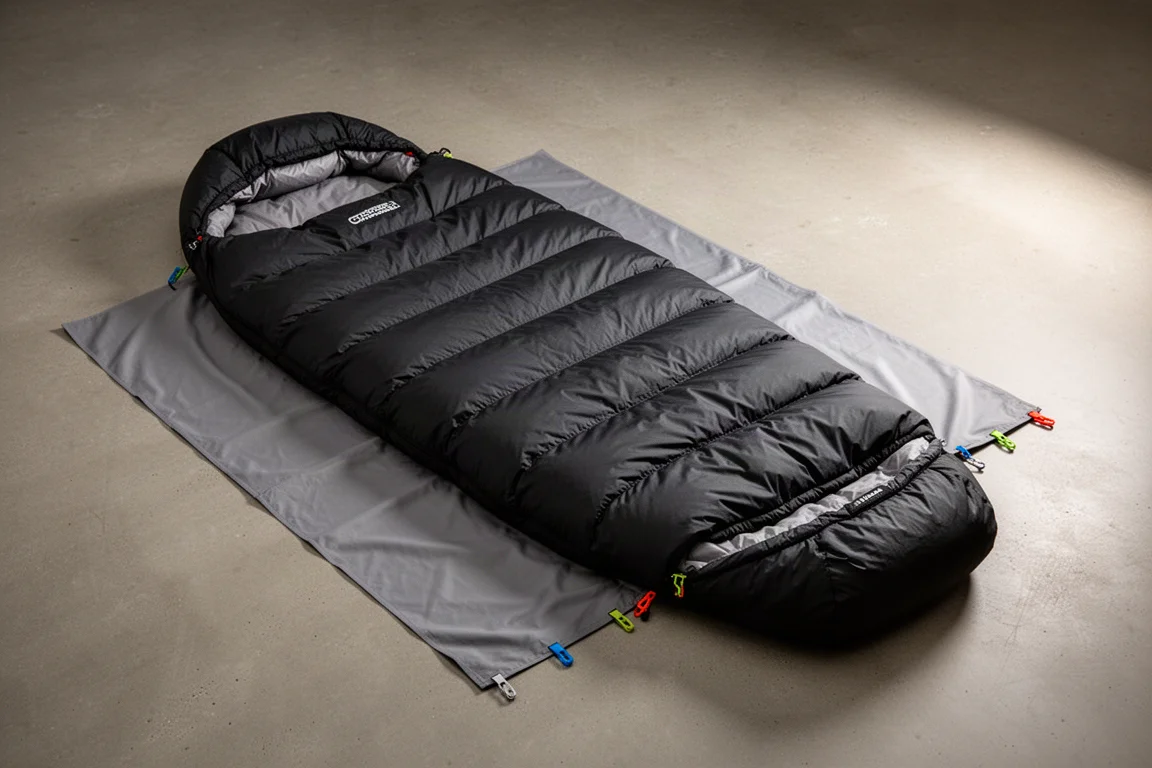
The ZenBivy Light Bed is the option that makes a quilt work on the ground. It attaches to a fitted sheet on the sleeping pad, and the attachment points hold the quilt in place, which removes the draft points responsible for most of the frustration with a loose quilt.
It is also very wide, with generous space all the way through the foot box, so there is room to move without pushing the quilt off the pad. It includes a hood, the feature most often missed when leaving a sleeping bag behind. It is easy to dismiss this as a bulky, busy system before looking closer, and that impression does not survive contact with the details.
One thing does not change. It is still a quilt, so it relies on an insulated pad underneath to deliver its warmth.
How to Choose Between a Sleeping Bag and a Quilt
Start with where you sleep. In a hammock, a quilt is the natural choice, and an under quilt paired with a top quilt covers the whole system. On the ground, the decision comes down to how much you value full coverage and how much you dislike fiddling with straps.
If you are a side sleeper who rolls often, either choose a bag or choose a quilt system with a real attachment mechanism. Width alone helps, but it is not the same as a quilt that stays where you put it. If a hood is part of how you stay warm, that points toward a bag or toward a quilt system that includes one.
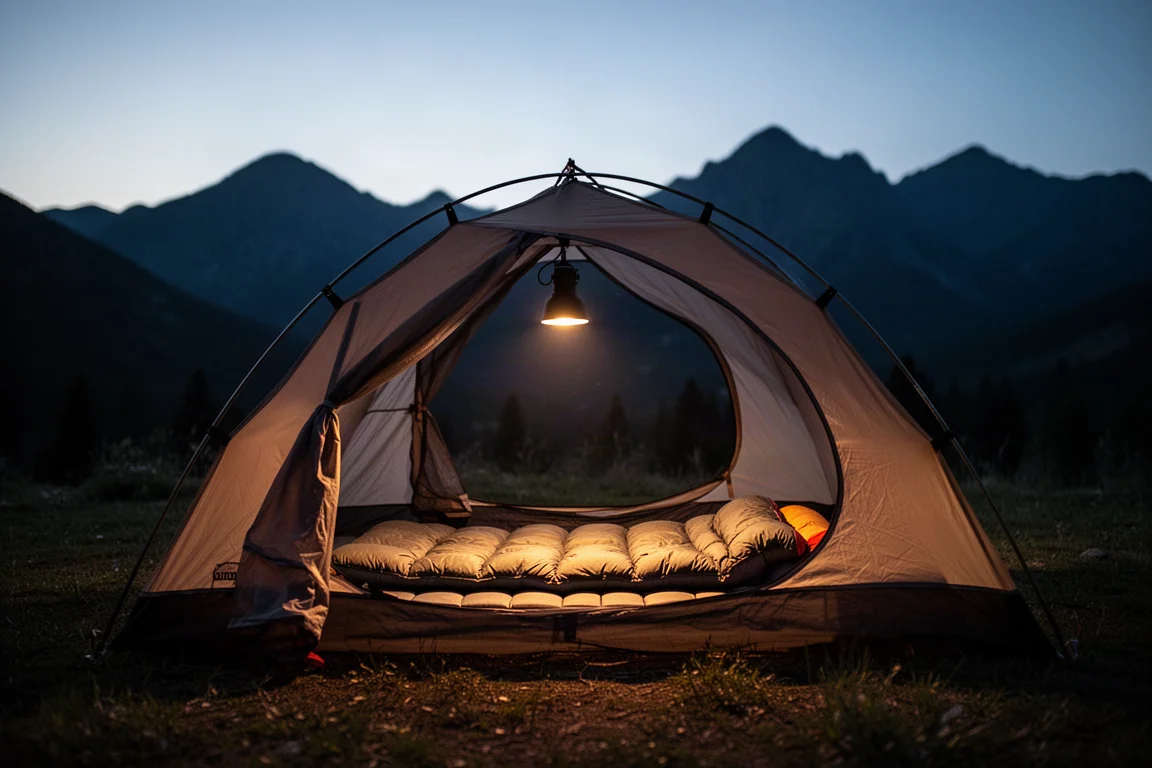
Then weigh the trade honestly. A quilt saves weight, and that saving is real. A sleeping bag adds grams and, for many people, delivers noticeably better sleep. If you are covering long days, the second one tends to win.
Whatever you choose, the pad underneath matters. A quilt in particular needs an insulated pad to perform, and a bag benefits from one too, since the compressed underside contributes far less warmth than the top.
Conclusion
Quilts are not going anywhere, and in a hammock they remain the sensible answer. On the ground, the case for a full sleeping bag is stronger than the weight charts suggest. The Sea to Summit Spark shows how little friction a good bag adds to a night. The UGQ Bandit shows what a wide quilt can and cannot solve. The Hammock Gear Econ shows why sizing matters so much. The Big Agnes Torchlight UL shows how much room a modern bag can offer. The ZenBivy Light Bed shows that a quilt can behave like a bed when it is built for ground sleeping. Pick the system that gets you through the night, then enjoy the miles.
Further reading
Related Reviews
Backpacking Sleep Systems
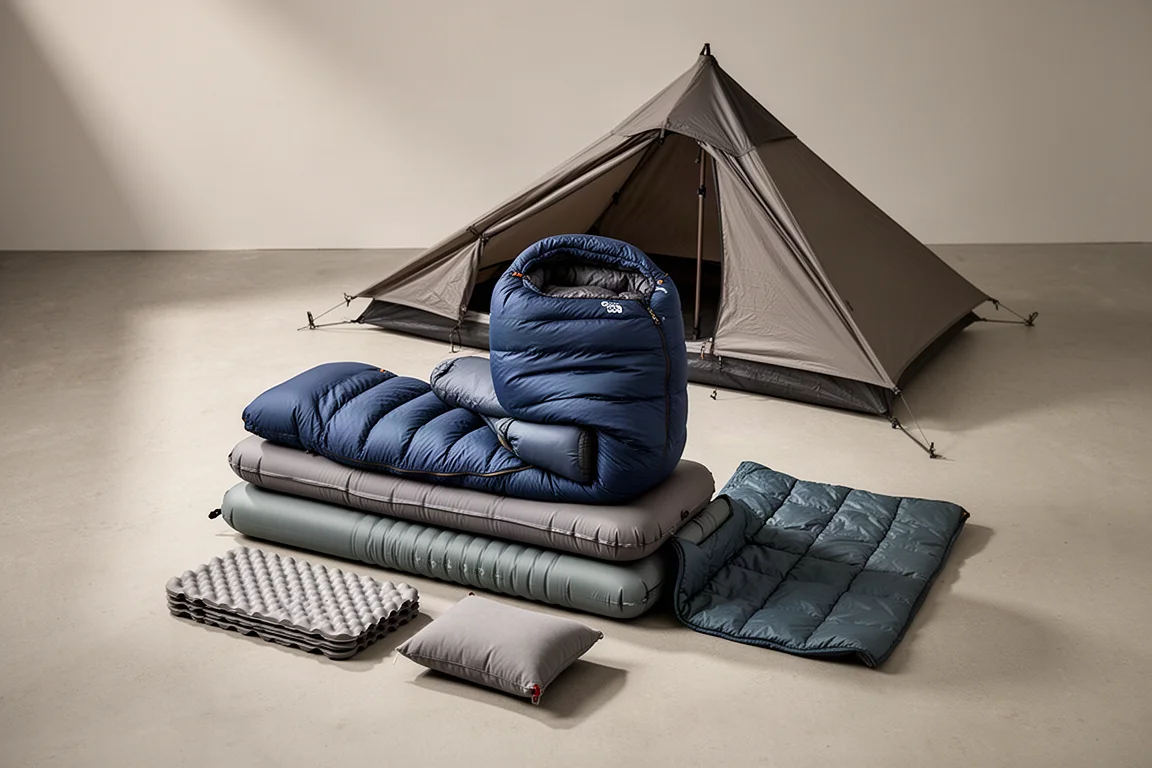
Extreme Cold Sleep System: Six Backpacking Layers for Deep Winter Warmth
A bottom-up look at a six-piece winter sleep system, from a foam ground mat to a floorless shelter, and the reason each layer earns its place.
Backpacking Sleep Systems
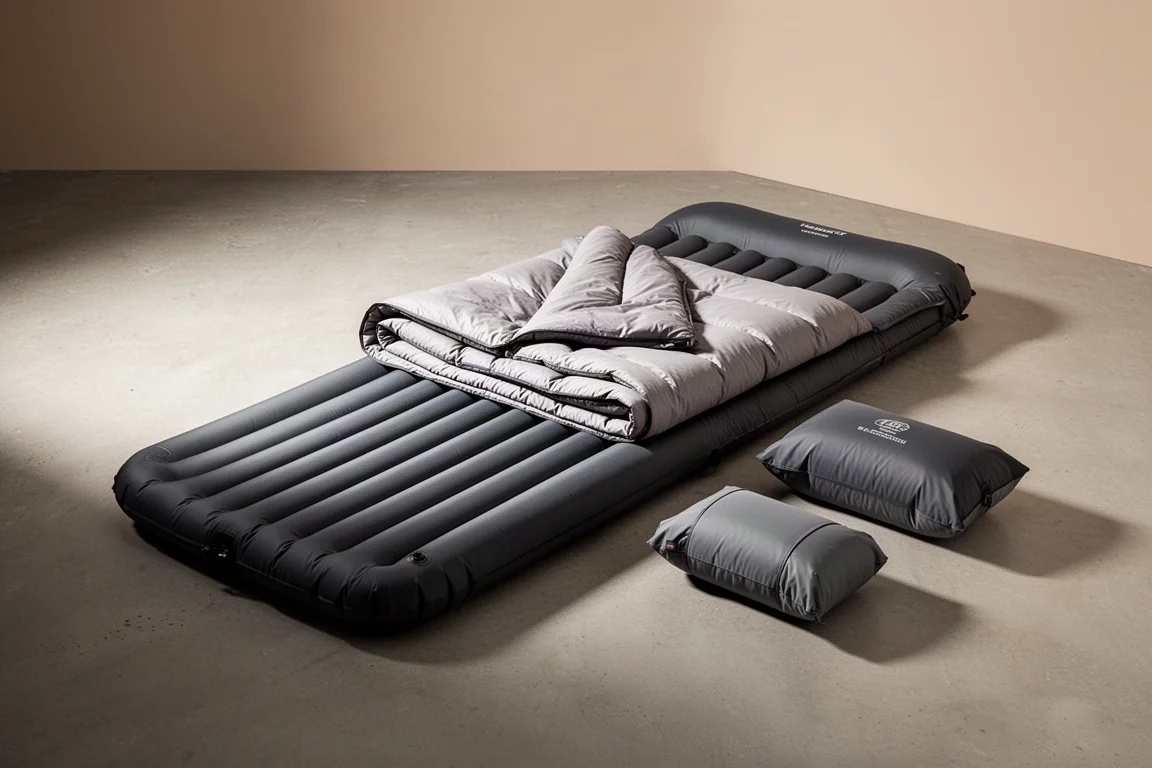
Luxury Backpacking Sleep System: Four Pieces That Feel Like a Bed at Home
A wide, thick sleeping pad, a draft-free quilt, a generously cushioned pillow, and a few small habits that bring backcountry sleep much closer to home.
Backpacking Sleep Systems
Quilts vs Sleeping Bags for Backpacking: Five Sleep Systems Compared
A practical look at five backpacking sleep systems, from wide quilts to adjustable sleeping bags and a ground-focused quilt bed, and how to choose between them.