Camping Sleeping Pads
Skymac Air Mattress Review: Four Inches of Memory Foam for Around $75
A four-inch memory foam sleeping pad that brings premium-pad comfort to a budget price, plus the practical trade-offs worth knowing before you buy.
Introduction
A good night’s sleep decides whether a trip becomes a memory or a story about leaving early. Sleeping pads carry more of that burden than almost any other piece of camp furniture, and the market splits cleanly in two: thin pads that pack small and cost little, and thick memory foam pads that sleep like a real bed and cost a great deal.
The Skymac Air Mattress belongs to the second group on comfort and the first group on price.
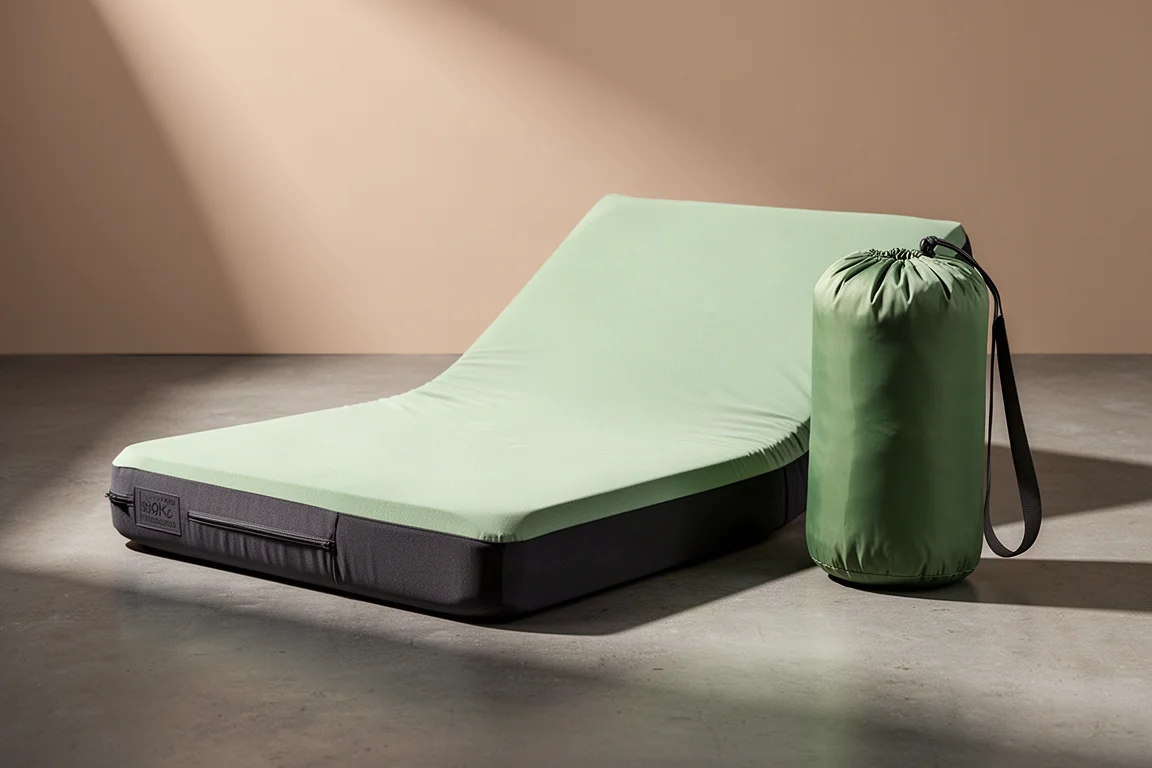
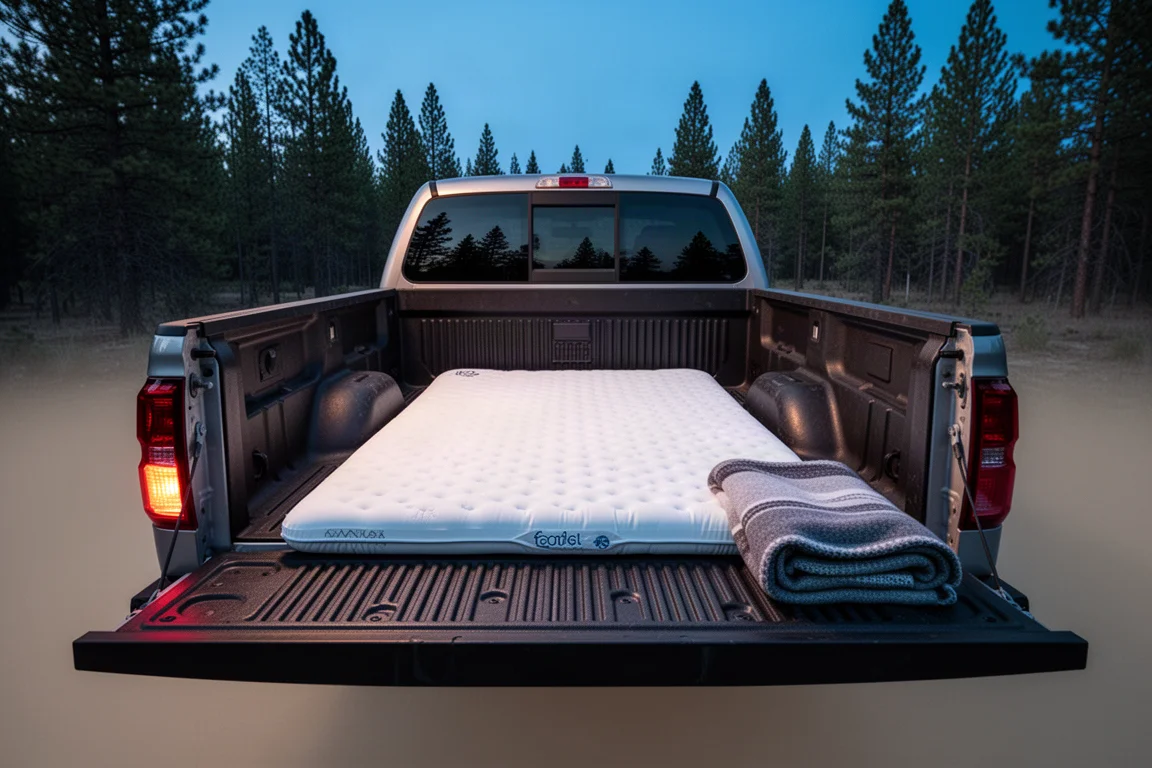
It is a four-inch-thick self-inflating sleeping pad built around memory foam, sized for one sleeper at 79 inches long and 28 inches wide, and it weighs seven pounds. It sells for around $75, and it is designed to be used anywhere a reasonably flat surface exists: a truck bed, an SUV cargo area, a cabin floor, or a large tent.
That thickness-to-price ratio is unusual. Most pads this deep are premium products, and the closest well-known alternative retails for several times as much. The real question is whether the Skymac still feels like a good decision after a dozen nights on it.
Who the Skymac Air Mattress Is For
The clearest use case is truck and SUV camping. A pad this thick turns the bed of a pickup or the back of an SUV into a genuinely comfortable place to sleep, which is exactly the setup this pad was designed around. Because the foam layer sits between you and the metal or plastic beneath, cold air rising from the vehicle floor is much less of a problem than it is with a thin inflatable pad.
It also works well outside the vehicle. It fits inside a large tent, on a cabin floor, or in a spare room, and it is easy enough to carry to a friend’s place or a family member’s apartment for a few nights. The two-person version opens the pad up to couples, and at roughly $140 to $150 for the larger size, it stays well below what a comparable premium pad costs.
Side sleepers are the group most likely to notice the difference. Four inches of memory foam gives hips and shoulders somewhere to go, which is the main reason this style of pad exists at all.
Comfort and Build Quality
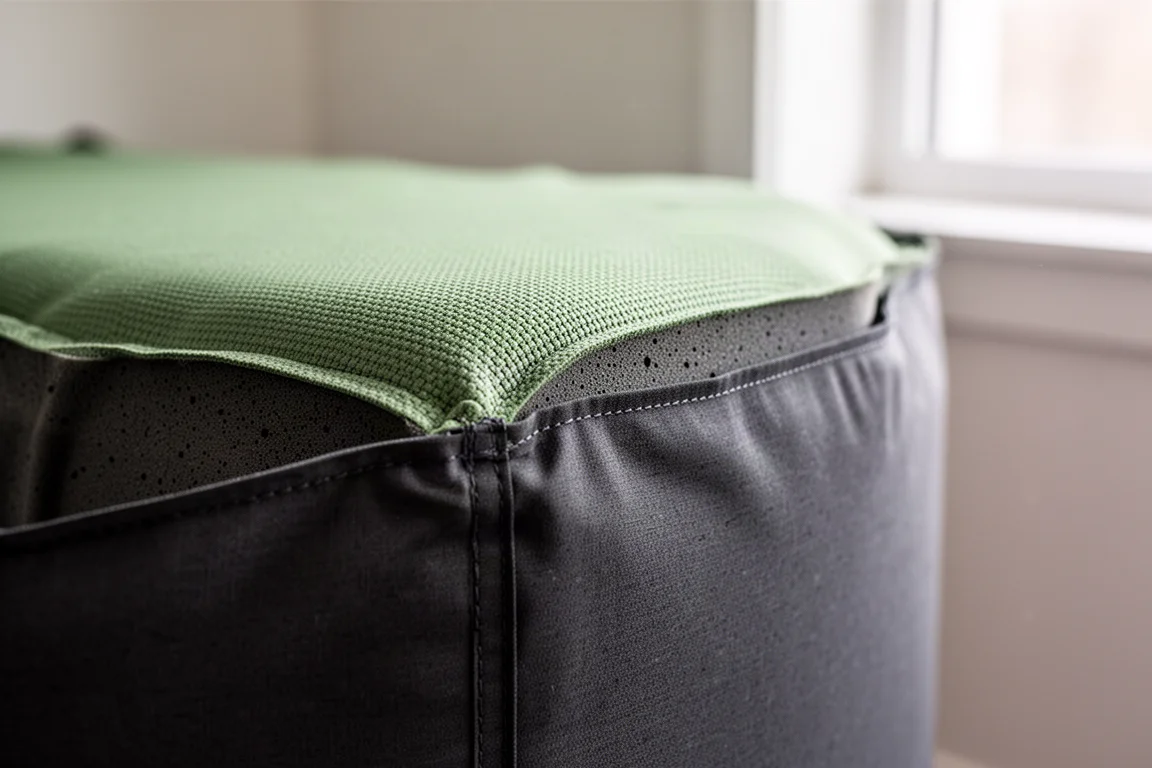
Comfort is where the Skymac makes its case. The four-inch memory foam core supports the body in any position, and side sleeping in particular holds up well because the foam compresses gradually instead of bottoming out. The surface fabric stays comfortable against skin, including bare arms and legs on warm nights, and it does not carry the cold, slightly damp feel that some inflatable pads develop.
Construction has held up well over extended use. The seams are clean, the materials look well put together, and nothing about the pad suggests it was built to a price in the ways that usually matter.
Sizing is worth setting expectations around. The Skymac measures 79 inches by 28 inches and weighs seven pounds. A comparable four-inch pad from DOD Outdoors measures 82 inches by 31 inches and weighs 10 pounds, and it retails for around $300. The Skymac is a little shorter and a little narrower, and noticeably lighter to carry, but the sleeping experience is very close.
What that means in practice is that taller sleepers and anyone who likes to spread out should check the dimensions before committing, while most average-height sleepers will find the surface area more than adequate. The lighter weight is a genuine benefit when you are moving the pad between a truck bed, a tent, and a guest room.
Warmth and Cold-Weather Performance
Insulation is the part of this pad that is easiest to underestimate, and it is where the foam core earns its keep. Used in a truck bed with temperatures dropping from around 70 degrees Fahrenheit down to about 50 degrees, the pad did an excellent job of keeping cold air from coming up through the base. That is the scenario where cheap air mattresses fail most visibly, and the Skymac handled it without complaint.
There is one gap in the specification sheet worth flagging. The company does not publish an R-value for this pad, so there is no official number to compare against insulated alternatives. Based on the thickness and the weight of the foam, it behaves like a well-insulated pad in the conditions tested, but performance in genuinely cold weather has not been established.
For three-season use in a vehicle, a cabin, or a tent in mild conditions, that is unlikely to be a problem. Anyone planning to sleep on snow or through hard frosts should treat the missing R-value as an open question rather than assume the pad will match a dedicated winter pad.
Versatility and Value
Setting the pad up is straightforward. Unroll it, open the valve, and the memory foam expands on its own, filling the pad to roughly 70 to 80 percent of its full thickness. A couple of breaths finishes the job, and in most situations the included inflation valve is not even needed. The valve itself has two stages: a partial opening that lets air in slowly, and a full opening that fills the pad much faster.
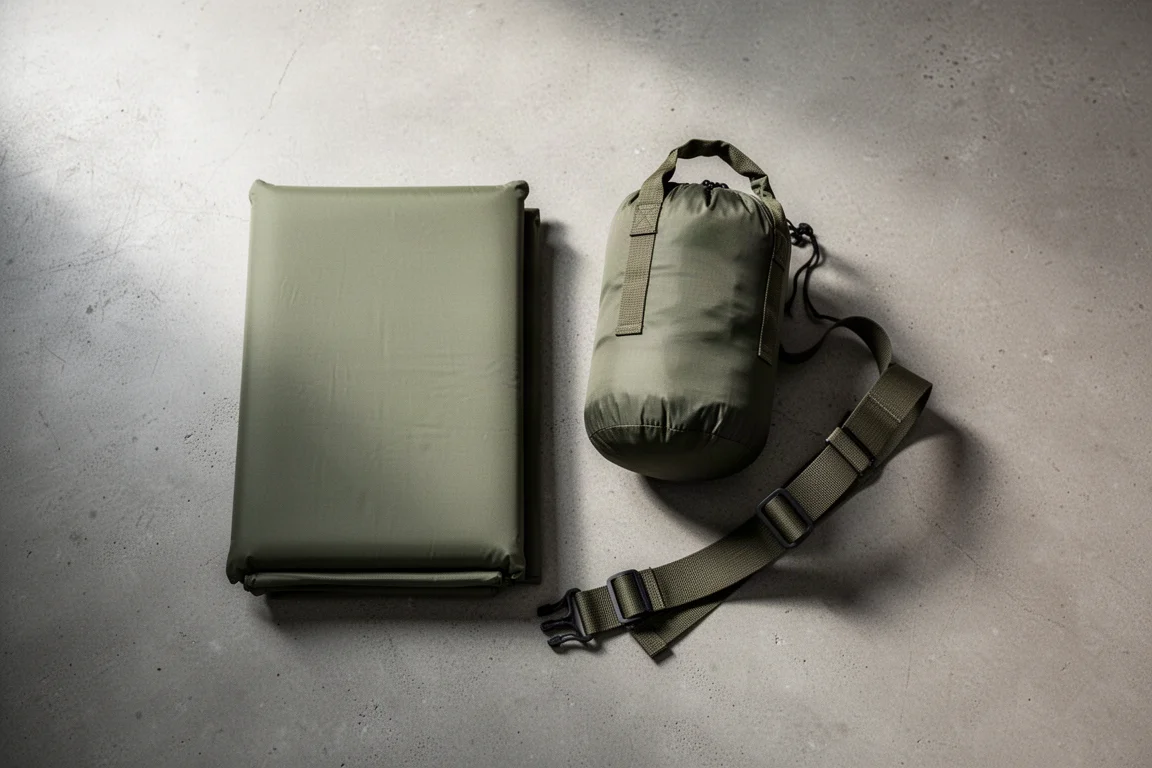
The included storage bag is more useful than most. It has a grab handle, a roll-top closure, and an inflation valve that connects directly to the pad, so the bag can be used to push air in when you want to top the pad up quickly. A compression strap is included as well. The pad comes in a single color combination, with a green top, grey sides, and a dark grey-black base, and it is available in a one-person version and a two-person version.
On price, the Skymac is difficult to argue with. At around $75, with listing coupons occasionally taking another $15 off, it costs a fraction of the premium pad it most closely resembles. The gap between the two is large enough that the savings can fund a significant part of the rest of a camping setup, and the difference in sleeping comfort is small.
Things to Consider Before Buying
The main practical drawback is packing it away. Rolling this pad up takes real effort and a bit of technique, since the foam resists compression and you are effectively pushing air out of a four-inch core by hand. Working from the sides while pressing down with your knees gets it done, but expect it to take a few minutes and some muscle, especially if you want a tight roll.
The second consideration is documentation. The company does not state the material composition of the pad, and it does not publish an R-value. Based on the feel and the construction, the shell appears to be a polyester fabric over a polyurethane memory foam core, and the storage bag is polyester, but those are observations rather than confirmed specifications. If a published R-value or a documented material list matters to you, this pad does not provide either.
Finally, the range is limited. There is one color combination and two sizes, so there is no larger or wider option beyond the two-person version.
Buying Advice
Buy the Skymac Air Mattress if you want bed-like comfort in a vehicle, a tent, or a spare room without paying premium prices. It makes the most sense for truck and SUV campers, side sleepers, couples who want a shared pad in the two-person size, and anyone who needs a comfortable spare sleeping surface for guests or travel. In those roles, the combination of four-inch memory foam, simple self-inflation, and a budget price is hard to beat.
Look elsewhere if you need a published R-value for serious cold-weather camping, if you want the absolute lightest and most packable option, or if you strongly prefer a pad that rolls up quickly and easily. Those are the areas where the trade-offs sit.
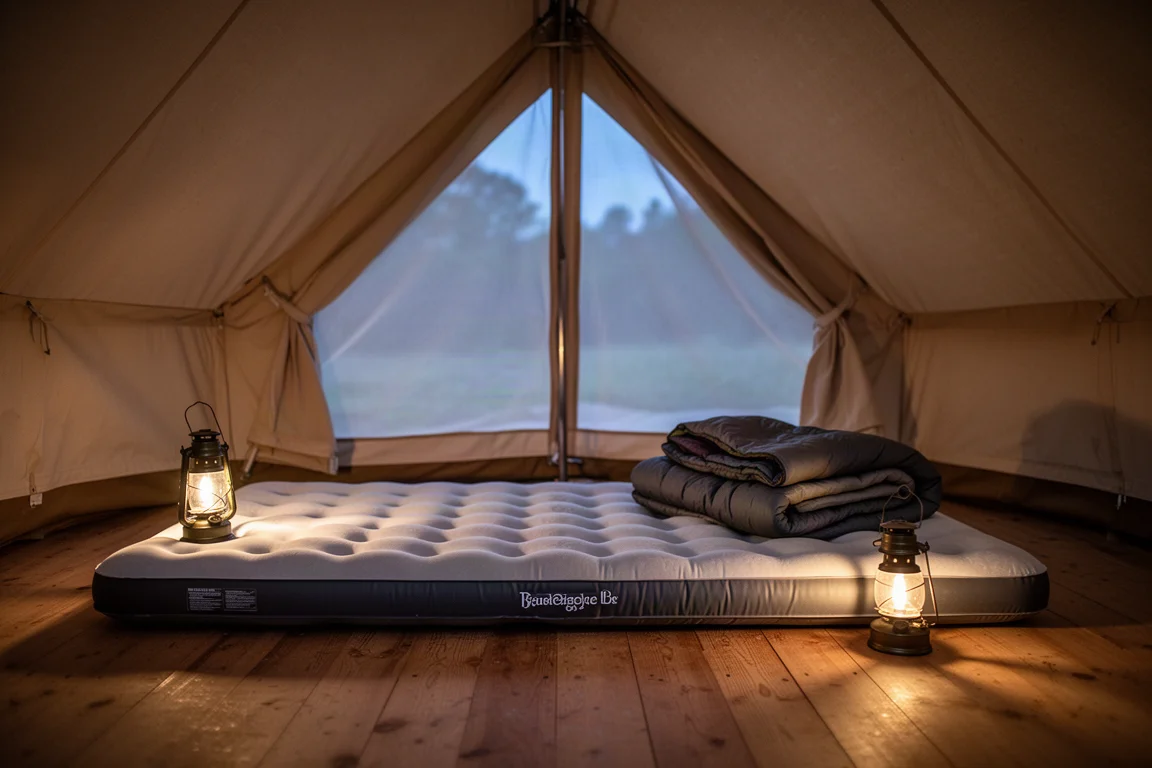
For everyone else, the decision comes down to a simple comparison. A comparable premium pad costs roughly four times as much, and it is a little larger and a little heavier. If the smaller footprint and the extra packing effort are acceptable, the Skymac delivers most of the experience for a small fraction of the outlay.
Conclusion
The Skymac Air Mattress is one of the better value propositions in budget camping sleep. It is thick, genuinely comfortable in every sleeping position, well built, effective at blocking cold air from below in vehicle use, and versatile enough to serve as a guest bed at home. Its weaknesses are limited to a laborious roll-up, unpublished materials and R-value, and a narrow size and color range.
If you want the feel of a premium memory foam sleeping pad without the premium price, this is a straightforward recommendation.
Product link
View more details for Skymac Air Mattress
This product is mentioned in the review. Check the specifications, options, and compatibility before buying.
View more details for Skymac Air MattressFurther reading
Related Reviews
Camping Sleeping Pads
Best Sleeping Pads 2026: Comfort Awards and Top Picks
A comfort-focused roundup of ten sleeping pads, from budget dimpled designs to thick stretch-top models, with gold, silver, and bronze comfort awards.
Camping Sleeping Pads
Best Ultralight Sleeping Pads 2026: Seven Lightweight Pads Compared
Seven sub-600 g sleeping pads compared on weight, comfort, warmth, and price, with clear picks for cold sleepers, comfort seekers, and budget buyers.
Camping Sleeping Pads
DOD Outdoors Soto Air Mattress Review: Comfort First, at a Price
A thick foam-and-air camping mattress with an 8.3 R-value and a clever inflation system, weighed against a premium price and a tight storage bag.