Astrophotography
Sky-Watcher Wave 150i Review: A Strain Wave Mount Built for Faster Setups
Three nights of deep-sky imaging with the Sky-Watcher Wave 150i strain wave mount, covering payload capacity, tracking performance, and what to check before upgrading.
Introduction
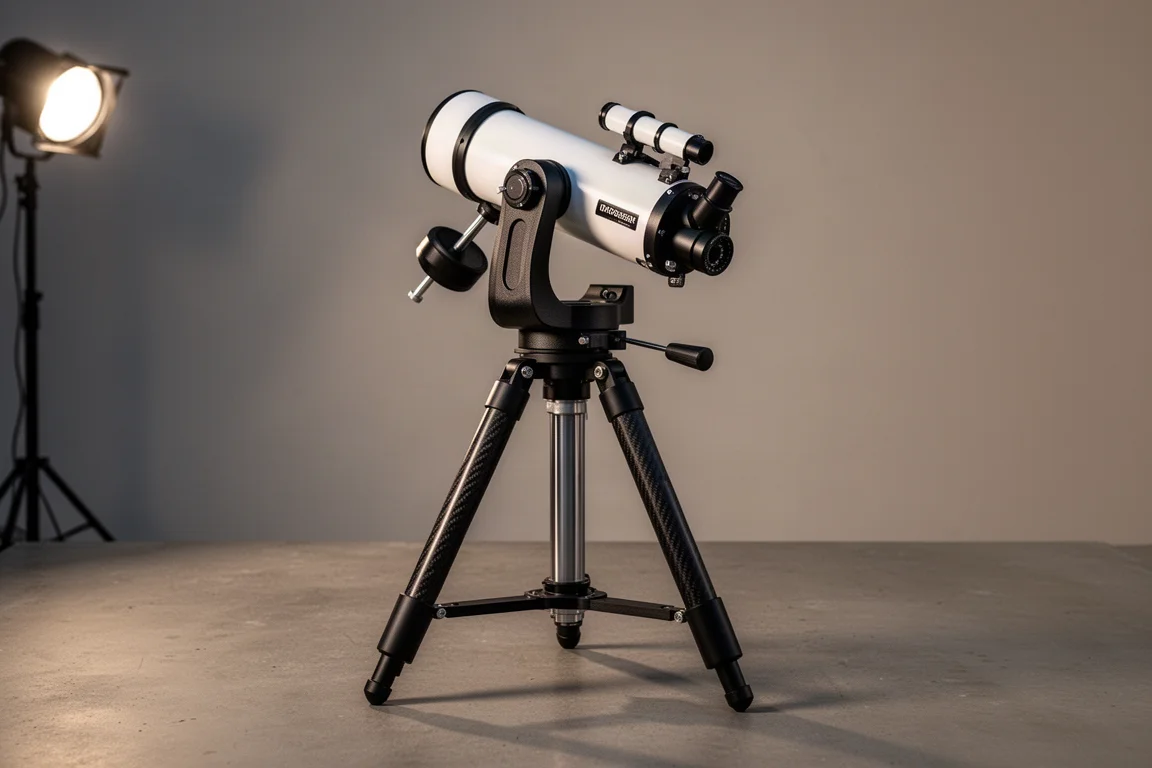
Strain wave mounts have changed what a portable astrophotography setup can look like, and Sky-Watcher has now joined the category with the Wave series. After spending three nights imaging with the Wave 150i in the backyard, including a narrowband project on the Bubble Nebula, the biggest takeaway is simple: this mount makes the night-to-night routine noticeably easier without asking you to change how you shoot.
The Wave 150i is built around portability and payload. It can carry 33 lb without a counterweight, and a full 55 lb with the optional counterweight kit, which puts it in a class that should interest a lot of equatorial mount owners who have been waiting to make the leap.
Who This Mount Is For
Strain wave mounts are designed for people trying to streamline their astrophotography experience with less overall weight and faster setup times. If you tear down and set up night after night, or you travel to dark sky locations, this design philosophy makes a lot of sense. Carrying a serious payload without a counterweight is the headline feature, and it changes what you are willing to haul in and out of the garage.
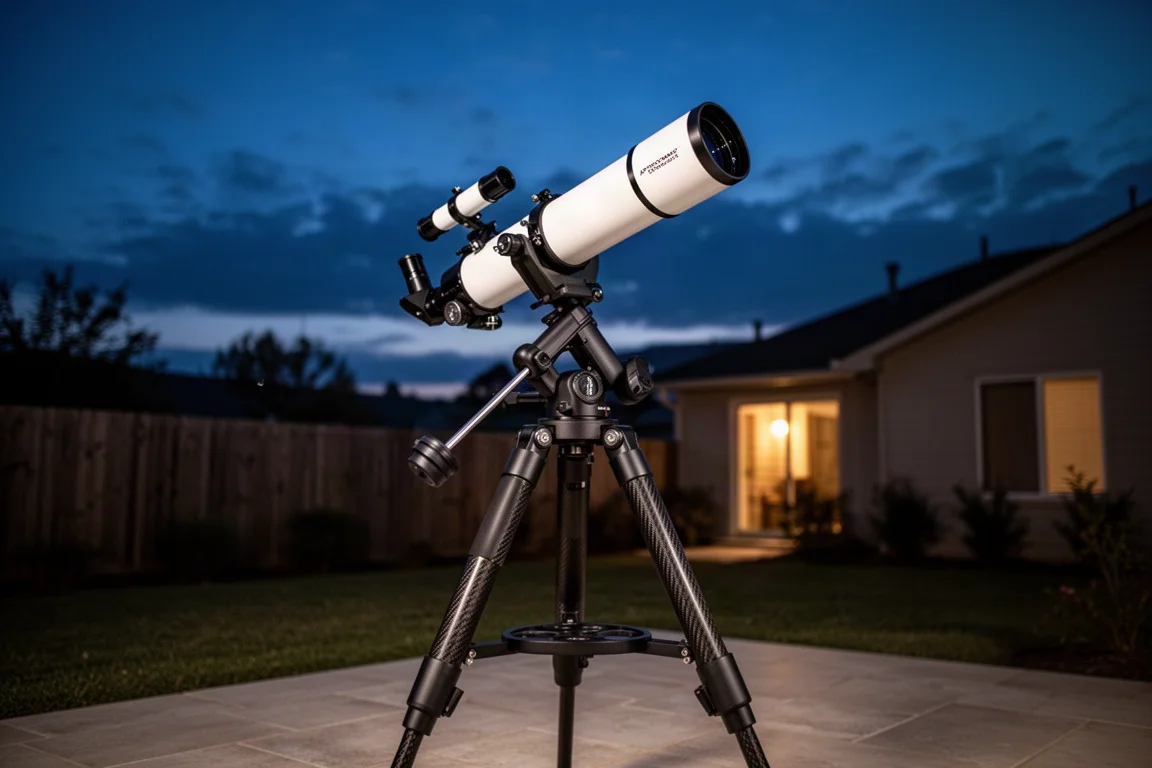
There are two mounts in the series: the Wave 100i, which holds 22 lb unweighted, and the Wave 150i reviewed here. If you have been running a heavier equatorial mount and dreaming of a grab-and-go system that still handles your refractor, the 150i is the one aimed at you.
Hardware and Build Quality
The Wave mounts use a dual saddle designed to accept your favorite telescope, and the saddle bolts feel smooth and secure. The RA and declination clutches can be unlocked for manual positioning, which is a handy feature, though one that deserves caution: with an unbalanced payload and no counterweight, you should never release the clutches with a telescope attached unless you are being very careful, and you must lock them again before doing anything else.
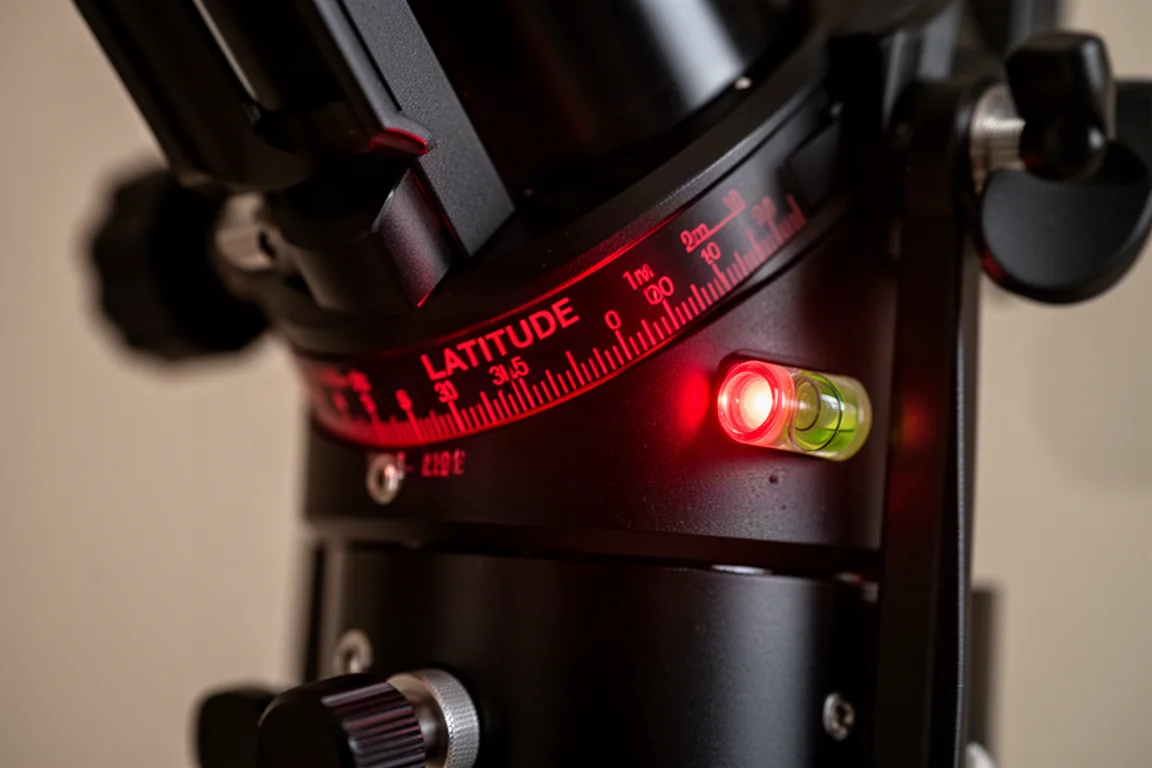
Nice touches include a red back-lit latitude scale and a small red light beside the bubble level. One caveat: the latitude scale read noticeably off from the actual location during testing, so treat it as approximate and rely on an electronic polar alignment routine instead.
Setup, Alignment and Control
The Wave 150i has no internal polar scope, so you will need an electronically assisted polar alignment tool. Used here was the polar alignment routine in the ASIAIR, which gets you aligned reliably and removes guesswork. The altitude adjustment bolts feel smooth and secure during the process, and the hardware choices overall feel genuinely pleasant to use.
A transitional benefit for existing Sky-Watcher owners is hand controller compatibility. You can plug in your existing SynScan hand controller and use it just like before. For imaging, the mount connects to the ASIAIR just as easily as other Sky-Watcher mounts: add an EQMOD cable and select the Sky-Watcher AZ-GTi SynScan WiFi option from the dropdown. From there the ASIAIR handles mount control, plate solving, image capture, and autoguiding.
Power and Connectivity
Powering the mount requires a 12V 5 amp cable, and the mount and imaging computer each need their own power. The Wave mounts include a powered USB hub for better cable management, but powering it requires an adapter with a 2.5 mm DC cable rather than the more common 2.1 mm. The larger connector was reportedly chosen for better power throughput, but it is worth knowing before you buy cables.
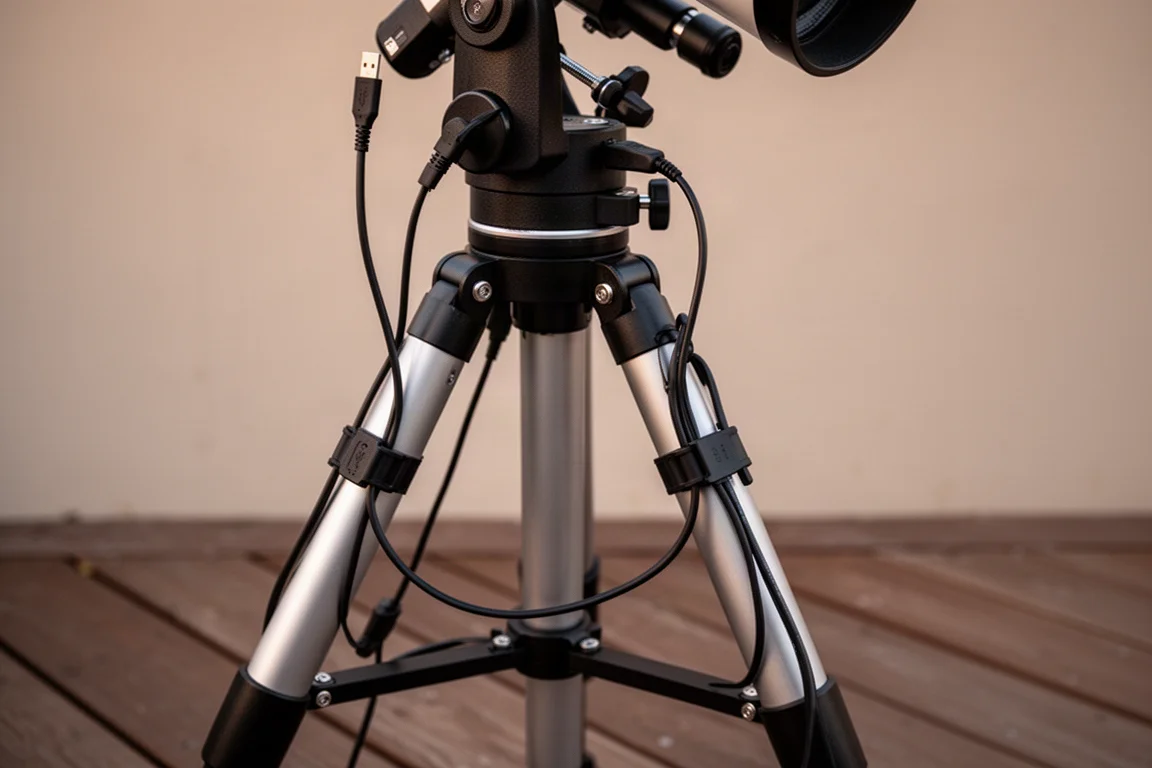
One practical annoyance: the power input location is tight if you use a straight cable with a long dovetail. An angled cable works much better in that situation.
Tracking Performance After Three Nights
It is worth clearing up a common misconception about strain wave mounts. The technology being new to the astronomy market does not mean tracking accuracy is improved over a traditional equatorial mount. In fact, these mounts need autoguiding to perform at their best, and you will want to use dithering as well. If your goal is bragging about long unguided exposures, this is not the design for you.
The measured results were solid. Guiding at 550 mm with a refractor, using an integrated dual-sensor guide camera working like an off-axis guider at native focal length, the mount produced a total RMS error of around 0.5 arcseconds. Over three nights of narrowband and broadband imaging on the Bubble Nebula, no changes to the usual image acquisition routine were needed.

Things to Consider Before Buying
The design has real trade-offs. Without balancing the telescope payload, you need to be aware of the risk of tipping the entire tripod over, especially with heavier scopes. A sturdier tripod or added weight at the base helps, and an adapter is expected to let the Wave 150i mount on an existing EQ6-R tripod, which sounds like a smart option. The included carbon fiber tripod is great for travel setups, but for a large refractor within the payload limits, a steel tripod or pier would be the more comfortable choice.
Buying Advice
The Wave 150i is closely matched to competing strain wave mounts on the spec sheet, and the features and pricing sit in competitive territory. For visual use, especially if you can reuse a SynScan hand controller from an existing Sky-Watcher mount, this is a particularly strong grab-and-go system. For imagers, the combination of ASIAIR compatibility, smooth adjustment hardware, and sub-arcsecond guided performance makes it an easy recommendation if portability is your priority. Owners of heavier traditional mounts who primarily image from one permanent spot may prefer to wait, but anyone who values fast setup will feel the benefit every single night.
Conclusion
Three nights in, the Sky-Watcher Wave 150i delivers on the strain wave promise: lighter gear, faster setup, and imaging results that required no changes to an established workflow. Just respect the clutch warnings, plan your power cables, and use autoguiding as intended, and this mount makes a compelling case as your next tracking platform.
Product link
View more details for Sky-Watcher Wave 150i
This product is mentioned in the review. Check the specifications, options, and compatibility before buying.
View more details for Sky-Watcher Wave 150iFurther reading
Related Reviews
Astrophotography
ASKAR FRA400C Review: A Versatile 400mm Refractor for Astrophotography and More
The ASKAR FRA400C is a compact 72mm refractor that balances reach, versatility, and portability for astrophotographers and visual observers.
Astrophotography
Askar SQA106 Review: A Premium 106mm Astrograph With Exceptional Optics
The Askar SQA106 is a premium 106mm quintuplet astrograph with impressive sharpness across full-frame sensors, though its price and weight demand careful consideration.
Astrophotography
Astro Imaging Gear 2026: Eight New Products Worth Watching
A look at the most interesting new astrophotography and astronomy products announced this year, from fast telescopes to smart cameras and wireless accessories.