Astronomy
Sky-Watcher Wave 100i vs 150i: Strainwave Mounts for Astrophotography
Two compact strainwave mounts with impressive payload-to-weight ratios, dual saddle versatility, and strong guiding consistency. Here is how they compare.
Introduction
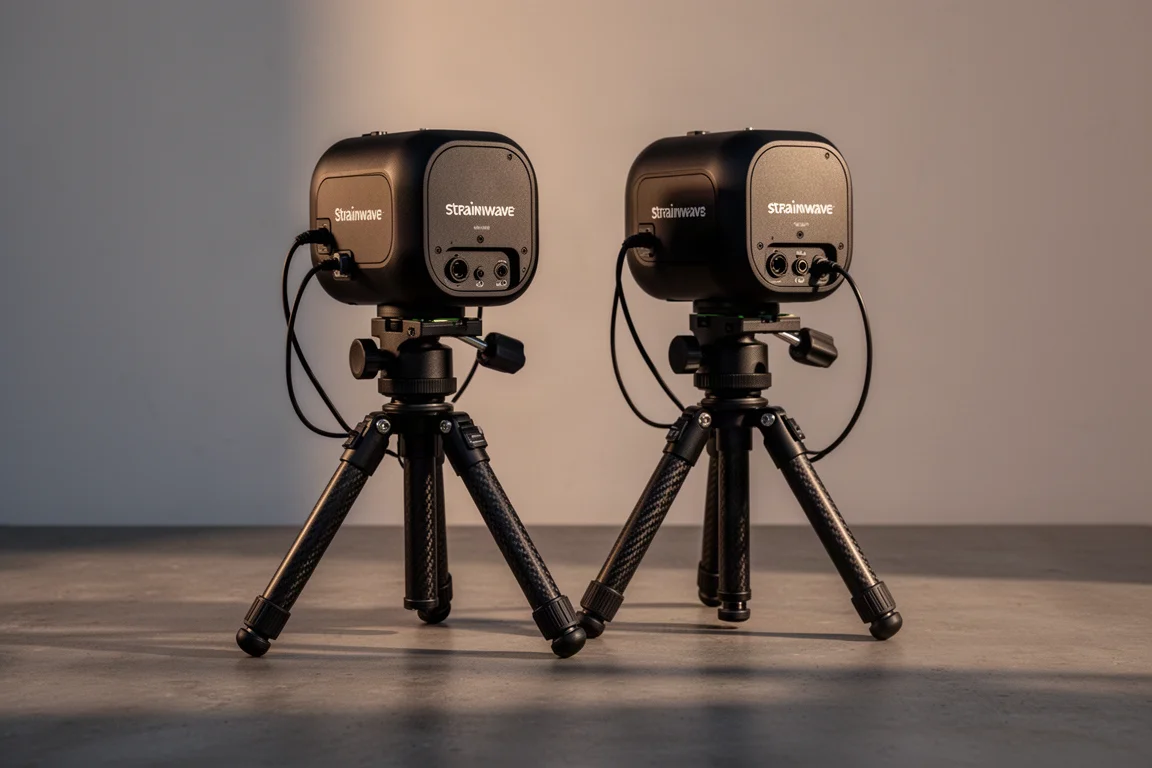
Strainwave mounts, thanks to their high payload-to-weight ratio, portability, and the fact that most imaging systems do not need a counterweight, are quickly becoming the go-to choice for astrophotographers. Sky-Watcher has released a new line of these mounts that could well be the next best upgrade from a traditional equatorial mount: the Wave 100i and the Wave 150i.
The two mounts are similar in size and weight, but each has features the other lacks. Here is what both have to offer.
Sky-Watcher Wave 100i: Lightweight and Versatile
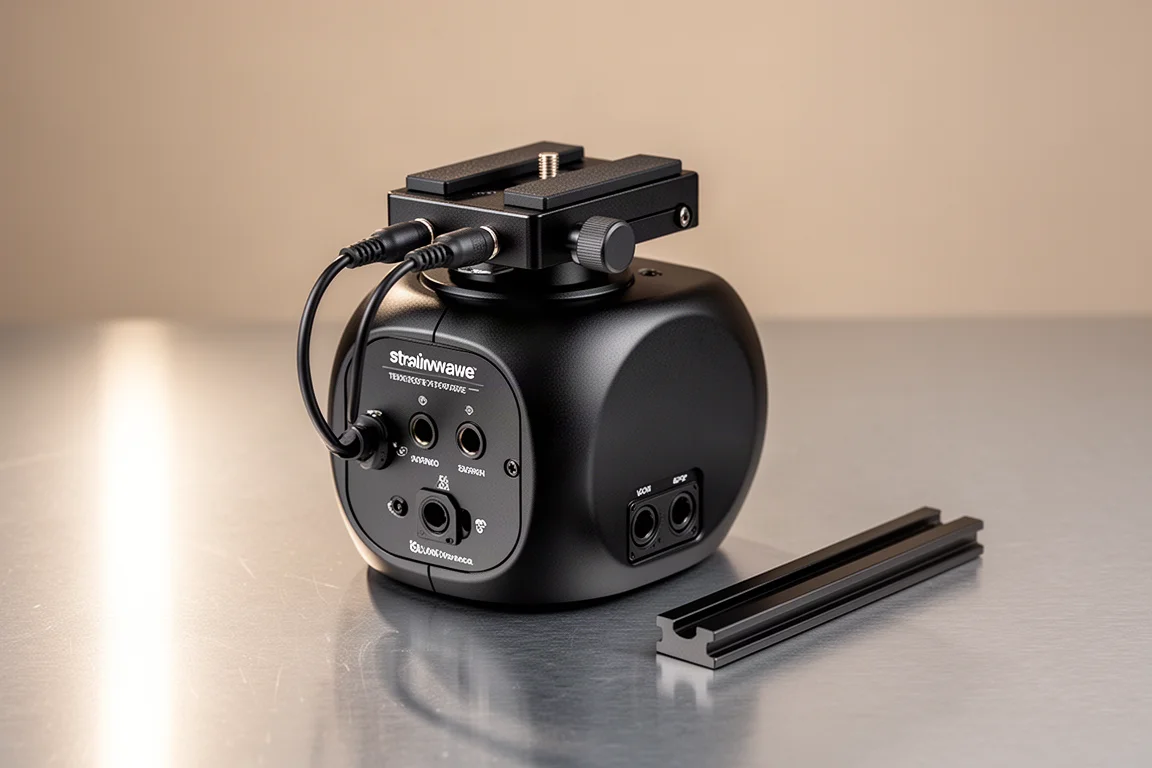
The Wave 100i weighs only 9.5 lbs and hauls an impressive 22 lbs without a counterweight, or 33 lbs with the optional counterweight set. On the front of the RA housing you get the standard hand controller port, plus a USB port for computer or PC control. Wi-Fi and Bluetooth connectivity let you control the mount from the Sky-Watcher app.
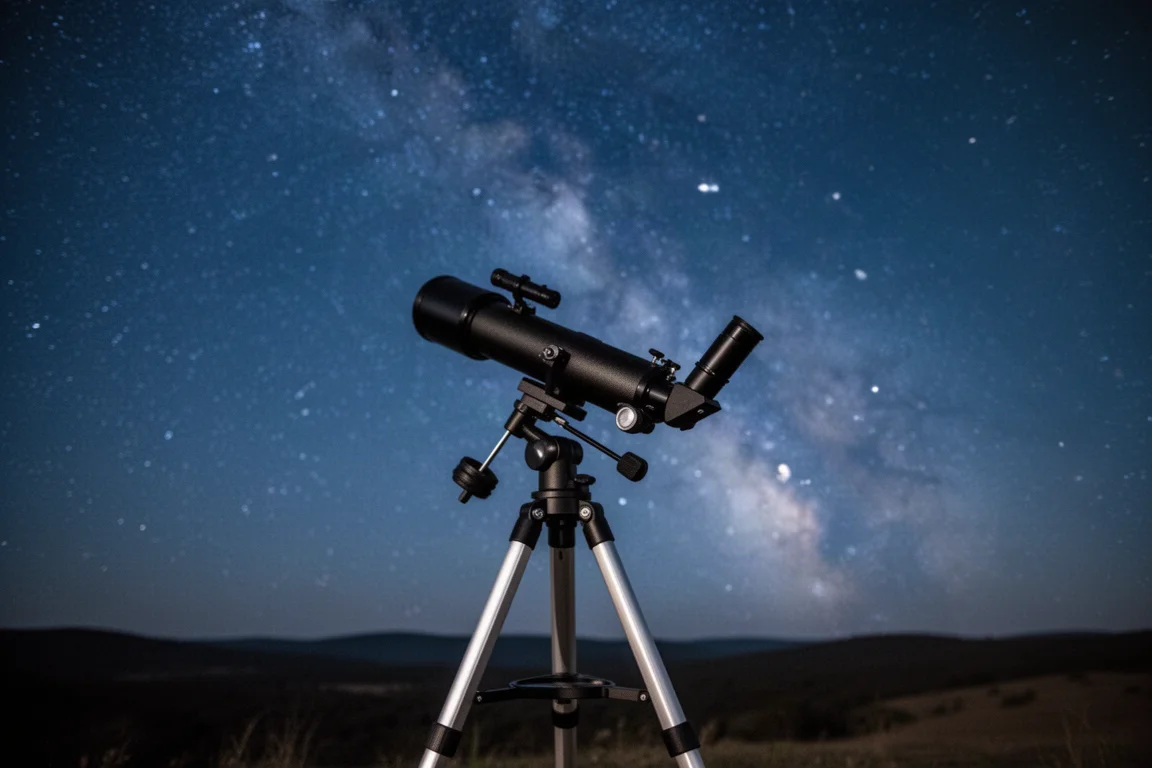
A standout feature is the included extra dovetail, which allows a dual saddle configuration. That makes it great for dual-mounting a visual setup in alt-azimuth mode, or running two astrophotography systems in equatorial mode.
Sky-Watcher Wave 150i: The Big Payload Upgrade
The 150i is the model we would call the best upgrade from a traditional equatorial mount such as the Sky-Watcher EQ6-R. It comes in at just 13.5 lbs, while the EQ6-R mount head weighs 38 lbs. Its payload cap is 33 lbs without a counterweight and an impressive 55 lbs with one, which is 11 more pounds of payload than the EQ6-R while weighing 25 lbs less.
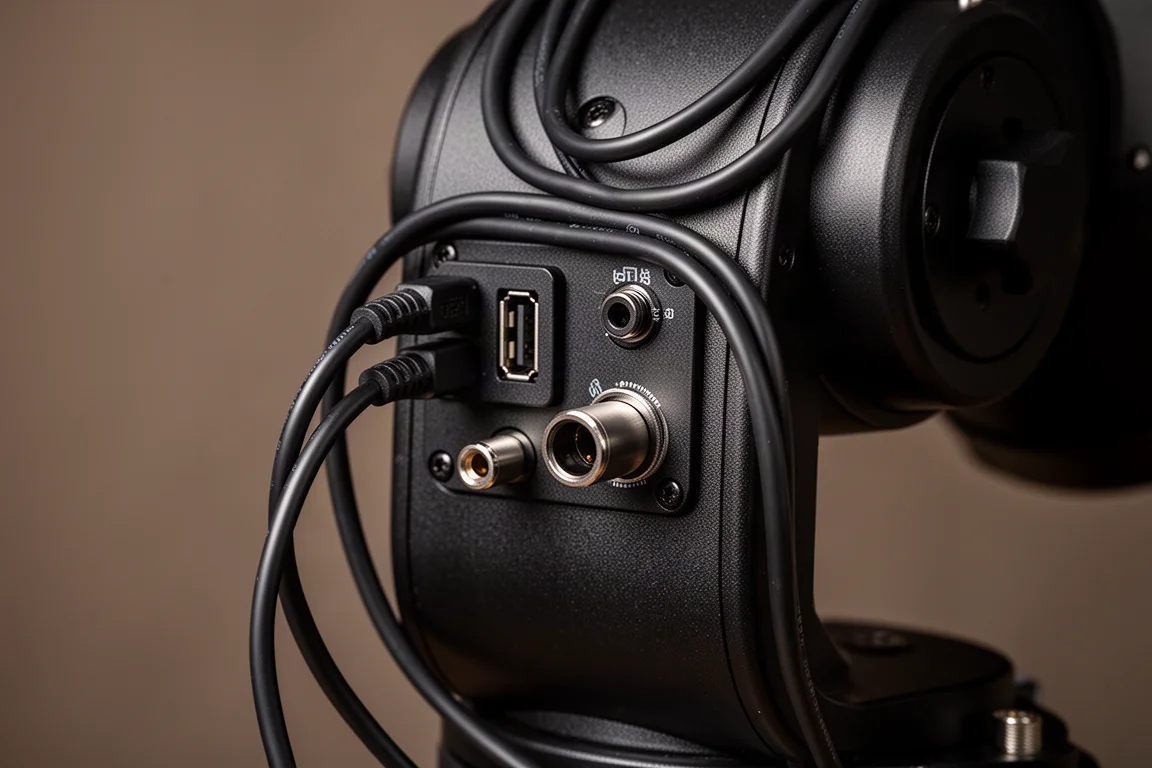
The 150i cannot take dual saddles like the 100i, but it has a feature the 100i does not: a declination saddle with both a USB port and two 2.5mm output ports for cable management. On the RA axis there is a power input for the mount itself, a power input for the declination hub, a USB port, and an auxiliary port for computer control.
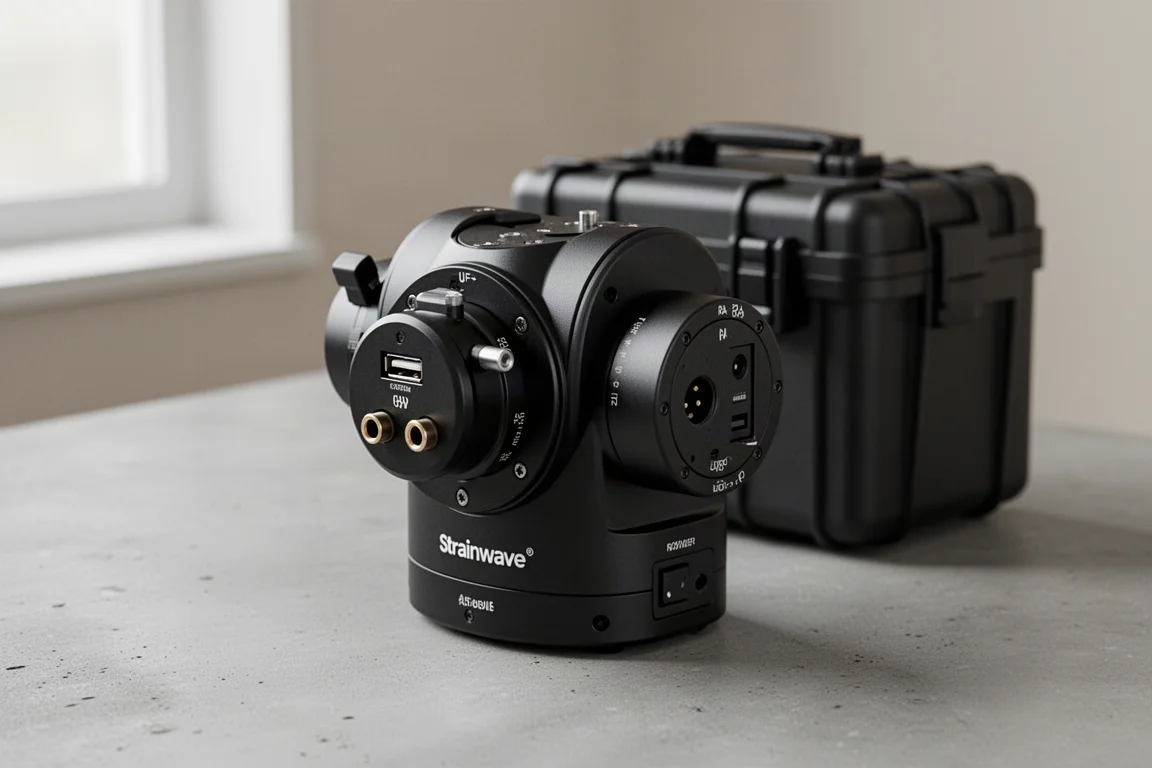
Setup and Cable Management
For thorough testing, the 150i was powered with a 12-volt 5-amp AC adapter for the mount itself and a second 12-volt 5-amp 2.5mm barrel jack adapter for the declination hub. A 2.1mm to 2.5mm cable powered the camera, and a standard USB-B cable connected the camera to the RA housing.
If you want to control the entire system from the USB hub instead, you will need a third-party USB-A to USB-A cable, which is not included. Attach the USB-A cable from the camera to the dec hub, then use a USB-B cable to bridge the mount to the hub. This prevents cables from hanging between the dec axis and RA axis, avoiding snags, but it does require extra cables. Routing through the RA housing gives a cleaner look.
As with any equatorial mount, it is best to start your imaging session from the home position. If the mount ever slews in the wrong direction, stop the session, manually point the mount and telescope back to home, turn the mount off, disconnect your computer or ASIAir, then power back on and reconnect. This re-establishes the home position so you can proceed as normal.
Performance and Guiding Results
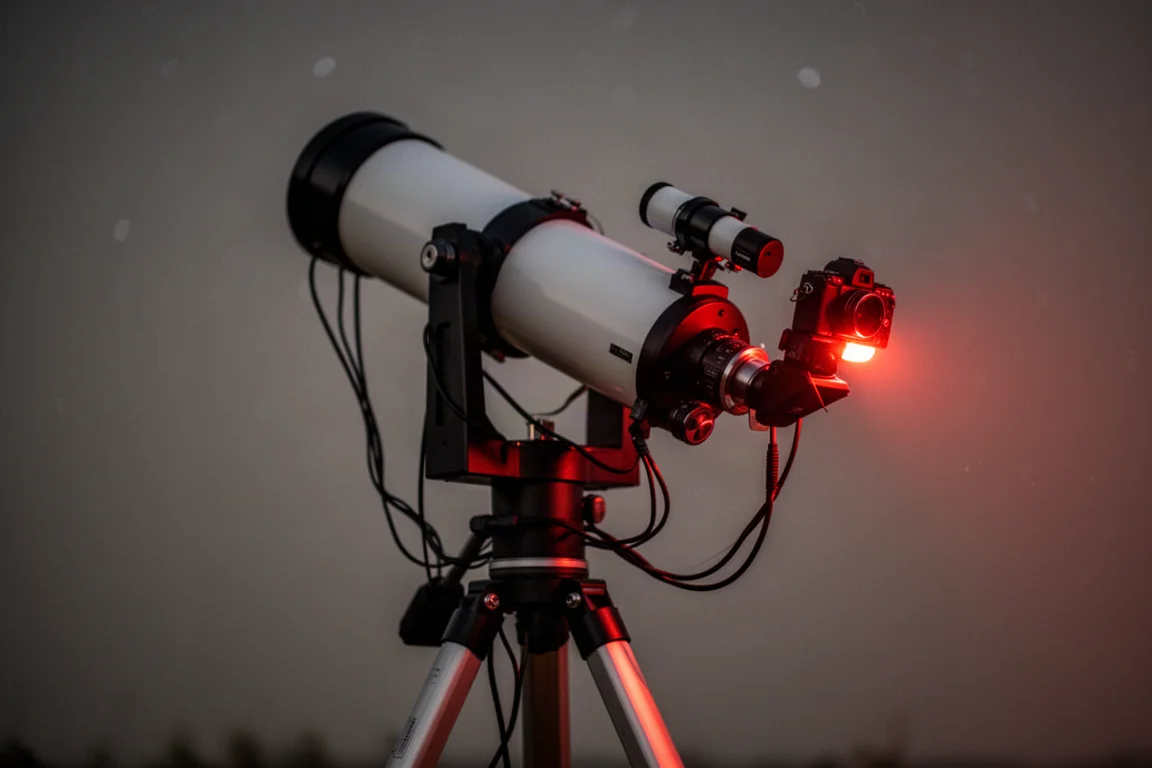
Several nights were spent using both the 100i and the 150i. Without counterweights, both mounts guided at a consistent RMS error of 0.35 to 0.45 arc seconds, and on some occasions as low as 0.25 arc seconds, at 1625mm focal length. This is the most consistent performance of the strainwave mounts tested at High Point, which is not surprising given Sky-Watcher’s experience developing highly reliable and consistent mounts.
Testing focused heavily on astrophotography with larger, high focal length telescopes. The Wave 150i handled the Apertura CarbonStar 8RC on the optional Sky-Watcher Carbon Fiber Tripod with more than enough capacity, and without the pier extension there was no trouble with the telescope contacting the tripod legs.
Dual Saddle Versatility
The 100i’s dual saddle deserves special mention. Given how well it handled the 8RC, two visual scopes were attached to the dual saddles: the Apertura 6-inch classical cassegrain and the Apertura 90 APO, all controlled through the Sky-Watcher Wi-Fi app in alt-az mode.
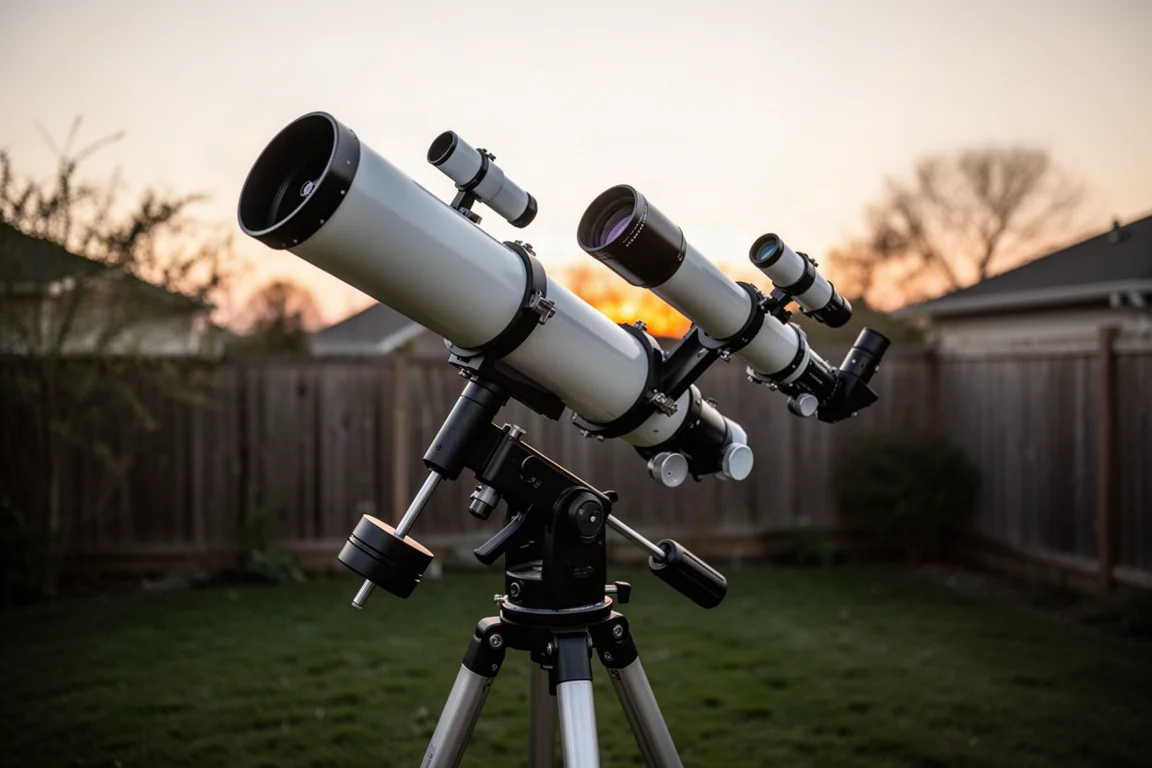
Visual astronomy has a certain feeling that astrophotography simply does not, and it is impressive that the 100i does such a fantastic job at both. The same can be said for the 150i, but with an absolutely massive payload-to-weight ratio.
Buying Advice
Both mounts are easy to recommend for their build quality, performance, reliability, and Sky-Watcher’s US-based support. When it comes to strainwave mounts, it does not get much better than this.
Choose the 100i if you want the lightest option and the flexibility of a dual saddle for either two visual scopes or two imaging systems. Choose the 150i if you want maximum payload capacity, up to 55 lbs with a counterweight, and built-in cable management through the declination saddle.
During testing, nearly 28 hours of data was gathered on the Wizard Nebula through the 8RC using the 2600MC Air. Even under Bortle 7 skies, with some processing skill and capable equipment, there is no limit to what you can achieve.
Conclusion
The Sky-Watcher Wave 100i and 150i make a strong case as the next upgrade from a traditional equatorial mount. The 100i wins on portability and dual-saddle flexibility, while the 150i wins on payload and cable management. Either way, you get consistent guiding, thoughtful design, and dependable support.
Further reading
Related Reviews
Astronomy
Astronomy Gifts for Dads: Binoculars, Telescopes and Accessories Worth Giving
A practical gift guide covering stargazing binoculars from around $50, beginner telescopes under $500, and accessories under $100.
Astronomy
Best Filters for EAA in Light Pollution: What Short-Exposure Testing Actually Showed
Five astronomy filters and two noise reduction tools tested under light polluted skies for electronically assisted astronomy, with practical results for broadband and narrowband targets.
Astronomy
Six Premium Eyepieces That Transform a Beginner Telescope
A hands-on comparison of Tele Vue Panoptic, Tele Vue Nagler, and Baader Hyperion eyepieces, and why upgrading the stock eyepieces is the best first move in stargazing.