Astrophotography
Sky-Watcher Star Adventurer GTi vs 2i Pro Pack vs iOptron SmartEQ Pro+: Which Portable Astro Mount Fits Your Setup?
A compact go-to mount shakes up the portable astrophotography scene. We compare the Star Adventurer GTi, the 2i Pro Pack, and the iOptron SmartEQ Pro+ on build, power, connectivity, and tracking performance.
Introduction
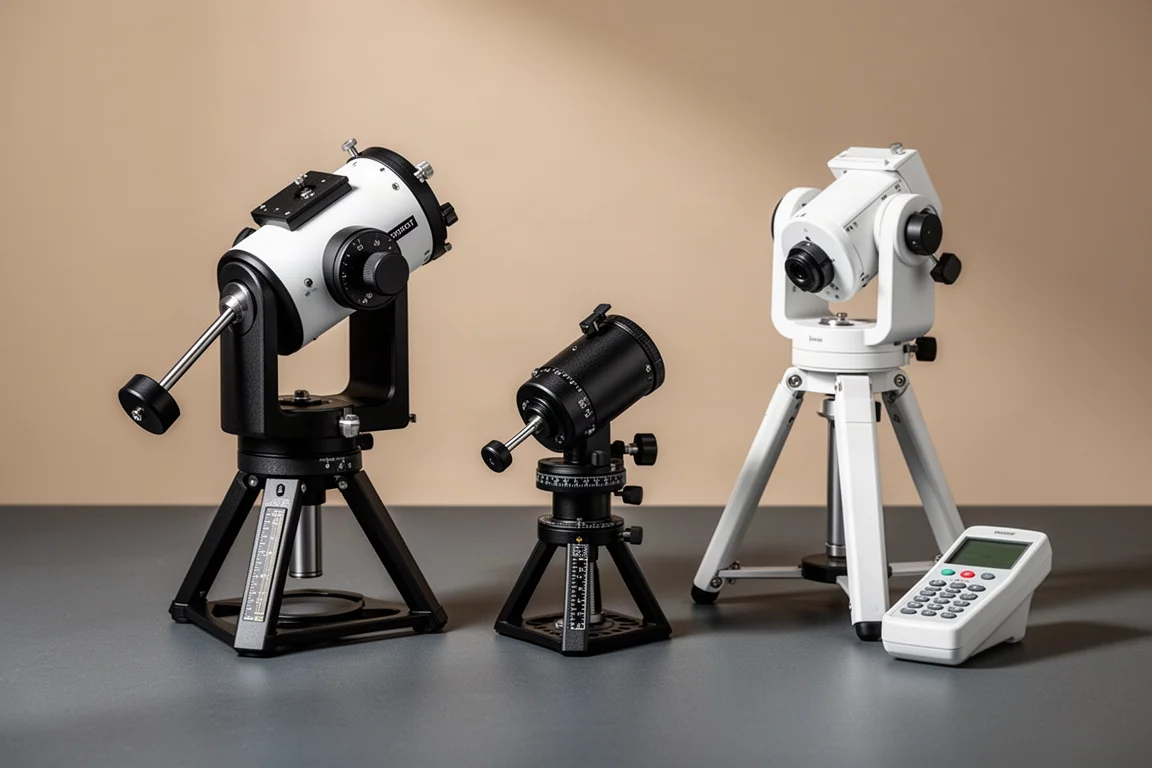
Portable astrophotography mounts keep getting more capable, and the newest entrant, the Sky-Watcher Star Adventurer GTi, blurs the line between a simple star tracker and a full computerized go-to mount. It promises the go-to functionality of much larger, heavier mounts in a package you can carry in one hand.
In this comparison we break down how the GTi stacks up against the tried-and-true Star Adventurer 2i Pro Pack and its closest competitor, the iOptron SmartEQ Pro+. All three share the same 11-pound (5 kg) max payload, but they differ significantly in design philosophy, connectivity, and balancing behavior.
First Look: The Star Adventurer GTi
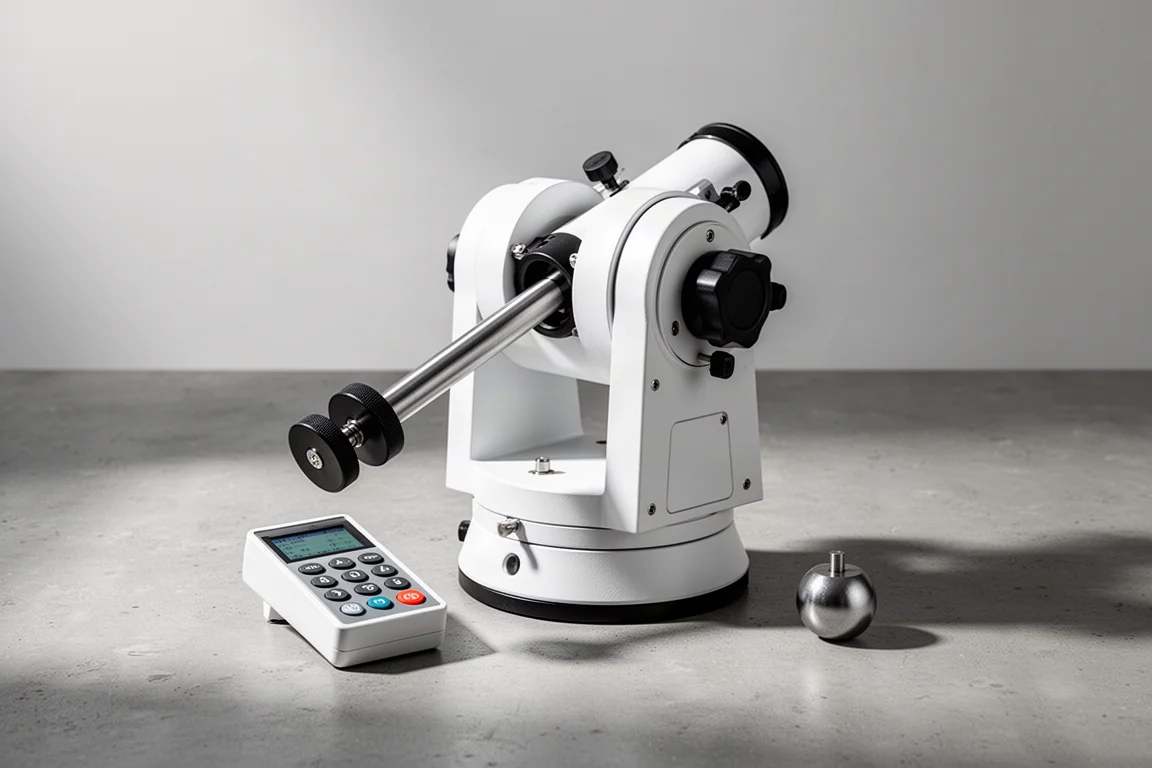
The GTi is designed from the ground up as a package for astrophotographers. Unlike Sky-Watcher’s earlier small go-to-capable mounts, which needed a wedge, polar alignment solution, counterweights, and a counterweight shaft purchased separately, the GTi includes everything needed for equatorial-mode imaging out of the box.
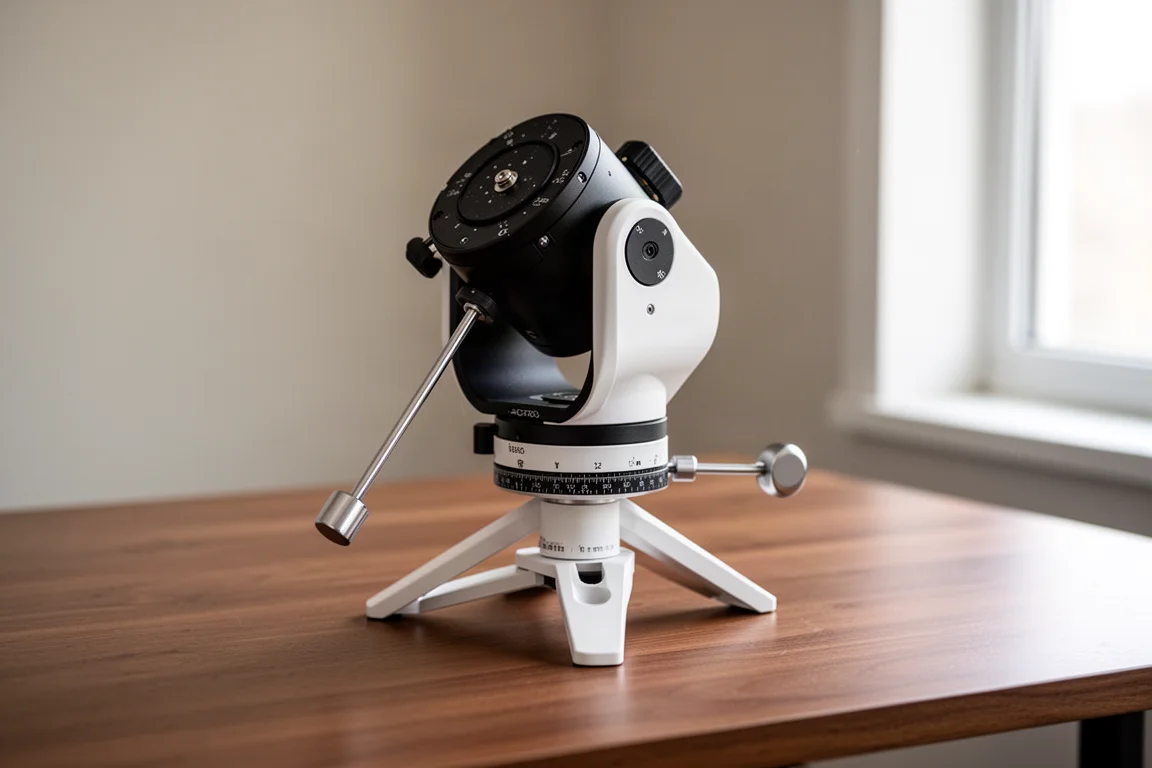
The equatorial wedge is built into the mount head, mostly metal with large adjustment knobs. The head weighs 6.3 pounds compared to 4.3 pounds for the 2i with its latitude base installed, so it is noticeably heavier, but that mass comes with real functionality. The polar scope is built in as with the 2i, with a welcome improvement: the red illuminator now lives inside the mount head, and its brightness is adjustable through the SynScan app or the optional hand controller. One quirk to know before your first night out: you need to release the declination clutch and rotate the declination axis 90 degrees to see through the polar scope, and the polar scope’s back cover, held by two plastic pressure clips, falls off far too easily.
Counterweights and Balancing
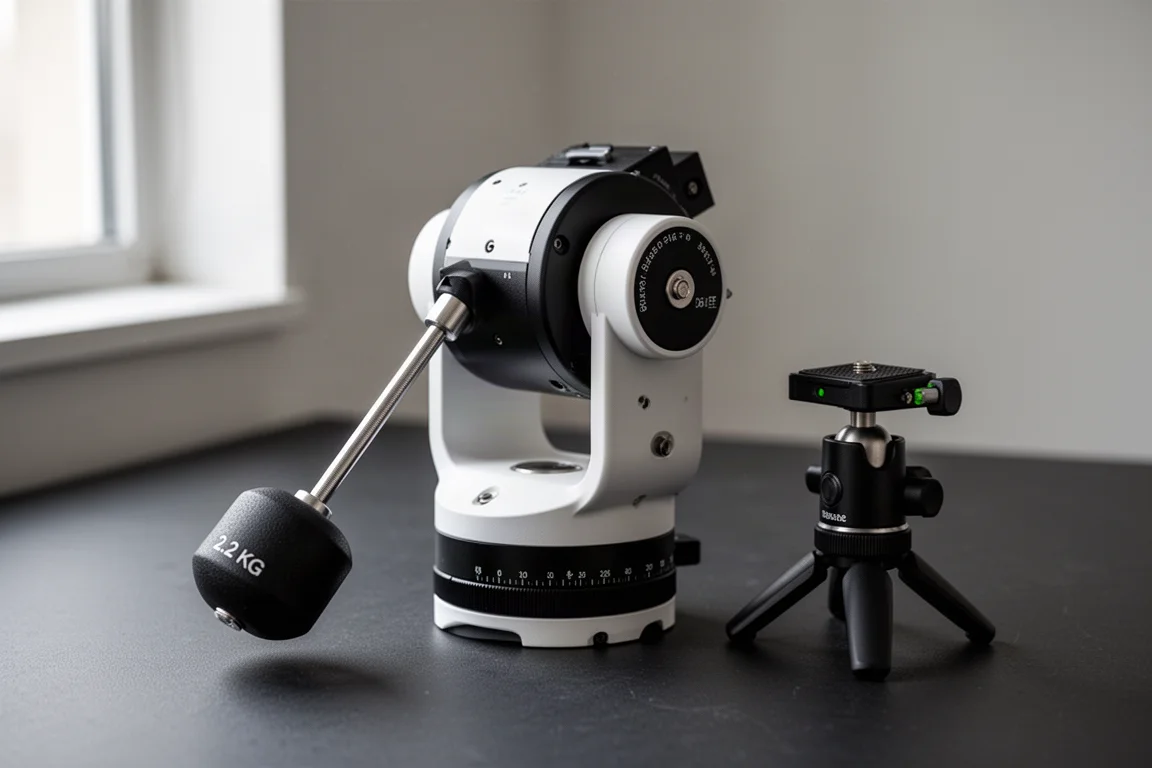
Counterweight systems are where these three mounts diverge in practical ways. The GTi uses a 2.2 kg (5 lb) counterweight on a beefy 20 mm shaft, while the 2i Pro Pack ships with a lighter 1.2 kg (2.25 lb) weight on a 12 mm shaft, and the two are not interchangeable. The GTi’s shaft can be mounted in two positions depending on latitude, with a usable range of 0 to 70 degrees, which makes the mount usable even at the equator when paired with the tripod extension. The toe saver attachment is also a proper thumb screw, a small but genuinely useful improvement over the fiddly washer-and-tiny-screw arrangement on the 2i.
The trade-off is balancing light payloads. With only the included counterweight, the GTi would not balance a very light load in right ascension even with the weight pushed fully up the shaft, something the 2i handles fine. If you plan to hang a bare camera and lens off the GTi, keep this in mind and consider whether lighter optional counterweights become available. The SmartEQ Pro+ takes a third approach with a retractable shaft that stores inside the mount, plus a standard 1 kg counterweight and inexpensive extras available.
Of the three, the GTi’s counterweight system is the one that inspires the most confidence when maxing out the payload, while the 2i remains the most forgiving with minimal loads.
Power Options: External or Internal
All three mounts can run on an external 12-volt battery or internal AA batteries, which is ideal for multi-night trips where recharging opportunities are scarce. Spares are always an option, and rechargeable AAs work well.
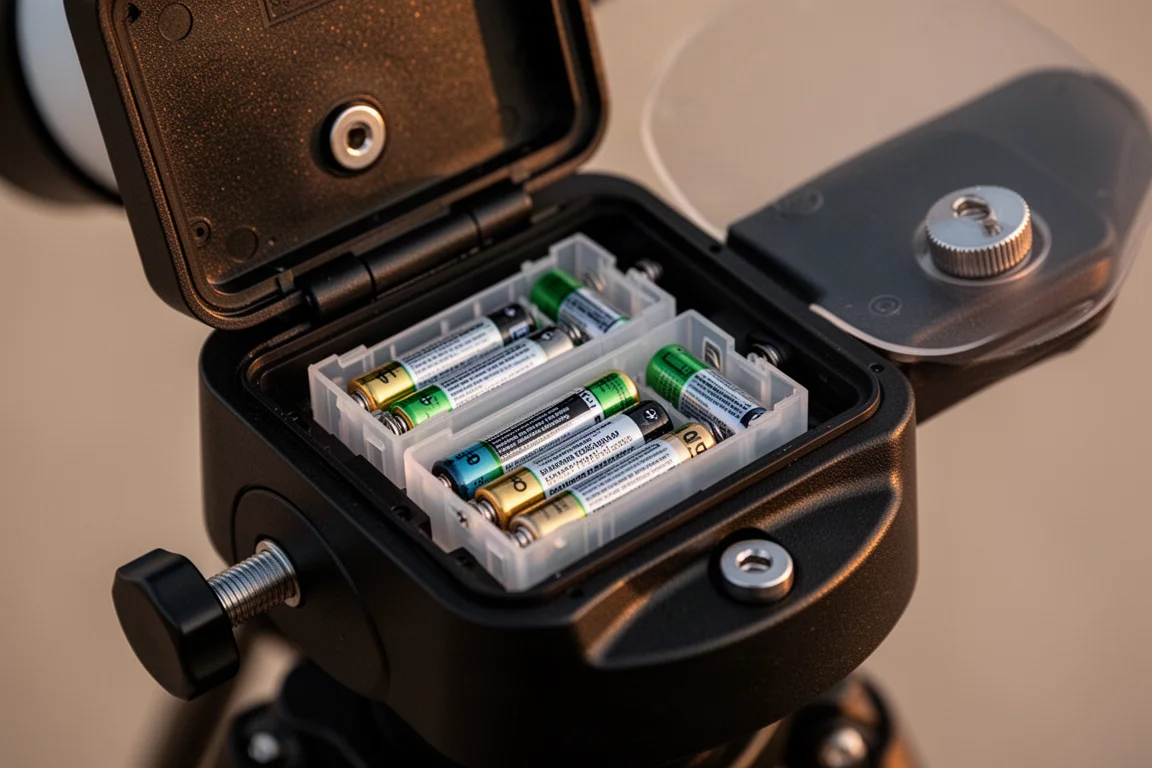
The 2i uses four AAs, but they are frustratingly difficult to get in and out. Both the SmartEQ and the GTi use eight AAs in much easier-to-handle holders, and the GTi’s design is the best of the bunch: the battery holders slide fully out so you can load them on a table, and the battery door is held by a metal thumb screw rather than the fragile plastic clip that broke on the SmartEQ in regular use.
Connectivity and Control
This is where the GTi clearly shines. You can control it through the free SynScan app over its built-in Wi-Fi, an optional SynScan hand controller, or a computer. The app experience is excellent: connect to the mount’s Wi-Fi network, let the app pull your location from your phone’s GPS, and you get star alignment, slewing, go-to catalogs, and adjustable slew rates without ever typing in time and location on a keypad. It is more responsive and less tethered than a hand controller.
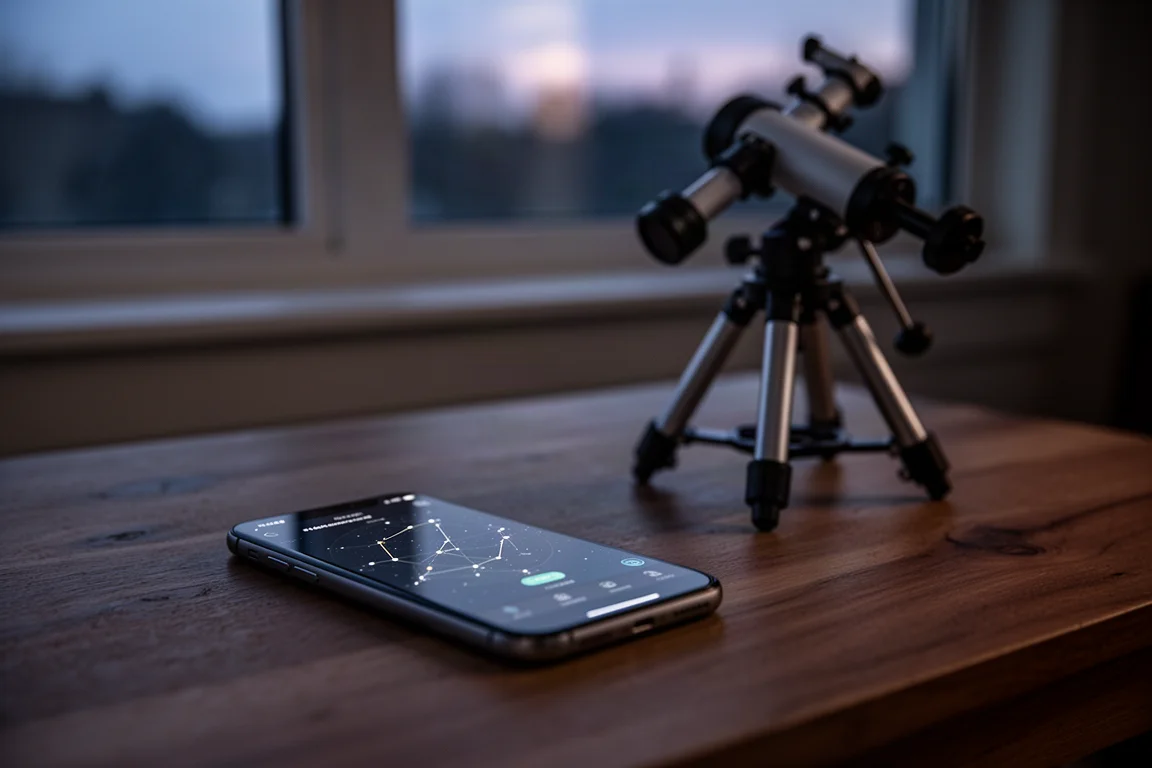
Computer control also works well. Using an EQDirect cable into the hand controller port with an FTDI driver, plus the community EQASCOM driver on Windows 10 and 11, the mount behaves just like larger Sky-Watcher go-to mounts. A direct USB connection is also supported with the appropriate driver.
The 2i keeps its dial for manually switching tracking rates, which the GTi dropped. For people who just want to point manually, flip on sidereal tracking, and shoot, that simplicity is still a genuine reason to prefer the 2i. The SmartEQ Pro+ is the weakest here: no Wi-Fi, a clunky hand controller interface, and computer control requires a hand-controller-to-serial plus serial-to-USB cable chain costing roughly 60 dollars extra. With the GTi, the number of connection options is simply in a different league.
Tracking and Imaging Performance
In testing with a guiding assistant, the GTi showed a peak-to-peak periodic error in right ascension of 46.9 arc seconds, about what you would expect from a tracker this size. That was plenty for real imaging: fully dithered in both axes, five-minute sub-exposures with round stars, and roughly 1.5 arc seconds total RMS guiding out of the box. Declination backlash was noticeable and extended settling time after dithering, and tuning it out would likely improve things further.
Go-to pointing accuracy was very impressive for this class, better than the SmartEQ Pro+ and better than the Sky-Watcher EQM 35, with sub-thousand-pixel plate-solving error from home position all the way across the sky, even without a star alignment. Paired with a mono camera, filter wheel, autoguider, and a lightweight 135 mm telephoto lens, the mount comfortably handled a wide-field deep-sky project totaling over three hours of integration.

Which Mount Should You Buy?
If you want maximum portability with full go-to automation and every connectivity option, the Star Adventurer GTi is the new benchmark in this payload class. If your priority is dead-simple operation, manual pointing with a flip of the tracking dial, and easier balancing of light camera-and-lens payloads at a lower cost, the Star Adventurer 2i Pro Pack remains a superb choice and is not being replaced in spirit.
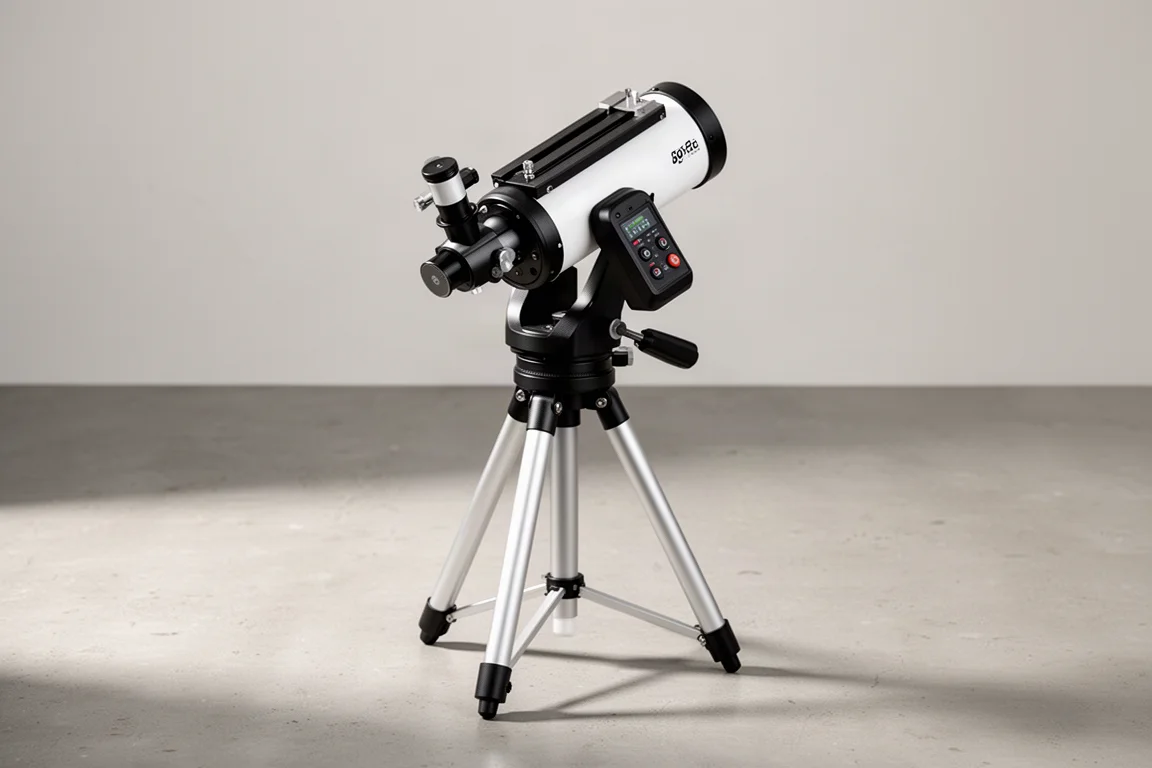
The SmartEQ Pro+ matches the payload rating and offers a tidy retractable counterweight shaft, but the lack of Wi-Fi and the two-cable computer connection make it the least convenient of the three for modern imaging workflows.
And for anyone starting out who values simplicity above all, the 2i Pro Pack is still the easiest way into tracked astrophotography.
One important caveat across the board: all three share the same 11-pound limit, and a medium-sized 80 mm refractor loaded with a camera and guidescope will already exceed it. For heavier setups, step up to a larger class of mount.
Conclusion
The Star Adventurer GTi earns its place as the most feature-complete portable mount in this comparison, with built-in wedge, app and computer control, and strong go-to accuracy. The 2i Pro Pack still wins on simplicity and light-payload balancing, while the SmartEQ Pro+ sits in between but trails on connectivity. Match the mount to how you actually shoot, and all three can deliver satisfying deep-sky images.
Further reading
Related Reviews
Astrophotography
ASKAR FRA400C Review: A Versatile 400mm Refractor for Astrophotography and More
The ASKAR FRA400C is a compact 72mm refractor that balances reach, versatility, and portability for astrophotographers and visual observers.
Astrophotography
Askar SQA106 Review: A Premium 106mm Astrograph With Exceptional Optics
The Askar SQA106 is a premium 106mm quintuplet astrograph with impressive sharpness across full-frame sensors, though its price and weight demand careful consideration.
Astrophotography
Astro Imaging Gear 2026: Eight New Products Worth Watching
A look at the most interesting new astrophotography and astronomy products announced this year, from fast telescopes to smart cameras and wireless accessories.