Astronomy
Sky-Watcher Heliostar 76 H-alpha Review: A Dedicated Solar Telescope Worth Your Daylight Hours
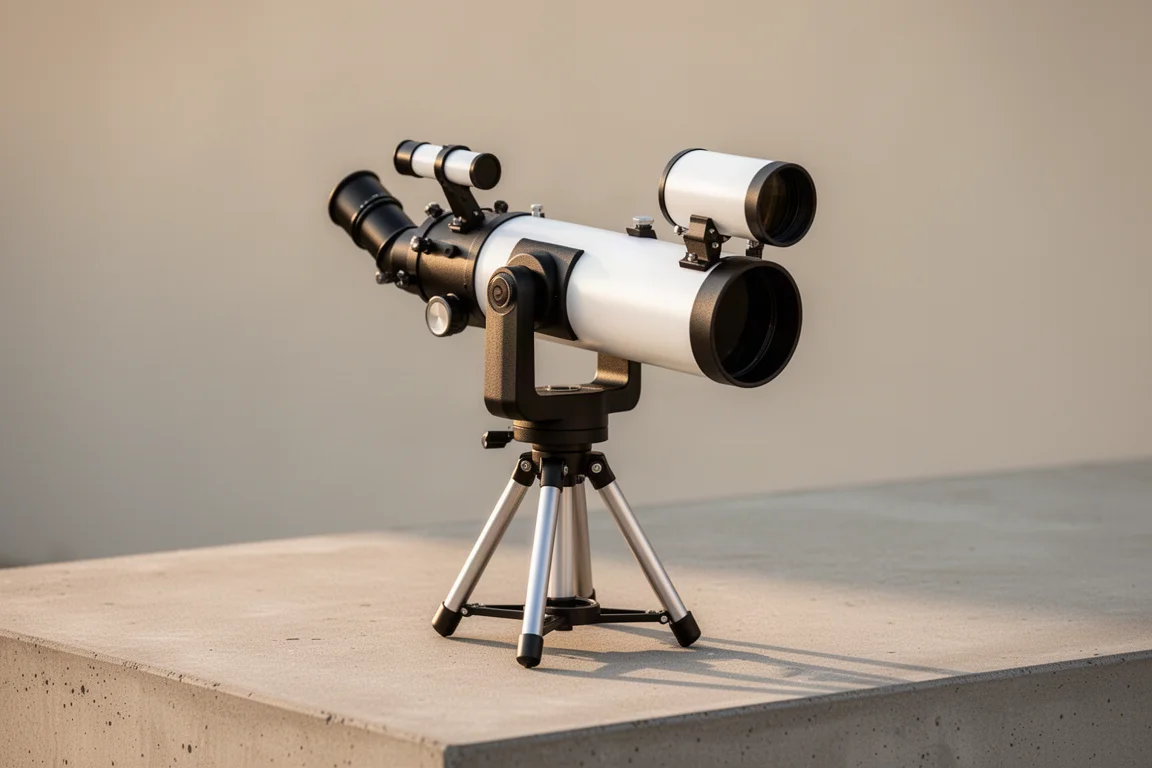
A dedicated 76 mm H-alpha solar telescope with built-in etalon technology, plus the SolarQuest mount that finds and tracks the sun automatically.
Introduction
Galaxies, nebulae, and planets tend to get all the attention, but the sun is the one celestial object that changes every single day. The Sky-Watcher Heliostar 76 H-alpha is built specifically for observing it, and paired with the SolarQuest mount, it makes solar astronomy about as simple as it gets.
Why H-alpha Changes What You See
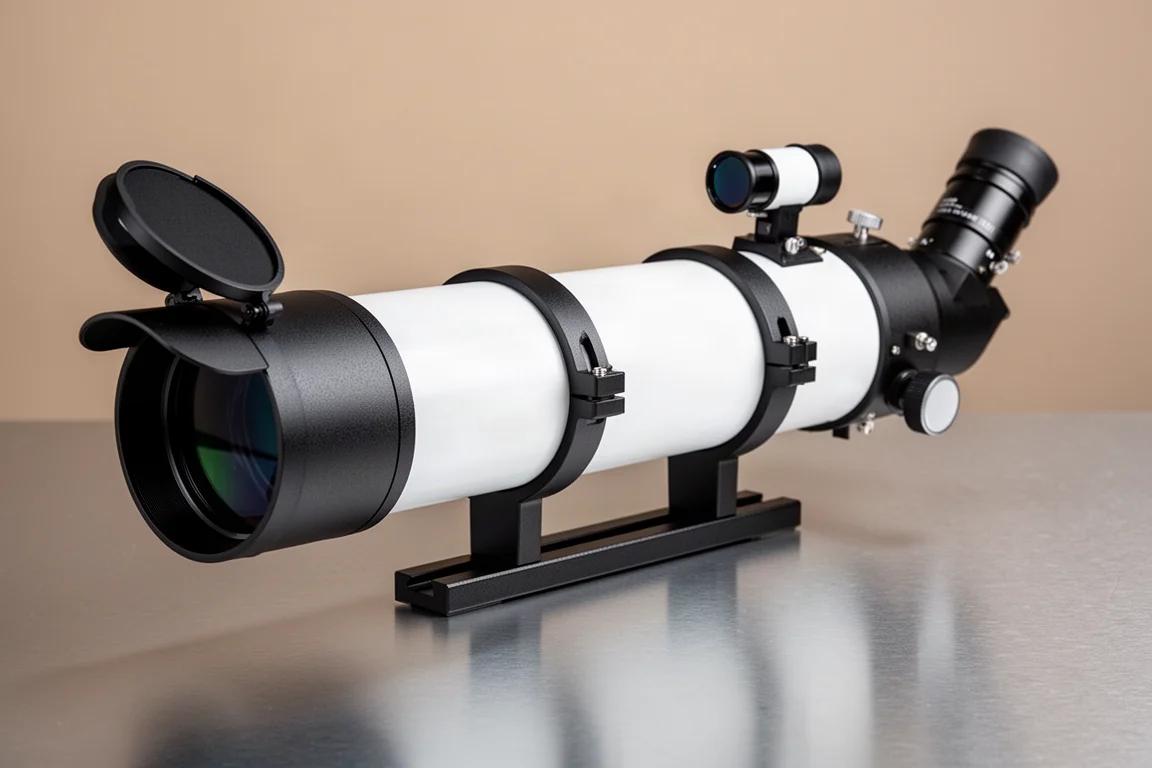
The Heliostar is a dedicated 76 mm H-alpha solar telescope with a 630 mm focal length at f/8.3. Unlike a basic white light filter, which mostly shows sunspots, an H-alpha scope reveals the sun’s chromosphere: prominences, filaments, active regions, and surface detail that make the sun feel genuinely alive.
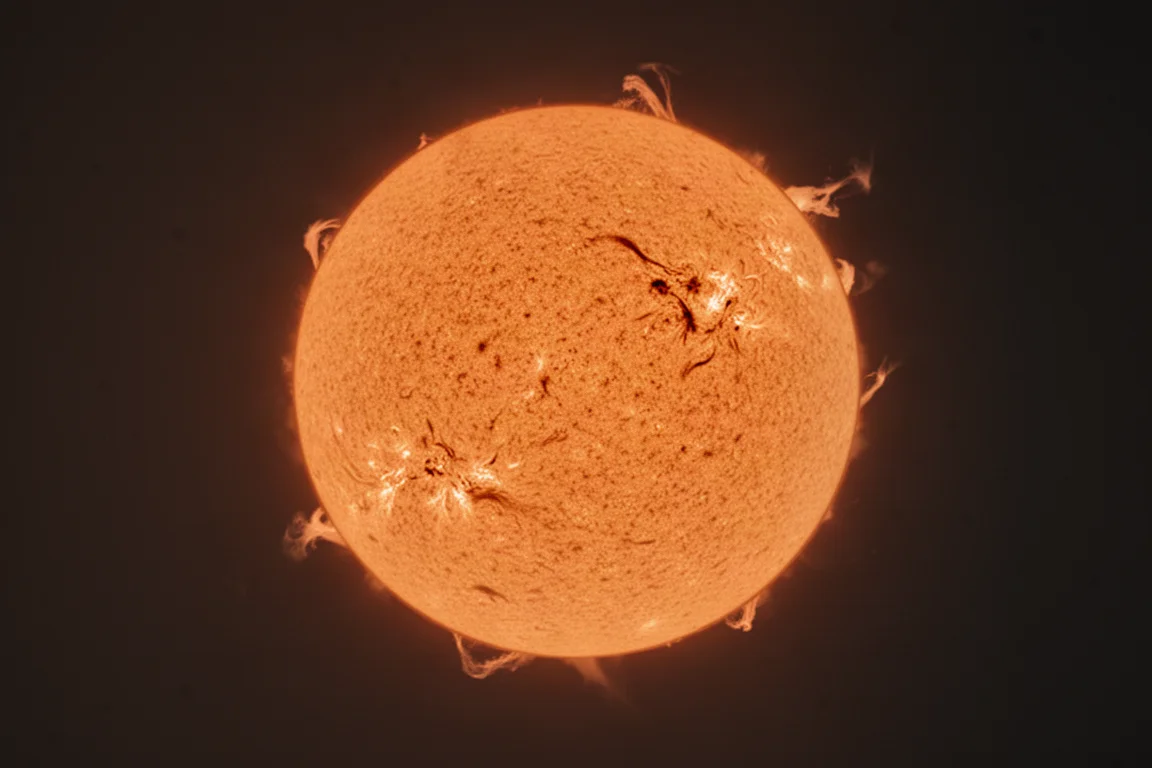
Inside, Sky-Watcher’s Solar Etalon technology delivers high contrast solar detail without needing to add a second etalon. There’s also a Triffid tuner for fine-tuning the view. The practical approach is to adjust the tuner until you get the cleanest, most even gradient across the solar disk, then use the focuser to bring out surface detail.
Focusing is handled by a 2-inch dual speed Crayford focuser, and the telescope includes an 11.5 blocking filter diagonal. Use the included diagonal whenever you’re observing with an eyepiece or shooting with a camera.
What’s in the Box
The Heliostar ships as a complete kit: a rugged hard shell case with the mounting rings, a V-style dovetail, a solar finder, a clip-on sunshade, a 20 mm 70-degree eyepiece, and even a phone adapter.
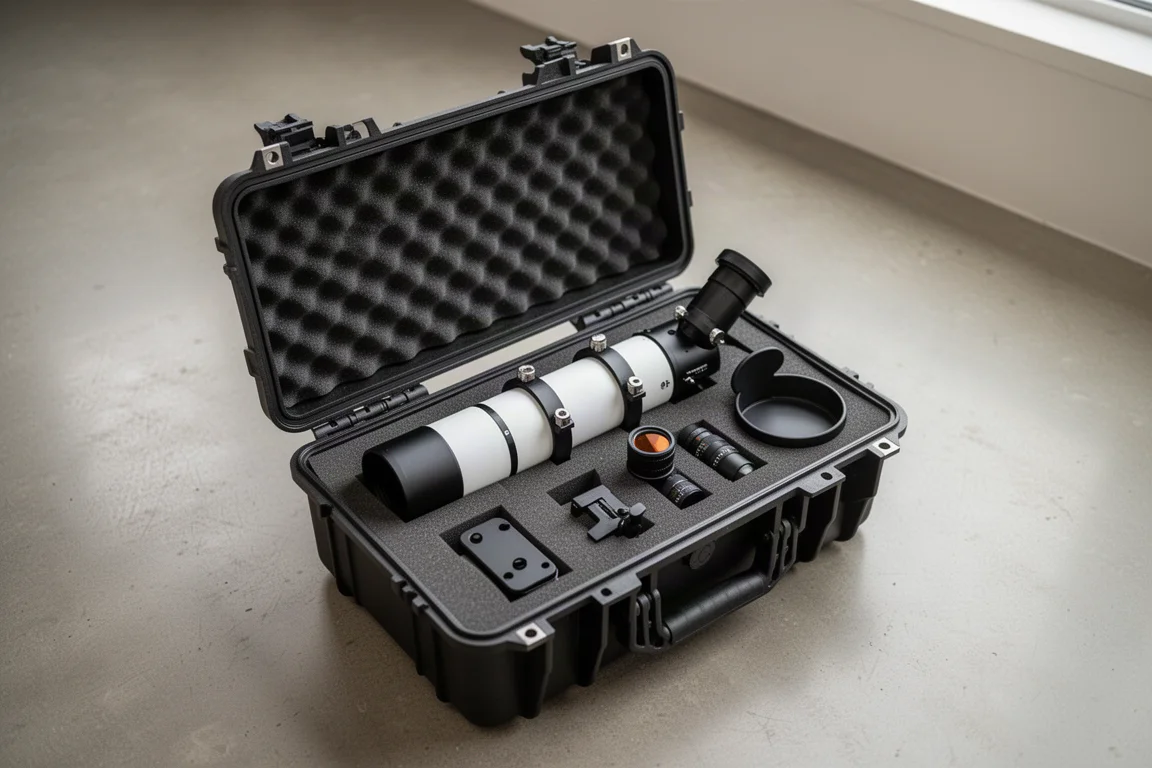
That means very little else to buy before your first session. The included phone adapter is a nice touch for anyone who wants to grab a quick snapshot of the disk without diving into dedicated solar imaging gear.
Ready to Observe Right Out of the Box
Everything about the package is geared toward getting you observing quickly. Attach the solar finder, slot in the eyepiece, and you can be looking at prominences within minutes of opening the case.
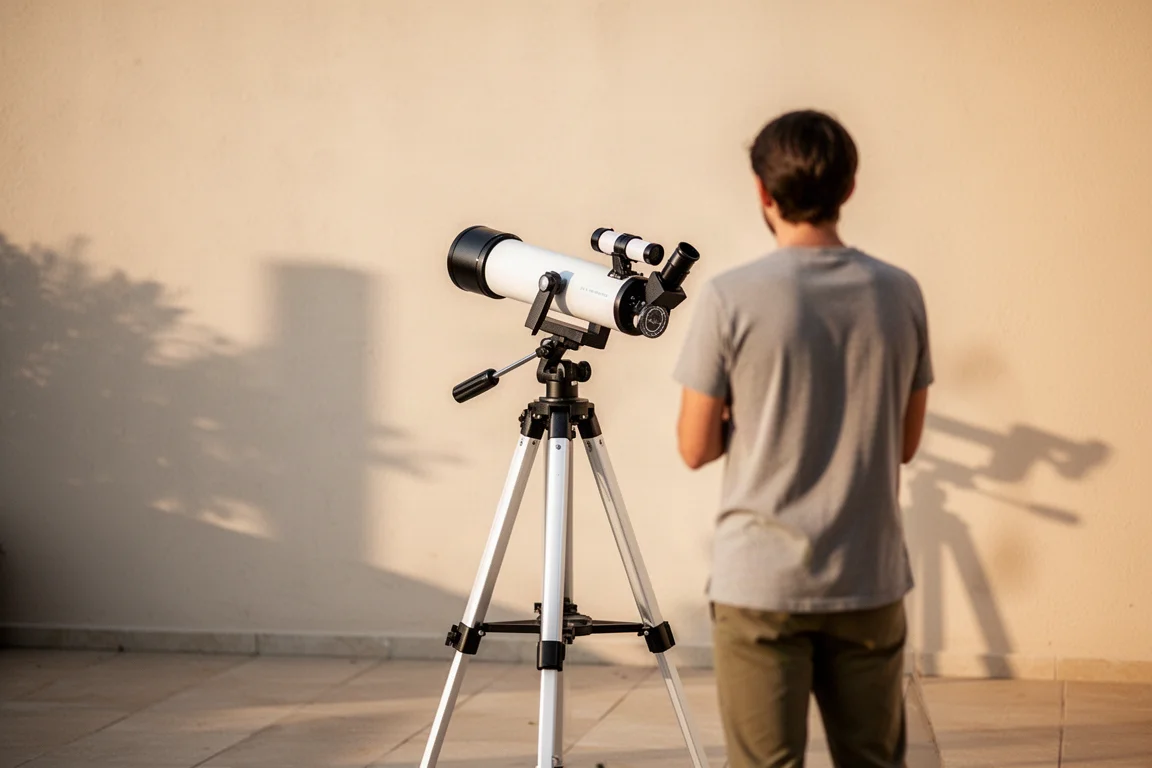
Solar imaging is a different rhythm from nighttime astrophotography. You do it in daylight, for one, but the features on the sun change constantly, so every session looks different from the last. That variety is a big part of what makes this kind of observing rewarding.
Pairing It with the SolarQuest Mount
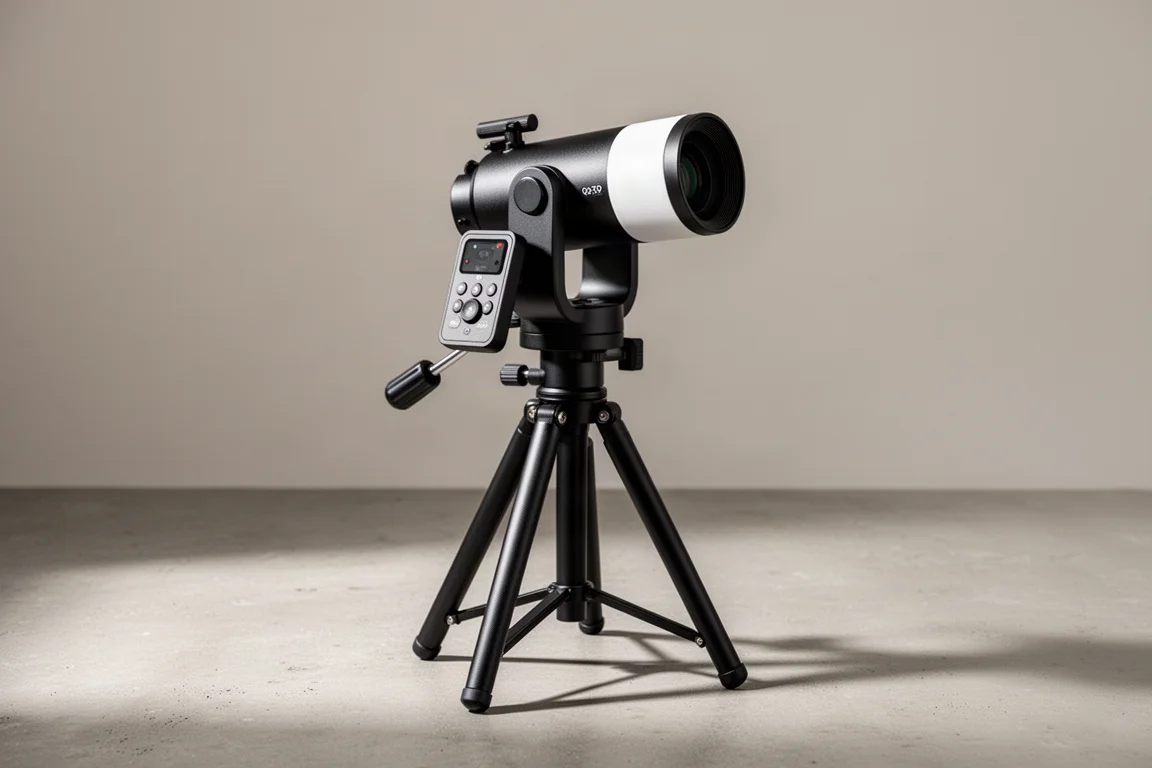
The Heliostar is available as a standalone telescope, but it’s also offered in a bundle with the Sky-Watcher SolarQuest mount, and this pairing makes solar observing remarkably easy.
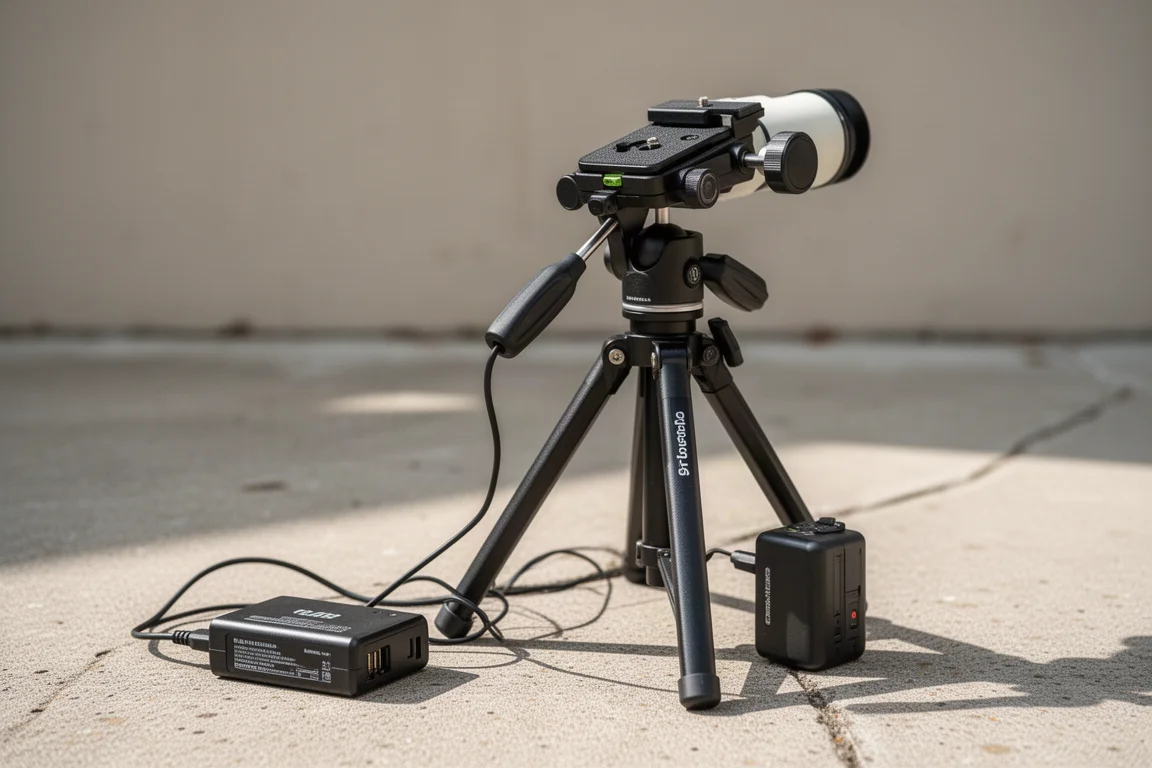
Set up the mount, attach the telescope, plug it in or use the included battery pack, and press the power button. The mount then automatically finds, centers, and tracks the sun for you. No nighttime alignment routine, no guessing, and no need to remember to switch your mount into solar mode.
For anyone who wants more observing time and less setup fiddling, that automation is arguably the most compelling reason to choose the bundle over the standalone telescope.
Safety Comes First
It bears repeating: never look at the sun without a safe solar filter. A dedicated H-alpha telescope like this one has that filtration built in, which is exactly why purpose-built solar instruments matter.
Conclusion
The Sky-Watcher Heliostar 76 H-alpha makes a strong case for spending your daylight hours under the stars’ brightest neighbor. Its built-in etalon, fine-tuning control, and complete accessory kit mean you can see prominences, filaments, and active regions right away, and the SolarQuest mount bundle removes nearly all of the setup friction. If the dynamic, ever-changing sun appeals to you, this is a well-rounded way to start.
Further reading
Related Reviews
Astronomy
Astronomy Gifts for Dads: Binoculars, Telescopes and Accessories Worth Giving
A practical gift guide covering stargazing binoculars from around $50, beginner telescopes under $500, and accessories under $100.
Astronomy
Best Filters for EAA in Light Pollution: What Short-Exposure Testing Actually Showed
Five astronomy filters and two noise reduction tools tested under light polluted skies for electronically assisted astronomy, with practical results for broadband and narrowband targets.
Astronomy
Six Premium Eyepieces That Transform a Beginner Telescope
A hands-on comparison of Tele Vue Panoptic, Tele Vue Nagler, and Baader Hyperion eyepieces, and why upgrading the stock eyepieces is the best first move in stargazing.