Astrophotography
Sky-Watcher Star Adventurer GTi vs Benro Polaris Astro Edition: Two High-Tech Star Trackers Compared
A practical comparison of two portable Go-To star trackers for deep sky astrophotography with just a camera and telephoto lens.
Introduction
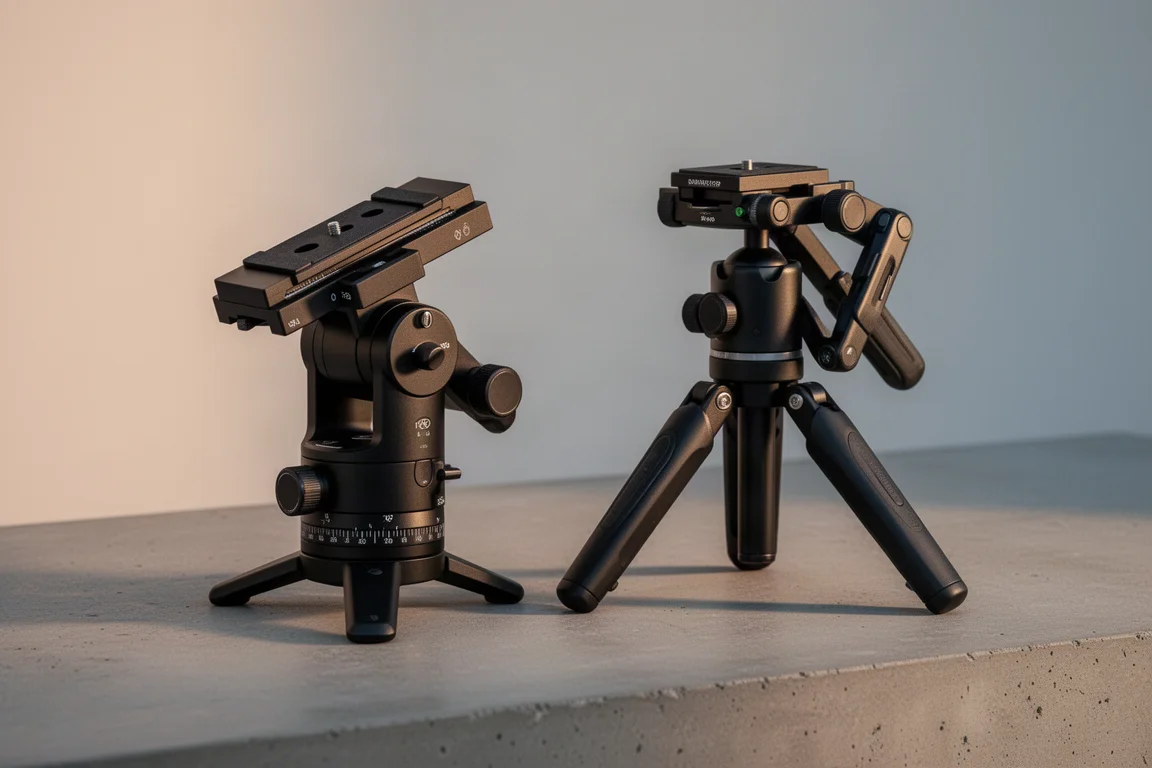
Star trackers have long been simple devices: align to the celestial pole, switch on, and let the mount counteract Earth’s rotation so stars stay pinpoint instead of trailing into streaks. That simplicity is changing. A new generation of high-tech trackers adds Go-To pointing, wireless control, and smartphone apps, all packed into bodies small enough to backpack with.
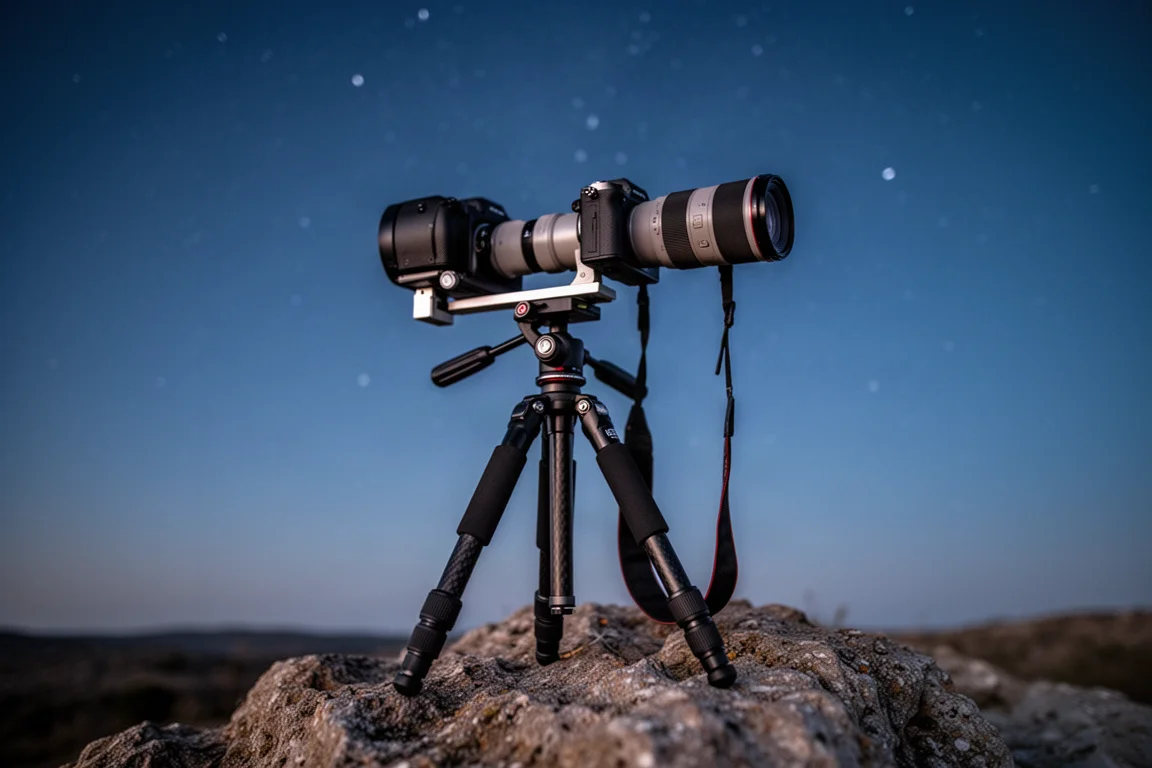
Two of these newer options are the Sky-Watcher Star Adventurer GTi and the Benro Polaris Astro Edition. Both are aimed at landscape astrophotography and wide-field work like Milky Way and constellation shooting, but both can also handle stripped-down deep sky astrophotography with just a camera and a telephoto lens. This comparison looks at how each one sets up, how the control apps feel in practice, and where the tracking limits fall at 85mm focal length.
Two Approaches to Star Tracking
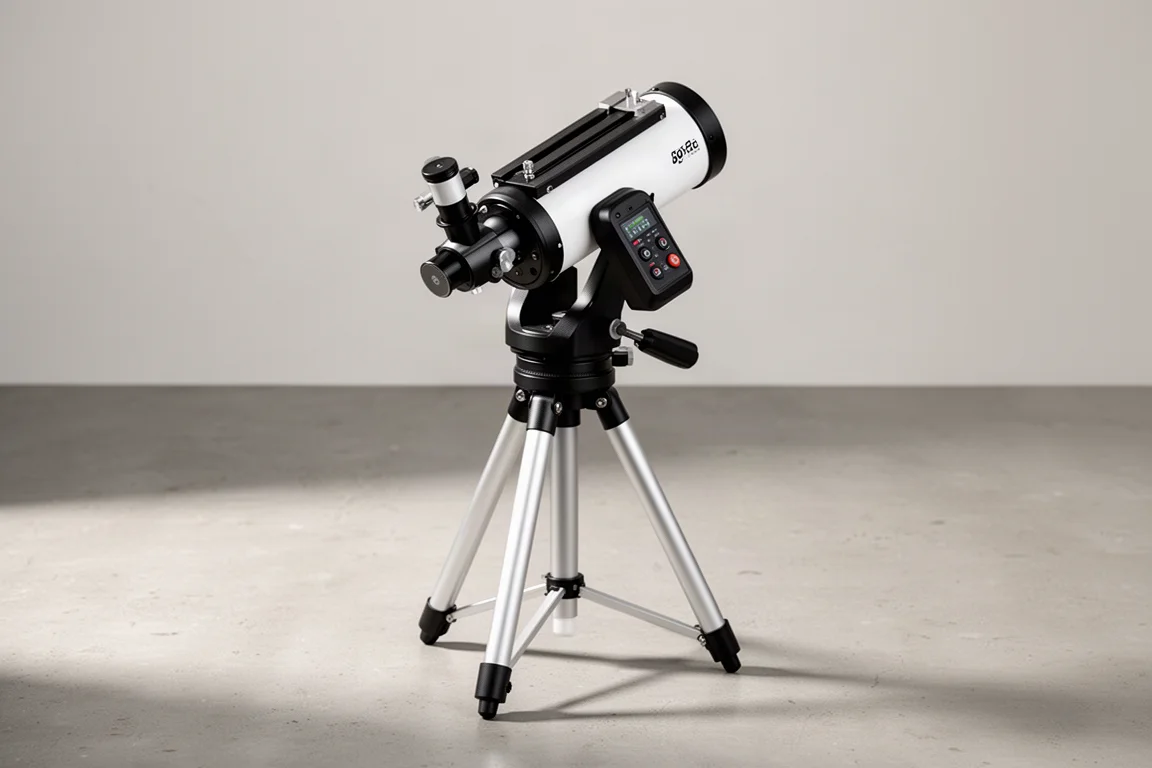
The Star Adventurer GTi is a new edition of a very popular Sky-Watcher star tracker, and its trick is essentially miniaturizing a full computerized Go-To equatorial mount into a portable, wireless package. All the familiar conventions of using a Go-To equatorial mount are still there, which makes it feel natural to anyone who has done polar alignment and star alignment before.
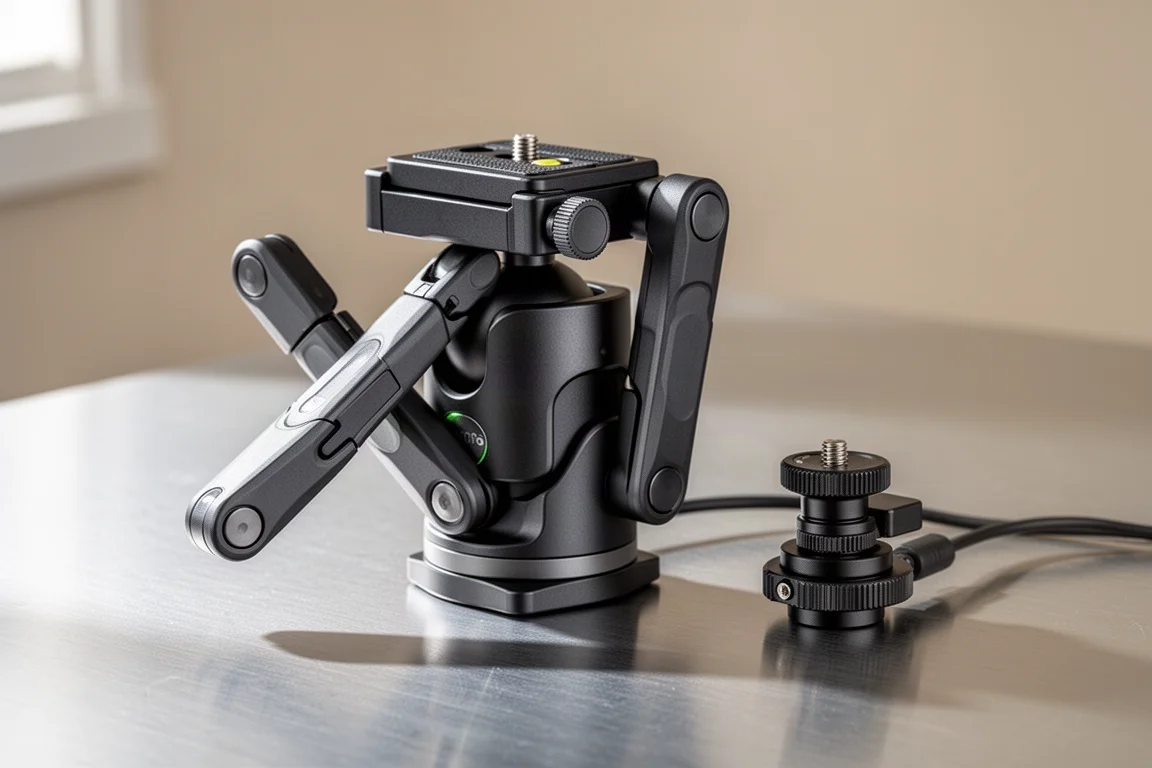
The Benro Polaris takes a genuinely different path. It is sold in multiple configurations: a two-axis version that works as a smart tripod head for panoramas and time lapses, and the Astro Edition, which adds a third axis for long exposures of the night sky. It is an altaz-style mount rather than an equatorial one, so it does not require polar alignment. Instead it uses your smartphone in clever ways during setup and then compensates for field rotation using all three axes, based on which part of the sky it is pointed at. That approach appears to work pretty well in practice.
Setting Up the Star Adventurer GTi
The GTi can be powered conventionally through its 12-volt input or, more conveniently, with eight AA batteries. Running off batteries, the power LED may blink red rather than staying solid, but the mount still works fine that way. Any tripod with a 3/8-inch stud will do, and the mount head takes a Vixen-style dovetail plate, an astronomy standard available in many sizes. The counterweight system is recommended for heavier payloads like a small telescope, but it can be run without one in a lightweight backpacker configuration.
Polar alignment starts by rotating the declination axis 90 degrees so the internal polar scope lines up. Roughly aim the mount at Polaris by eye first, then use the polar clock utility in the SynScan Pro app, which updates continually to show exactly where Polaris should sit on the reticle. Adjust with the altitude and azimuth knobs until the star is positioned correctly. Expect to spend more than 30 seconds on this your first night out; it can be frustrating until it clicks.
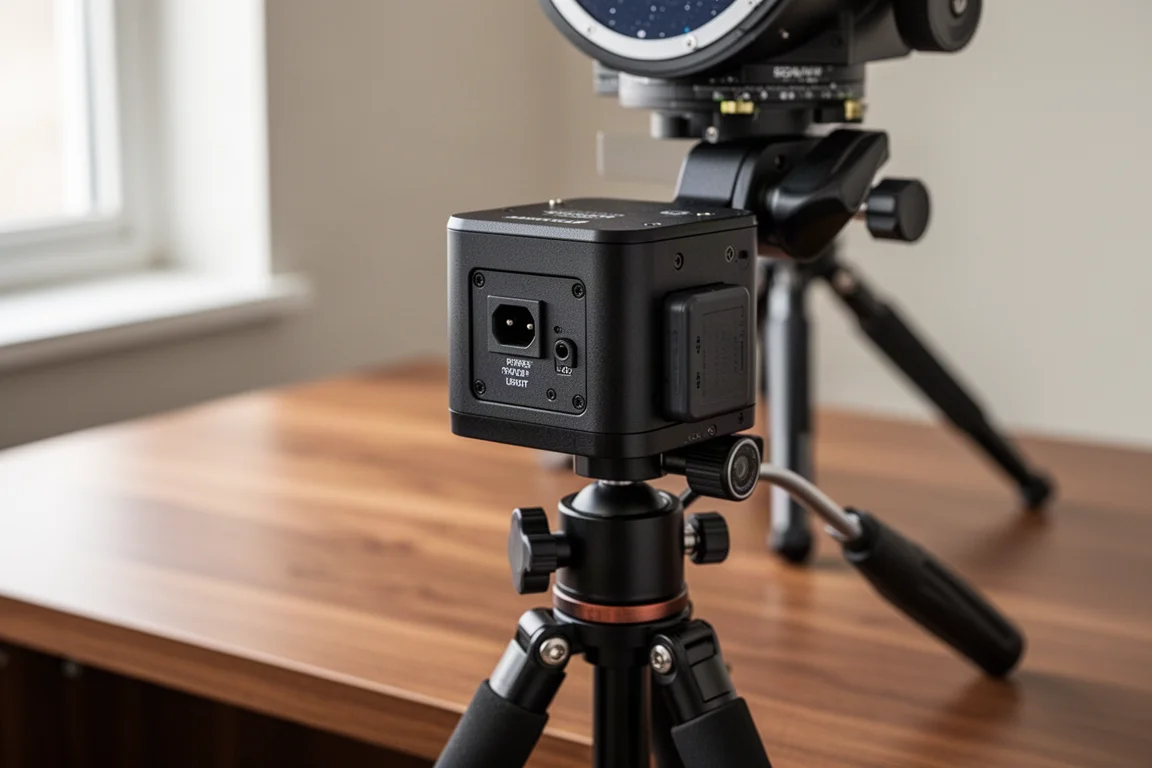
Because this is a Go-To mount, polar alignment is only half the job. Star alignment builds the pointing model: you pick a bright star from a list, the mount slews to it, and you center it with the arrow keys. One quirk to know: you must finish centering with the up and right arrows to compensate for gear backlash, and the app will prompt you until you do. A one-star alignment on a bright star like Altair works, but a two- or three-star alignment is always better for Go-To accuracy.
Once aligned, the SynScan app offers the Messier, Caldwell, NGC, and IC catalogs plus many named deep sky objects. If that is not enough, the GTi also connects to SkySafari 7 Pro, a full-featured paid planetarium app where you can swipe around the sky and Go-To anything. If smartphone apps are not your preference, the mount connects to a computer by cable, opening up a large range of mostly free software options.
Setting Up the Benro Polaris Astro Edition
The Polaris charges over USB-C into an internal battery that Benro says lasts 24 hours per charge. A USB-C cable is included but a charger is not. You can charge while tracking: connected to a power bank, the battery percentage visibly rose in the app while the unit was tracking the night sky. It ships in a soft carry bag in its storage configuration.
Setup is unusual and satisfying: a short press followed by a long press on the power button produces three beeps and the unit unfurls into position. Power it off with one long press, attach it to the tripod, then connect the Astro component, the third axis, making sure the short Astro cable goes into the ports labeled EXTRA on both the Astro part and the main head. Power back on the same way and connect to the Benro Polaris app over Wi-Fi.

The app uses virtual joystick circles for panning and tilting. Double-tapping both helps with leveling, after which you can level the tripod using its leveling base and your phone’s level feature. Attach the camera, and here is a practical tip: connecting the camera over USB is needed for panoramas and time lapses, but it was not necessary for deep sky work. The USB live view was very grainy and hard to use for focusing or finding stars, and with a Canon camera it blacks out the rear LCD. A reliable external intervalometer for programming bulb exposures works better here.
Calibration is genuinely easy. In Astro mode the app asks you to calibrate; place your phone next to the Polaris exactly as shown in the on-screen drawing and press calibrate. The phone’s gyroscope and GPS let the system figure out your location and the mount’s orientation relative to the cardinal directions, roughly replacing polar alignment in a fraction of the effort. For accurate Go-To you still do a star alignment; a one-star align on Altair worked fine, with fine adjustment available via the virtual joysticks or the big physical knobs, which is genuinely fun.
The weak point is the deep sky catalog. All the Messier objects are present, but NGC coverage is nearly nonexistent: only one NGC object appeared in the whole catalog, and named objects came up empty for the Iris nebula. The workaround is the pencil icon, which accepts RA and Dec coordinates entered directly, looked up from another planetarium app. An update adding NGC and IC catalogs, plus ASCOM or INDI driver support or SkySafari compatibility, would open the Polaris up to far more serious use.
Tracking Performance at 85mm
Neither mount perfectly centered the Iris nebula after a one-star alignment, which was expected. Aligning on more stars, particularly stars closer to the target like Alderamin, would almost certainly improve centering for both. Still, both at least framed the target at 85mm.
For tracking accuracy, testing started at 30-second exposures. Both mounts performed great, with every exposure across roughly ten shots on each tracker turning out as keepers. Doubling to one minute produced perfectly round stars from both, and two-minute exposures also looked great. At four minutes, both started to show some star trailing.
The character of the trailing differs in an instructive way. On the GTi, the trails ran the same amount in the same direction across the field, which points to polar alignment error; with a counterweight and a more careful polar alignment, longer exposures with round stars look very achievable. On the Polaris, trails showed a slight curvature, suggesting that four minutes may be near the practical single-exposure limit for this style of tracker.
The headline result: both mounts deliver two-minute sub-exposures with a heavy 85mm lens and no counterweights. For portable deep sky work with a lightweight setup, that is a complete success for either one.
Which One Should You Buy?
The Star Adventurer GTi is cheaper at $640 for just the head, or $740 with the tripod included, while the Benro Polaris Astro Edition comes in at $1,149 for the three-axis head, roughly $500 more. The GTi requires polar alignment, which is a challenge if you have no view of Polaris. In return, it connects to a huge ecosystem: laptops, ASI Air, SkySafari and more, backed by drivers written for the long history of Sky-Watcher mounts. Its tracking has a probable edge with careful polar alignment and balancing, and its signature capability is auto guiding support, which enables even longer tracked exposures plus dithering between exposures to help with noise.
The Polaris counters with automated panoramas and time lapses, features that may well justify the extra cost for hybrid shooters. As a deep sky tracker it is perfectly capable and notably easy to use. If you want that versatility plus effortless setup, the Polaris is the device to get despite the price. If you want a truly portable equatorial mount that can also grow into a more complex imaging rig with auto guiding, counterweights, and computer control, the GTi is the stronger pick.
Conclusion
Both trackers succeeded at the core test: clean two-minute sub-exposures at 85mm with no counterweights. Choose the Star Adventurer GTi for ecosystem depth, guiding potential, and a lower price, or the Benro Polaris Astro Edition for its cable-free setup and extra panorama and time-lapse abilities. Either is a worthy companion for a lightweight deep sky kit.
Further reading
Related Reviews
Astrophotography
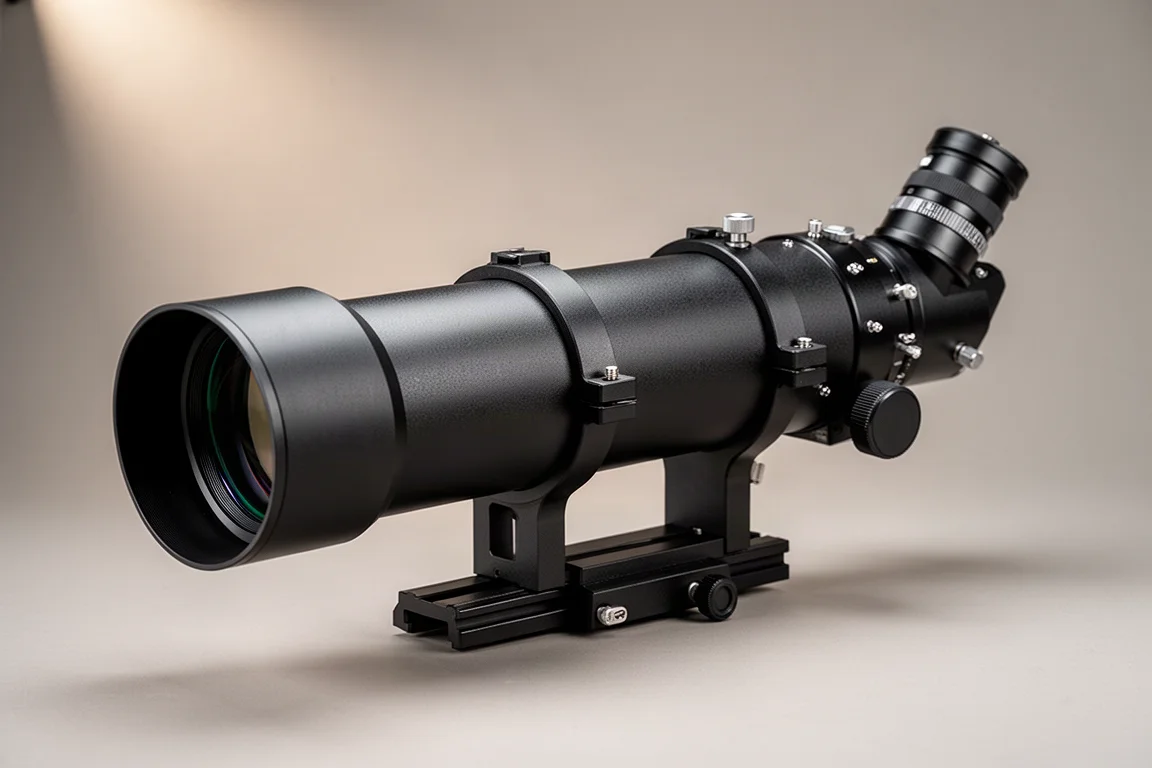
ASKAR FRA400C Review: A Versatile 400mm Refractor for Astrophotography and More
The ASKAR FRA400C is a compact 72mm refractor that balances reach, versatility, and portability for astrophotographers and visual observers.
Astrophotography
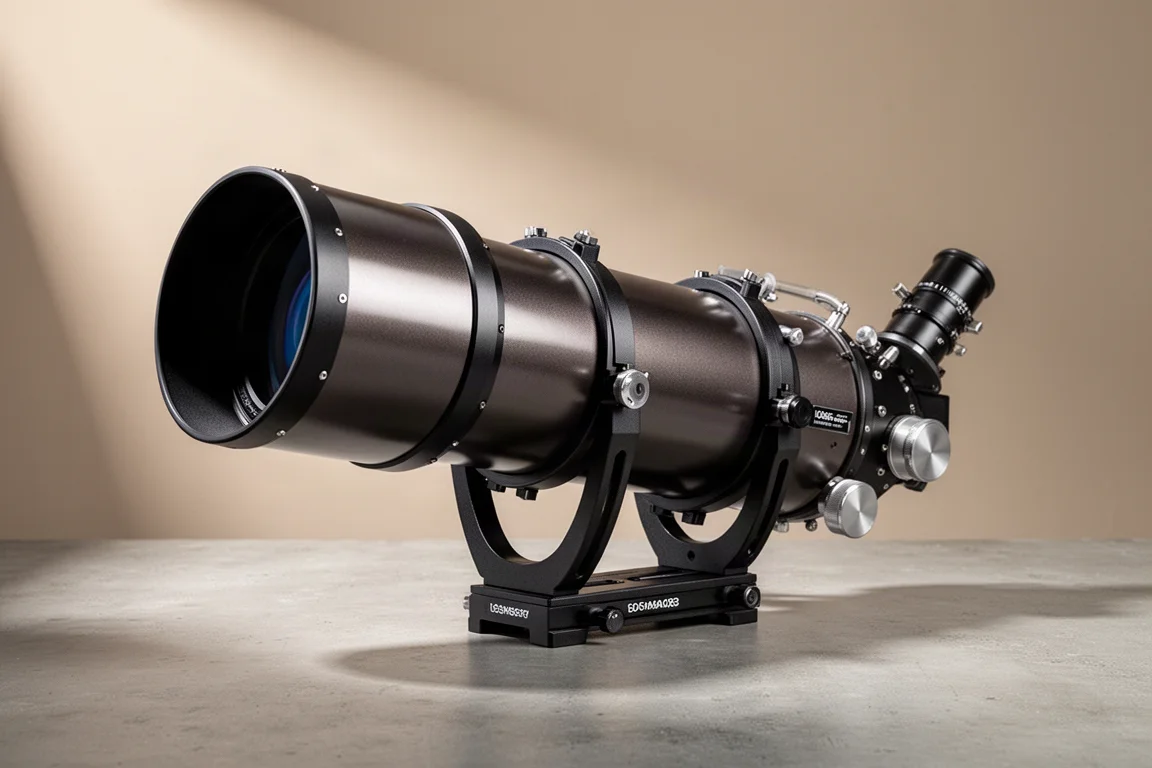
Askar SQA106 Review: A Premium 106mm Astrograph With Exceptional Optics
The Askar SQA106 is a premium 106mm quintuplet astrograph with impressive sharpness across full-frame sensors, though its price and weight demand careful consideration.
Astrophotography
Astro Imaging Gear 2026: Eight New Products Worth Watching
A look at the most interesting new astrophotography and astronomy products announced this year, from fast telescopes to smart cameras and wireless accessories.