Astronomy
Sky-Watcher EQ6-R Review: A Reliable Equatorial Mount for Astrophotography
A close look at the Sky-Watcher EQ6-R, a belt-driven equatorial mount built for serious astrophotography, including its load capacity, tracking features, and a few things to weigh before buying.
Introduction
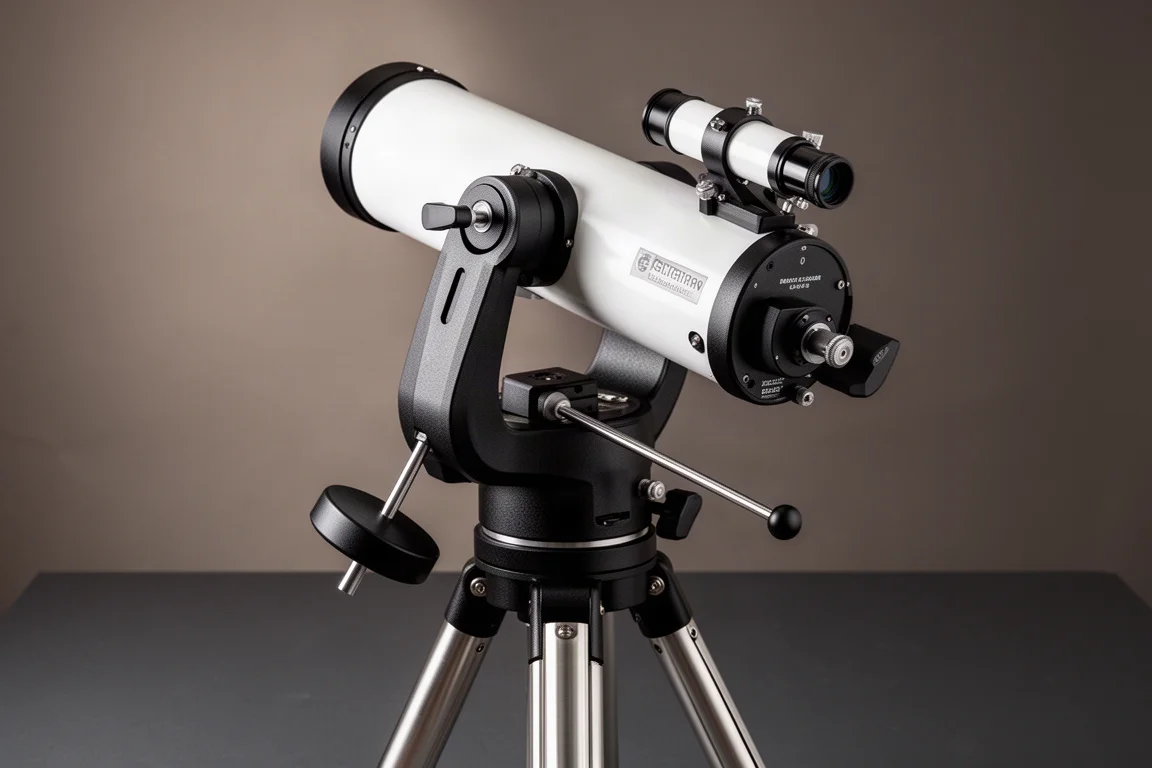
The Sky-Watcher EQ6-R is an equatorial mount aimed squarely at astrophotographers, and it has become one of the most commonly recommended options for people building a serious imaging setup. This overview covers what the mount can carry, how it tracks, and the practical details worth knowing before you commit.
Who the EQ6-R Is For
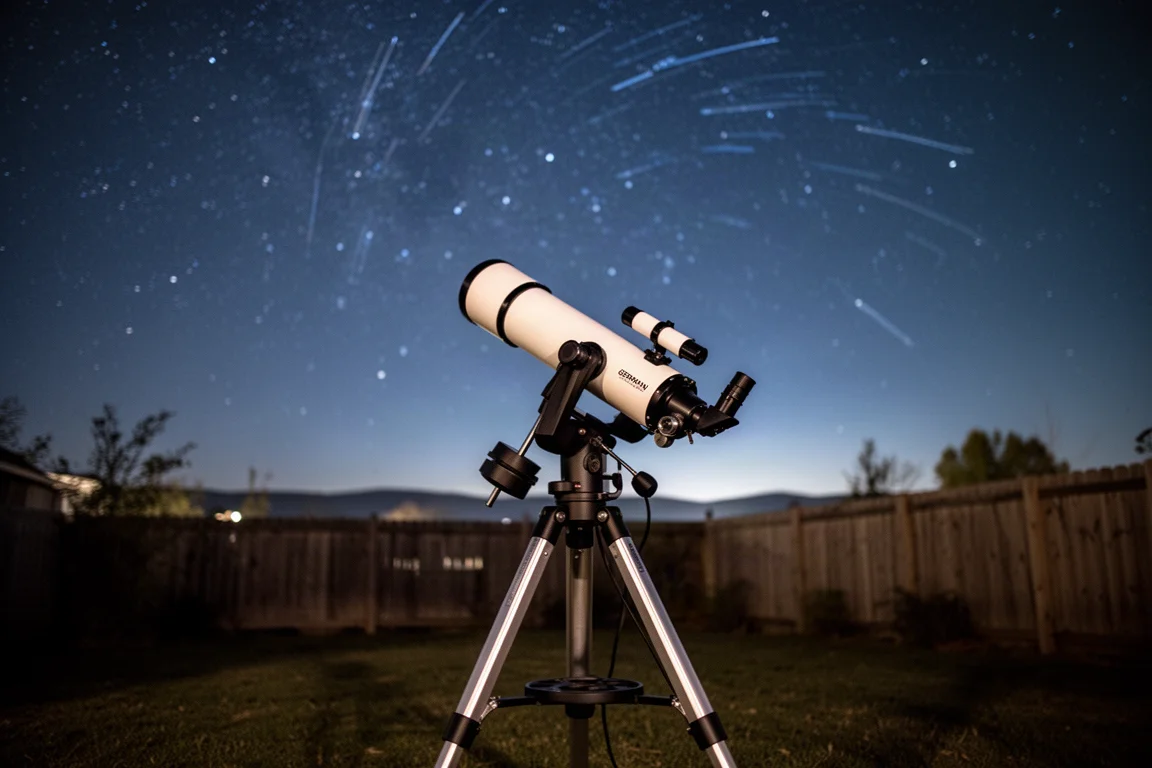
This mount is geared toward astrophotographers. You can certainly do visual observing with it, but the overwhelming majority of buyers choose the EQ6-R specifically for imaging work.
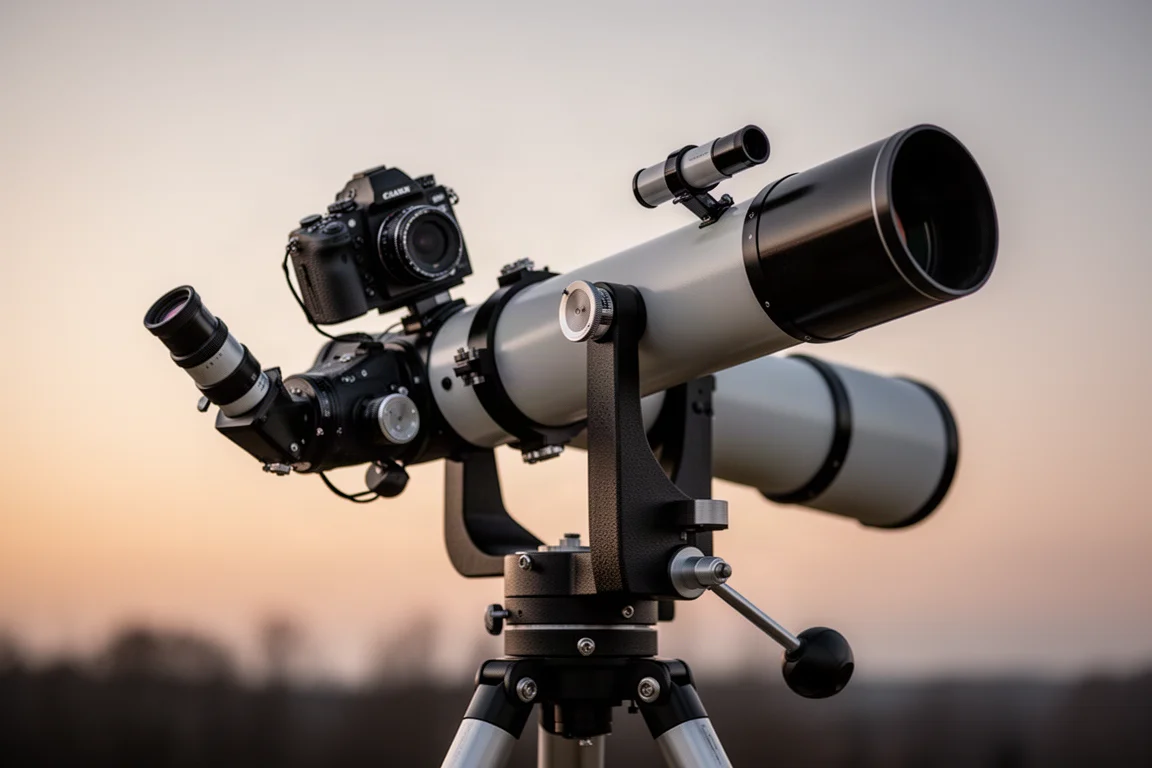
It is an excellent option if this is your first equatorial mount but you already know you need a decent-sized mount to hold all of your equipment. It is also a natural upgrade path if you are currently imaging with a star tracker carrying a DSLR, a camera lens, or a small refractor and you have outgrown that setup.
What We Like About the EQ6-R
The headline spec is the 44-pound weight capacity. That is enough to handle the weight and focal length of nearly any 8-inch scope on the market, and anything smaller, such as a refractor, a 6-inch Newtonian, or a smaller RC, is well within its comfort zone. It can even handle something slightly larger than 8 inches, like a 10-inch Newtonian, though with some caveats.
A common recommendation is to stay around 70 to 75 percent of the mount’s weight capacity. Loading it too heavily makes consistent imaging results harder to achieve, so a little headroom goes a long way.
Belt-Driven Tracking Performance
The EQ6-R is belt driven, which brings several practical benefits. Belt drive helps reduce backlash and periodic error, improves general tracking performance and reliability, and cuts down on how often you need to lubricate the gears or send the mount in for maintenance. It also runs very quietly, which you will appreciate during long imaging sessions.
Connectivity and Useful Extras
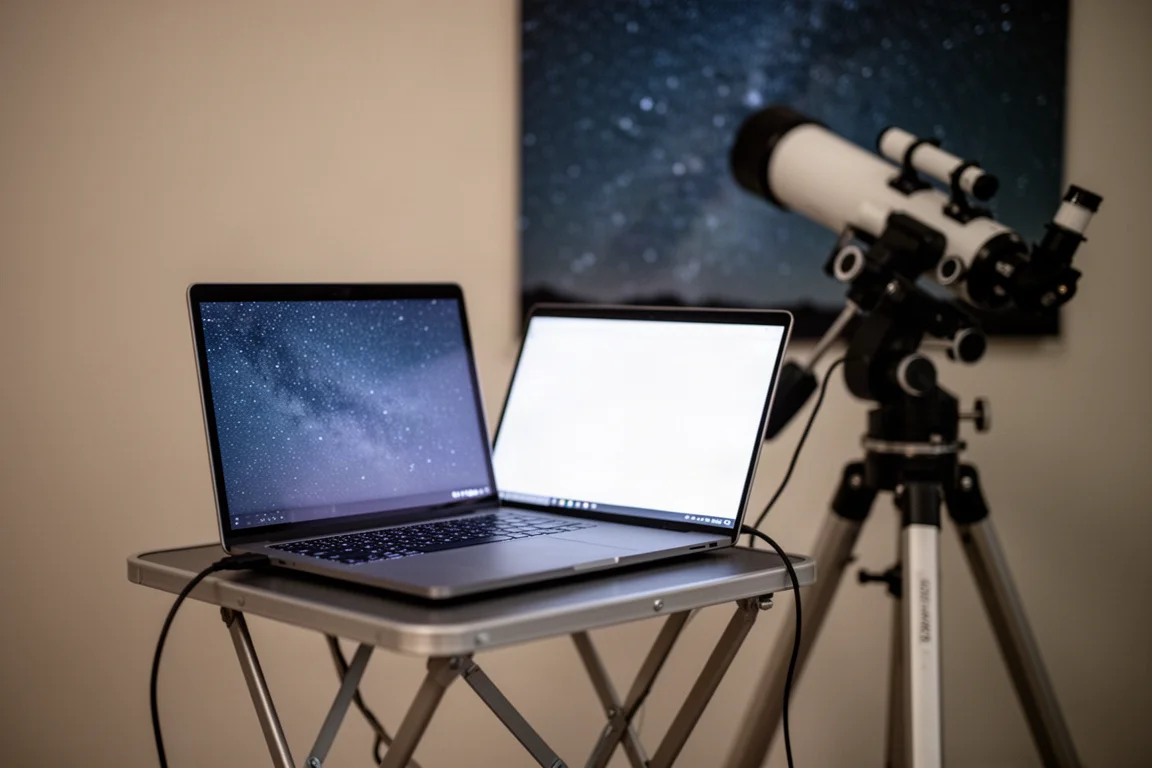
A USB port on the side of the mount head lets you connect the mount directly to your laptop for ASCOM control. That makes it compatible with popular control software such as Sequence Generator Pro, N.I.N.A., and SharpCap.
Other practical touches include a built-in polar scope for accurate polar alignment, a dual saddle on the declination axis that accepts both Vixen and Losmandy-style dovetails, and a retractable counterweight bar on the mount head that makes the mount a little smaller and easier to pack when you travel.
Things to Consider Before Buying
The first thing to think about is the actual weight of the EQ6-R. It is somewhat cumbersome: the mount head weighs 38 pounds, and the tripod, which separates from the head, weighs about 16 pounds. If you plan to transport it regularly, plan for how you will carry it.
Second, while the built-in polar scope can achieve a fairly accurate polar alignment, it is highly recommended to pair the mount with a guide scope running SharpCap’s polar alignment tool, or with a dedicated polar alignment camera such as the QHY PoleMaster, for very accurate results.
Buying Advice
If you are moving up from a star tracker or choosing your first serious equatorial mount for astrophotography, the EQ6-R hits a sensible balance: plenty of load capacity for most common imaging scopes, belt-driven tracking with low maintenance needs, and modern connectivity out of the box. Just budget for its weight and consider adding a dedicated polar alignment tool to get the most from it.
Conclusion
The Sky-Watcher EQ6-R earns its reputation as a dependable astrophotography mount. Strong weight capacity, quiet belt-driven tracking, and practical extras like a USB port and dual saddle make it an easy recommendation for imagers, as long as you are prepared to handle its substantial build.
Product link
View more details for Sky-Watcher EQ6-R
This product is mentioned in the review. Check the specifications, options, and compatibility before buying.
View more details for Sky-Watcher EQ6-RFurther reading
Related Reviews
Astronomy
Astronomy Gifts for Dads: Binoculars, Telescopes and Accessories Worth Giving
A practical gift guide covering stargazing binoculars from around $50, beginner telescopes under $500, and accessories under $100.
Astronomy
Best Filters for EAA in Light Pollution: What Short-Exposure Testing Actually Showed
Five astronomy filters and two noise reduction tools tested under light polluted skies for electronically assisted astronomy, with practical results for broadband and narrowband targets.
Astronomy
Six Premium Eyepieces That Transform a Beginner Telescope
A hands-on comparison of Tele Vue Panoptic, Tele Vue Nagler, and Baader Hyperion eyepieces, and why upgrading the stock eyepieces is the best first move in stargazing.