Astronomy
Sky-Watcher 100i vs 150i Strainwave Mounts: Two Lightweight Options for Serious Astrophotography
Sky-Watcher joins the harmonic drive mount market with the 100i and 150i. Here is how they compare on payload, ports, and flexibility.
Introduction
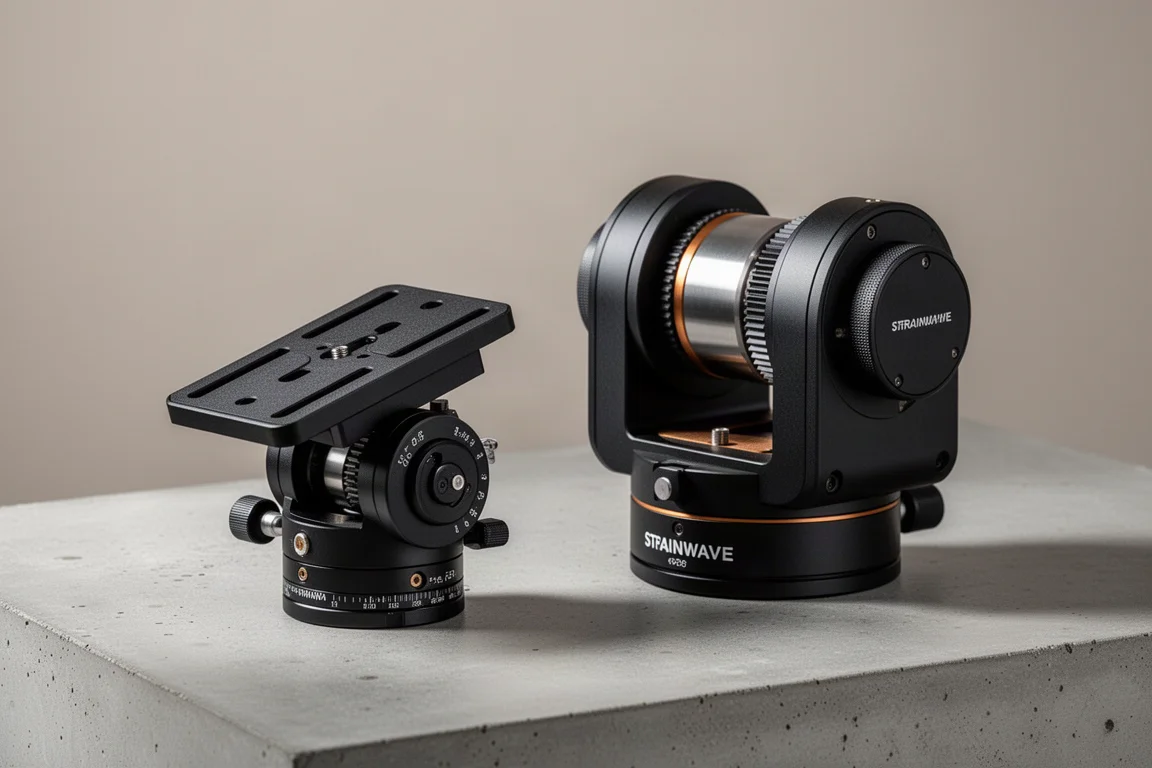
Sky-Watcher has finally joined the strainwave, or harmonic drive, mount club, and its first two entries are the 100i and the 150i. Both are small, lightweight, and built around the core promise of this mount class: a high payload-to-weight ratio, more precise tracking, and the ability to run without a counterweight at all. That combination opens the door to larger telescopes on genuinely portable rigs, which is especially interesting for beginners stepping up their astrophotography game.
Why Strainwave Mounts Are Different
If you are used to a standard equatorial mount, strainwave designs change the equation. Their gearing delivers a much higher payload-to-weight ratio and more precise tracking, and because they can operate without counterweights, you can mount a larger telescope while keeping the whole setup portable.
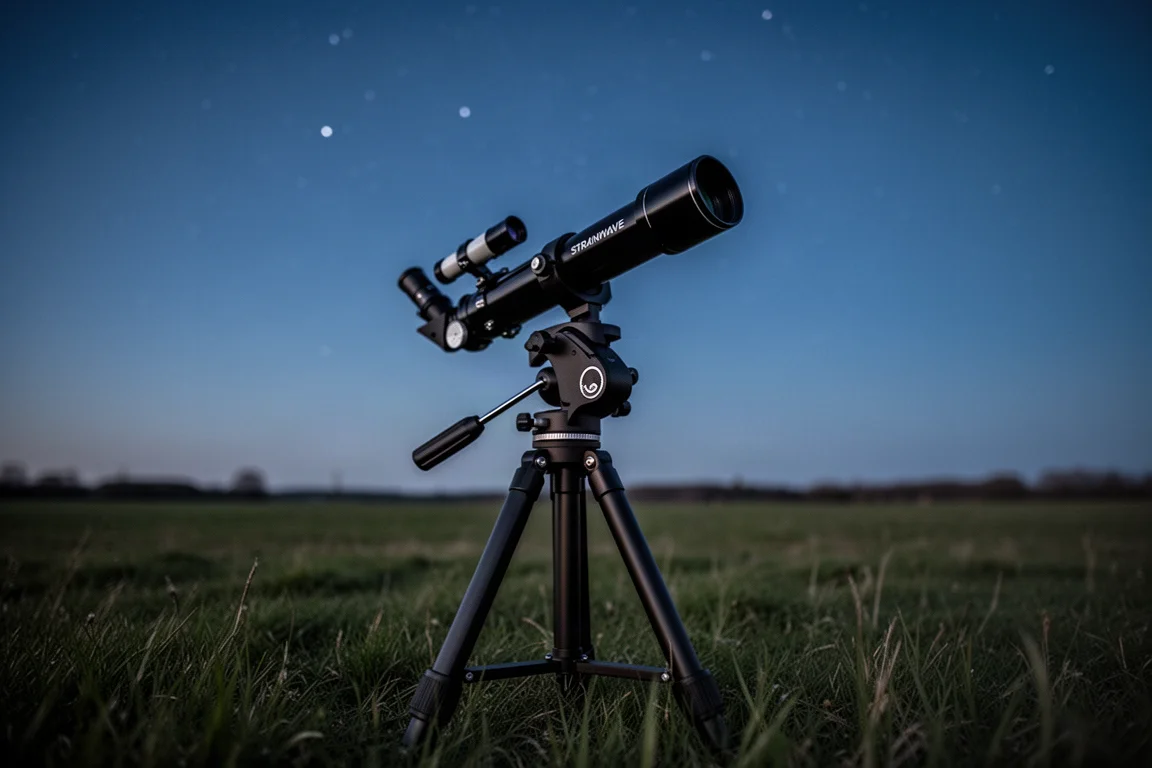
For anyone who has wrestled a heavy German equatorial mount into the back of a car, that alone is a meaningful shift. For newer astrophotographers, it lowers the barrier to running serious glass on a compact rig.
Sky-Watcher 100i: Payload and Control
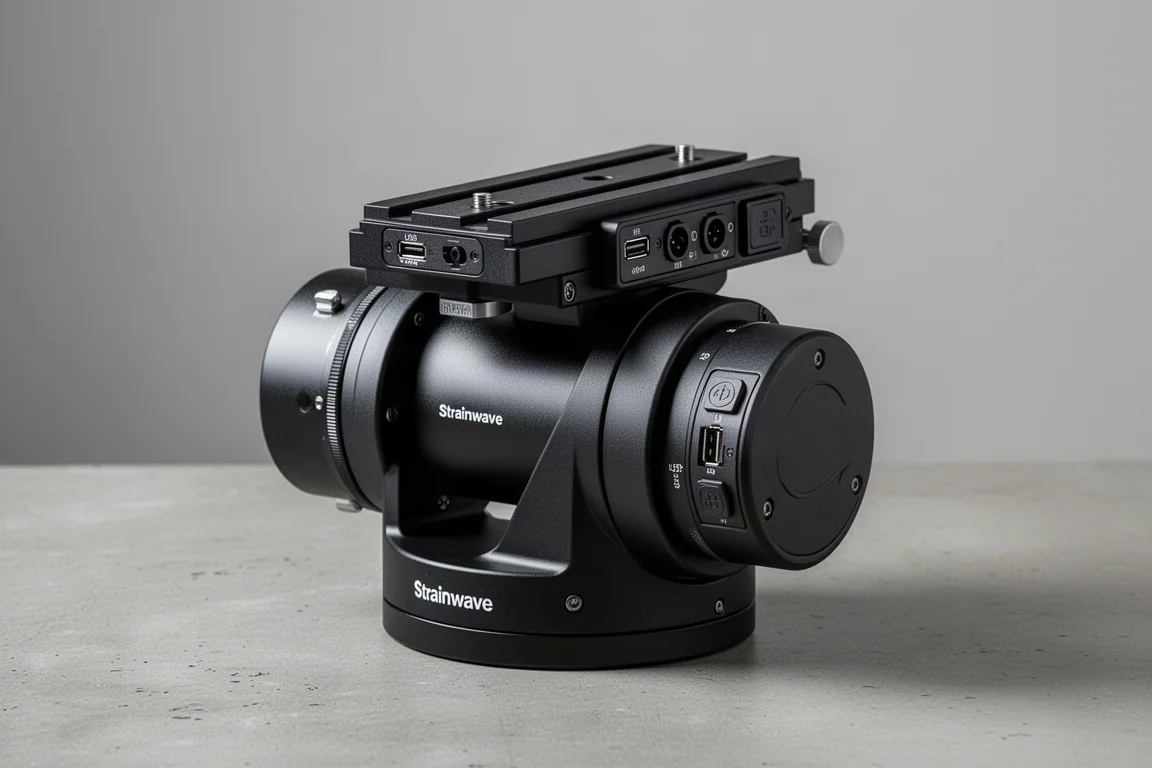
The Sky-Watcher 100i weighs just 9.5 lbs and hauls a hefty 22 lbs of equipment without a counterweight. With the optional counterweight kit, that capacity rises to 33 lbs. On the control side, the RA axis carries inputs including support for the familiar hand controller, so anyone comfortable with that workflow can keep it. A standard USB port sits on the same axis, allowing control from a laptop or an onboard computer such as the ASIAIR.
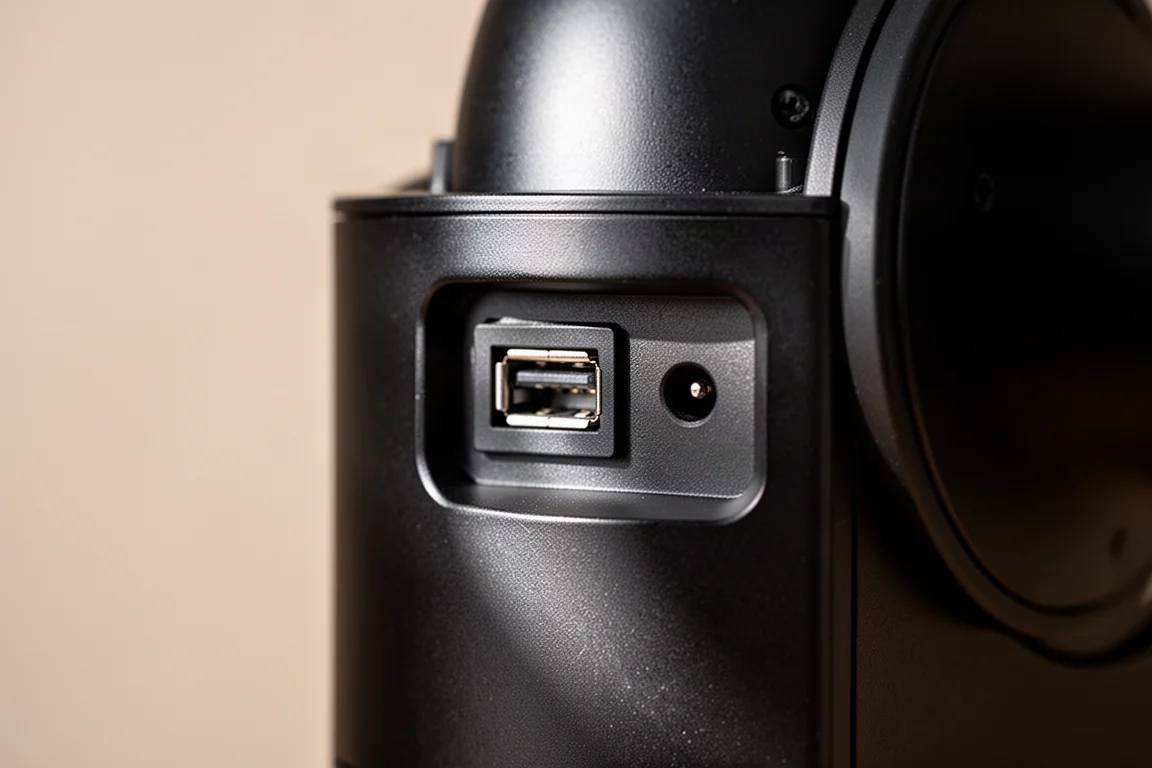
With Bluetooth and Wi-Fi built in, the mounts are expected to be controllable through the Sky-Watcher app, though full details on that front are still forthcoming.
Sky-Watcher 150i: More Capacity, Different Port Layout
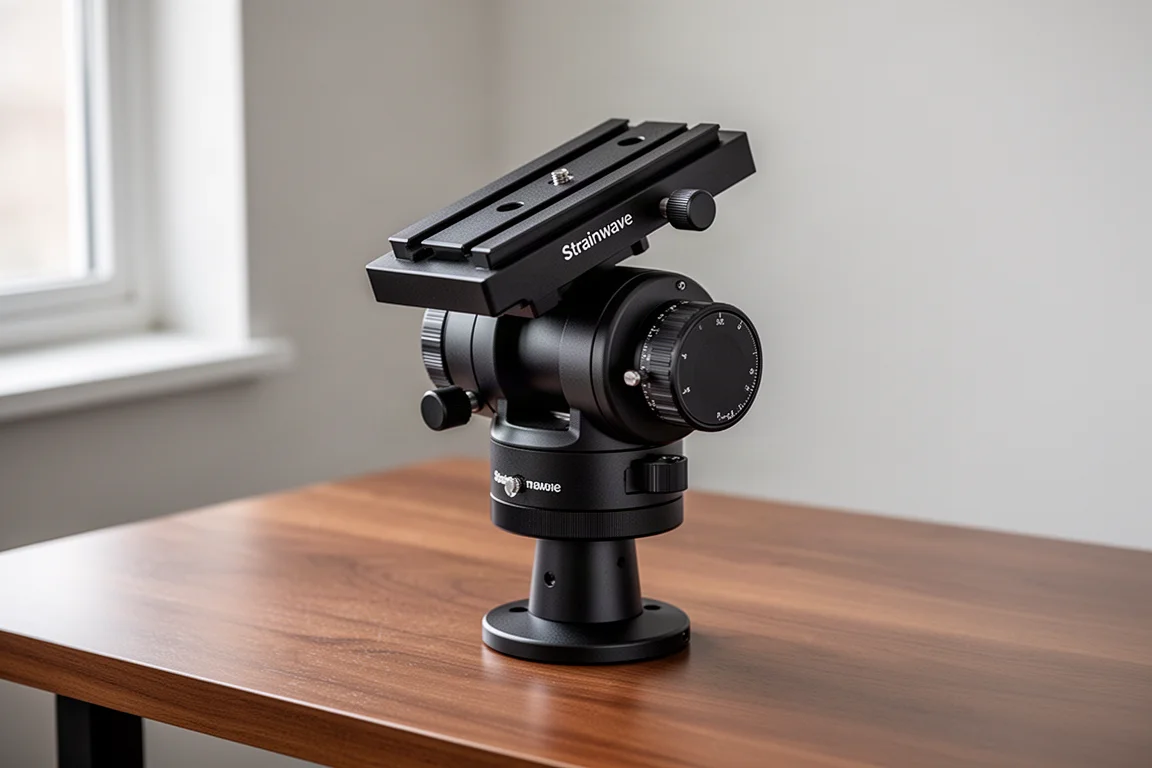
The 150i steps things up. It weighs just 13 lbs yet carries a solid 33 lbs without a counterweight, and with the optional counterweight kit that capacity climbs from 33 to 55 lbs. Its connectivity is laid out differently: the 150i includes USB ports and 12V output ports on the declination saddle, while its USB ports for computer control sit at the base of the mount rather than on the RA axis as on the 100i. That placement changes how you route cables, which matters when managing a full imaging rig.
Accessories and Availability
Alongside the optional counterweight kit for each mount, Sky-Watcher offers a carbon fiber tripod with a 44 lb max capacity, plus a pier extension for those using longer focal length refractors. The mounts, tripod, counterweight kits, and pier extension are available for pre-order, so anyone planning a new imaging rig has the full component list to work from.
Visual and Planetary Use
Both mounts can also run in alt-azimuth mode, which is great news for anyone who enjoys visual observation through an eyepiece. The same head that powers a precision imaging session can swing over to casual planetary and lunar viewing without extra hardware.
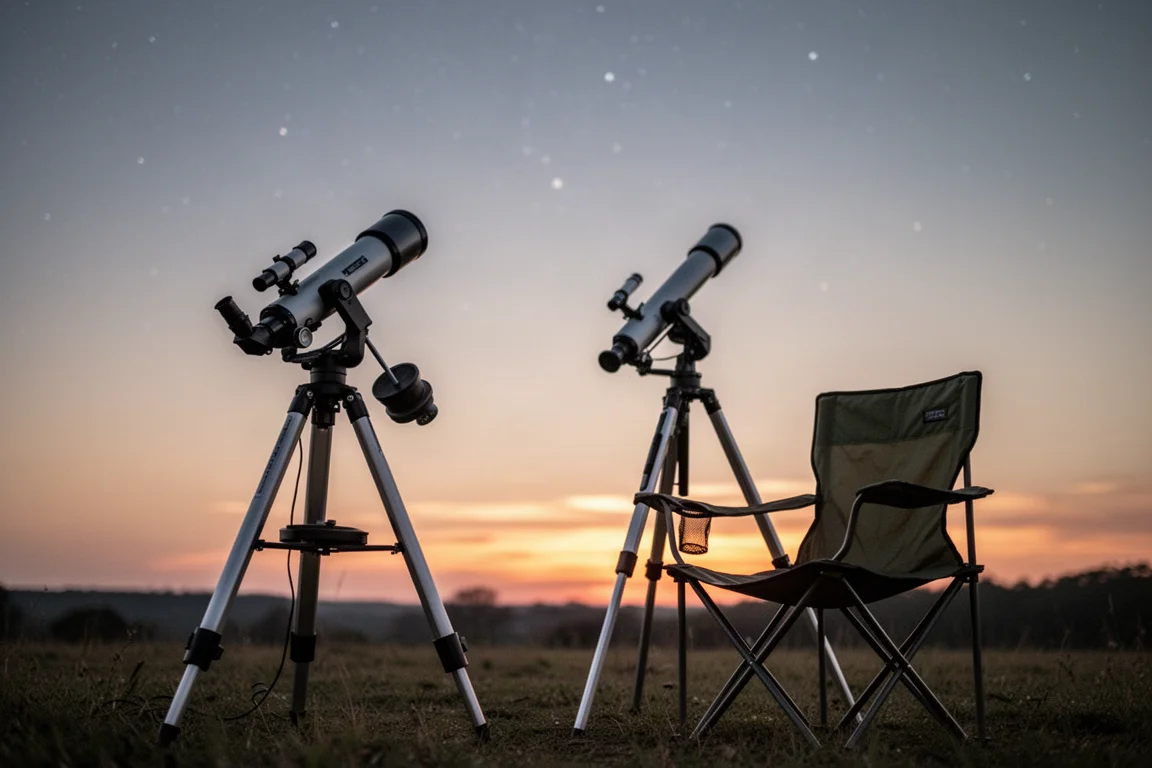
That dual-mode flexibility makes either mount a plausible single purchase for a household that mixes astrophotography with straightforward stargazing.
Which One Should You Choose?
The dividing line is mostly payload and layout. If your setup fits under 22 lbs unweighted, the 100i is the lighter, more compact option, and it is the only one of the two with dual saddles. That means you can stack two scopes on it for a dual imaging or dual visual setup, something the 150i cannot do.
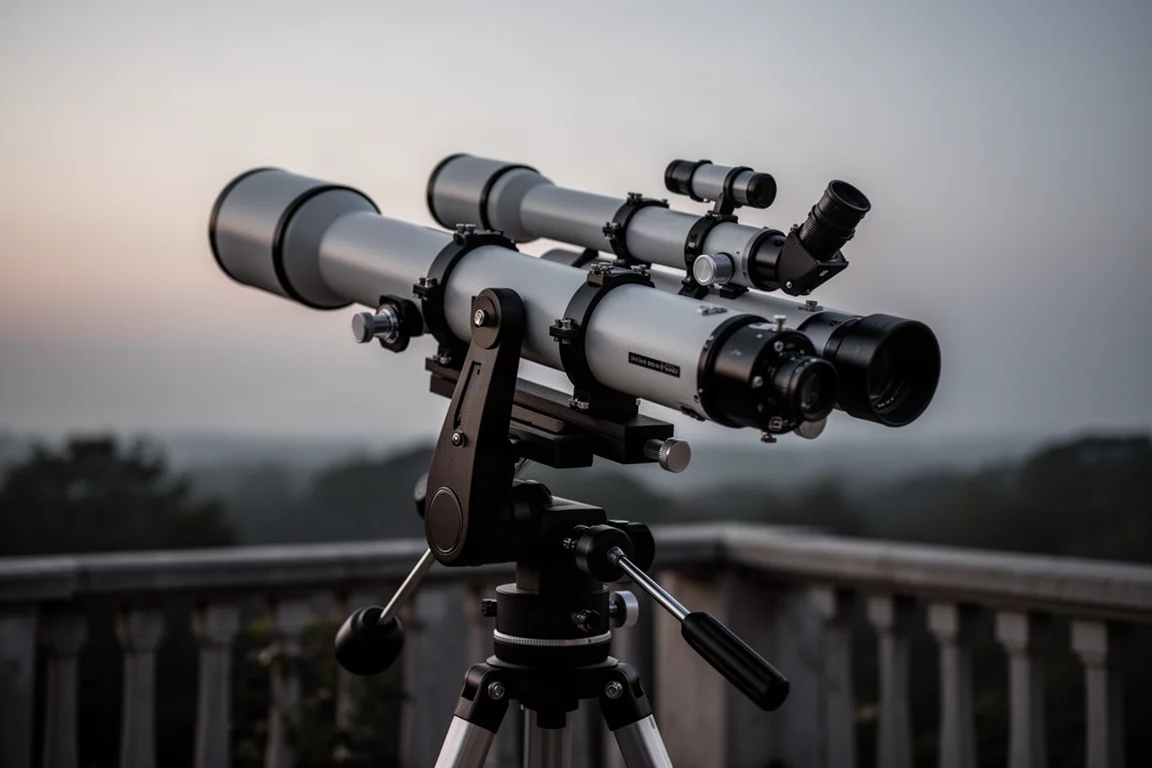
If you need the extra headroom, the 150i’s 33 lb unweighted capacity, expandable to 55 lbs with the counterweight kit, gives you room for larger optical tubes and heavier accessory stacks. Its saddle-mounted USB and 12V ports also suit rigs where power and data distribution at the telescope matter.
Conclusion
Both mounts are small, portable, and lightweight while still handling seriously large telescopes, which makes them potential game changers for beginner astrophotographers or anyone looking to transform their entire imaging rig. Pick the 100i for lightness and dual-saddle flexibility, or the 150i when payload headroom and saddle-level power distribution matter more. Either way, strainwave tracking without counterweights is now a realistic starting point rather than a distant upgrade.
Further reading
Related Reviews
Astronomy
Astronomy Gifts for Dads: Binoculars, Telescopes and Accessories Worth Giving
A practical gift guide covering stargazing binoculars from around $50, beginner telescopes under $500, and accessories under $100.
Astronomy
Best Filters for EAA in Light Pollution: What Short-Exposure Testing Actually Showed
Five astronomy filters and two noise reduction tools tested under light polluted skies for electronically assisted astronomy, with practical results for broadband and narrowband targets.
Astronomy
Six Premium Eyepieces That Transform a Beginner Telescope
A hands-on comparison of Tele Vue Panoptic, Tele Vue Nagler, and Baader Hyperion eyepieces, and why upgrading the stock eyepieces is the best first move in stargazing.