Ski Boots and Liners
Ski Boot Liners and Footbeds Compared: ZipFit, Intuition, Remind and Soul
A practical look at two aftermarket ski boot liners and two footbed options, covering heat molding, fit trade-offs, and what each one is worth.
Introduction
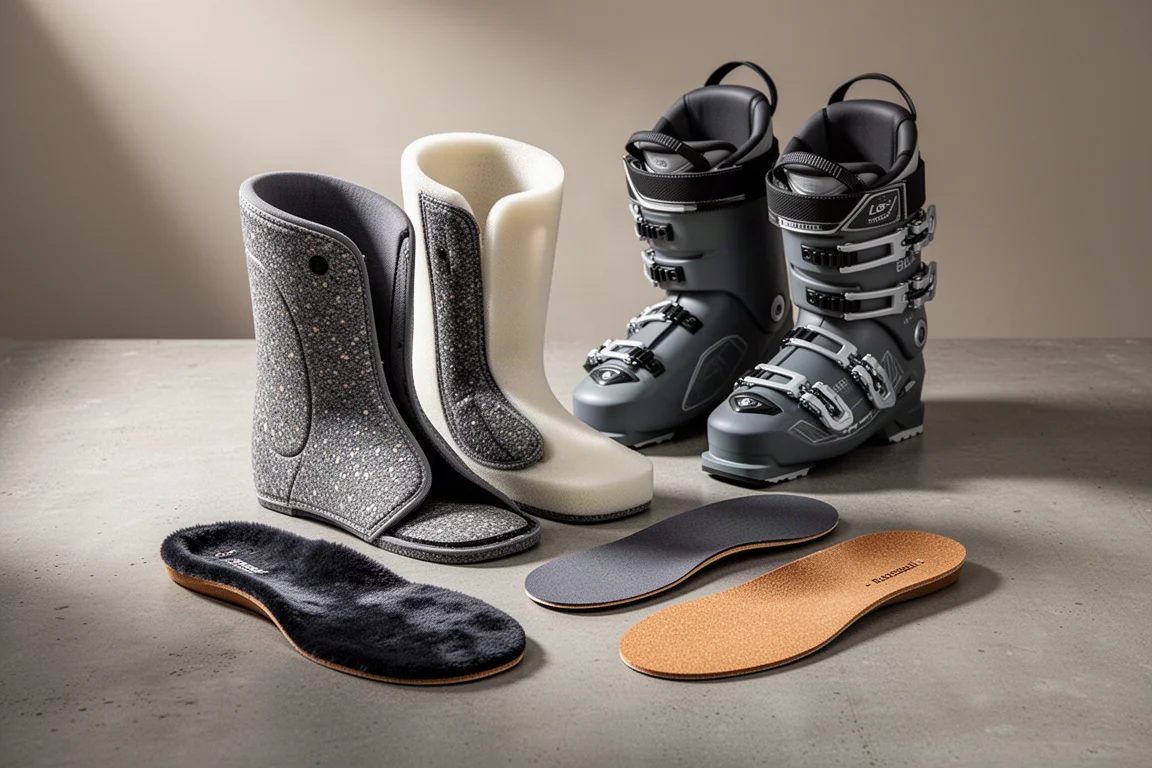
Heat molding a ski boot liner at home is a manageable project, but it rewards patience. The process is less about one oven session and more about a series of small fit decisions: which footbed sits under your foot, whether a spoiler belongs in the shell, and how much room your ankle has once everything is buckled down.
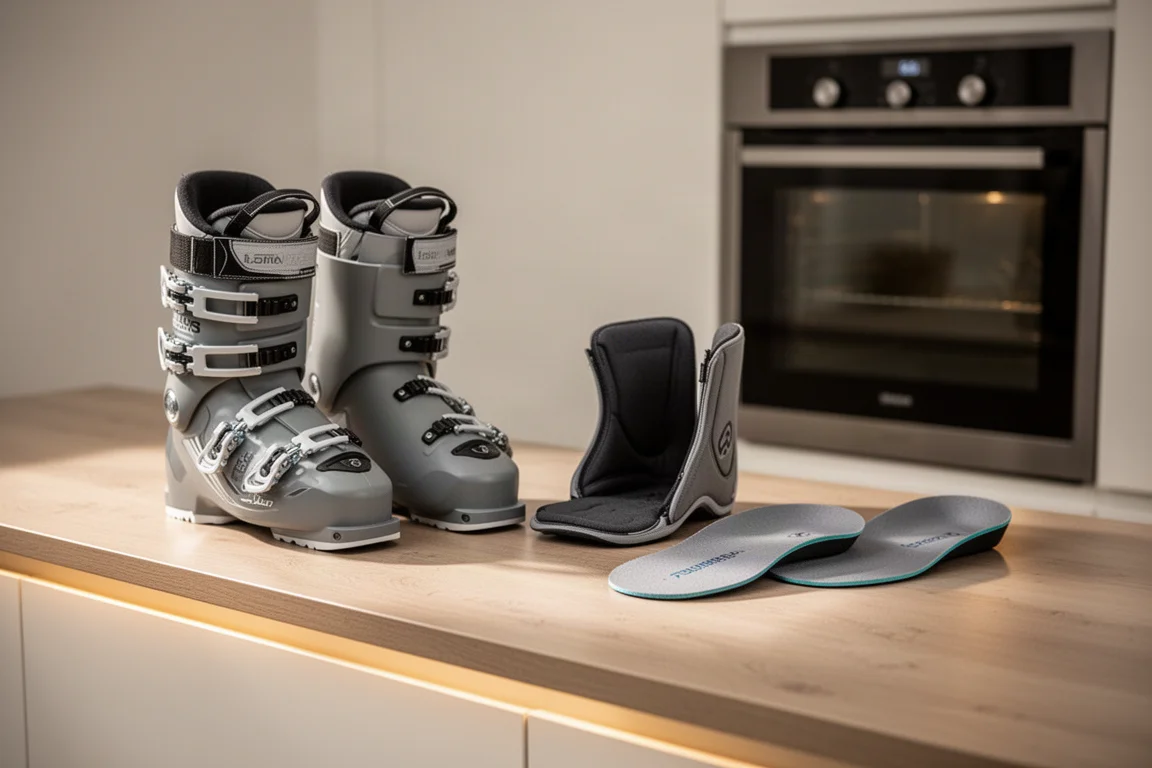
Most of the break-in still happens through mileage. Wearing liners around the house, flexing the shells, and letting cork or foam settle over a few sessions does more for comfort than any shortcut. The two liners and two footbeds compared here take different approaches to that same problem, and their trade-offs become much easier to judge once the fit variables are separated.
How These Liners and Footbeds Compare
Four things decide whether a liner or footbed works in a given boot. Ankle placement comes first, because a footbed that lifts the foot even slightly can push the ankle out of the pocket the shell was built around. Material feel matters next, since cork composites and foams behave differently underfoot and against the shin. Closure design affects daily life, with pull-string systems proving quicker to handle than traditional lace-up liners. Price and service life round out the picture, and the gap between a mid-priced liner and a premium cork liner is wide enough to change the decision on its own.
Heat molding sits outside those four criteria. It helps a liner settle around the foot, but it does not replace the slow break-in that comes from actually skiing in the boots.
ZipFit Liners: Premium Cork Fit
ZipFit liners use a cork-based construction that gradually molds to the foot over a season rather than only during a single heat cycle. The pair used here was picked up second-hand in near-new condition for about $60, and the manufacturer states the liners are built to last around ten years. New pairs run closer to $600, which places them firmly in the premium bracket.
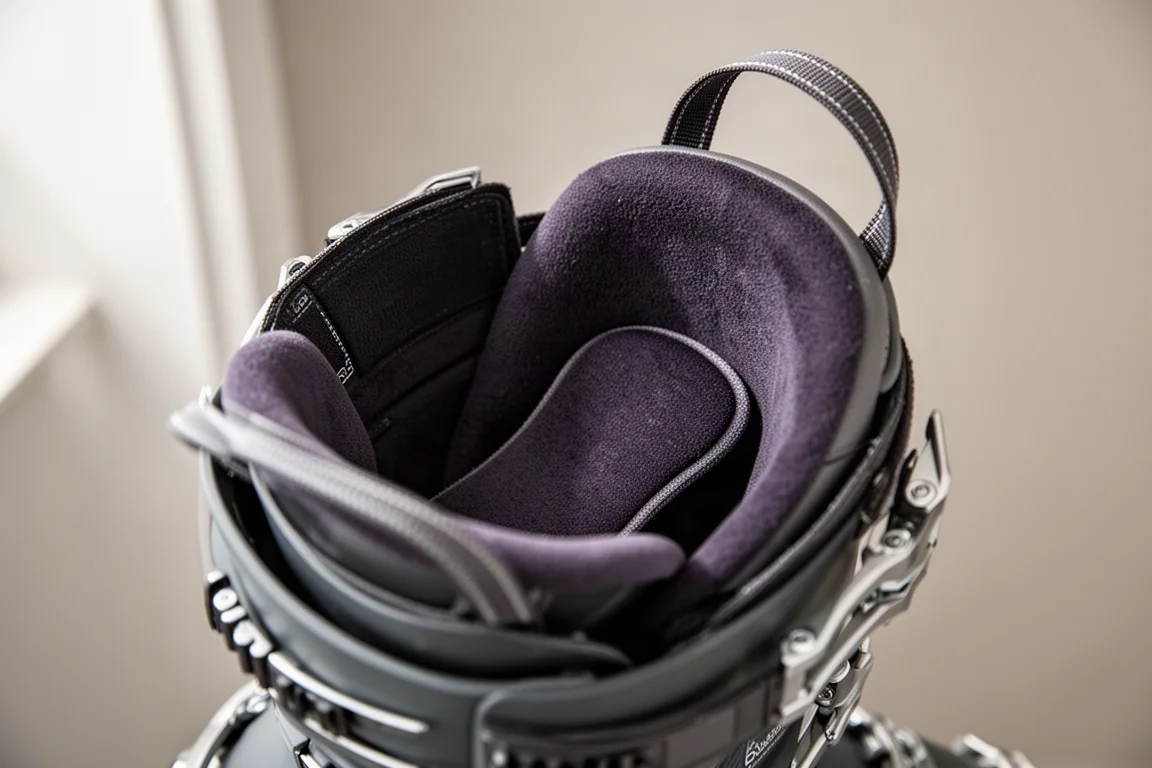
The closure is a pull-string rather than traditional laces, which makes them noticeably quicker to get on than older lace-up race liners. A spoiler could not be fitted to this liner, so it was tested with the shell’s default setup instead. Heat molding took roughly three minutes in a low oven, with the tassels tucked in to avoid damage, and the fit felt snug and well placed from the very first wear.
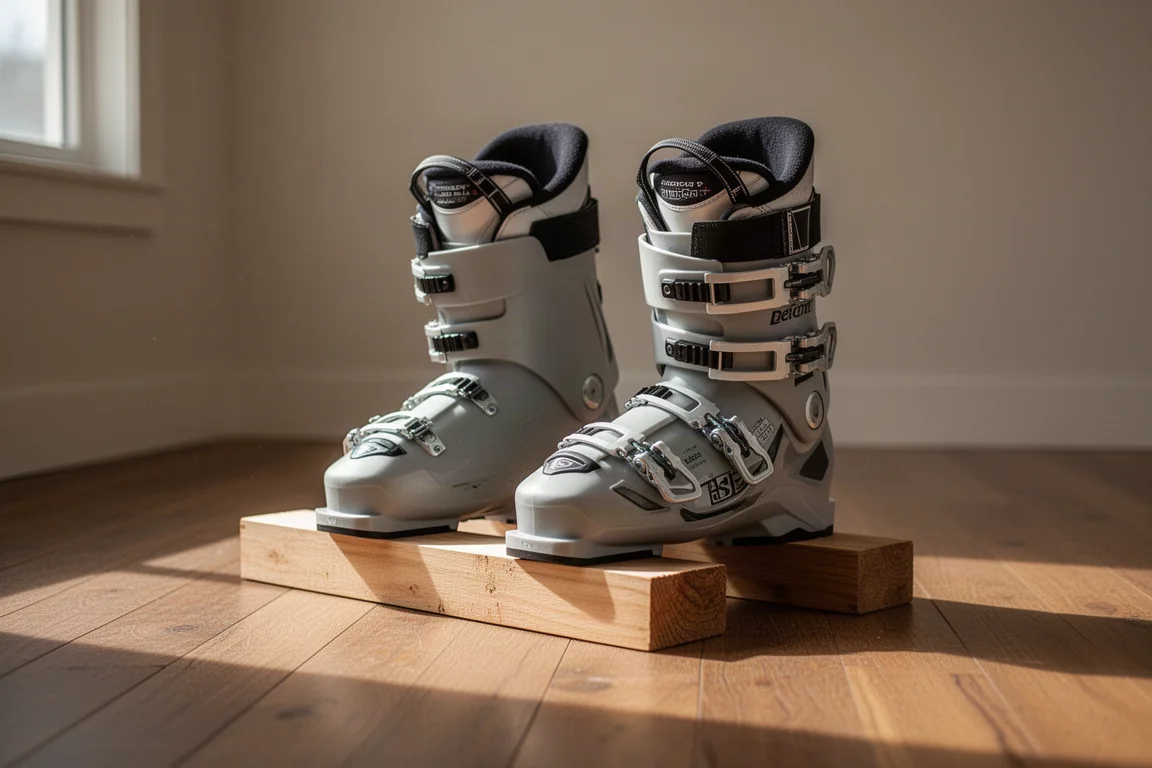
Material quality is the clearest difference between this liner and the alternatives. The cork composite feels denser and more substantial in the hand, and it held the ankle in a more consistent position once the shell was buckled. The cork also continues to adapt as the season goes on, so a fit that feels slightly firm at first tends to settle. The main costs are effort and money: getting the liner in and out of the shell takes longer than a stock liner, and the price gap is significant.
Intuition Liners: Lighter and Comfortable
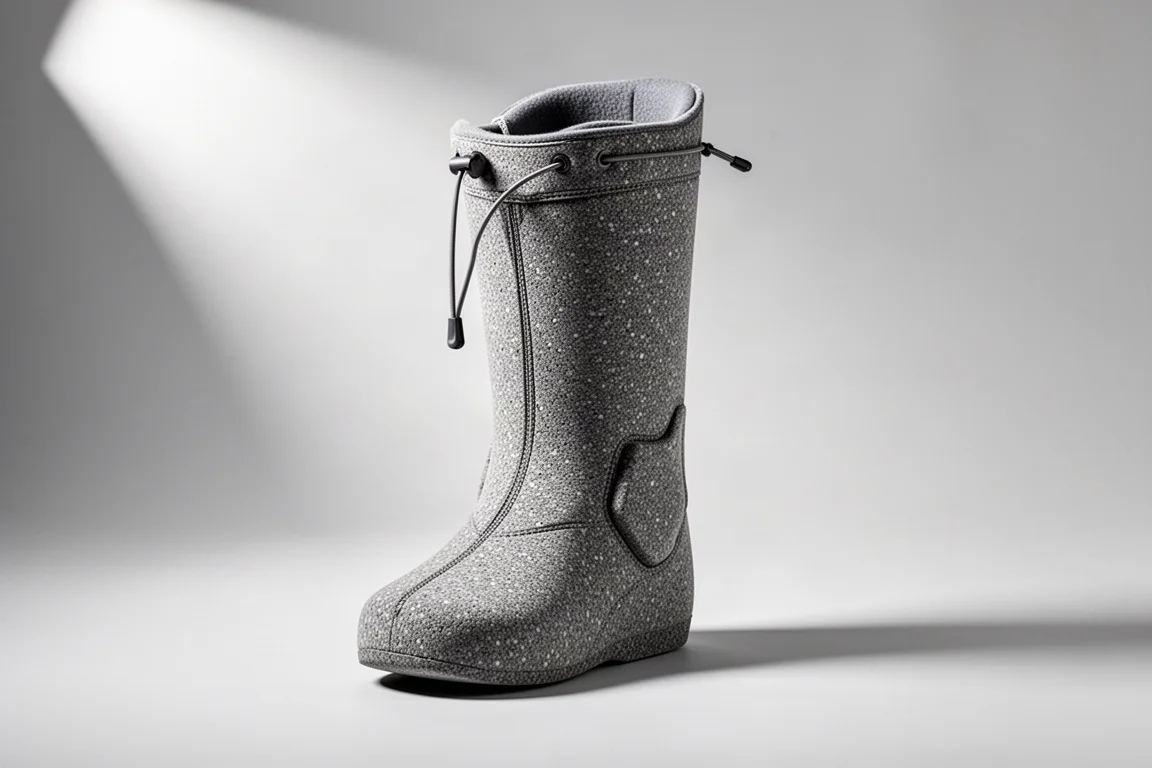
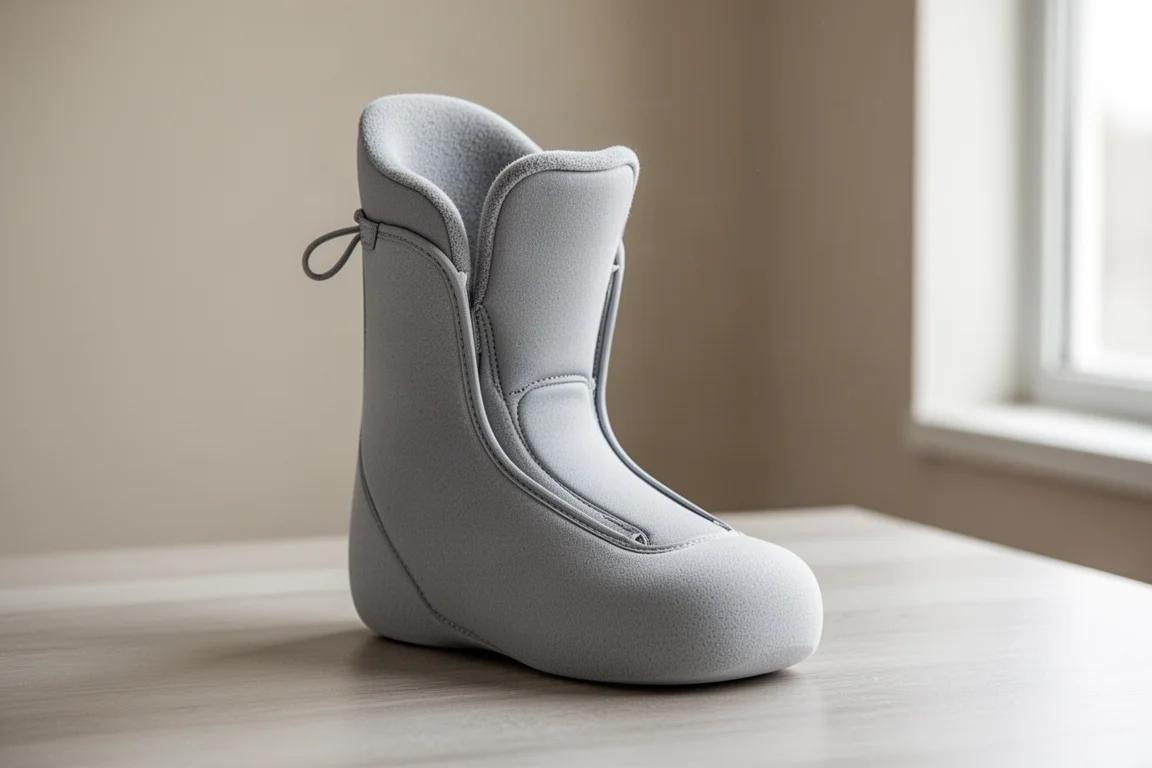
Intuition liners take a foam-based approach. They look tidy out of the box, feel noticeably lighter than the cork alternative, and feel less premium in the hand, although that impression softens once they are warm and seated in the shell.
Heat molding helps them settle around the foot, and walking around the house in them felt comfortable. On first impressions they were more comfortable than the stock liners that came with the boots. A spoiler made them feel boxy, with pressure appearing around the outside of the toes; removing the spoiler resolved most of that and let the liner sit more naturally in the shell.
At roughly $100 to $200, they occupy a very different price bracket. That makes them the more accessible upgrade for anyone who wants extra comfort without committing to a premium liner.
Remind Chris Benchetler Insoles: Plush Cushioning
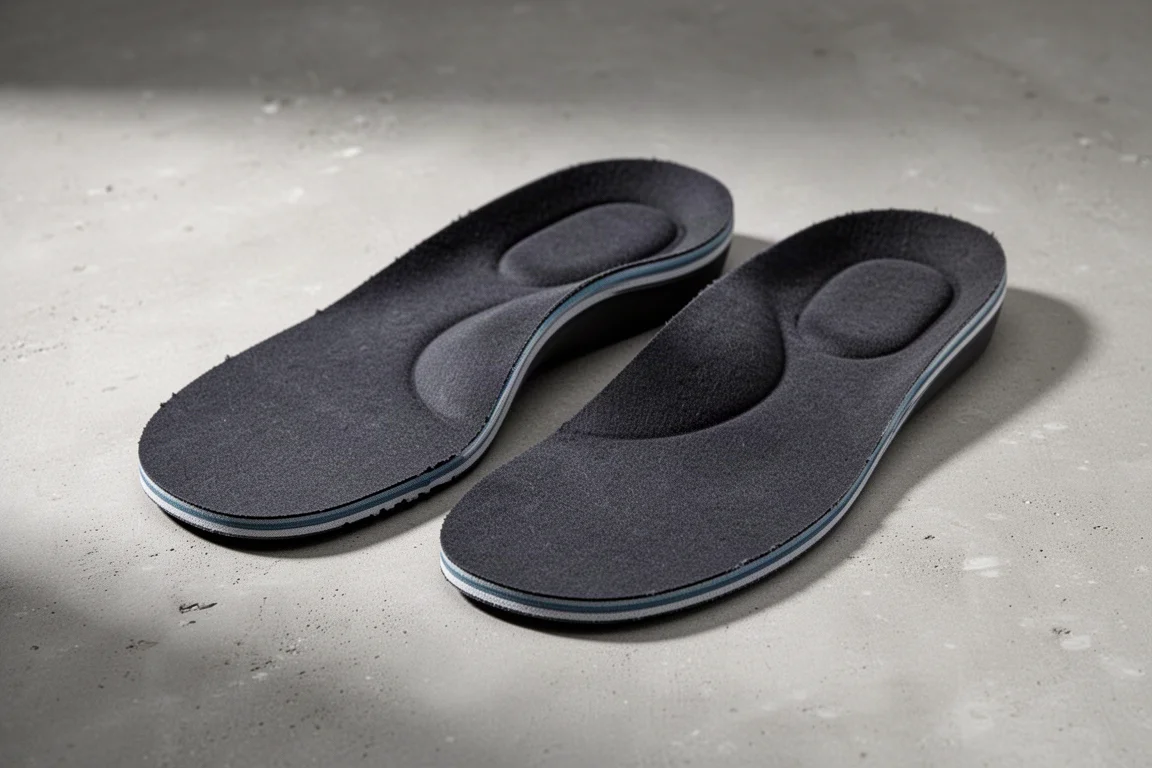
The Remind Chris Benchetler insoles are the plushest of the footbeds tested. The cushioning is immediately obvious underfoot, and of the aftermarket options they were the most comfortable on feel alone.
That softness created a problem inside a tight shell. The extra stack height lifted the foot enough that the shell’s rivets would not close properly over the liner, and the ankle ended up sitting in the wrong place. They did not work with the cork liner, and the same issue appeared again once the liner had warmed and molded. They remain a reasonable choice for a roomier boot or a stock liner, where cushioning and arch support matter more than a precise, low-volume fit.
Testing a footbed that shifts the liner’s position makes it hard to judge the liner itself, so these were set aside from the liner comparison and kept for the stock setup. That is the practical way to use them: pair them with the liner they actually fit, rather than forcing them into a shell that cannot accommodate the extra volume.
Soul Footbeds: Firmer Cork Support
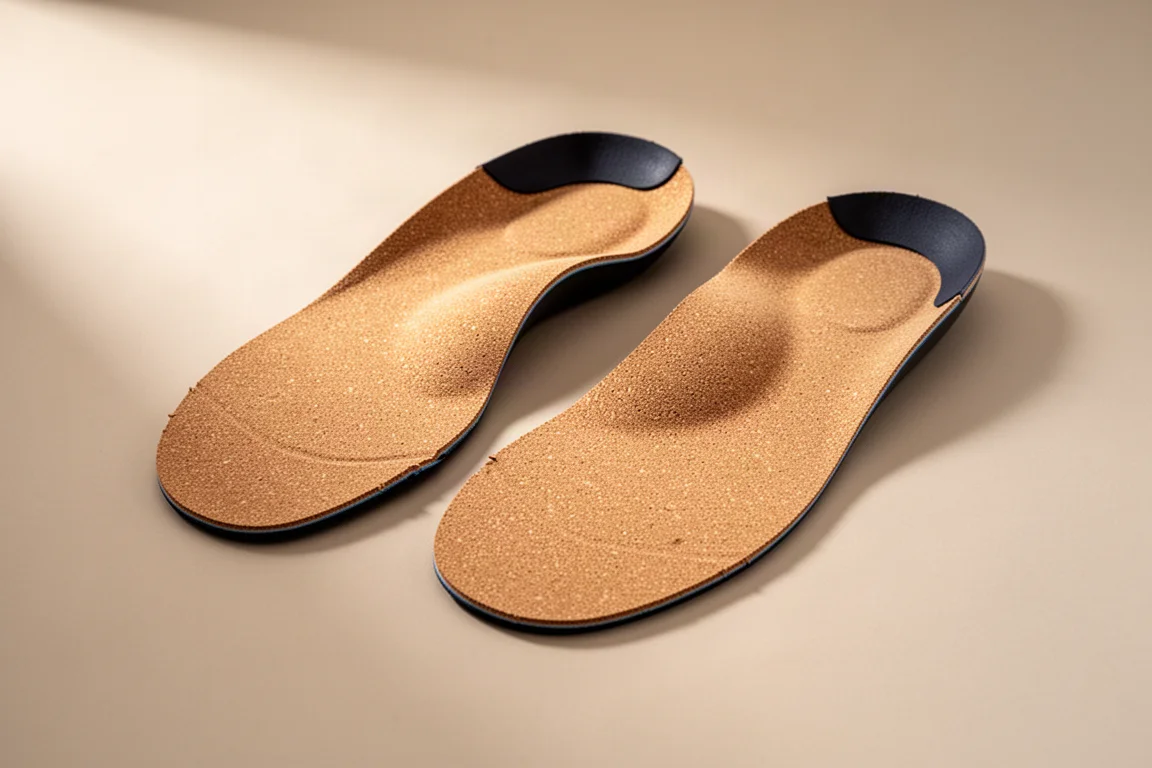
Soul footbeds arrived in a firmer, cork-based construction, including a performance medium option and a thin active model with a met pad. They offer more arch support and less cushioning than the plush alternative, which suits skiers who prefer a firmer platform underfoot and a more defined arch.
Like the other aftermarket footbeds, they raised the foot enough to disturb ankle placement inside the cork liner, so they were not a match for that combination. Heat molding might change the result, but testing a liner with the footbed that already fits well is the fairer comparison. In a stock liner, the firmer cork feel and stronger arch support are the reasons to consider them.
Buying Advice: Matching Liners and Footbeds to Your Boots
The most useful lesson from this process is that the footbed decides the fit before the liner does. In the end, the manufacturer’s own footbed gave the best ankle placement inside the cork liner, and none of the aftermarket options matched it there. If the liner is your priority, start with the footbed you already own and change one variable at a time.
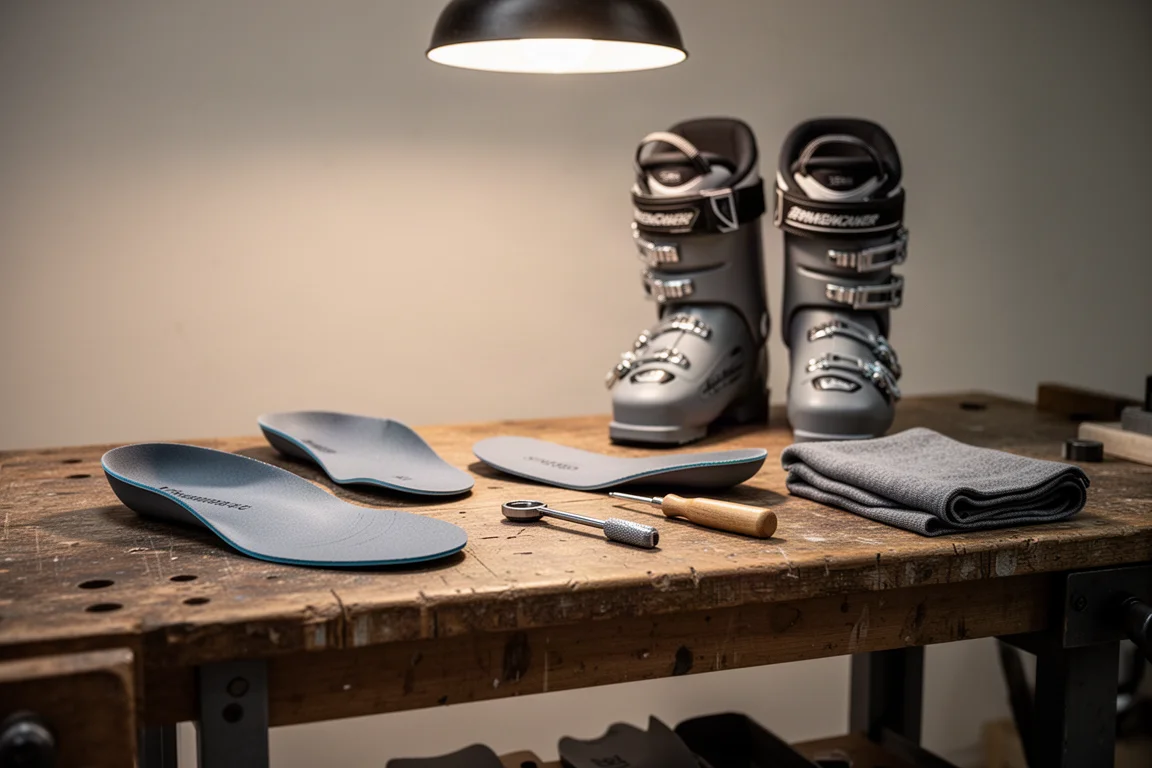
Heat molding is worth doing, but treat it as a head start rather than a finished job. A low oven temperature, a short session of around three minutes, and immediate flexing of the shell gets the liner close to where it needs to be. From there, mileage around the house and on the hill does the rest, and that applies just as much to a stock liner as to an aftermarket one.
Budget shapes the decision as much as fit does. A liner in the $100 to $200 range is a straightforward comfort upgrade over a stock liner. A premium cork liner costs considerably more, brings a denser feel and a longer claimed service life, and asks for more patience every time you put your boots on. Neither is wrong, but they suit different skiers.
Conclusion
Both liners are genuine upgrades over a stock setup, and the right pick depends on how much you want to spend and how much fiddling you will tolerate. The cork liner delivered the best fit from the start, at a premium price and with a little more daily effort. The foam liner was lighter, comfortable, and far easier to justify. On the footbed side, plush cushioning and firm cork support are both valid preferences, but only if they leave your ankle where it needs to be inside the shell.
Further reading
Related Reviews
Backpacking Gear
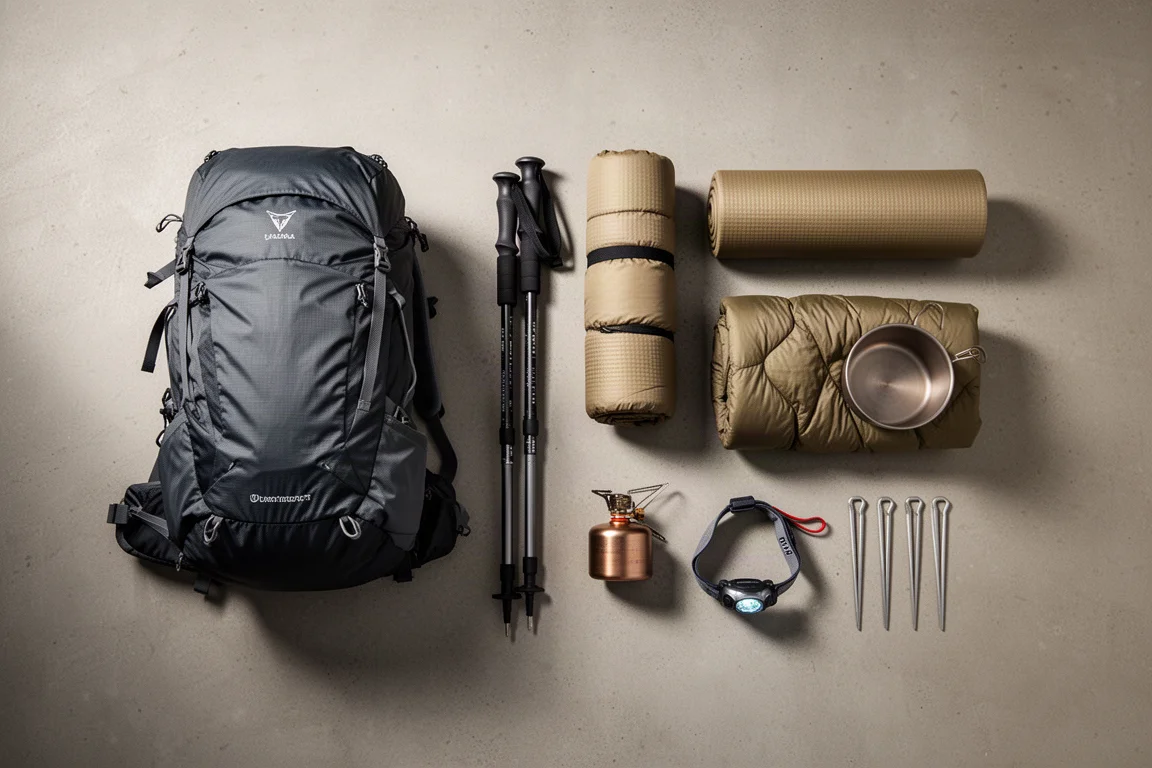
Building a 10 lb Base Weight: An Ultralight Backpacking Gear List
A practical walkthrough of the ultralight pieces behind a 10 lb base weight, from a 765 g pack and a roomy one-person tent to a full camp chair and a dependable water filter.
Road Bikes
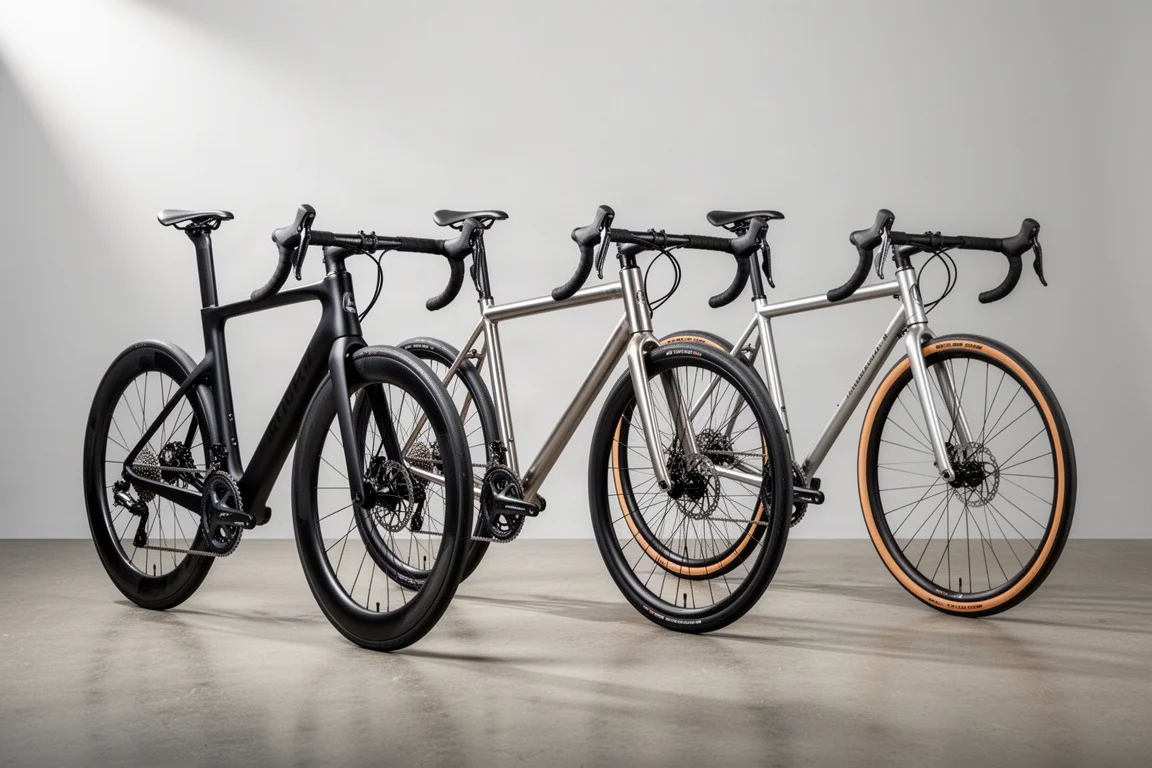
10 New Road Bikes Worth Watching: Aero, Titanium, Steel and Endurance Standouts
A practical roundup of 10 new road bikes, from aero flagships chasing single-watt gains to titanium, steel and endurance platforms built for real roads.
Bikepacking Gear
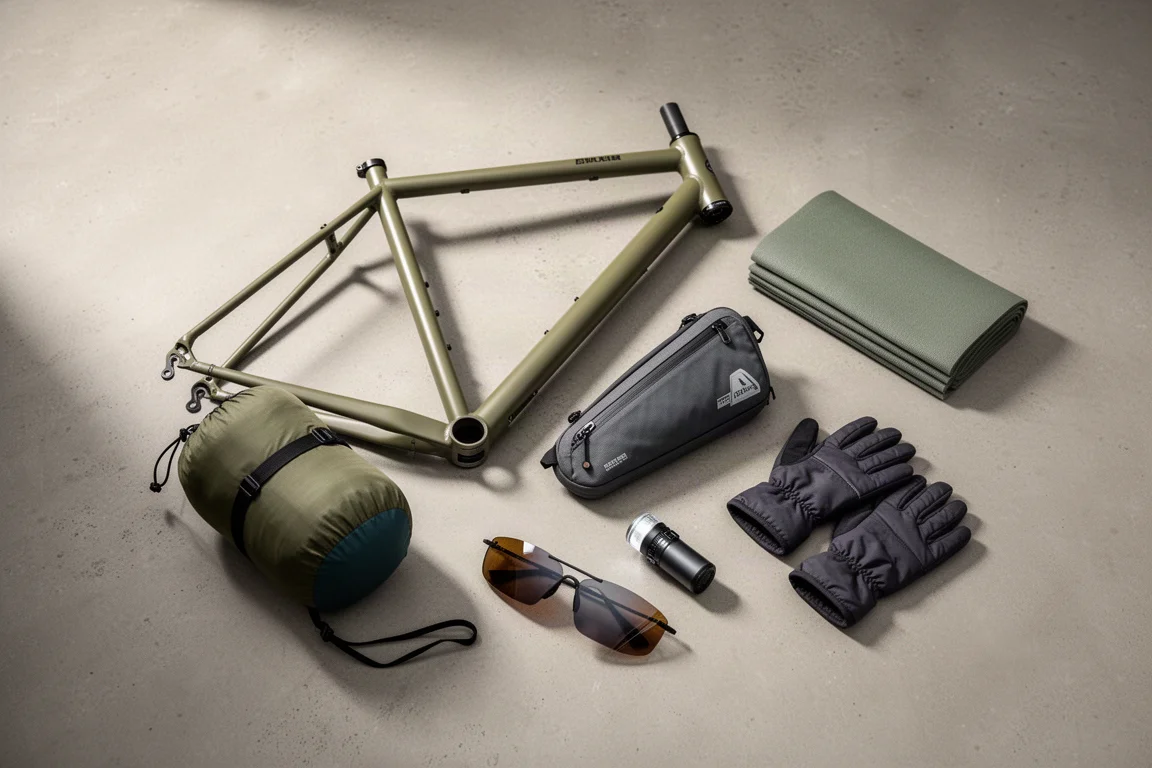
11 Bikepacking Essentials for Long-Distance Cycling
Eleven bikepacking essentials for long-distance cycling, from a steel gravel frame and a two-person tent to helmet lights, packable gloves, and a frame bag that puts weight in the right place.