Backpacking Gear
Six Ultralight Backpacking Accessories Under $25 Worth Packing
Six small, light backpacking accessories that each cost under $25, from a Dyneema wash bowl to a backcountry bidet, and what each one is genuinely good for.
Introduction
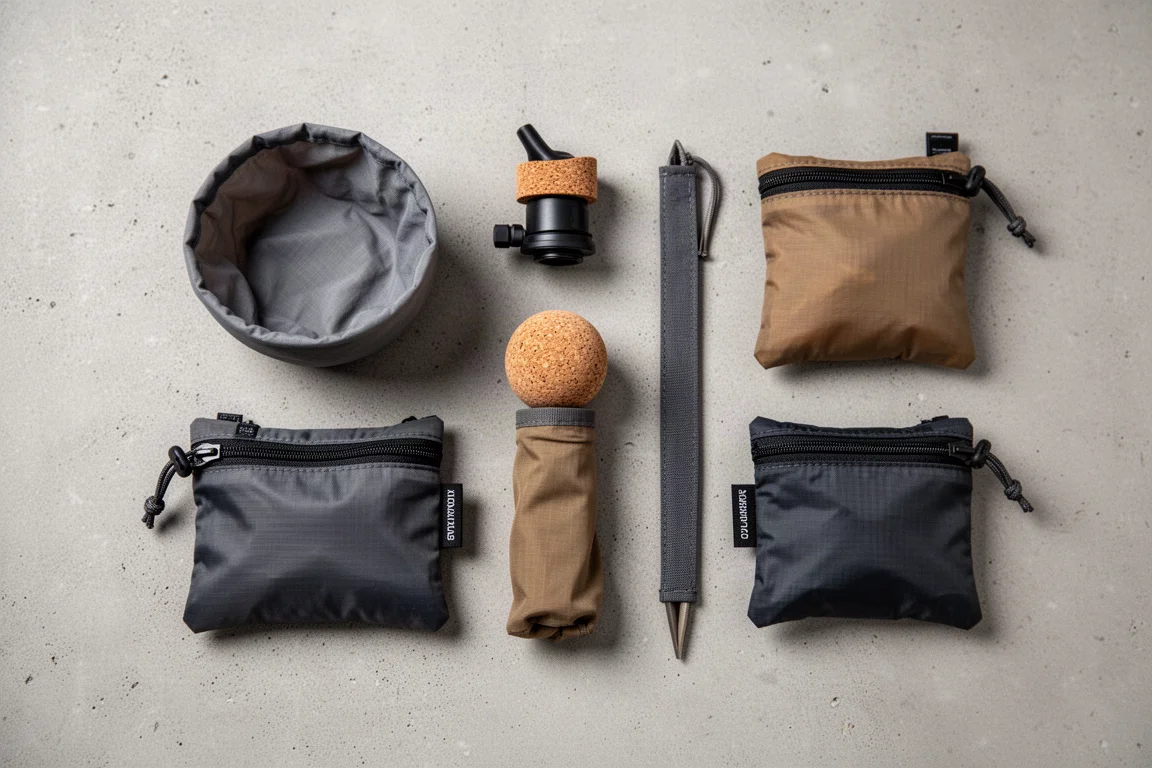
The best ultralight accessories tend to come from small independent makers who build one thing properly rather than a full catalogue. Each of the six items below costs under $25, weighs very little, and solves a specific problem on trail. None of them asks you to replace a pack or a sleep system. They simply make an existing setup cleaner, lighter or easier to live with.
Each entry covers what the item is, who it suits, and what to keep in mind before ordering. All six come from small shops, so they are best thought of as refinements rather than essentials.
Bean Camping Dyneema Dog Bowl
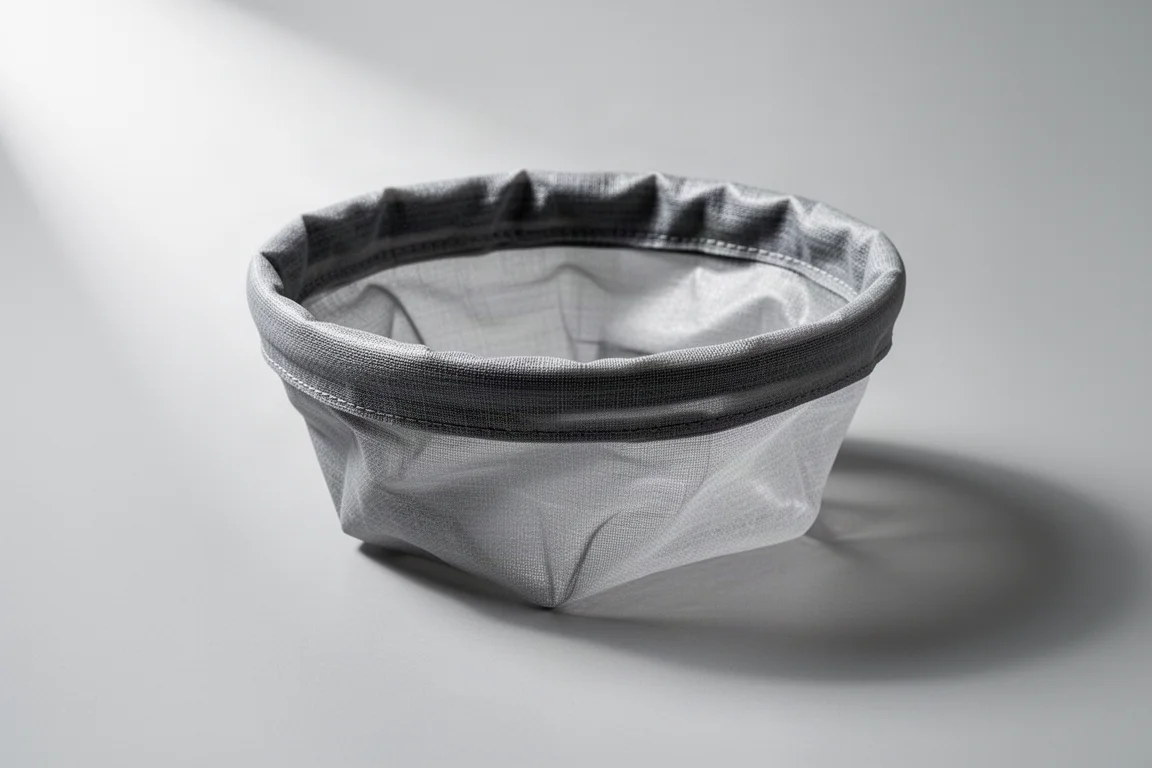
This bowl was designed for dogs, but its most interesting use on a backpacking trip is dishwashing. Leave No Trace practice calls for collecting water from a lake or stream and then moving well away from the shoreline before washing dishes or yourself. Food residue and soap, even biodegradable soap, are harmful to alpine water, and a bowl makes that relocation easy: scoop, walk off, wash, and leave the water source untouched.
At under 10 grams, the Dyneema construction keeps the weight penalty close to nothing, which is why it can earn a place on every trip rather than only on short ones. It also comes in a range of colours for anyone who likes their kit to be easy to spot.
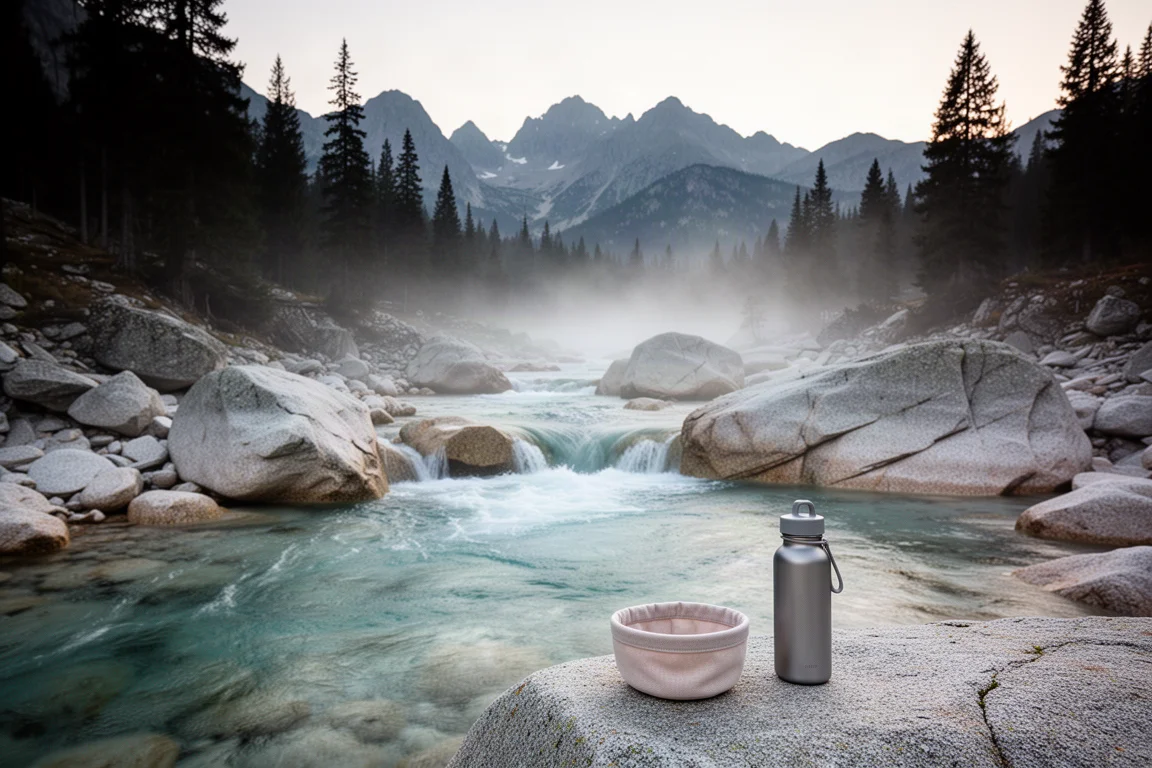
If you already carry a pot, a second vessel can look redundant, and on some trips it is. The case for this one is that it is soft, packs flat against other gear, and is light enough that the decision rarely costs anything.
Culo Clean Backcountry Bidet
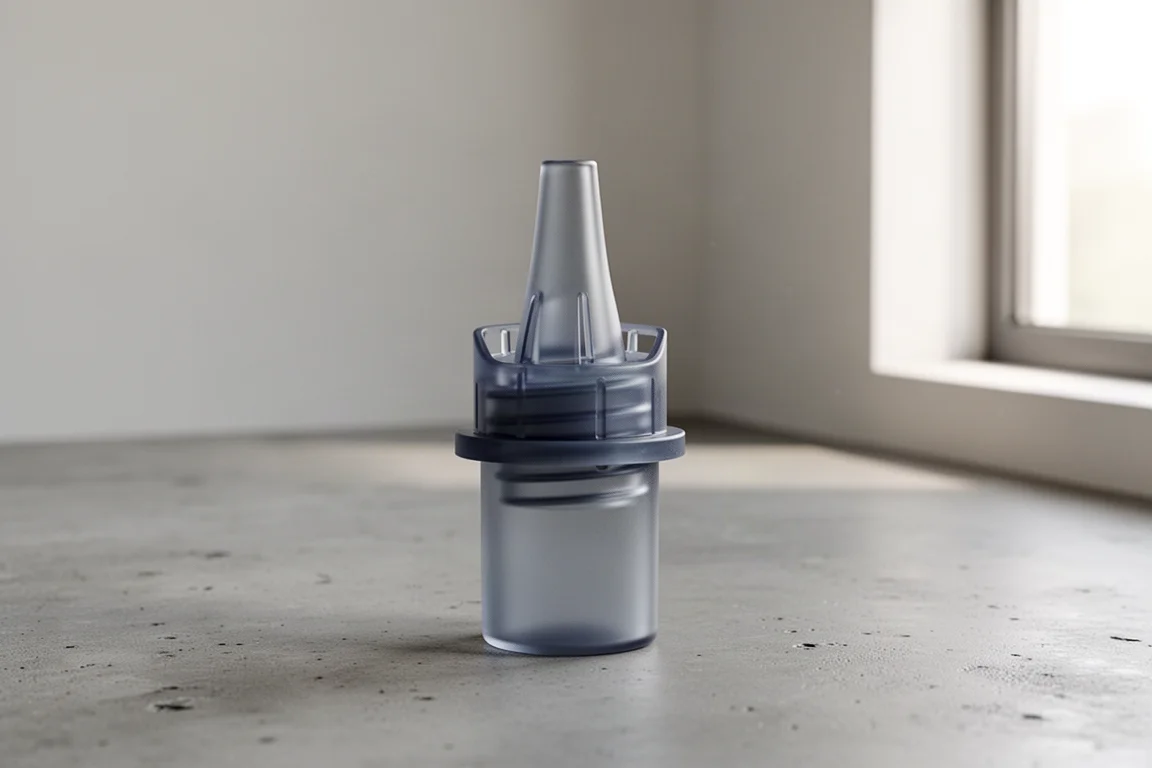
The Culo Clean brings a bidet into a backcountry hygiene routine. The nozzle presses onto the mouth of a standard water bottle, and a slot in the rim lets you direct the stream where it is needed. The result is a cleaner finish after using the bathroom while using far less toilet paper, which matters because paper used in the backcountry often has to be packed out rather than buried.
Technique takes a little practice, and most people will want a trip or two to dial in water pressure and aim. The payoff is a system that weighs next to nothing and reduces what you have to carry out.
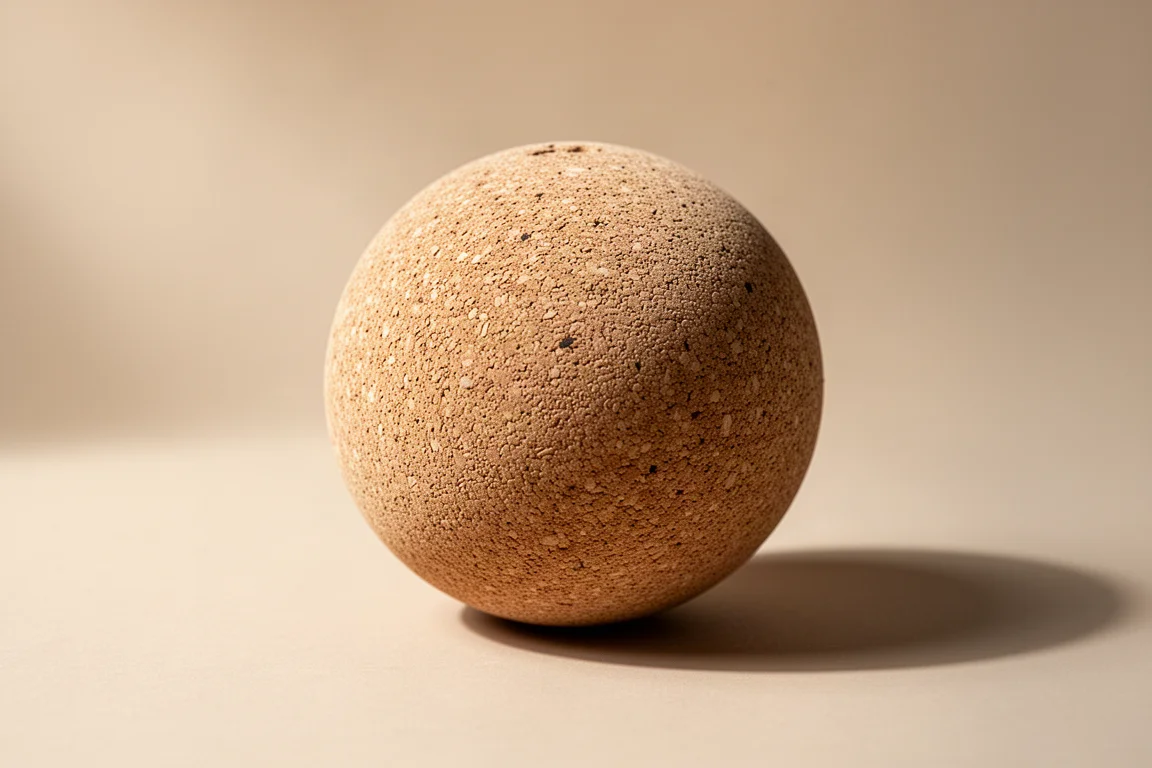
Rawlogy Cork Ball
A cork massage ball is a small addition to a post-hike recovery routine. Rolling out tight spots after a long day can ease soreness and help head off the kind of nagging pain that builds over a multi-day trip. The common failure with massage tools is not the tool itself but the habit: heavier balls get left at home on ultralight trips, and a tool you do not carry cannot help you.
The cork version is light enough that leaving it behind stops being a decision, so it actually travels. Finding a flat surface at camp and remembering to use it are the real obstacles, and both get easier with repetition.
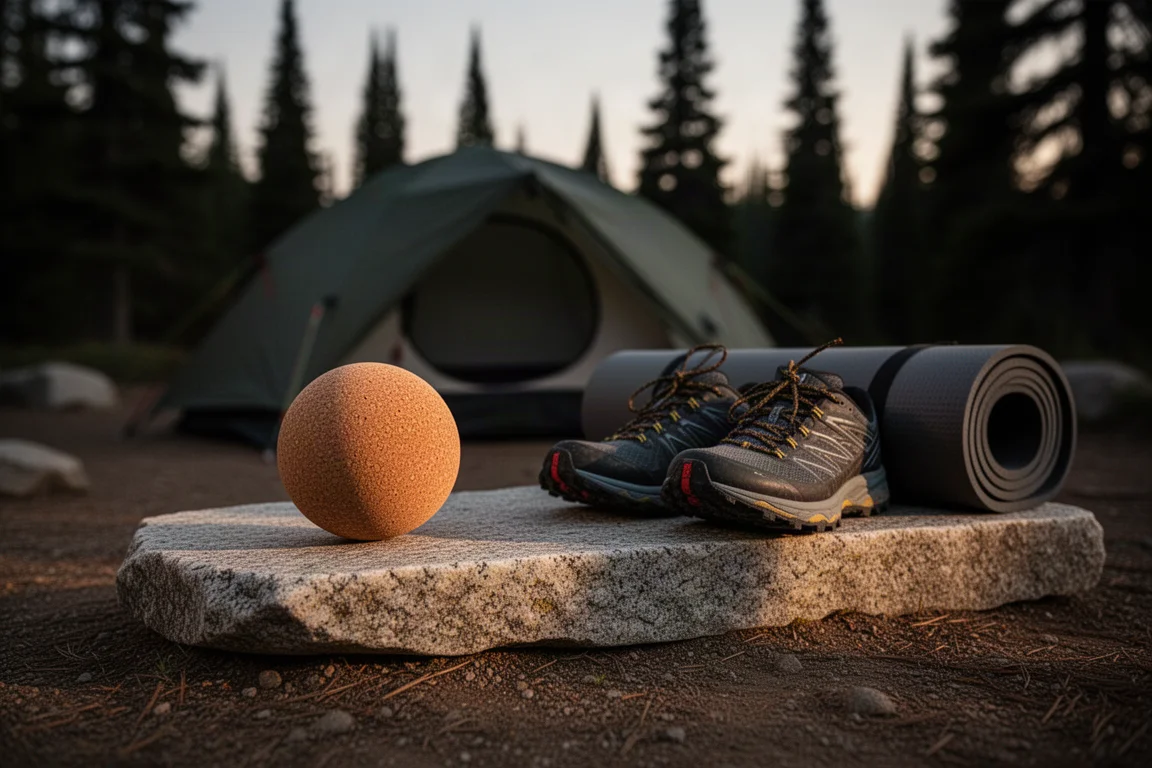
Hikers with tight calves, quads or shoulders after a long day are the clearest fit here, particularly on trips with serious elevation gain.
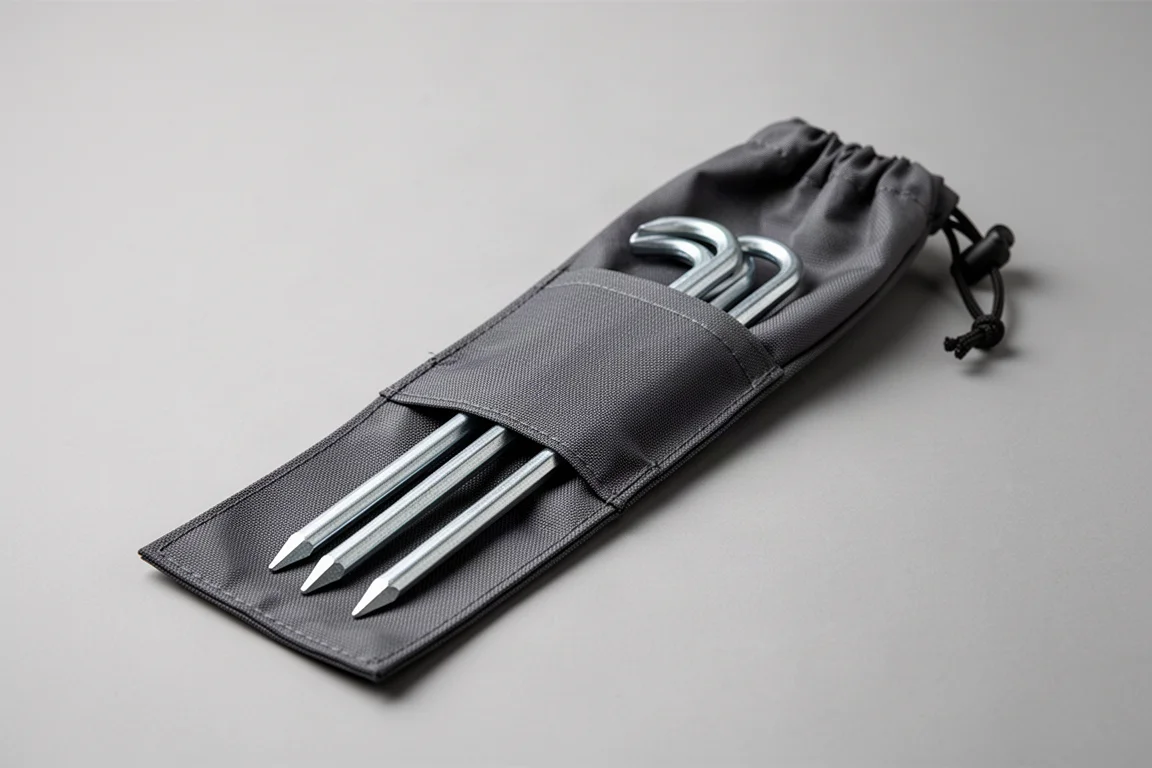
Allmansright Tent Stake Bag
Tent stake bags are not a category that invites much innovation, which makes the wider opening on this one more noticeable than it sounds. A wide mouth makes it far easier to grab individual stakes, especially short ones that would otherwise settle at the bottom, and it leaves room for stakes with cordage attached or wider tops such as shepherd hooks.
Anyone who has fought with a narrow stake bag in the wind will recognise the difference immediately. The bag stays simple; the opening just stops getting in the way.
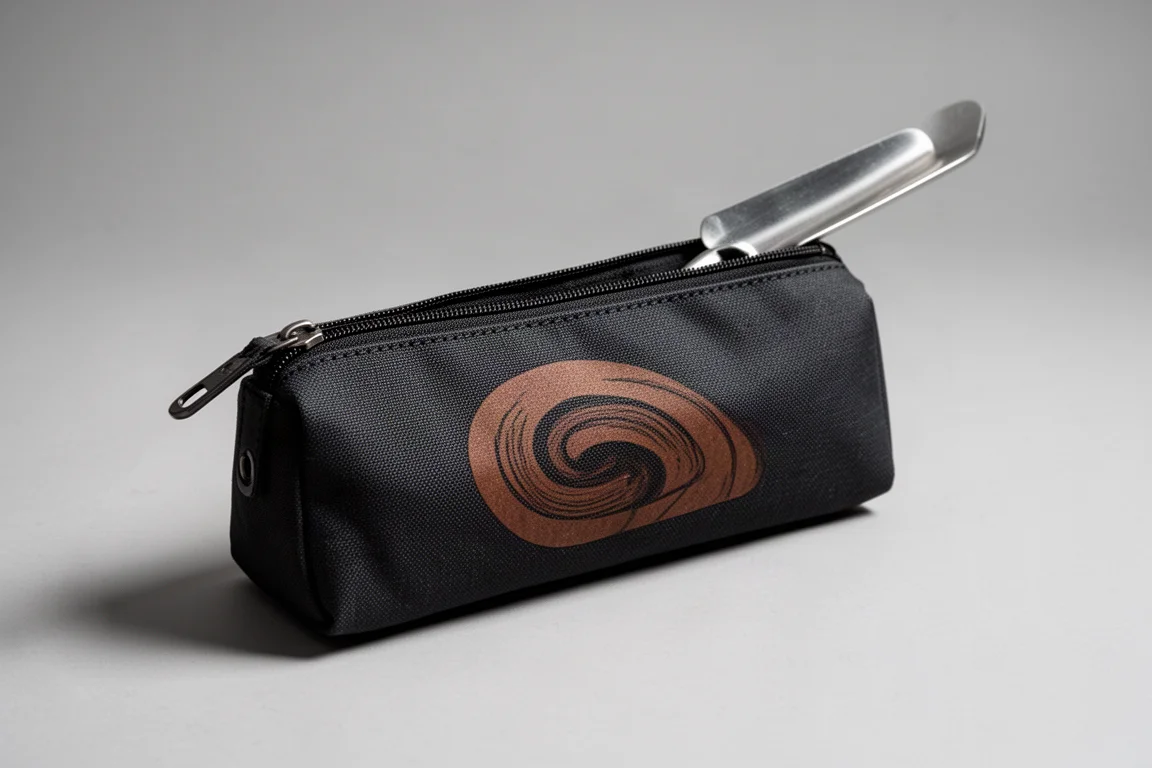
Space Bear Bags Poop Emoji Poop Kit Bag
This pouch handles the least glamorous part of backpacking with a sense of humour. The design is playful, but the function is straightforward: a wide version of the bag has enough length to hold a long-handled trowel, something that has historically been awkward to fit into a compact kit bag.
That extra room is the practical reason to consider it. Everything needed for backcountry bathroom duty stays in one place, and the pouch is easy to identify inside a pack.
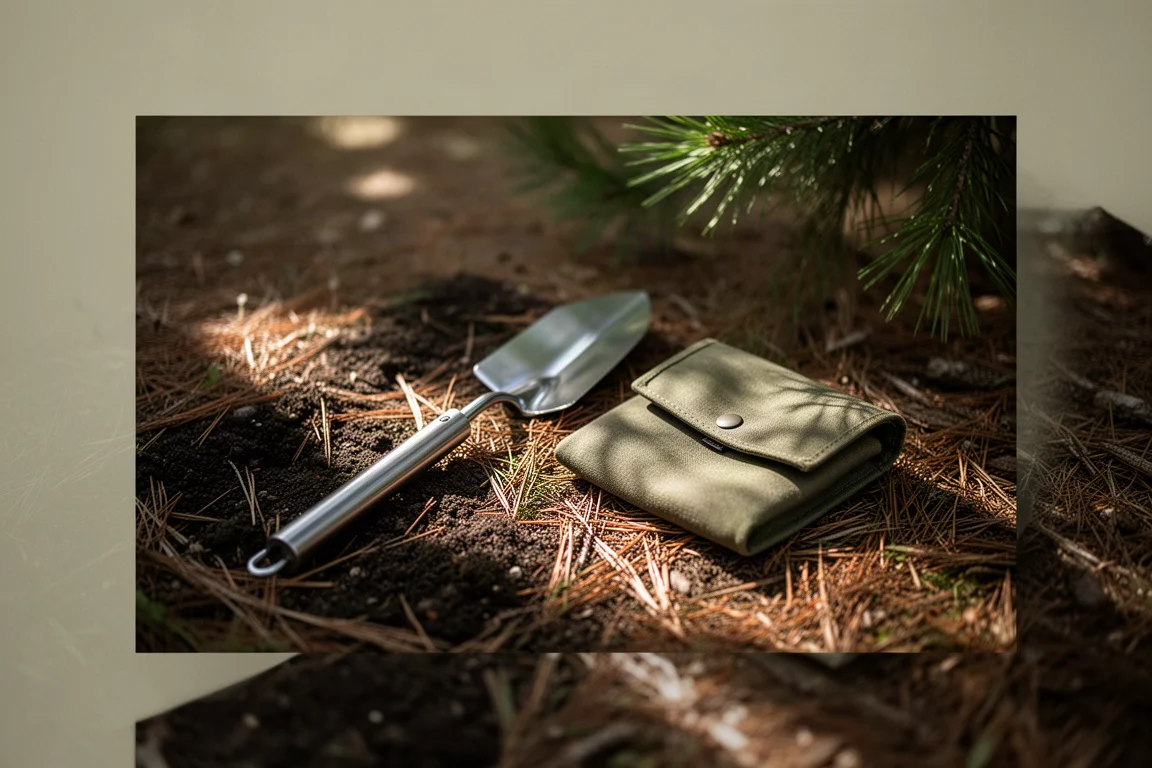
It also makes an easy gift for hiking friends, since the design is memorable without being expensive.
Space Bear Bags First Aid Kit Bag
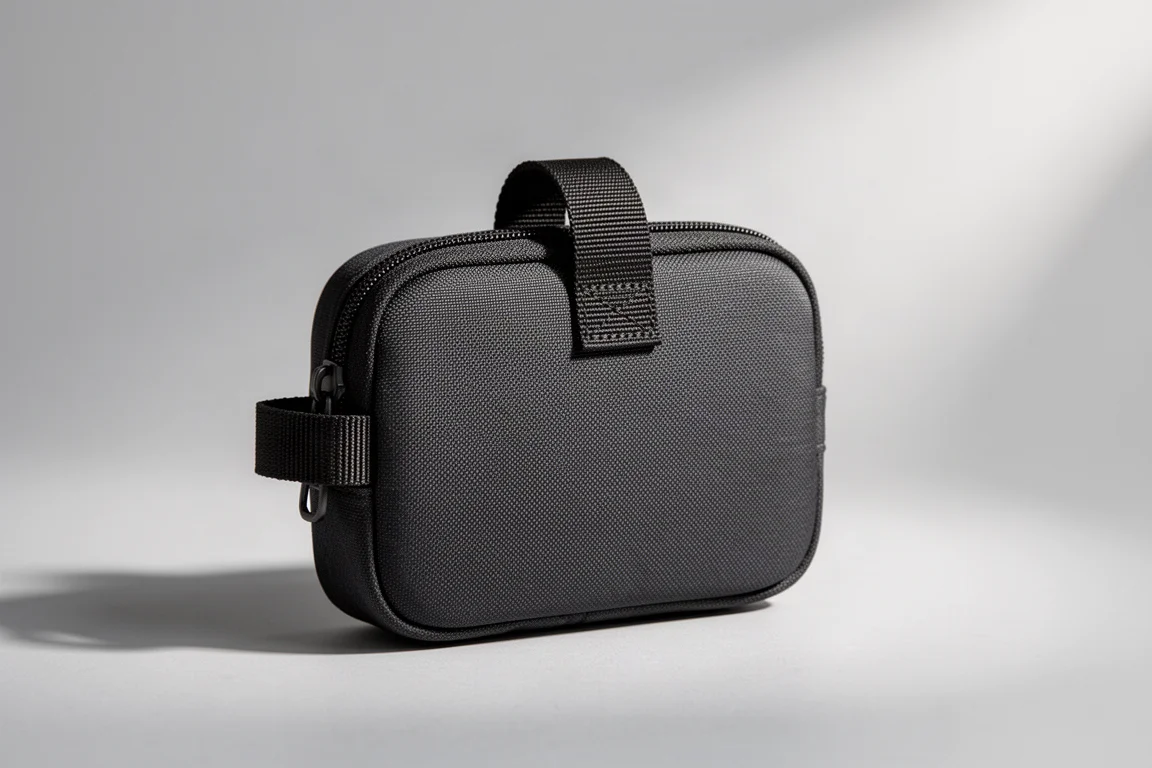
The companion piece is a compact first aid pouch sized for a self-assembled kit. A small bag like this keeps bandages, tape and medication together and makes them findable in a hurry, which is the entire point of carrying a first aid kit in the first place.
Building the kit yourself means choosing contents that match your own trip style and skill level, from everyday trail injuries through to the more serious situations worth preparing for. The pouch simply gives that kit a defined home.
How to Choose the Right Ultralight Accessory
With six items on the list, the useful question is not which one is best but which one you would actually use. A few practical filters help:
- Weight versus habit: the lightest item only helps if you carry it. Tools that are light enough to bring without thinking tend to get used more often.
- Single purpose versus multi purpose: a bowl that doubles as a wash basin earns its place, and a dedicated pouch earns its place by keeping one task organised.
- Leave No Trace fit: water collection, dishwashing and bathroom practice all affect alpine environments, and the right accessory makes the better behaviour the easier one.
- Kit organisation: small pouches do not save weight, they save time. If you have ever emptied a pack looking for tape or a trowel, that time is the return.
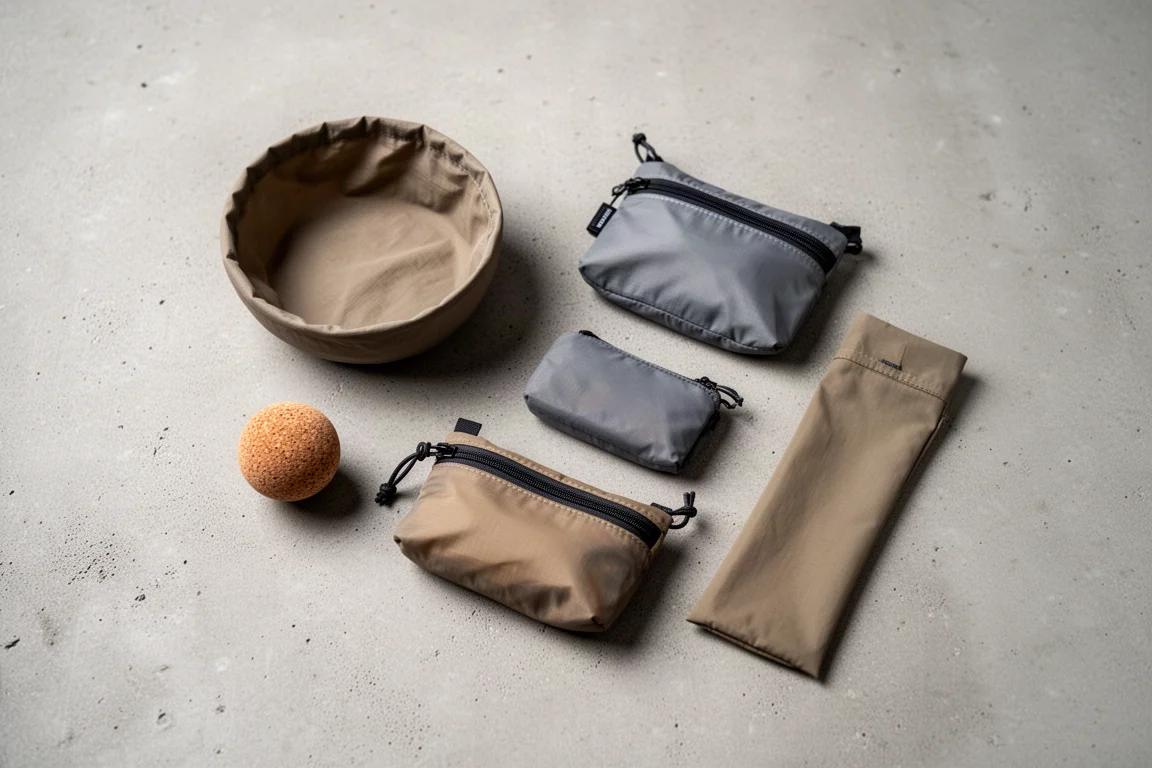
None of these items replaces a core piece of gear. They are refinements, and a refinement is worth buying when it removes a small, recurring annoyance from every trip.
Conclusion
The through-line here is that each accessory costs under $25 and weighs very little, so the barrier to trying one is low. A Dyneema bowl for washing away from water sources, a backcountry bidet for using less toilet paper, a cork ball for recovery, a stake bag with an opening you can actually use, and two well-sized pouches for bathroom and first aid kits.
Pick the one that matches the annoyance you have genuinely experienced on trail, and it will earn its place in the pack.
Further reading
Related Reviews

Backpacking Gear
Building a 10 lb Base Weight: An Ultralight Backpacking Gear List
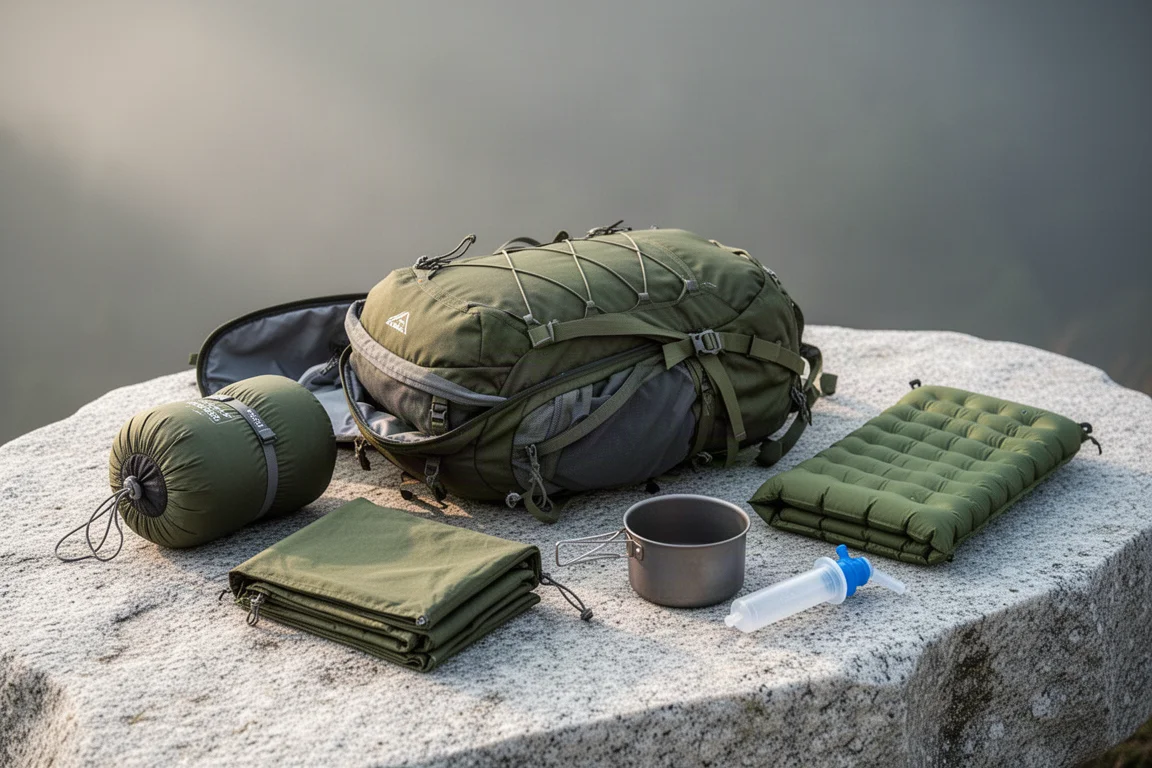
A practical walkthrough of the ultralight pieces behind a 10 lb base weight, from a 765 g pack and a roomy one-person tent to a full camp chair and a dependable water filter.
Backpacking Gear
A 15-Pound Lightweight Backpacking Gear List for Solo Trips
A beginner-friendly 15-pound backpacking setup built from easy-to-find gear, with notes on what each piece does, how it packs, and where to spend your attention.
Backpacking Gear
8 Ultralight Backpacking Gear Upgrades Worth Carrying
Eight small, affordable backpacking upgrades that solve real trail annoyances, from a pillow that stays put to a fuel valve that rescues leftover canister gas.