Mountain Bikes
Six Standout Mountain Bikes: XC, Enduro, E-MTB and Trail Picks
Six mountain bikes that cover cross-country racing, high-pivot enduro, budget full-power e-MTB, lightweight electric trail and value alloy trail riding.
Introduction
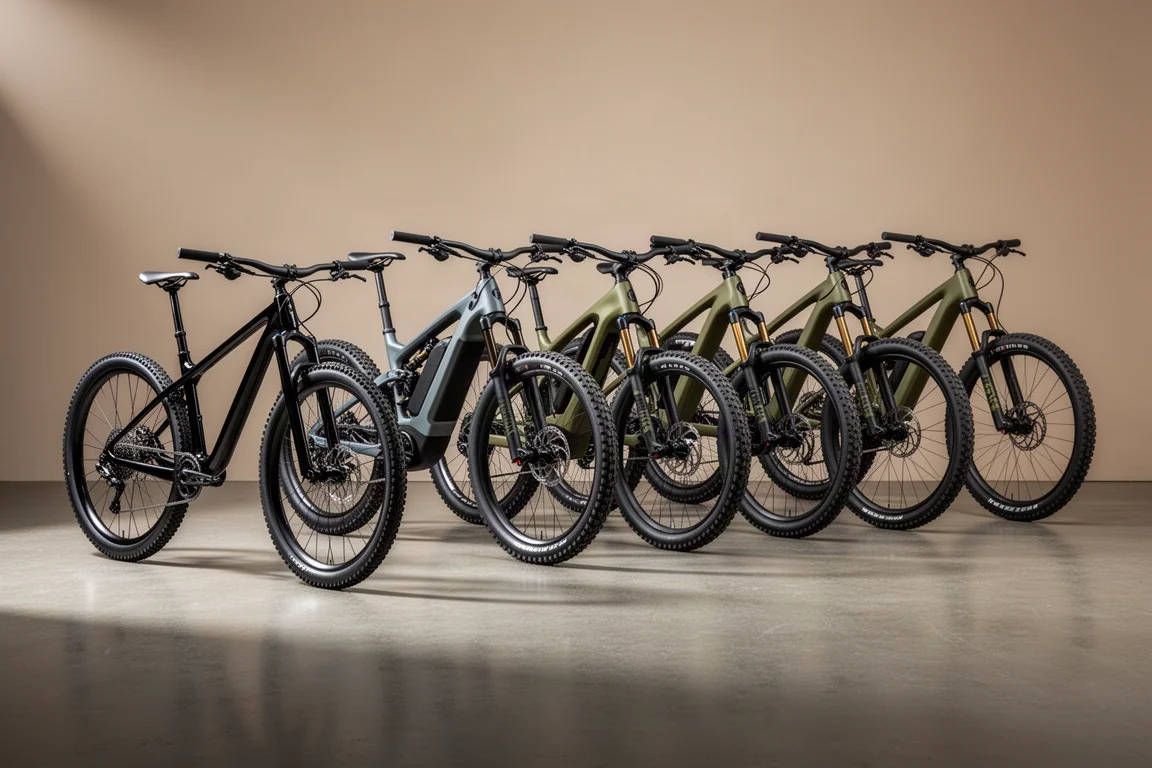
Mountain biking is covering more ground than ever. Cross-country racing is enjoying a resurgence that is pulling riders across from drop-bar racing and drawing brands keen to mark their presence. High-pivot enduro bikes are stepping out of the boutique corner and into the mainstream. Electric mountain bikes now range from budget full-power enduro machines to slim, discreet lightweight trail bikes. And the trail bike remains the bread and butter of the sport.
This selection of six bikes is drawn from that spread. Each one represents something worth paying attention to, whether that is a no-compromise race platform, a value-led full-power e-MTB, or an all-rounder that simply makes trail riding more fun. They have not been tested against each other head to head. Instead, each was rallied back to back with its closest competitors through a particularly damp late summer, so the notes below reflect how each bike behaves against the machines a buyer would realistically cross-shop.
How We Chose These Six Bikes
The starting point was range rather than ranking. A list of six bikes is only useful if it covers the decisions people actually face, so this group spans cross-country racing, aggressive enduro, full-power electric enduro, lightweight electric trail, and two trail bikes at different price points and materials.
Each bike was judged on the things that matter once the shine wears off: how the geometry feels on real trails, how the suspension behaves under power and under impact, how the build holds up against the price, and how comfortable the bike is on a long day out. For the electric bikes, motor character, battery range and control layout were given equal weight alongside the chassis.
Setup was kept realistic rather than laboratory perfect. Suspension pressures were adjusted to suit the terrain and rider weight, and several bikes were deliberately run at pressures below normal to see whether the travel could actually be used. Where a bike felt held back by a specific component, that is noted as a specification point rather than a flaw in the frame.
The result is a group with no single winner. Some of these bikes reward full-gas efforts, others shine when the trail points downhill, and a couple are at their best simply cruising an all-day epic. Matching the bike to the riding is the whole point.
Cervélo ZFS-5: A Full-Gas Cross-Country Race Bike
The Cervélo ZFS-5 is unashamedly race-focused. It is a bike bred to be placed on a start line rather than cruised around on, and it is built for life between the tapes. The carbon frame uses an alloy rocker link to drive a small-volume shock tucked under the top tube, a layout that first drew attention at Novi Mesto in yellow and black team colours, where the alloy dog link replaced the shock for cross-country short track racing.
The build matches the intent. A SRAM XX SL transmission handles shifting, carbon wheels come from sibling brand Reserve, and the cockpit is supplied by Race Face. Up front sits a 100mm RockShox SID SL fork, matching the rear travel, and the bike rolls on Rekon Race tyres.
On the trail, the suspension is rock solid under power, with minimal movement to rob your efforts, and the ZFS-5 seems to find more grip through those tyres on loose, scrambly climbs than several other cross-country bikes on the same rubber. On technical climbs the suspension boosts traction without sinking deep into its travel and rebounding out of a step, which keeps rhythm intact. The rear end is very progressive, a combination of the small-volume shock and progressive linkage, and even at pressures well below normal it refused to reach the end of its travel. The fork is supportive and smooth, though a big impact can use all of it, which can create a slight forward pitch in some situations. The stiff cockpit and front end feel excellent on short cross-country blasts, but longer marathon-style rides leave the hands calling for more compliance.
Overall this is a no-holds-barred race rig that rewards full-gas efforts rather than cruisy cross-country rides.
Trek Slash 9.9: High-Pivot Enduro Speed
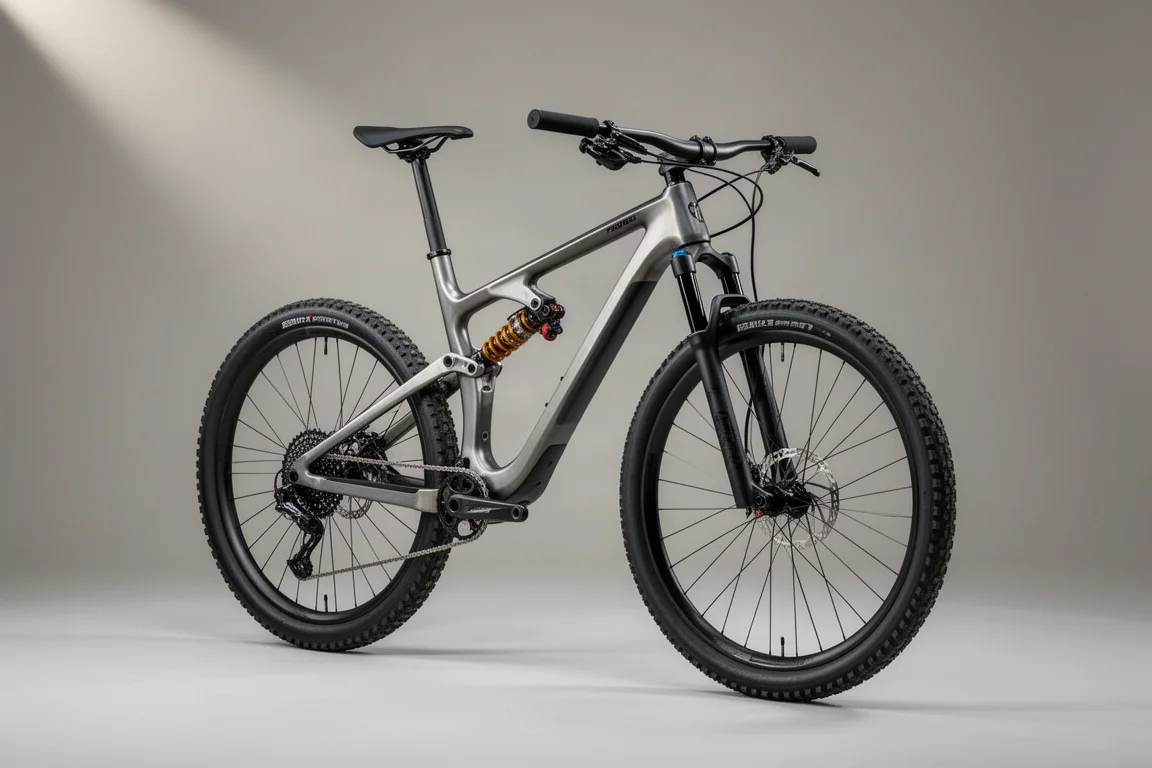
At the opposite end of the scale sits the Trek Slash. High-pivot designs with an idler pulley have been popular in downhill for years, but in enduro they have largely been the territory of boutique brands, which led plenty of riders to assume the layout would never truly reach the mainstream. The Slash 9.9 suggests it is time to reconsider that. It is built for aggressive riding, enduro racing and bike park adventures, and this build pairs a recent SRAM transmission with Bontrager carbon wheels.
On the trail the Slash impresses with its pedalling efficiency, thanks to a firm Vivid shock tune, reassuringly low drivetrain friction and fast-rolling Bontrager tyres. It climbs well, offers comfort over long rides, and outperforms expectations considering how the numbers look on paper. Where it excels is on high-speed trails littered with jumps and hard compressions, where the firm shock tune delivers stability and support. Over rough, natural trails the rear suspension feels less responsive than the high-pivot design would suggest it should be.
Agility is a genuine strength. Riders can manoeuvre through tight turns with precision, and despite its aggressive nature the bike remains nimble and balanced.
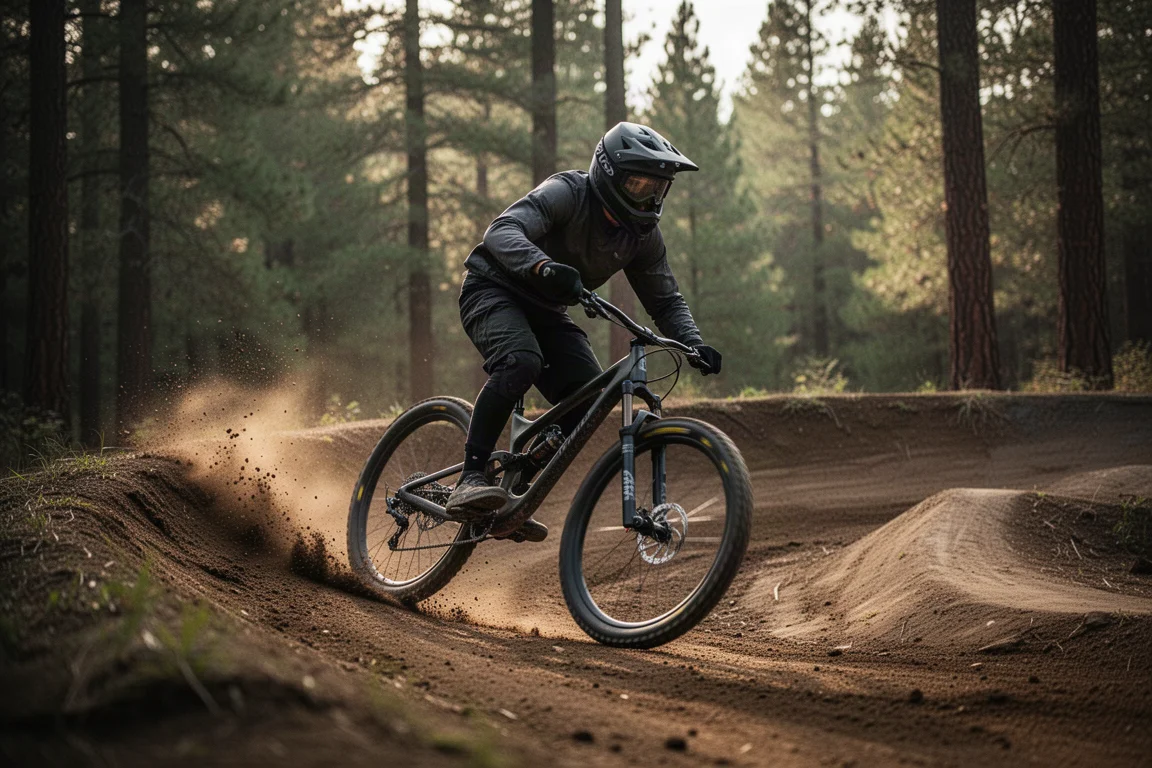
Stiff carbon wheels and handlebars combined with the firm suspension produce noticeable feedback through the hands on extended descents. A shock retune looks like the most obvious route to unlocking the platform’s untapped potential, and riders who spend most of their time on fast flow trails will get along with the Slash straight away.
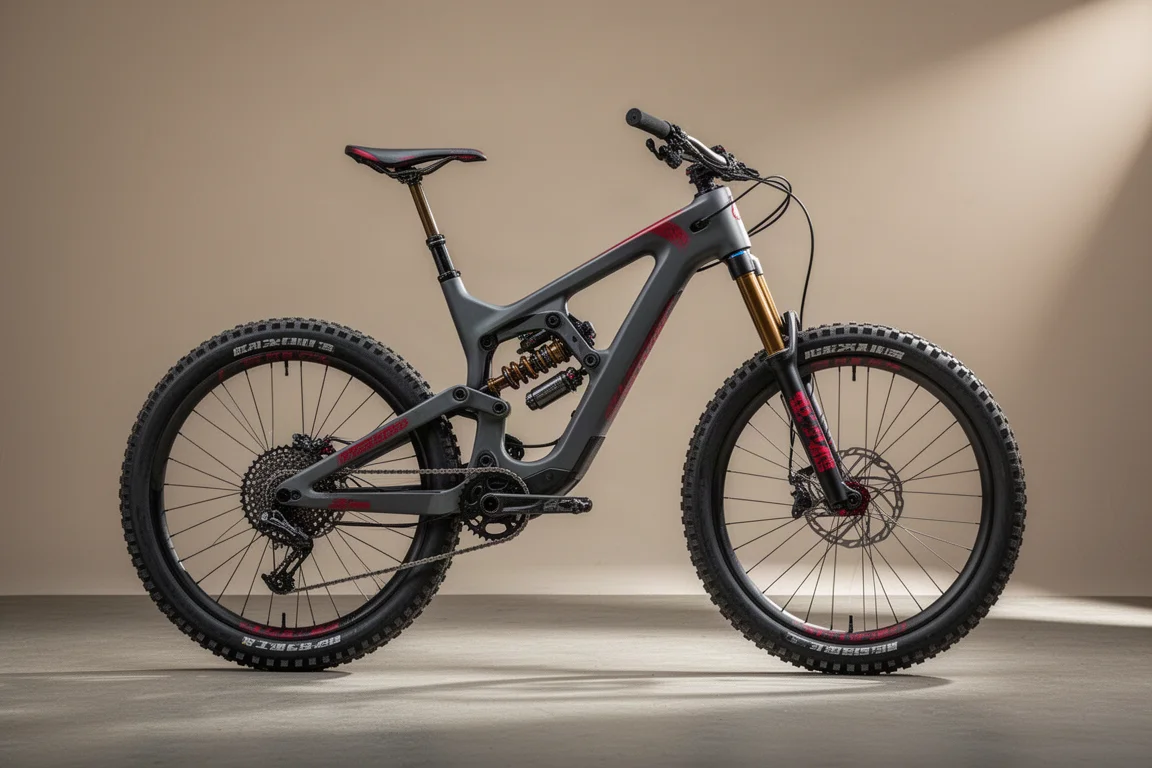
Vitus E-Mythique LT VRX: Budget-Friendly Enduro E-MTB
Electric mountain bikes are in high demand, and approaches to building them diverge sharply. The Vitus E-Mythique LT VRX takes the long-travel, full-power route: an alloy frame paired with a Bafang motor, 160mm of travel at the back end, and a price that makes a fully capable enduro e-MTB far more accessible than most. It is as pocket-friendly as this category gets.
The geometry is sorted and balanced. A slack 63.5-degree head angle, a generous 476mm reach and a long wheelbase make diving headlong into fast, rough, technical terrain genuinely good fun. The dampers are relatively basic in design but well chosen and easy to set up, and tapping into smooth, grippy on-trail sensations takes very little fiddling. The bike gobbles up choppy terrain and isolates the rider from tiring inputs. Comfort over long days in the saddle is strong, and battery life is impressive. The Bafang motor provides plenty of punch, feeling more powerful than a Shimano EP8 while being just as frugal, and it proved reliable throughout testing.
The criticisms are as small as the price tag. SRAM DB8 brakes feel wooden on longer descents, where pulling the lever harder does not add power or bite. The Vee Tire Attack HPL tyres scrabble for grip on greasier terrain, which is exciting and fun for riders with the skills to hold it on the edge, but potentially a handful for less experienced riders. The motor’s auto power-off is quick, and the remote mode buttons are too easy to press, especially during the ferocity of a descent.
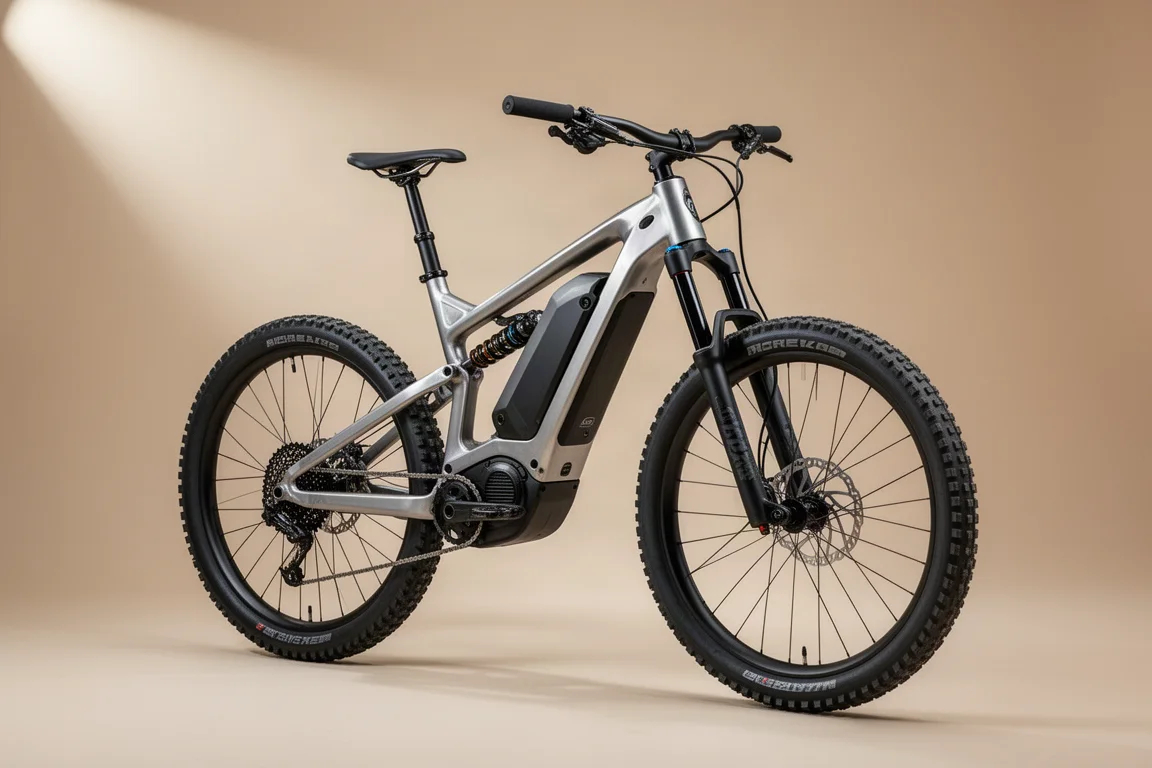
Scott Lumen: A Lightweight Trail E-Bike
The Scott Lumen takes the sleek lines afforded by an internal shock layout and pairs them with a lightweight motor and slimline battery, making it about as low-profile as an e-MTB gets. Inside sits a TQ HPR50 motor with a 360Wh battery, enough to power a ride without adding bulk, while 130mm of travel keeps big days out comfortable.
The TQ motor performs well for climbing in all of its modes, which makes technical climbing fun and turns trail centre loops into a riot. Assistance feels natural and adds to the enjoyment of going uphill rather than dominating it.
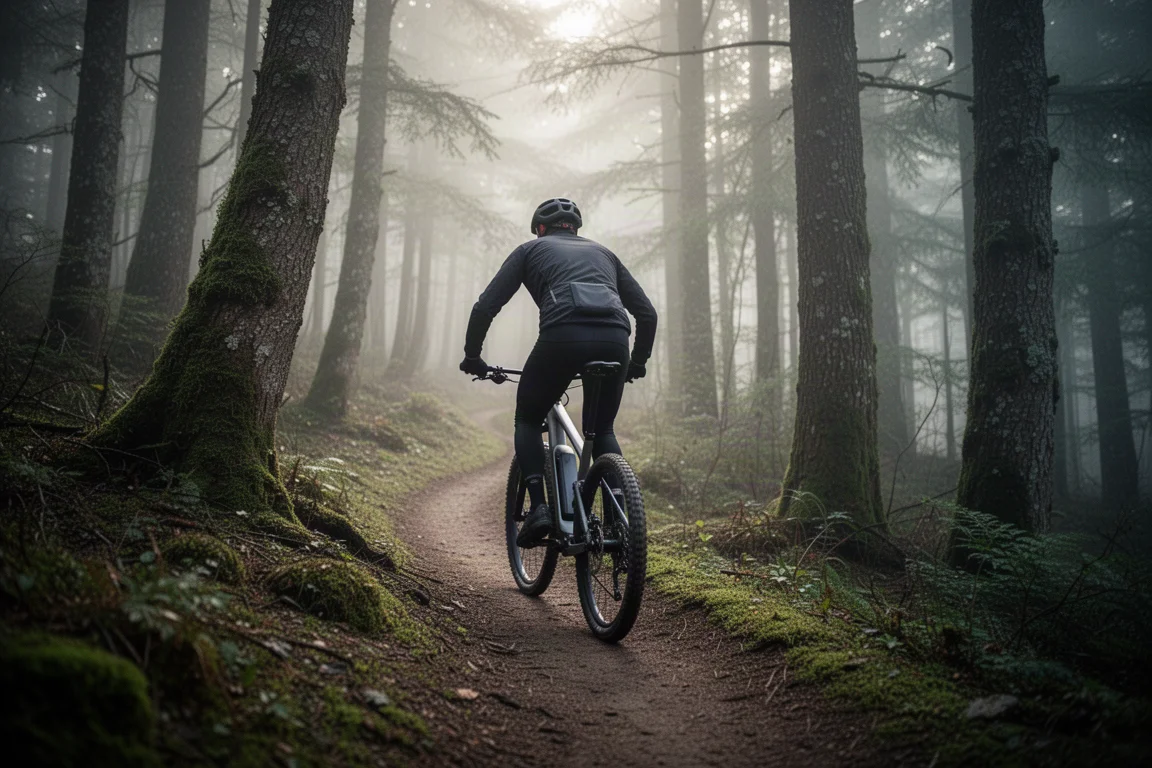
Descending is great on suitable trails, though tyre limitations, the stock head tube angle and the fork travel can become apparent once conditions turn rough. The 130mm of rear travel provides good grip and support with a smooth feel and no harsh bottom-outs. The Lumen handles well, and its weight adds stability without making the bike feel chunky or cumbersome. One practical point: the left thumb stays busy trying to activate the dropper post, the TwinLoc lever and the motor mode selector, which can be tricky on technical terrain.
The Wicked Wheel tyres excel on moderate trails but struggle on steeper or muddier ground, so the frame’s capabilities can outrun the rubber. An upgrade may improve the fun, at the cost of rolling speed and battery life. The components function without issue, making this a fast trail bike with real potential in the frame and only a few specification choices holding it back.
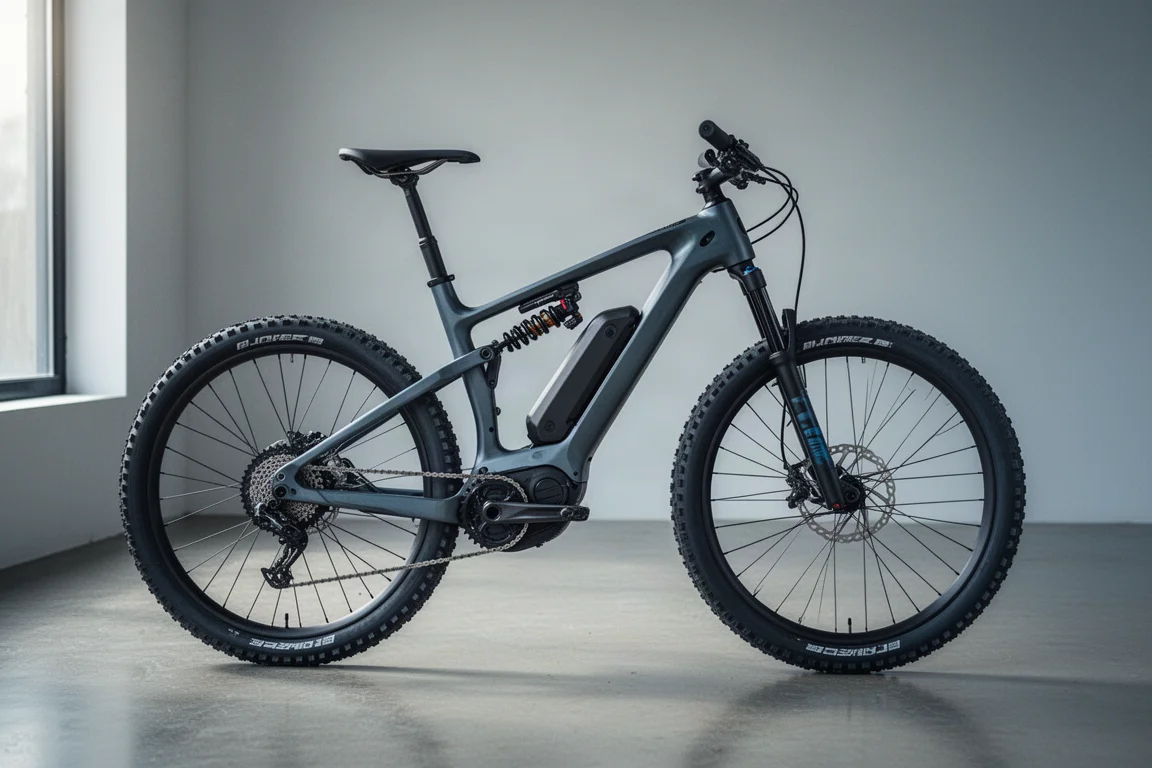
Norco Fluid FS C2: The Confident All-Rounder
Norco is back in the UK after a three-year hiatus, and the Fluid FS C2 is its carbon all-rounder. British Columbia is one of mountain biking’s spiritual homes, so a bike designed in the Canadian mountains should be more than capable of tackling seriously technical terrain. Burly tyres, a piggyback shock and low-slung geometry are combined here to give the rider no excuses when the trail descends.
The moderately slack 65-degree head angle and 480mm reach give the bike a purposeful stance, and combined with a steep 76.7-degree seat angle the riding position is comfortable and upright, instilling confidence from the moment you swing a leg over. A low-slung top tube and a super-long 200mm dropper make it easy to get the saddle out of the way and hit the descents. The Fluid manages to combine serene stability, thanks to supple suspension and composed geometry, with a real zest for getting airborne. If you prefer to plow rather than pop, it is more than adept at that too, in spite of its fairly limited 130mm of rear wheel travel.
Climbing reveals a split personality. On technical ascents the Fluid is a true traction monster and will astonish you with its ability to find grip even on the steepest, loosest pitches. On smoother climbs, a 14.7kg weight and a small amount of bob from the suspension mean it is no racing snake. SRAM G2 RS brakes lack a little in the power stakes. All that said, this is an incredibly fun, capable and comfortable all-rounder, just as happy cruising an all-day epic as shredding a trail centre or bike park.
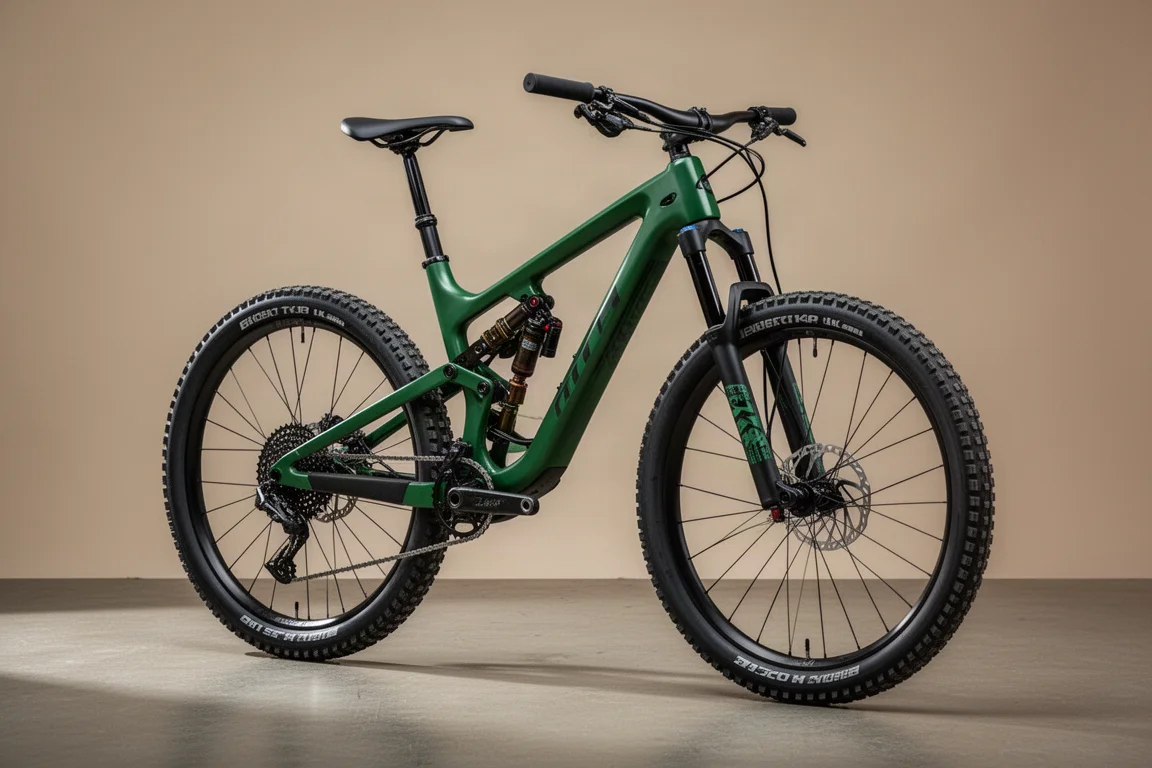
Merida One-Twenty 600: Value Trail Performance
Merida’s recent generations of bikes have impressed, with the One-Forty and One-Sixty earning strong recognition in their respective categories. The newest addition is the pocket-friendly One-Twenty, an alloy-only platform pitched at riders who want to supplement a longer-travel enduro bike with something more agile, and at riders newer to the sport who would rather not drop a house deposit on a new bike. It is built to handle everything from all-day epics to smashing down tracks in your local woods, with 130mm of travel at either end and the Flex Stay suspension platform borrowed from the longer-travel models.
Sizing is progressive for a bike of this ilk, with a long 485mm reach on the large equivalent long size and a steep 78.5-degree seat angle. The 66-degree head angle sits between Merida’s cross-country race bike and its aggressive trail bike. On the way up, the One-Twenty climbs with aplomb. There has been no need to reach for the shock lockout, and so long as you are not pedalling in squares the suspension remains neutral virtually all of the time. Fast-rolling Maxxis Forekaster tyres do a decent job of balancing grip and rolling speed, and the steep seat angle makes sharp, steep climbs a relative breeze.
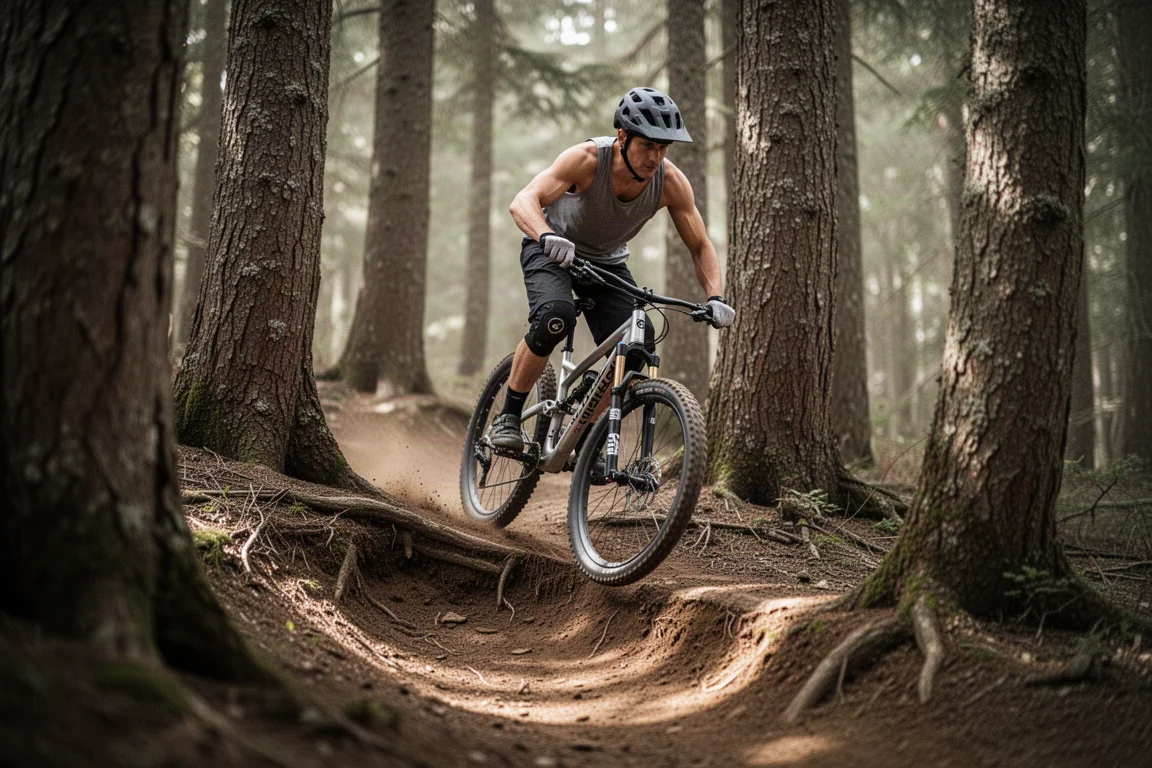
On the way down, the long front end gives the bike high-speed thrills, while the steeper-than-some head angle keeps handling reactive when twisting through trees. The suspension is very progressive, which keeps everything feeling taut rather than soft and forgiving. That pays dividends when you hit trail features faster than you intended. The SRAM DB8 brakes are not a favourite, but this particular pair is punchy enough, and the fork works adequately rather than blowing anyone away. The pick of the bunch is the middle 600 model, which pairs a Shimano drivetrain and Shimano brakes with a Marzocchi Z2 fork at £2,500.
Buying Advice: Matching the Bike to Your Riding
The clearest lesson from this group is that specification lists rarely tell the whole story. The Cervélo ZFS-5 is a race weapon with a five-figure build, and it rewards riders who want to race or train at full intensity. If your riding is built around short, sharp efforts and start lines, it makes sense. If you want a cross-country bike for long, comfortable marathon days, the stiff front end is worth weighing up first.
For riders who want a fast, planted bike on jump lines and bike park trails, the Trek Slash 9.9 delivers pedalling efficiency and agility in a package built for aggressive riding. Those who spend more time on rough, natural terrain should budget for setup time, because the rear suspension responds well to tuning.
Electric buyers face a genuine fork in the road. The Vitus E-Mythique LT VRX is the value play: a full-power, long-travel enduro e-MTB with confident geometry, strong motor punch and impressive battery life, with brakes and tyres as the trade-offs. The Scott Lumen takes the opposite approach, prioritising low weight and a discreet, natural-feeling motor for comfortable trail days, with the stock tyres and fork travel as the main limits to keep in mind.
On the human-powered trail side, the Norco Fluid FS C2 suits riders who value traction, stability and a playful character over climbing pace, and it is comfortable enough for long days out. The Merida One-Twenty 600 is the value-focused option: neutral climbing manners, progressive geometry and a well-chosen 600 build. Anyone unsure where to start should decide first whether they want speed, comfort, motor assistance or low weight, then match the bike to that priority.
Conclusion
These six bikes show how broad mountain biking has become. A dedicated cross-country race rig, a mainstream high-pivot enduro bike, a budget full-power e-MTB, a lightweight electric trail bike, a confident carbon all-rounder and a value alloy trail platform all make sense for different riders and different trails. None of them is the right answer for everyone, and that is exactly the point: pick the one that matches how and where you actually ride, and it will be money well spent.
Further reading
Related Reviews
Mountain Bikes
Atherton AM.130 Review: 3D-Printed Titanium Lugs and a 130mm Trail Bike That Descends Like a Bigger Machine
The Atherton AM.130 pairs 3D-printed titanium lugs with carbon tubes and a DW6 suspension platform. Here is how it rides, what the build delivers, and who it suits.
Mountain Bikes
Beginner Mountain Bike Buying Guide: What to Look For in a Trailworthy Hardtail
A practical framework for evaluating beginner mountain bikes, whether new or used, by examining key components that indicate real trail capability.
Mountain Bikes
Best Aluminum Mountain Bikes 2026: Five Alloy Bikes Worth Your Attention
Five aluminum mountain bikes that show how far alloy has come, from a 120mm trail bike and a versatile machined frame to a 180mm freeride machine.