Cycling Components
Six Road Bike Components to Think Twice About Before Buying
Six widely sold road bike components with clear strengths and real ownership trade-offs, from wet-weather tire grip to serviceable headsets, forks and pedals.
Introduction
Every component on a modern road bike is a compromise between performance, weight, and how easy the bike is to live with. Some of those compromises only surface later: the first wet winter ride, the first flat tire at the roadside, or the first time a part needs replacing and the local shop has to order it in.
This guide covers six components that come up again and again when riders ask what to watch for. None of them are bad on paper. Each has a clear strength and a clear trade-off, and knowing which side of that trade-off you fall on is what separates a bike that stays enjoyable from one that spends the season in the workshop.
Continental Gatorskin: Puncture Protection With a Wet-Weather Trade-Off
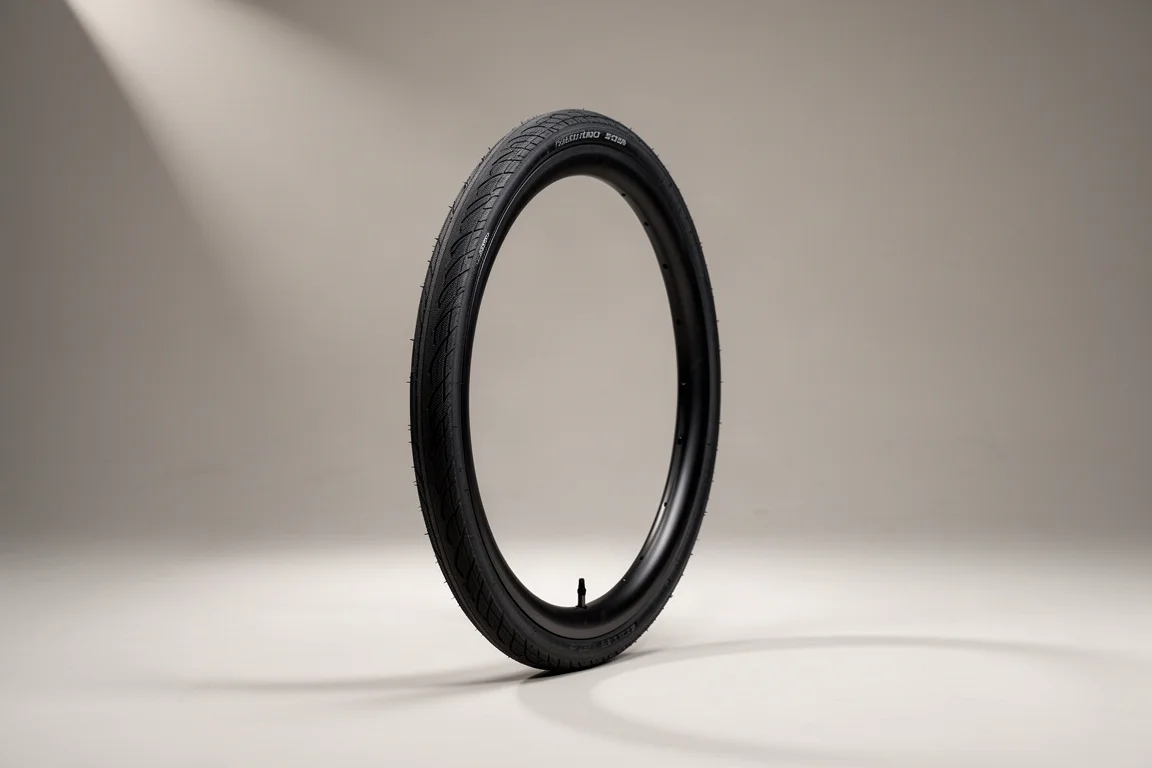
The Gatorskin is built and sold as an urban and touring tire, and its headline strength is puncture resistance. On glass-strewn commuter routes and rough city surfaces that protection is genuinely useful, and it is the main reason the tire has stayed popular for so long.
The trade-off is grip in the wet. The compound and casing that resist punctures also give up traction in cold, damp conditions, which is exactly when a tire is least forgiving. Anyone planning to run it as a winter tire in a wet climate should weigh that carefully, because other puncture-resistant options cope far better in the wet and the cold, including the Vittoria Rubino Endurance.
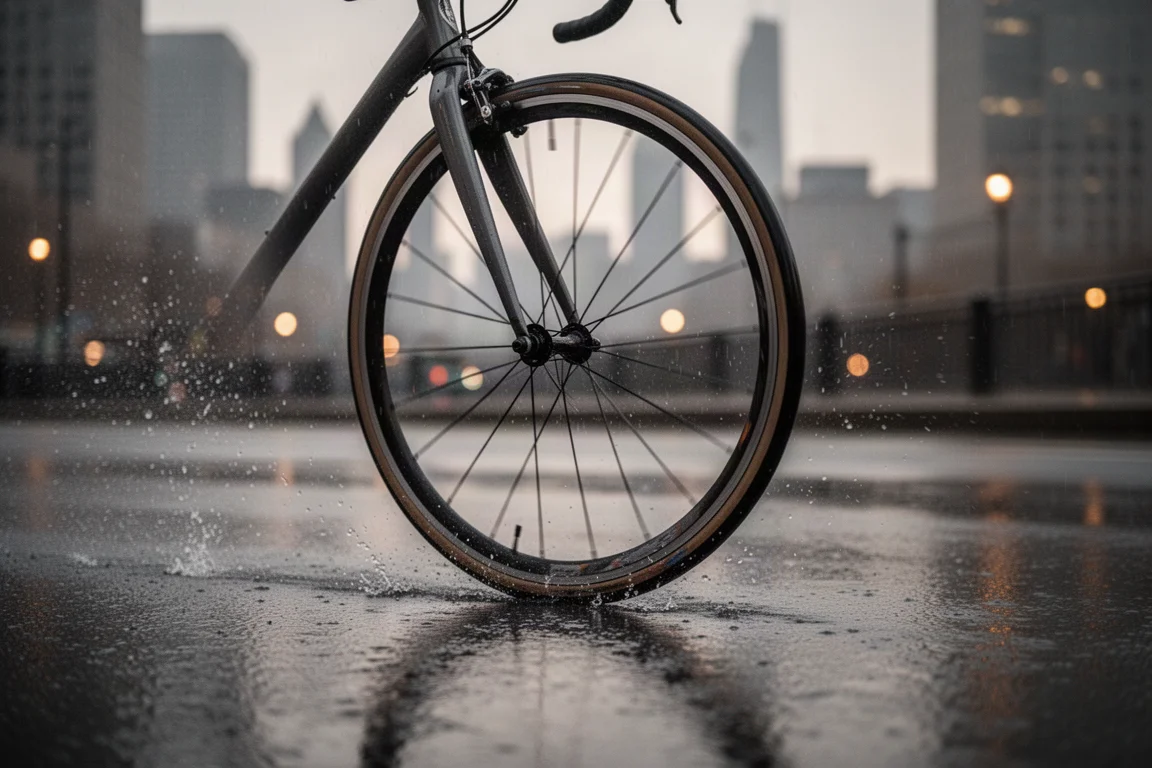
Mounting and removing the Gatorskin is a second consideration. The stiff casing that helps it shrug off debris also makes roadside tire changes harder work, so if you run tubes and fix flats at the side of the road, factor that into the decision.
Lizard Skins Bar Tape: Easy to Wrap, Quick to Wear
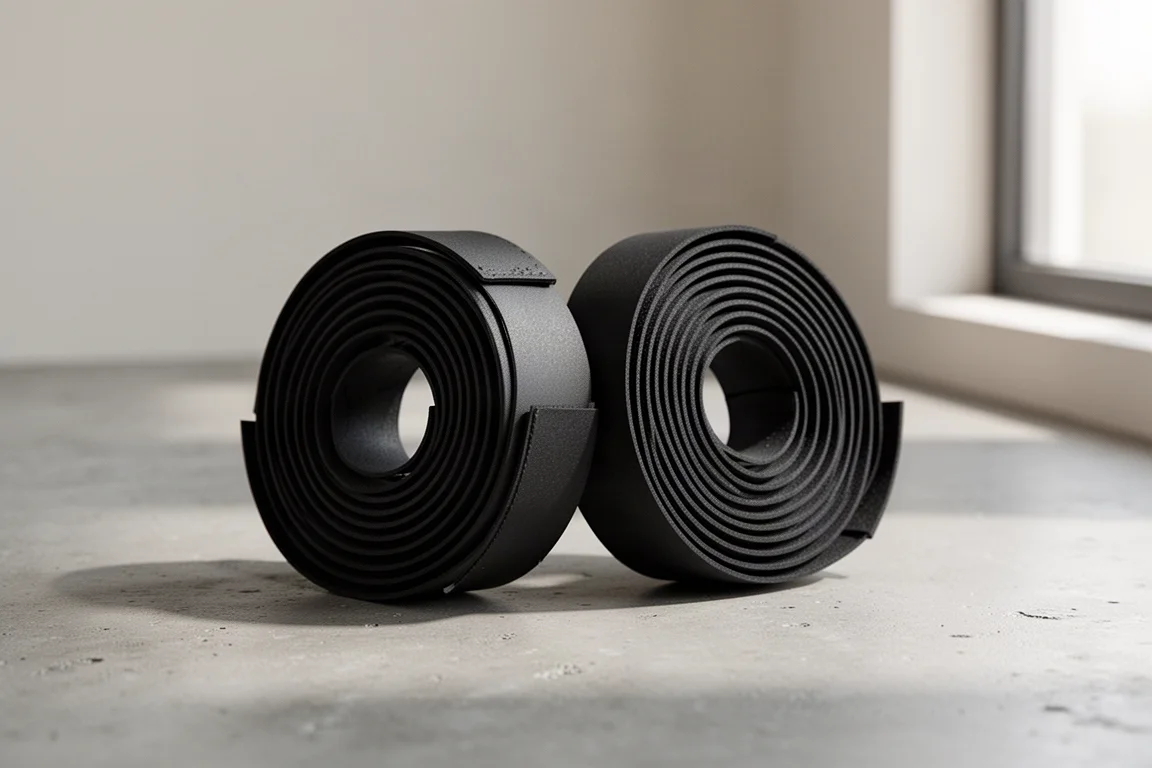
Bar tape is one of those jobs that divides riders. Tapes that stretch are straightforward: they follow the curve of the bar, fold neatly around the levers, and rarely need to be restarted. Tapes that do not stretch are far harder to wrap cleanly, producing creases and forcing you to unwind and start again.
Lizard Skins tape sits firmly in the stretchy camp, which makes it one of the easier options to install, whether you are wrapping your own bars or working through a run of bikes in a single day. The drawback is longevity. The same properties that make it pliable mean it can wear through quickly, and riders covering serious distance may find themselves replacing it far more often than expected. For a tape that stays stretchy and keeps its condition longer, options such as BBB are worth a look.
Campagnolo EPS: Electronic Shifting With Service Complications
EPS delivers precise, consistent electronic shifting, and on the road there is little to fault. The weak point is not how it performs but how it behaves when something goes wrong.
All of the cables in the system connect back to the battery, so damage to a single cable can mean replacing the battery as well, at a cost of around £400. The connectors at the lever end are bulky too, and fitting one can require dismantling the whole lever. Shimano still uses cables but allows them to be plugged in from both ends, so a damaged cable costs around £20 to replace. SRAM avoids the problem entirely with a wireless system.
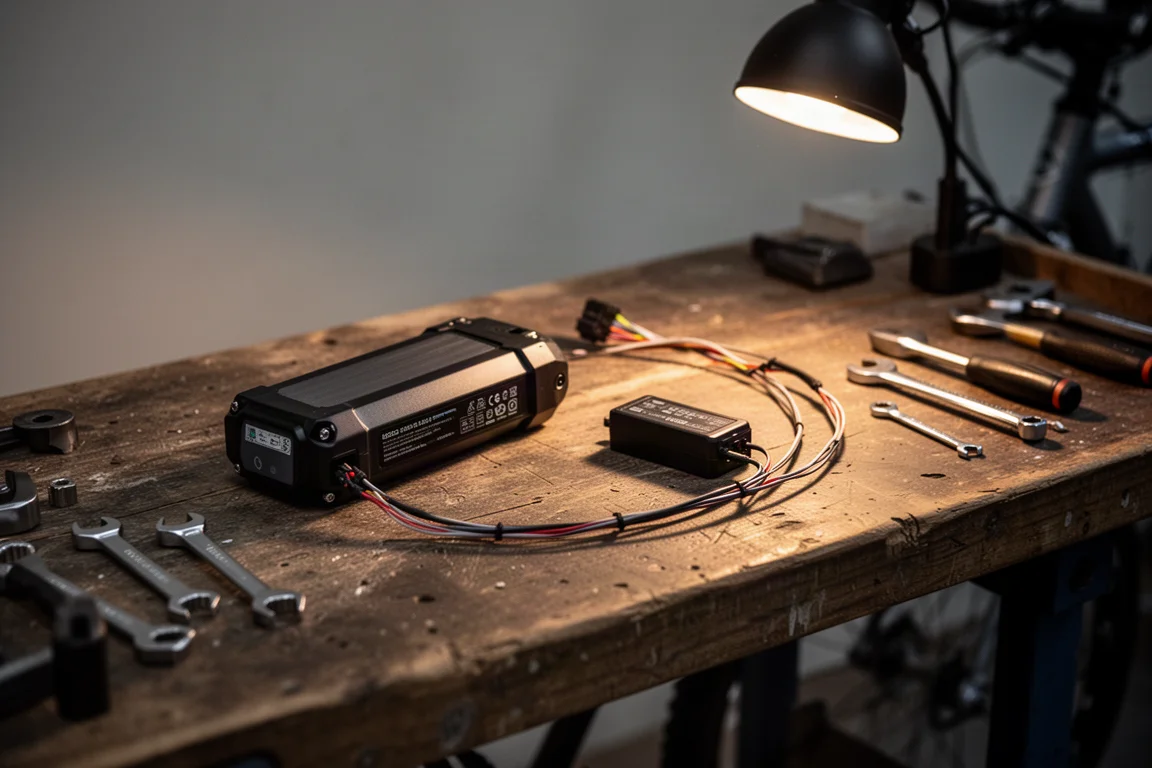
None of this makes EPS slow or imprecise. It means the cost of a mechanical fault is higher and the fix is more involved, which matters a great deal if you depend on the bike and want a quick turnaround from a local shop.
Specialized Future Shock: Compliance With Fiddly Maintenance
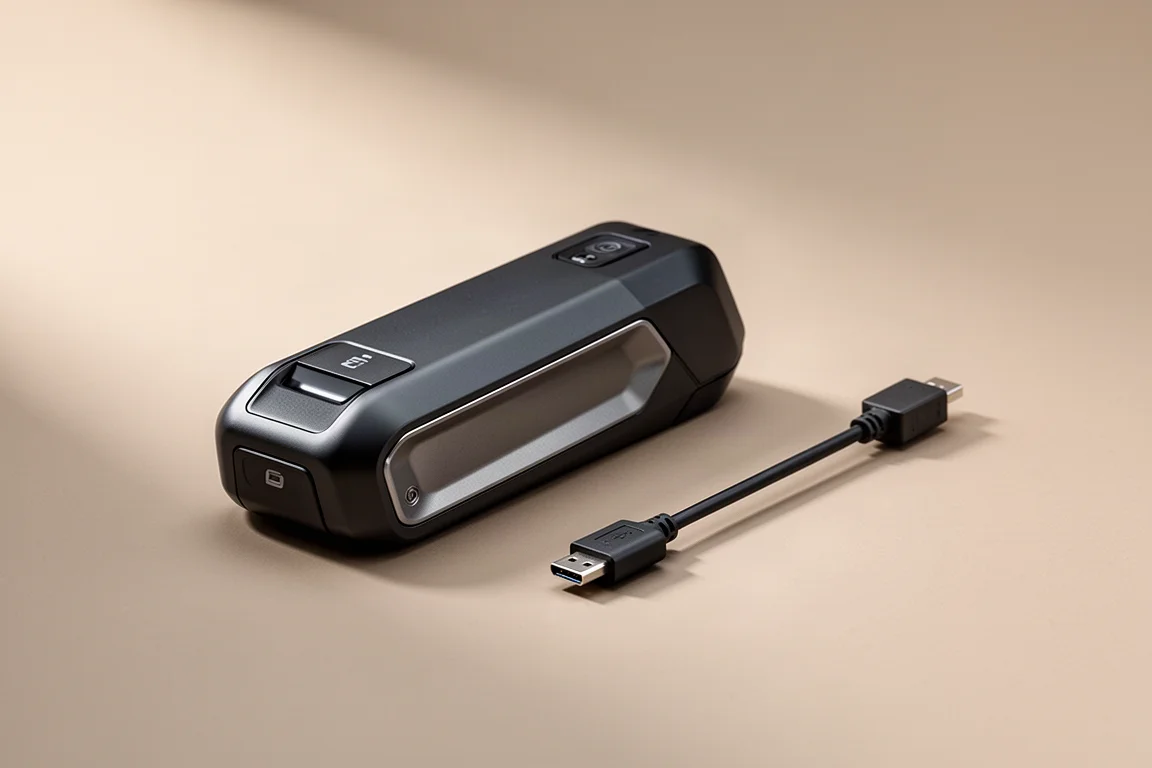
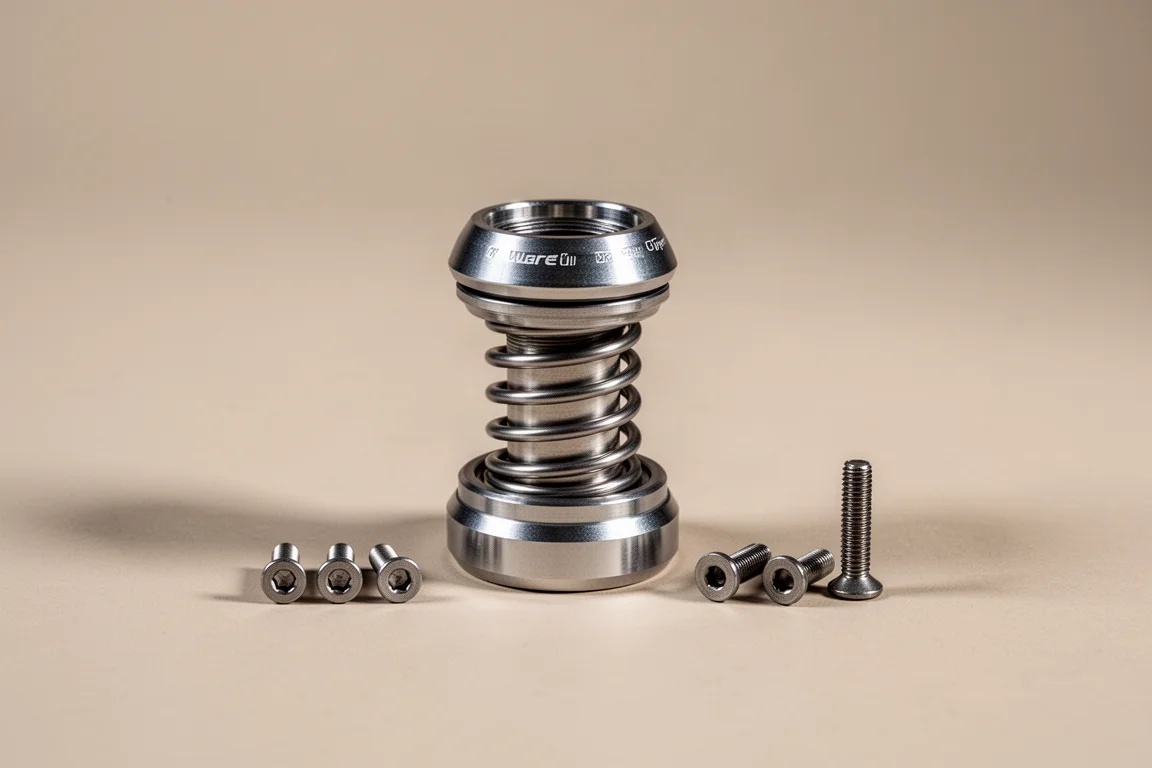
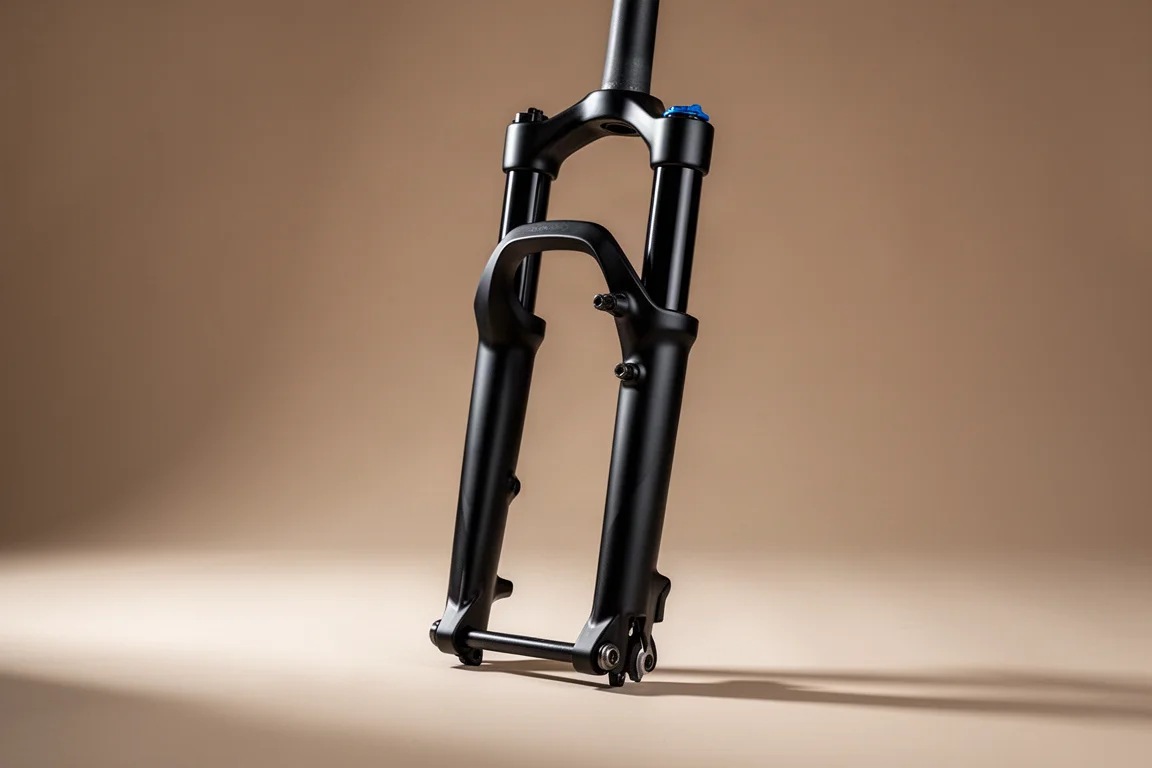
The Future Shock is a suspension headset that sits inside the steerer and takes the edge off rough surfaces. It is an elegant idea, and on the right bike it delivers genuine comfort at the front end.
The complication is maintenance. The system uses a number of small, fiddly parts, and adjusting it involves working with four bolts. If something breaks, a local shop is unlikely to hold the parts unless it is a Specialized dealer, and a repair can run to around £200. A conventional headset, built from a lower bearing, an upper bearing and an expander bung or star nut that compresses the assembly, has fewer moving parts, works reliably, and can be serviced almost anywhere.
Cannondale Lefty Fork: Distinctive Design, Awkward Servicing
The Lefty is one of the most recognisable front ends in cycling, and Cannondale bikes generally look good and ride well. The single-sided fork design is where the practical friction starts: because there is only one leg, removing the wheel for transport or a roadside repair means taking the brake caliper off first. That is a lot of extra work for a routine task.
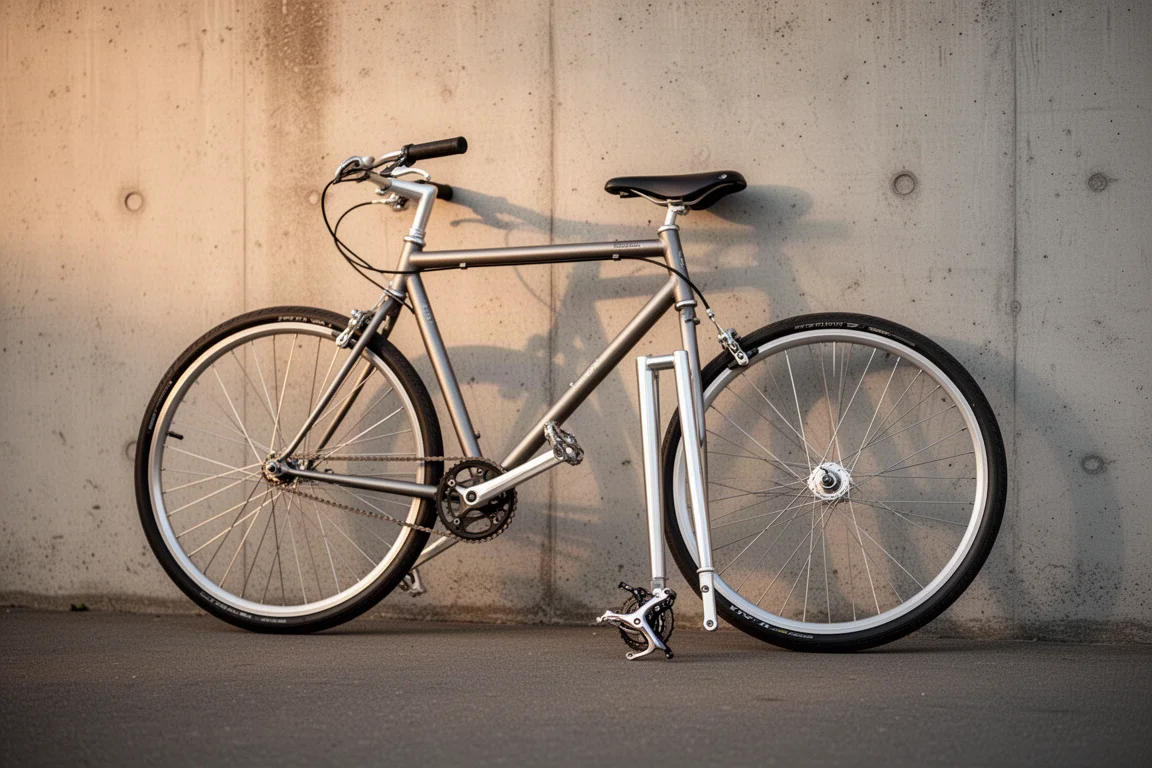
Cannondale has also used offset dishing on its rear wheels, which means a wheel from another brand needs to be re-dished at a shop before it will fit. Some wheel manufacturers void the warranty as soon as that is done, which effectively locks you into the brand’s own wheels. On the positive side, Cannondale has moved back to BSA bottom brackets after years of BB30A, which is a step towards easier servicing.
Speedplay Pedals: Adjustability You May Not Need
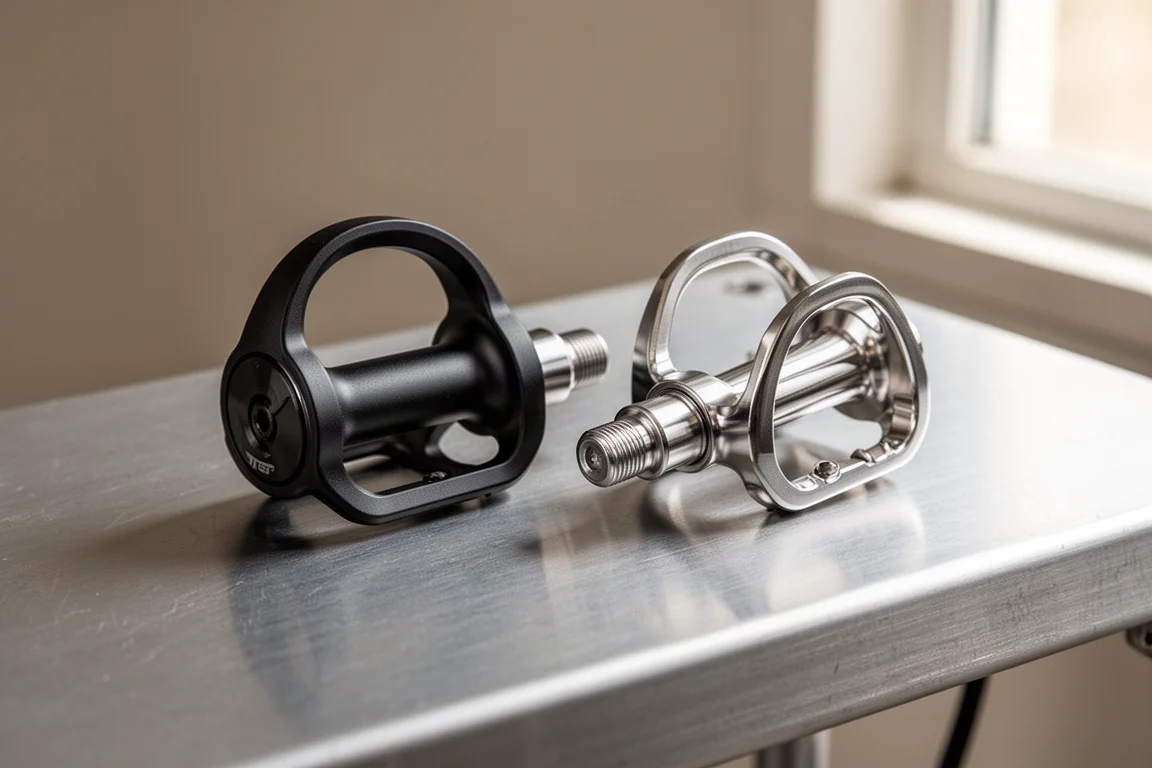
Speedplay’s lollipop-style pedals are sold on adjustability: longer spindles, Q-factor changes and a wide range of positions. That range only counts as an advantage if someone qualified sets it up for you. Left to your own judgement, the number of variables makes it easy to create problems rather than solve them.
There are other practical complaints. Clipping in can take more effort, durability is a recurring issue, and replacement cleats are expensive. The light weight often quoted for the pedals does not include the cleats, which changes the comparison once the full system is on the bike. If float and knee comfort are the priority, Time is a common alternative, and Look also makes a solid pedal.
Buying Advice: What to Check Before You Commit
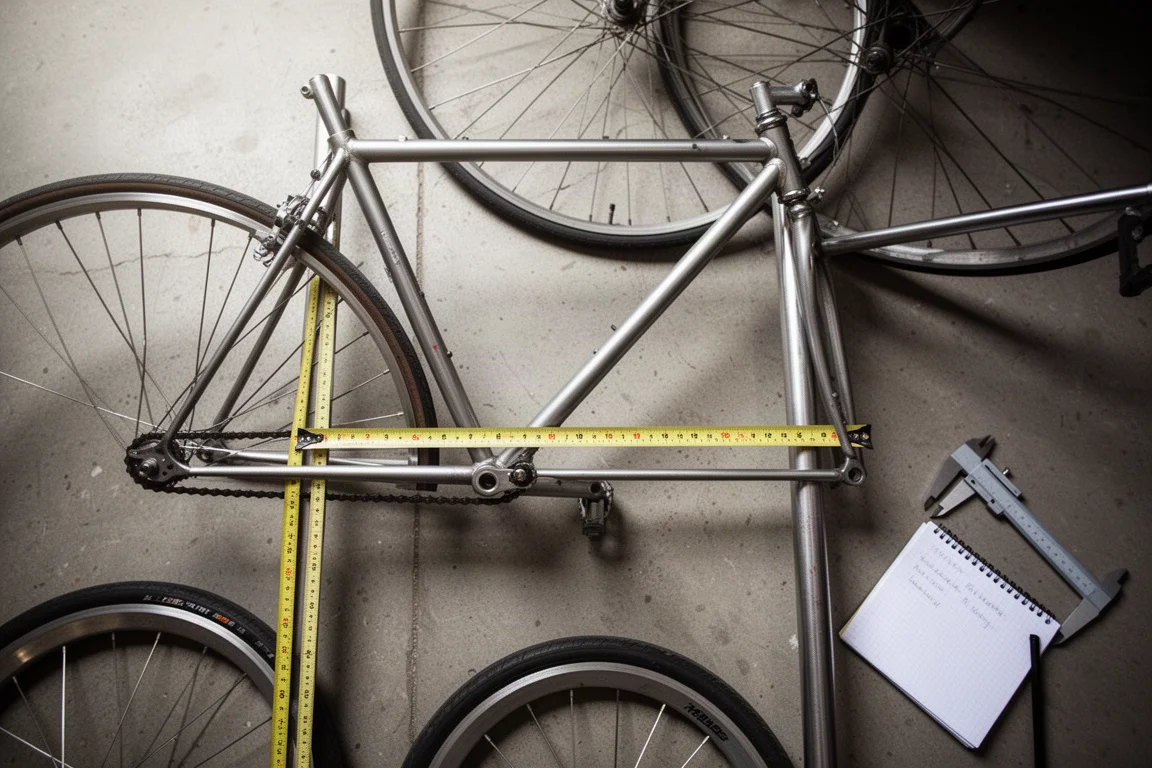
Frame clearance is the single most useful thing to check before buying a bike. Wider tires are now understood to be both more comfortable and often faster, yet some new frames still barely clear a 28mm tire and struggle with anything larger. Tire sizing makes this worse: a tire marked 28mm can measure 31mm once mounted on a given rim, so a setup that fits on paper may not fit in practice.
A frame that can take at least 32mm, and ideally closer to 35mm, gives you room to run a 28mm when you want speed without the risk of grit scraping the paint of a new bike. Riders who are heavier than a professional racer will notice the benefit of bigger tires sooner. Around 28mm remains a reasonable standard, 30mm is what many riders settle on, and 32mm in winter adds comfort and grip.
It is also worth thinking about the systems on the bike rather than just the frame. Check what your local shop stocks and supports, especially for wheels, headsets and any proprietary suspension or drivetrain parts. A shop that sells and services a wheel brand is far more likely to keep you rolling, and far more likely to steer you away from something they know they will be fixing again and again.
Conclusion
None of these six components is a bad product in isolation. The Gatorskin resists punctures well, Lizard Skins tape is easy to wrap, EPS shifts precisely, Future Shock adds front-end comfort, the Lefty is distinctive and fast, and Speedplay offers more adjustment than most riders will ever use.
The question is whether the trade-off each one makes lines up with how you ride. If puncture protection matters more to you than wet-weather grip, or you enjoy tuning your position down to the millimetre with a qualified fitter, these choices can work well. If you want a bike that any shop can service quickly, simpler and more widely supported designs will usually serve you better.
Further reading
Related Reviews
Cycling Components
A 20,000-Mile Budget Race Bike Build: Five Parts Worth Knowing
A rim brake race bike assembled from low-cost components and ridden for 20,000 miles. Here is what delivered real speed, what caused problems, and what to weigh before copying the formula.
Cycling Components
7 Bike Fit Products Fitters Avoid: What to Check Before You Buy
Seven bike components that regularly cause knee, foot and saddle problems, with the specific concerns behind each one and what to look for instead.
Cycling Components
Four Affordable Bike Upgrades That Improve Ride Feel
Four low-cost cycling products that make a real difference to ride feel, plus the free setup changes worth trying first.