Backpacking Gear
Six Moon Designs Silver Shadow Ultralight Review: A Light Backpacking Umbrella
A practical look at the Six Moon Designs Silver Shadow Ultralight, covering its 8.9 oz build, 50+ UPF canopy, rain performance, and who should carry it.
Introduction
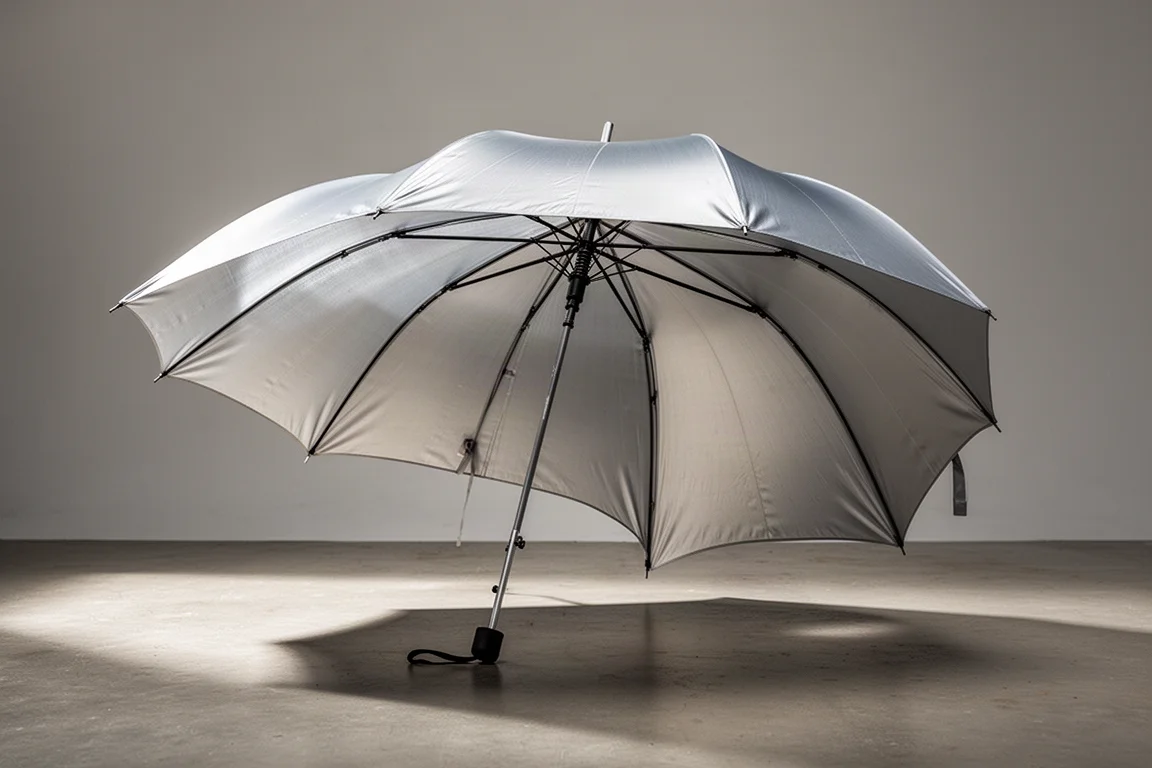
A backpacking umbrella is one of the few pieces of gear that earns its place in both extreme heat and cold rain. On exposed desert stretches it creates instant shade, and in steady rain it keeps the upper body drier so a shell jacket is not the only line of defense. The Six Moon Designs Silver Shadow Ultralight is a well established option in this category, and its numbers explain why. It weighs 8.9 oz, uses 210T polyester with a waterproof coating, pairs a fiberglass shaft with fiberglass ribs, and carries a 50+ UPF rating. It is listed at about $40 and holds a 4.6 star rating.
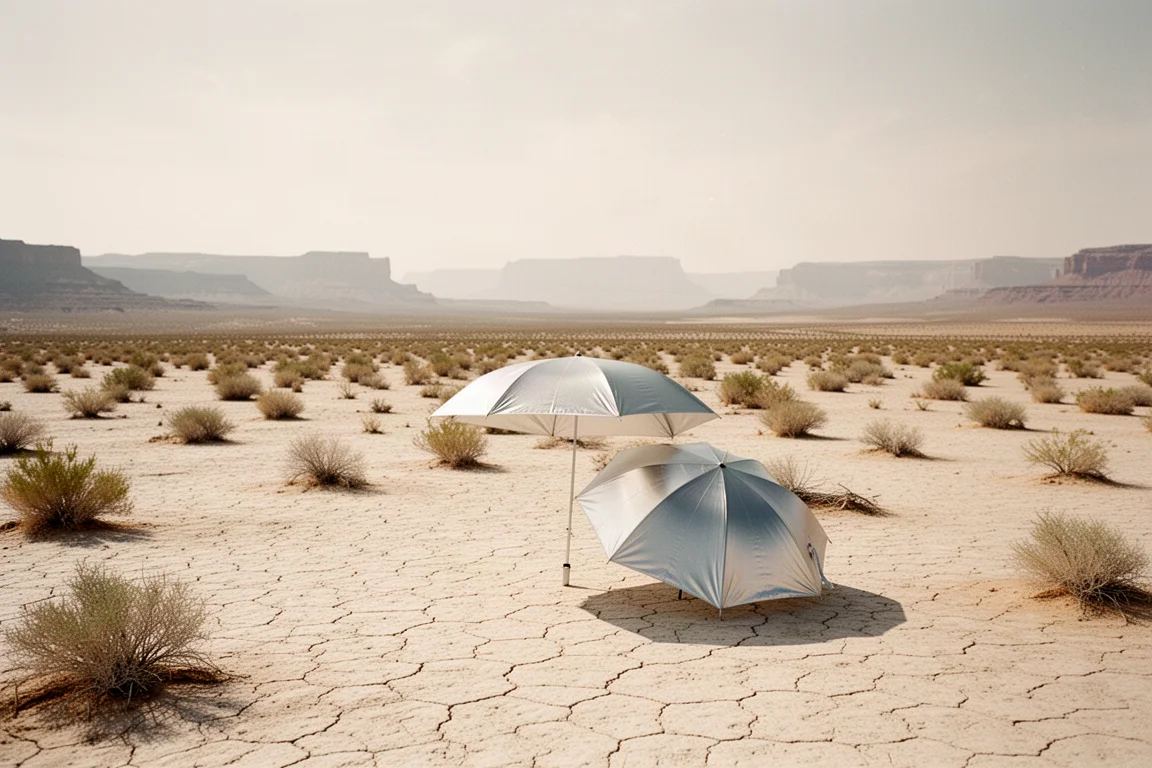
For hikers who already carry rain gear and want a second layer of comfort, this umbrella is a realistic addition rather than a novelty item. It is also the kind of gear that quietly improves morale, whether the day is blisteringly hot or cold and wet.
What to Look For in a Backpacking Umbrella
Coverage comes first. A canopy in the 3 ft to 3.5 ft range usually gives enough protection from rain and sun without becoming heavy or snagging on every branch along an overgrown trail.
Weight is the next filter. Lighter is better, and the lightest designs that still feel comfortable for regular use sit near 6.8 oz. Going much lighter than that tends to compromise the frame.
Fabric density is expressed as a thread count, such as 210T or 250T. A higher number means a denser, more durable fabric, but also more weight.
Hardware matters as much as fabric. Aluminum frames are common on inexpensive umbrellas and can eventually fail at a spoke, while fiberglass shafts and ribs are generally considered lighter and more durable.
Color affects heat. A silver reflective canopy runs coolest, followed by black or darker colors, then lighter tones. For desert or exposed hiking, a 50+ UPF rating is the sensible target, and the umbrella also needs a waterproof coating if it will be used in rain rather than sun alone.
Finally, think about packed size and cost. Fixed handles are typically carried in a pack side pocket, while telescoping handles collapse smaller. Backpacking umbrellas generally span from about $5 to $50, and every factor above feeds into where a given model lands.
Who the Silver Shadow Ultralight Is For
This umbrella suits backpackers and thru-hikers who spend long days on exposed, sun-blasted routes and want shade without adding much weight. The 8.9 oz figure is the headline here, since it is a little over 3 oz lighter than a typical 12 oz budget umbrella.
It also suits hikers who prefer a known brand over an unfamiliar listing. Six Moon Designs is an established name in lightweight gear, and the Silver Shadow carries a 4.6 star rating to go with it.
There is a secondary use case worth remembering. A silver reflective canopy is highly visible from above, which makes it a useful signaling tool in an emergency situation where someone is searching for you.
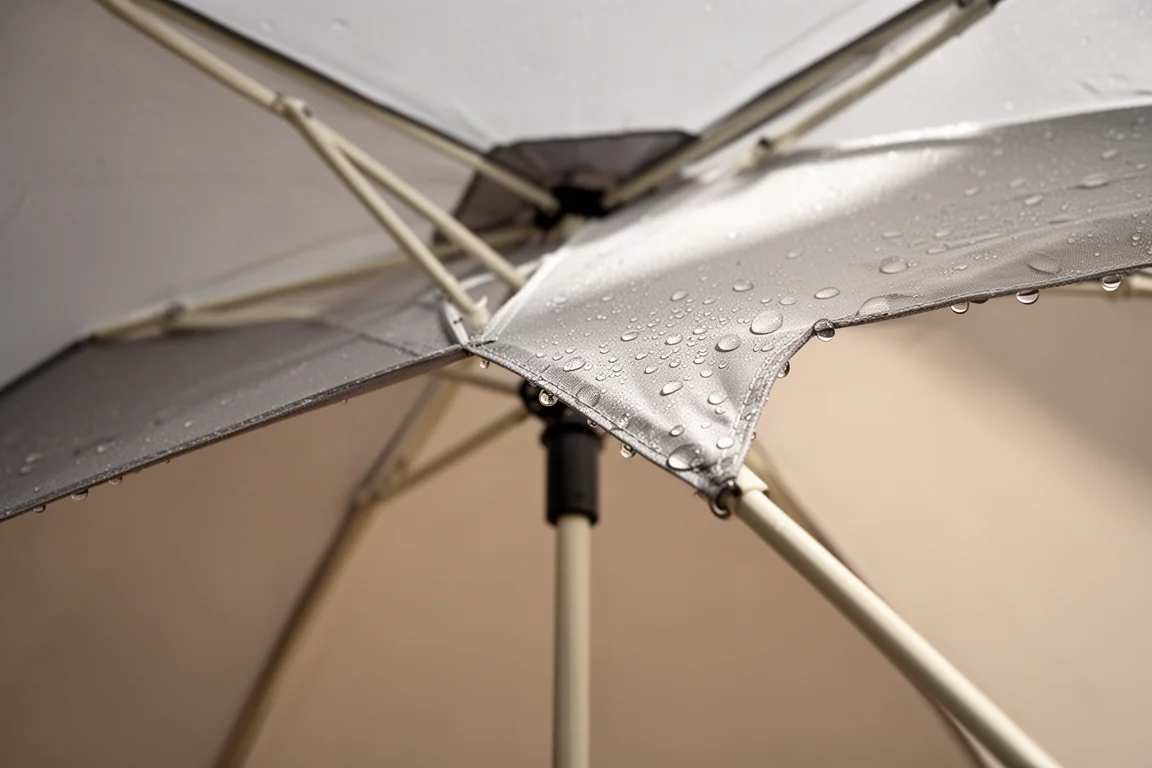
Anyone who hikes in steady rain will also appreciate the morale side of it. Being able to sit down under cover and eat a snack, check a phone screen without rain droplets scrambling the touch response, or shelter a camera makes a long wet day noticeably easier.
Main Strengths: Weight, Fabric, and Hardware
The strongest argument for the Silver Shadow Ultralight is its weight. At 8.9 oz it stays close to the practical floor for a usable canopy, and the saving is meaningful on trips where every ounce is counted.
The 210T polyester canopy is a sensible middle ground. It is not the densest fabric available, but it is durable enough for regular trail use, and the lower thread count keeps the overall weight down.
The fiberglass shaft and fiberglass ribs are the other half of that equation. Fiberglass hardware is generally lighter and more durable than the aluminum frames found on inexpensive umbrellas, and it is the reason this model can be both light and reasonably sturdy.
Sun protection is built in rather than added on. The 50+ UPF rating means the canopy is intended to block harmful rays, not just rain, and the waterproof coating means it can be used in wet weather as well.
Coverage, Sun Protection, and Rain Performance
The canopy measures 37 in across, just over 3 ft. That is slightly less coverage than a 42.5 in umbrella, so it is worth being honest about the trade. In practice, 37 in is still adequate for shielding the head, shoulders, and upper torso from rain and for casting shade while walking.
Where the Silver Shadow pulls ahead is heat management. The silver reflective surface is the coolest option available, and in exposed terrain that matters more than a few extra inches of width. The 50+ UPF rating backs that up with a real protection claim rather than just a color choice.
Rain performance comes down to the waterproof coating. This is not a sun-only umbrella, so it can be used in wet weather as intended. The trade is the fixed handle, which does not collapse as small as a telescoping design.
For a long, wet day with no natural cover in sight, the combination of a waterproof canopy and a light frame is exactly what makes an umbrella worth carrying in the first place.
Things to Consider Before Buying
The fixed handle is the main compromise. The canopy folds down, but the shaft does not telescope, so this umbrella is best carried in a pack side pocket rather than stowed deep inside. If pack pockets are already full with bottles, that is a real consideration.
Wind is the second limitation. A strong gust can invert an umbrella or snap a spoke, and this has happened even with more expensive fiberglass models. It is best to put the umbrella away when conditions turn genuinely windy.
Weather awareness matters beyond wind. Holding a metal framed umbrella makes you taller, so it is not the right tool during a lightning storm. On narrow, overgrown trails with dense foliage, brushing branches can catch the canopy and bend it or tear the fabric.
It is also worth remembering that an umbrella should not be your only sun or rain protection. Rain gear and sun protection still belong in the pack for the times when the umbrella cannot be used while walking.
Cost is the final factor. At about $40, this umbrella sits near the top of the typical $5 to $50 range, and a heavier 12 oz budget option can be found for around $8.99. The question is whether the weight saving and the reflective canopy justify the difference for your trips.
Buying Advice
The right choice depends almost entirely on where you hike. On exposed desert routes and long sun-blasted sections, the silver reflective canopy is the clear pick. Saving roughly 3 oz matters more there, because heat means carrying more water, and a canopy that stays cooler under direct sun is a genuine comfort gain.
On cooler, wooded trails where rain is the main concern and sun exposure is minimal, a heavier and cheaper umbrella may serve just as well. The extra 3 oz is easier to accept on day hikes, on routes that pass through towns, or on cooler season walks where pack weight is not the central problem.
Carrying style is worth planning too. Holding an umbrella in hand gives the freedom to shift it as conditions change, and many hikers find it less tiring than expected. Hands-free shoulder strap attachments are available for those who want both hands on trekking poles.
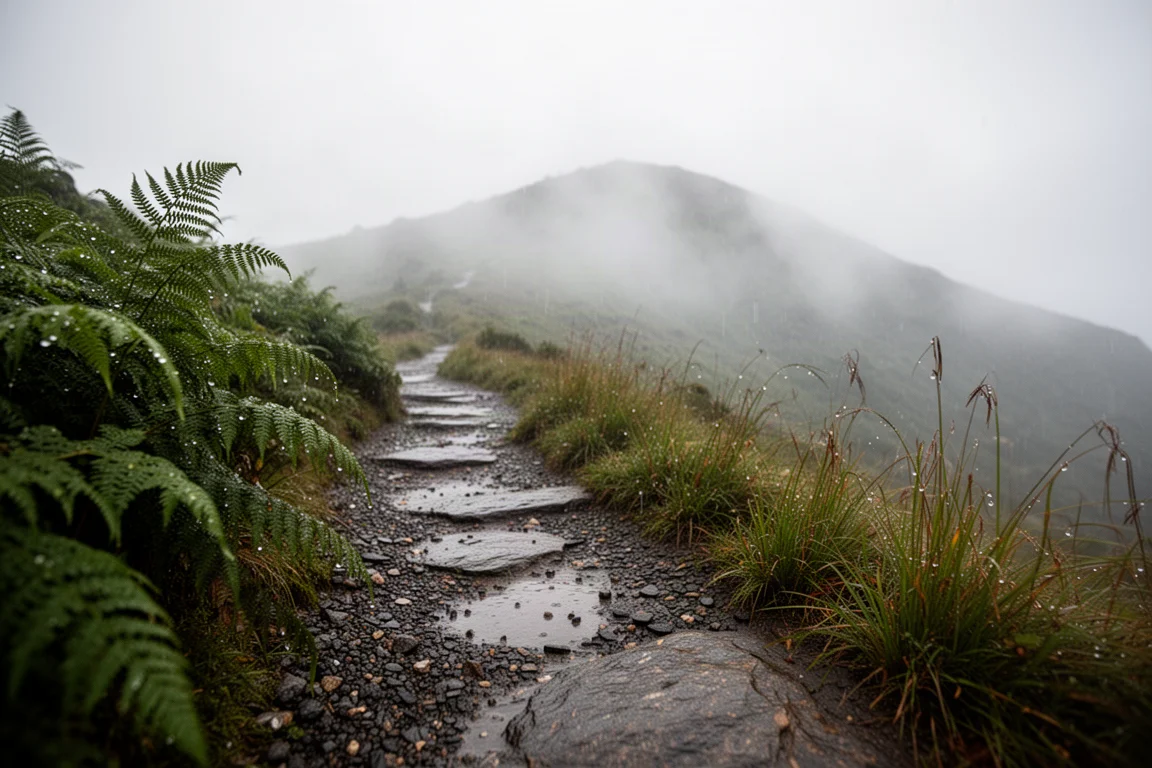
A sensible approach is to treat the umbrella as a supplement rather than a replacement. Keep rain gear and sun protection in the pack, add the umbrella for the hours when it genuinely helps, and put it away when wind or terrain makes it a liability.
Conclusion
The Six Moon Designs Silver Shadow Ultralight makes a clear case for itself. At 8.9 oz with a 210T polyester canopy, fiberglass shaft and ribs, a 50+ UPF rating, and a waterproof coating, it covers both sun and rain duty at a weight that is easy to justify.
Its limits are equally clear. The fixed handle packs less compactly than a telescoping design, and the 37 in canopy offers slightly less coverage than wider alternatives. For backpackers heading into exposed, sunny terrain who want a light and dependable umbrella, those are reasonable trade-offs.
Product link
View more details for Six Moon Designs Silver Shadow Ultralight
This product is mentioned in the review. Check the specifications, options, and compatibility before buying.
View more details for Six Moon Designs Silver Shadow UltralightFurther reading
Related Reviews
Backpacking Gear
Building a 10 lb Base Weight: An Ultralight Backpacking Gear List
A practical walkthrough of the ultralight pieces behind a 10 lb base weight, from a 765 g pack and a roomy one-person tent to a full camp chair and a dependable water filter.
Backpacking Gear
A 15-Pound Lightweight Backpacking Gear List for Solo Trips
A beginner-friendly 15-pound backpacking setup built from easy-to-find gear, with notes on what each piece does, how it packs, and where to spend your attention.
Backpacking Gear
8 Ultralight Backpacking Gear Upgrades Worth Carrying
Eight small, affordable backpacking upgrades that solve real trail annoyances, from a pillow that stays put to a fuel valve that rescues leftover canister gas.